Allí se ubicaron en un improvisado toldo levantado con ramas de calafate, apoyados bajo una gigantesca roca que le daba la espalda al viento que corría desde el NorEste y que traía las nubes del Atlántico.
La fogata ardió esta vez a cargo Ocetán quien no tardó en reunir material combustible para alimentar las llamas y depositar cuidadosamente sobre el suelo los hongos recolectados durante su pasada por los faldeos de la Sierra Boquerón.
Extrajo de su bolsa (mujii) los hongos y raíces que forman la dieta invernal del fueguino hongos que crecen sobre el suelo esponjoso de los pantanos donde sus raíces pequeñas se internan quedando solo visible la parte superior algo más colorida por la acción de la luz.
El sabroso shanamain, el suave y transparente Ahuichi, cubierto de pintas blancas y rojas la chahuata que crece allí en todos los árboles vivos y el lechoso chagadakaamáin que sabe muy bien asado cubierto entre las cenizas calientes del fuego.
Mientras los ojos de ella ardían en la noche Selcha hurgueteó en el componente mineral que formaba las rocas y con el pehí (cuchillo) raspó hasta dar con una veta de marcado tono rojizo que llamó su atención por la inusual extensión que ocupaba en la superficie del granito
Derritiendo luego un trozo de grasa de guanaco y separando la roca del pigmento, mezcló ambos logrando una masa colorida y viscosa que afinó machacándola en un improvisado mortero ubicado en la roca.
Untó los dedos en la pintura tibia dibujando primero en su cuerpo y luego en el de su pareja desnuda la simbología de su clan y mientras el silencio de la noche se apoderaba de ese paisaje solitario, se alimentaron bajo las estrellas, al alero de estos grandes bloques abandonados por antiguas glaciaciones sobre la inmensidad de la pampa, allí donde durante milenios la luz de la luna recortaba sus pálidas siluetas graníticas en el azul de la noche, anunciándolas mucho más inmensas y misteriosas que durante los angostos días antárticos.
Entonces sólo el aullido de algún animal nochero se hacía sentir muy lejano trazando su oscuro guión en la noche, y pronto ambos se durmieron abrazados por la naturaleza que sabiamente todo lo acoge
-DCXCI-
“Trashumancia”, poema inédito del libro “Cuando la Tierra se Acaba”, de Claudio Rodriguez Lanfranco.
born in Valparaíso in 1968. After living in Patagonia and in the United States, a product of a scholarship, his first painting exhibitions back to the nineties in Valdivia. Later he moved to Santiago and the Fifth Region, where his visual and literary work materializes in a body of work that addresses different forms of expression, such as painting and drawing, experimental and documentary video, visual poetry and muralism, with public art projects installed in Santiago, Valparaíso. As a visual artist he has exhibited his paintings in 15 solo shows and in more than 60 group shows in Chile, Europe and the United States, and his poetic texts have been published in regional, national and international poetry collections, his work being awarded in different state funds for artistic creation such as Fondart, Cntv, Fondo Carnavales Cultural Centers of Valparaíso, among others. Currently the painter lives and works between Valparaíso, Santiago and Concón, where he develops his artistic projects and teacher training, being in charge of university graduates, painting and mural workshops, becoming a teacher for generations of students and artists who have worked with him.
A DAY LIKE TODAY I WAKE UP WITH CERTAIN ANGUISH IN THE SOUL A DAY LIKE TODAY ALFREDO JAAR WINS THE NATIONAL AWARD OF PLASTIC ARTS, A DAY LIKE TODAY 1200 YOUNG PEOPLE FORM A CHAIN OF BODIES LYING IN THE ALAMEDA, A DAY LIKE TODAY I WRITE THIS POEM, A DAY LIKE TODAY THE MECHANICS OF THE AIR FORCE ADJUST THE MISSILES OF THE HAWKER HUNTERS WITH WHAT TOMORROW AT THIS SAME HOUR THEY WILL BE BOMBING THE CURRENCY
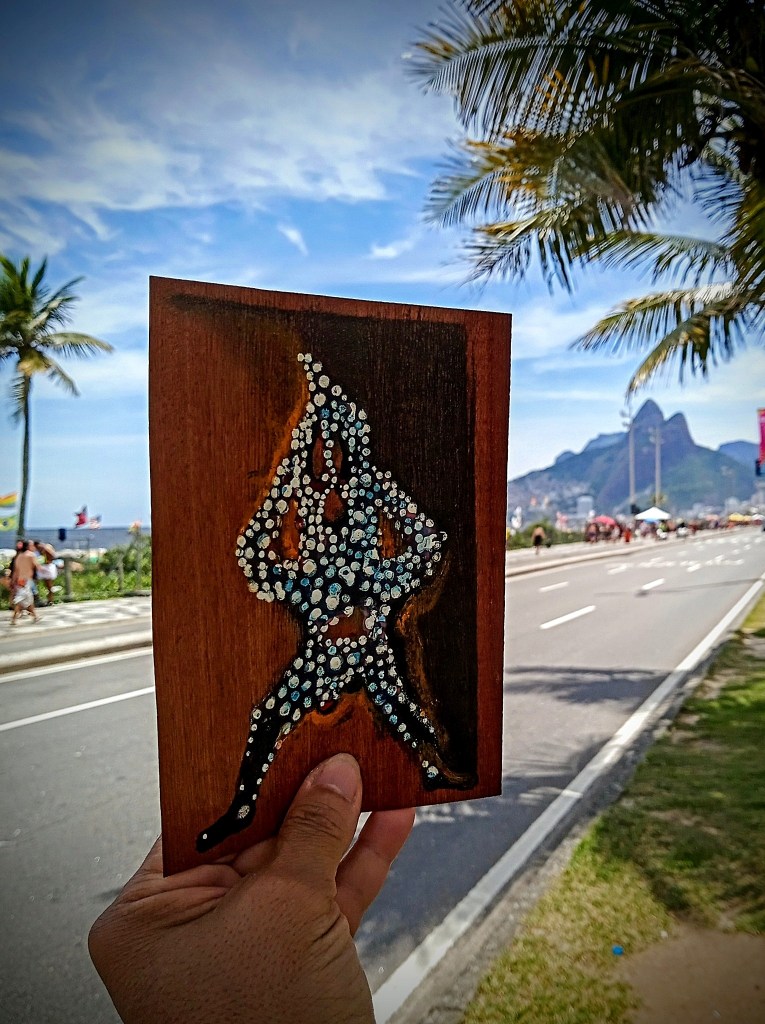
“SELK´NAM DEJANEIRO”, ATRÁS PODE VER A PEDRA DOS DOIS IRMAOS E A PARTE NORTE DA FAVELA ROCINHA. DA SÉRIE “MEU PEQUENO EXÉRCITO SELK’NAM”, PROJETO RIO DE JANEIRO / IPANEMA, FEVEREIRO DE 2023.-
THE MARKED STONES (POEM)
AN EGG OR A LONELY CIRCLE DISINTEGRATING INTO ATOMS TWO EGGS OR THE STONE ABACUS METRIC NUMERICAL SYSTEM – DECIMAL NOW BELIEVED TO HAVE BEEN INSPIRED BY HALLUCINATORY EXPERIENCES…. THE SILENCE OF THE STONE IS THE LANGUAGE. A CIRCULAR INCORSION OF THRESHOLDS THAT OPEN AND CLOSE THAT ENTER AND EXIT LIKE TRAVELING IN TIME MAGNETIC SILENCE OF SIGNS THAT DETACH FROM THE STONESSTRANGE MONUMENTAL FIGURESSOMETIMES FIGURES THAT CHANGEBY JUMPING IN PIECESLIKE A SCIENCE FICTION TREATISE OR SATELLITES THAT GRAVITATE AROUND THE POINT OF A KNIFE AND FLOAT ABOVE THE ROCKS THAT HAVE SPRINTED OUT OF THE EARTH LIKE POWERFUL AND REBEL RUBBLE THAT HAS SEEN THE CENTURIES GO BY WITH THE RAPIDITY OF A SECOND. HUNTING SCENES IN LOS MELLIZOS…. WHAT IF WHEN YOU SEE THESE SCARS ETCHED LIKE STRETCH MARKS IN THE ROCK YOU WANT TO DO THE SAME? AND IF AT THE RISK OF DISCOVERING-YOU GET LOST?
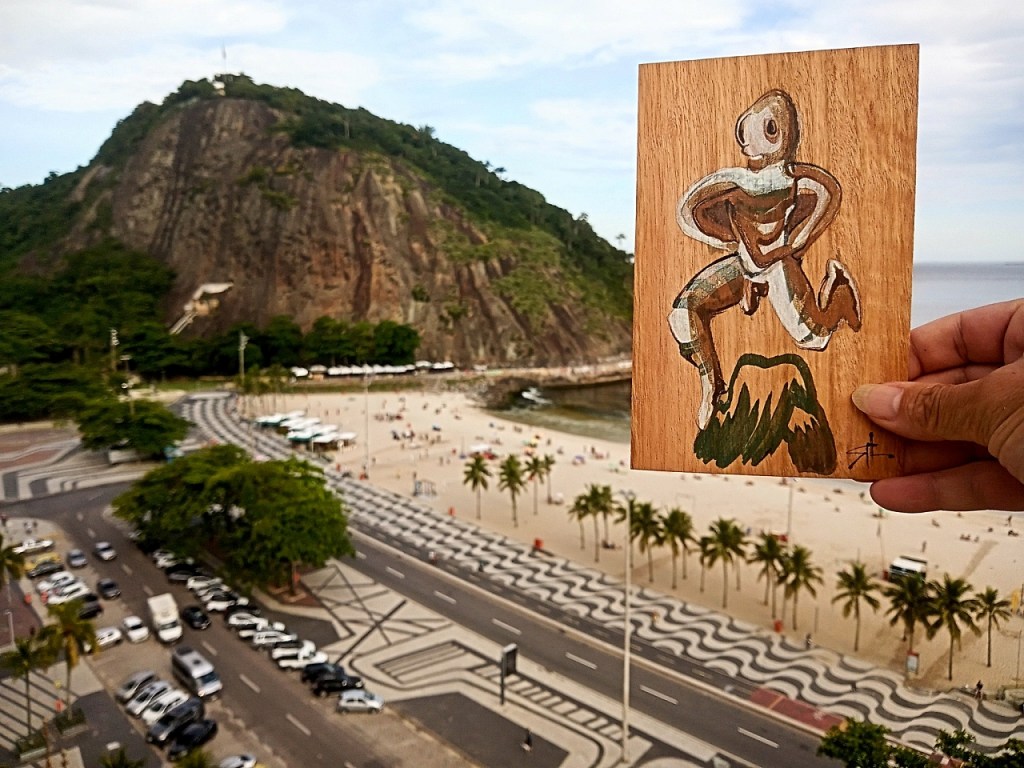
–“KLOKETÉN TREPANDO EL FUERTE DUQUE DE CAXIAS“, DE LA SERIE “MI PEQUEÑO EJÉRCITO SELK’NAM”, PROYECTO RÍO DE JANEIRO / PRAIA DO LEME, FEBRERO 2023.-
-NATURAL SCENE- (STORY)-
Kaweskars! – shouted the technician leaning next to the camera tripod.
The man looked at the Director and saw how the guy quickly adjusted the lens ring to a more open diaphragm than normal, in order to capture the scene in its full magnitude. The Cameraman scratched his beard. They had been isolated three months ago in a lost location in the middle of the southern Patagonian archipelagos, waiting for that moment. – Kaweskars…- he murmured almost silently as he began to roll, and from the old woman’s lips emanated a song like a moan:
KAS _ TAP _ HAR AR _ LAW KET YERKSTA KA _ YOE _ SA YERK _ STA KA_YOE_SA
The Camera man held the face of the old woman who was singing in the foreground, confused by the smoke. The picture was impressive: of medium height and painted a dark reddish color, the old woman sported a large belly and short hair to her ears. Around her neck she wore a necklace of Snail Shells that hung between her breasts and on her back a Sea Wolf skin tied under her throat by a gut rope. The rest of her body was naked. She was -without a doubt- the matriarch of the toldero.
For a while, both Documentalists surveyed the scene. The script couldn’t be more exact: they called the technician to correct the sound and point the rod towards the woman who was at the center of the action. ORn white smoke rose on the beach, grouping in tall fumaroles…
I am the Voice of the Southern Sky That brings winter and the narrow Austral day… Huge shadows that rise in the Night Wherever it lives Ayayema! Spirit of Noise that snores between Mountains and Glaciers, Half Human crying, Half Beast cry He brings the Wind that overturns the canoes…..
It was one of those short days in Tierra Del Fuego and the echo of nomadic songs it made itself felt bouncing in the distant canyons. As the scene progresses, the credits of the production team begin to appear one by one.
AND it starts to get dark The Director crumples the script in his hands and curses, thankful for such disturbing accuracy.
TRIP TO THE CHONOS ARCHIPELAGO- (POEM)
OUR ANCIENTS, THE FATHERS OF THE ORAL TRADITION, RELATE THAT BACK IN THE BEGINNING WHEN THE ICE COVERED ALL THE LANDS AND A GOOD PART OF THE SEA A GROUP OF CANOES APPEARED, NO MORE THAN FIVE WERE WITH OUR GRANDPARENTS HUNTERS AND THEIR WIVES AND SOME CHILDREN. THEY ADVANCED TO THE SOUTH WHERE THE THICK MANTLES OF ICE BEGAN TO LEAVE THE LANDSCAPE FREE, WITHDRAWING AND SHAPING VALLEYS AND WILD MOUNTAINS A VISION OF LANDS THAT EMERGED FROM THE SEA TO FORM BAYS AND FJORDS, A DISMEMBERED RELIEF OF ISLANDS AND CHANNELS DRAWN BY THE ICES BY THE ADVANCE AND RECEDING OCEANS STRONG INLAND CURRENTS WHICH FRAGMENT THE COAST OF THE ARCHIPELAGO INTO AN IMPRESSIVE LABYRINTH AT THE END OF THE WORLD.
HERE IN THESE PLACES OUR ANCESTORS WALKED THE FROZEN BANKS AND REMAINED TO LIVE UNDER THE WESTERN SKY THIS IS HOW THEIR FIRST CHILDREN SPEAK, REPEATING ANCIENT VOICES THUS THEY TELL, FROM VERY ANCIENT THOSE WHO BROUGHT THE INHERITANCE OF THE SPIRITS AND CAME TO WHAT TO LIVE WITH THE LIGHTNING, WITH THE PILLÁN THE SPIRIT OF THE NATURAL FORCES. BETWEEN ISLANDS AND CHANNELS, COMPACT AND TORTOUS FORESTS WE HAVE INSTALLED OUR AWNINGS LEARNED TO HANDLE THE CYPRESS WOOD
TO BUILD OUR CANOES WITH THE POWER OF FIRE AND SHELLS.
HERE WE HAVE SAILED BRINGING THE FIRE, OUR FAMILIES ALWAYS SAILING IN THE WAKE OF THE WHALE , THE SEA WOLF IN THE FOOTPRINT OF THE HUEMUL OR THE OTTER HUNTING WITH A BONE HARPOON AND OUR FISHING DOGS.
WE KNOW THE BODY OF THE LARCH, THE TEPÚ AND THE CANELO THE HARDNESS OF THE LUMA FROM WHICH WE MAKE SPEARS AND YETAKANAS THAT WE TIE WITH WHALE BEEF.
HERE WE HAVE LIGHTED THE FIRES WITH FLINTS AND DANCED NAKED UNDER THE STARS, DISCOVERING THE RED EARTH OF THE ARCHIPELAGOS TO DYE OUR BODIES AND SEAL GREASE TO PROTECT US FROM THE COLD.
OUR WOMEN WEAVE THEIR FISHING NETS SPINNING THE BASKET OF THE QUANTÚ AND WASH THEIR HAIRS WITH THE BARK OF THE QUILLAY, THE JUNE THAT IS BORN IN THE SWAMPS MAKE THEIR BASKETS WITH WHICH THEY DIVE THROUGH THE CANALS, TAKING URCHINS AND MUSHROOMS
ALL KINDS OF FISH AND SEAFOOD FROM THE TRANSPARENT BOTTOM ALL OUR WOMEN SWIM NAKED THROUGH THE FROSTY WATERS OF THE CANAL AND THEN THEY SHRINK IN THE HEAT OF THE CAMPFIRE.
WE DO ALL THIS IN THE PLACE WHERE THE WILD RIVERS FALL INTO THE SEA WE NAVIGATE OUR CANOES DAY OR NIGHT WE LOOK FOR SHELTER ON A STONE ROCK OR ON AN ICE ISLAND AND WHEN THE SOUTHERN NIGHT FALLS HEAVY AND SILENT WE JOIN THE HEAT OF THE CAMPFIRES TO LISTEN TO THE BREATH OF OUR ANCESTORS STORIES OF SPIRITS THAT INTERVENE IN LIFE THROUGH AUME AND THAT ONLY OUR SHAMANS KNOW, THUS DISCOVERING THE HIDDEN MEANING OF THINGS…
(SHAMAN)
LISTEN TO MY VOICE THAT SPEAKS THROUGH ALL THE SACRED VOICES THE VOICE OF THE ALBATROSS / CORMORANT LISTEN TO MY VOICE AS IT SOARS IN A SONG THAT SPITS OUT OF MOUNTAIN RANGE AND VOLCANOES A ROCK ISLE / AN ENTIRE ARCHIPELAGO LISTEN TO THE VOICE OF THE FOUR HEAVENS ….
-SONG TO THE HEAVENS- I AM THE SKY FROM THE EASTERN THAT BRINGS THE MAGIC STONES, THE FLINT AND THE VOICE OF THE TUCUQUERE THAT STANDS CHALLENGINGLY UPON THE HIGH BRANCHES OF THE OAKS, LISTEN TO THE VOICE OF THE WIND THAT BLOWS FROM THE PLACE WHERE THE SUN IS BORN AND ALL THE POWERS CAPABLE OF ENSURE LIFE, WHERE THE IMBUNCHE LIVES THAT EATS AND FORNICATES.
LISTEN TO THE VOICE OF THE NORTH SKY THAT BRINGS THE ANCIENT EARTH SONGS THE VOICE OF THE ALBATROSS THAT FLOWS RIGHT FROM THE CENTER OF MEMORY, ANNOUNCES THE HUNTING TIMES THERE IS ITS DEEP SQUAWK OF A SEA BIRD THAT TEACHES HOW TO READ THE STARS, IN HIS DRY HEAD THE SHAMAN TRAVELS LIKE A STONE OF LIGHTNING AND IS DROPPED FROM THE SKIES TO BRING US THE INHERITANCE OF THE SOUND OF HIS FEATHERS WE MAKE ORNAMENTS FOR THE ARMS AND INHERIT HIS SIGHT, SPEED AND ENDURANCE.
I AM THE VOICE OF THE SOUTH SKY THAT BRINGS THE WINTER AND THE NARROW SOUTHERN DAY HUGE SHADOWS THAT RISE AT NIGHT WHERE AYAYEMA LIVES
THE SPIRIT OF THE NOISE THAT SNORES AMONG MOUNTAINS AND GLACIERS THAT WALKS IN THE THICKNESS OF THE FOREST AND THE SWAMP HALF WEEPING HUMAN, HALF THE CRY OF A BEAST THAT OVERTURNS THE CANOES CLIMBING THE WATER OF THE WATERFALLS BRINGING THE BAD WEATHER THAT WE HAVE LEARNED TO SEEIN THE PASSAGE OF A FLOCK OF PARROTSTHAT WE HAVE FIGHTED BY BURNING A WOLF’S TEETHAND MAKING THEIR ASHES INTO THE SEA. THERE COMES THE RED CLAY AND THE MINERAL EART
WITH WHICH WE LEARNED THE COLORS OF NATURE AND DECORATE OUR BODIES FOR HUNTING, LOVE AND CEREMONIES.
THE SOUTH BRINGS THE VOICE OF THE WHALES….
(SHAMAN IN TRANCE)
LISTEN TO THEIR SONG INVOKING THE BEINGS! WE SING AND DANCE IMITATING THE SONG OF THE WHALE DRINKING ITS THICK AND STRONG MILK GETTING DRUNK WITH THE FERMENTED FRUIT OF CANELO OUR NAKED SEXES POINT TO THE WIND WHEN THE COLD AND LUMINOUS SOUTHERN DAWN SURPRISES US .
THEN OUR FACES FOLLOW THE ADVANCE OF THE HEAVENS AND WE LEARN THAT DREAM IS THE PASS THROUGH WHICH THE DEAD ENTER THE WORLD OF THE LIVING.
LISTEN TO THE PULSE OF THE EARTH!
THE SENSATION OF BEING ON THE EDGE OF THE ABYSS IS SO KNOW BY OUR DEAD BURIED IN SACRED PLACES WRAPPED IN SEAL LEATHER AND ABANDONED TO THE WANDS…
LISTEN TO THE WESTERN SKY ITS VOICE OF OCEAN WHERE CANOES DIVE INTO DEEP WATERS , WHERE TEMPILCAHUÉ TRANSPORTS THE DEAD, HE IS THE RAILWAY OF THE SOULS WHERE THE SUN DIES HE LEADS THE JOURNEY TOWARDS THE SILENCE OF A WHITE ISLAND, IN HIS HANDS WE WILL REST FROM OUR JOURNEY ON EARTH.
(SHAMAN IN TRANCE)
LOOK AT HOW THE CORMORANT FLYES! OUR NECK AND ESOPHAGUS BIRD MUSICAL SOUND THAT WILL CARRY EVERY MAN LIKE AN ISLAND LOST IN THE IMMENSITY OF THE OCEAN. LOOK FROM WHERE THE RAIN CLOUDS THAT SHADE THE
COAST ARE BORN FROM! HOW THEY COME DOWN DARK AND LOW ! LOOK AT HOW OUR CANOES CLIMB IN THE SMALL! , AVOIDING ROCKY ISLANDS AND HUGE PIKES OF ICE THAT FALL INTO THE SEA…
WE CHONOS WILL CROSS THE THICK SEA UNTIL WE FIND A PLACE TO REST HERE WHERE THE WORLD ENDS HERE WHERE THE SEA BEGINS WHERE THE EARTH GETS SMALLER AND SMALLER LIKE A SEAGULL’S EGG AND SURPRISES US IN A DEEP SLEEP SMOKING THE PIPES OF OLD AGE.
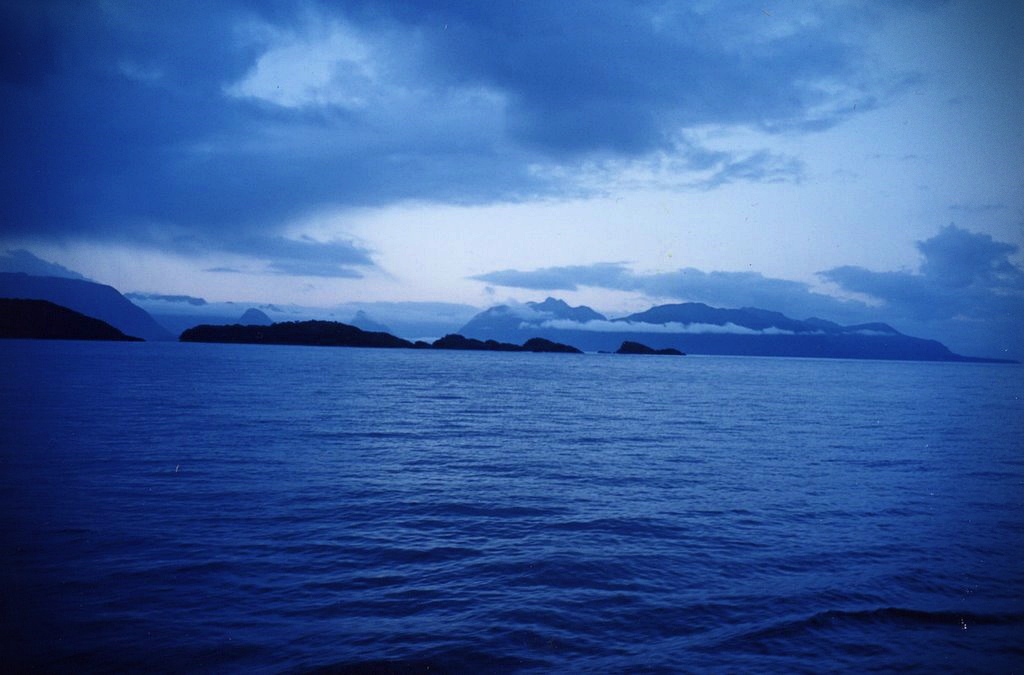
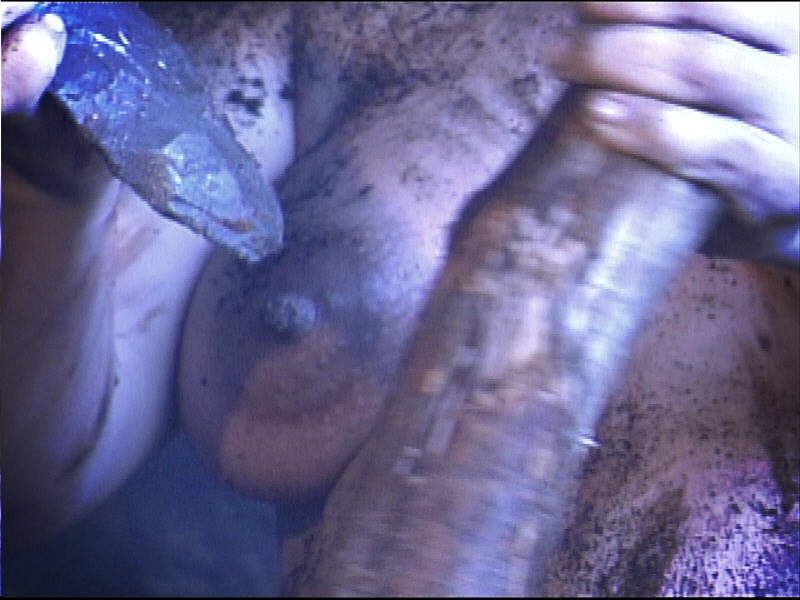
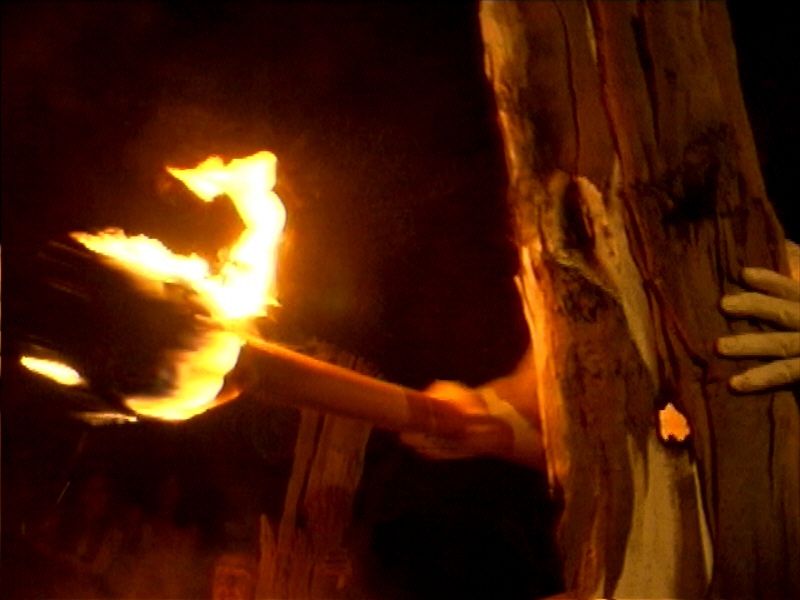
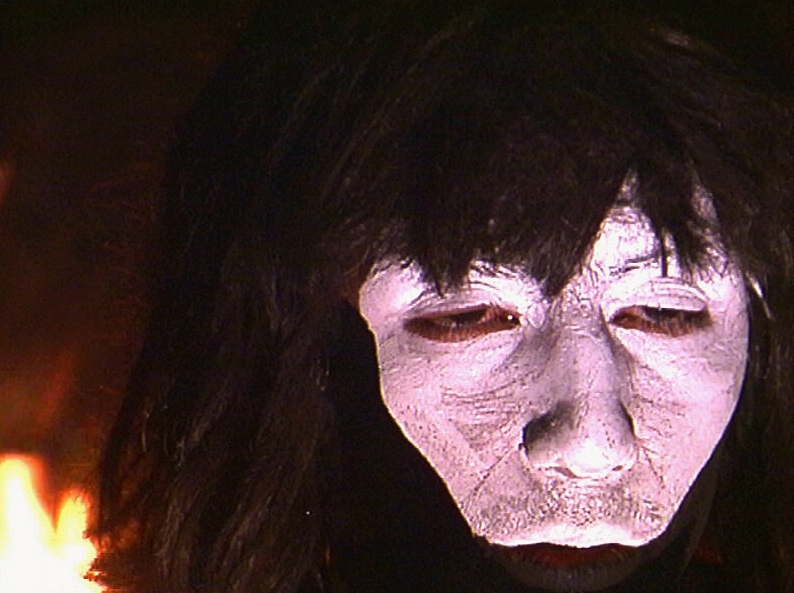
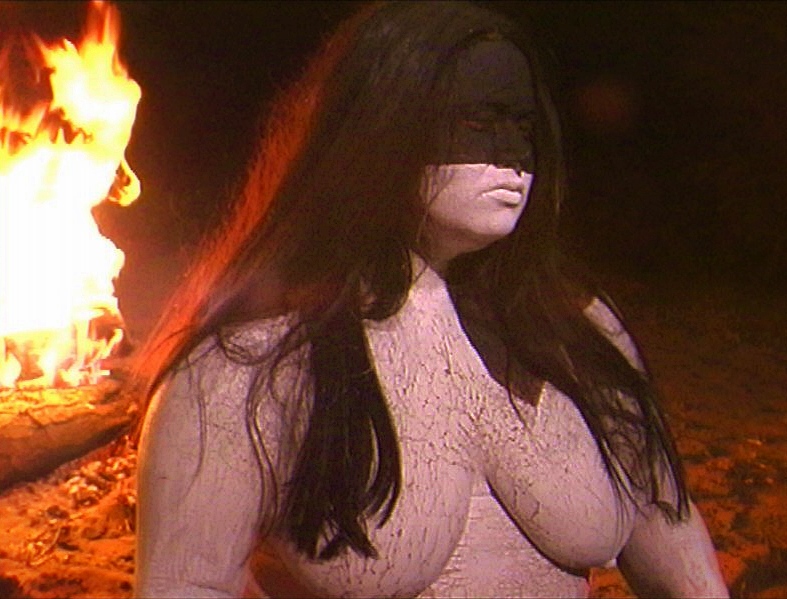
“TRIP TO THE CHONOS ARCHIPELAGO”, A POEM BY CLAUDIO RODRIGUEZ LANFRANCO, WAS TAKEN IN THE YEAR 2001 TO THE DOCUMENTARY VIDEO FORMAT FOR THE TELEVISION SERIES “WHEN THE EARTH ENDS”. THE IMAGES THAT ACCOMPANY THIS POEM ARE PART OF THAT FILM.
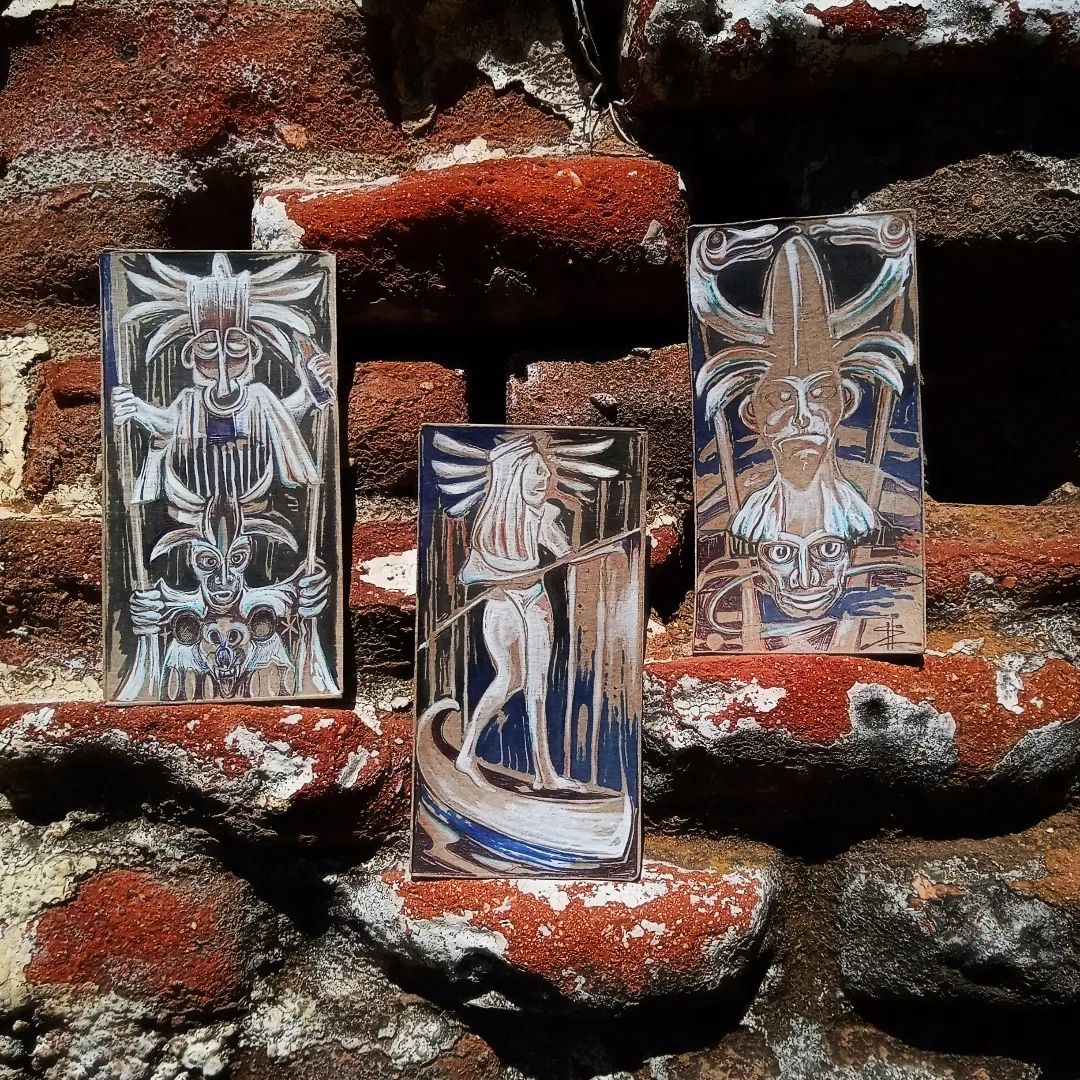
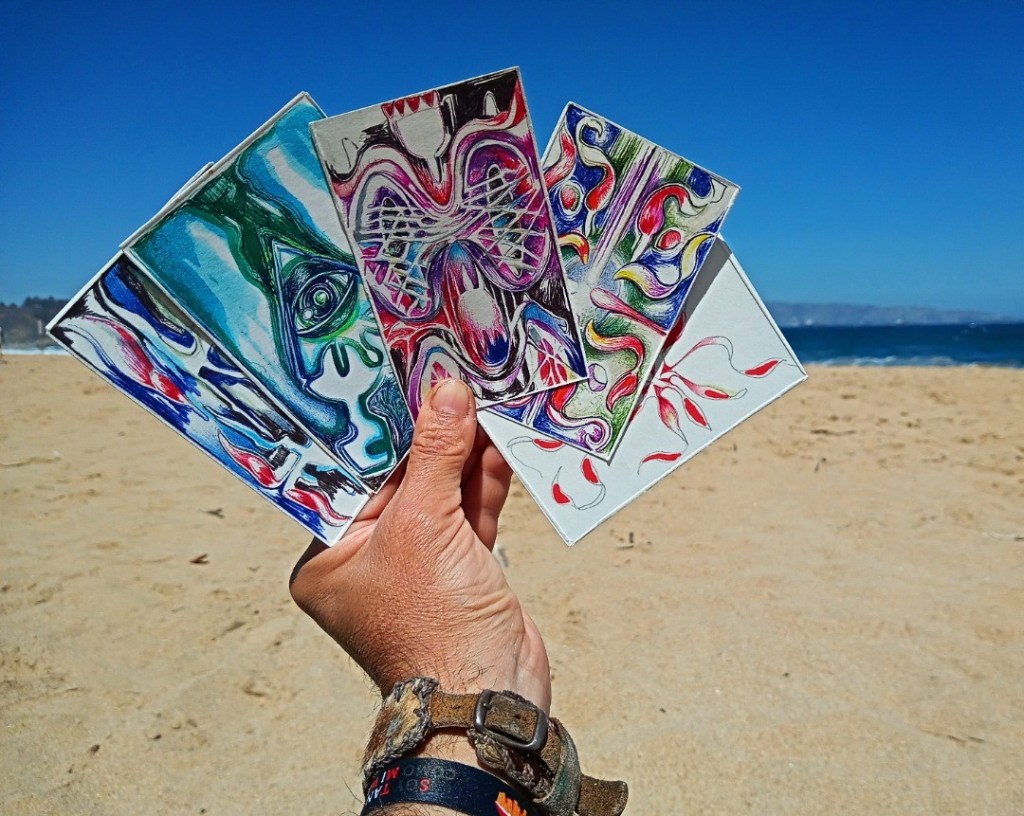
JUEGO DE NAIPES SERIE DE DIBUJOS RECIÉN TERMINADO. LÁPIZ Y TÉMPERA SOBRE CARTÓN PREPARADO, MEDIDAS VARIABLES. VALPARAÍSO, 2022.
-THE PETROGLYPHS OF THE CHOAPA VALLEY- (PART V and FINAL)
BROKEN THE TWINS: SPEECH AND REALITY.
THE COURSE OF THE ILLAPEL RIVER AND THE RUSTIC STONE PIRCAS MARK THE SOLITUDE OF LA HUELLA. THE LOMA DE LOS CERROS LEADS TO THE NARROW CRANKS IN THE CORDILLERAS WHERE THE CARAVANS OF MULES WIND ON THE EDGE OF THE ABYSS AND THE SKILLFUL HAND OF THE MULETEER BLENDS WITH THE ROUTE, WHICH IS ALMOST LIKE A RITUAL. THE TRACK GOES UP, GOES DOWN AND AT THE BOTTOM OF THE QUEBRADA THE MULETEER LEAVES THE ROUTINE OF THE ROAD FOR A WHILE TO TAKE HIS ANIMALS TO DRINK NEXT TO THE MULES OF OTHER CARAVANS, WHO HAVE ALSO STOPPED LOOKING FOR REST AND COMPANY.
WALKING THE PASSES IN THE CORDILLERAS WHERE THE HILLS NARROW NEXT TO THE EDGE OF THE HEIGHT AND THE ORIGIN OF THE ILLAPEL RIVER WETS THE DRIED LIPS OF THE EARTH. CONTINUE THERE, CLOSE TO THE DUSTY TRACK WHERE LITTLE BY LITTLE GROUPS OF GOOD SIZED STONES INDICATE A CHANGE IN THE LANDSCAPE: THE VALLEY IS NOW A GREEN WOUND AT THE BOTTOM OF THE ERODED PRE-CORDILLERAS WALLS THAT JEALOUSLY GUARD LIFE AND ALSO THE STEPS OF THE MAN.
MILKING THE RIVER AND RANDOMLY DISPOSED BY NATURAL LANDSLIDES OF ANCIENT MOUNTAINS, HUGE BLOCKS OF ROCK RISE OUT OF THE EARTH FORMING A PREHISTORIC PLAIN KNOWN AS THE ARCHAEOLOGICAL SITE OF “LOS MELLIZOS”. THE WOMB OF THE ANDES OPENS INTO A CEREMONIAL SPACE WHERE MAN HAS MARKED HIS PASSAGE SINCE THE EARLY POTTERY PERIOD IN AN EXTENSION OF 500 X 300 MTS INTERVENED WITH THE SPACE UNCERTAINTY OF HUNDREDS OF PETROGLYPHS DISTRIBUTED IN 97 ROCK PANELS AND THE ONLY PICTOGRAPH FROM THE VALLEY.
RECOGNIZED AS A PLACE OF TRANSIT WITH 10 MOUNTAIN PASSES THAT LEAD TO THE INTERANDINE VALLEYS, THE “LOS MELLIZOS” SITE WAS A GRAZING PLACE SINCE TIME IMMEMORIAL. THIS CONSTANT RE-OCCUPATION OF THE PLACE TRANSFORMS IT INTO A NON-PLACE, SYMBOLIC FACT AND POINT OF CONTACT, -ENTRY AND EXIT- BETWEEN TWO DIFFERENT SPACES.
THREE BY THREE IS NINE: 1 FOOTPRINT OR PATH 3 TENTS (ONE MADE OF ROCK) 3 TREES (ON THE RIVER BANK) 3 MARIAS (CONSTELLATED STARS)
HERE IS OUR CAMP, UNDERSTOOD AS A NEW REOCCUPATION OF THIS NO-PLACE WHERE ROCK ART AND SPACE DEFINE EACH OTHER.
THE PETROGLYPHS PLACED IN THE ROCK AND THE NATURAL ENVIRONMENT OF THE VALLEY ARE PART OF A LANDSCAPE WHERE THE STONE IS A SUPPORT AND A MESSAGE, CONCEIVED WITH A SPACE PURPOSE. THIS MONUMENTALITY GIVEN TO THE PLACE BY ITS PETROGLYPHS IMMERSES THIS PARTICULAR SPACE IN SIGNIFICANCE.
AND THE LOS MELLIZOS SITE BECOMES A RITUAL SPACE, IMPORTANT FOR TRANSIT FROM ONE PLACE TO ANOTHER AS A PASSAGE, AN INVISIBLE DOOR BETWEEN TWO DIFFERENT WORLDS.
WHAT DO THESE PETROGLYPHS SAY, THESE SCRATCHES IN THE STONE?
THE PASSAGE OF THE SUN LIGHTS UP THE VALLEY AND HELP THE ROCKS SHOW THEIR MONUMENTAL FIGURES, IDEOGRAMS THAT APPEAR AND DISAPPEAR DEPENDING ON THE POSITION OF THE CLOUDS, THE LIGHTNING OF THE SUN, AS WELL AS STARS IN BROAD LIGHT OF THE DAY.
A MAGNETIC SILENCE FLOODES THE PLACE, AS IF PERMANENT SIGNS WERE SPROUTING FROM THE STONES LIKE VOWELS OF AN INFINITE ABC THAT SPELLS NAMES, FACTS, PLACES FROM OTHER TIMES. WHAT IS THE MEANING OF YOUR RECORDED INSCRIPTION
? I
THE INCOGNITA DE LA PIEDRA HIDES A LANGUAGE CARRYING SIGNS RECORDED WITH THE EXPERIENCE OF THE PAST AND WHICH REIGN IN “EL VAGAMUNDO” LIKE THE STONE BABBLING OF SOME DEAD LANGUAGE. WHAT DO THESE STONES MARKED BY MAN TELL US ABOUT
? WHAT DO THEY HIDE FROM US, WHAT DO THEY TELL US, WHAT WILL THEY TELL US? THE PETROGLYPHS ARE THERE TO REMIND US THAT WE HAVE PENDING THINGS WITH OUR PAST, AND THEY GRAVITATE IN “LOS MELLIZOS”, LIKE THE CHALLENGE OF A GHOST THAT DOES NOT THINK TO GO.
“THE PETROGLYPHS OF THE CHOAPA VALLEY” (PARTS IA TO V) ARE FRAGMENTS OF A POETIC JOURNEY CARRIED OUT TO DIFFERENT POINTS IN THE CHOAPA AREA AND IN PARTICULAR TO THE SITE OF LOS MELLIZOS, LOCATED UP THE RIVER OF ILLAPEL. WE CAMPED THERE TWO DAYS AND THEIR NIGHTS. A VIDEO OF THE JOURNEY TO THE SITE WAS RECORDED: A DOCUMENTARY ABOUT THE PETROGLYPHS AND THEIR RELATIONSHIP WITH THE VALLEY. IT WAS 2004. A FIRST VERSION OF THESE TEXTS WAS WRITTEN ON THE SITE AND THEN FINISHED IN CONCÓN, DURING THE SUMMER OF THAT SAME YEAR.“
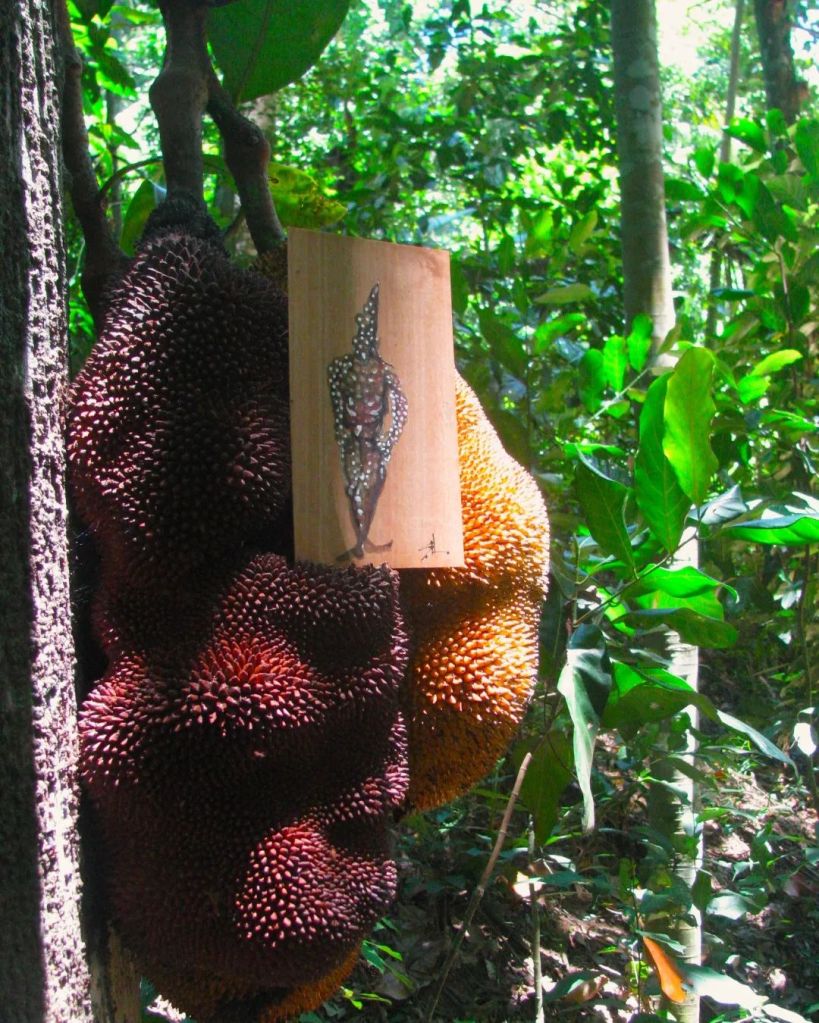
TRÓPICO DE FUEGO DIÁLOGOS COLABORATIVOS ENTRE NATURALEZA Y ARTE. INSTALACIÓN TEMPORAL EN EL JARDIM BOTÂNICO DO RIO DE JANEIRO. PINTURAS DE LA SERIE MI PEQUEÑO EJÉRCITO SELK´NAM, PROYECTO RÍO DE JANEIRO 2023.
-ANTIPODES-
LEAVE THE WORKSHOP, LEAVE YOUR HOUSE HEADING NORTH TO MEET OTHER PLACES, TRAVEL FAR TO OPEN PLACES HOPE YOU HAVE NEVER BEEN SEEN BEFORE. GOING UP THE ROUTE 5 HUNDRED KILOMETERS UP THE SHORE, DOZENS OF OYSTERS BUZZ ALONG THE ROAD, THEY GO PASSING, THEY SIGN TO US.
BECOMING A LITTLE NOMAD AND ON THE RADIO, A LITTLE SONG FROM PAT METHENY OR THE POLICE.
I REMEMBER TOTORALILLO BEACH IN THE SUMMER OF 2004, WHEN WE WENT TO THE LONG WAVES PENINSULA, WHERE MANY GROUPED TO SURF WHILE WE SAT TO WATCH THE SEA, AND IN FRONT OF THE WAVES DRINK BEER ON A HORIZON OF HUGE STONE BLOCKS . OR THAT TIME IN PUNTA CHOROS WHEN THE WIND WAS RELENTLESS AND HOWLED ALL NIGHT NEXT TO THE ROUGH SEA, TODAY RECORDED ON A HOME VIDEO.
PSCAR A TENT, YOUR KNIFE AND PUT AN IMPOSSIBLE ROUTE.
THROWING UP THE ROAD, OPENING UP TO LANDSCAPES AS DIFFERENT AS VALLEYS, HILLS, DUNES, FACES, HANDS, SEAFOOD OR SANDY CLIFFS; AND LET YOURSELF BE CARRIED BY THE FINDINGS, AS VALUABLE SIGNS. FOLLOW YOUR INSTINCT, ERASE ALL TRACES AND GET LOST IN THE HOT SUMMER STEAM.
LEAVE THE WORKSHOP AND TRAVEL, CROSSING A MAP THAT DISAPPEARS.
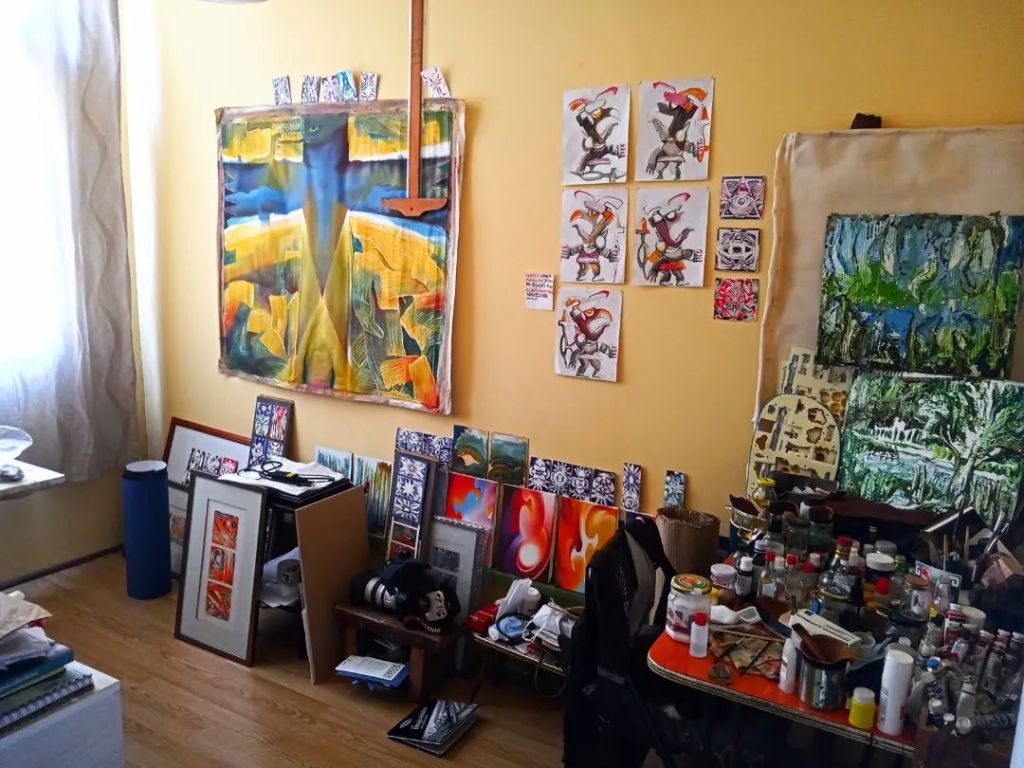
FRAGMENTOS DEL TALLER HARRINGTON, MI ACTUAL ESTUDIO EN UNA CASONA DE 1906. VALPARAÍSO INVIERNO 2023
CLAUDIO RODRIGUEZ LANFRANCO
born in Valparaíso in 1968. After living in Patagonia and in United States product of a scholarship, his first painting exhibitions were date back to the nineties in Valdivia. Later he moved to Santiago and the Fifth Region, where his visual and literary work materializes in a body of work that addresses different forms of expression, such as painting and drawing, experimental and documentary video, visual poetry and muralism, with public art projects installed in Santiago, Valparaíso. As a visual artist he has exhibited his paintings in 15 solo shows and in more than 60 group shows in Chile, Europe and the United States, and his poetic texts have been published in regional, national and international poetry collections, his work being awarded in different state funds for artistic creation such as Fondart, Cntv, Fondo Carnavales Cultural Centers of Valparaíso, among others. Currently the painter lives and works between Valparaíso, Santiago and Concón, where he develops his artistic projects and teacher training, being in charge of university graduates, painting and mural workshops, becoming a teacher for generations of students and artists who have worked with him.
Internationally recognized author and lecturer specializing in the use of entheogenic compounds in magico-religious settings. P. D. Newman has been immersed in the study and practice of alchemy and theurgy for more than two decades. A member of the Masonic Fraternity, the Society of Rosicrucians, and the Martinist Order, he lectures internationally and has published articles in many esoteric journals, including The Scottish Rite Journal, The Masonic Society Journal, and Invisible College. The author of Alchemically Stoned and Angels in Vermilion, he lives in Tupelo, Mississippi.
An altar constitutes a sacred space insofar as it is a deliberately constructed liminal space. A space is made sacred first and foremost through the creation and maintenance of a vacuum within it—it is the mystical act of reverting an area back to its natural, chaotic state. What is then invited to fill this void constitutes the divine FIAT—the magic “word” whose essence will thenceforth inform that space and all that transpires in it. Ergo, nothing is permitted to penetrate that void which is not in harmony with essence of the god. Those things that are harmonious with a given essence are termed ‘symbols’ and ‘tokens’ of that essence. These do not simply represent or correspond to the god, but rather constitute the deity himself in miniature form—a fractal-like manifestation of that essence which recapitulates and reiterates the totality of the god upon the microcosmic plane.
The Neoplatonist, Proclus, once stated that Soul “contains images of [things] and detailed, essential [seed forms] which are like statues of things themselves.” Even the names of things, therefore, arise from Soul and amount to veritable ‘statues in sound’ that really are the things described. If the name of the god is a presence of said deity, how much more an actual image? The profane view is that the worshipper believes the god to reside within the statue gracing the altar. This is absurd. No, the statue is in the god, as are all the symbols and tokens descending from his essence. Indeed, gods are beyond space. In reality, it is the altar that occupies the god.
Image courtesy with the kind permission fromP.D. Newman
Claudia Isabel Vila Molina
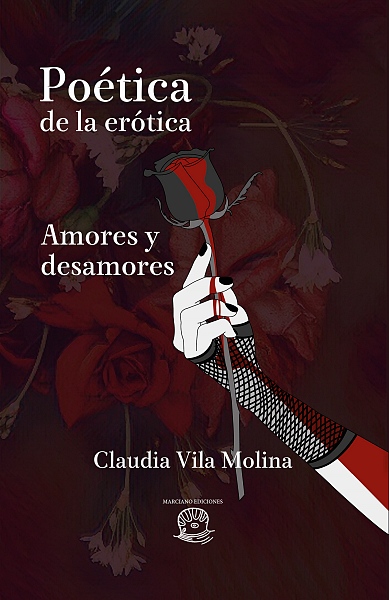
born in Viña del Mar, Chile. Professor of language and communication at PUCV, poet and literary critic. In 2012, she published her first book, The Invisible Eyes of the Wind. She has published in renowned Chilean and foreign digital media: Babelia (Spain), Letras de Chile (Chile), Triplov and Athena de Portugal, among others. During the year 2017 she participates in the Xaleshem group with poetic texts for the surrealist anthologies: “Composing the illusion” in honor of Ludwig Zeller and “Full Moon”, in honor of Susana Wald. In 2018, she integrates the feminist anthology IXQUIC released both in Europe and in Latin America. In 2020 she participates reviewing the conversation book “Shuffle poetry, Surrealism in Latin America” by Alfonso Peña (Costa Rica), also writes a poetic prose text for the book “Arcano 16, La torre“, by the same author. Likewise, she participates in the book “120 notes of Eros. Written portraits of surrealist women” by Floriano Martins (Brazilian surrealist poet, writer, visual artist and cultural manager). In this year (2021) she publishes her second poetry book Poética de la erotica, amores y desamores by Marciano editores, Santiago.
Rituales poéticos
El corazón me sabe a pañuelos mojados Hoy escucho la canción de los océanos Y alguien más viene a mirarme Las algas suben por mis pies hacia las últimas rocas En este elemento volví a imitar los arrecifes Ellos callaban Me miraban tiernamente Como solo miran quienes están en estado perpetuo Y quise salir fuera de mi nombre Quise volar desde las ataduras de mi cuerpo La noche no halló sus otros puñales Y me concedió un nuevo deseo. Del poemario inédito Solsticio de invierno, derechos reservados.
Image courtesy with the kind permission from Claudia Isabel Vila Molina
Olesya Volk
Born in Baku, Azerbajan, lived in Moscow from age 16 and moved to Los Angeles in 1992. She holds a M.F.A. in Film &TV, majoring in Animation from UCLA; and is involved in painting, writing, illustrating, cartooning, mixed media, paper theatre and small size dioramas.
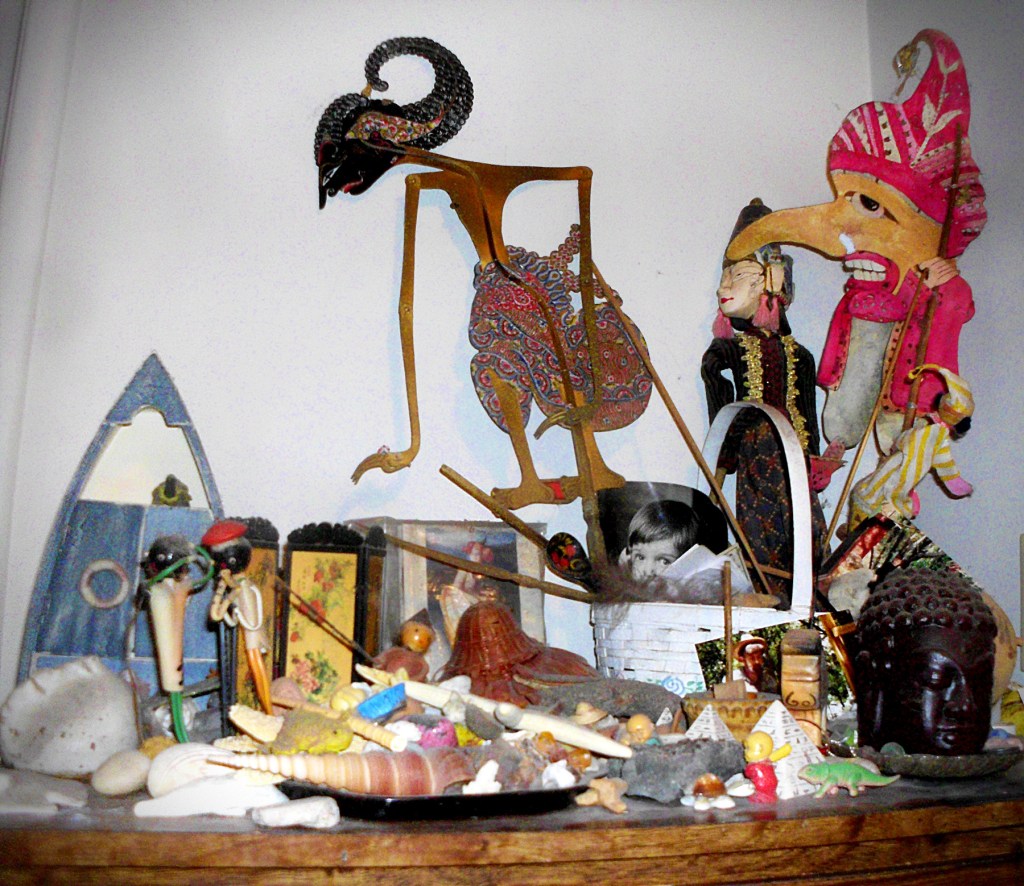
My altar: The inspiration for me always comes from the area deep inside my memory, it is connected to my childhood.
That is why my personal altar reminds of a little village that existed on a shelf in the cupboard at our place when I was a child. That village had a pond and a mill, woods and little houses. It had fishermen, singers. musicians, dancers, witches and sages, and a couple of hooligans. it had the place for games and the place for meditation and talking to spirits. Me and my sister and my mother were in charge of the village, and the villagers were protecting us and granting our daily wishes. The inhabitants of that village are still living with me! some of them are seen in the altar, the others have settled around in different corners…they continue to protect and manage the ties with the other worlds. My altar tries to copy visually that village from our cupboard, only there are much more pebbles now, and the lucky holey stones , they tell me of my walks on the beaches which I also held as sacred when a child…And above the village, there are spirits or gods overseeing it, in the shape of the Indian and Turkish shadow puppets ( one of the puppets, Beberuhi, I made myself; he is a nosier , he is curios about the essence of everything. ) And there are there the photos of the loved ones as well, photos from the past.
May the love last! may the protection and the belief in my vocation last! may the blessings stay!
Image courtesy with the kind permission from Olesya Volk
Jaime Alfaro Ngwazi
born in Coquimbo, Chile in October 17th, 1971. He studied at the University of La Serena and his degree is Bachelor in Education and Visual Arts. He has carried out different worshops about graphic expression. One of them is called Vivir el Afiche given by Mieczyslaw Gorowski. Apart from this, we can also mention Lo Esencial Significa given by Mieczyslaw Wassilewski and, finally, a seminar given by Lech Majewski at the University of La Serena.
El altar como centro mágico del mundo/ una trama de hilos multicolores de lana cruzan su centro/ se cuelgan a las orejas de las llamas del altiplano /brotan teléfonos con líneas como nervios-cuerdas de charangos, algunos trozos de carne seca y latidos de corazones emulando a Boltanski, en un centro magnético que conecta espectros de cristal, pantallas de celular y el sonido del viento/ en el desierto,seco ,que disecciona el paisaje salino, entre talleres líticos y mega fauna fantasma. Todos convocados a este espacio, reproducción en artefactos de madera del gran imperio / las cabezas de jaguar rugen a las estrellas de la lejana vía láctea ‚el frío es el ruego en la amplitud de la noche, mientras un vinilo con voces raspadas gira sin fin al compás de una danza metafísica las aristas del rombo raspan la piel suave/ el centro de todo es un valle seco ‚púrpura, apastelado en colores carne.
Image courtesy with the kind permission from Jaime Alfaro Ngwazi
Tony Kail
Ethnographer and writer. Tony holds a degree in cultural anthropology and has researched ethnic cultures for more than twenty-five years. His work has taken him from voodoo ceremonies in New Orleans to Haitian Botanicas in Harlem and Spiritual Churches in East Africa. He has lectured at more than one hundred universities, hospitals and public safety agencies. Kail has been featured on CNN Online, the History Channel and numerous radio, television and print outlets. A resident of Humboldt, Tennessee, Kail was raised in Memphis and calls it his second home.
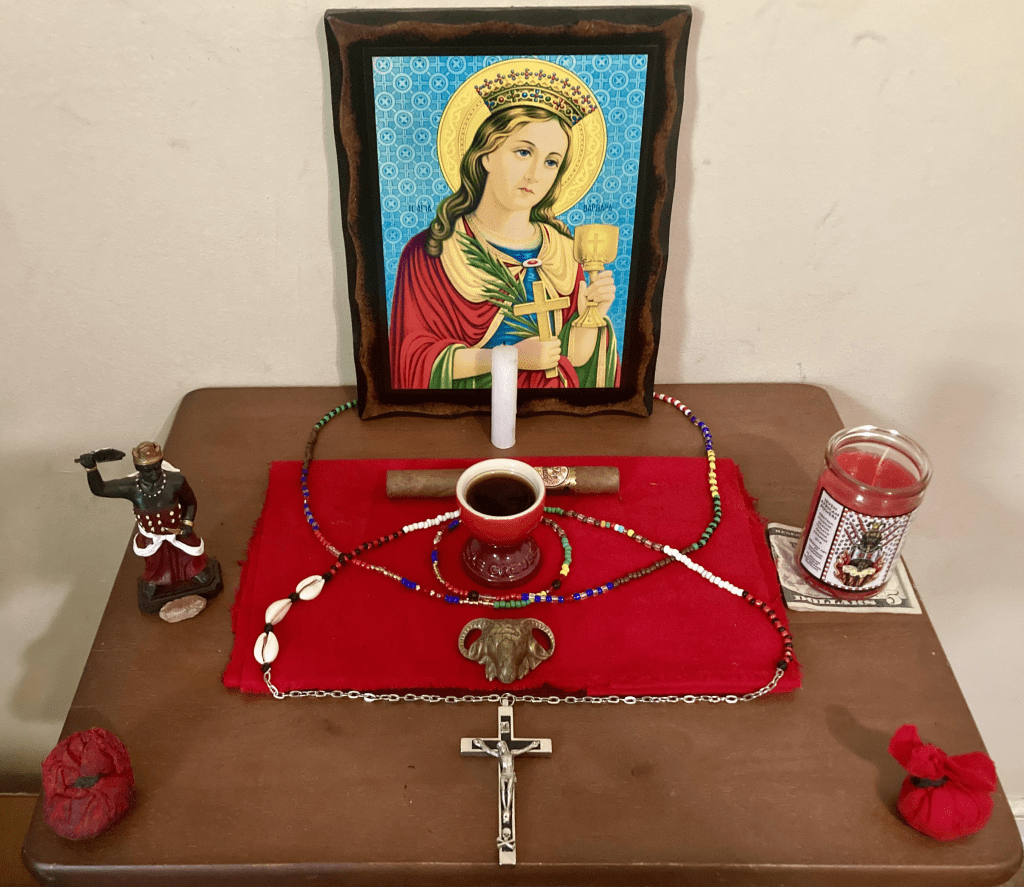
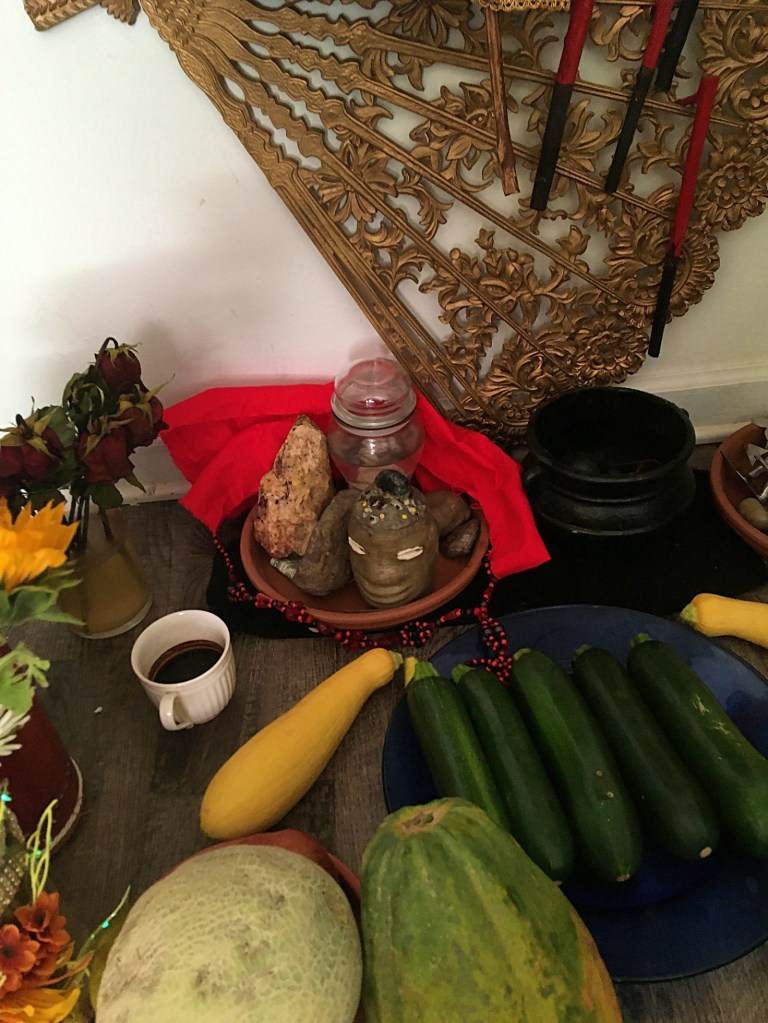
During ceremonies various events would occur that involved participants seeking reactions from the spiritual realm. On one occasion trance possession occurred and a participant was given information regarding a health issue that they had not shared with the possessed individual. Spontaneous deaths of animals would occur during rituals used to combat witchcraft. In the daily life of practitioners, physical evidence would manifest as a result of supernatural activity. Miraculous healings occurred where images of scars and skin disorders would appear on fruit and vegetables that were used in offerings to ask for healing. Subsequently practitioners would obtain healing and their wounds would disappear. Offerings to the Orishas would frequently disappear such as cups of coffee and wilting flowers would appear revived after being placed on specific altars.
From my upcoming book ‘Fieldwork with the Saints: An Ethnographic Journey into Santería in the American South
Image courtesy with the kind permission from Tony Kail
Duncan Neganigwane Pheasant
M’Chigeeng First Nation artist Duncan Neganigwane Pheasantisfrom Manitoulin Island. Duncan started painting in high school using colours and techniques inspired by Norval Morrisseau and other Woodland style artists. His grandfather, Ambrose Pheasant, told stories that were also a great influence on his artwork. Duncan uses his images to interpret Ojibwe legends and stories that surround the history of his ancestors and Manitoulin Island.
The Mohawk Warrior Flag design has been flown all over the world, serving as a symbol of the unity of Indigenous peoples in our common struggle, becoming a beacon of hope, and illuminating the discordant relationship between the dominant society and Indigenous peoples. The deer’s antlers are one of the characteristics that have made it the figure of a spiritual superiority, according to the Ojibwe. Like a crown, the antlers grow beyond its body, bringing it closer to the sky and making it sacred. In many tribes the deer is a symbol of spiritual authority. During a deer’s life the antlers fall off and grow again and the animal is also a symbol of regeneration.
Regeneration is the key to my shrine,, I burn sacred tobacco and recite the welcoming prayer.. The flag is also a symbol of regeneration,, fighting for what’s right, bringing the people back from the brink of disappearance and destruction when you enter it you travel through the eastern doorway…like when you were born…behind the warrior flag is another door…the western doorway…this is where you travel through when your journey is finished .but it is on the other side of the flag…this represents the fight ,the journey is to be done first…then you can travel through the western door…
Overall, having this home altar can be another way to remind myself of things I love or intentions I have for the future. If any of these rules are throwing me off, just trust my gut. You know what is best for you and your intentions. As long as you are in touch with your true desires, you’ll be fine to design your home altar anyway you like.
Image courtesy with the kind permission from Duncan Neganigwane Pheasant
Jay Blackwood
makes assemblages, boxes, totem dolls and other three dimensional pieces using found objects and materials. He has been involved with Surrealism, both as a practice and as a creative/revolutionary current, since the early 1990s. His work straddles the border between dream and consensus reality, the everyday and the numinous. Jay lives in Bristol, England.
The presiding spirit in my studio is a wonderful stone lithograph by Rikki Ducornet, Histoire Naturelle I, kindly given to me by Guy Ducornet some years ago. Beneath it are a number of pieces I made between 2001 and 2015. They are the product of chance finds, dreams and fleeting inspirations. All relate in some way to the natural world, and to archaic notions of male/female energies.
Image courtesy with the kind permission from Jay Blackwood
CLAUDIO RODRIGUEZ LANFRANCO
born in Valparaíso in 1968. After living in Patagonia and in United States product of a scholarship, his first painting exhibitions were date back to the nineties in Valdivia. Later he moved to Santiago and the Fifth Region, where his visual and literary work materializes in a body of work that addresses different forms of expression, such as painting and drawing, experimental and documentary video, visual poetry and muralism, with public art projects installed in Santiago, Valparaíso. As a visual artist he has exhibited his paintings in 15 solo shows and in more than 60 group shows in Chile, Europe and the United States, and his poetic texts have been published in regional, national and international poetry collections, his work being awarded in different state funds for artistic creation such as Fondart, Cntv, Fondo Carnavales Cultural Centers of Valparaíso, among others. Currently the painter lives and works between Valparaíso, Santiago and Concón, where he develops his artistic projects and teacher training, being in charge of university graduates, painting and mural workshops, becoming a teacher for generations of students and artists who have worked with him.
SELK’NAM FORCE. AS AN EXERCISE OF CREATION ON TRAVEL, CARRIED OUT DURING MY TEMPORARY TRANSIT THROUGH DIFFERENT PLACES IN CHILE SUCH AS THE ANDES MOUNTAINS, THE SOUTHERN CANALS, PATAGONIA AND THE ROUGH ARIDITY OF THE NORTH COASTS. A GLANCE OF THE BODY VALUE THAT THE ANCIENT CULTURES OF THE SOUTH OF THE PLANET GAVE THEIR CEREMONIAL REPRESENTATIONS, WHERE WITCHES AND SHAMANS DRESSED WITH BARK OR LEATHER MASKS COVERED WITH MUD AND MINERAL PIGMENTS SUCH AS WHITE, BLACK OR RED ON WHICH THEY THEN DRAWED FRAGMENTS OF THE SKY, THE PATH OF THE CONSTELLATIONS, SIGNS OF ANIMALS OR IMPORTANT NATURAL EVENTS – THE MOVEMENT OF THE SUN OR THE MOON – USING THE BODY AS A SUPPORT, AS A MAP, AS A GEOGRAPHICAL LANDMARK.
Image courtesy with the kind permission from Claudio Rodriguez Lanfranco
Doug Campbell
works primarily in collage, enjoying the immediacy of cutting through the detritus of the spectacle to the marvellous. He was born in Edinburgh, Scotland, where he still lives. Asking about the word ‘surrealist’ after finding it in a science fiction novel as a child, he was given a small book of Surrealist paintings. This was the first step on an adventure that continues until this day. His first encounter with living Surrealism was a second-hand copy of the Chicago Group’s ‘ARSENAL 4’ in the mid 1990’s. In response to a letter, Franklin Rosemont directed him to the recently-formed Leeds Surrealist group. This led to an on-going engagement with the international Surrealist movement through correspondence, collective games and contributions to publications and group shows. In 2017, he took part in the ‘Archaeology of Hope’ a large-scale Surrealist game concluding with a show and solstice ritual on the Isle of Wight. This was a significant transformative experience for everyone involved. Since then he has published a continuing series of collage novels in weekly instalments online at ‘The Cabinet of Major Weir’.
This is the biggest shrine in the house, and in the main living space, so probably the best organised. A mix of heirloom items, curios and pop culture junk. Framed artwork on the wall is by (l to r) Janice Hathaway, Tim White and Peter Overton. The boxed object at upper left is a magic bottle that belonged to my grandfather, an amateur conjurer.
Image courtesy with the kind permission from Doug Campbell
Mitchell Pluto
Artist, Jewelry Maker, Art Editor
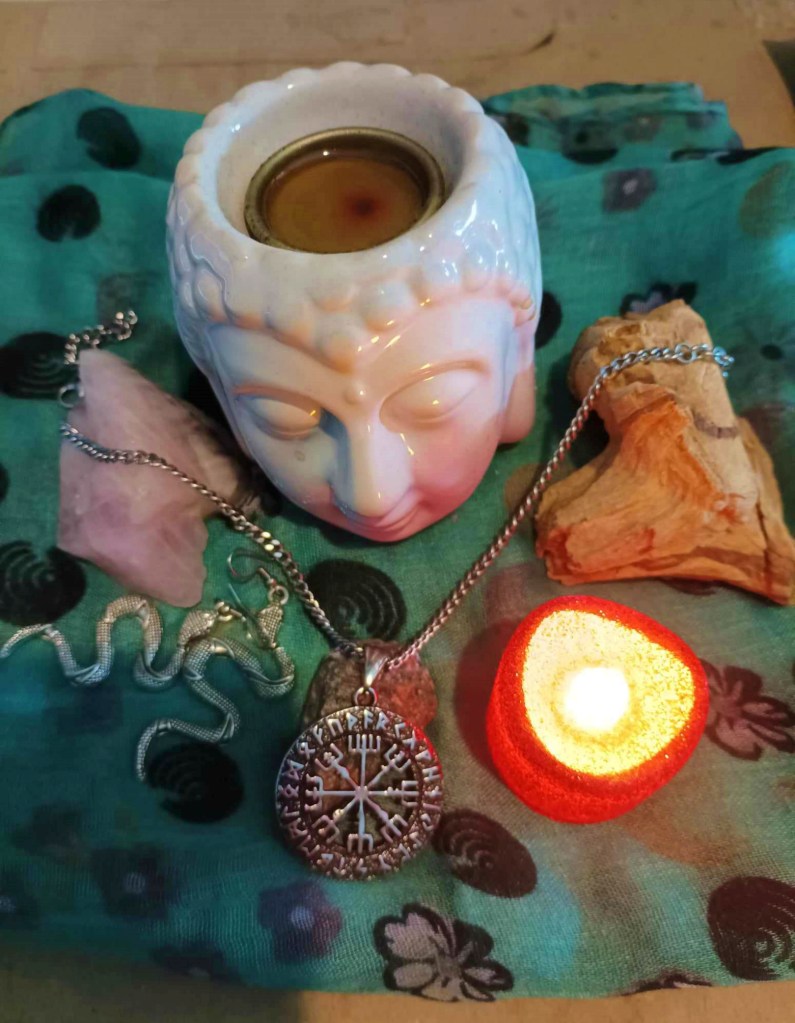
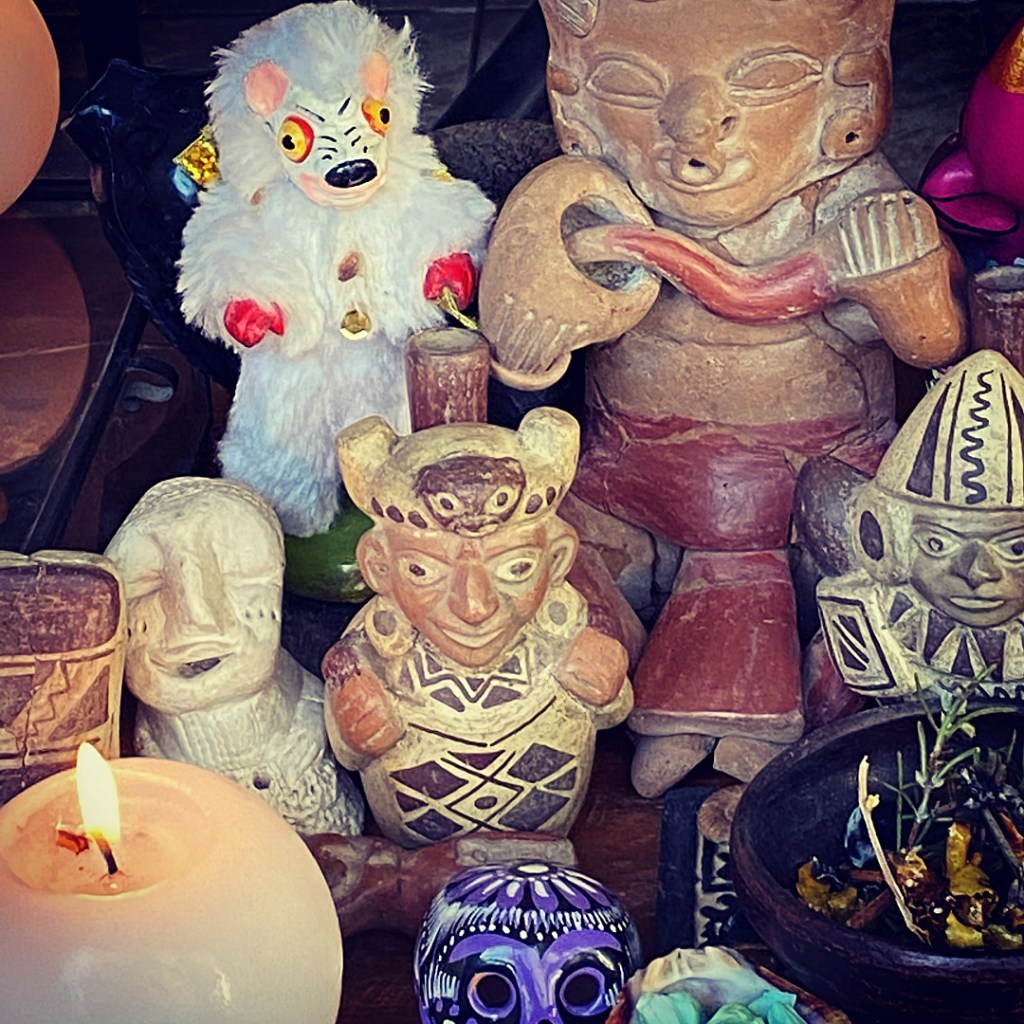
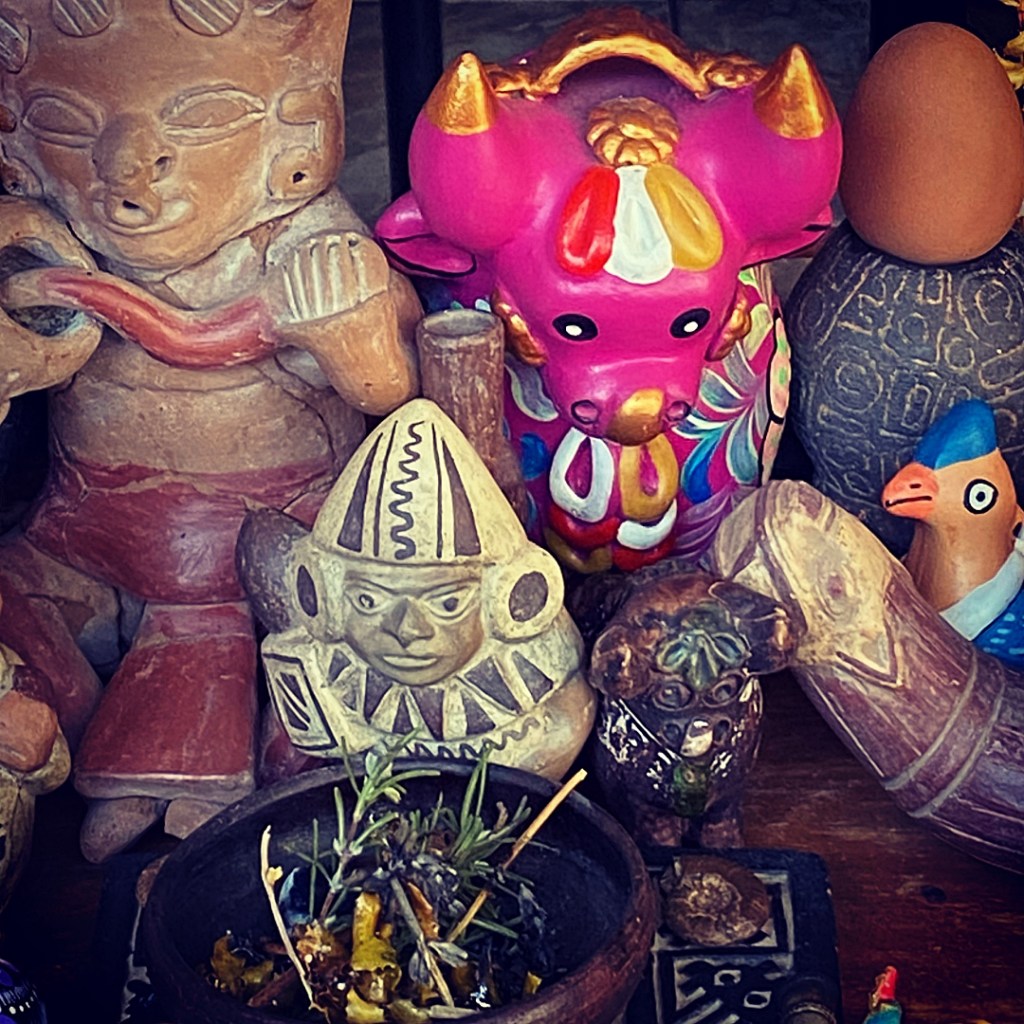
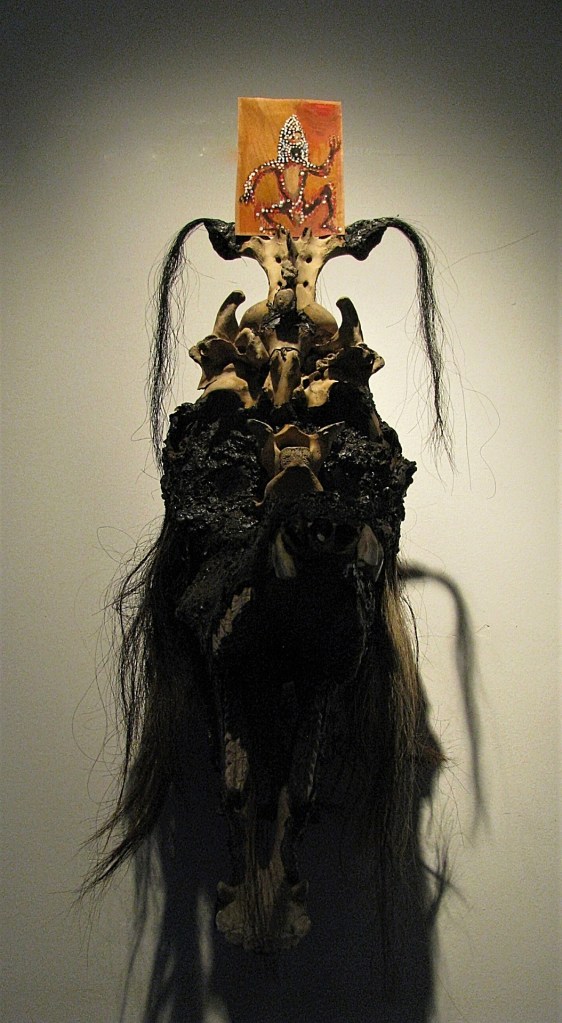
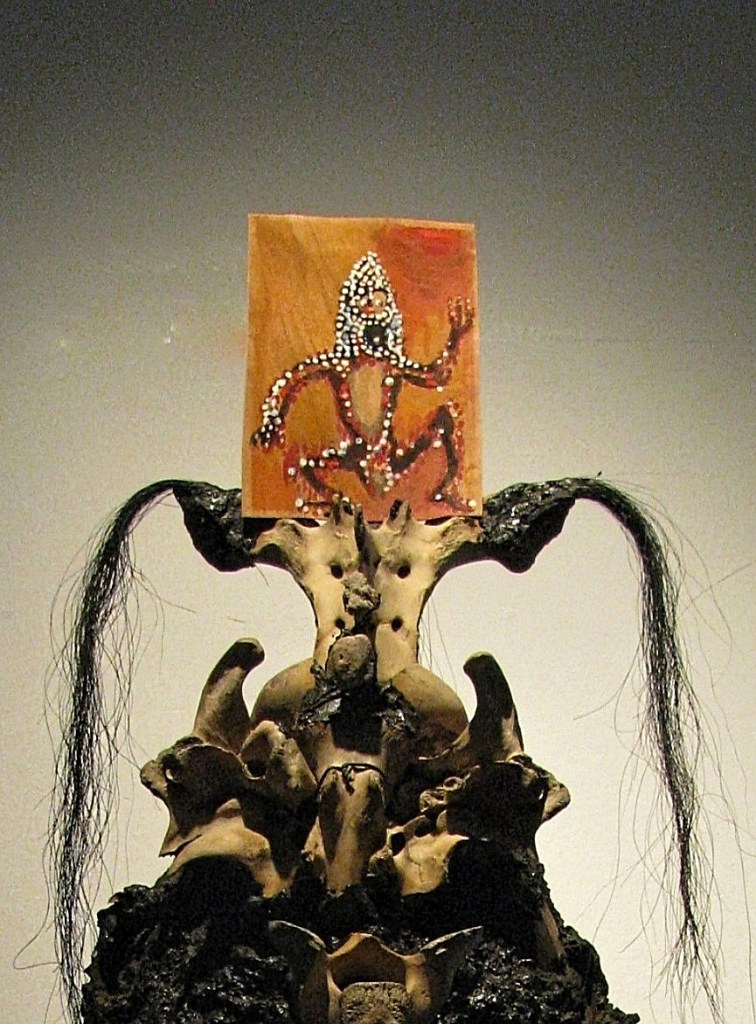
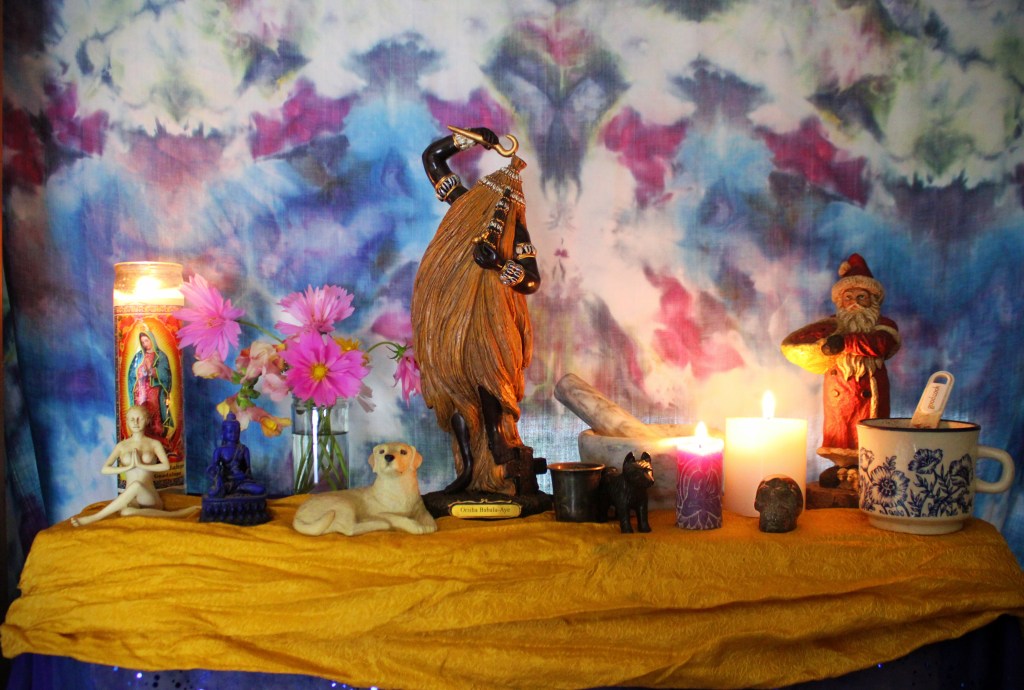
I began collecting objects for our altar in 2020 during the Covid pandemic. I selected figures that embody different archetypical aspects of growth and limitation. The process of recovery is sincerely magical. These mysterious qualities remain a focus on the altar. They play a vital role in the background as well as influencing the subconscious in healthy ways. Constructing an altar helped me be attentive to the belief needed for healing.
During the pandemic complimentary rum and coffee were supplied as part of a thoughtful routine and ritual. The other side of our altar is a shelf for salts, herbs and spices.
Wifredo Lam
Cuban artist who sought to portray and revive the enduring Afro-Cuban spirit and culture.
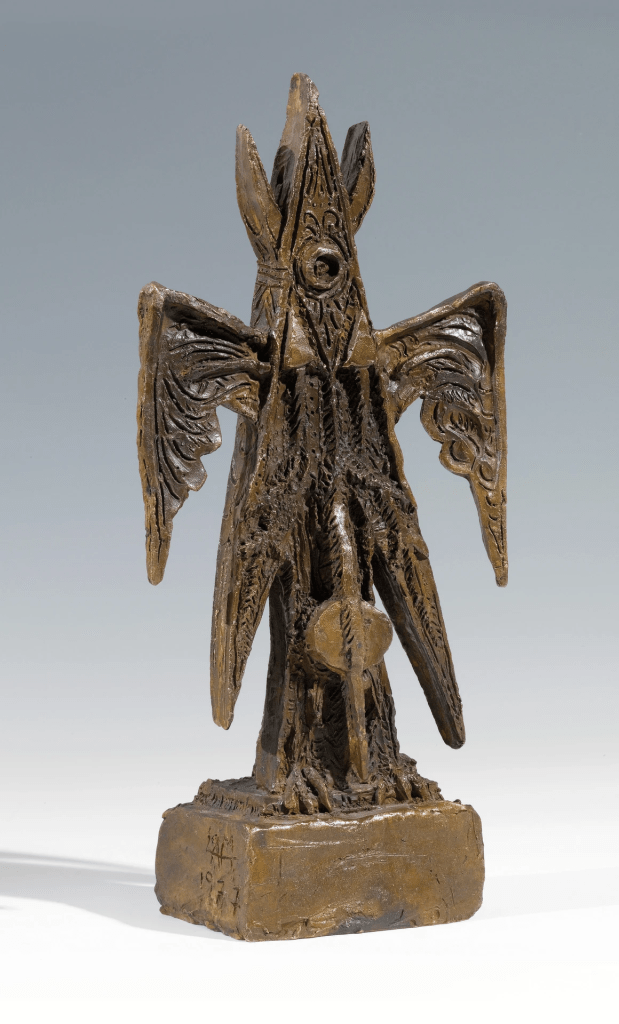
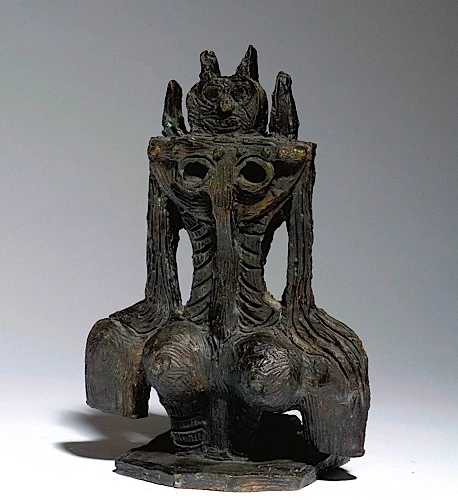
Wifredo Lam Osun, 1977 bronzeWifredo Lam GRAND YEMAYA, 1977 bronze sculpture, brown patinaPhotos from MutualArt
About theFeatured Photo
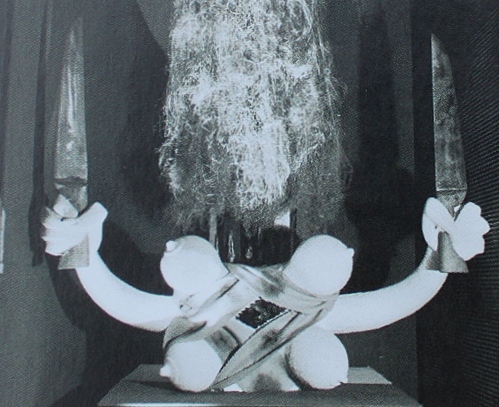
The Hair of Falmer
The Hair of Falmer, an altar created by Claude Tarnaud, Michel Hertz and Francis Bouvet following a design sent by Wifredo Lam from Havana for Le Surrealisme en 1947 exhibition held at Galerie Maeght, Paris, 7 July-30 September 1947 original photo Denise Bellon. Expert from The EY Exhibition: Wifredo Lam. Tate Publishing figure 33, page 211 used and intended for educational purpose only
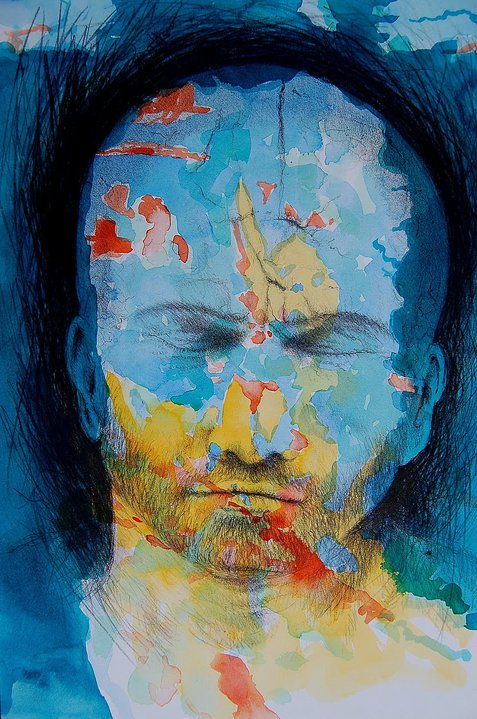
Contemplo la carne cruda de mi invalido rostro ligamentos de agua se transforman en quebradas ramas que vibran desde la medula del corazón atormentado
Aparecen mis desorbitados ojos rojos arañándome con mi bisturí pictórico reflejo invertido del otro lugar crecen mis quemadas pestañas desfigurando mi sonrisa que llora
Cosen mi apariencia con hilo de barro la espátula alisa mi superficie de arena disuelta las orejas de cobre son moldeadas en ácido nítrico
Escucho a los pájaros que salen de mi boca descocida desde mi roca cabelluda aumentan los hilos de seda enredándose en tormentosos vientos de remordimientos
Grito un silencio palido mis dientes amarillos se purifican con el cristalino cielo me veo completo en esta plancha de metal retratado por la luz que me engaña
Me cubro de mis despojos mi cuerpo me delata el renacimiento de mis cenizas.
Carlos Alberto Lizama Peña is a prominent Chilean Visual Artist has stood out in various national and international exhibitions, currently works and develops his work as a cultural and educational manager in the House of Culture of the Commune of El Bosque.Co-executor in the FONDART Project “Open Sky Gallery South Zone Cultural Corridor “Work Production Workshop Coordinator”. March – September 2008 Mosaic Art Mural Program, El Bosque, Artistic Director, December 2006-February 2007 Murals Program on Facades of Villa la Pradera and Villa San Fernando, Quilicura, December 2006-January 2007 Painting classes, Anselmo Cádiz Cultural Center, Commune of El Bosque, 1998 to date La Familia Foundation, Huechuraba, Painting Classes, 2002,2003,2004 Trigal Special School, Huechuraba Plastic Arts Classes, 2003 Painting workshop, Cristo Vive, Huechuraba April-December 2002-2004 Drawing and painting classes, Mun. from Huechuraba Oct-December 2002 Painting workshop, Municipality of Huechuraba October 1997Oil painting classes, Mun. of Quilicura October and December 1997 Muralism Workshop, Millahue Foundation May 1996 Extracurricular Painting Classes, Sta Teresa High School, Mun. of Independence, November 1995 – January 1996 Mural Art Project Paint your Paint, Mun. of Conchalí, June – August 1996 Paint Your Neighborhood Mural Project, New Orleans, USA October – December 1995 Painting Classes, Youth Development Program, Conchalí, September and October 1995 Artistic Workshop, PRODEMU Foundation, Commune of La Granja Esane Professional Institute, Graduate Assistantship in Advertising Graphic Design in Drawing and Color Branches, 1988Curatorship of the Local Gestures I, II and III Exhibition, Art Gallery, 2005, 2006, and 2007 Guillermo Nuñez Art GalleryLocal Gestures I and II Exhibition at Contemporary Art Gallery, Quilicura, 2006 and 2007 December 1998 Work “Cantata de Santa María de Iquique,” Fondart Project, El Bosque Cultural House November 1999 Play “Nemesio Pelao, What has happened to you”, directed by Andrés Pérez October 2000 “Chañarcillo,” directed by Andrés Pérez, Antonio Varas Theater April 2000 “The Exodus,” Chinese shadow play of his own creation October 2001 Chinese shadows for the play “El Golpe,” directed by Eduardo Saez, Teatro Novedades (selected for Teatro a Mil 2002) August-September 2004 Work ”1907 The year of the black flower’‘, La Pato Gallina theater company, pictorial work of curtains.
Listen to the mysterious, revealing and fierce voices within you.
And if you are caught up by fear of doing so, remember that it is wrong for the senses to belong to the everyday, lived world.
For me any discovery that changes the nature or direction or a phenomenon constitutes
of something or is a surrealist /poetic truth.
Objective chance , the subtlety of the intuition of the expectation, and the constant search for its flash .
Going without a destination, the poet has an unknown encounter with the word, freed from any linguistic logic.
In poetry the mind blows out of the mind. It aims at the spontaneous reclassification of things into a deeper and freer order, which is impossible to explain by the means of the ordinary mind.
The poet alternately is a deadwood pruner, a transformer, and a thunderbolt.
Silence is a complete poetic and surrealist work.
The word must be left in suspense for a moment before it is transferred to a physical state on paper. At dawn or dusk, we walk down the road and sometimes come across the silhouette of a silent fairy woman, whose silence is the most comprehensive concept of poetry, and surrealism.
an absolutely possessed throat, echoing between howls and silence.
the secrets of the world created, within the poetic mystery, darkness unfolds while questioning is stripped.
Earthly legend and mystery doors open to infinity.
The poet is an enemy of the Sufist .
The poet is not bound by a vision or a superior authority.
Poetry is a momentary extraction of the unknown from the veins of every language.
If the poem does not have a chaotic body that smells of demolition, negation and destruction of all existing literary forms, genres,
Then what is living poetry?
Poetry should be the color of dried blood
The poem is the beginning and end of the world, it revives the world and its death, dismantles all self- and collective censorship, esoteric and physical, and drops every daily living dictionary.
The poem is an arena for the execution of all linguistic paralysis by burning with the napalm of the lust.
Poetry is not a linguistic expression, but a visual, physical and perhaps biological expression as well.
Real poetry employs itself to monitor a waking dream which is resentful of its fate, re-sculpting it with dough baked by chaos inside the bone furnace called the human head.
I believe that enhancing poetic esoteric awareness does not come only by enhancing the possession of language or general cognitive awareness, but by developing and training the eye on scenes of logic disintegration always, whether they are daily or artistic works.
Even with everyday mind games
Thus, the magnetic linguistic ability self-develops and expands not only through the subconscious mind, but also through the nerves of the eye’s practice of strenuous imaginative sports to extract the faculties of impossible earthy miracles in all its forms and templates.
I treat the Arabic language rules as a relationship between oppression and freedom; understand it
As a repressive social specter that must be removed and rebuilt anew every moment with vast doors to spend the free desire.
Poetry is the chaotic condensation of the inner momentary realization, but the seer poet must tame the tools of this condensation towards a permanent quest for the human interior, a quest fertilized by doubts in everything outside the individual.
Every human being has a poetic companion who lives behind his eye, the cunning poet who makes him constantly jump like a kangaroo and always seeks to protect this kangaroo from drowning in the prior cement lakes and to teach this kangaroo that there is no limit to what is called verbal maturity,
poetry is a permanent electrical revolution inside the mind It is not controlled by something imaginary or even social.
The chief function of poetry is to impart sharp disturbances to language and to overthrow every possible holiness it bears. For me grammarians and academics of language are the social police of the imagination.
I despise even the inherited Arab aspirations to rebel against the Arabic language, except of course à few poets I see the deceptive horizon of most Arab poets now that they throw themselves in the recycling factories of closed poetic ambitions.
Surrealism relates to expressing «the real functioning of thought […] in the absence of any control exercised by reason and apart from any aesthetic or moral concern ».
– We think that not only language, but the whole world in all its aspects, was given to humanity to make surrealist use of it.
“All things are called to other uses than those generally attributed to them.” – André Breton, Le Point du Jour.
– We think that surrealists should make use of whatever materials and tools that they find attractive. Whether a feather, a cloud or a computer, any single object in this world becomes a surrealist object as soon as surrealist use is made of it.
– We think that the results of surrealist activities do not have to conform to any type of listed art form, nor even to whatever is considered art.
– Restrictions regarding materials and tools, as well as compliance with traditional artistic categories are views that were already considered and experienced as obsolete by most artists of the Renaissance period. We think that an attempt to liberate the human mind may in no way be successfully achieved on the basis of a narrower scope of practices and intellectual freedom than that which was already acquired by artists at that time.
-‘we are interested in how surrealism appears in everyday life, whether it’s from surrealists or not, but we understand this is not the same as a surrealist movement.”
-“We are interested in certain parallel currents that might overlap with surrealism. Surrealism may -appear- or be present- within avant garde or popular art but it’s not necessarily the same thing.”
– We categorically reject mixing surrealism with whatever form of religion, and we reject the presence of any religious persons within the group.
– We reject any aesthetic attribute that directly or indirectly integrates into the life of this society or that would tend to reconcile with it.
– Realistic daily life erases the perception of the unique characteristics of objects. We will always seek to break this mechanism and its dynamics by means of words, plastic art, music and cinema or any other means.
– Collective automatism is self-contained in everyday life. It floats in the air, dissolving every entrenched and worn-out intellectual authority.
– The poem is a collective work, even if it is from one’s individual imagination.
– We have nothing but contempt for the guardians of grammar because they are the protectors of the heavy legacy of linguistic dependence that erases the ecstasy of all free desire.
– We support every creative act that contributes to the wondrous conquest of everyday life and the conquest of mad love. Everything that has been physically neglected in the city, and every sexual explosion that social fascism hides, is for us the dough with which we form our written and visual poems.
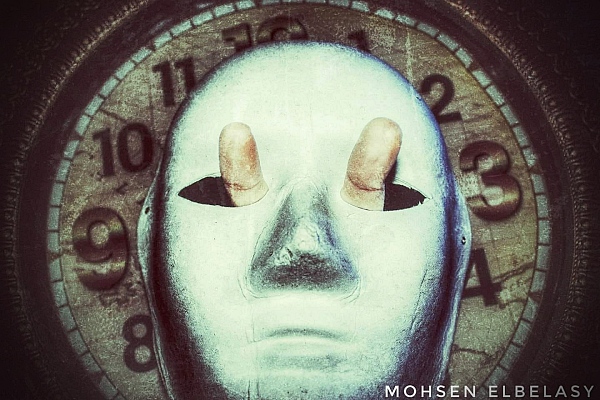
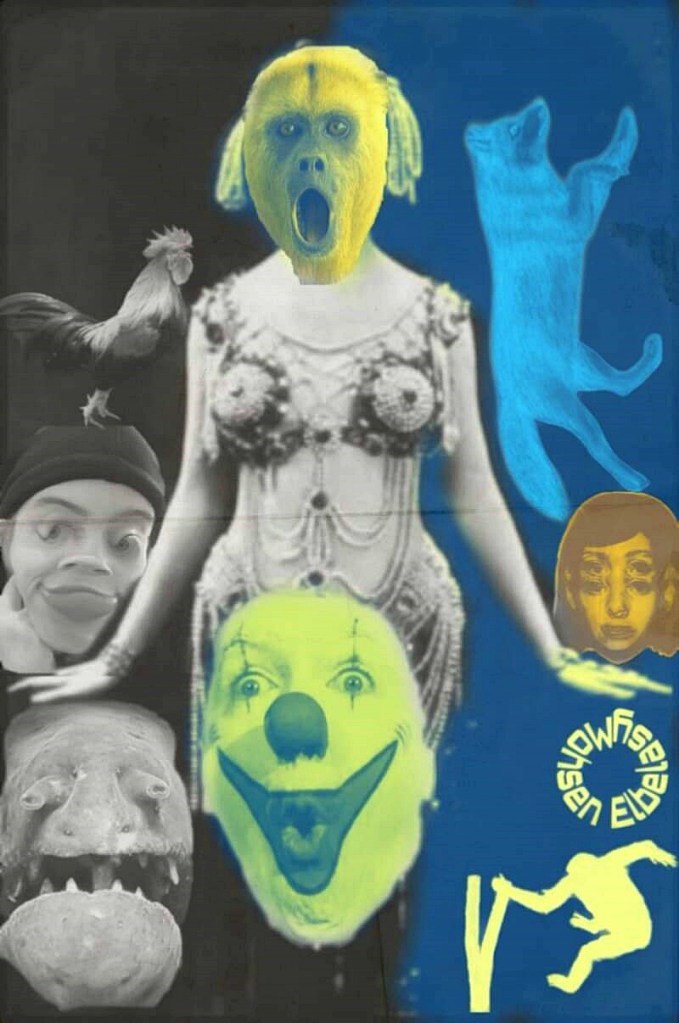
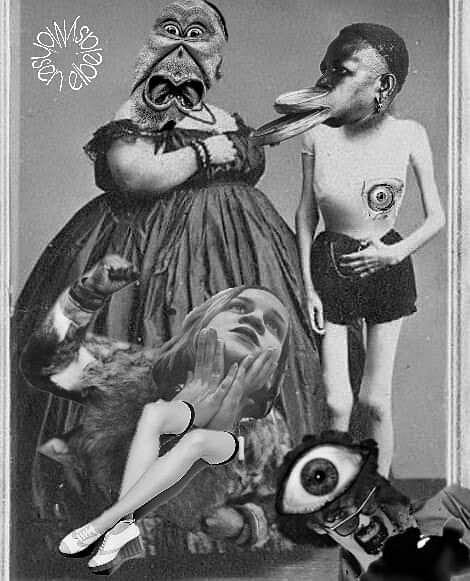
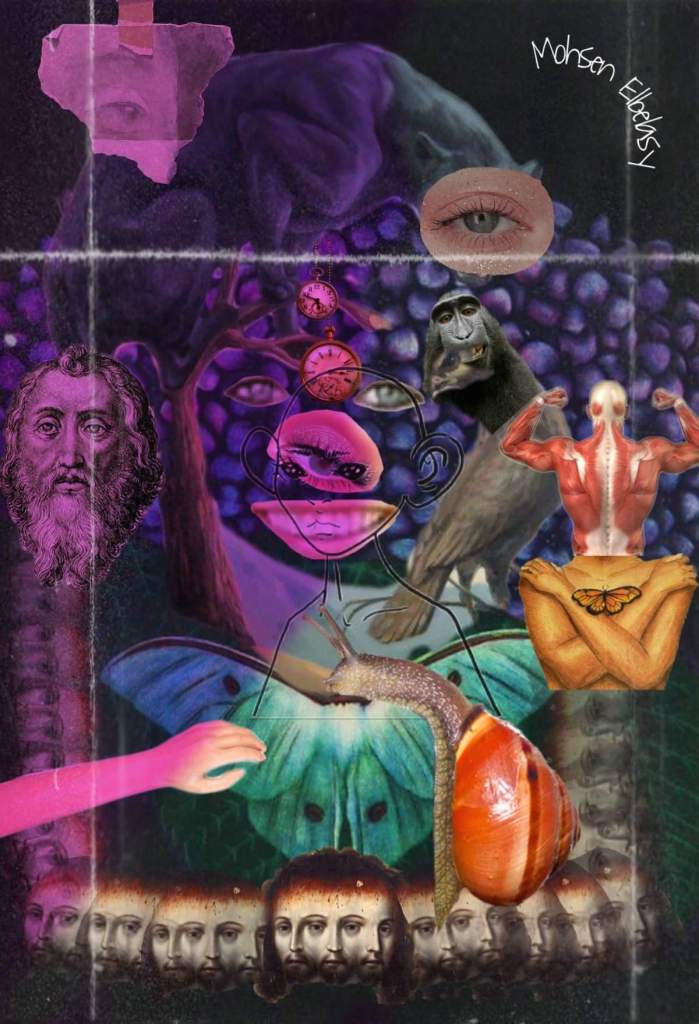
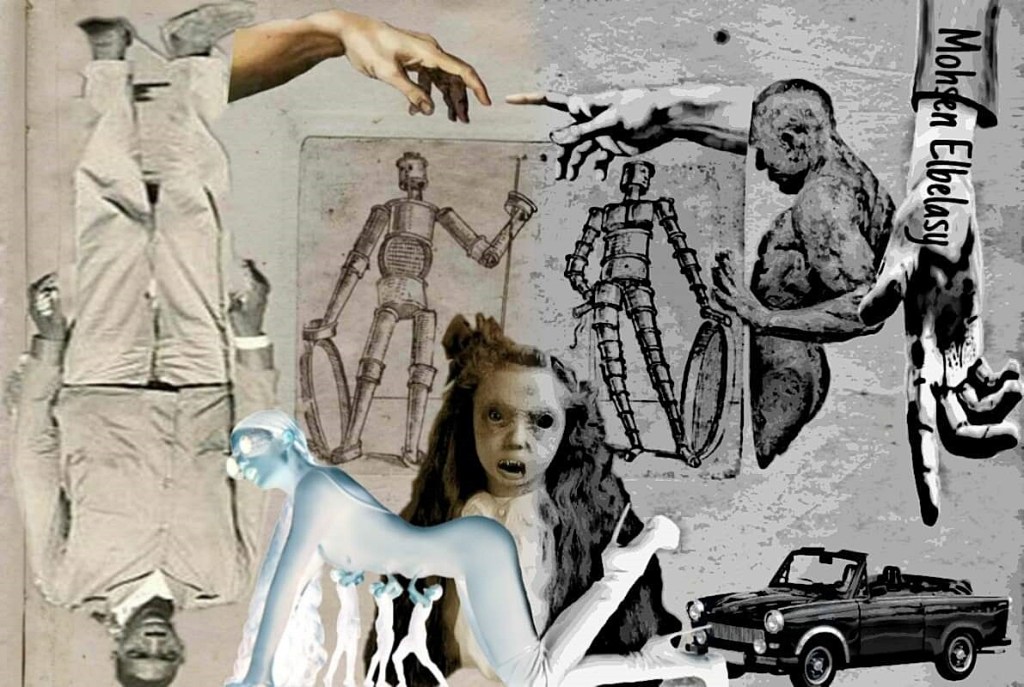
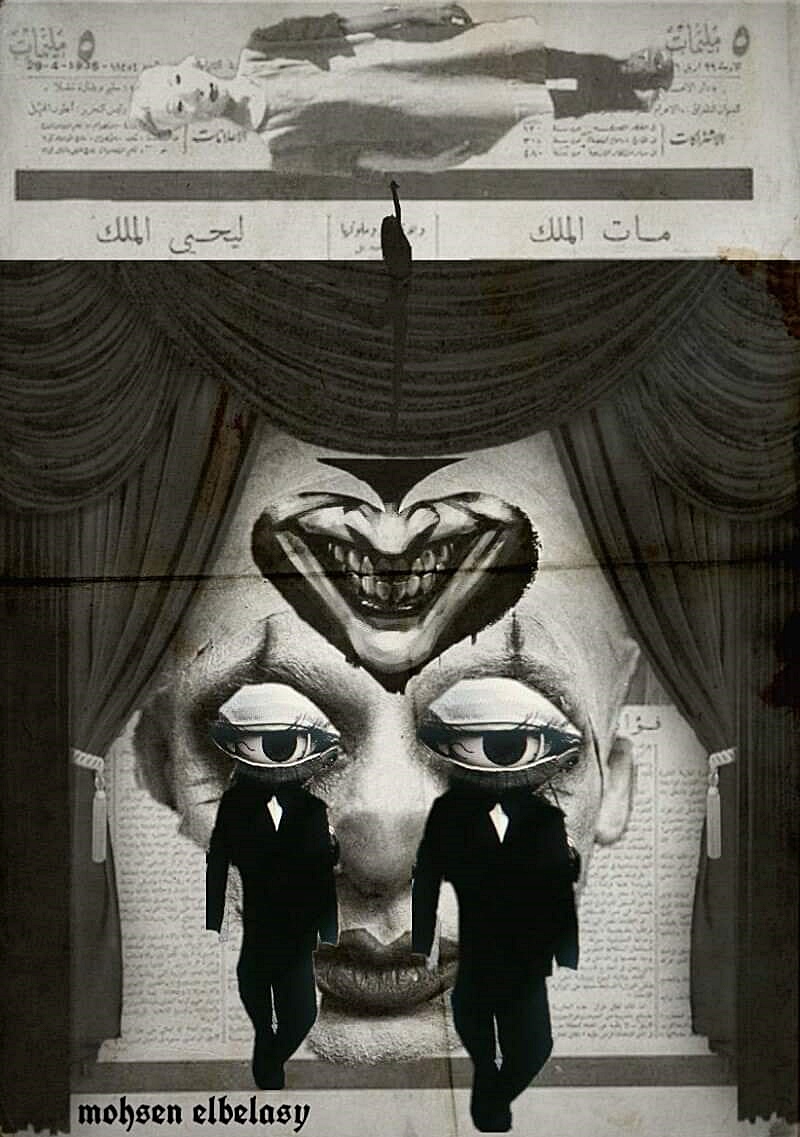
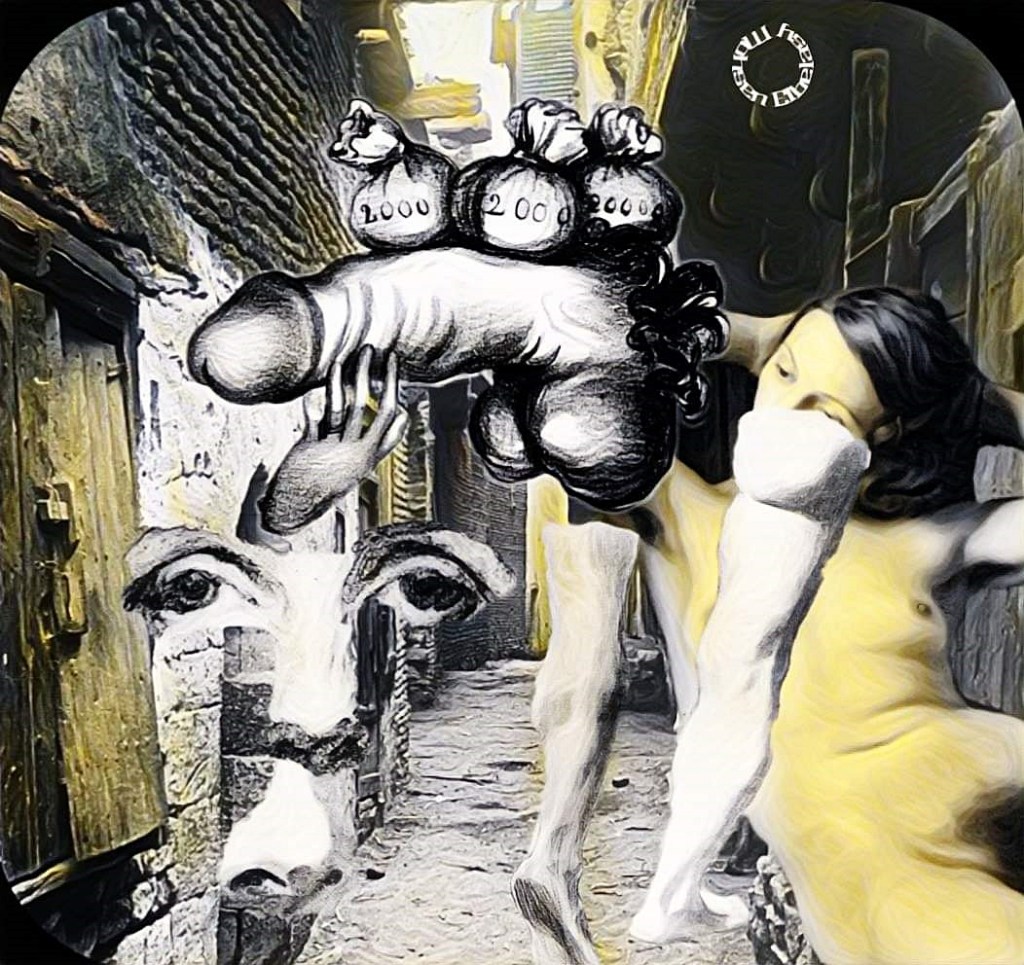
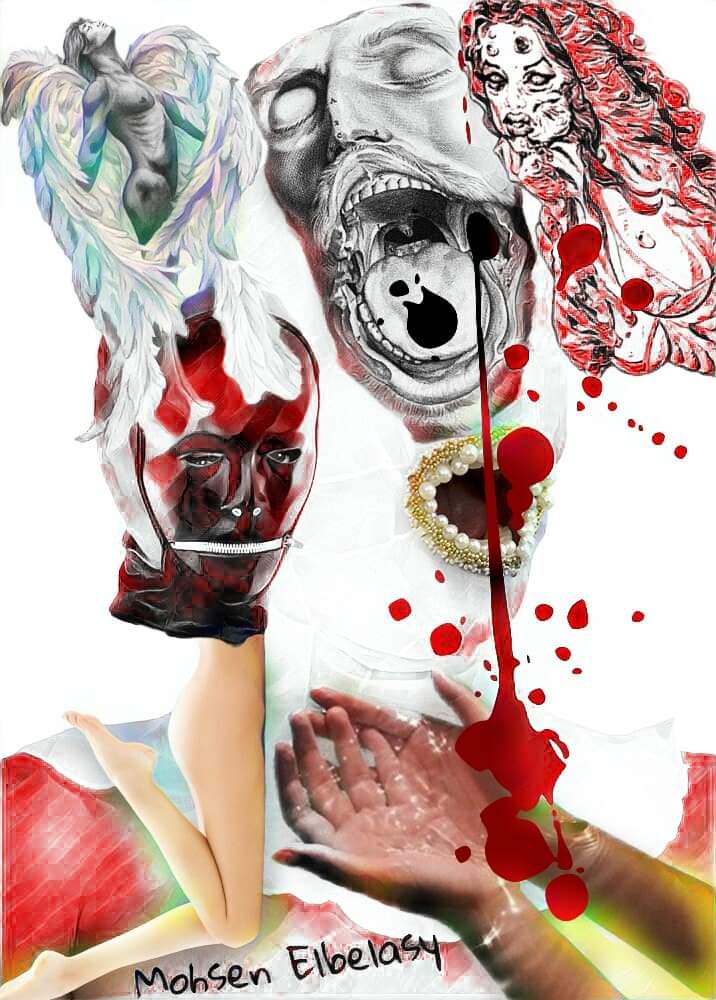
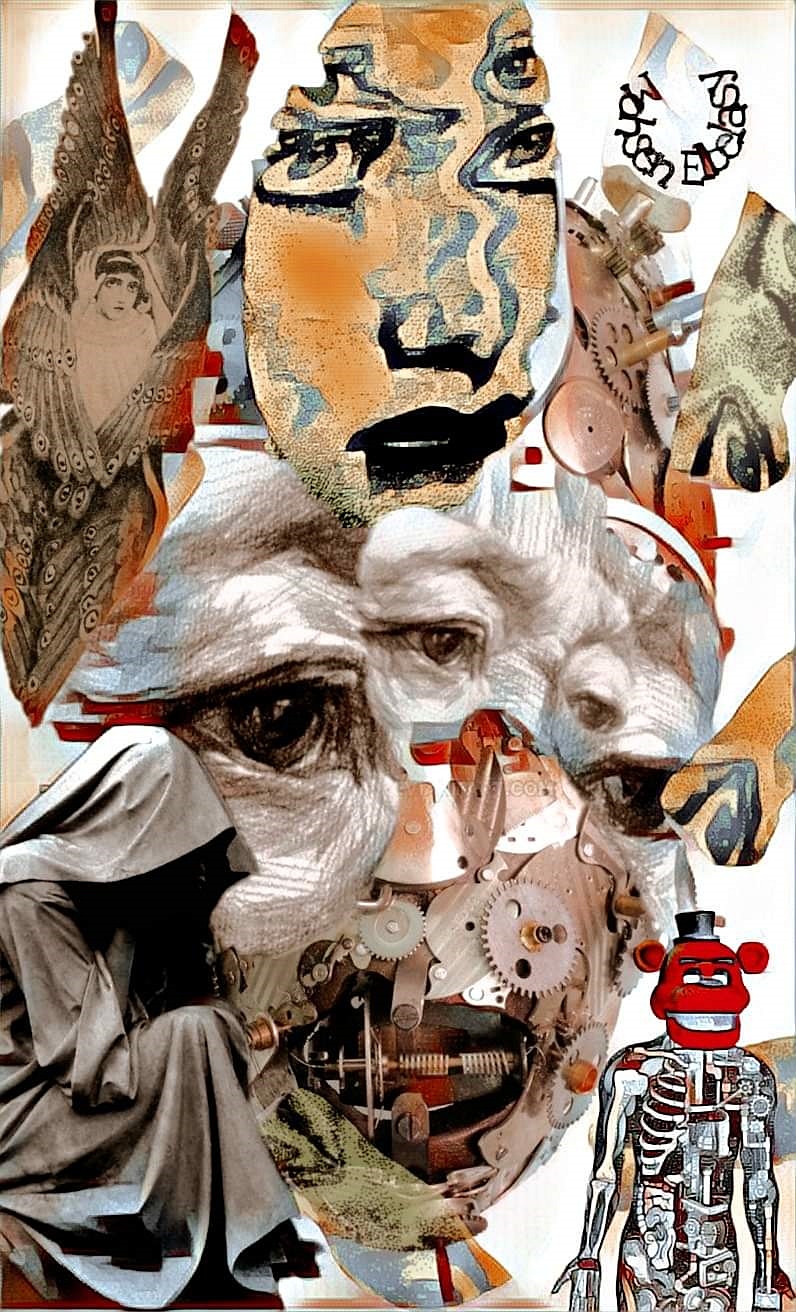
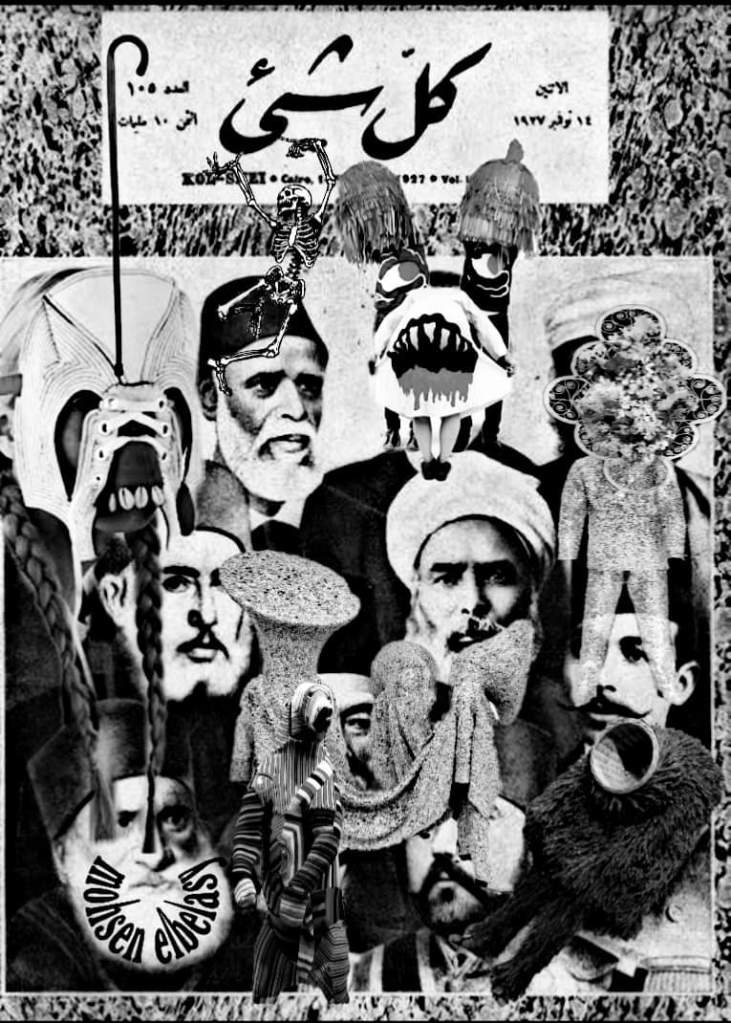
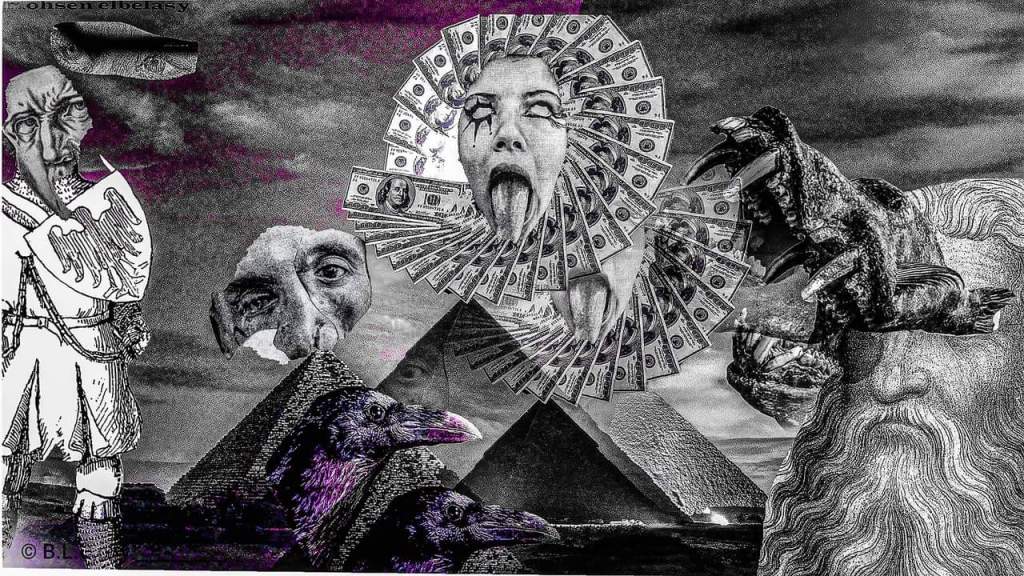
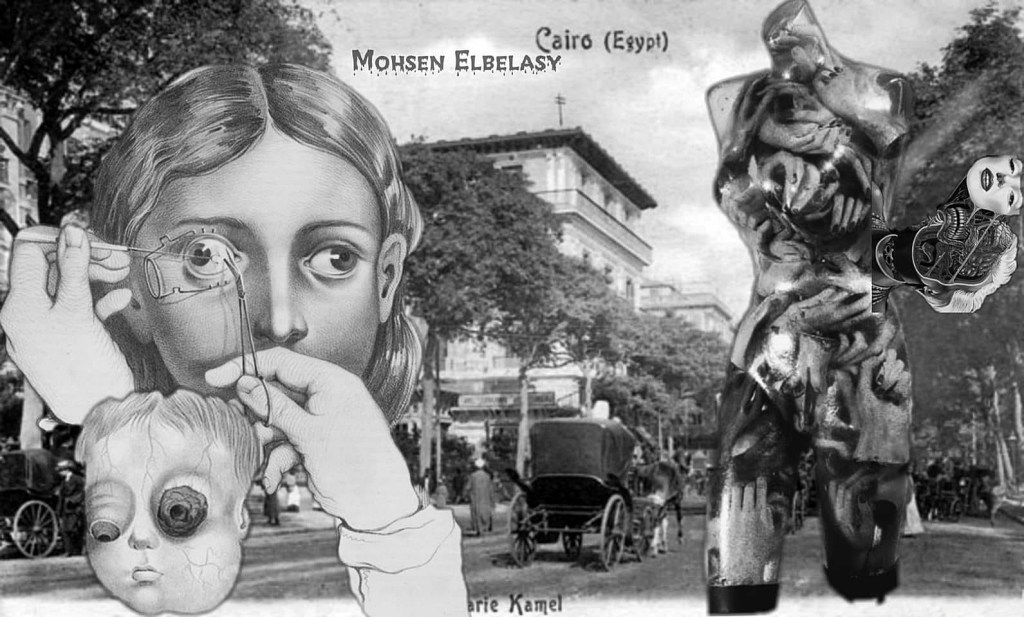
written by Mohsen Elbelasy
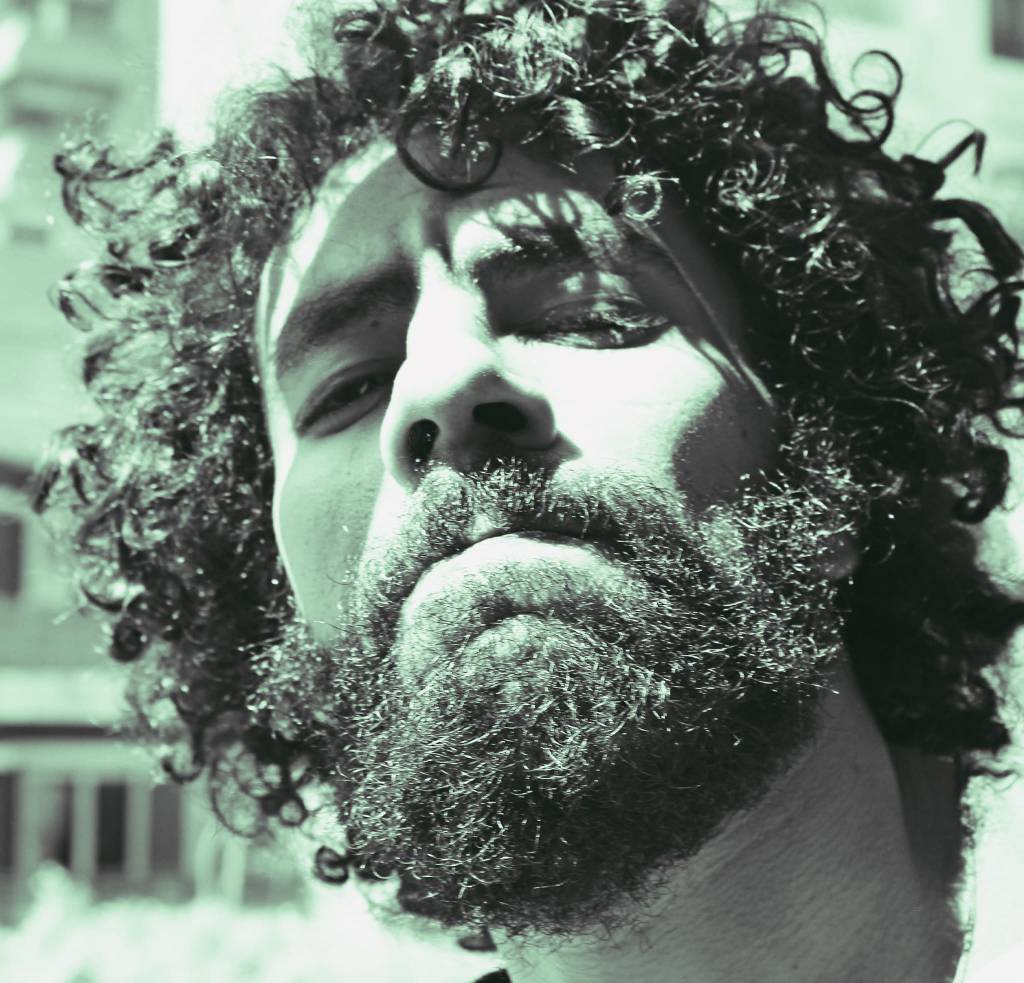
Mohsen Elbelasy Egyptian surrealist artist and poet and researcher and editor in chief of the Room surrealist Magazine and sulfur-surrealist-jungle.com and the co manager of the international exhibition of surrealism Cairo Saint-Cirq-Lapopie and Echoes of Contemporary Surrealism Exhibition. And co-founder of the Middle East and North Africa Surrealist Group. (MENA) and He also worked as a translator, cultural journalist and organizer of cultural and artistic events in Egypt and internationally. Chrysopoeia Surrealist union /Cooperative. In 2022, his book The Trip of Kamel Al Tilmissany won the Sawiris Grand Prize of Literary Criticism
“Ifá tells us that when he is enraged, Obaluaiye [Babalú Ayé] takes [his] special broom and spreads sesame seeds (yamoti) on the earth before him, then sweeps the seeds before him, in ever-widening circles. As the broom begins to touch the dust and the dust begins to rise, the seeds, like miniature pockmarks, ride the wind with their annihilating powers: the force of a smallpox epidemic is thereby unleashed.”
—Robert Farris Thompson, Flash of the Spirit: African and Afro-American Art and Philosophy, p. 63 (Vintage Books. New York, NY. 1984.)
Babalú gettin’ me up in the mornin’ I believe I’ll dust my broom Babalú gettin’ me up in the mornin’ I believe I’ll dust my broom I get to sweepin’ this sesame, baby Babalú pox gon’ be ya doom
And you won’t get better—ya whole body covered in sores No, you won’t get better—ya whole body be covered in sores Be nothin’ but dogs a-lickin’ you, baby Once these bristles start sweepin’ the floors
Lazy Pushin’ Daisy
I know that there’s a man Who in Bethany stays Erbody like to call him Lazy Cause he lay still four days
Talkin’ bout that Lazy I’d swear he pushin’ up daisy
I know that there’s a man Who sleep like the dead Only the power of the good lord Rouse him out of his bed
Talkin’ bout that Lazy I’d swear he pushin’ up daisy
I know a man name Lazy Always got that bed breath Got a twisted mouth so sour Breathe out the smell of death
Talkin’ bout that Lazy I’d swear he pushin’ up daisy
I know a man name Lazy Who stink to his core Body raw as his mouth And dogs licking’ his sores
Talkin’ bout that Lazy I’d swear he pushin’ up daisy
written by P.D. Newman
P.D. Newman is an independent researcher located in the southern US, specializing in the history of the use of entheogenic substances in religious rituals and initiatory rites. He is the author of the books, Alchemically Stoned: The Psychedelic Secret of Freemasonry, Angels in Vermilion: The Philosophers’ Stone from Dee to DMT, and the forthcoming title, Day Trips and Night Flights: Anabasis, Katabasis, and Entheogenic Ekstasis in Myth and Rite. The Secret Teachings of All Ages (TV Series documentary) 2023.
Confío más en tus huesos que en tu carne, por las noches sigo amando tu fantasma que huele a tierra infiel, confío más en tu bufanda roja detenida en el tiempo, el pasillo de nuestra casa gime llanto muerto, flota mi cuerpo en la tina, agua de árbol con espinas. Recogí mi pelo mojado en tu vieja toalla de mi melancolía, arrojé todos tus libros por la ventana.
Imperfecto
El hombre frente a la tumba desprende de su boca su prótesis dental, la envuelve en un pañuelo blanco, la oculta entre el pasto y la tierra de tumba, solo frente a sus muertos puede ser él, así de imperfecto. Ahí descansa su llanto desdentado, se sienta sobre la piedra, saca de una bolsa de papel café una lata de cerveza y bebe deseosamente el sorbo de vida a su garganta de flores mareadas que iluminan su rostro, suenan campanas a los lejos. Allí, frente a sus ancestros sonríe a carcajadas recordando alguna anécdota pasada, nadie lo juzga ni lo critica, allí frente a sus antepasados puede revelar su sonrisa imperfecta.
Tierra seca y olvidada (desierto)
El cerebro atormentado resuena en el grito del árbol abandonado en tierra antigua de la cuál brota maleza de llanto. El sol neurálgico y odiado nos quema la piel y el sudor es el brillo de su reflejo que nos tortura y nos humilla en esta hermosa y vacía tierra donde los hombres caminamos sobre arena hirviendo. El único árbol sobreviviente no tiene hojas ni semillas, es un muerto de pie frente al inmenso viento de arena en la boca y los ojos. Ahí, cuelgo mis pertenecías, en sus ramas de volcán. Mancho mis dedos y pinto mi cara de maquillaje negro, dispongo mi improvisado refugio, mi instinto animal es más poderoso que mi humanidad inservible en esta atmosfera.
Pan y caldo con arena refuerzan mi sacrificio.
El florero de tu madre
Visito tu sepulcro con una sonrisa camuflada, retiro minuciosamente pétalos muertos, (flores que dejan tus viudas amantes), uno a uno recolecto en mi bolsillo de lana hojas secas en distintos tonos, agua limpia dejo caer en el florero de tu madre; flores frescas para ti, leo tus poemas para recordarte. -Ya no vengo a llorarte al campo santo- a veces cuando se hace de noche, descanso sobre tu tierra de muerto, hago el amor contigo.
Abril y mayo
Dos retratos en dos marcos diferentes, dos fechas de nacimiento, dos nacionalidades, dos identidades. Ella no abraza a los árboles, los besa apasionadamente, la sangre que brota de su boca rota es savia dulce. No es blanca ni negra, ni adinerada ni necesitada, ni culta pero tampoco ignorante, educada y también puede llegar a ser una marginal. Por las noches se acuesta en su tina caliente, los cabellos que flotan en el agua talvez pertenecen a esa mujer que no existe. Dos retratos en dos marcos diferentes; la adolescente que escribe poemas de amor aullándole a la luna, el otro, la belleza de una anciana de ciento veinte años moribunda, declamando sus últimas palabras a la muerte.
Cama de hoja
Cuando lloro por los vivos, son mis muertos quienes me consuelan, no los veo, conozco sus nombres, su edad los huelo, susurran delicias a mi oído de hierba fresca. Florencia es la mujer fantasma y ciega que toca el piano entre ramas del bosque. Mi cuerpo pequeño cubierto de hojas secas; he descubierto que a los árboles también le gustan las melodías de cuna.
Herencia de lo mágico
Tengo el don de la sensibilidad, ver, oír con gran sutileza lo que nadie, y los fantasmas recorren el bosque conmigo; placentero como fumar a escondidas sobre enormes arboles retorcidos en donde reposa mi silueta delgada, hija del hombre, herencia de lo mágico, el humo se cuela por las hojas, canta la rama, silenciosa raíz mágica, dulces espinas te embellecen.
Victoria Morrison, Chile 1977, Trabajadora social, escritora de poesía y cuento. Miembro actual y activa de SECH (Sociedad de escritores de Chile) P.E.N Chile (Poetas, ensayistas y novelistas) Su poema Ñamku fue premiado con el segundo lugar del “Concurso poesía Indígena”, realizado por el “Museo de la memoria y los derechos humanos” en Chile el año 2020. Libros publicados: Una habitación en el infierno (2016) Ediciones La Horca. Poemas desahuciados (2017) Editorial Ovejas Negras. Pupilas de loco (2020) Rumbos Editores Sus escritos se caracterizan por evocar temáticas psicológicas. Amante de la naturaleza, la autora explica que en cada palabra existe sanación; si asimilamos esa palabra a las raíces de cada planta pues, así como existen semillas imperfectas, también hay humanos imperfectos; no son acaso los bienes llamados “árboles torcidos” los que, sin agua, sombra, ni tierra fértil continúan respirando en la tierra. (Si la frágil planta resiste el frio, la intemperie, la carne humana cobijada en lana y bufanda debería agradecer y callar, oír en silencio, el congelado y valiente canto de la hora escarchada).
Richard Gessner’s fiction has been published in Air Fish: an anthology of speculative work, Rampike, Ice River, Coe Review, Another Chicago Magazine, Happy, The Act, Sein und Werden, Skidrow Penthouse, The Pannus Index, Fiction International and many other magazines. A collection, Excerpts from the Diary of a Neanderthal Dilettante & The Man in the Couch was published by Bomb Shelter Props. Gessner’s drawings and paintings have appeared in Raw Vision, Courier News, Asbury Park Press, Rampike, Skidrow Penthouse, and exhibited at Pleiades Gallery, Hamilton Street Gallery, Cry Baby Gallery, The Court Gallery and the Donald B. Palmer Museum. Richard wrote The Conduit and Other Visionary Tales of Morphing Whimsy. He lives in Montclair, New Jersey.
The Conduit and Other Visionary Tales of Morphing WhimsyAudible
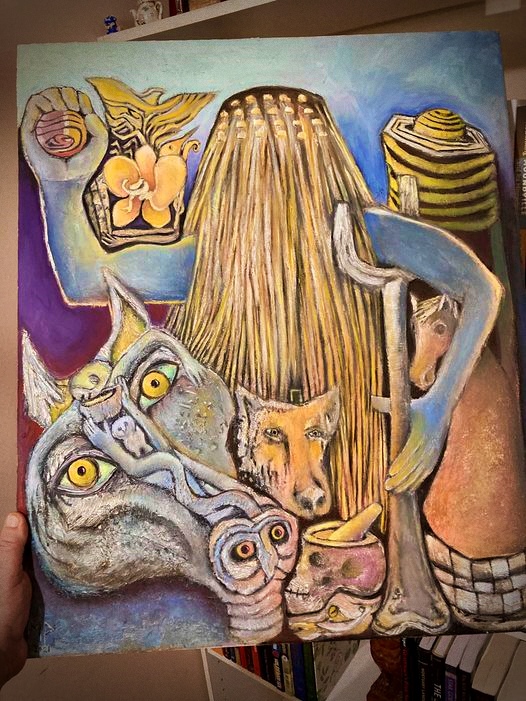
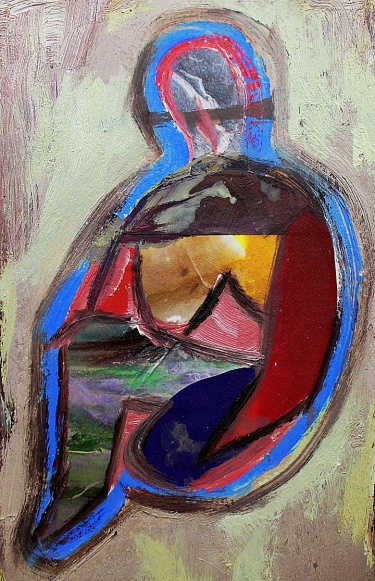
self fee of a phantom self. oil/collage Mitchell Pluto
Afterword
We believe we are conscious but we are continuously unconscious.
The eye is the window to the brain and there sits the optic chiasm. A cross current chessboard of visual information. In ancient China, King Wen changed three lines into six lines to form 64 hexagrams in his book called The Book of Changes. Ironically there are 64 arrangements in DNA and 64 squares on the chessboard.
Synchronicity?
Jesus, all the time I spent believing in a historical Laoz and come to find out there’s no historical race either.
these our the last days of being a primate. Don’t worry we still have cuspids
Everything must be uploaded|
…creating a record print of a finger swipe from phone screen| CHECK
…the gesticulation wavelengths of our voice from phone calls| CHECK
…iris scan captured from viewing screen| CHECK
tell us what’s on your mind| CHECK
This device and artificial Intelligence will marginalize the future of man’s ego. After all man is an animal guided by objects, why not be a primate whose experience is organized and interrupted by the phone?
isn’t it working already?
Who is on the other side of the screen?
A narcissistic shark that feeds remotely on a colony of brains and uses the appearance of a woman as a lure
Now A Word From Our Sponsor
We would like to salute our patron Walt and his 1958 Disney film White Wilderness who graciously staged and contrived the impression of a massive lemming suicide. Now back to our show.
(C) April 8, 2023 written by Mitchell Pluto
I would like to thank my friend, Richard Gessner for collaborating and creating some writing to interpret my painting
Sueño campanarios en éxtasis, sueño tu frente que avanza por lejanas provincias cortando rosales.
Sueño tu caballo rindiéndole pleitesía al viento y a ti tomando las riendas con la fuerza del coraje que se instala en tu garganta.
Sueño tu espalda reposada de violines para que escuche tus voces con el color de tu algarabía.
Sueño la espuma de un dios benevolente, la llama imperturbable del próximo prodigio y una bandada de gorriones atraídos por tu vehemencia.
Sueño glorias y ambiciones, noblezas y devociones sagradas, sumisas memorias que se alteran ante tu audacia y se vuelven huracanes.
Sueño hojarascas y ramas para encender, sueño las sombras de tus sombras, señales de una región apagada que da cuenta de tu cruzada y de las barcazas que el tiempo devuelve.
Sueño la espera y la desesperación, la congoja y la inquietud, el grito ancestral de tu caída, la idea infinita del silencio que apabulla, la negación y la muerte.
¿En qué montañas, en qué hoyo negro, en qué ciudad barroca te encontraré?
¿Dónde, desde qué abismo me hablarás con el deseo interminable de esta persecución que no cesa de latir?
Sueño mi cara, mi tiempo y el gesto intenso de apretar los ojos, seguir adentro y habitar esta nebulosa onírica, mientras los inviernos llueven su frialdad y los veranos arden sobre mí.
Ellos
Él se consideraba excéntrico a sus setenta y algo.
Ella erigía su soledad con sus hormonas
a cuestas sacando lustre a sus sesenta y tantos.
Él relamía sus dedos con buen vino y pastas humeantes.
Ella bebía de sus dedos y saboreaba con placer sus artesanales recetas.
( Por cierto ella no era diestra en esos menesteres )
( Por cierto él era avezado en esas lides)
Ella se desnudaba a diario, con total ligereza,
desde el ventrículo izquierdo hasta más abajo del esternón y parte de sus neuronas.
Él removía sus vacilaciones, garabateaba sus miedos
e intentaba besar sus ojos a través del teclado.
Ella arrancaba lejos, inventaba que leía, pero en verdad no se concentraba.
Él la retornaba con el aroma de su parrilla, su amorosa picardía y su apasionado transitar.
Ella traía su copa y hablaban de la huerta que sería imprescindible para colmarlos a ambos.
El la leía atento y fraguaba en su sonrisa una idea delirante.
Ella no quiere subir de talla, él le dice que en la alcoba lo podrán evitar.
Él la escuchó y le cedió la mano.
Ella la tomó y ofreció su frente.
Ellos eran así, ellos se encontraron.
Que arda
Que arda, que sea brasa inextinguible en las gélidas noches de cuerpos sin gloria.
Que lance piedras a los siniestros y arruine cónclaves conspirativos.
Que arrase con la desfachatez de los históricos, con los sillones corruptos y sus redes de peces gordos.
Que arda aún más y que el combate sea salvaje.
Que arda en cada poro encapsulado y que sea rojo sangre.
Que arda desde el color al sonido,
desde la sed al sentido,
desde la línea púrpura que da cobijo hasta la memoria de un ángel.
Que todo arda y la belleza ordene sus intenciones de menos a más,
y despierte a los soles para que caigan escandalosamente sobre el caos, donde Dios es sólo un vecino.
Beatriz
Ella se triza frente a mi puerta, revolotea en su cubierta cuando las dosis de narcótico se salen de su cauce y amarran su cabello.
Lo hace a diario, sin plano ni proyecto, triza su plato de granos verdes, triza las caléndulas de su huerta, triza el perfume de los gatos y la miel de los trigales.
Vive trizada y desarmada como un globo terráqueo hecho de pampas y glaciares. Se desliza por el suelo y descomprime patadas, rasguña el mármol, golpea el aire y descuaja los estantes en busca de su veneno.
A veces me arroja a un barrial de ruegos, me araña las piernas con plegarias de espuma, se esconde bajo mi cama y me tiembla el espacio hasta desollarlo.
Y en los momentos en que su /mi niña asoma su carita rosa con el Nilo en sus córneas y los bueyes cargados de bienaventuranzas.
Ella se busca, me busca, me pide un guiso de azafrán y pan de masa madre, me pide un tutú de tafetán y sus zapatillas de punta.
Diluye su esencia en aureolas de algodón y revolotea su cabello bajo la tiara de Cascanueces. Flota sobre el aroma de la cocina, se desliza a ciegas sobre la jaula de los loros para destronarla, junta carroña para la manada y palos de canela para el cardumen de mariposas que la acompaña.
Ella deja de trizarse por un rato largo y yo la acuno en mi vientre, intentando cruzar la línea del tiempo, donde solo pueda alimentarse de mi placenta.
Alejandra María González Ortega, Santiago de Chile 1968 En 2013 participó en la Antología “12 Poetas Chilenas”, el año 2014 en la Antología Española “Galaxias”, el año 2017 en la Antología Chilena “Debut” y el año 2018 en la Antología Internacional de Poesía feminista IXQUIC. En 2016 se adjudica el Tercer Lugar en el Concurso Internacional de Narrativa y Poesía de Junín ( Buenos Aires ) y el año 2017 el Primer Lugar y dos Menciones Especiales el VIº Concurso Internacional de Poesía de la Sociedad de Escritores Regionales de La Plata, en el año 2019 participa en la Antología “Lluvia de Esperanza” realizada en España y en el año 2021 participa en la Antología chilena “Por una infancia feliz”. Actualmente colabora constantemente con sus textos en la revista digital argentina El último Bastión y trabaja en la edición de su primer libro. Cabe mencionar que casi toda su obra ha publicada en redes sociales principalmente en su perfil de Facebook, desde del año 2015.
Seas tú el extraviado que regresa hacia la niebla de nuestros cuerpos.
Catástrofe
El amor será poseído por los únicos sobrevivientes de esta masacre.
Vaticinio
Tu cuerpo disuelve las cosas para anunciar un gemido o recóndito extremo de la noche que ya no esconde nada ni siquiera una nueva forma de estremecimiento.
Extrañamiento
Me miras como si fuese tu fetiche me tocas cuando estamos solos no soy nada de aquello ni la sombra de nuestros propios pasos.
Escritora nacido en Viña del Mar, Chile. Profesora de Lengua y Comunicación de la PUCV, poeta y crítico literario. En 2012 publicó su primer libro, Los ojos invisibles del viento. Ha publicado en reconocidos medios digitales chilenos y extranjeros: Babelia (España), Letras de Chile (Chile), Triplov y Athena de Portugal, entre otros. Durante el año 2017 participa en el grupo Xaleshem con textos poéticos para las antologías surrealistas: “Componiendo la ilusión” en honor a Ludwig Zeller y “Luna Llena”, en honor a Susana Wald. En 2018 integra la antología feminista IXQUIC estrenada tanto en Europa como en Latinoamérica. En 2020 participa reseñando el libro de conversación “Poesía aleatoria, Surrealismo en América Latina” de Alfonso Peña (Costa Rica), también escribe un texto en prosa poética para el libro “Arcano 16, La torre”, del mismo autor. Asimismo, participa en el libro “120 notas de Eros. Retratos escritos de mujeres surrealistas” de Floriano Martins (poeta, escritor, artista visual y gestor cultural brasileño surrealista). En este año (2021) publica su segundo libro de poesía Poética de la erótica, amores y desamores de Marciano editores, Santiago.




























 Mitchell Pluto