Levemente palpitas estacionas las palabras en el espanto
Y las cruces llamaradas
Puertas
rasguñan nuestros brotes profundos
Aquí se liberan huesos de los sacerdotes
Los smoking mis placeres atascados por el tractor
Tus dientes
Mi paladar
Tu lengua
Mis amígdalas
Tus fragmentos
Mis encierros en el tropiezo de la senectud
El prisma donde miro paraguas abiertos de la imagen.
Claudia Vila Molina
09-22-1969
Born in Viña del Mar, Chile. Professor of language and communication at PUCV, poet and literary critic. In 2012, she published her first book, The Invisible Eyes of the Wind. She has published in renowned Chilean and foreign digital media: Babelia (Spain), Letras de Chile (Chile), Triplov and Athena de Portugal, among others. During the year 2017 she participates in the Xaleshem group with poetic texts for the surrealist anthologies: “Composing the illusion” in honor of Ludwig Zeller and “Full Moon”, in honor of Susana Wald. In 2018, she integrates the feminist anthology IXQUIC released both in Europe and in Latin America. In 2020 she participates reviewing the conversation book “Shuffle poetry, Surrealism in Latin America” by Alfonso Peña (Costa Rica), also writes a poetic prose text for the book “Arcano 16, La torre“, by the same author. Likewise, she participates in the book “120 notes of Eros. Written portraits of surrealist women” by Floriano Martins (Brazilian surrealist poet, writer, visual artist and cultural manager). In this year (2021) she publishes her second poetry book Poética de la erotica, amores y desamores by Marciano editores, Santiago. In 2023 Los Extraviados
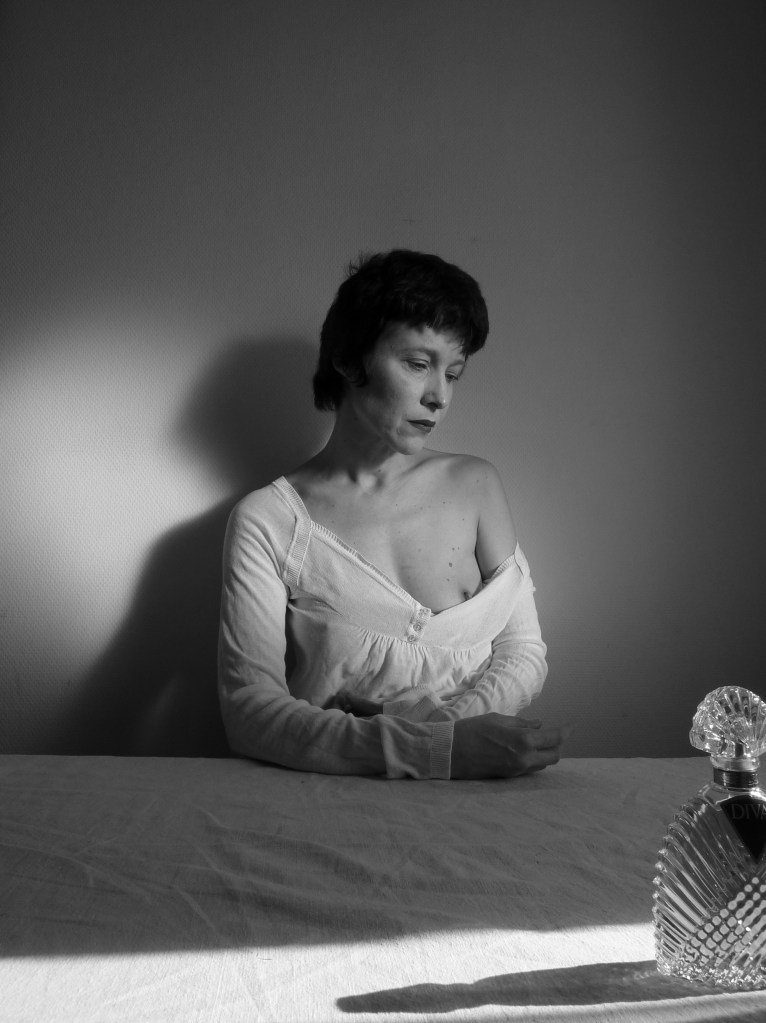
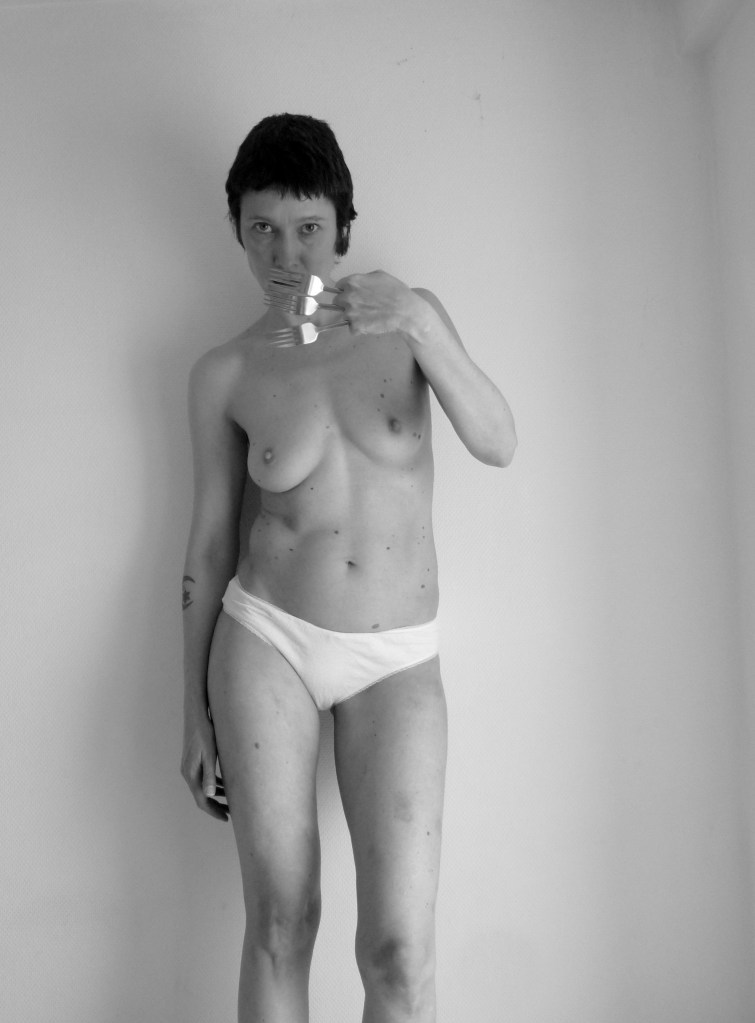
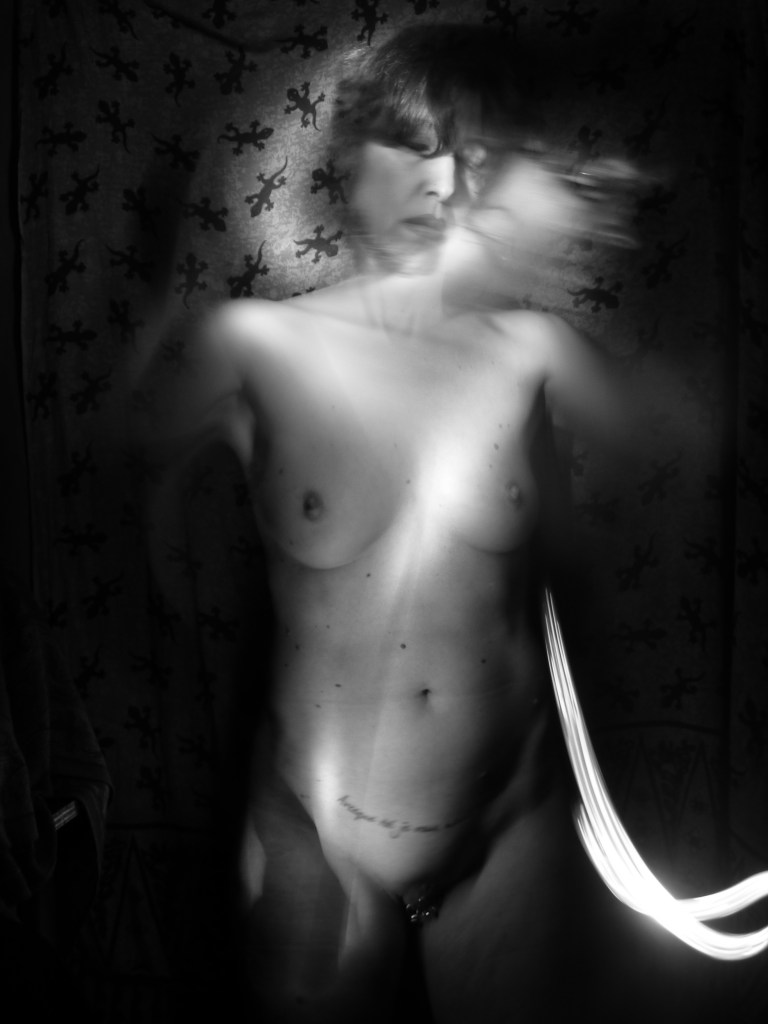
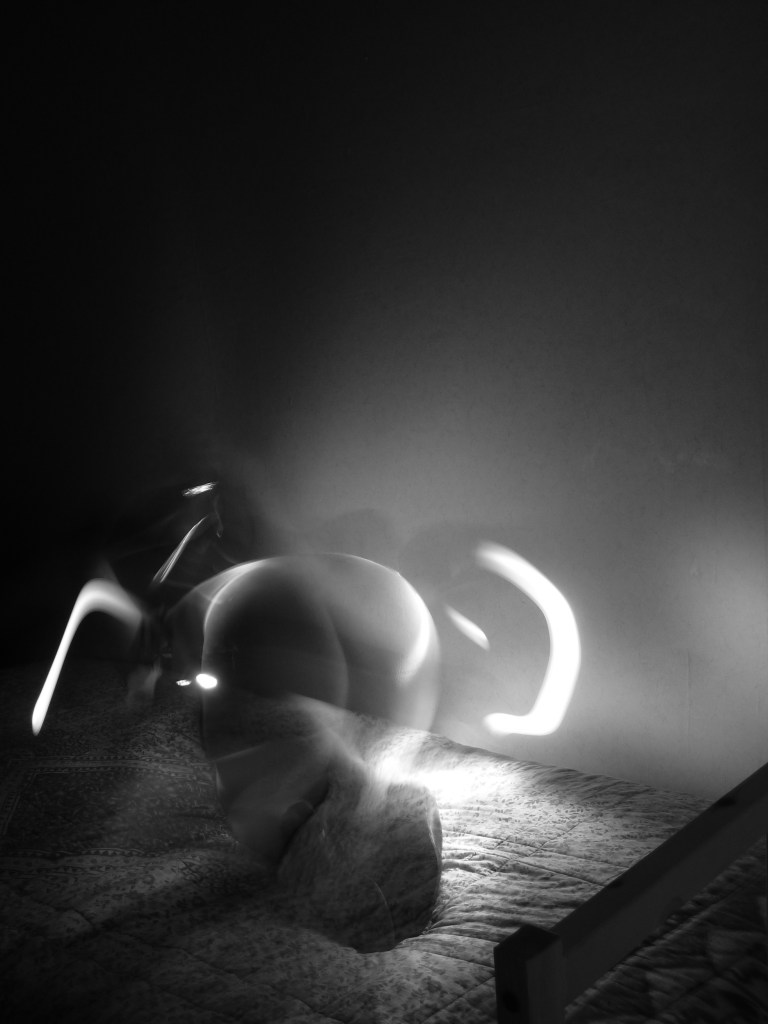
L’œuvre est ici un détachement en soi, comme un désœuvrement/recoeuvrement, en mêlant les différentes expériences du vivant, la mort, le sexe, le viol, l’inceste, la naissance, le plaisir, la douleur. Ce qui reste de plus vivant provenant de l’intérieur du vécu là où les spectateurs sont confrontés directement à leurs propres fantômes/fantasmes.
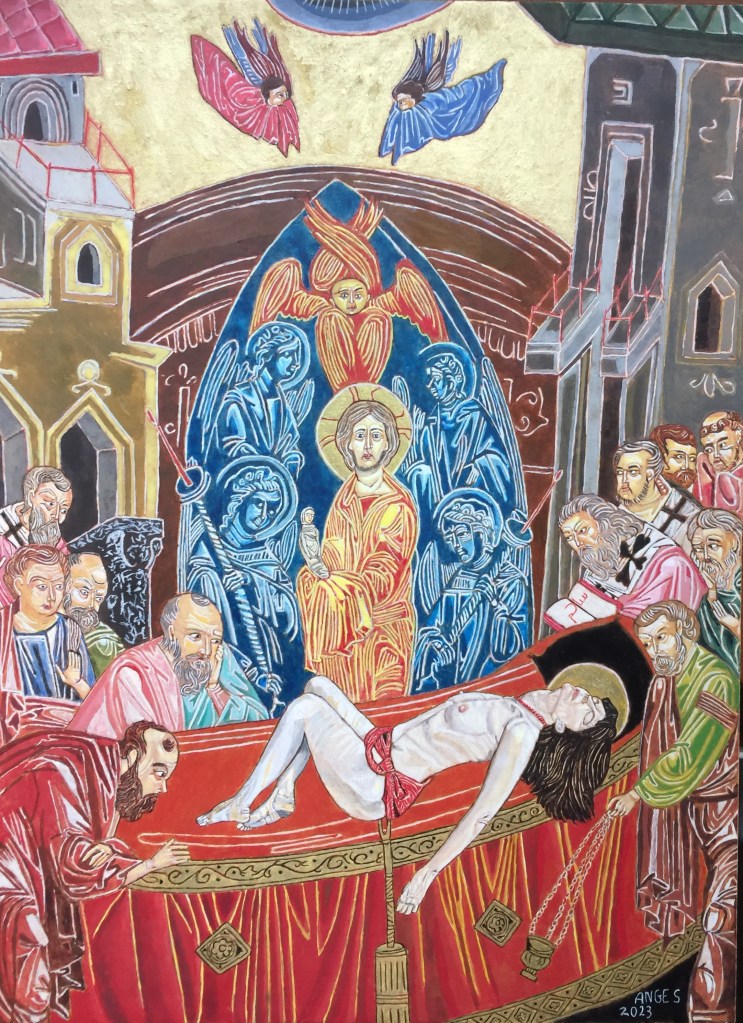
Je fais mon apprentissage au Prieuré de Gorze en compagnie de nonnes et femmes converties à l’orthodoxie. Elles font parties de la communauté du lieu. Mon maître d’icônes se nomme Louise Marie. Une dame d’un certain âge aux cheveux ressemblant à des nuages.Une formation qui a duré trois ans. Dans le même temps je prends des cours de dessins de nu à l’école des Beaux art à Metz.
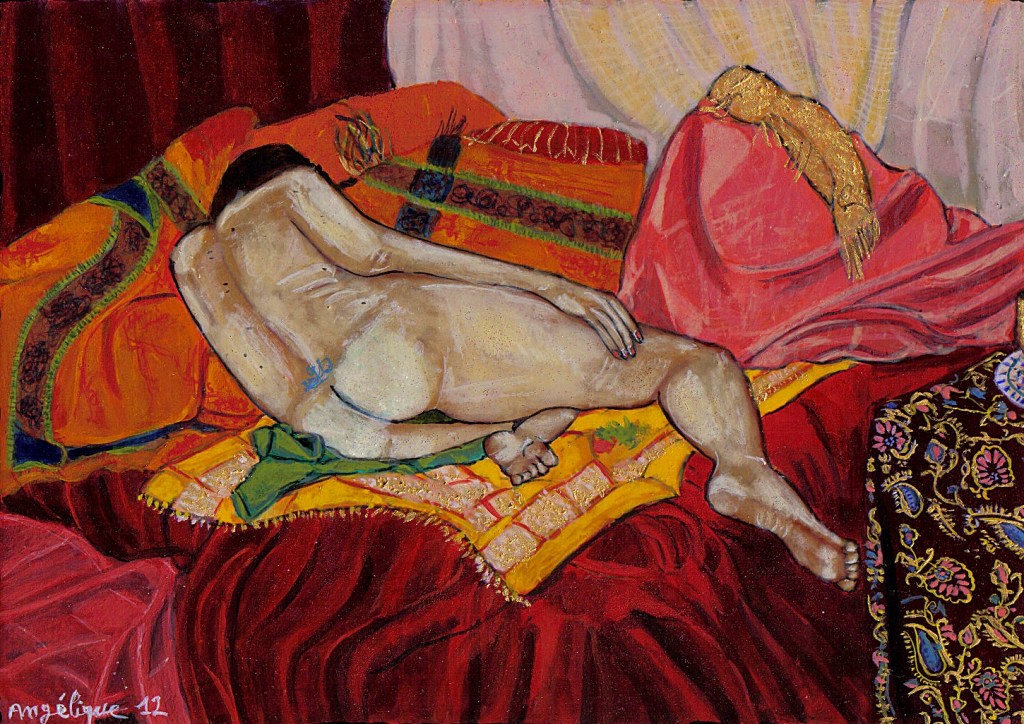
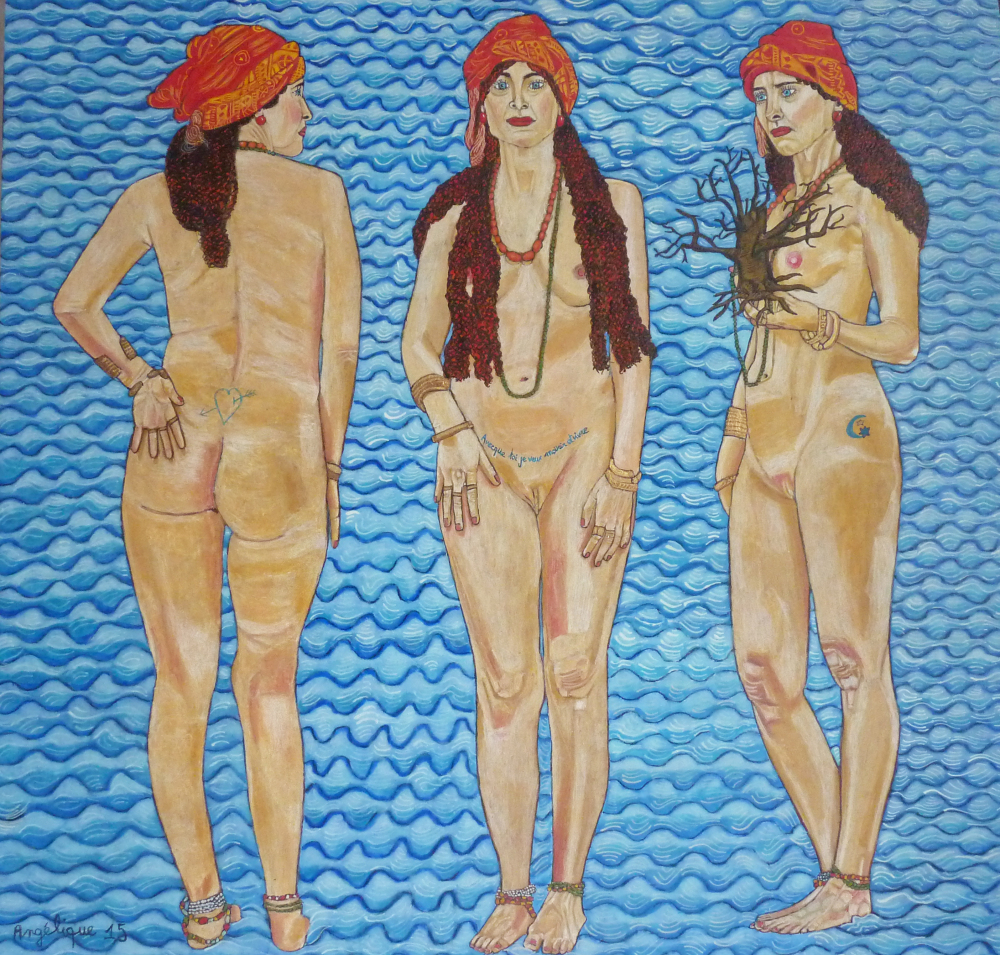
Odalisque de dos
Pour commencer une icône il me faut d’abord contacter un menuisier car le sujet se peint sur une planche de bois (exotique de préférence). Une fois la planche coupée il me faut la préparer avec du Blanc de Meudon, de la gélatine alimentaire et de l’eau. (Une recette bien précise que je ne citerai pas ici) Une quinzaine de couches de cet enduit sont indispensables.
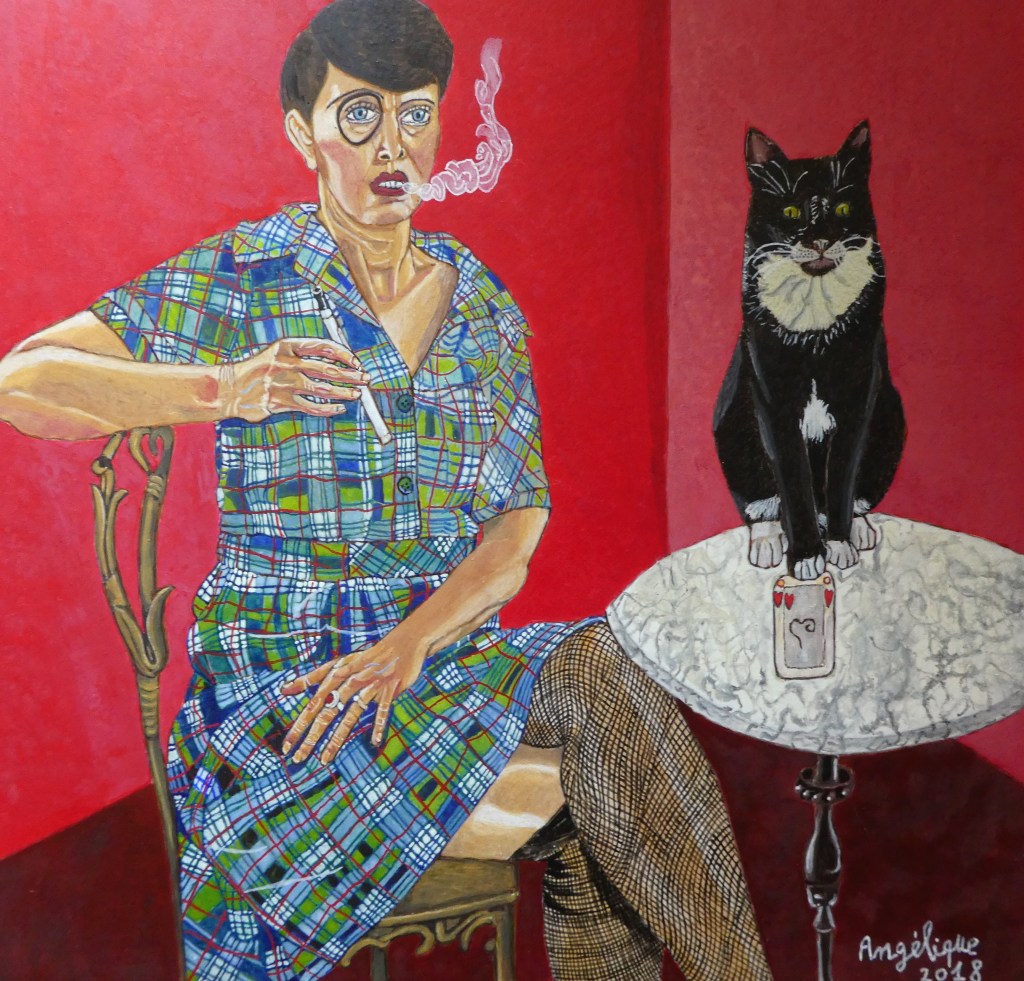
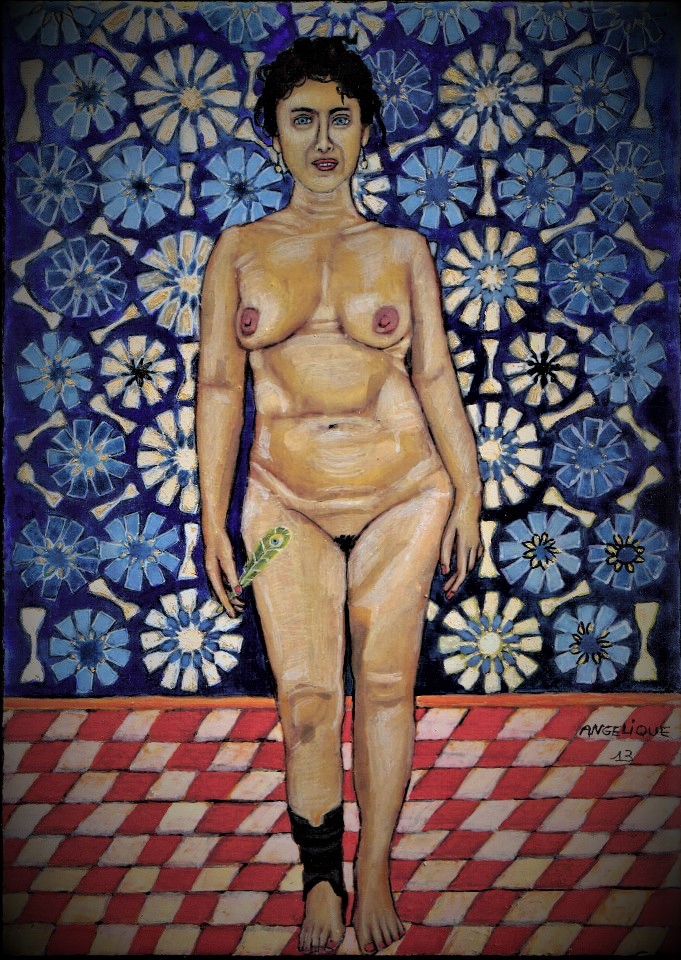
Femme de coeurMargot
Une fois toutes les couches terminées, je laisse sécher la planche deux jours et avec du papier abrasif fin je ponce les aspérités. Planche qui représente symboliquement pour ma part le tout et le rien. Le dessin se fait sur un calque pour pouvoir le transposer grâce à des pigments sur la planche. Puis vient la préparation du liant qui va me servir à peindre. A base de jaune d’œuf et de vinaigre et un peu d’eau. (Je lave le jaune sous un mince filet d’eau et enlève la membrane). Une fois le dessin transposer sur la planche je reprends les traits grâce à un pinceau fin et du pigment noir. Le pigment qui se trouve sur la planche s’efface facilement d’où la nécessité de le reprendre. La technique que j’utilise pour peindre est celle de la tempera à la goutte. C’est à dire que je trempe mon pinceau dans ma palette contenant le liant à l’œuf (mélangé à un peu d’eau) et les pigments pour ensuite déposer la goutte sur l’endroit du dessin où je veux peindre.
Olympe
Puis je la fais rouler, mon pinceau ne touche pas la planche. Ce qui forme en quelque sorte une flaque. Une fois cette dernière sèche, je recommence le même procédé. Je commence toujours par les couleurs sombres pour arriver aux couleurs les plus claires. La symbolique de l’ombre vers la lumière. Par exemple pour la chair (un visage, un corps, les mains) j’utilise d’abord un vert olive (symbole de la terre) puis du pigment ocre rouge (symbole du sang) pour enfin arriver à l’ocre jaune pur. Les finitions de la chair comportent souvent trois voir quatre teintes différentes toujours dans les tons chairs mais de plus en plus clairs. Les quelques notes blanches que je trace grâce à un pinceau très fin se font tout à la fin pour accentuer la lumière. J’utilise la même méthodes pour les vêtement, les bijoux, le fond…..
Le bar d’amsterdam
Une fois l’œuvre terminée je peux passer au vernis. Je laisse d’abord sécher la peinture quelques jours puis je passe à la saturation et enfin le vernis. Je peins les bords de l’icône en noir ainsi que l’autre face de la planche.
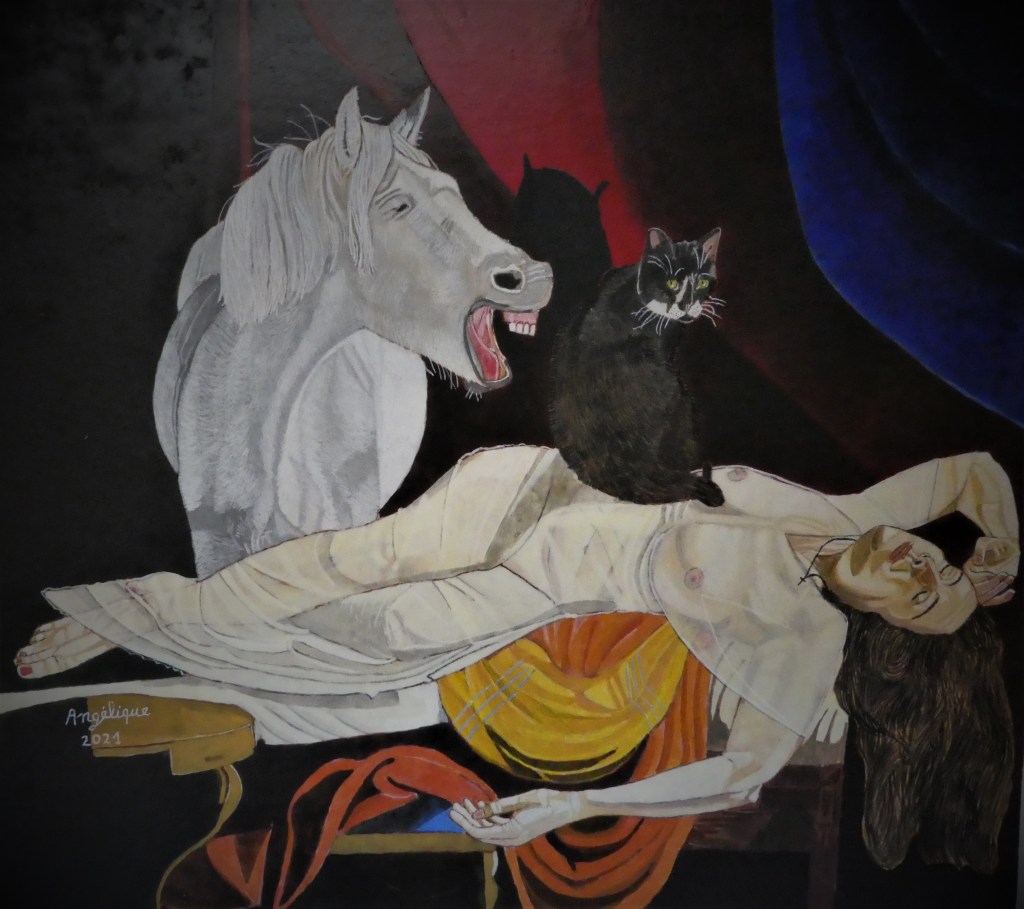
Le cauchemar
Les années 2000 représentent des changements dans mon esprit et naturellement dans les sujets que je peins. J’utilise la même technique que l’icône pour peindre des personnes qui veulent bien poser pour moi et ma vie toujours teintée de spiritualité et d’émotions fortes.
Elephant à vendre
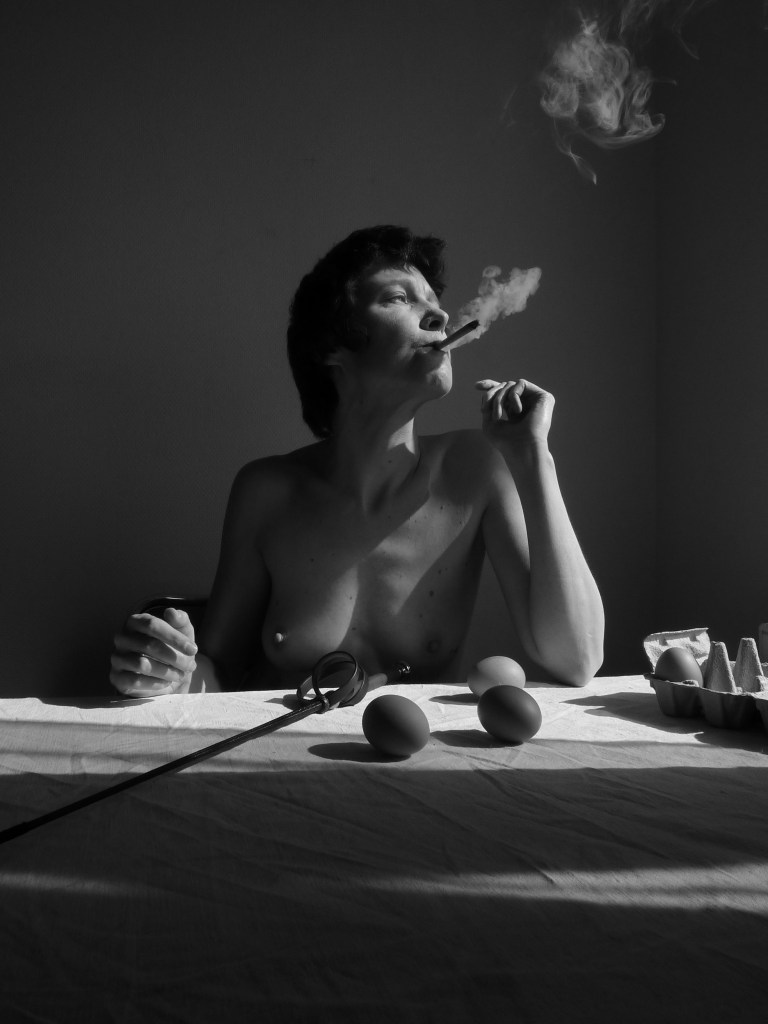
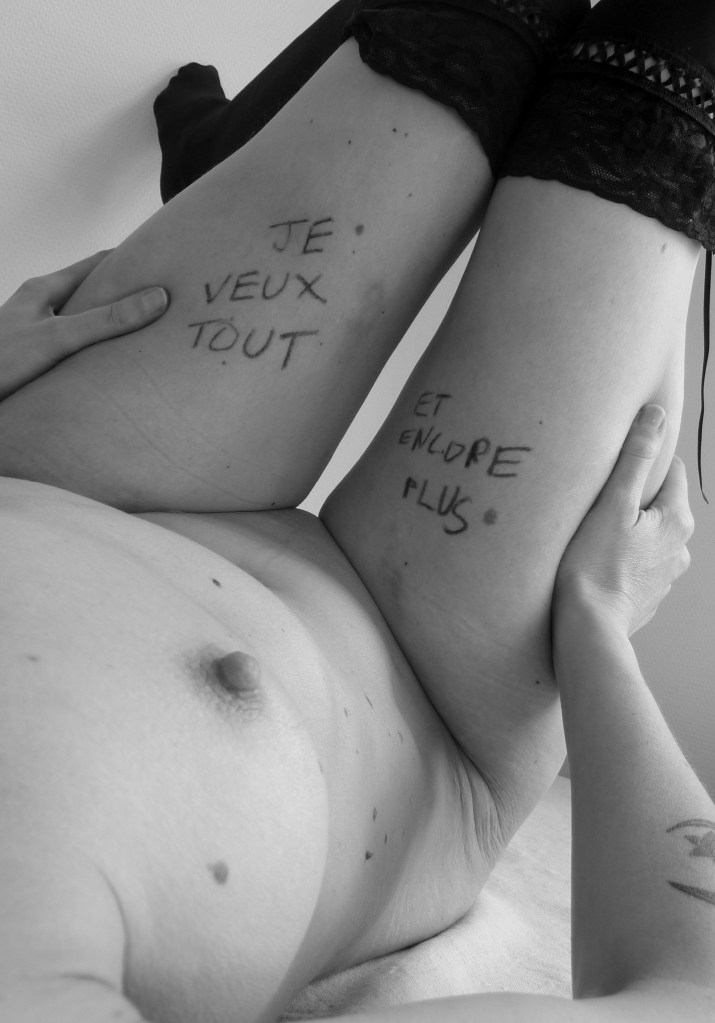
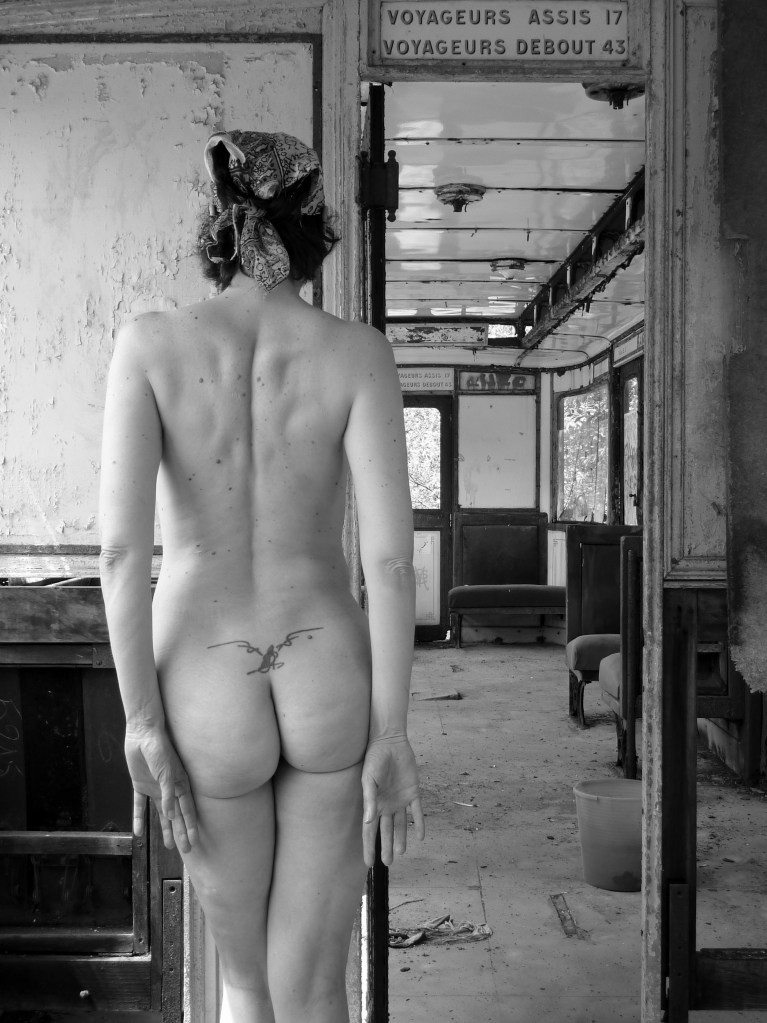
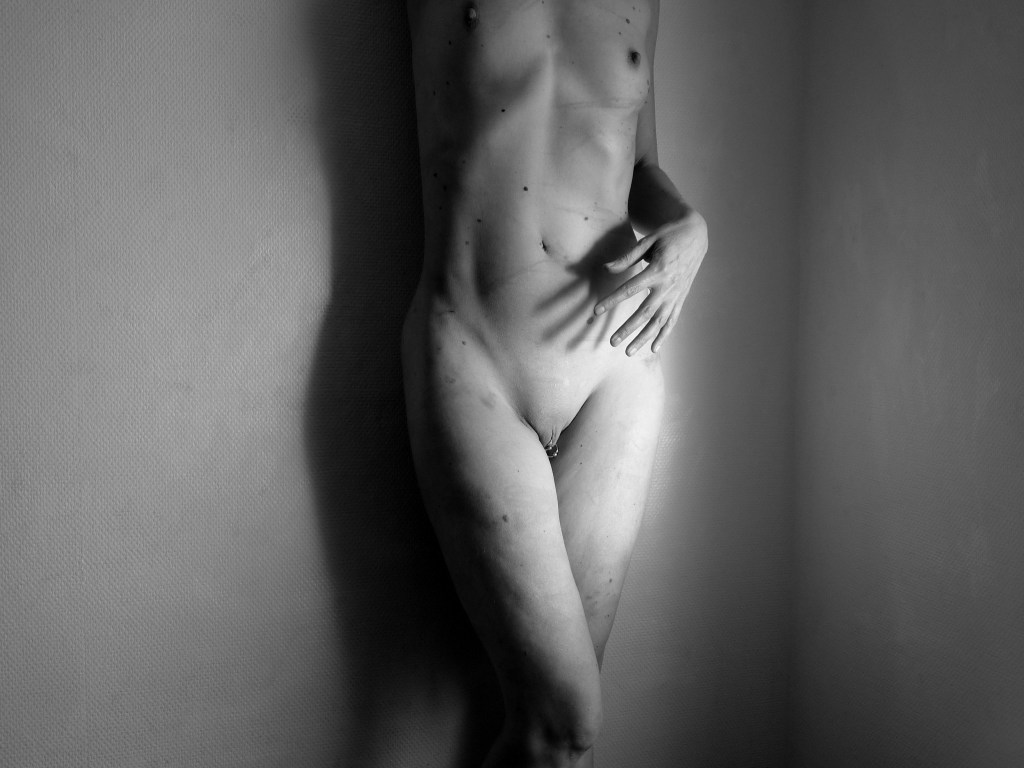
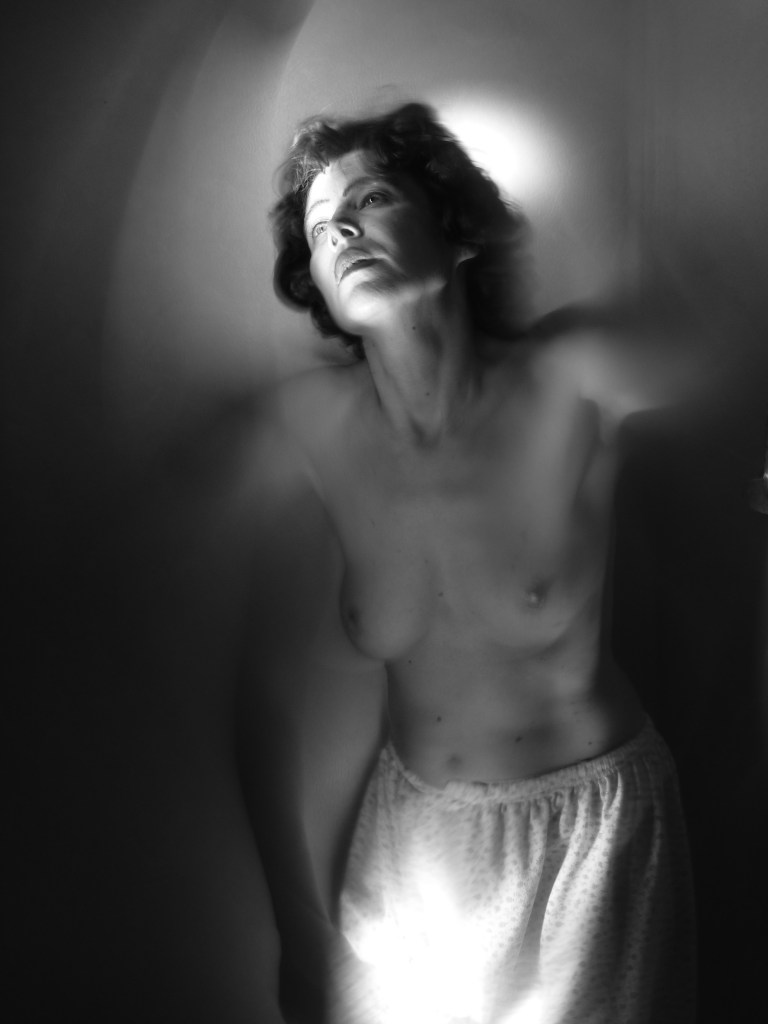
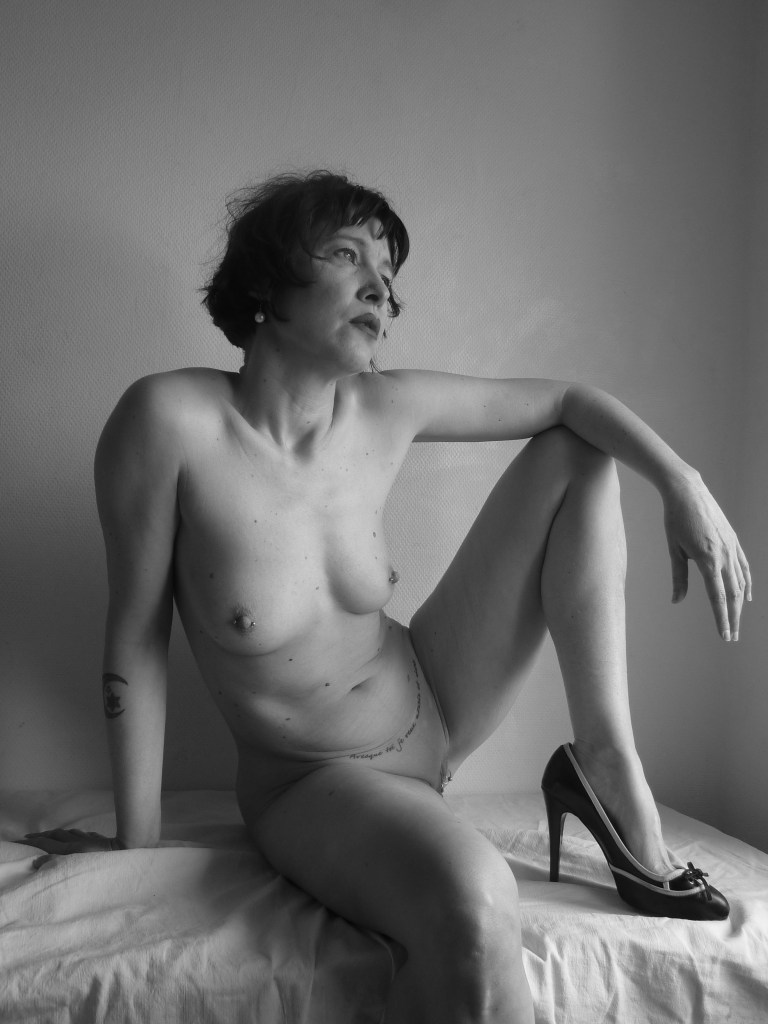
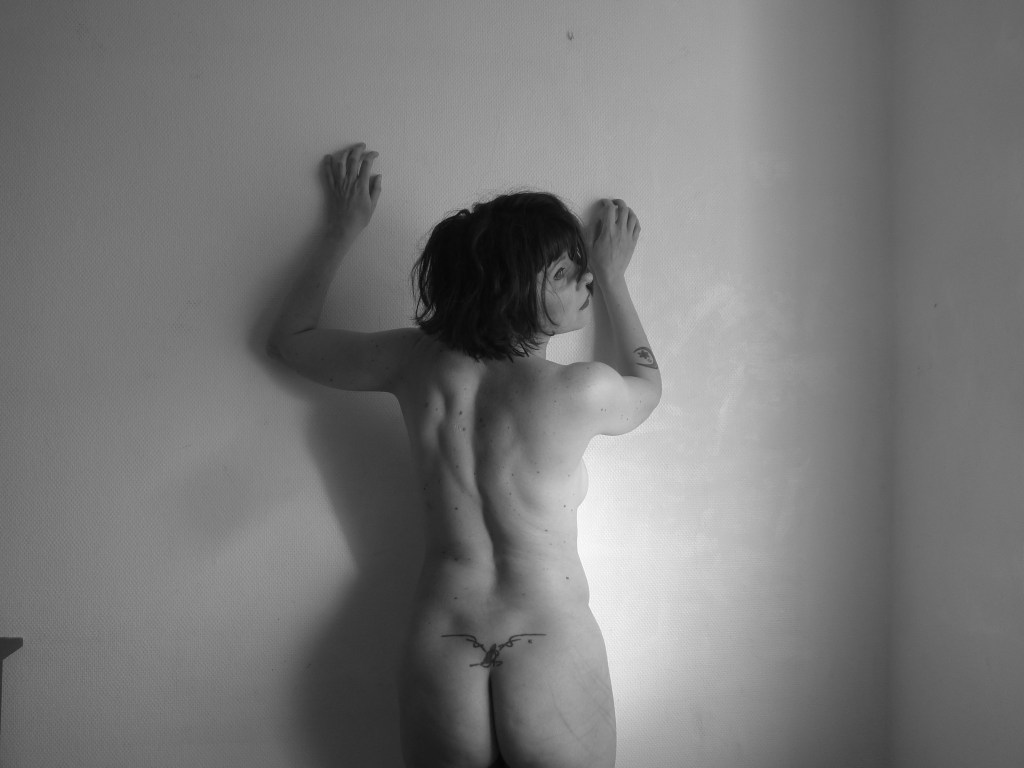
En parallèle je pose en tant que modèle à l’école des Beaux Arts de Metz et pour d’autres ateliers. Beaucoup d’élèves dessinent mon corps ou réalisent des peintures. Je pose aussi en tant que modèle pour photographes. Photographies qui m’inspirent pour relater ma vie en peinture. Je continue aussi à écrire des icônes religieuse sur commande. Je travaille aussi sur les animaux qui font partis des êtres sensibles qui peuplent ce monde et sur des sujets plus dures comme la déportation ou la détresse des femmes par exemple en Afghanistan.
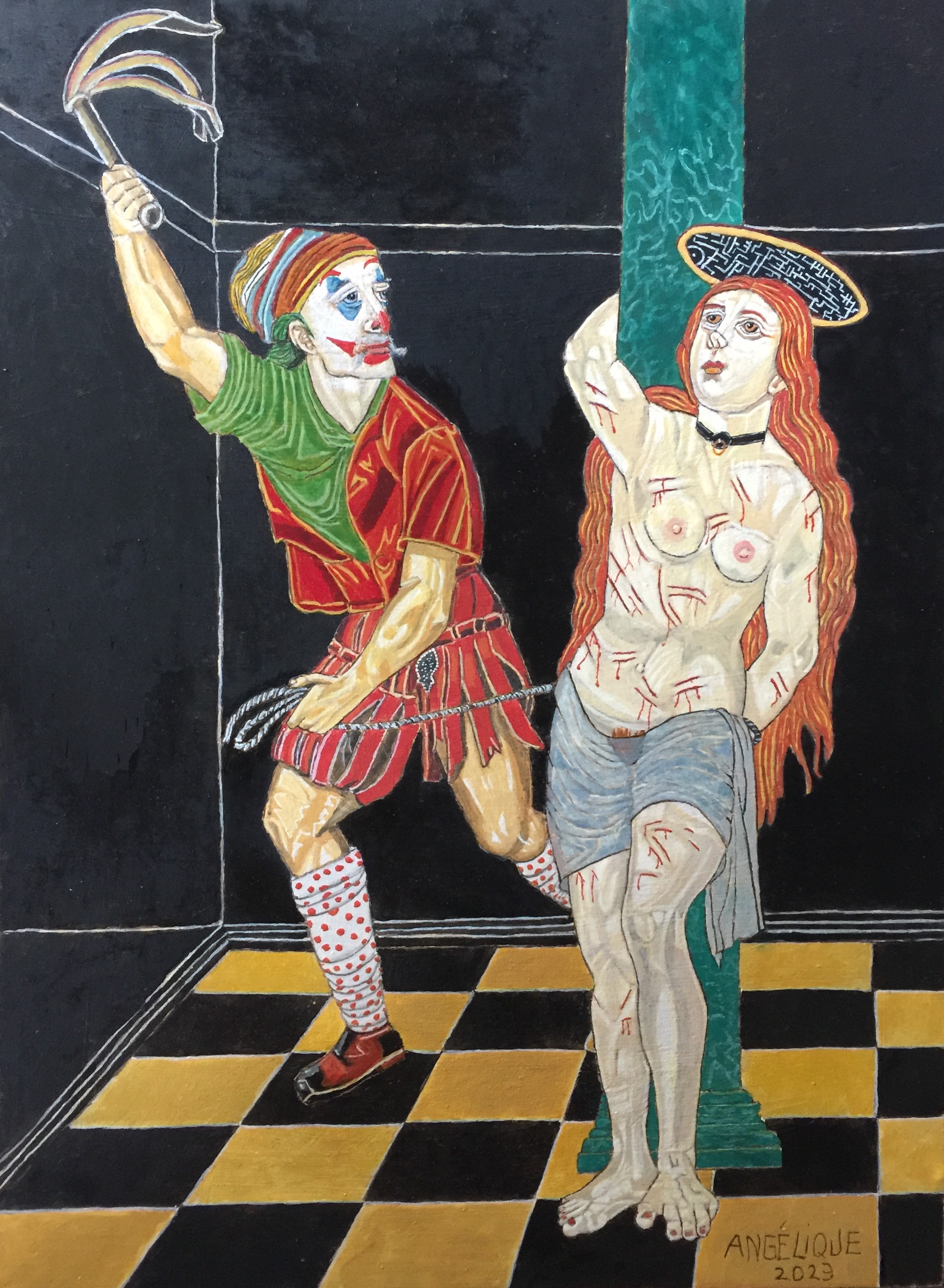
Bettina Sainte Barbe et le fou réservée
Je continue de poser pour des photographes (si le projet est sérieux) et je fais des autoportraits en photos que j’utilise aussi pour mes peintures et travaille sur commandes ou pour des expositions. Des vidéos performances sont réalisées grâce à plusieurs personnes. (artistes, amies passionnées par mon travail). Beaucoup d’artistes via fb s’inspirent de mes photos pour peindre de jolis tableaux.
L’arbre mort
Je pense dans l’avenir toujours peindre et donner des cours, transmettre ce savoir de la technique à la tempera comme Louise Marie du prieuré me l’a transmis. Et travailler sur commandes. Exposer et écrire. Pour finir, en quête d’identité depuis mon adolescence ces supports artistiques me permettent d’avancer.
noir et blanc
Angélique Bègue (December 23, 1970 – ) is a French artist who has renewed tempera painting.
NatureDouble
Video intended for mature audiences
Mes expositions :
2023 : Exposition Atelier Sainte Croix à Metz
2022 : Exposition Carrefour des Arts à Metz
2022 : Exposition Atelier Sainte Croix des Arts à Metz
2020 : Exposition à la Galerie Tet de lart à Forbach
2018-2019 :Après avoir été exposée au Centre européen du résistant déporté et au fort de Queuleu, l’oeuvre d’Angélique Bègue et d’Annick Monnier sera présentée au public normand dans le cadre du 75ème anniversaire du débarquement.
2018-2019 : J’exposerai à partir du 15 septembre ma série de peintures consacrée aux expériences médicales menées dans les camps de concentration nazis. Mes œuvres seront présentées dans le cadre de la nouvelle exposition du Centre européen du résistant déporté consacrée aux médecins déportés.
2016-2017 : «rue des Déportés« , Fort de Queuleu, Metz
2015 : « rue des Déportés », Struthof, Centre européen du résistant déporté
2012-2013 : « Dans mon corps », Toul, Musée d’Art et d’Histoire (pour public averti)
2012 : « Un envol…de vie », Université de Lorraine, Bibliothèque universitaire de Lettres, Nancy
2011 : « Ange ou démon », Villers-lès-Nancy, Galerie de Madame de Graffigny
2011 : « Super héros », Maxéville, Souterrain Porte VI
2010 : « Femme entre terre et ciel », Bar-le-Duc, Espace d’art contemporain Saint Louis
To the Grand Old Oak behind the Grapevine, To the Slippery Elm in the East, To the Multiflora Rose and Perilla Mint, And at the Blue Mistflower, do I cease.
Atop Ingomar Mound, I give Tobacco and thanks, Where Osage Orange and Honey-Locust defend A stone pyre kindled at the height of the heart Thy Holy Spirit, O my God, do Thee send!
Amen, amen, and amen!
Appear to me in the Frostweed— In the leaves and in the flowers and in the roots, In the scented bark of the ancient trees, And among the Sassafras shoots.
Arrow shafts of light pierce my eyelids, Icy feathers of wind caress my hands. Earth gathers Herself beneath my feet Where the rushing waters touch the land.
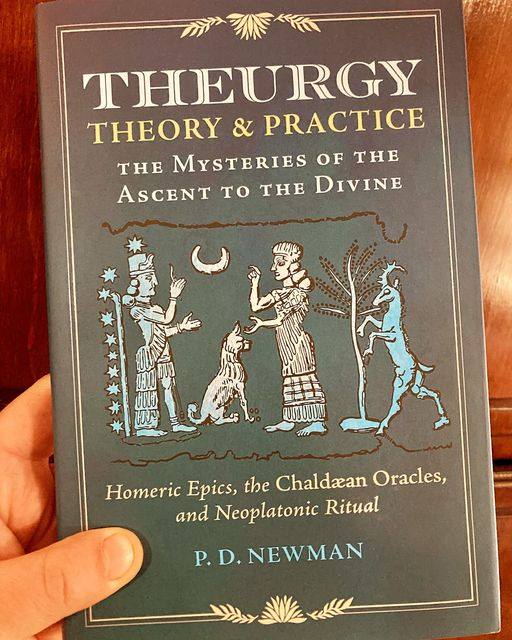
P. D. Newman has been immersed in the study and practice of alchemy and theurgy for more than two decades. A member of the Masonic Fraternity, the Society of Rosicrucians, and the Martinist Order, he lectures internationally and has published articles in many esoteric journals, including The Scottish Rite Journal, The Masonic Society Journal, and Invisible College. The author of Alchemically Stoned and Angels in Vermilion, he lives in Tupelo, Mississippi.
no matter how you spin it the X will land on four paws black cat prints on white dice every time I don’t know if mad scientists will bring the mammoth… back in time what a strange phrase the factor x in time cross roads no top, bottom or side some may defend that there is a timeless duration besides the pan-Native hoop dancer like Plato over laying congenital malformations with rates of metal to form a New Atlantis and sky scrape over Cahokia most of us missed that show with the hoop instead the game was on the match between colors red and blue most stood for it with their hand over their cardiovascular system ritual pledges of commitment under one body to support being lied too… in this case it’s getting soggy up north they found the link in 2013 Homo naledi we are all related but people will act surprised when no one arrives to solve the problem another 120 degree day
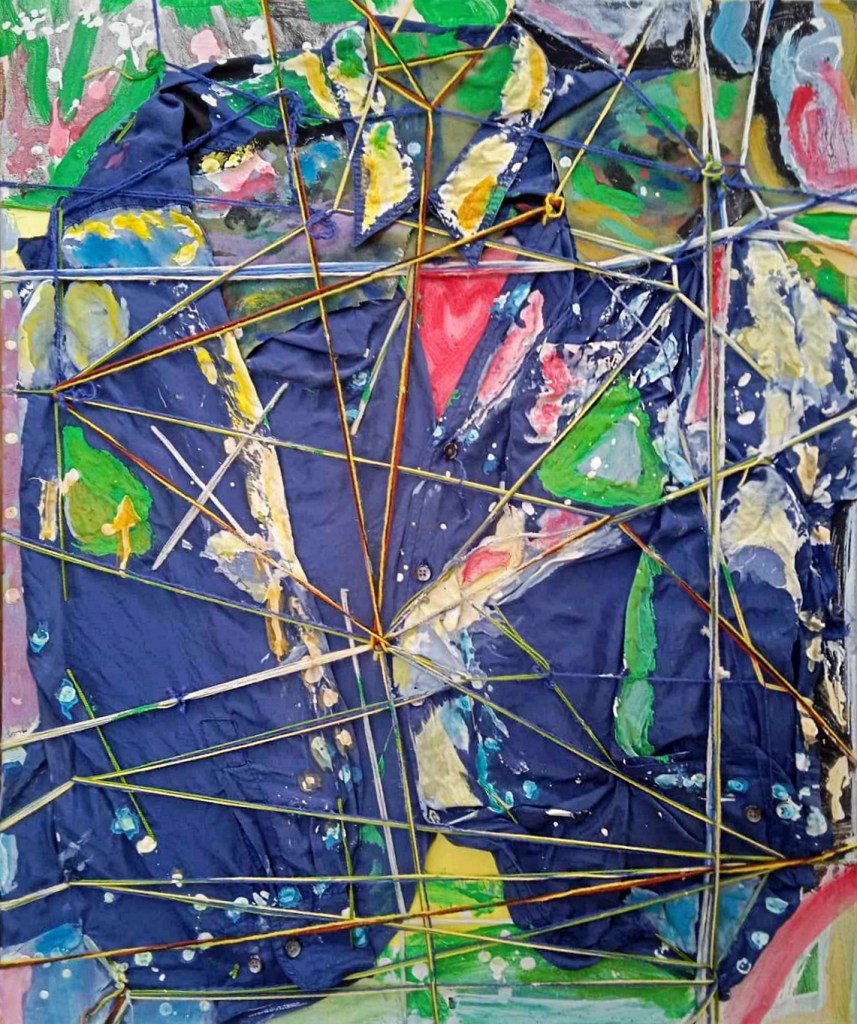
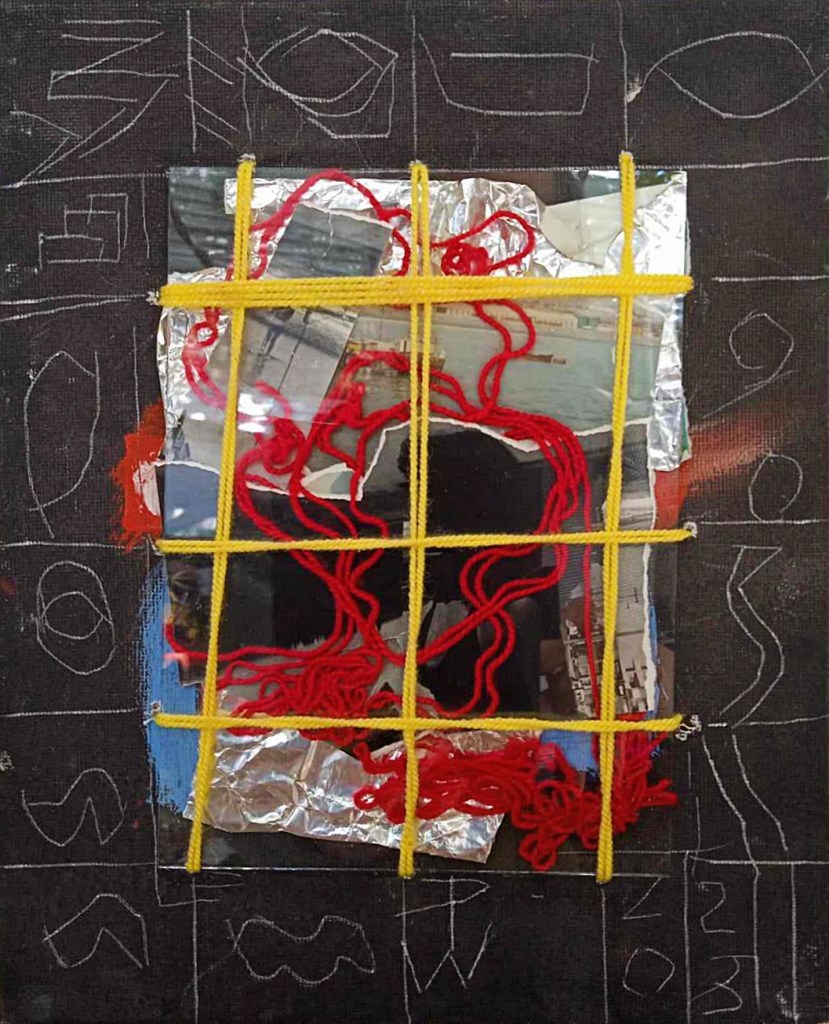
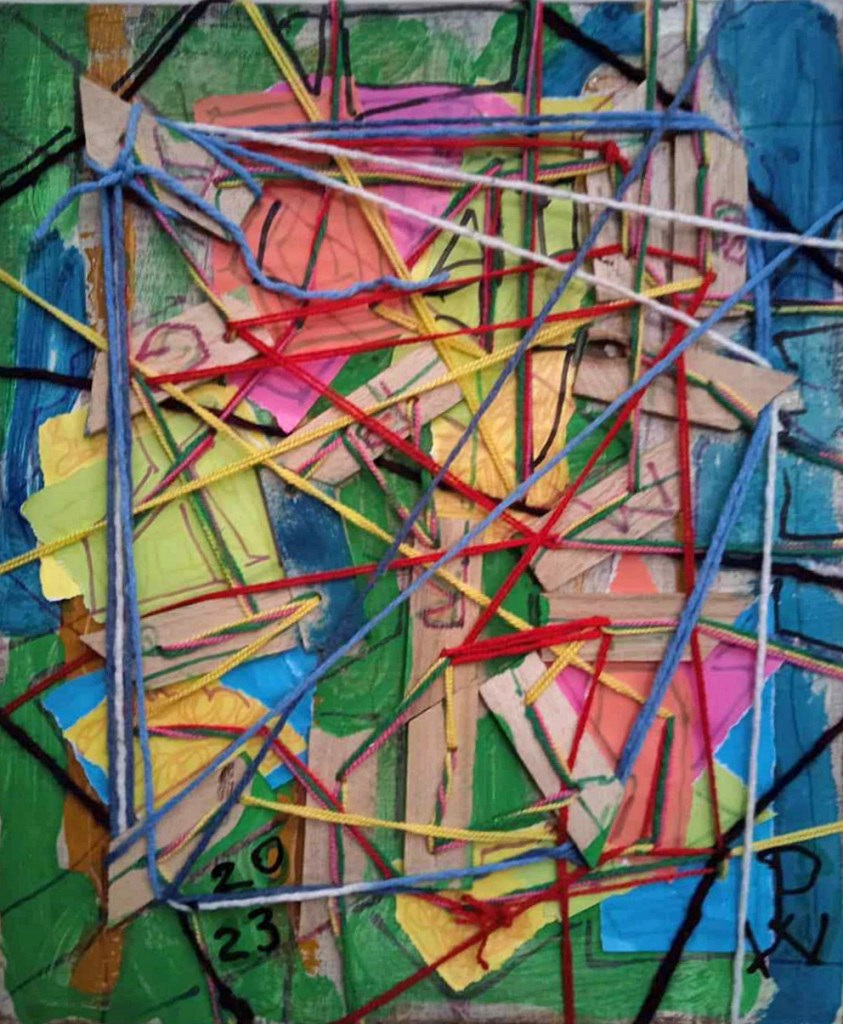
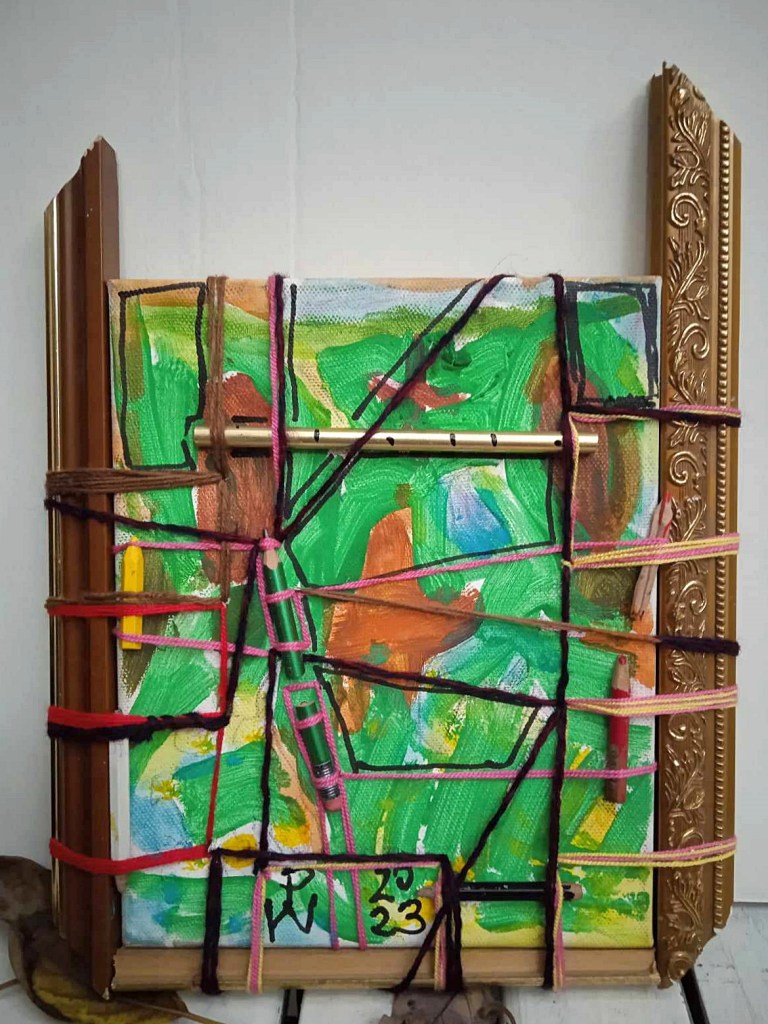
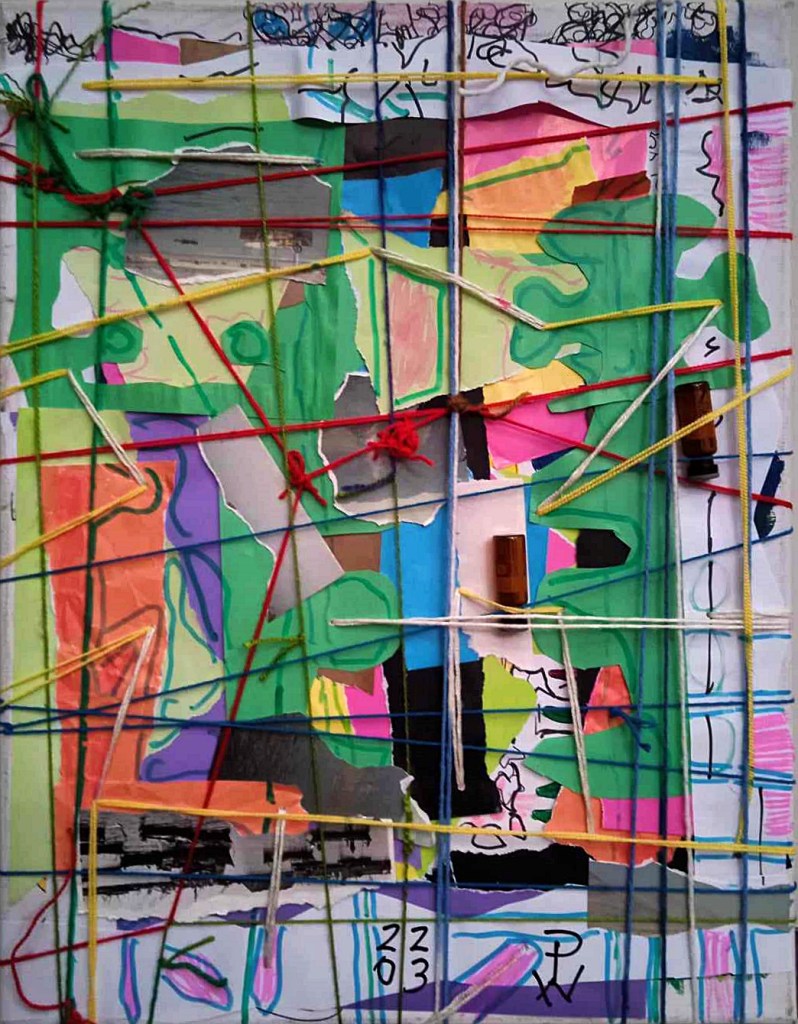
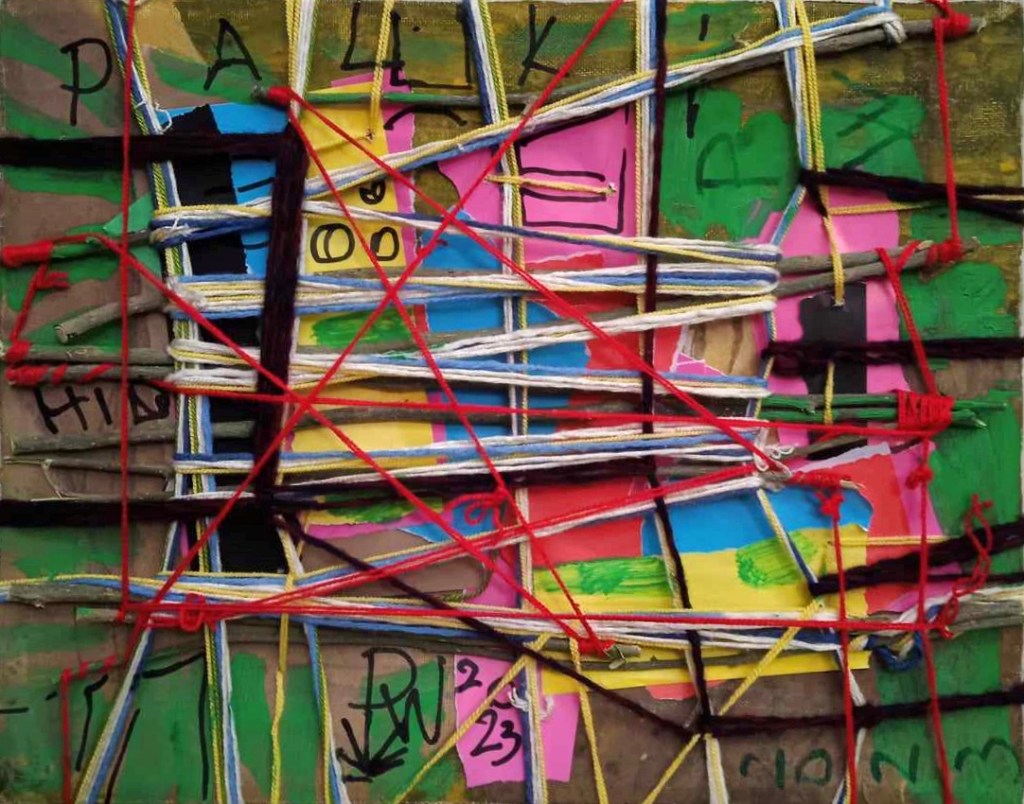
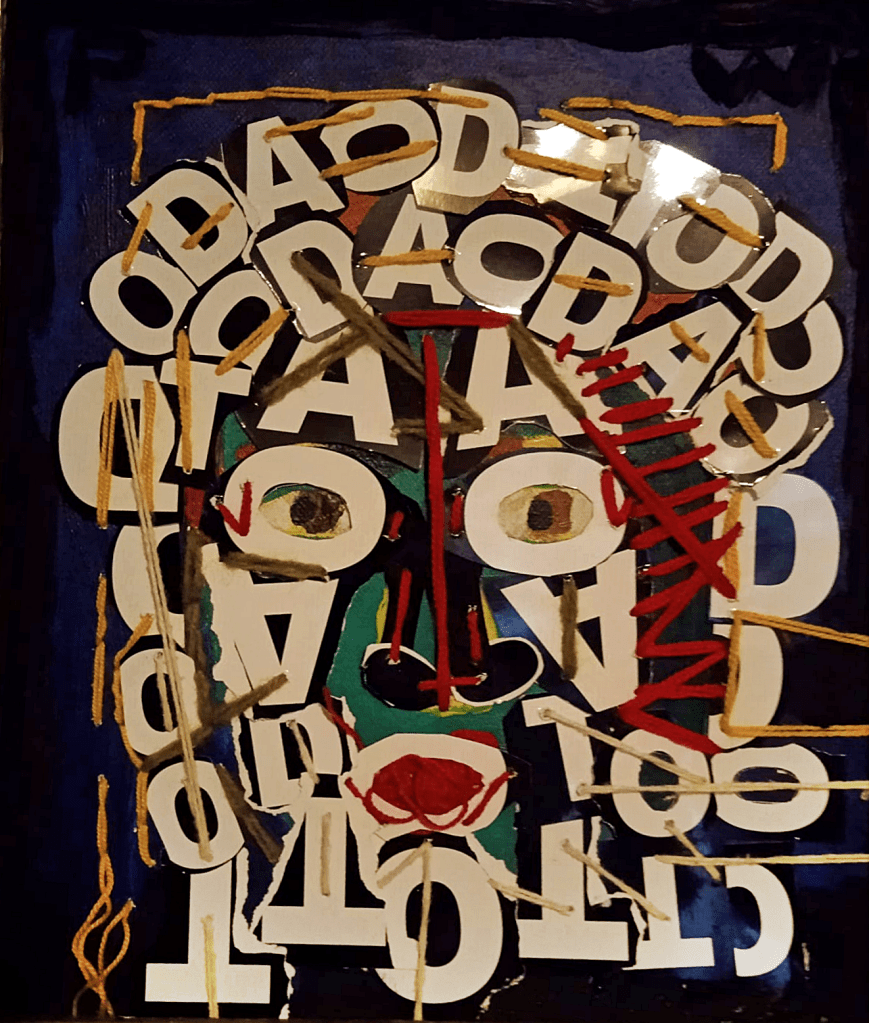
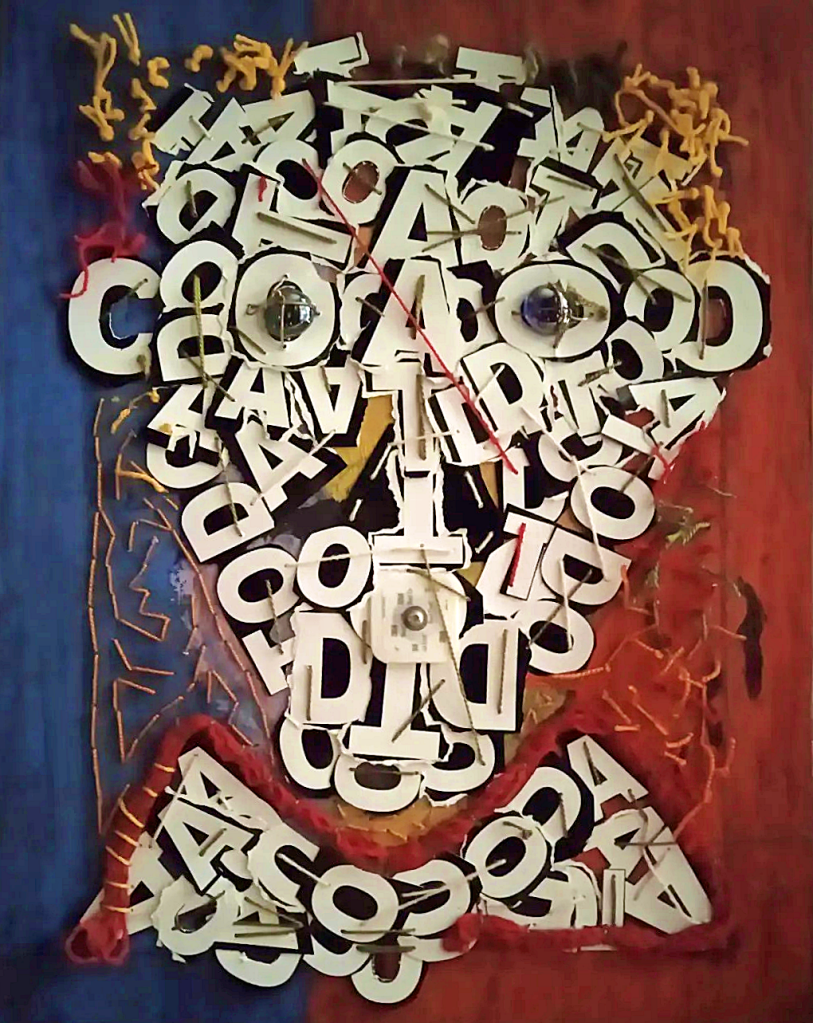
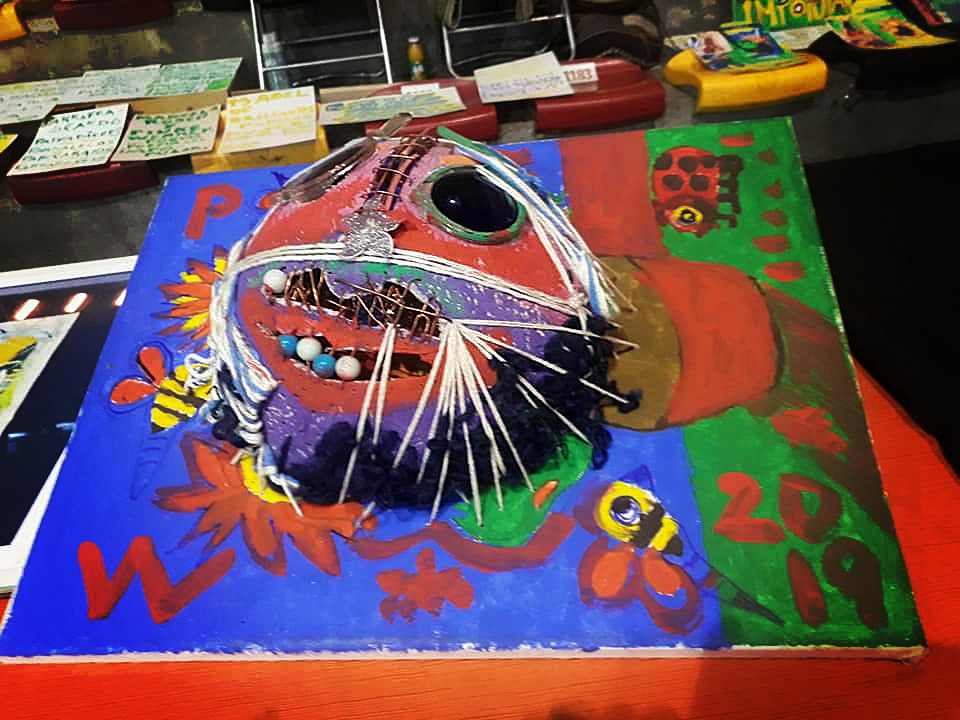
La materia sustancial de mis obras las constituyen materiales orgánicos mutables provenientes de la natura-leza y prefabricados por la industría humana. En la unión de estas dos naturalezas está el magneto. Savia fito morfa, sabia antropomorfa. El medio ambiente me proporciona los medios, el medio ambiente urbano, en las calles tomadas por recicla dores. Todos los objetos son encontrados, escasa compra de materias para hacer obras de arte, sólo basura, desperdicios con ene energía humana. Cartones, lanas, vidrios y maderas; papeles, hilos, pinturas, vidrios, telas y marcos. Reúno elementos desperdigados, subproductos de la industria y la codicia humana. Doto a cada parte de la obra con una condición magnética, esto hace que de diversos elementos surja un sólo. Mix de materiales considerados de nuevo para la aventura creativa, reciclador de los que reciclan cachureos. Materiales abandonados por el sistema educacional, obras de arte anónimas, retratos de adolescentes, papeles pintados con acuarela, todo es obra de arte antes de que yo la asuma como medio para elaborar otras ideas, me siento como un borrador, como si fueran partes de un muro pintado donde llega otro que pinta y tapa lo que ya está pintado, mucha obra de niñas y niños, dejo muchas veces los colores o algunas formas, se puede decir que mis obras son coproducciones, alucinaciones de seres humanos de Chile.
Color Los colores vienen con los objetos que encuentro. Uso común de temperas y acuarelas, cartones preparados con esmalte blanco al agua. El papel lustre aporta colores brillantes y planos, es ahí donde tempera y acuarela vienen a apaciguar estos planos, luego como complemento: Hilos, lanas y pitillas aportan lineas de colores inenarrables, son lineas de color que tensan con ángulos y triángulos las formas, por tanto lo que ya está pintado, y recortado se reaviva, los colores se superponen, se acercan el hilo negro con la tempera negra, el amarillo del hilo con el amarillo del papel lustre, la acuarela hace su magia transparente. Los géneros me aportan un color de sedas azules o sedas amaranto, todos los colores dependen del material en uso (y huso) y de esta convergencia surge el color final de la cosa. Obras que sólo tienen el color de los papeles lustres lustrosos satinados, con recortes se forman las manchas, se forman las zonas de color y todas sus líneas, más el color de las lanas que uso para atrapar el papel, es indiscriminada mi elección de los colores, los hago entrar en cada una de las obras, esto hace que se asemejen mucho entre ellas, o tal vez sólo es familiaridad, color familiar.
Linea ¿Linea de estilo? ¿Qué linea sigo?
la linea como parte de las figuras, de los fondos, como parte integral de un monosapiens, o de una gráfica cualquiera. Las inalterables lineas del soporte, todas lineas rectas, innumerables en la trama de la tela, verticales i horizontales, invisibles. Cubierta de pintura o de papel. Linea hilo diagrama, el hilo-linea entra en el agujero que es el aleph de las que ya fueron trazadas con lana. Se convierte en trama, en tensión, gira alrededor del soporte, sujetan la composición, como factor de unión. la línea sigue un hilo en el laberinto de la obra mixta, amarra las formas, los fondos y las figuras giran en torno a la obra,dejándola reversible, o sea apta para apreciarla como si fuera un volumen. El empleo de marcos (enmarcación) le aportan 4 lineas rígidas a la soltura de la estampa, lineas que atrapan toda otra posible linea variable de la obra misma, echando al cuerno la espontaneidad o soltura del contenido. Acertijo de lineas sólo inicio y final.
Es un asunto de querer magnetizar los elementos encontrados. Unirlos como si fueran una solución a un problema, sin tener , ni presentarse como problema. Al encontrar un objeto se van produciendo solas las uniones, la visión de esa reunión empieza a crear se su propia obra. Una inspiración creativa que se gesta a través de las palabras y las acciones. Arte de acción, teatro, poesía, plástica.
Nacido el año de 1961 y dedicado a la creación artística desde entonces, cuento en la actualidad con 62 años y perseveró con entusiasmo en la creación de poesía, obra plástica y conciertos de poesía.
The gods have “inner” or “spiritual” eyes (oju inun) with which to see the world of heaven and “outside eyes” (oju ode) with which to view the word of men and women. When a person comes under the influence of a spirit, his ordinary eyes swell to accommodate the inner eyes, the eyes of god. He will look broadly across the whole of all the devotees, he will open his eyes abnormally. Araba Eko, Lagos. 13 Janurary 1972. Flash of the Spirit. African and Afro-American Art and Philosophy Robert Farris Thompson 1983
Ritual contact with divinity underscores the religious aspirations of the Yoruba. To become possessed by the spirit of the Yoruba deity, which is a formal goal of the religion, is to “make the god”, to capture numinous flowing force within one’s body. When this happens, the face of the devotee usually freezes into a mask, a mask often (but not always) held during the time of possession by the spirit. Aṣhe is untranslatable.
Flash of the Spirit.African and Afro-American Art and Philosophy Robert Farris Thompson 1983
Bámigbóyè: A Master Sculptor of the Yorùbá Tradition. Mask, carved wood.James Green With Olúṣẹ̀yẹ Adéṣọlá, Anne Turner Gunnison, Efeoghene Igor, Will Rea, and Cathy Silverman. Yale University Press 2022
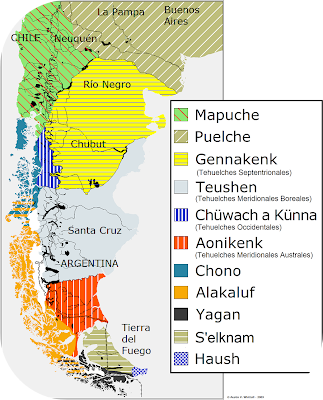
Ayayema es uno de los espíritus del mundo sobrenatural Kawéskar. Para los Kawéskar -canoeros de los archipiélagos del fin del mundo- existe un orden en la naturaleza, una armonía. Si esta se rompe cuando alguien se enferma o se produce un accidente, es causado por Ayayema, un espíritu poderoso que en su ser, lleva esa propiedad de alterar el orden. Ayayema proviene de hóutk’a álowe “más allá del horizonte”, que es la tierra de los espíritus que transitan desde ese mundo al mundo de los hombres. Él es un depredador, se alimenta de la energía vital de los seres vivos, viene al mundo de los hombres a cazar.
“YO SOY LA VOZ DEL CIELO SUR
QUE TRAE EL INVIERNO Y EL ANGOSTO DIA AUSTRAL
SOMBRAS ENORMES QUE SE LEVANTAN EN LA NOCHE
ALLÍ DONDE VIVE AYAYEMA
ESPÍRITU DEL RUIDO QUE RONCA ENTRE MONTAÑAS Y GLACIARES
QUE CAMINA EN LA ESPESURA DEL BOSQUE Y EL PANTANO
MITAD LLANTO HUMANO, MITAD GRITO DE BESTIA
ÉL TRAE AL VIENTO QUE VUELCA LAS CANOAS
ALLÍ HABITA RONDANDO LA NOCHE
ESCALANDO EL AGUA DE LAS CASCADAS
TRAYENDO EL MAL TIEMPO QUE HEMOS APRENDIDO A VER
EN EL PASO DE UNA BANDADA DE LOROS
QUE HEMOS COMBATIDO QUEMANDO UN DIENTE DE LOBA
Y HECHANDO SUS CENIZAS AL MAR.” (*)
“I AM THE VOICE OF THE SOUTH SKY
THAT BRINGS THE WINTER AND THE NARROW SOUTHERN DAY
HUGE SHADOWS THAT RISE AT NIGHT
WHERE AYAYEMA LIVES
THE SPIRIT OF THE NOISE THAT SNORES AMONG MOUNTAINS AND GLACIERS
THAT WALKS IN THE THICKNESS OF THE FOREST AND THE SWAMP
HALF WEEPING HUMAN, HALF THE CRY OF A BEAST
HE BRINGS THE WIND THAT OVERTURNS THE CANOES
THERE HE LIVES WANDERING AROUND THE NIGHT
CLIMBING THE WATER OF THE WATERFALLS
BRINGING THE BAD WEATHER THAT WE HAVE LEARNED TO SEE
IN THE PASSAGE OF A FLOCK OF PARROTS
THAT WE HAVE FIGHTED BY BURNING A WOLF’S TEETH
AND MAKING THEIR ASHES INTO THE SEA.” (*)
(*)Fragments from “Viaje al Archipiélago de los Chonos”, poem and documentary film written by Claudio Rodriguez Lanfranco.
En los Ceremoniales Kawéskar se usaban máscaras que representaban estos espíritus, usadas por los hombres, ya que las mujeres no podían llevarlas. Éstas máscaras, así como la pintura corporal, están más relacionadas con usos rituales que artísticos. Entre los Kawéskar existía un repertorio de canciones para estas ocasiones. Como parte de su rica tradición oral, estas experiencias se transmitían a los iniciados de generación en generación en cánticos alrededor de grandes fogatas donde Ayayema era un protagonista. Es el único tipo de expresión musical que se conoce de este pueblo. Las canciones ceremoniales se desconocen hoy y solo se cuenta con el testimonio de la literatura especializada.
“Kuosá jeksólok ak’uás æs čačár tawaisélok aksǽmhar os
aselái eik’olájer-s kuos ko at ku kiáu afsenák at árka æs sa
“Y después el finado, el espíritu, el alma de mi difunto papá, decían, contaban en aquella carpa, se sentía hablar, en la carpa que quedaba más arriba de la mía. Y a los espíritus les decían Ayayema así los llamaban. A él me mandaron, me mandaron animándome y le pregunté a él: “Padre, ¿eres tú el que está hablando?”, así dije. Y me respondió el espíritu que mora más allá del horizonte: “Sí”, así [dijo], “¿por qué me estás preguntando?
Los cuentos, relatos de viaje y las historias de vida Kawéskar, constituyen lo que se ha llamado “arte de la palabra”. Joel Sherzer y Greg Urban (1986) manifiestan que “Ningún indígena sudamericano ha ganado jamás el premio Nobel por su actuación (performance) oral u oratoria política. Sin embargo, todos los días y todas las noches los miembros de remotas sociedades de Brasil, Ecuador, Panamá, Chile, que viven en medioambientes no tecnológicos, están creando y desplegando una notable diversidad de formas verbales caracterizadas por riqueza metafórica, procesos poéticos y retóricos y estilos intensamente personales, todos los cuales son parte íntima de la reproducción y transmisión de sus tradiciones culturales y estéticas”.
Entre los Kawéskar se desarrolló durante siglos este arte de la palabra y fue la única manera de transmitir el conocimiento y de expresar estéticamente mediante la palabra (cf. O. Aguilera)
Poemas sobre máscaras desde poemario inédito Luz de lluvia escrito por Claudia Vila Molina
Grietas de la máscara
No nos es dado seguir hablando
ni de encontrar rastros perdidos
el azul juega con sus colores
y se forman raíces a tu alrededor
Son formas ennegrecidas
del sucio mineral de tu sangre,
espacio leve disgregado
en torno a esa máscara.
Tiempo ancestral
Recorro espacios cerrados
la memoria archiva actos conocidos
y solo vapor emerge desde estados de la imaginación,
mi mente perpetra esos instintos
(armonía remota de un entramado salvaje)
lucho por la veracidad de signos confiscados
y es penetrante tu esencia
ese código agrieta mis destinos
y películas convergen hacia tu manantial
Algo nos rodea desde siempre,
imagen pétrea instalada en cuencas de la prehistoria,
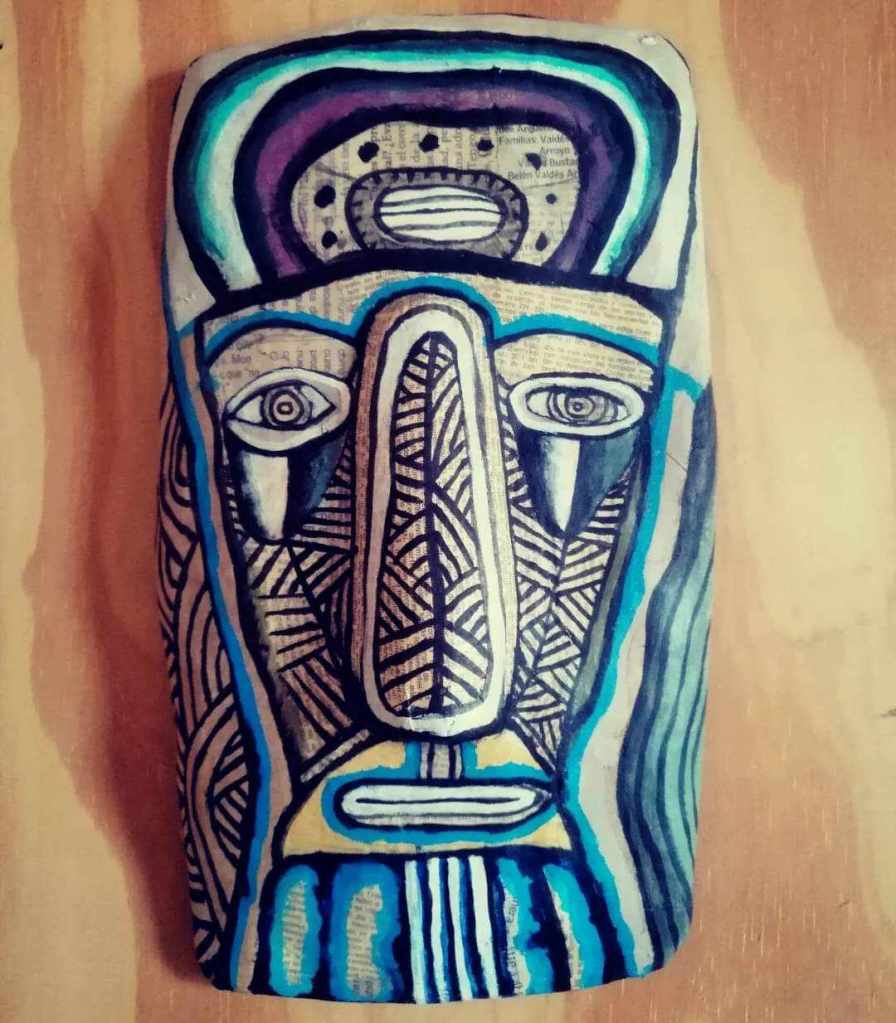
Es un asunto de querer magnetizar los elementos encontrados. Unirlos como si fueran una solución a un problema, sin tener , ni presentarse como problema. Al encontrar un objeto se van produciendo solas las uniones, la visión de esa reunión empieza a crear se su propia obra. Una inspiración creativa que se gesta a través de las palabras y las acciones. Arte de acción, teatro, poesía, plástica.
Nacido el año de 1961 y dedicado a la creación artística desde entonces, cuento en la actualidad con 62 años y perseveró con entusiasmo en la creación de poesía, obra plástica y conciertos de poesía.
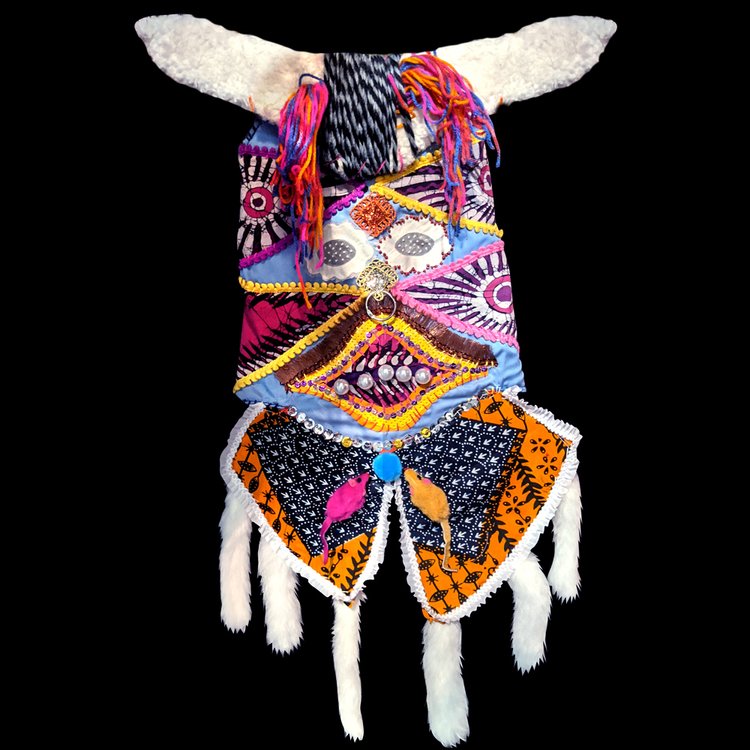
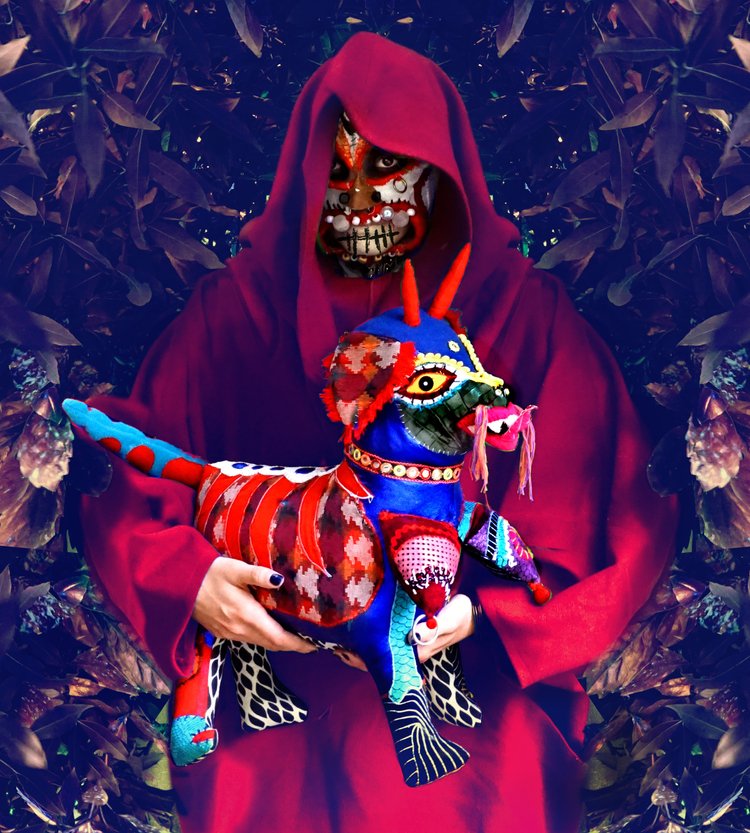
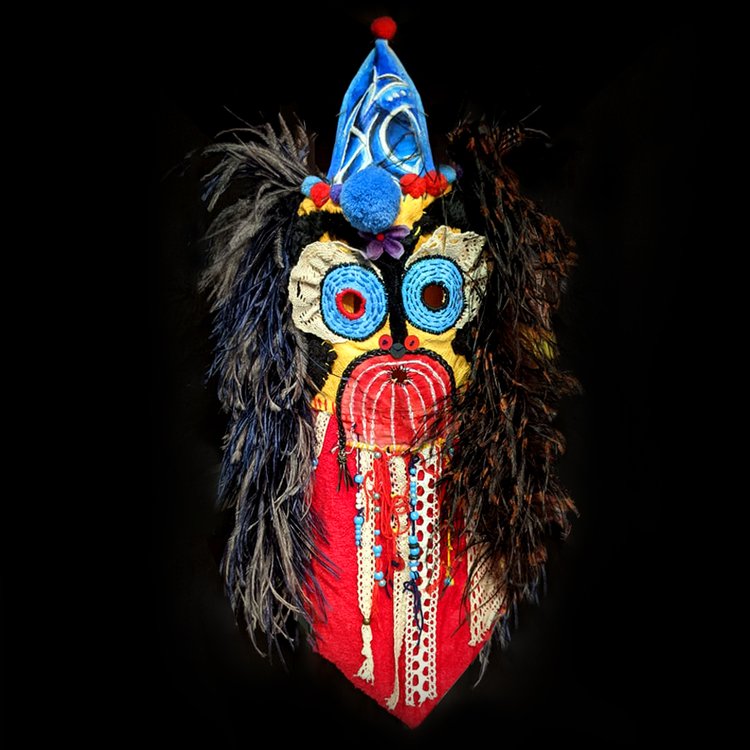
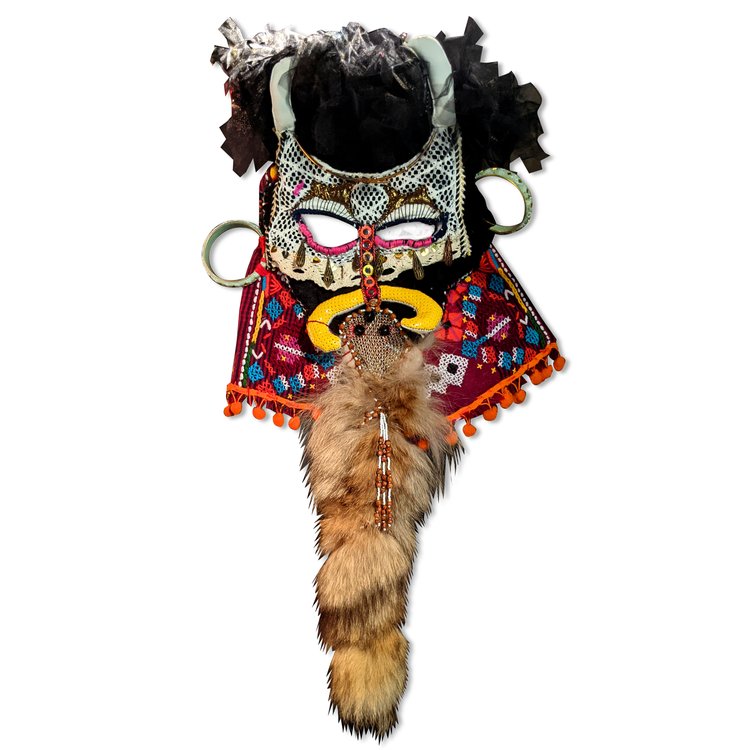
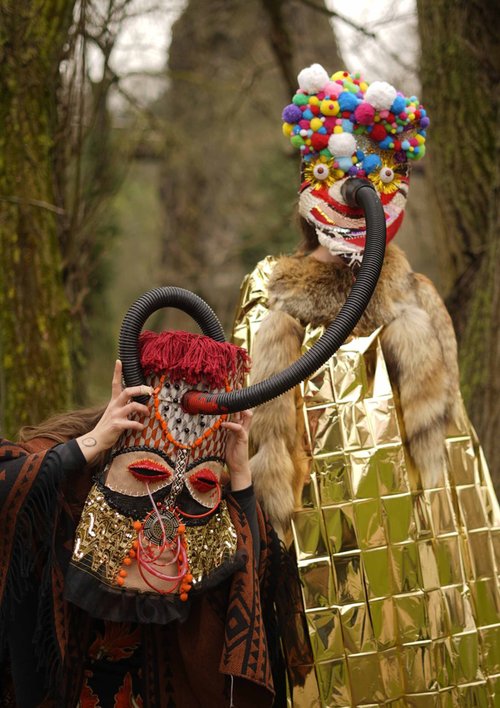
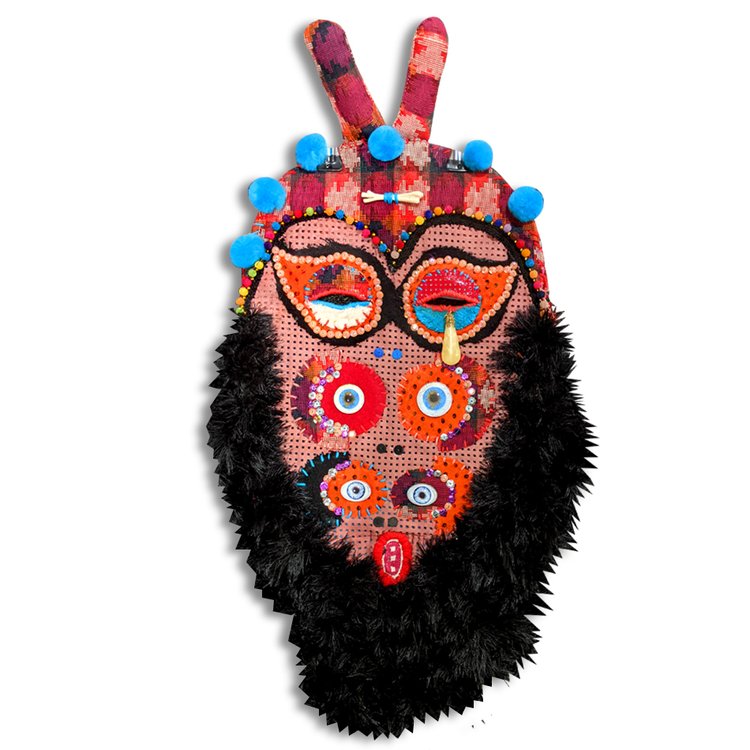
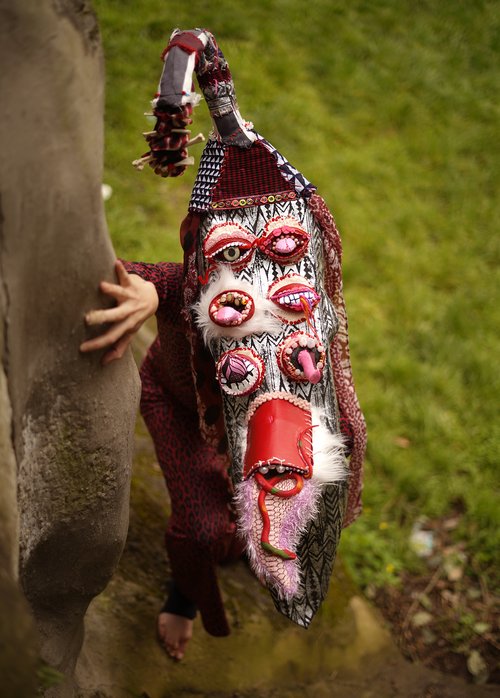
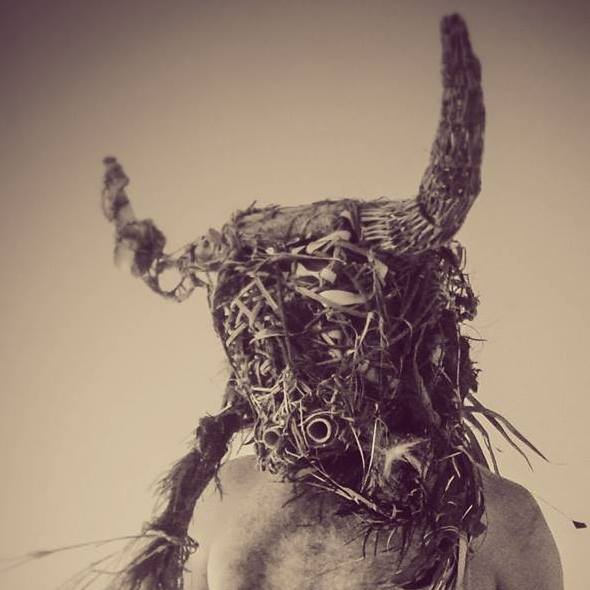
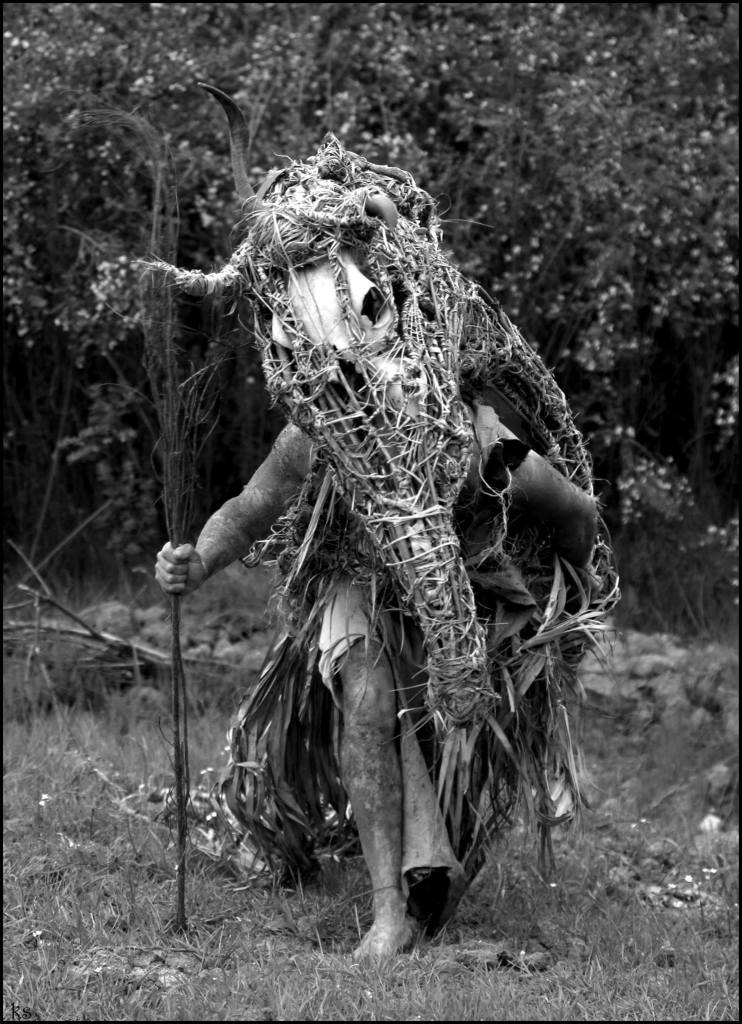
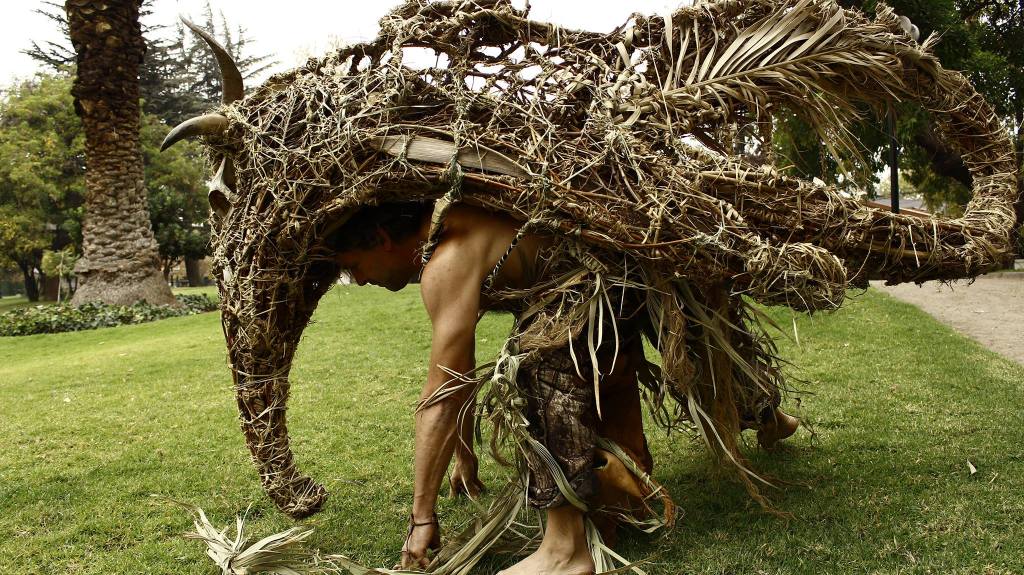
Francisco Rios Araya blends the ancient diversity between Paracas culture and Chilote mythology to build a new mythic hybrid. Rios creates a séance with the memories of archaeological sites, improvised ceremony and masks.
Mun gee dik lives in rocks and along shadows near lake Manitou…it is said this spirit hid a cache of weapons in a cave from the marauding Iroquois…some believe weapons are hidden to this day and include modern firearms that were lost or thought stolen…the Great War hero Kawbenaw is said to still be alive and is keeping these weapons…someday mun gee dik and Kawbenaw will make themselves known
written and created by Duncan Neganigwane Pheasant
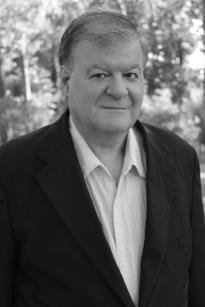
Mitchell Pluto
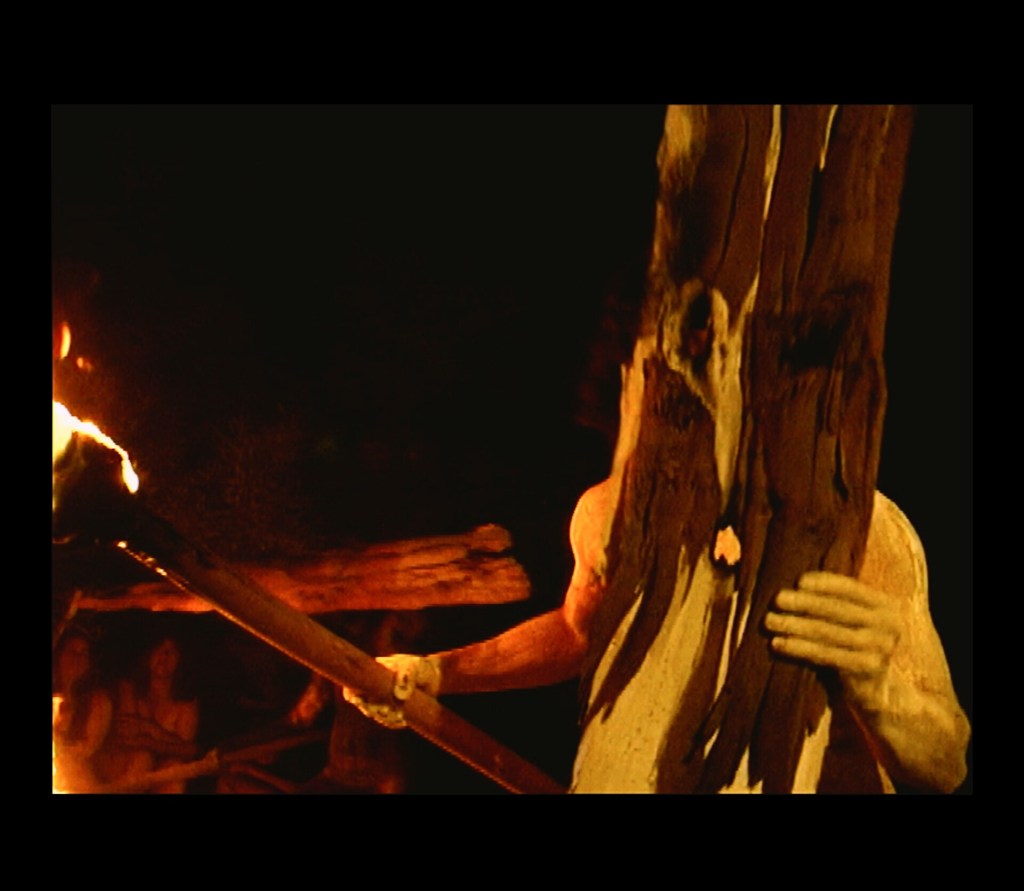
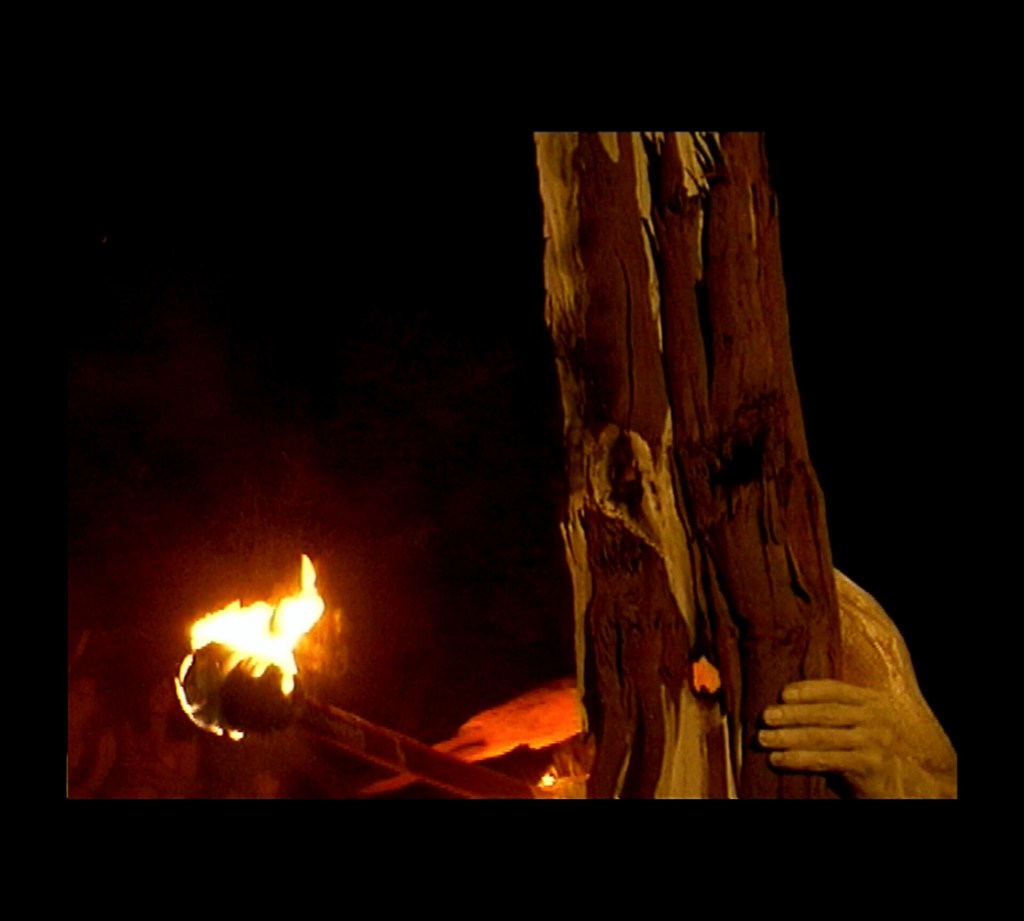
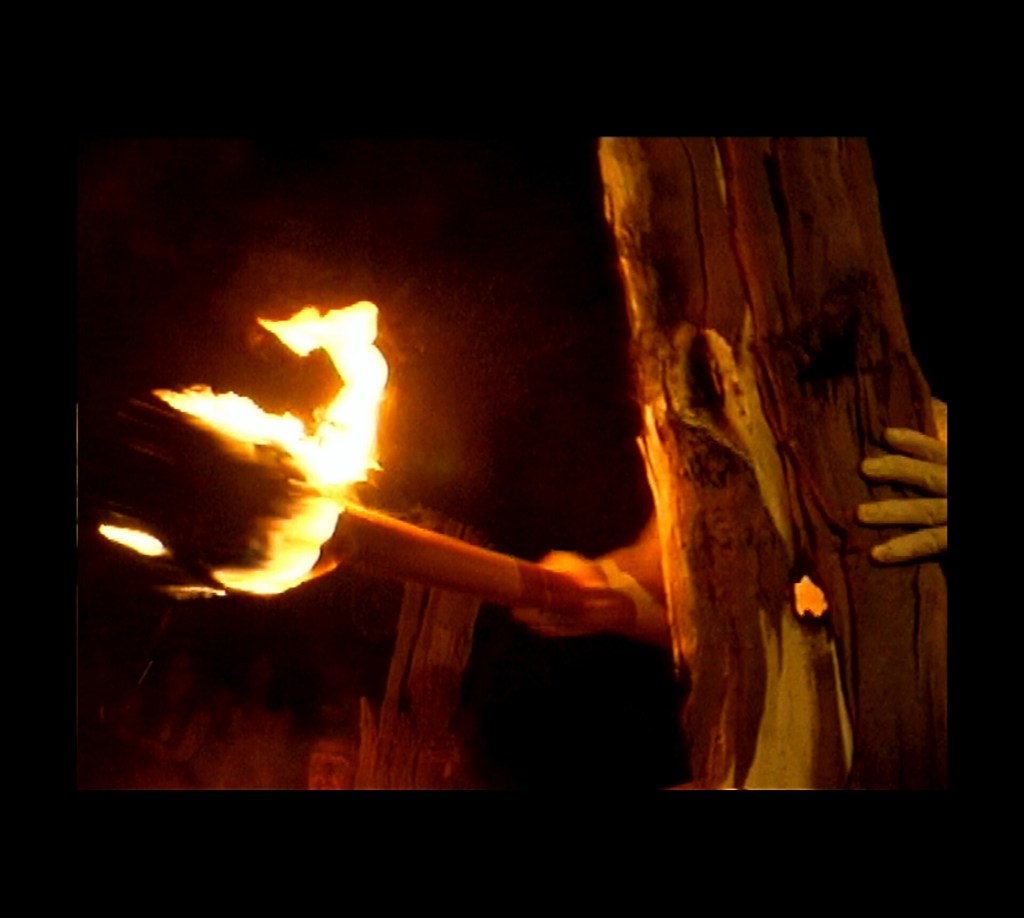
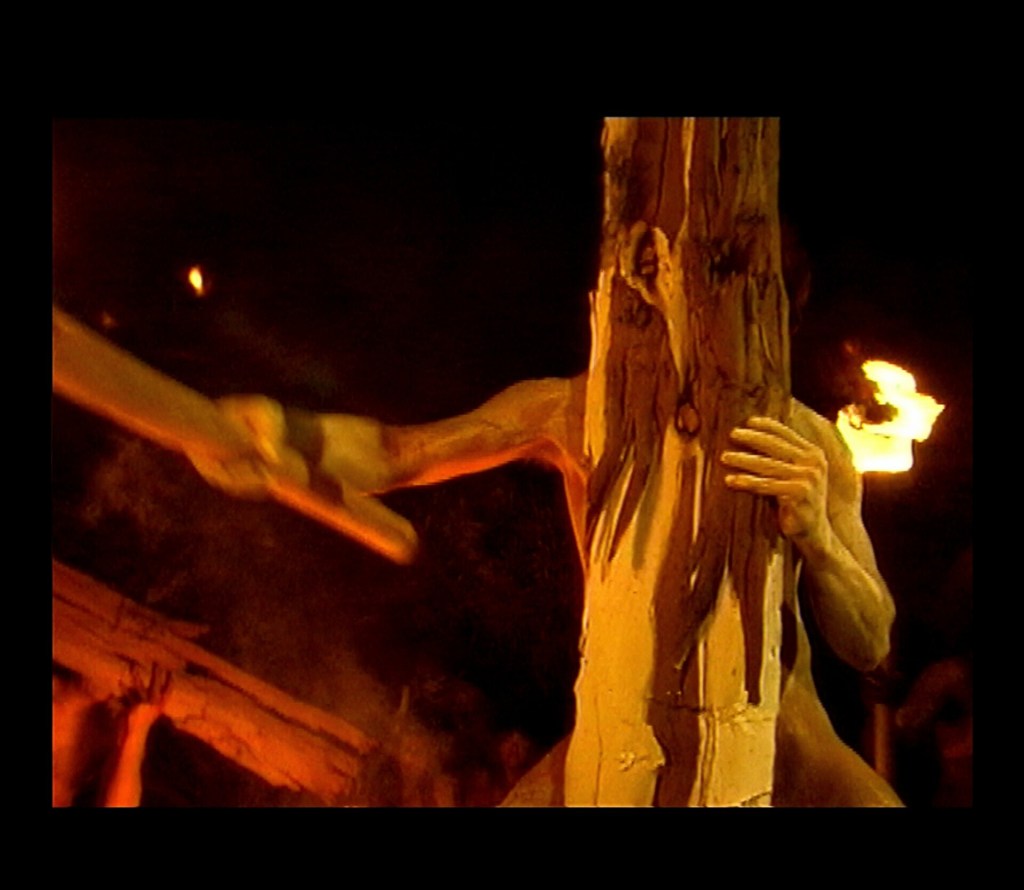
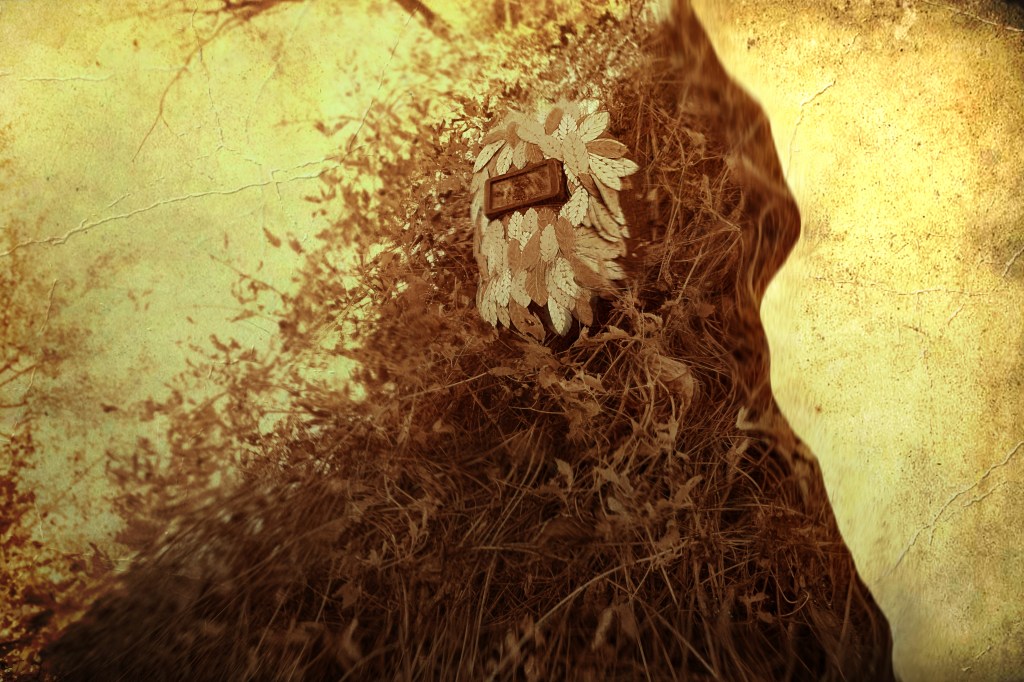
In August 1869, Alexander Jay Russell, a railroad photographer, captured an image of an unidentified entity during a total solar eclipse in Western Montana Territory. Russell’s journal entry depicted the creature as a tree-like being that glided along the ground and through the trees, mimicking every texture it encountered. The dark visor was the only consistent characteristic.
Photos found at an estate sale in 2023 are now in the possession of the Montana Historical Society Research Center Archives. Certain independent researchers suggest that this camouflaged entity possesses the capacity to swiftly adjust its chromatophores, enabling it to blend into any surroundings without being easily observed or recognized. This trait resembles that of Cephalopoda, the only organism known to exhibit such capabilities.
Many witnesses in Montana reported similar encounters during the solar eclipse on February 26, 1979, like Russell’s. Authorities have not yet released any official comments to the public.
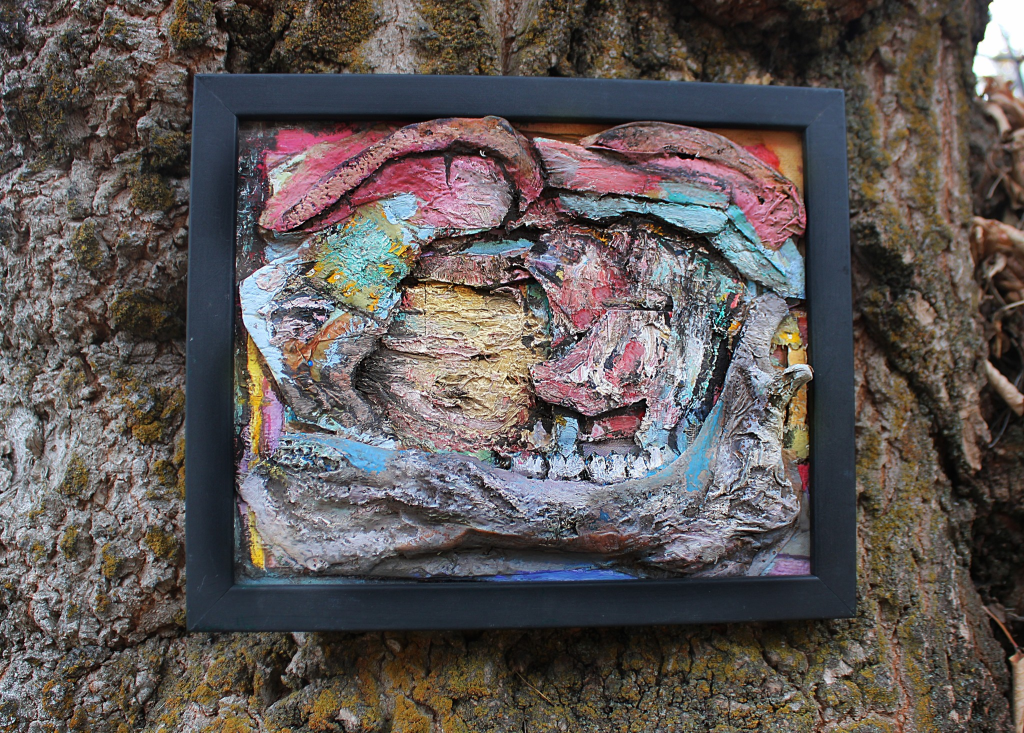
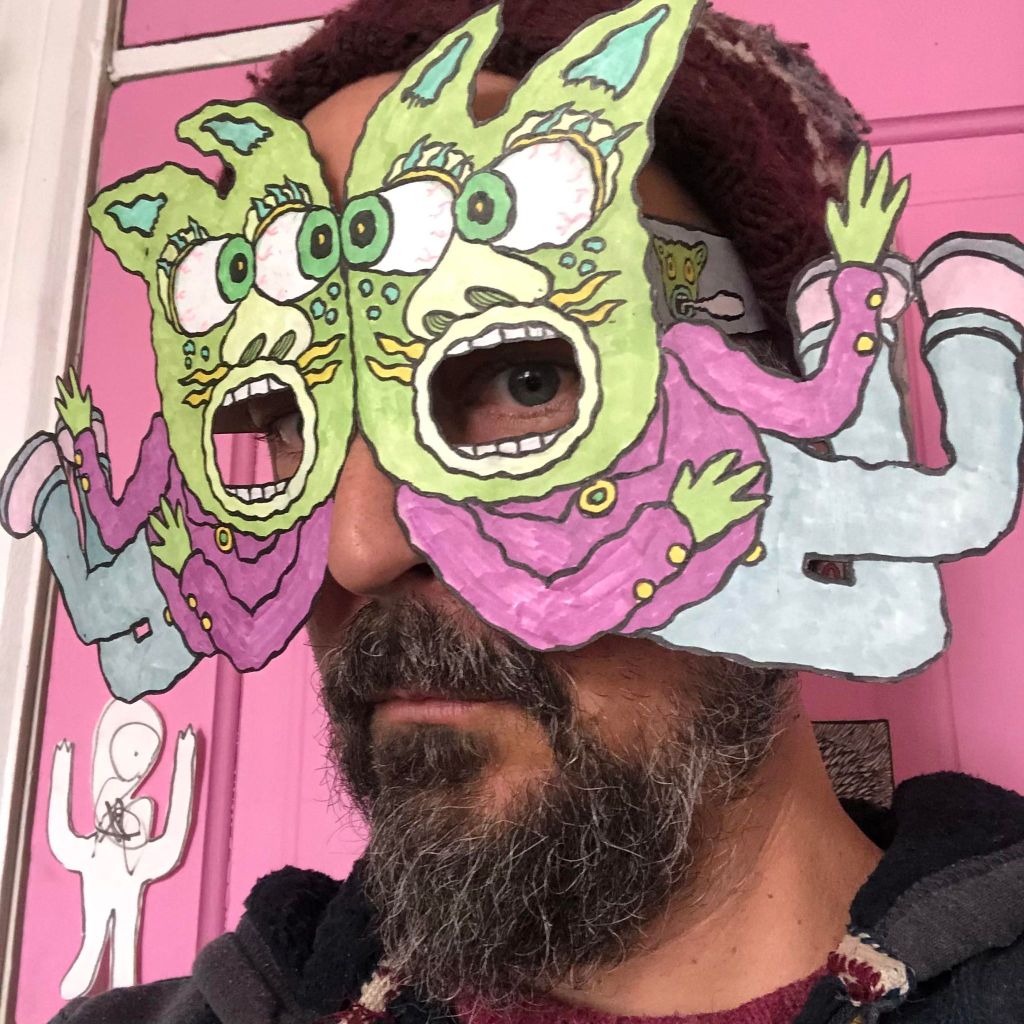
welding mask with painted copper leaf by Mitchell Pluto. Wild Plains Horse Plains, Montana
epilogue
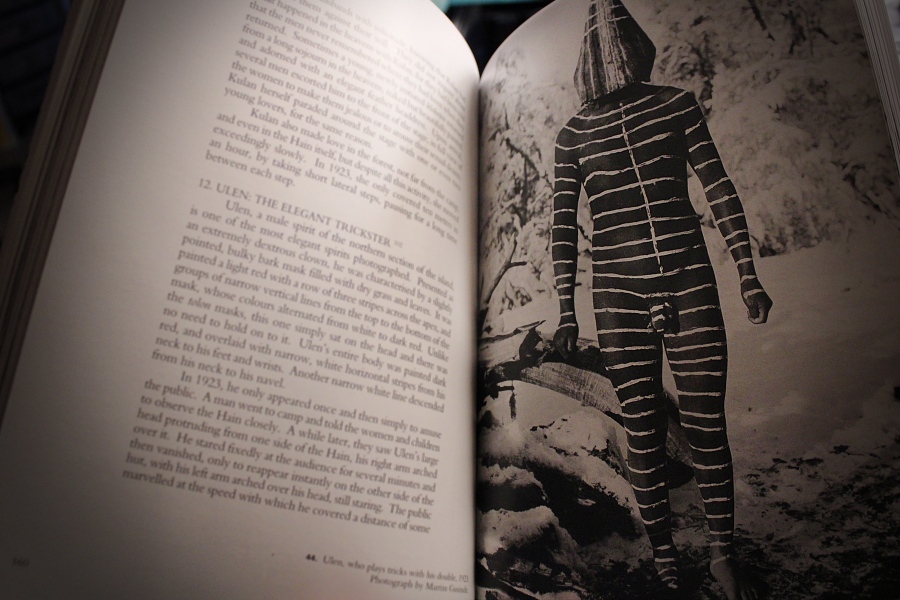
Ulen the elegant trickster. Plays tricks with his double, 1923. Photograph by Martin Gusinde
“In 1923, the Ulen only appeared once and then simply to amuse the public. A man went to the camp and told the women and children to observe the Hain closely. Awhile later, they saw Ulen’s large head protruding from one side of the Hain, his right arm arched over it. He started fixedly at the audience for several minutes and then vanished, only to reappear instantly on the other side of the hut, with his left arm arched over his head, still staring. The public marveled at the speed at the speed with which he cover the distance of some eight metres. The public did not know that the “backstage” there were two rigorously identical Ulens, posed at each side of the Hain. A third man gave them signals as to the exact moment at which they were to protrude their heads. The performers practiced a great deal in order to coordinate their movements and remain immobile for several minutes.”
Chapman, Anne (2008) Hain, Selknam Initiation Ceremony. Initiation ceremony of the Selknam of Tierra Del Fuego 12 160-162
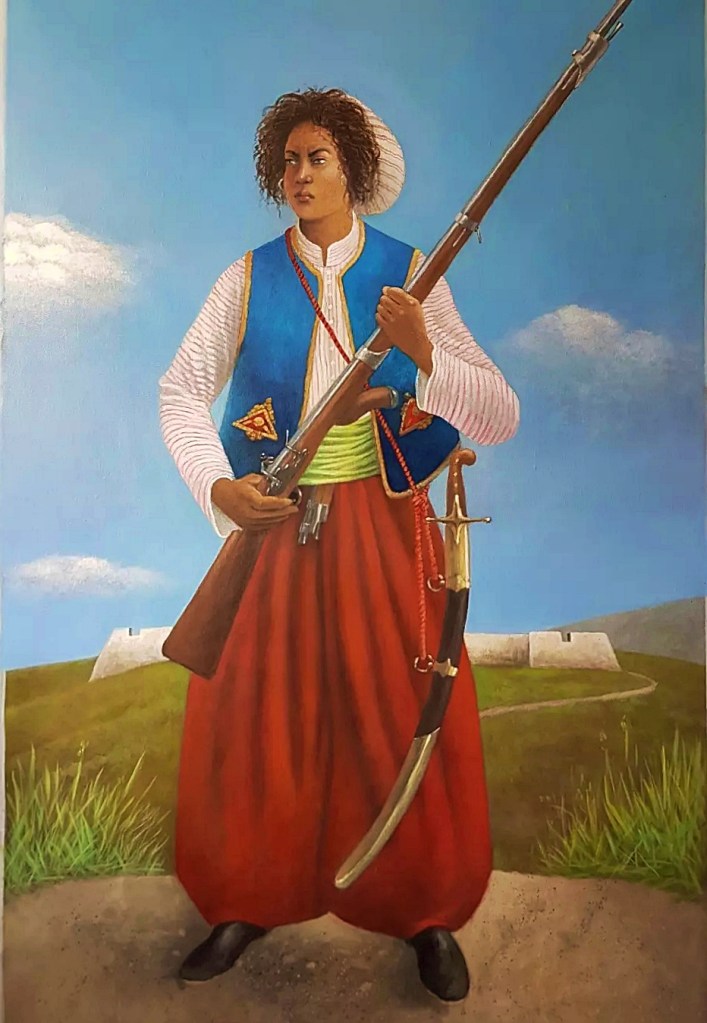
Sanite Belair, Haitian Héroïne of the Revolution of 1803 by François Cauvin 2021.
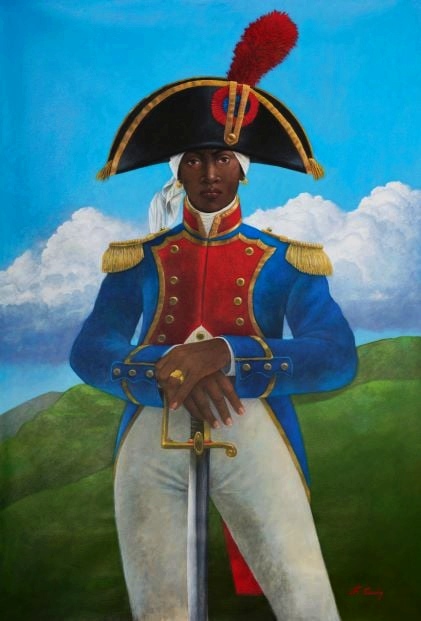
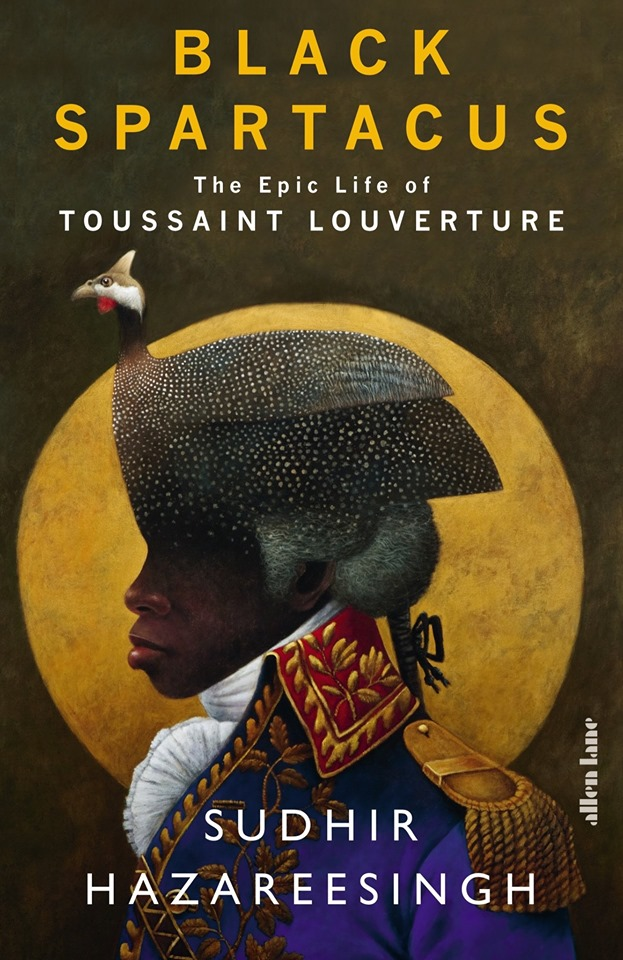
François Cauvin is an acclaimed Haitian artist based in Montreal. His iconic portrait of Toussaint Louverture with a guinea fowl forming his hat is the cover image of Sudhir Hazareesingh’s Black Spartacus: The Epic Life of Toussaint Louverture. The famous portrait has now travelled far and wide as this book won the Wolfson Prize, the UK’s most prestigious history prize. Recently he has completed portraits of Haiti’s revolutionary women, including Sanite Belair and Marie-Jeanne Lamartinière. With funding from the Glasgow Knowledge Exchange Fund, Cauvin will speak with Rachel Douglas at UK museums and the Houses of Parliament on the topic “Visual Aftershocks of the Haitian Revolution.”
Nouvelle toile par François Cauvin ” Marie Jeanne Lamartinière “ Acrylique sur canevas. 2023. Contrairement a ce que le noirisme duvalieriste nous a fait croire , Marie Jeanne Lamartiniere etait metisse ,d’un pere francais et d’une mere africaine. Demolition des mythes pour une nouvelle Haiti sans prejuges.
”Black Spartacus” by Sudhir Hazareesingh. Painting François Cauvin
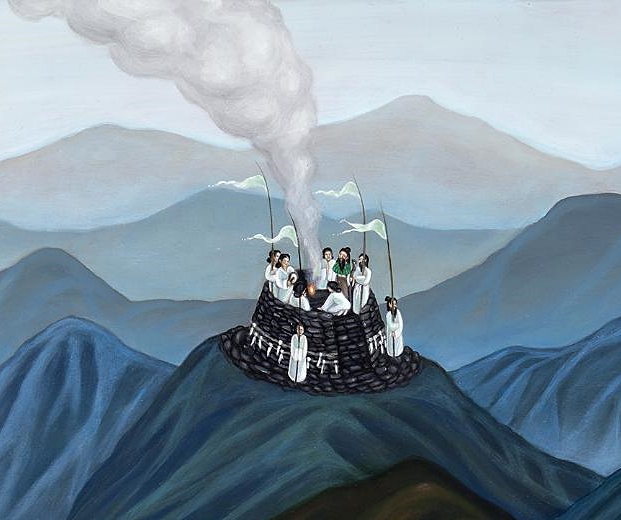
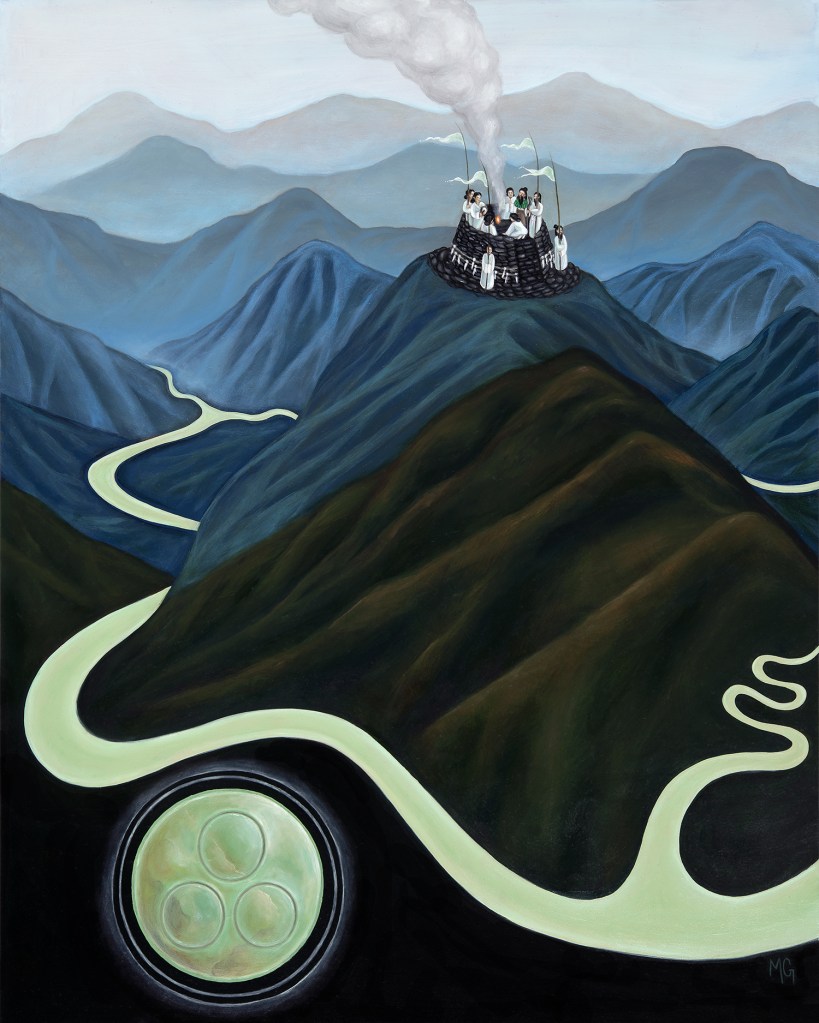
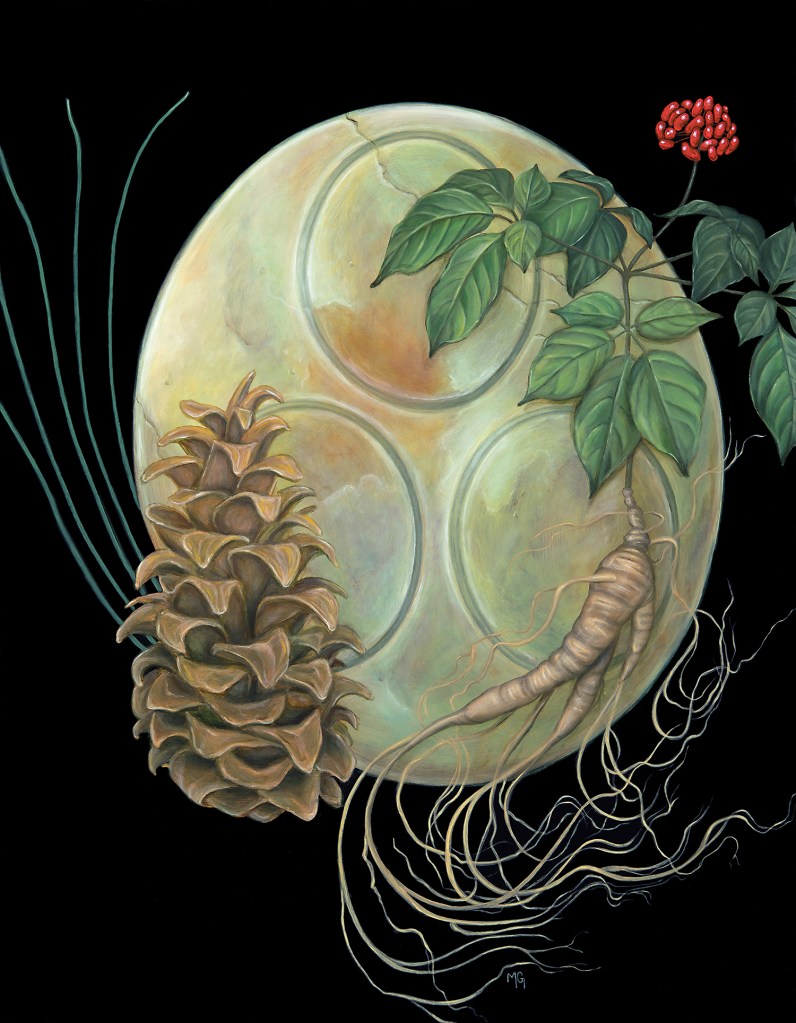
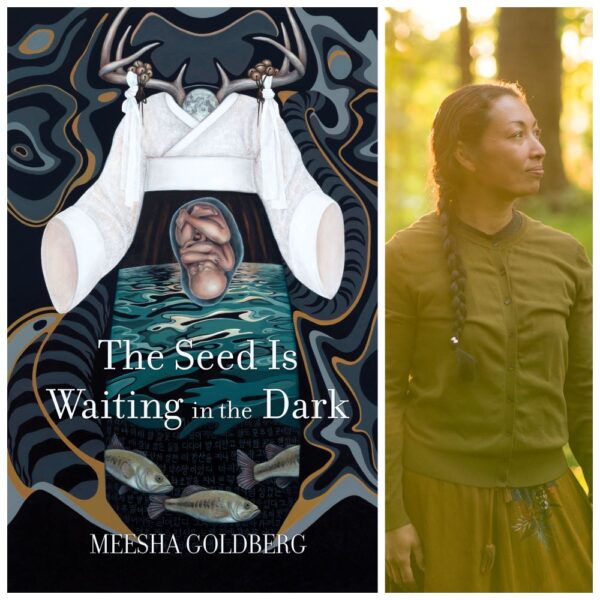
Meesha Goldberg is a Korean American artist and poet living in Charlottesville, VA. Her experiences growing food, serving as an activist, and journeying to sacred places have made her a powerful advocate for the Earth. Goldberg has exhibited her work in solo shows around the United States, with her debut poetry chapbook “The Seed is Waiting in the Dark” forthcoming in 2024 through Finishing Line Press. Her art crosses the boundaries of genre to both experience and express transformational repair. Performance, ritual, painting, film, and poetry merge in durational, place-based works and gallery installations that insist upon the re-enchantment of the world.
The Seed Is Waiting in the Dark by Meesha Goldberg
This title will be released on January 19, 2024
The Seed is Waiting in the Darkconfronts the realities of ecological catastrophe and diasporic displacement with the lyric intensity of a life lived reckoning with questions of collective survival. Included within this debut collection are five of Goldberg’s paintings, which poignantly illustrate these feral, visionary poems. Full of grief, grace, and lessons from the land, The Seed is Waiting in the Dark conjures ancestral instincts to claim belonging within the cycles of natural life.
Juan Enrique Piedrabuena Ruiz-Tagle nació en Santiago de Chile en 1951. Es Abogado y Magíster en Administración de Empresas. Vivió en Barcelona, España, entre 1973 y 1997, donde activamente participó en el grupo literario “L` Ocell Radiant”, en la Floresta, Sant Cugat del Valles. De vuelta en Chile, ha participado en algunos grupos literarios y además en el taller de poesía «El Caleuche» dirigido por la poeta Tatiana Olavarría en la SECH. Ha sido traducido parcialmente al catalán. Es miembro de la APOC (Asociación de Profesionales Catalanes) y uno de los editores de la revista literaria Joan Brossa. Ha publicado “Poemas del desarraigo” y “El entresijo de tu mirada”.


























 Mitchell Pluto