“Sol, el cuarto cielo” Acrílico sobre tela y madera. 50 x 50 cm 2023
Writing is an art, which requires a life and I don’t know how to write, I know how to paint, after 25 years, I don’t stop learning and growing. Words can probe the deepest reality, but it is not the only way, you can have few words and still have a profound impact on the nuances of reality, you can have songs in your mind, plastic and colors.
I have colors.
When I look at a painter I also see words. Meanings, ways of seeing the world and nature, that have been transferred, inherited from one artist to another. As if we all spoke the same language, a hidden one. Hidden it is, behind the colors that live in my mind.
I do not hide in the colors, from the unbearable reality. I want to think that I shape it, I want to think that it can be inhabited in other realities. I want to think that I win the fight, freedom from myself, freedom from reality. I want to be able to see a space, a small work of art and it reminds me of this, it speaks to me about the spirit, I want to inhabit dreams. Imagine the psyche of a great musician, composing songs in his mind, or a poet spinning beautiful phrases full of meaning. Evading the weight of the psychic constructions of the most common social dynamics. What a beautiful girl, that guy looked at me ugly, how badly that old man drives, how fat, how tall, DO RE MI FA SOL LA SI, isn’t it perhaps a transmutation.
I don’t know how to write, I can put these meaningful sentences, which I will regret later, not a poet. Nor from what I have painted, a constant growth, the practice of a static that comes from colors and forms. A way of meditating, a way of praying, perhaps that is why I am building altars today.
Allí se ubicaron en un improvisado toldo levantado con ramas de calafate, apoyados bajo una gigantesca roca que le daba la espalda al viento que corría desde el NorEste y que traía las nubes del Atlántico.
La fogata ardió esta vez a cargo Ocetán quien no tardó en reunir material combustible para alimentar las llamas y depositar cuidadosamente sobre el suelo los hongos recolectados durante su pasada por los faldeos de la Sierra Boquerón.
Extrajo de su bolsa (mujii) los hongos y raíces que forman la dieta invernal del fueguino hongos que crecen sobre el suelo esponjoso de los pantanos donde sus raíces pequeñas se internan quedando solo visible la parte superior algo más colorida por la acción de la luz.
El sabroso shanamain, el suave y transparente Ahuichi, cubierto de pintas blancas y rojas la chahuata que crece allí en todos los árboles vivos y el lechoso chagadakaamáin que sabe muy bien asado cubierto entre las cenizas calientes del fuego.
Mientras los ojos de ella ardían en la noche Selcha hurgueteó en el componente mineral que formaba las rocas y con el pehí (cuchillo) raspó hasta dar con una veta de marcado tono rojizo que llamó su atención por la inusual extensión que ocupaba en la superficie del granito
Derritiendo luego un trozo de grasa de guanaco y separando la roca del pigmento, mezcló ambos logrando una masa colorida y viscosa que afinó machacándola en un improvisado mortero ubicado en la roca.
Untó los dedos en la pintura tibia dibujando primero en su cuerpo y luego en el de su pareja desnuda la simbología de su clan y mientras el silencio de la noche se apoderaba de ese paisaje solitario, se alimentaron bajo las estrellas, al alero de estos grandes bloques abandonados por antiguas glaciaciones sobre la inmensidad de la pampa, allí donde durante milenios la luz de la luna recortaba sus pálidas siluetas graníticas en el azul de la noche, anunciándolas mucho más inmensas y misteriosas que durante los angostos días antárticos.
Entonces sólo el aullido de algún animal nochero se hacía sentir muy lejano trazando su oscuro guión en la noche, y pronto ambos se durmieron abrazados por la naturaleza que sabiamente todo lo acoge
-DCXCI-
“Trashumancia”, poema inédito del libro “Cuando la Tierra se Acaba”, de Claudio Rodriguez Lanfranco.
born in Valparaíso in 1968. After living in Patagonia and in the United States, a product of a scholarship, his first painting exhibitions back to the nineties in Valdivia. Later he moved to Santiago and the Fifth Region, where his visual and literary work materializes in a body of work that addresses different forms of expression, such as painting and drawing, experimental and documentary video, visual poetry and muralism, with public art projects installed in Santiago, Valparaíso. As a visual artist he has exhibited his paintings in 15 solo shows and in more than 60 group shows in Chile, Europe and the United States, and his poetic texts have been published in regional, national and international poetry collections, his work being awarded in different state funds for artistic creation such as Fondart, Cntv, Fondo Carnavales Cultural Centers of Valparaíso, among others. Currently the painter lives and works between Valparaíso, Santiago and Concón, where he develops his artistic projects and teacher training, being in charge of university graduates, painting and mural workshops, becoming a teacher for generations of students and artists who have worked with him.
MY LITTLE SELK’NAM ARMY IS A PAINTING WITHOUT ANY RUSH AND THAT HAS BEEN CREATED OVER TIME, FORMING A VISUAL ASSEMBLY STILL UNDER CONSTRUCTION MADE IN PRINCIPLE FROM THE PHOTOGRAPHIC RECORDS OF MARTÍN GUSINDE AND OTHER STYLE ARCHIVES , BUT WHICH THEN WAS INSTALLED WITH ITS OWN IMAGINARY. WITH THIS WORK I ALSO PAY A DEBT TO MY HISTORY AS A PAINTER, BODY PAINTING BEING ONE OF THE THEMES THAT HAS DIAGONALLY CROSSED ALL OF MY WORK.
“MY LITTLE SELKNAM ARMY”IT IS AN EXERCISE OF REPRESENTATION THROUGH PAINTING OF THIS RITUAL PATTERN OF FUEGIAN CREATION: AN AESTHETIC RELATIONSHIP WITH THE SUPERNATURAL AND A WAY OF UPDATING THE MYTH OF ORIGIN THROUGH A PROPOSAL FOR CONTEMPORARY CREATION THAT AT THE SAME TIME SEEKS TO RESIST FORGETTING.
-ASPECTS OF ETERNAL ADOLESCENCE-
A COUPLE OF NIGHTS AGO I LISTENED TO A SPECIALIST IN THEMES OF EMOTIONAL GROWTH -A SOCIOLOGIST I BELIEVE- TALK ABOUT THE BEHAVIOR OF MODERN ADOLESCENTS WITH REGARD TO THEIR INTEGRATION INTO THE ENVIRONMENT AND OTHER BEHAVIORS RELATED TO THEIR SOCIAL AND GROUP VALIDATION. QUITE KNOWLEDGEABLE ON THESE ISSUES, THE SOCIOLOGIST EXPLAINED CLEARLY REFERRING TO THE IMPORTANCE OF THE LOSS OF RITES OF PASSAGE IN CURRENT SOCIETIES, WHICH WOULD MEAN FOR THE ADOLESCENT GROUP TODAY, A STRONG DEFICIENCY IN THE SOCIAL AND PERSONAL AFFECTIVE FIELD, BY NOT HAVING NO CLEAR GENERATIONAL SIGN THAT CONFIRMS WHEN IS THAT EXACT MOMENT WHEN YOU STOP BEING A CHILD TO BECOME AN ADULT IN FULL MATURITY. THIS WOULD EXPLAIN THE SENSATION OF NOT BELONGING SOMETIMES MANIFESTED BY THE ADOLESCENT GROUP AND WOULD BE ADJUSTED IN SOME CASES,
THIS LACK OF SECURITY REGARDING THEIR PLACE IN THE WORLD WOULD AFFECT ADOLESCENTS IN ALMOST ALL CONTEMPORARY SOCIETIES AND WOULD BE EXTENDERED BY A SYSTEM THAT APPEARS TO IGNORE THE TRANSCENDENCE OF THESE GENERATIONAL ISSUES OR EVOLUTIONARY PROCESSES OF VITAL IMPORTANCE, SUCH AS THOSE THAT THEY ANNOUNCE THE GREAT CHANGES IN THE HUMAN BEING.
TO ADOLESCENCE COMES FROM ADOLESCENCE, TIME OF AILMENTS AND CHANGES. LEAVING AWAY THE FIRST MENSTRUATION OR THE CASE OF SEXUAL INITIATION IN MEN, TRADITIONALLY MARKED BY THE LITTLE GIRL ON TURN THAT DAD CHOOSES, THERE ARE FEW OR NONE OF THE SPACES OF RITUAL TRUST THAT WE PRACTICE SERIOUSLY AS PARENTS AND SONS. IT IS PARADOXICAL THAT REACHING THE AGE OF MAJORITY IS TODAY, IN A COUNTRY THAT BOASTS OF PRIVILEGING FAMILY VALUES, TECHNICALLY NOTHING MORE THAN A MERE PROCEDURE, WHERE AT THE AGE OF 18 THE ADOLESCENT “AUTOMATICALLY” BEGINS TO CARRY A CIVIL RESPONSIBILITY THAT THEY MUST CULTIVATE . FAR FROM ANY CEREMONY, IT IS NOT CURIOUS THEN THAT FINALLY THERE ARE EVERY FEWER RITES THAT CALL US TO COME TOGETHER OPENLY, WITH THE EXCEPTION OF DEATH, WHEN IT IS ALREADY TOO LATE.
FOR ANCIENT CULTURES SUCH AS THE SELKNAM, ONE OF OUR ORIGINAL AUTRAL PEOPLES, THESE CEREMONIES OR RITES OF PASSAGE WERE VERY IMPORTANT, EVEN CAUSING GREAT GENDER WARS FOR POWER AND DOMINATION OF THESE FESTIVALS, WHERE THE HOUSE WAS THROWN DOWN -O EL TOLDO- THROUGH THE WINDOW TO PAY TRIBUTE TO THE KEY MOMENT THROUGH WHICH THEIR CELEBRATIONS PASSED FOR THE ONLY TIME IN LIFE.
THE HAIN CLEARLY EMERGES AS THAT SACRED CEREMONY THAT USED THEATER AND SURVIVAL REPRESENTATIONS TO TEST THE MEASURE OF THE INITIATES, PREPARING THEM FOR A PROCESS OF TRANSFORMATIONS WITHIN THE MILESTONE THAT WOULD MARK A NEW EVENT IN THE BEHAVIOR OF THE KLOKÉTEN NOVICE IN FRONT OF HIS TRIBE, WHO AT THAT MOMENT JOINTLY DECIDED THEIR PASS TO PHYSICAL AND SPIRITUAL MATURITY. A SACRED ACT WHICH WOULD GIVE THEIR LIVES BOTH STRUCTURE AND SIGNIFICANCE AND WHICH WOULD ALLOW THEM TO GENERATE THE TRUST WHICH THE INITIATED COULD LATER HAND ON FOR THE REST OF HIS LIFE. PAST-PRESENT-FUTURE DEFINED WITH SUCH OPENNESS AND CLARITY, ALLOWED THE KLOKÉTEN TO BEGIN THE RITUAL PROCESS TO STOP BEING A CHILD AND THUS TAKE THE REINS OF ITS OWN MATURITY.
BEING AN ADULT, HOW COMPLICATED…. EVERYTHING WRITTEN IS BORN FROM ONE OF THE PICTURES OR “ FRAGMENTS”, WHICH I PAINTED YEARS AGO ON A TREE BARK (ABOVE IN THE PHOTO) AND WHERE THE SPIRIT OF HAIN MANIFESTS HOUSING IN THE PAINTED FIGURE OF AKLOKÉTEN . HERE IS REPRESENTED THE COMPLEX SYMBOLISM OF INITIAL OPPOSITION AND TRANSFORMATION BY WHICH THE KLOKÉTENHE WAS SUBJECTED INSIDE SECRET SOCIETIES THAT SEEKED TO TURN HIM INTO A MAN. THE FUSION OF A WORLD IN TRANSIT OR RITE OF PASSAGE IS INCORPORATED INTO THE PICTORICAL SIGN AND INTO THE HISTORY BROUGHT WITH IT BY THE SUPPORT, COLLECTED FOR THAT PURPOSE ON THE SLOPE OF THE VILLARRICA VOLCANO FROM THE CALCINATED REMAINS OF A CONIFER SPLIT BY LIGHTNING. JUST AS THE ANCIENTS DID TO MAKE THE RITUAL MASKS WHICH THEY USED IN THEIR CEREMONIES, I COLLECT THE BARK OF THE TREES TO PAINT THEM WITH PART OF THIS HISTORY THAT DISAPPEARS AND THAT ALSO BELONGS TO ME, BEING THE COLLECTION, A RITE THAT IS SIBLISHED TO THE PAINTING ALREADY THE TELLURIC TEXTURES OF THE EARTH, LIKE BROKEN FRAGMENTS FROM A NOT SO REMOTE PAST, AND IN WHICH WE STILL REFLECT OURSELVES.
-MY LITTLE SELK’NAM ARMY- I
THE VARIETY OF COSTUMES THAT THE SELK’NAM USED FOR THEIR PERFORMANCES DURING THE HAIN CEREMONY, THEY ARE BASED ON A CONCEPT OF CORPORALITY CREATED TO DELIVER THEIR IDEAS REGARDING RELIGIOUSNESS AND INFLUENCES TO WHICH THEY WERE SUBJECTED SINCE THEIR ORIGINS IN A DOMINANT MATRIARCHAL SOCIETY, IN WHICH THE BODY WAS THE MAIN COMMUNICATION INSTRUMENT OF MAN . THIS CONCEPT OF IMAGE, DESIGN AND MOVING COLORS ARE KEY ELEMENTS TO UNDERSTAND THE SYMBOLIC MESSAGE OF ITS CEREMONIES. IN THIS SECRET GAME, THE WORK OF THE SPIRITS WAS TO PUNISH HARDLY THOSE WHO OPPOSED THE ORDERS OF THE WOMEN.
THE PASSAGE OF TIME WOULD BE KNOWN AS THE UPDATING OF THE MYTH -ENDING THE FEMALE DOMINANCE IN CEREMONIES- THE REVEALED MEN FOUND A NEW HUT BUILT OF ROCK WITH SEVEN STONE POSTS DRAGGED FROM THEIR NATAL COUNTRIES. FIRST WACUS STARTED , THEN PAWUS AND AFTER SANU. THEY WERE STRONG AND TALL MEN. WHEN THE FIRST THREE PILLARS WERE WELL SECURED, HE BEGAN TO RAISE HIS SATE , THEN TALEN , THEN KEYAISK AND FINALLY YOISIK . EACH ONE OF THEM STOOD UNDER THE POST HE HAD RAISED, ASSUMING THE ROLE OF THE SEVEN SUPPORTSMAIN. THESE MEN ANCESTORS IN MYTHICAL TIMES WOULD BE TRANSFORMED AFTER THEIR DEATH IN DIFFERENT BEINGS OF THE NATURAL ENVIRONMENT, ACTING AS SIGNIFICANTS IN EACH EPISODE REPRESENTED IN THE RITUAL AND ESTABLISHING AN ORDER THAT WOULD HAVE BEEN THE ONE THAT THEY WOULD HAVE MAINTAINED UNTIL HISTORICAL TIMES.
EACH ONE OF THE SEVEN REGIONS OF THE SELK’NAM TERRITORY HAD A SUPPORT ACCOMPANIED BY HIS XALPEN WIFE . XALPEN WAS A FEMALE SPIRIT OF GREAT POWER FEARED BY MEN AND WOMEN WHO LIVED UNDER THE EARTH AND CALLED ON MEN TO SATISFY THEIR LUSTFUL DESIRES. “IT IS ABOUT AN EXTREMELY DANGEROUS, IRRITABLE, CAPRICIOUSLY UNPREDICTABLE BEING, WHICH WITH GREAT PLEASURE CAUSES MEN THE MOST DIVERSE DISCOMFORT. She alternates them to satisfy her sexual desires with them, REGARDLESS THAT UNDERGROUND, THE INITIATES OF THE KLÓKETEN ARE PERMANENTLY AVAILABLE (…) SHE IS CONSIDERED A WOMAN OF GREAT PROCREATIVE POWER AND BECAUSE OF HER ARBITRARIOUSNESS, SHE IS HATED BY WOMEN WHO HOWEVER, THEY SHOULD MAKE AN EFFORT TO CALM IT OUT OF CONSIDERATIONS TOWARDS THEIR HUSBANDS AND CHILDREN” (M.GUSINDE 1990: 908)
EACH SUPPORT THEN WAS DECORATED WITH PAINTINGS AND DESIGNS DEFINED BY TRADITION. THEIR FIGURES AND MOVEMENTS WERE CONSIDERED BY THE SELK’NAM AS MAGNIFICENT AND BEAUTIFUL, ESPECIALLY AMONG WOMEN. SANUIT WAS THE SOORTE OF THE WEST . WITH A RED BODY AND ABUNDANT WHITE DOTS ORDERED SYMMETRICALLY THROUGHOUT THE ENTIRE BODY, IT INDICATED THE SPIRIT’S BELONGING TO A SPECIFIC CARDINAL POINT THAT COULD BE EASILY INTERPRETED BY ALL BYSTANDERS THANKS TO THE PREDOMINANCE OF COLOR. ITS BODY ORNAMENTATION PRESENTED A DEFINED DESIGN PATTERN, WHICH SEEKED TO HIGHLIGHT A TALL, SLIM, STRONG AND AGILE FIGURE, SOMETIMES REPRESENTED BY MOVEMENTS SUCH AS FLIGHT: “SHOULDERS RAISED, ARMS FOLDED AND SLIGHTLY SEPARATED FROM THE BODY, AND HANDS CLOSED IN FISTS, THE “ACTOR” REPETITATIVELY LIFTS HIS FEET, MOVES HIS HEAD ENERGETICALLY, GIVES QUICK JUMPS, STOPS AFTER EACH ONE OF THEM AND THEN MAKES THE WHOLE BODY SHAKE” .
THE SEVEN MAIN SUPPORTS WERE SYMBOLICALLY RELATED TO THE “FOUR INVISIBLE MOUNTAINS OF INFINITY”, COMBINING A HIGH-LEVEL IDEOLOGICAL CONSTRUCTION OF CONCEPTUAL AND AESTHETIC ABSTRACTION. SOORTE SANU CAME FROM THE WEST KÉNENIK MOUNTAIN RANGE, PLACE OF THE SUNSET OF THE SUN EXPRESSED BY THE ORIGIN OF RED AND THE TRAIL OF DEATH. REPRESENTING AN OWN CULTURAL IMAGINERY THROUGH THE PERFORMANCE OF THE RITE WAS FOR THE SELK’NAM A COMPLEX SHOW OF ANTHROPOMORPHOLIC BEINGS WHOSE MASKS AND ACTIONS REVEALED THEIR PERSONALITY, THUS HELPING TO ORDER AND UPDATE A SYMBOLIC-TERRITORIAL SPACE SUPPORTED BY ATTITUDES AND SOCIAL VALUES.
-MY LITTLE SELK’NAM ARMY- II
IN THE YEARS OF THE HAIN MYTH, THE YOUNGER AND INEXPERIENCED MEN OCCUPY INSIDE THE CEREMONIAL, THE SITE OF THE SECONDARY SUPPORTS; AGILE AND FAST BODIES PREPARED AND DECORATED FOR DANCE WITH COLORS ONLY PARTIALLY VISIBLE TO OTHERS, THUS SHOWING THEIR SURPRISING SPEED AND BODY ENERGY. ULEM IS ONE OF THEM. HE RELATED WITH THE OTHER SOORTES THROUGH THE THREE MAIN COLORS AND HIS FENSE FOR MOVEMENT:
“THE BODY IS DARK RED AND WHITE HORIZONTAL STRIPES ARE APPLIED TO IT, LEAVING SHORT INTERMEDIATE SECTIONS”…”VERTICALLY FROM THE NECK PASSING THROUGH THE NAVEL, LOWERS A WHITE LINE. THE ULEM MASK IS MADE OF COLORED BARK LIGHTER RED WITH THREE WHITE LINES ON THE TOP”.
THIS POINT – LINE – STRIP REITERATING WITHIN THE FIELDS OF BODY DRAWING, REFERS TO THE MYTH OF THE SAME CHARACTERS: MALE SPIRITS WITH IDEAL PHYSICAL QUALITIES FOR A HUNTER-GATHERER IN THE TIME OF THE SELK’NAM SOCIETY: AGILITY, STRENGTH, SPEED AND BEAUTY.
EACH SUPPORT HAD TOTAL CREATION AUTONOMY AND BY NOT REPRESENTING A DEFINED PATTERN IN ITS DESIGN, IT WAS POSSIBLE TO RECOGNIZE EACH OF THEM BY THEIR MASKS.
ALL FIGURES WITH GREAT MOBILITY, BLENDED INTO THE BLACK ANTARCTIC NIGHTS, TRYING TO REPRESENT THE MOVEMENTS OF SOME LOCAL ANIMAL BROUGHT INTO THE FIELD OF THE CEREMONY, WITHOUT FORGETTING THAT DESPITE THEY ENJOYED GREAT FREEDOM, EACH OF THE CHARACTERIZATIONS WAS SUBORDINATED TO A PREVIOUSLY ESTABLISHED SCRIPT INHERITED FROM PREVIOUS GENERATIONS.
THIS SIGN OF BELONGING GAVE SENSE TO THE CYCLE OF LIFE, AND EACH YOUNG INITIATE WHO UNDERTAKEN THE RITUAL UNDERSTANDED IT SO. ULEM IS PART OF SOME 100 FIGURES PAINTED ON COIGÜE PLATE THAT ARE INCLUDED IN THE POLYPTHYTHY MURAL “MY LITTLE SELKNAM ARMY” .
-MY LITTLE SELK’NAM ARMY- III
ACID LIKE A PAINTING COMPOSED OF SEVERAL PIECES THAT TOGETHER MAKE UP A MAJOR WORK, “MY LITTLE SELK’NAM ARMY” IS A POLYPTIC MURAL OF FIGURES IN OIL AND MIXED TECHNIQUES ON COIGUE AND MAÑÍO PLATES THAT I BEGAN TO PAINT IN 1998 AND WHICH I CONTINUE TO PAINTING UNTIL TODAY AS AN EXERCISE OF CREATION ON TRAVEL, CARRIED OUT DURING MY TEMPORARY TRANSIT THROUGH DIFFERENT PLACES IN CHILE SUCH AS THE ANDES MOUNTAINS, THE SOUTHERN CANALS, PATAGONIA OR THE ROUGH ARIDITY OF THE NORTHERN COASTS, TRAVELING ON SOLO EXPEDITIONS OVER THE DECK OF BOATS, BUS SEATS, LOANED CARS, MICROS OR PLANES; RESTING IN HOTELS, SHELTERS OR TENTS, WORKING AND WALKING IN WHICH ARE UP TO NOW 120 FIGURES OF BODY PAINTED IN A SIZE OF 16 X 10 CMS EACH AND WHICH FORM AS A WHOLE,
BODY PAINTING OF REAL AND INVENTED BEINGS, IMAGINED, TORN FROM THE BORDERS OF DEATH (AND OBLIVION) IN A FORMAT OF RITUAL REPRESENTATION THAT THE ANCIENTS KEPT UNTIL THE ARRIVAL OF THE WHITE MAN AS A CEREMONY OF PASSAGE FOR THE NEW GENERATIONS OF INITIATES.
THIS IS THE ARMY OF THE REPUBLIC, MY TERRACOTTA ESCORT. A GUARD OF MOCETONES MADE OF MUD AND FUNERAL WOOD THAT STAND UP AMONG THE CULTURAL LANDSCAPE LIKE A MASTER BEAM THAT SPEAKS TO US WITH THE SILENCE OF THE EXHUMEED BODIES, THAT ADVENTURE OF NAMELESS GRAVES, EMPTY BASINS AND TRACES MISSING LIKE RUBBLE BURIED AMONG THE branches.
THE PETROGLYPHS OF THE CHOAPA VALLEY- TWOIN THE PATH
THE REGION BETWEEN THE ILLAPEL AND CHOAPA RIVERS CORRESPONDS TO THE SOUTH/EAST EXTREME OF THE PROVINCE OF THE SAME NAME, IN THE IV REGION OF CHILE. IT IS ALSO THE SOUTHERN LIMIT OF THE NORTE CHICO, A GEOGRAPHICAL AND CLIMATE TRANSITION ZONE TO THE ABSOLUTE ARIDITY OF THE NORTE GRANDE.
CROSSED BY A LARGE NUMBER OF TRANSVERSE VALLEYS, THIS REGION IS THE NARROWEST IN CHILE -90 KM WIDTH FROM THE SEA TO THE CORDILLERA- WHICH MAKES IT A USUAL HUMAN TRACK SINCE TIME IMMEMORIAL. FULL OF MOUNTAIN PASSES THAT CROSS THE ANDES AT VERY LOW ALTITUDE, IT HAS BEEN A PLACE OF PERMANENT MOVEMENT OF HUMAN POPULATIONS SINCE PRE-HISPANIC TIMES. UNTIL TODAY IT IS COMMON TO SEE MUTLEEERS WITH CARAVANS OF MULES TRAVELING THE BEAUTIFUL FOOTPRINT THAT WINDS DRAWING THE NARROW VALLEY THAT FOLLOWS THE COURSE OF THE ILLAPEL RIVER, OR THROUGH THE FERTILE CAUCE OF THE CHOAPA, WHICH OFFERS A GOOD AMOUNT OF NATURAL VIEWPOINTS FROM WHICH THE ANCIENT HAD A PERFECT PANORAMIC OF THE VALLEY.
FOLLOWING A BRANCH OF THE ROAD THAT LEADS TO THE CAVILOLÉN SLOPE, WE GO INTO AN AREA FULL OF FERTILE TRANSVERSAL VALLEYS INHABITED BY MAN FOR MORE THAN TWO THOUSAND YEARS.
PLACE OF ORIGIN OF STRONG POPULAR MYTHS, TODAY WE TRY TO TRAVEL THROUGH THESE ROADS, AS A WAY TO REMAKE PART OF THE ANCIENT TRACES OCCUPIED BY THE NOMADIC SHEPHERDS AND AS POSSIBLE TO DISCOVER THE MYSTERIOUS REASON THAT MOTIVATED THESE MEN TO MARK THEIR PASSAGE THROUGH THESE PLACES , THROUGH THE STONE INSCRIPTION OF ROCK ART.
WE LEAVE THE CITY OF ILLAPEL BEHIND, TO PASS THROUGH THE MYSTERIOUS SALAMANCA -NATIONAL CAPITAL OF IMBUNCHE- AND CONTINUE THROUGH THE COURSE OF THE CHOAPA RIVER TO ITS ORIGIN, SOMETHING SOUTHEAST OF CUNCUMEN, OUR FIRST STOP.
NIGHT FALLS SLOWLY OVER THE GENTLE SLOPS OF THE MOUNTAINS, FROM WHERE THE CACTI RISE LIKE ANCIENT LOOTCH-OUTS OUTLINED AGAINST THE FADING COLOR OF THE SKIES.
THE WIND SLOWS DOWN AND A STRONG SILENCE APPEARS SPEEDING UP FROM THE BOTTOM OF THE EARTH, WHILE WE INSTALL OUR TENTS AND DREAM THAT ON FULL MOON NIGHTS, WITCHES WILL FLY OUT TO THEIR COVENS WHILE POETS WILL WRITE WITH A BONE PUNCH IN THE ANCIENT LANGUAGE OF A BLACK GOAT.
THRESHOLDS
“THRESHOLD IS THAT BRIDGE THAT IS ESTABLISHED BETWEEN ONE PLACE AND ANOTHER, THAT (IN)VISIBLE PATH OR LIMIT THAT SEPARATES THEM, IS THE MINIMUM SIGN, SKIN, TEXTURE OR MATTER, FIRST STEP OR ENTRANCE FOR THINGS TO HAPPEN, OPEN DOOR IN FRONT OF THE THE ABYSS OF A NON-EXISTENT SPACE WHICH IS ALSO THE WORLD OF PAINTING, WHICH MOVES, WHICH MUTS, WHICH CHANGES, WHICH DISAPPEARES; THRESHOLD IS THE FRONTIER AND THE REVERSE OF THINGS, IT IS AT THE SAME TIME THE BEGINNING AND THE END, ORIGIN AND DESTINATION, ENTRY AND EXIT; THRESHOLD IS PAINTING AT THE SPEED OF A NERVOUS IMPULSE STIMULATING UNKNOWN SPACES, EXPLORING A NON-PLACE AND FINDING THE PERMANENT FACES OF ITS ABSENCE IN IT.”
“THRESHOLDS”,SERIES OF 15 PAINTINGS, TWO SHOWN, IN MIXED TECHNIQUE ON COUCHÉ PAPER, 40 X 40 CMS EACH, MADE BETWEEN MY WORKSHOPS OF “LAS ANIMAS” IN VALDIVIA AND “RIO ACONCAGUA” IN CONCON, ON THE EDGE OF THE XXI CENTURY.
born in Valparaíso in 1968. After living in Patagonia and in United States product of a scholarship, his first painting exhibitions were date back to the nineties in Valdivia. Later he moved to Santiago and the Fifth Region, where his visual and literary work materializes in a body of work that addresses different forms of expression, such as painting and drawing, experimental and documentary video, visual poetry and muralism, with public art projects installed in Santiago, Valparaíso. As a visual artist he has exhibited his paintings in 15 solo shows and in more than 60 group shows in Chile, Europe and the United States, and his poetic texts have been published in regional, national and international poetry collections, his work being awarded in different state funds for artistic creation such as Fondart, Cntv, Fondo Carnavales Cultural Centers of Valparaíso, among others. Currently the painter lives and works between Valparaíso, Santiago and Concón, where he develops his artistic projects and teacher training, being in charge of university graduates, painting and mural workshops, becoming a teacher for generations of students and artists who have worked with him.
A DAY LIKE TODAY I WAKE UP WITH CERTAIN ANGUISH IN THE SOUL A DAY LIKE TODAY ALFREDO JAAR WINS THE NATIONAL AWARD OF PLASTIC ARTS, A DAY LIKE TODAY 1200 YOUNG PEOPLE FORM A CHAIN OF BODIES LYING IN THE ALAMEDA, A DAY LIKE TODAY I WRITE THIS POEM, A DAY LIKE TODAY THE MECHANICS OF THE AIR FORCE ADJUST THE MISSILES OF THE HAWKER HUNTERS WITH WHAT TOMORROW AT THIS SAME HOUR THEY WILL BE BOMBING THE CURRENCY
“SELK´NAM DEJANEIRO”, ATRÁS PODE VER A PEDRA DOS DOIS IRMAOS E A PARTE NORTE DA FAVELA ROCINHA. DA SÉRIE “MEU PEQUENO EXÉRCITO SELK’NAM”, PROJETO RIO DE JANEIRO / IPANEMA, FEVEREIRO DE 2023.-
THE MARKED STONES (POEM)
AN EGG OR A LONELY CIRCLE DISINTEGRATING INTO ATOMS TWO EGGS OR THE STONE ABACUS METRIC NUMERICAL SYSTEM – DECIMAL NOW BELIEVED TO HAVE BEEN INSPIRED BY HALLUCINATORY EXPERIENCES…. THE SILENCE OF THE STONE IS THE LANGUAGE. A CIRCULAR INCORSION OF THRESHOLDS THAT OPEN AND CLOSE THAT ENTER AND EXIT LIKE TRAVELING IN TIME MAGNETIC SILENCE OF SIGNS THAT DETACH FROM THE STONESSTRANGE MONUMENTAL FIGURESSOMETIMES FIGURES THAT CHANGEBY JUMPING IN PIECESLIKE A SCIENCE FICTION TREATISE OR SATELLITES THAT GRAVITATE AROUND THE POINT OF A KNIFE AND FLOAT ABOVE THE ROCKS THAT HAVE SPRINTED OUT OF THE EARTH LIKE POWERFUL AND REBEL RUBBLE THAT HAS SEEN THE CENTURIES GO BY WITH THE RAPIDITY OF A SECOND. HUNTING SCENES IN LOS MELLIZOS…. WHAT IF WHEN YOU SEE THESE SCARS ETCHED LIKE STRETCH MARKS IN THE ROCK YOU WANT TO DO THE SAME? AND IF AT THE RISK OF DISCOVERING-YOU GET LOST?
–“KLOKETÉN TREPANDO EL FUERTE DUQUE DE CAXIAS“, DE LA SERIE “MI PEQUEÑO EJÉRCITO SELK’NAM”, PROYECTO RÍO DE JANEIRO / PRAIA DO LEME, FEBRERO 2023.-
-NATURAL SCENE- (STORY)-
Kaweskars! – shouted the technician leaning next to the camera tripod.
The man looked at the Director and saw how the guy quickly adjusted the lens ring to a more open diaphragm than normal, in order to capture the scene in its full magnitude. The Cameraman scratched his beard. They had been isolated three months ago in a lost location in the middle of the southern Patagonian archipelagos, waiting for that moment. – Kaweskars…- he murmured almost silently as he began to roll, and from the old woman’s lips emanated a song like a moan:
KAS _ TAP _ HAR AR _ LAW KET YERKSTA KA _ YOE _ SA YERK _ STA KA_YOE_SA
The Camera man held the face of the old woman who was singing in the foreground, confused by the smoke. The picture was impressive: of medium height and painted a dark reddish color, the old woman sported a large belly and short hair to her ears. Around her neck she wore a necklace of Snail Shells that hung between her breasts and on her back a Sea Wolf skin tied under her throat by a gut rope. The rest of her body was naked. She was -without a doubt- the matriarch of the toldero.
For a while, both Documentalists surveyed the scene. The script couldn’t be more exact: they called the technician to correct the sound and point the rod towards the woman who was at the center of the action. ORn white smoke rose on the beach, grouping in tall fumaroles…
I am the Voice of the Southern Sky That brings winter and the narrow Austral day… Huge shadows that rise in the Night Wherever it lives Ayayema! Spirit of Noise that snores between Mountains and Glaciers, Half Human crying, Half Beast cry He brings the Wind that overturns the canoes…..
It was one of those short days in Tierra Del Fuego and the echo of nomadic songs it made itself felt bouncing in the distant canyons. As the scene progresses, the credits of the production team begin to appear one by one.
AND it starts to get dark The Director crumples the script in his hands and curses, thankful for such disturbing accuracy.
TRIP TO THE CHONOS ARCHIPELAGO- (POEM)
OUR ANCIENTS, THE FATHERS OF THE ORAL TRADITION, RELATE THAT BACK IN THE BEGINNING WHEN THE ICE COVERED ALL THE LANDS AND A GOOD PART OF THE SEA A GROUP OF CANOES APPEARED, NO MORE THAN FIVE WERE WITH OUR GRANDPARENTS HUNTERS AND THEIR WIVES AND SOME CHILDREN. THEY ADVANCED TO THE SOUTH WHERE THE THICK MANTLES OF ICE BEGAN TO LEAVE THE LANDSCAPE FREE, WITHDRAWING AND SHAPING VALLEYS AND WILD MOUNTAINS A VISION OF LANDS THAT EMERGED FROM THE SEA TO FORM BAYS AND FJORDS, A DISMEMBERED RELIEF OF ISLANDS AND CHANNELS DRAWN BY THE ICES BY THE ADVANCE AND RECEDING OCEANS STRONG INLAND CURRENTS WHICH FRAGMENT THE COAST OF THE ARCHIPELAGO INTO AN IMPRESSIVE LABYRINTH AT THE END OF THE WORLD.
HERE IN THESE PLACES OUR ANCESTORS WALKED THE FROZEN BANKS AND REMAINED TO LIVE UNDER THE WESTERN SKY THIS IS HOW THEIR FIRST CHILDREN SPEAK, REPEATING ANCIENT VOICES THUS THEY TELL, FROM VERY ANCIENT THOSE WHO BROUGHT THE INHERITANCE OF THE SPIRITS AND CAME TO WHAT TO LIVE WITH THE LIGHTNING, WITH THE PILLÁN THE SPIRIT OF THE NATURAL FORCES. BETWEEN ISLANDS AND CHANNELS, COMPACT AND TORTOUS FORESTS WE HAVE INSTALLED OUR AWNINGS LEARNED TO HANDLE THE CYPRESS WOOD
TO BUILD OUR CANOES WITH THE POWER OF FIRE AND SHELLS.
HERE WE HAVE SAILED BRINGING THE FIRE, OUR FAMILIES ALWAYS SAILING IN THE WAKE OF THE WHALE , THE SEA WOLF IN THE FOOTPRINT OF THE HUEMUL OR THE OTTER HUNTING WITH A BONE HARPOON AND OUR FISHING DOGS.
WE KNOW THE BODY OF THE LARCH, THE TEPÚ AND THE CANELO THE HARDNESS OF THE LUMA FROM WHICH WE MAKE SPEARS AND YETAKANAS THAT WE TIE WITH WHALE BEEF.
HERE WE HAVE LIGHTED THE FIRES WITH FLINTS AND DANCED NAKED UNDER THE STARS, DISCOVERING THE RED EARTH OF THE ARCHIPELAGOS TO DYE OUR BODIES AND SEAL GREASE TO PROTECT US FROM THE COLD.
OUR WOMEN WEAVE THEIR FISHING NETS SPINNING THE BASKET OF THE QUANTÚ AND WASH THEIR HAIRS WITH THE BARK OF THE QUILLAY, THE JUNE THAT IS BORN IN THE SWAMPS MAKE THEIR BASKETS WITH WHICH THEY DIVE THROUGH THE CANALS, TAKING URCHINS AND MUSHROOMS
ALL KINDS OF FISH AND SEAFOOD FROM THE TRANSPARENT BOTTOM ALL OUR WOMEN SWIM NAKED THROUGH THE FROSTY WATERS OF THE CANAL AND THEN THEY SHRINK IN THE HEAT OF THE CAMPFIRE.
WE DO ALL THIS IN THE PLACE WHERE THE WILD RIVERS FALL INTO THE SEA WE NAVIGATE OUR CANOES DAY OR NIGHT WE LOOK FOR SHELTER ON A STONE ROCK OR ON AN ICE ISLAND AND WHEN THE SOUTHERN NIGHT FALLS HEAVY AND SILENT WE JOIN THE HEAT OF THE CAMPFIRES TO LISTEN TO THE BREATH OF OUR ANCESTORS STORIES OF SPIRITS THAT INTERVENE IN LIFE THROUGH AUME AND THAT ONLY OUR SHAMANS KNOW, THUS DISCOVERING THE HIDDEN MEANING OF THINGS…
(SHAMAN)
LISTEN TO MY VOICE THAT SPEAKS THROUGH ALL THE SACRED VOICES THE VOICE OF THE ALBATROSS / CORMORANT LISTEN TO MY VOICE AS IT SOARS IN A SONG THAT SPITS OUT OF MOUNTAIN RANGE AND VOLCANOES A ROCK ISLE / AN ENTIRE ARCHIPELAGO LISTEN TO THE VOICE OF THE FOUR HEAVENS ….
-SONG TO THE HEAVENS- I AM THE SKY FROM THE EASTERN THAT BRINGS THE MAGIC STONES, THE FLINT AND THE VOICE OF THE TUCUQUERE THAT STANDS CHALLENGINGLY UPON THE HIGH BRANCHES OF THE OAKS, LISTEN TO THE VOICE OF THE WIND THAT BLOWS FROM THE PLACE WHERE THE SUN IS BORN AND ALL THE POWERS CAPABLE OF ENSURE LIFE, WHERE THE IMBUNCHE LIVES THAT EATS AND FORNICATES.
LISTEN TO THE VOICE OF THE NORTH SKY THAT BRINGS THE ANCIENT EARTH SONGS THE VOICE OF THE ALBATROSS THAT FLOWS RIGHT FROM THE CENTER OF MEMORY, ANNOUNCES THE HUNTING TIMES THERE IS ITS DEEP SQUAWK OF A SEA BIRD THAT TEACHES HOW TO READ THE STARS, IN HIS DRY HEAD THE SHAMAN TRAVELS LIKE A STONE OF LIGHTNING AND IS DROPPED FROM THE SKIES TO BRING US THE INHERITANCE OF THE SOUND OF HIS FEATHERS WE MAKE ORNAMENTS FOR THE ARMS AND INHERIT HIS SIGHT, SPEED AND ENDURANCE.
I AM THE VOICE OF THE SOUTH SKY THAT BRINGS THE WINTER AND THE NARROW SOUTHERN DAY HUGE SHADOWS THAT RISE AT NIGHT WHERE AYAYEMA LIVES
THE SPIRIT OF THE NOISE THAT SNORES AMONG MOUNTAINS AND GLACIERS THAT WALKS IN THE THICKNESS OF THE FOREST AND THE SWAMP HALF WEEPING HUMAN, HALF THE CRY OF A BEAST THAT OVERTURNS THE CANOES CLIMBING THE WATER OF THE WATERFALLS BRINGING THE BAD WEATHER THAT WE HAVE LEARNED TO SEEIN THE PASSAGE OF A FLOCK OF PARROTSTHAT WE HAVE FIGHTED BY BURNING A WOLF’S TEETHAND MAKING THEIR ASHES INTO THE SEA. THERE COMES THE RED CLAY AND THE MINERAL EART
WITH WHICH WE LEARNED THE COLORS OF NATURE AND DECORATE OUR BODIES FOR HUNTING, LOVE AND CEREMONIES.
THE SOUTH BRINGS THE VOICE OF THE WHALES….
(SHAMAN IN TRANCE)
LISTEN TO THEIR SONG INVOKING THE BEINGS! WE SING AND DANCE IMITATING THE SONG OF THE WHALE DRINKING ITS THICK AND STRONG MILK GETTING DRUNK WITH THE FERMENTED FRUIT OF CANELO OUR NAKED SEXES POINT TO THE WIND WHEN THE COLD AND LUMINOUS SOUTHERN DAWN SURPRISES US .
THEN OUR FACES FOLLOW THE ADVANCE OF THE HEAVENS AND WE LEARN THAT DREAM IS THE PASS THROUGH WHICH THE DEAD ENTER THE WORLD OF THE LIVING.
LISTEN TO THE PULSE OF THE EARTH!
THE SENSATION OF BEING ON THE EDGE OF THE ABYSS IS SO KNOW BY OUR DEAD BURIED IN SACRED PLACES WRAPPED IN SEAL LEATHER AND ABANDONED TO THE WANDS…
LISTEN TO THE WESTERN SKY ITS VOICE OF OCEAN WHERE CANOES DIVE INTO DEEP WATERS , WHERE TEMPILCAHUÉ TRANSPORTS THE DEAD, HE IS THE RAILWAY OF THE SOULS WHERE THE SUN DIES HE LEADS THE JOURNEY TOWARDS THE SILENCE OF A WHITE ISLAND, IN HIS HANDS WE WILL REST FROM OUR JOURNEY ON EARTH.
(SHAMAN IN TRANCE)
LOOK AT HOW THE CORMORANT FLYES! OUR NECK AND ESOPHAGUS BIRD MUSICAL SOUND THAT WILL CARRY EVERY MAN LIKE AN ISLAND LOST IN THE IMMENSITY OF THE OCEAN. LOOK FROM WHERE THE RAIN CLOUDS THAT SHADE THE
COAST ARE BORN FROM! HOW THEY COME DOWN DARK AND LOW ! LOOK AT HOW OUR CANOES CLIMB IN THE SMALL! , AVOIDING ROCKY ISLANDS AND HUGE PIKES OF ICE THAT FALL INTO THE SEA…
WE CHONOS WILL CROSS THE THICK SEA UNTIL WE FIND A PLACE TO REST HERE WHERE THE WORLD ENDS HERE WHERE THE SEA BEGINS WHERE THE EARTH GETS SMALLER AND SMALLER LIKE A SEAGULL’S EGG AND SURPRISES US IN A DEEP SLEEP SMOKING THE PIPES OF OLD AGE.
“TRIP TO THE CHONOS ARCHIPELAGO”, A POEM BY CLAUDIO RODRIGUEZ LANFRANCO, WAS TAKEN IN THE YEAR 2001 TO THE DOCUMENTARY VIDEO FORMAT FOR THE TELEVISION SERIES “WHEN THE EARTH ENDS”. THE IMAGES THAT ACCOMPANY THIS POEM ARE PART OF THAT FILM.
JUEGO DE NAIPES SERIE DE DIBUJOS RECIÉN TERMINADO. LÁPIZ Y TÉMPERA SOBRE CARTÓN PREPARADO, MEDIDAS VARIABLES. VALPARAÍSO, 2022.
-THE PETROGLYPHS OF THE CHOAPA VALLEY- (PART V and FINAL)
BROKEN THE TWINS: SPEECH AND REALITY.
THE COURSE OF THE ILLAPEL RIVER AND THE RUSTIC STONE PIRCAS MARK THE SOLITUDE OF LA HUELLA. THE LOMA DE LOS CERROS LEADS TO THE NARROW CRANKS IN THE CORDILLERAS WHERE THE CARAVANS OF MULES WIND ON THE EDGE OF THE ABYSS AND THE SKILLFUL HAND OF THE MULETEER BLENDS WITH THE ROUTE, WHICH IS ALMOST LIKE A RITUAL. THE TRACK GOES UP, GOES DOWN AND AT THE BOTTOM OF THE QUEBRADA THE MULETEER LEAVES THE ROUTINE OF THE ROAD FOR A WHILE TO TAKE HIS ANIMALS TO DRINK NEXT TO THE MULES OF OTHER CARAVANS, WHO HAVE ALSO STOPPED LOOKING FOR REST AND COMPANY.
WALKING THE PASSES IN THE CORDILLERAS WHERE THE HILLS NARROW NEXT TO THE EDGE OF THE HEIGHT AND THE ORIGIN OF THE ILLAPEL RIVER WETS THE DRIED LIPS OF THE EARTH. CONTINUE THERE, CLOSE TO THE DUSTY TRACK WHERE LITTLE BY LITTLE GROUPS OF GOOD SIZED STONES INDICATE A CHANGE IN THE LANDSCAPE: THE VALLEY IS NOW A GREEN WOUND AT THE BOTTOM OF THE ERODED PRE-CORDILLERAS WALLS THAT JEALOUSLY GUARD LIFE AND ALSO THE STEPS OF THE MAN.
MILKING THE RIVER AND RANDOMLY DISPOSED BY NATURAL LANDSLIDES OF ANCIENT MOUNTAINS, HUGE BLOCKS OF ROCK RISE OUT OF THE EARTH FORMING A PREHISTORIC PLAIN KNOWN AS THE ARCHAEOLOGICAL SITE OF “LOS MELLIZOS”. THE WOMB OF THE ANDES OPENS INTO A CEREMONIAL SPACE WHERE MAN HAS MARKED HIS PASSAGE SINCE THE EARLY POTTERY PERIOD IN AN EXTENSION OF 500 X 300 MTS INTERVENED WITH THE SPACE UNCERTAINTY OF HUNDREDS OF PETROGLYPHS DISTRIBUTED IN 97 ROCK PANELS AND THE ONLY PICTOGRAPH FROM THE VALLEY.
RECOGNIZED AS A PLACE OF TRANSIT WITH 10 MOUNTAIN PASSES THAT LEAD TO THE INTERANDINE VALLEYS, THE “LOS MELLIZOS” SITE WAS A GRAZING PLACE SINCE TIME IMMEMORIAL. THIS CONSTANT RE-OCCUPATION OF THE PLACE TRANSFORMS IT INTO A NON-PLACE, SYMBOLIC FACT AND POINT OF CONTACT, -ENTRY AND EXIT- BETWEEN TWO DIFFERENT SPACES.
THREE BY THREE IS NINE: 1 FOOTPRINT OR PATH 3 TENTS (ONE MADE OF ROCK) 3 TREES (ON THE RIVER BANK) 3 MARIAS (CONSTELLATED STARS)
HERE IS OUR CAMP, UNDERSTOOD AS A NEW REOCCUPATION OF THIS NO-PLACE WHERE ROCK ART AND SPACE DEFINE EACH OTHER.
THE PETROGLYPHS PLACED IN THE ROCK AND THE NATURAL ENVIRONMENT OF THE VALLEY ARE PART OF A LANDSCAPE WHERE THE STONE IS A SUPPORT AND A MESSAGE, CONCEIVED WITH A SPACE PURPOSE. THIS MONUMENTALITY GIVEN TO THE PLACE BY ITS PETROGLYPHS IMMERSES THIS PARTICULAR SPACE IN SIGNIFICANCE.
AND THE LOS MELLIZOS SITE BECOMES A RITUAL SPACE, IMPORTANT FOR TRANSIT FROM ONE PLACE TO ANOTHER AS A PASSAGE, AN INVISIBLE DOOR BETWEEN TWO DIFFERENT WORLDS.
WHAT DO THESE PETROGLYPHS SAY, THESE SCRATCHES IN THE STONE?
THE PASSAGE OF THE SUN LIGHTS UP THE VALLEY AND HELP THE ROCKS SHOW THEIR MONUMENTAL FIGURES, IDEOGRAMS THAT APPEAR AND DISAPPEAR DEPENDING ON THE POSITION OF THE CLOUDS, THE LIGHTNING OF THE SUN, AS WELL AS STARS IN BROAD LIGHT OF THE DAY.
A MAGNETIC SILENCE FLOODES THE PLACE, AS IF PERMANENT SIGNS WERE SPROUTING FROM THE STONES LIKE VOWELS OF AN INFINITE ABC THAT SPELLS NAMES, FACTS, PLACES FROM OTHER TIMES. WHAT IS THE MEANING OF YOUR RECORDED INSCRIPTION
? I
THE INCOGNITA DE LA PIEDRA HIDES A LANGUAGE CARRYING SIGNS RECORDED WITH THE EXPERIENCE OF THE PAST AND WHICH REIGN IN “EL VAGAMUNDO” LIKE THE STONE BABBLING OF SOME DEAD LANGUAGE. WHAT DO THESE STONES MARKED BY MAN TELL US ABOUT
? WHAT DO THEY HIDE FROM US, WHAT DO THEY TELL US, WHAT WILL THEY TELL US? THE PETROGLYPHS ARE THERE TO REMIND US THAT WE HAVE PENDING THINGS WITH OUR PAST, AND THEY GRAVITATE IN “LOS MELLIZOS”, LIKE THE CHALLENGE OF A GHOST THAT DOES NOT THINK TO GO.
“THE PETROGLYPHS OF THE CHOAPA VALLEY” (PARTS IA TO V) ARE FRAGMENTS OF A POETIC JOURNEY CARRIED OUT TO DIFFERENT POINTS IN THE CHOAPA AREA AND IN PARTICULAR TO THE SITE OF LOS MELLIZOS, LOCATED UP THE RIVER OF ILLAPEL. WE CAMPED THERE TWO DAYS AND THEIR NIGHTS. A VIDEO OF THE JOURNEY TO THE SITE WAS RECORDED: A DOCUMENTARY ABOUT THE PETROGLYPHS AND THEIR RELATIONSHIP WITH THE VALLEY. IT WAS 2004. A FIRST VERSION OF THESE TEXTS WAS WRITTEN ON THE SITE AND THEN FINISHED IN CONCÓN, DURING THE SUMMER OF THAT SAME YEAR.“
TRÓPICO DE FUEGO DIÁLOGOS COLABORATIVOS ENTRE NATURALEZA Y ARTE. INSTALACIÓN TEMPORAL EN EL JARDIM BOTÂNICO DO RIO DE JANEIRO. PINTURAS DE LA SERIE MI PEQUEÑO EJÉRCITO SELK´NAM, PROYECTO RÍO DE JANEIRO 2023.
-ANTIPODES-
LEAVE THE WORKSHOP, LEAVE YOUR HOUSE HEADING NORTH TO MEET OTHER PLACES, TRAVEL FAR TO OPEN PLACES HOPE YOU HAVE NEVER BEEN SEEN BEFORE. GOING UP THE ROUTE 5 HUNDRED KILOMETERS UP THE SHORE, DOZENS OF OYSTERS BUZZ ALONG THE ROAD, THEY GO PASSING, THEY SIGN TO US.
BECOMING A LITTLE NOMAD AND ON THE RADIO, A LITTLE SONG FROM PAT METHENY OR THE POLICE.
I REMEMBER TOTORALILLO BEACH IN THE SUMMER OF 2004, WHEN WE WENT TO THE LONG WAVES PENINSULA, WHERE MANY GROUPED TO SURF WHILE WE SAT TO WATCH THE SEA, AND IN FRONT OF THE WAVES DRINK BEER ON A HORIZON OF HUGE STONE BLOCKS . OR THAT TIME IN PUNTA CHOROS WHEN THE WIND WAS RELENTLESS AND HOWLED ALL NIGHT NEXT TO THE ROUGH SEA, TODAY RECORDED ON A HOME VIDEO.
PSCAR A TENT, YOUR KNIFE AND PUT AN IMPOSSIBLE ROUTE.
THROWING UP THE ROAD, OPENING UP TO LANDSCAPES AS DIFFERENT AS VALLEYS, HILLS, DUNES, FACES, HANDS, SEAFOOD OR SANDY CLIFFS; AND LET YOURSELF BE CARRIED BY THE FINDINGS, AS VALUABLE SIGNS. FOLLOW YOUR INSTINCT, ERASE ALL TRACES AND GET LOST IN THE HOT SUMMER STEAM.
LEAVE THE WORKSHOP AND TRAVEL, CROSSING A MAP THAT DISAPPEARS.
FRAGMENTOS DEL TALLER HARRINGTON, MI ACTUAL ESTUDIO EN UNA CASONA DE 1906. VALPARAÍSO INVIERNO 2023
CLAUDIO RODRIGUEZ LANFRANCO
born in Valparaíso in 1968. After living in Patagonia and in United States product of a scholarship, his first painting exhibitions were date back to the nineties in Valdivia. Later he moved to Santiago and the Fifth Region, where his visual and literary work materializes in a body of work that addresses different forms of expression, such as painting and drawing, experimental and documentary video, visual poetry and muralism, with public art projects installed in Santiago, Valparaíso. As a visual artist he has exhibited his paintings in 15 solo shows and in more than 60 group shows in Chile, Europe and the United States, and his poetic texts have been published in regional, national and international poetry collections, his work being awarded in different state funds for artistic creation such as Fondart, Cntv, Fondo Carnavales Cultural Centers of Valparaíso, among others. Currently the painter lives and works between Valparaíso, Santiago and Concón, where he develops his artistic projects and teacher training, being in charge of university graduates, painting and mural workshops, becoming a teacher for generations of students and artists who have worked with him.
Internationally recognized author and lecturer specializing in the use of entheogenic compounds in magico-religious settings. P. D. Newman has been immersed in the study and practice of alchemy and theurgy for more than two decades. A member of the Masonic Fraternity, the Society of Rosicrucians, and the Martinist Order, he lectures internationally and has published articles in many esoteric journals, including The Scottish Rite Journal, The Masonic Society Journal, and Invisible College. The author of Alchemically Stoned and Angels in Vermilion, he lives in Tupelo, Mississippi.
An altar constitutes a sacred space insofar as it is a deliberately constructed liminal space. A space is made sacred first and foremost through the creation and maintenance of a vacuum within it—it is the mystical act of reverting an area back to its natural, chaotic state. What is then invited to fill this void constitutes the divine FIAT—the magic “word” whose essence will thenceforth inform that space and all that transpires in it. Ergo, nothing is permitted to penetrate that void which is not in harmony with essence of the god. Those things that are harmonious with a given essence are termed ‘symbols’ and ‘tokens’ of that essence. These do not simply represent or correspond to the god, but rather constitute the deity himself in miniature form—a fractal-like manifestation of that essence which recapitulates and reiterates the totality of the god upon the microcosmic plane.
The Neoplatonist, Proclus, once stated that Soul “contains images of [things] and detailed, essential [seed forms] which are like statues of things themselves.” Even the names of things, therefore, arise from Soul and amount to veritable ‘statues in sound’ that really are the things described. If the name of the god is a presence of said deity, how much more an actual image? The profane view is that the worshipper believes the god to reside within the statue gracing the altar. This is absurd. No, the statue is in the god, as are all the symbols and tokens descending from his essence. Indeed, gods are beyond space. In reality, it is the altar that occupies the god.
Image courtesy with the kind permission fromP.D. Newman
Claudia Isabel Vila Molina
born in Viña del Mar, Chile. Professor of language and communication at PUCV, poet and literary critic. In 2012, she published her first book, The Invisible Eyes of the Wind. She has published in renowned Chilean and foreign digital media: Babelia (Spain), Letras de Chile (Chile), Triplov and Athena de Portugal, among others. During the year 2017 she participates in the Xaleshem group with poetic texts for the surrealist anthologies: “Composing the illusion” in honor of Ludwig Zeller and “Full Moon”, in honor of Susana Wald. In 2018, she integrates the feminist anthology IXQUIC released both in Europe and in Latin America. In 2020 she participates reviewing the conversation book “Shuffle poetry, Surrealism in Latin America” by Alfonso Peña (Costa Rica), also writes a poetic prose text for the book “Arcano 16, La torre“, by the same author. Likewise, she participates in the book “120 notes of Eros. Written portraits of surrealist women” by Floriano Martins (Brazilian surrealist poet, writer, visual artist and cultural manager). In this year (2021) she publishes her second poetry book Poética de la erotica, amores y desamores by Marciano editores, Santiago.
Rituales poéticos
El corazón me sabe a pañuelos mojados Hoy escucho la canción de los océanos Y alguien más viene a mirarme Las algas suben por mis pies hacia las últimas rocas En este elemento volví a imitar los arrecifes Ellos callaban Me miraban tiernamente Como solo miran quienes están en estado perpetuo Y quise salir fuera de mi nombre Quise volar desde las ataduras de mi cuerpo La noche no halló sus otros puñales Y me concedió un nuevo deseo. Del poemario inédito Solsticio de invierno, derechos reservados.
Image courtesy with the kind permission from Claudia Isabel Vila Molina
Olesya Volk
Born in Baku, Azerbajan, lived in Moscow from age 16 and moved to Los Angeles in 1992. She holds a M.F.A. in Film &TV, majoring in Animation from UCLA; and is involved in painting, writing, illustrating, cartooning, mixed media, paper theatre and small size dioramas.
My altar: The inspiration for me always comes from the area deep inside my memory, it is connected to my childhood.
That is why my personal altar reminds of a little village that existed on a shelf in the cupboard at our place when I was a child. That village had a pond and a mill, woods and little houses. It had fishermen, singers. musicians, dancers, witches and sages, and a couple of hooligans. it had the place for games and the place for meditation and talking to spirits. Me and my sister and my mother were in charge of the village, and the villagers were protecting us and granting our daily wishes. The inhabitants of that village are still living with me! some of them are seen in the altar, the others have settled around in different corners…they continue to protect and manage the ties with the other worlds. My altar tries to copy visually that village from our cupboard, only there are much more pebbles now, and the lucky holey stones , they tell me of my walks on the beaches which I also held as sacred when a child…And above the village, there are spirits or gods overseeing it, in the shape of the Indian and Turkish shadow puppets ( one of the puppets, Beberuhi, I made myself; he is a nosier , he is curios about the essence of everything. ) And there are there the photos of the loved ones as well, photos from the past.
May the love last! may the protection and the belief in my vocation last! may the blessings stay!
Image courtesy with the kind permission from Olesya Volk
Jaime Alfaro Ngwazi
born in Coquimbo, Chile in October 17th, 1971. He studied at the University of La Serena and his degree is Bachelor in Education and Visual Arts. He has carried out different worshops about graphic expression. One of them is called Vivir el Afiche given by Mieczyslaw Gorowski. Apart from this, we can also mention Lo Esencial Significa given by Mieczyslaw Wassilewski and, finally, a seminar given by Lech Majewski at the University of La Serena.
El altar como centro mágico del mundo/ una trama de hilos multicolores de lana cruzan su centro/ se cuelgan a las orejas de las llamas del altiplano /brotan teléfonos con líneas como nervios-cuerdas de charangos, algunos trozos de carne seca y latidos de corazones emulando a Boltanski, en un centro magnético que conecta espectros de cristal, pantallas de celular y el sonido del viento/ en el desierto,seco ,que disecciona el paisaje salino, entre talleres líticos y mega fauna fantasma. Todos convocados a este espacio, reproducción en artefactos de madera del gran imperio / las cabezas de jaguar rugen a las estrellas de la lejana vía láctea ‚el frío es el ruego en la amplitud de la noche, mientras un vinilo con voces raspadas gira sin fin al compás de una danza metafísica las aristas del rombo raspan la piel suave/ el centro de todo es un valle seco ‚púrpura, apastelado en colores carne.
Image courtesy with the kind permission from Jaime Alfaro Ngwazi
Tony Kail
Ethnographer and writer. Tony holds a degree in cultural anthropology and has researched ethnic cultures for more than twenty-five years. His work has taken him from voodoo ceremonies in New Orleans to Haitian Botanicas in Harlem and Spiritual Churches in East Africa. He has lectured at more than one hundred universities, hospitals and public safety agencies. Kail has been featured on CNN Online, the History Channel and numerous radio, television and print outlets. A resident of Humboldt, Tennessee, Kail was raised in Memphis and calls it his second home.
During ceremonies various events would occur that involved participants seeking reactions from the spiritual realm. On one occasion trance possession occurred and a participant was given information regarding a health issue that they had not shared with the possessed individual. Spontaneous deaths of animals would occur during rituals used to combat witchcraft. In the daily life of practitioners, physical evidence would manifest as a result of supernatural activity. Miraculous healings occurred where images of scars and skin disorders would appear on fruit and vegetables that were used in offerings to ask for healing. Subsequently practitioners would obtain healing and their wounds would disappear. Offerings to the Orishas would frequently disappear such as cups of coffee and wilting flowers would appear revived after being placed on specific altars.
From my upcoming book ‘Fieldwork with the Saints: An Ethnographic Journey into Santería in the American South
Image courtesy with the kind permission from Tony Kail
Duncan Neganigwane Pheasant
M’Chigeeng First Nation artist Duncan Neganigwane Pheasantisfrom Manitoulin Island. Duncan started painting in high school using colours and techniques inspired by Norval Morrisseau and other Woodland style artists. His grandfather, Ambrose Pheasant, told stories that were also a great influence on his artwork. Duncan uses his images to interpret Ojibwe legends and stories that surround the history of his ancestors and Manitoulin Island.
The Mohawk Warrior Flag design has been flown all over the world, serving as a symbol of the unity of Indigenous peoples in our common struggle, becoming a beacon of hope, and illuminating the discordant relationship between the dominant society and Indigenous peoples. The deer’s antlers are one of the characteristics that have made it the figure of a spiritual superiority, according to the Ojibwe. Like a crown, the antlers grow beyond its body, bringing it closer to the sky and making it sacred. In many tribes the deer is a symbol of spiritual authority. During a deer’s life the antlers fall off and grow again and the animal is also a symbol of regeneration.
Regeneration is the key to my shrine,, I burn sacred tobacco and recite the welcoming prayer.. The flag is also a symbol of regeneration,, fighting for what’s right, bringing the people back from the brink of disappearance and destruction when you enter it you travel through the eastern doorway…like when you were born…behind the warrior flag is another door…the western doorway…this is where you travel through when your journey is finished .but it is on the other side of the flag…this represents the fight ,the journey is to be done first…then you can travel through the western door…
Overall, having this home altar can be another way to remind myself of things I love or intentions I have for the future. If any of these rules are throwing me off, just trust my gut. You know what is best for you and your intentions. As long as you are in touch with your true desires, you’ll be fine to design your home altar anyway you like.
Image courtesy with the kind permission from Duncan Neganigwane Pheasant
Jay Blackwood
makes assemblages, boxes, totem dolls and other three dimensional pieces using found objects and materials. He has been involved with Surrealism, both as a practice and as a creative/revolutionary current, since the early 1990s. His work straddles the border between dream and consensus reality, the everyday and the numinous. Jay lives in Bristol, England.
The presiding spirit in my studio is a wonderful stone lithograph by Rikki Ducornet, Histoire Naturelle I, kindly given to me by Guy Ducornet some years ago. Beneath it are a number of pieces I made between 2001 and 2015. They are the product of chance finds, dreams and fleeting inspirations. All relate in some way to the natural world, and to archaic notions of male/female energies.
Image courtesy with the kind permission from Jay Blackwood
CLAUDIO RODRIGUEZ LANFRANCO
born in Valparaíso in 1968. After living in Patagonia and in United States product of a scholarship, his first painting exhibitions were date back to the nineties in Valdivia. Later he moved to Santiago and the Fifth Region, where his visual and literary work materializes in a body of work that addresses different forms of expression, such as painting and drawing, experimental and documentary video, visual poetry and muralism, with public art projects installed in Santiago, Valparaíso. As a visual artist he has exhibited his paintings in 15 solo shows and in more than 60 group shows in Chile, Europe and the United States, and his poetic texts have been published in regional, national and international poetry collections, his work being awarded in different state funds for artistic creation such as Fondart, Cntv, Fondo Carnavales Cultural Centers of Valparaíso, among others. Currently the painter lives and works between Valparaíso, Santiago and Concón, where he develops his artistic projects and teacher training, being in charge of university graduates, painting and mural workshops, becoming a teacher for generations of students and artists who have worked with him.
SELK’NAM FORCE. AS AN EXERCISE OF CREATION ON TRAVEL, CARRIED OUT DURING MY TEMPORARY TRANSIT THROUGH DIFFERENT PLACES IN CHILE SUCH AS THE ANDES MOUNTAINS, THE SOUTHERN CANALS, PATAGONIA AND THE ROUGH ARIDITY OF THE NORTH COASTS. A GLANCE OF THE BODY VALUE THAT THE ANCIENT CULTURES OF THE SOUTH OF THE PLANET GAVE THEIR CEREMONIAL REPRESENTATIONS, WHERE WITCHES AND SHAMANS DRESSED WITH BARK OR LEATHER MASKS COVERED WITH MUD AND MINERAL PIGMENTS SUCH AS WHITE, BLACK OR RED ON WHICH THEY THEN DRAWED FRAGMENTS OF THE SKY, THE PATH OF THE CONSTELLATIONS, SIGNS OF ANIMALS OR IMPORTANT NATURAL EVENTS – THE MOVEMENT OF THE SUN OR THE MOON – USING THE BODY AS A SUPPORT, AS A MAP, AS A GEOGRAPHICAL LANDMARK.
Image courtesy with the kind permission from Claudio Rodriguez Lanfranco
Doug Campbell
works primarily in collage, enjoying the immediacy of cutting through the detritus of the spectacle to the marvellous. He was born in Edinburgh, Scotland, where he still lives. Asking about the word ‘surrealist’ after finding it in a science fiction novel as a child, he was given a small book of Surrealist paintings. This was the first step on an adventure that continues until this day. His first encounter with living Surrealism was a second-hand copy of the Chicago Group’s ‘ARSENAL 4’ in the mid 1990’s. In response to a letter, Franklin Rosemont directed him to the recently-formed Leeds Surrealist group. This led to an on-going engagement with the international Surrealist movement through correspondence, collective games and contributions to publications and group shows. In 2017, he took part in the ‘Archaeology of Hope’ a large-scale Surrealist game concluding with a show and solstice ritual on the Isle of Wight. This was a significant transformative experience for everyone involved. Since then he has published a continuing series of collage novels in weekly instalments online at ‘The Cabinet of Major Weir’.
This is the biggest shrine in the house, and in the main living space, so probably the best organised. A mix of heirloom items, curios and pop culture junk. Framed artwork on the wall is by (l to r) Janice Hathaway, Tim White and Peter Overton. The boxed object at upper left is a magic bottle that belonged to my grandfather, an amateur conjurer.
Image courtesy with the kind permission from Doug Campbell
Mitchell Pluto
Artist, Jewelry Maker, Art Editor
I began collecting objects for our altar in 2020 during the Covid pandemic. I selected figures that embody different archetypical aspects of growth and limitation. The process of recovery is sincerely magical. These mysterious qualities remain a focus on the altar. They play a vital role in the background as well as influencing the subconscious in healthy ways. Constructing an altar helped me be attentive to the belief needed for healing.
During the pandemic complimentary rum and coffee were supplied as part of a thoughtful routine and ritual. The other side of our altar is a shelf for salts, herbs and spices.
Wifredo Lam
Cuban artist who sought to portray and revive the enduring Afro-Cuban spirit and culture.
Wifredo Lam Osun, 1977 bronzeWifredo Lam GRAND YEMAYA, 1977 bronze sculpture, brown patinaPhotos from MutualArt
About theFeatured Photo
The Hair of Falmer
The Hair of Falmer, an altar created by Claude Tarnaud, Michel Hertz and Francis Bouvet following a design sent by Wifredo Lam from Havana for Le Surrealisme en 1947 exhibition held at Galerie Maeght, Paris, 7 July-30 September 1947 original photo Denise Bellon. Expert from The EY Exhibition: Wifredo Lam. Tate Publishing figure 33, page 211 used and intended for educational purpose only
Contemplo la carne cruda de mi invalido rostro ligamentos de agua se transforman en quebradas ramas que vibran desde la medula del corazón atormentado
Aparecen mis desorbitados ojos rojos arañándome con mi bisturí pictórico reflejo invertido del otro lugar crecen mis quemadas pestañas desfigurando mi sonrisa que llora
Cosen mi apariencia con hilo de barro la espátula alisa mi superficie de arena disuelta las orejas de cobre son moldeadas en ácido nítrico
Escucho a los pájaros que salen de mi boca descocida desde mi roca cabelluda aumentan los hilos de seda enredándose en tormentosos vientos de remordimientos
Grito un silencio palido mis dientes amarillos se purifican con el cristalino cielo me veo completo en esta plancha de metal retratado por la luz que me engaña
Me cubro de mis despojos mi cuerpo me delata el renacimiento de mis cenizas.
Carlos Alberto Lizama Peña is a prominent Chilean Visual Artist has stood out in various national and international exhibitions, currently works and develops his work as a cultural and educational manager in the House of Culture of the Commune of El Bosque.Co-executor in the FONDART Project “Open Sky Gallery South Zone Cultural Corridor “Work Production Workshop Coordinator”. March – September 2008 Mosaic Art Mural Program, El Bosque, Artistic Director, December 2006-February 2007 Murals Program on Facades of Villa la Pradera and Villa San Fernando, Quilicura, December 2006-January 2007 Painting classes, Anselmo Cádiz Cultural Center, Commune of El Bosque, 1998 to date La Familia Foundation, Huechuraba, Painting Classes, 2002,2003,2004 Trigal Special School, Huechuraba Plastic Arts Classes, 2003 Painting workshop, Cristo Vive, Huechuraba April-December 2002-2004 Drawing and painting classes, Mun. from Huechuraba Oct-December 2002 Painting workshop, Municipality of Huechuraba October 1997Oil painting classes, Mun. of Quilicura October and December 1997 Muralism Workshop, Millahue Foundation May 1996 Extracurricular Painting Classes, Sta Teresa High School, Mun. of Independence, November 1995 – January 1996 Mural Art Project Paint your Paint, Mun. of Conchalí, June – August 1996 Paint Your Neighborhood Mural Project, New Orleans, USA October – December 1995 Painting Classes, Youth Development Program, Conchalí, September and October 1995 Artistic Workshop, PRODEMU Foundation, Commune of La Granja Esane Professional Institute, Graduate Assistantship in Advertising Graphic Design in Drawing and Color Branches, 1988Curatorship of the Local Gestures I, II and III Exhibition, Art Gallery, 2005, 2006, and 2007 Guillermo Nuñez Art GalleryLocal Gestures I and II Exhibition at Contemporary Art Gallery, Quilicura, 2006 and 2007 December 1998 Work “Cantata de Santa María de Iquique,” Fondart Project, El Bosque Cultural House November 1999 Play “Nemesio Pelao, What has happened to you”, directed by Andrés Pérez October 2000 “Chañarcillo,” directed by Andrés Pérez, Antonio Varas Theater April 2000 “The Exodus,” Chinese shadow play of his own creation October 2001 Chinese shadows for the play “El Golpe,” directed by Eduardo Saez, Teatro Novedades (selected for Teatro a Mil 2002) August-September 2004 Work ”1907 The year of the black flower’‘, La Pato Gallina theater company, pictorial work of curtains.
Being comfortable with calling myself an artist happened very recently. I have been drawing and painting since I was old enough to hold a crayon, but never considered myself an artist. It may have been imposter syndrome, but only in the past couple years have I fully embraced the title of artist, that I am one, and allowed myself to really lean into that. I feel like accepting that title has allowed me to break past some barriers I had unknowingly placed onto myself.
The Hermit. Acrylic on panel.Gentle. Acrylic on Panel.
I love history, folklore and nature. I go on hikes to be inspired and try to paint this unwritten language that is inside each of us. The one that connects us to our core and our roots with Mother Earth, and shows that every living creature is connected.
Bearn. Oil on canvas.
My greatest love is oil, but I’m very eclectic in my studio. Some things can only be brought to life in oil, some in acrylic, some in ink and some in relief printing or clay.
Bittersweet. Acrylic on panel.
I’m constantly inspired by other artists and there are so many great ones. The very first artist that made me believe I could do this was Brian Froud. My family couldn’t afford his amazing books when I was a kid, so my grandma would take me to the bookstore and I would sit in the aisle and pour over them. As an adult I’ve collected almost all of his work and he is a huge inspiration for me. He makes magic seem possible.
The Witches Assistant. Oil on canvas.
I grew up on fantasy and historical fiction. Middle Earth and Hogwarts were my safe places as a kid. I still read Tolkien over and over. Edgar Allen Poe shows beauty in darkness, which is a theme I explore a lot in my work. Susanna Kearsley and Simone St. James are both incredible historical fiction authors. I collect books about mythology, spirits, history, Paganism and folklore; much of the symbolism I find in them ends up in my work. I would have a full library at my house if I could.
My visionary artworks are based on the two plants needed to prepare the ayahuasca brew. A snake emerges from the ayahuasca vine, surrounded by fuchsia flowers. There is also another snake, the chacruna snake, green in color with its luminous leaves. Radiation comes out of his mouth. The chacruna snake penetrates the ayahuasca snake, producing the visionary effect of these two magical plants.
In an Ayahuasca ceremony, the master and his disciples are covered by rainbow-colored radiation emanating from the ayahuasca and chacruna plants. The combined effect of these plants is esoteric: due to their supernatural properties, psychic bodies are created that the eyes have never perceived before, so that one is overwhelmed by this strange new dimension. This world penetrates the top of the head so that the aura stimulates a gland between the eyebrows and activates the third eye.
Ayahuasca reveals its deepest secrets when the visionary dizziness is strongest. They show that human beings need to create a balance between their good and bad sides.
Through ayahuasca you learn to express in thoughts, feelings and words that “I am” and “I exist”. If a person thinks or says, “I am nothing and I have nothing,” she is extinguishing his spiritual strength and is doomed to failure. It is important to think inspired thoughts and say empowering words about yourself and others, rather than complain about the negative aspects of a person, as we all embody both positive and negative qualities.
Ikaros
This work represents all the magic songs that shamans use to cure various diseases, these magic songs are called Ikaros. The ikaros or magic songs are taught by spiritual beings especially by animal spirits, that is why in this painting I have captured various animals with different powers.
The Eagle is considered the supreme emblem of the gods, rulers and warriors. It is a symbol of majesty, bravery and spiritual inspiration. Being seen as the lord of the air personifies power and speed.
The personality of the snake means wisdom, power and health, it is an animal that represents strength and unsurpassed superiority.
Some attributes of the Wolf are: intelligence, cunning, communication, friendship, loyalty, generosity and compassion.
In the realm of spirit animals, the tiger places a special emphasis on raw feelings and emotions. The tiger spirit symbolizes primal instincts, unpredictability and the ability to trust yourself. By affinity with this spirit animal, you can enjoy dealing with life issues spontaneously, relying on your intuition and acting quickly when necessary.
Finally the heron and the butterfly represent self-sufficiency, stability, tact and careful foresight. In other words, you will achieve great success through your efforts. Visioning with these animals signifies your ability to explore and delve into your subconscious.
Arcanes of the Ayahuasca Star
In the Amazon there are several types of ayahuasca, these lianas go to the infinity of the universe, meandering many colors, among them the orange color, known as “Ayahuasca Star”, a color that shines in this visionary work of art.
The “Arcanes” are protection spirits of the shaman, and of the magic liana Ayahuasca, these are presented as people, animals and plants.
On the left side of the work you can see two arcana presented by a tiger and an owl. This is a vision that surprises shamans, because they emerge from the ayahuasca rope. The spiritual tiger contains the almost impenetrable depth of the science of ayahuasca and the spiritual owl represents the ayahuasca vine. These spirits are concerned with the esoteric force of ayahuasca. In these animals, the sense of smell and the eyes are full of hypnotism that are sharpened through rhythmic movements, when these animals prepare to act on something. The masters, who acquire the strength, the cunning and the sharp eye that hypnotizes these spiritual animals, become expert healers of both natural and artificial cures, because the shaman has learned from the intelligence and powerful and intelligent minds of these animals.
In the upper central part of the painting we distinguish a face with a yellow halo; this is the reflection of the mind. It is there that a master healer perceives and feels the rhythmic formation of life, with its forms and motifs that intermingle with its vibrant colors and sounds. There, the teacher is filled with knowledge, when he knows the value of colors; Color reflects human behavior, whether people are good or bad based on dark or light colors. This is also true for the sounds that we carry inside our bodies and external sounds.
In this painting you can see a master shaman, with the degree of “Sumi-Runa” (a man of much knowledge and hidden wisdom), he feels the astral ether very strong, something that is unknown to humans who do not know spiritual things , only with their physical eyes they see the matter that is the deformed space. The Sumi-Rune, Bank-Sumi, Murayas and others who have these high esoteric degrees were for the most part illiterate and naive Aborigines in what is modern culture, but they were integral human beings; a great Sumi-Runa teacher, or any other spiritual degree, seems like an innocent, that when one sees him, it appears that this person knows nothing, yet he covers the infinite knowledge of millions and millions of years, managing to know the kingdoms spiritual of sublime purity. When these great masters travel in time and infinite space they unite spiritual corpuscles to their bodies that form dimensional aureoles that encompass incalculable spaces in the universe, in the process of these trips they see present things where they understand that the past and the future is within the present. For these spiritual beings everything is present, there is no past or future.
Behind the master shaman “Sumi-Runa”, there is the Situlle plant, a plant that grows vines and bitter herbs. Then we see the hawk called “Tive-Mama”. The teacher uses this bird as a guardian who watches the depths of the rivers. The hummingbirds and yellow toad help people to be confident, diligent, active, prepared, optimistic and self-confident.
In the lower left part of the work, a blue snake with a pink aura is seen. The pink color represents Altruism, Philanthropy and Generosity. The blue color represents confidence and tranquility.
Ayahuasca offers a lot of spiritual teaching and physical, mental and moral health. Human wisdom produces various pleasures, such as the experience necessary to obtain material wealth, but not to bring true happiness or lasting satisfaction as spiritual knowledge and spiritual wisdom do. Whoever uses the ayahuasca drink must know how to diet to receive the cure; This is the basis for strengthening the health and proper functioning of the body. It is very, very good to meditate while looking at this painting; In this way you will hear the roidash (spiritual message).
Arcane of the Ayahuasca Bell
There are different types of ayahuasca in the Amazon. These lianas go to the infinity of the universe and meander in many colors, including Campana Ayahuasca green, a color that shines in this visionary work of art.
The arcana are protective spirits of the shaman and the magic liana Ayahuasca, who are represented as people, animals and plants.
At the top and bottom left of the work are the faces of two female spirits with healing abilities, the female spirits take care of the vegetation and the water. These spirits are called “Sacha – Huarmi”, which means “wild woman”; Therefore, plants and flowers together as “Toé”, the “Toé” flower can be seen at the top next to the spiritual face and in the central part of the work, this flower represents the strength that it has. The Floripondio The plant full of electromagnetism, that of The use of shamans for defense is also used for harmful and contagious diseases and for the relief of blood.
In the upper middle part of the work you can see the eye of an owl, these birds that the Master’s healing shaman uses to defend himself from his enemies that attack him from the ground.
We also observe a spiritually named tiger called “Puyo – Puma” in the upper right part of the work, which means “tiger in the cloud”. One of its characteristics is knowing the movement of the earth and making each enemy inactive. . He is very brave in his attacks, but he is very careful. These tigers go through the session or ceremony and give the shaman great healing power for vibrations and powers to fend off the evil of a magician acting against him and his disciples.
The dolphins or bufeos that can be seen in the lower right part of the work are spiritually present in the Ayahuasca ceremony or ritual to allow better vision and meditation. There are the spiritual powers of the gods and goddesses, these energies are conjectures.
“Looking at the spiritual world means seeing another latent world”.
Arcanes of Heaven Ayahuasca
In the Amazon there are several types of ayahuasca, these lianas go to the infinity of the universe, meandering many colors, among them the color blue, known as Cielo Ayahuasca, a color that shines in this visionary work of art.
The Arcanes, are protection spirits of the shaman, and of the magic liana Ayahuasca, these are presented as people, animals and plants.
On the upper left side of the work, you can see the monumental “Celestial Towers”, which serves as an angular protector for the earth. From there come the white zigzags of cosmic energy that in their magnitude can control many other moving energies that serve to develop more life. A little further down you can see the face of the visionary shaman teacher along with her two protectors known as arcana presented as hawk and jaguar.
This visionary shaman teacher is called “Sinchi Muscui Huarmi”, which means “Strong Woman”; This master shaman practices the science of curanderismo, and is much stronger than a male shaman, because the spirits sharpen more with women than with men, because the woman contains the ovule that can make a being fertilize, while with the male does not happen that way, a woman can more easily defeat sorcerers and sorcerers. Her protectors (hawk, jaguar and owl), who are next to her, know how to hypnotize perfectly and can neutralize the Icarus of the enemies and paralyze any damage.
In this session the shaman teacher in her concentration with her power can bring trees, plants, shrubs, plant parasites, waterfalls and all kinds of animals such as birds, snakes, among other animals in a spiritual way, as can be seen in all the work; then the physical practically disappears only the spiritual can be seen, in such a way the vibratory waves of the ayahuasca appear, surrounding the master shaman, where one feels a very high concentration, that one almost feels like being a spirit and not a Being physical with ailments and mental disturbances, one leaves everything physical aside and feels like a super man, full of knowledge, wisdom and intelligence with the intention of living not for centuries but forever, at this moment the person greatly appreciates and values life, because it sees that each one fulfills its function fully, it is something very nice and fair, to see plants that fulfill their function of generating healing forces and food oxygen, to preserve living beings on planet earth where life Physics is in stock.
In the lower right part there is a woman’s face, called “Chuya Huarmi”, which means “Clean Woman”, this woman is an expert in the use of floral aromas. She indicates the invisible force of life present in all the forms found in the universe. In these free-flowing circles, as they accumulate there is abundant and lasting health embodying the art of curing chronic disease.
The flower that is observed in the lower central part of the work, carries the perfumes that symbolize the reproductive organs, because each petal indicates: root, leaf, flower, fruit and seed, and this does its work through the spirit, which works through the mind. One has to better learn the knowledge that ayahuasca gives us, remake the mind to introduce the new knowledge that the sacred plant gives us without being stubborn with what it teaches and shows us.
Everything is valid in life; you just need to know how to use it at the right time and in the right place.
Sanctuary of Onaya
In this visionary artwork we can see the shrine of the sublime master Onaya in this temple we can find the path to heavenly wisdom. The spirits encountered by the vegetalist in this journey are his masters, and from them he gets the entrance to the spiritual temple, which is composed of living pearls and precious gems. The columns of this sanctuary are made of flawless diamonds that can never be defiled. Only the pure of heart enlightened by love, humility and wisdom can enter the magnificent and sacrosanct temple. In the water of the waterfall we see on the right side of the temple are the anguilamamas, who discharge electromagnetic rays that protect the sanctity of the temple. Also visible are the indigenous warriors who also act as guardians. The extraterrestrial ships at the top are from another galaxy and have traveled for thousands of years and visited many worlds to extract minerals and reach the Amazon jungle to receive vital energy. The green patiquina in the lower right is used to represent a person’s lungs; the different shades of green from the edge of the leaf to its center indicate the state of the person’s lungs. The hummingbird we see in this visionary work acts as a messenger. Its sweet trills are the most delicate and sublime icaros to sing to people seeking new strength or suffering from dreadful diseases. However, they must be sung with the utmost precision. These celestial spirits inhabit the palaces and temples at the top, where they gather to sing songs of worship. Finally below is the sachamama (mother of the forest). She projects an electromagnetic rainbow symbolizing the elements that fertilize the plants. The healers in the ceremony are chanting the icaro of the sachamama to prevent the sorcerers from thwarting their work.
I am Jose Luis Vasquez Gonzales, known as JoLu Amaringo, I was born in the cradle of art on December 5, 1991, in the city of Pucallpa_ Peru, when my famous grandfather, the Peruvian painter International Amazonian Visionary Pablo Amaringo Shuña, flew to Japan to present one of his famous exhibitions on visionary and neo-Amazon art.
During my life in my grandfather Pablo Amaringo’s house with my father Juan Vasquez Amaringo and my mother Lidia Gonzales Laulate, I drank countless stories that I heard in frequent meetings around a table. I also drank the vocation for the art of painting.
I am very thankful to God for making me spiritual brothers and sisters, and that my paintings convey my love, energy and healing to each of you. Many blessings, peace, love and good health to all.
African art has been a part of my childhood. My mother, Nadya Levi, was a sculptor who collected African art, and my father, Herman Norden, was an antique dealer who had a room in his house filled with African art, books, and stuffed birds. As a child, I went to London many times with my mother for auctions, where we met interesting people like Patricia Withofs and Gaston de Havenon. I also remember Mrs. Huguette van Geluwe in Brussels, where we went to seek her opinion on Congolese pieces, or Willy Mestach. And there were Simpson, Charles Raton, and Baron Rollin, who would visit us in Antwerp, and as a little boy, I had to serve coffee and help clean the display cases.
The Salampasu mask is steeped in cultural significance and is traditionally used in tribal ceremonies and rituals. It is believed to represent ancestral spirits and is used for various purposes, such as warding off evil spirits, promoting fertility, and celebrating harvest festivals.
My mother’s collection of Bassa and Dan masks, all hung side by side, many of which were acquired from Paolo Morigi. My first purchase was a small miniature Etruscan stone tablet depicting a lion.
Gelede Mask Yoruba Nigeria. This sect is devoted to the mother of all orisha, the matriarchal head of the universe. Lega Turtle Mask. Mask symbolizes the wisdom of the elder members of the Bwami. Bamileke figure with three heads -Cameroun
I am always looking for an object that evokes emotions in me. I would love to acquire a beautiful object that belonged to Henry Pareyn, the first collector dealer in Antwerp around 1910. I have always derived more pleasure from acquiring objects than from selling them, but I am not a fetishist who cannot part with them.
Ogoni ‘Elu’ mask with articulated jaw, Nigeria.The Ogboni ( also spelled Ogoni) people are an ancient and secretive society that has existed in Nigeria for centuries. Their religion is centered around the worship of various deities and the use of masks in religious rituals and ceremonies. The Ogboni mask being described is a prime example of this tradition.
What determines the value of the works? The value of an object often depends on the buyer. I could say that it is the beauty and antiquity associated with the provenance, but in reality, it is the emotion that an object evokes in you that is important, and sometimes the place your imagination gives it.
A 19th century Bakongo Nkisi Figure. The figure is known as a nkondi, which means “hunter” or “hunter of wrongs,” and it is believed to have the power to track down and punish wrongdoers. The mirror in its belly is said to allow it to see into the hearts of people and to reveal any evil or malicious intentions they may have. The eyes of the figure are made of mirror, and they are thought to help the nkondi to see clearly in the spiritual realm.
There are so many personalities in this field who have inspired me that I can’t name them all, but first and foremost, it is people with a deep passion and those who recognize the beauty and importance of African art for humanity that inspire me the most. African art has had a tremendous impact and great influence on Western art after World War I, and it is only natural to recognize the importance of this art and its artists.
Kuyu Crest Head. The two lizards on the head of the Kuyu sculpture could represent spiritual guardians or protective spirits, as lizards are frequently associated with protective powers in many African cultures
The African art market represents only 0.8% of the overall antique market. It is flooded with fakes, and verifying authenticity is reserved for a very small experienced elite with a network of knowledgeable friends. Determining the value is equally unpredictable due to the market’s volatility, as it is too small. However, this provides many opportunities for knowledgeable buyers to make good purchases. The price of African art has declined in recent years for mid-range pieces due to the disappearance of wealthy collectors and the abundance of supply in the market. Only exceptional objects still command high prices.
A 1967 published and museum exhibited Dogon Figure Hermaphroditic figure on a seat, which is supported by four female figures with raised arms. Yellow-brown patinated, heavy, hard wood. The published Meulendijk Dogon Figure was also exhibited in the ” Museum voor Land- en Volkenkunde” in Rotterdam, Nederland in december 1967
I do see many small collectors entering the market, but they rarely “invest” more than a few thousand euros. The recognition of contemporary African art over the past decade is very encouraging, as it could attract new audiences to African primitive art as well. The role of museums and cultural institutions is crucial in recognizing these cultures. In this regard, the Musée du quai Branly is doing excellent work by offering beautiful exhibitions that attract new audiences. However, the recent demands for repatriation create some discomfort in the market in the short term. But with the recognition of the importance of their own art, in the long term, it should allow an African market to develop in Africa. I also look forward to the creation of museums on the African continent, especially with the opening of the Museum of Black Civilizations in Dakar.
Throughout his journey, Norden has found inspiration in numerous figures within the primitive art field. He admires those who possess a deep passion for African art and recognize its significance in the broader context of humanity. The profound impact of African art on Western artistic movements following World War I further fuels his admiration for the art form and its artists. Looking ahead, Norden’s enthusiasm for primitive art shows no signs of waning. With an ongoing book project awaiting completion, he is dedicated to sharing his extensive knowledge and experiences with a wider audience.
Norden places great importance on the role of museums and cultural institutions in recognizing and promoting the significance of African art and its associated cultures. He commends the Musée du quai Branly for its remarkable exhibitions, which attract new audiences and foster appreciation for African primitive art. Norden also expresses anticipation for the emergence of museums on the African continent, with the Museum of Black Civilizations in Dakar serving as a beacon of hope.
David Norden’s lifelong dedication to primitive art has solidified his position as a respected figure in the field. His unwavering passion, discerning eye, and commitment to preserving the legacy of African art continue to shape his remarkable journey. As he eagerly shares his knowledge and explores new horizons, Norden’s contributions play an invaluable role in promoting the beauty and significance of primitive art to a global audience.
Sint Katelijnevest 27/B2000 Antwerpen/Belgium+32 3 227.35.40/david.norden@telenet.be
Listen to the mysterious, revealing and fierce voices within you.
And if you are caught up by fear of doing so, remember that it is wrong for the senses to belong to the everyday, lived world.
For me any discovery that changes the nature or direction or a phenomenon constitutes
of something or is a surrealist /poetic truth.
Objective chance , the subtlety of the intuition of the expectation, and the constant search for its flash .
Going without a destination, the poet has an unknown encounter with the word, freed from any linguistic logic.
In poetry the mind blows out of the mind. It aims at the spontaneous reclassification of things into a deeper and freer order, which is impossible to explain by the means of the ordinary mind.
The poet alternately is a deadwood pruner, a transformer, and a thunderbolt.
Silence is a complete poetic and surrealist work.
The word must be left in suspense for a moment before it is transferred to a physical state on paper. At dawn or dusk, we walk down the road and sometimes come across the silhouette of a silent fairy woman, whose silence is the most comprehensive concept of poetry, and surrealism.
an absolutely possessed throat, echoing between howls and silence.
the secrets of the world created, within the poetic mystery, darkness unfolds while questioning is stripped.
Earthly legend and mystery doors open to infinity.
The poet is an enemy of the Sufist .
The poet is not bound by a vision or a superior authority.
Poetry is a momentary extraction of the unknown from the veins of every language.
If the poem does not have a chaotic body that smells of demolition, negation and destruction of all existing literary forms, genres,
Then what is living poetry?
Poetry should be the color of dried blood
The poem is the beginning and end of the world, it revives the world and its death, dismantles all self- and collective censorship, esoteric and physical, and drops every daily living dictionary.
The poem is an arena for the execution of all linguistic paralysis by burning with the napalm of the lust.
Poetry is not a linguistic expression, but a visual, physical and perhaps biological expression as well.
Real poetry employs itself to monitor a waking dream which is resentful of its fate, re-sculpting it with dough baked by chaos inside the bone furnace called the human head.
I believe that enhancing poetic esoteric awareness does not come only by enhancing the possession of language or general cognitive awareness, but by developing and training the eye on scenes of logic disintegration always, whether they are daily or artistic works.
Even with everyday mind games
Thus, the magnetic linguistic ability self-develops and expands not only through the subconscious mind, but also through the nerves of the eye’s practice of strenuous imaginative sports to extract the faculties of impossible earthy miracles in all its forms and templates.
I treat the Arabic language rules as a relationship between oppression and freedom; understand it
As a repressive social specter that must be removed and rebuilt anew every moment with vast doors to spend the free desire.
Poetry is the chaotic condensation of the inner momentary realization, but the seer poet must tame the tools of this condensation towards a permanent quest for the human interior, a quest fertilized by doubts in everything outside the individual.
Every human being has a poetic companion who lives behind his eye, the cunning poet who makes him constantly jump like a kangaroo and always seeks to protect this kangaroo from drowning in the prior cement lakes and to teach this kangaroo that there is no limit to what is called verbal maturity,
poetry is a permanent electrical revolution inside the mind It is not controlled by something imaginary or even social.
The chief function of poetry is to impart sharp disturbances to language and to overthrow every possible holiness it bears. For me grammarians and academics of language are the social police of the imagination.
I despise even the inherited Arab aspirations to rebel against the Arabic language, except of course à few poets I see the deceptive horizon of most Arab poets now that they throw themselves in the recycling factories of closed poetic ambitions.
Surrealism relates to expressing «the real functioning of thought […] in the absence of any control exercised by reason and apart from any aesthetic or moral concern ».
– We think that not only language, but the whole world in all its aspects, was given to humanity to make surrealist use of it.
“All things are called to other uses than those generally attributed to them.” – André Breton, Le Point du Jour.
– We think that surrealists should make use of whatever materials and tools that they find attractive. Whether a feather, a cloud or a computer, any single object in this world becomes a surrealist object as soon as surrealist use is made of it.
– We think that the results of surrealist activities do not have to conform to any type of listed art form, nor even to whatever is considered art.
– Restrictions regarding materials and tools, as well as compliance with traditional artistic categories are views that were already considered and experienced as obsolete by most artists of the Renaissance period. We think that an attempt to liberate the human mind may in no way be successfully achieved on the basis of a narrower scope of practices and intellectual freedom than that which was already acquired by artists at that time.
-‘we are interested in how surrealism appears in everyday life, whether it’s from surrealists or not, but we understand this is not the same as a surrealist movement.”
-“We are interested in certain parallel currents that might overlap with surrealism. Surrealism may -appear- or be present- within avant garde or popular art but it’s not necessarily the same thing.”
– We categorically reject mixing surrealism with whatever form of religion, and we reject the presence of any religious persons within the group.
– We reject any aesthetic attribute that directly or indirectly integrates into the life of this society or that would tend to reconcile with it.
– Realistic daily life erases the perception of the unique characteristics of objects. We will always seek to break this mechanism and its dynamics by means of words, plastic art, music and cinema or any other means.
– Collective automatism is self-contained in everyday life. It floats in the air, dissolving every entrenched and worn-out intellectual authority.
– The poem is a collective work, even if it is from one’s individual imagination.
– We have nothing but contempt for the guardians of grammar because they are the protectors of the heavy legacy of linguistic dependence that erases the ecstasy of all free desire.
– We support every creative act that contributes to the wondrous conquest of everyday life and the conquest of mad love. Everything that has been physically neglected in the city, and every sexual explosion that social fascism hides, is for us the dough with which we form our written and visual poems.
written by Mohsen Elbelasy
Mohsen Elbelasy Egyptian surrealist artist and poet and researcher and editor in chief of the Room surrealist Magazine and sulfur-surrealist-jungle.com and the co manager of the international exhibition of surrealism Cairo Saint-Cirq-Lapopie and Echoes of Contemporary Surrealism Exhibition. And co-founder of the Middle East and North Africa Surrealist Group. (MENA) and He also worked as a translator, cultural journalist and organizer of cultural and artistic events in Egypt and internationally. Chrysopoeia Surrealist union /Cooperative. In 2022, his book The Trip of Kamel Al Tilmissany won the Sawiris Grand Prize of Literary Criticism

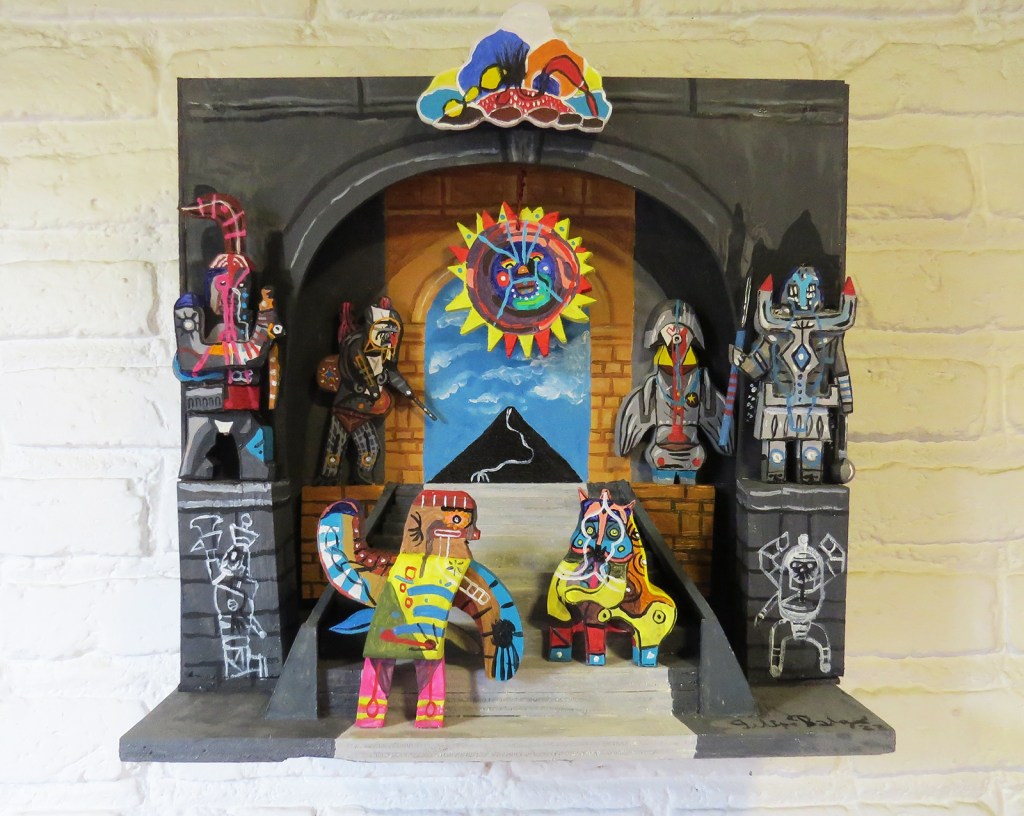
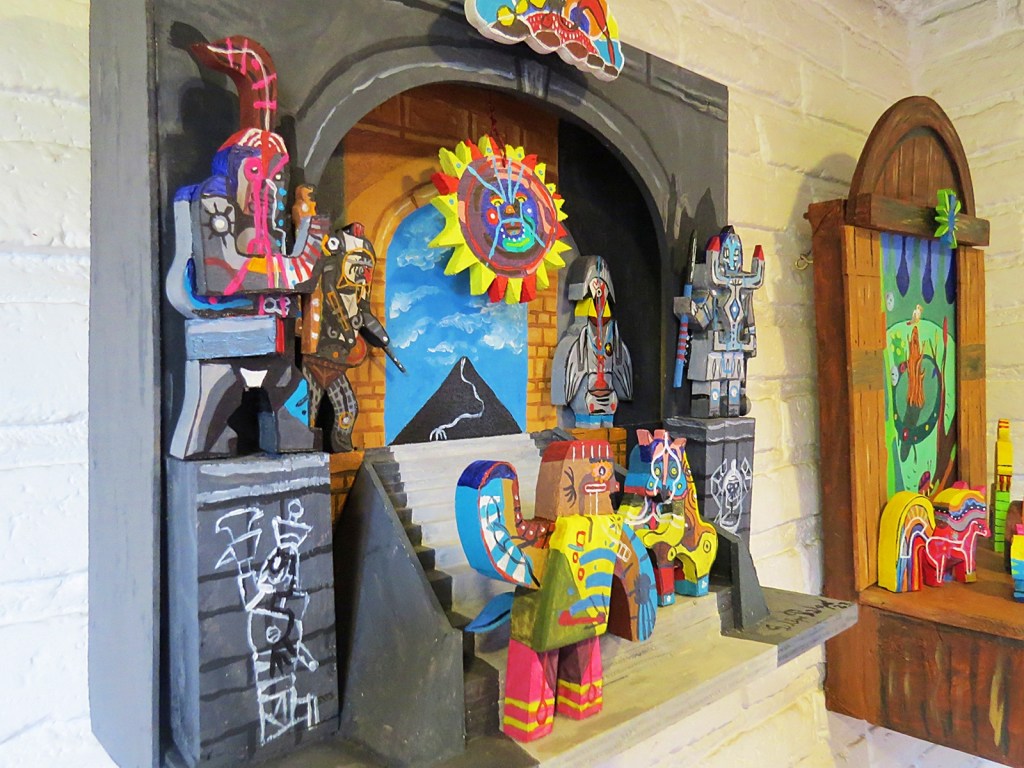

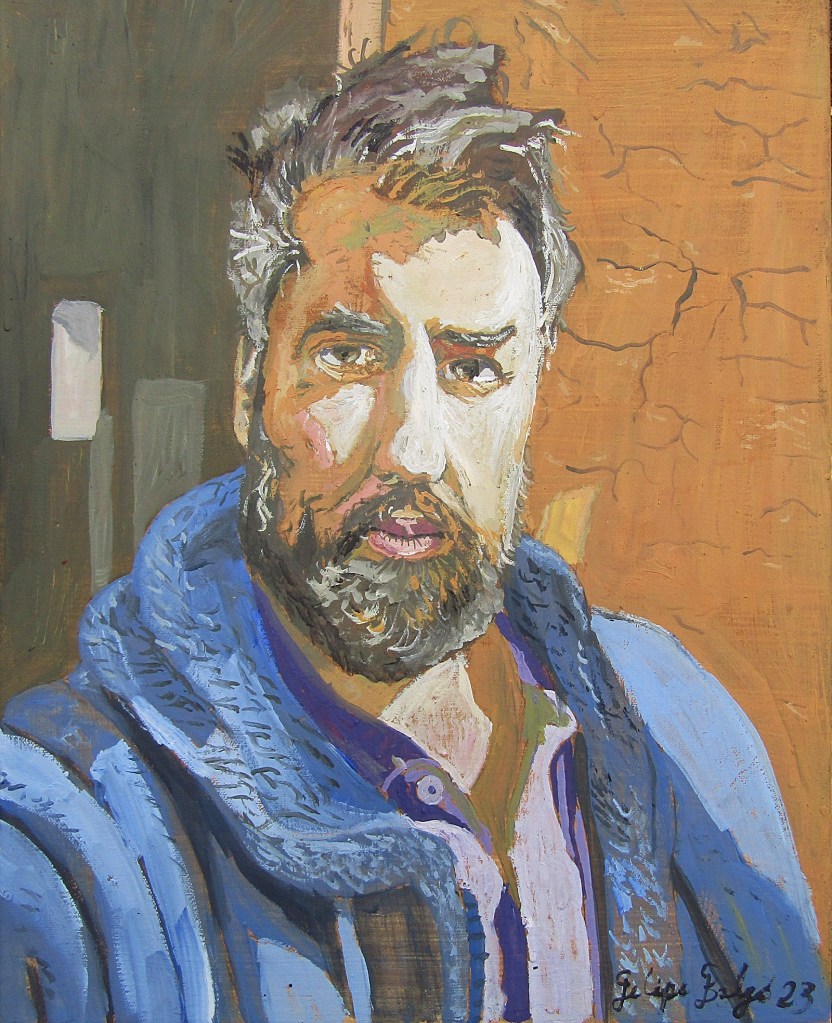
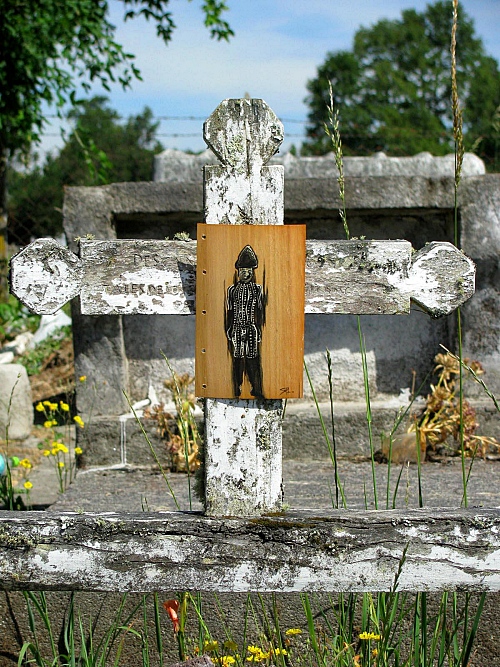

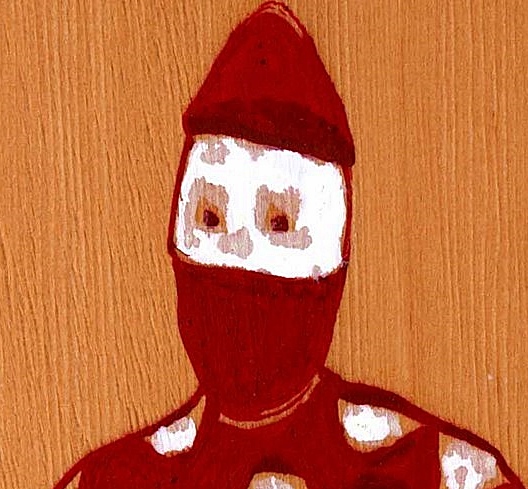
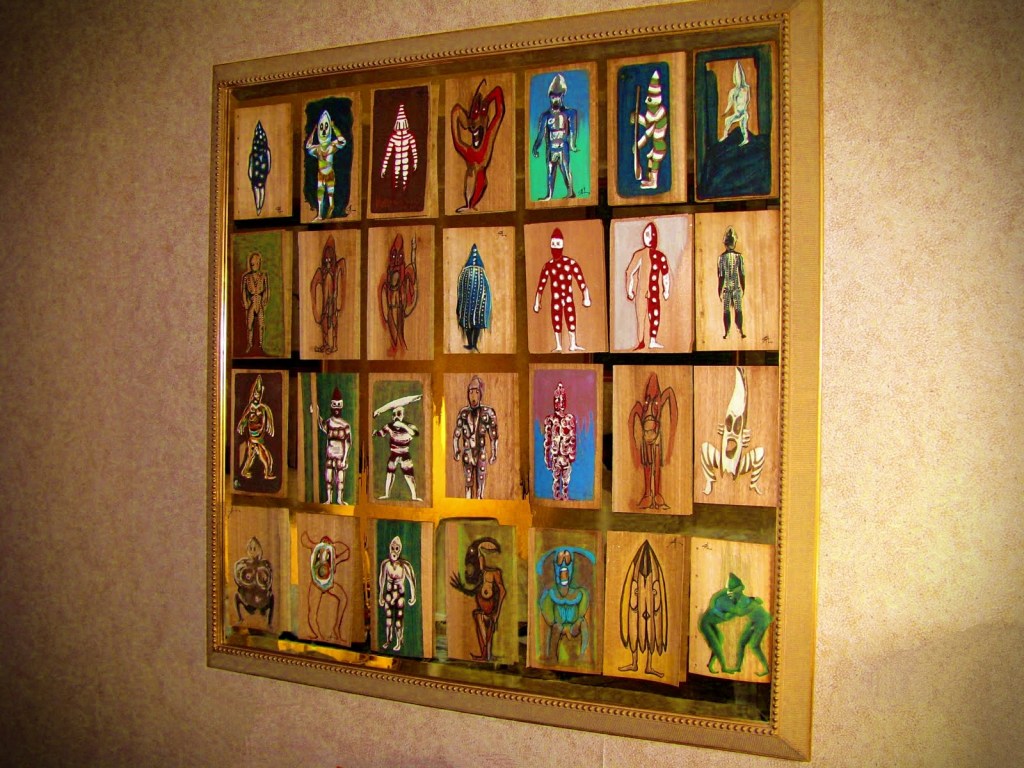
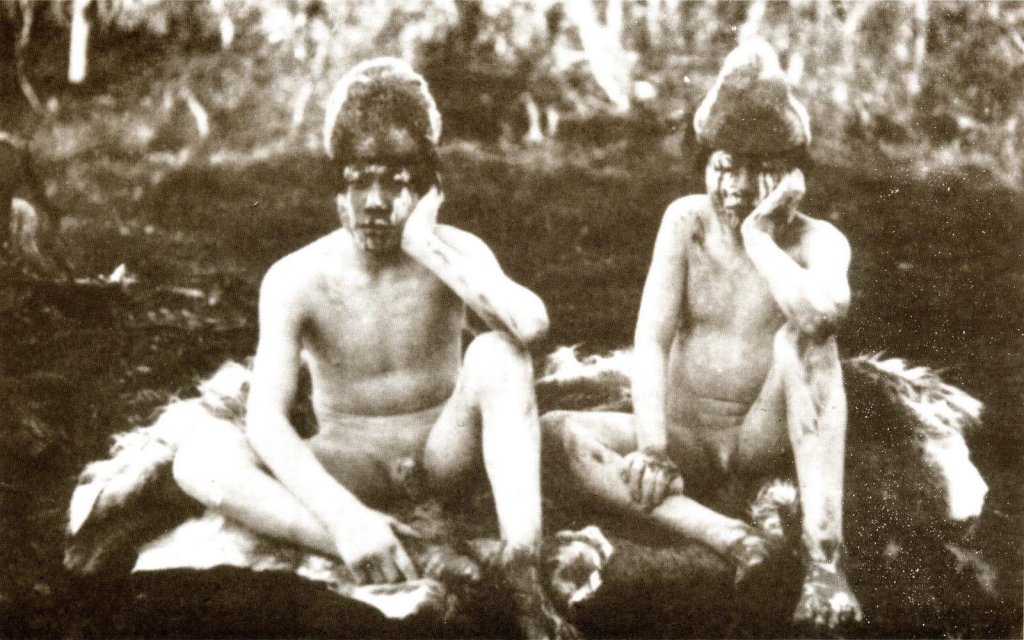
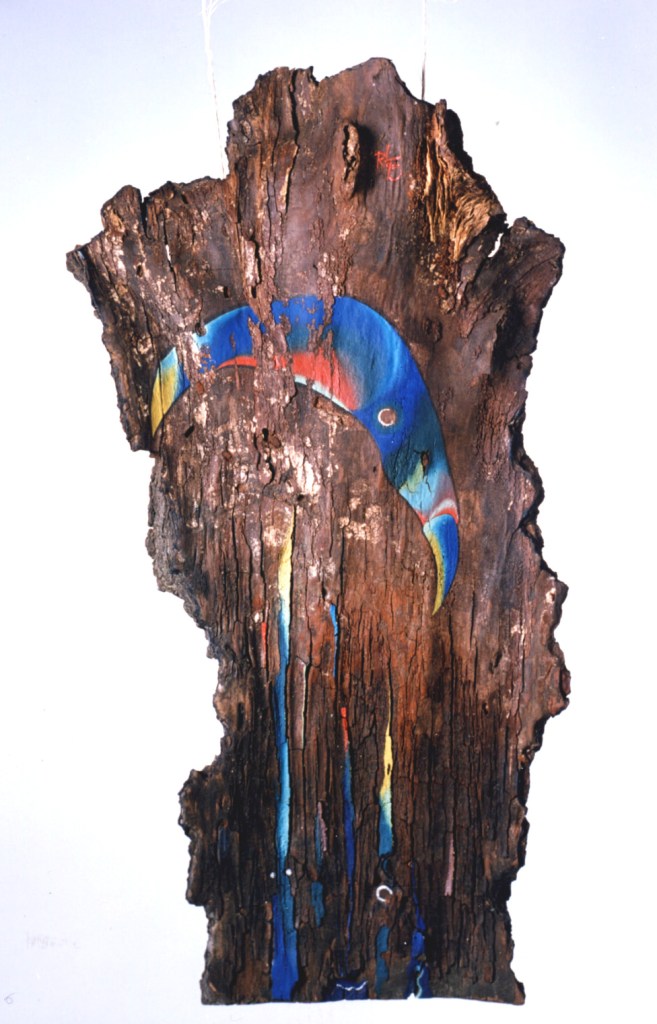

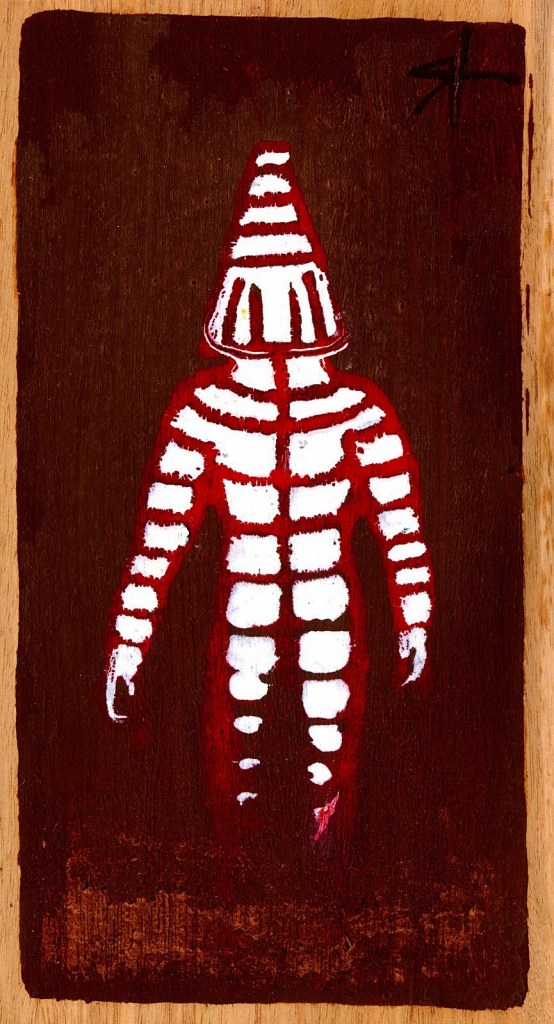
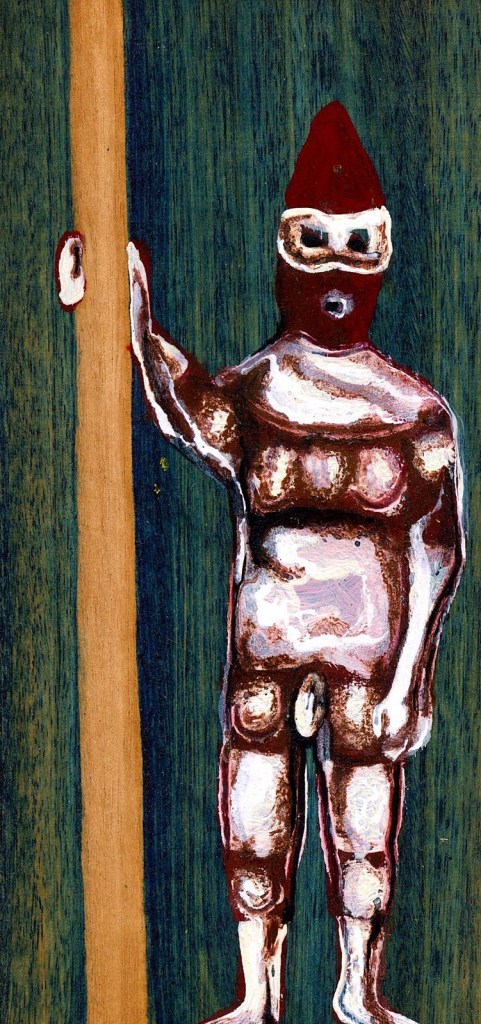

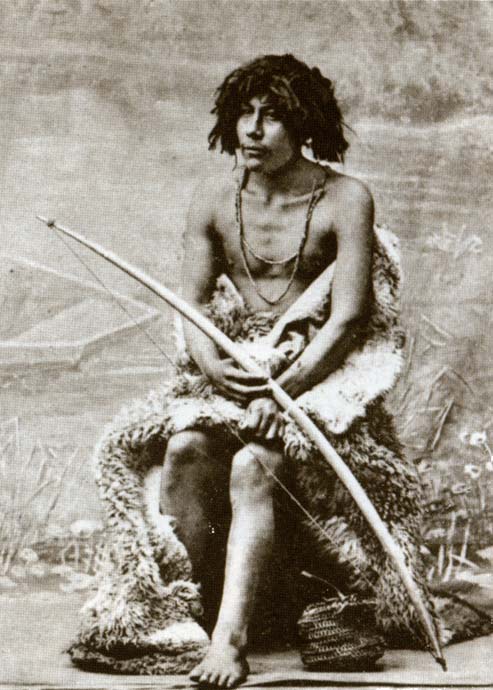
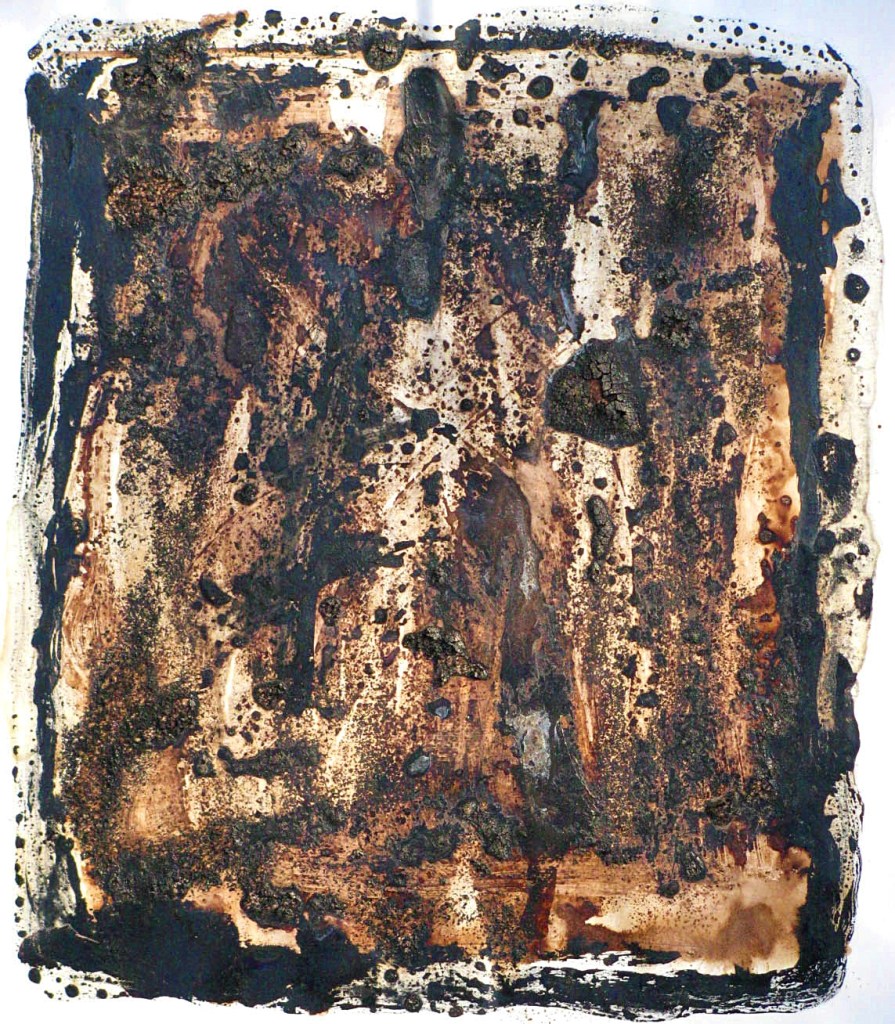

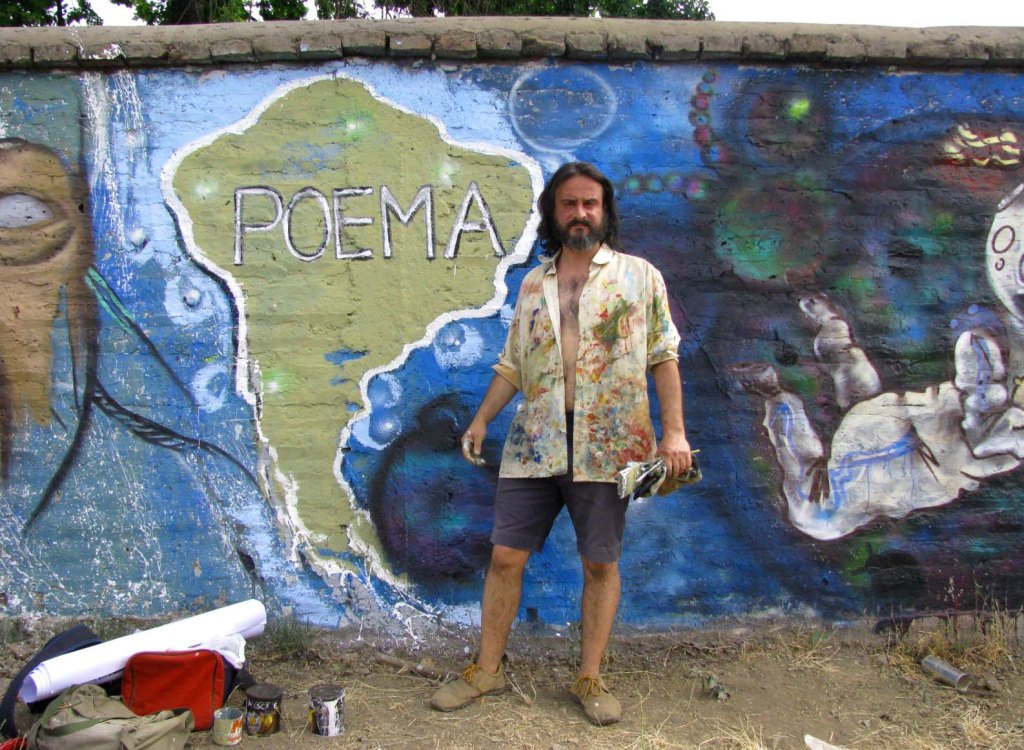
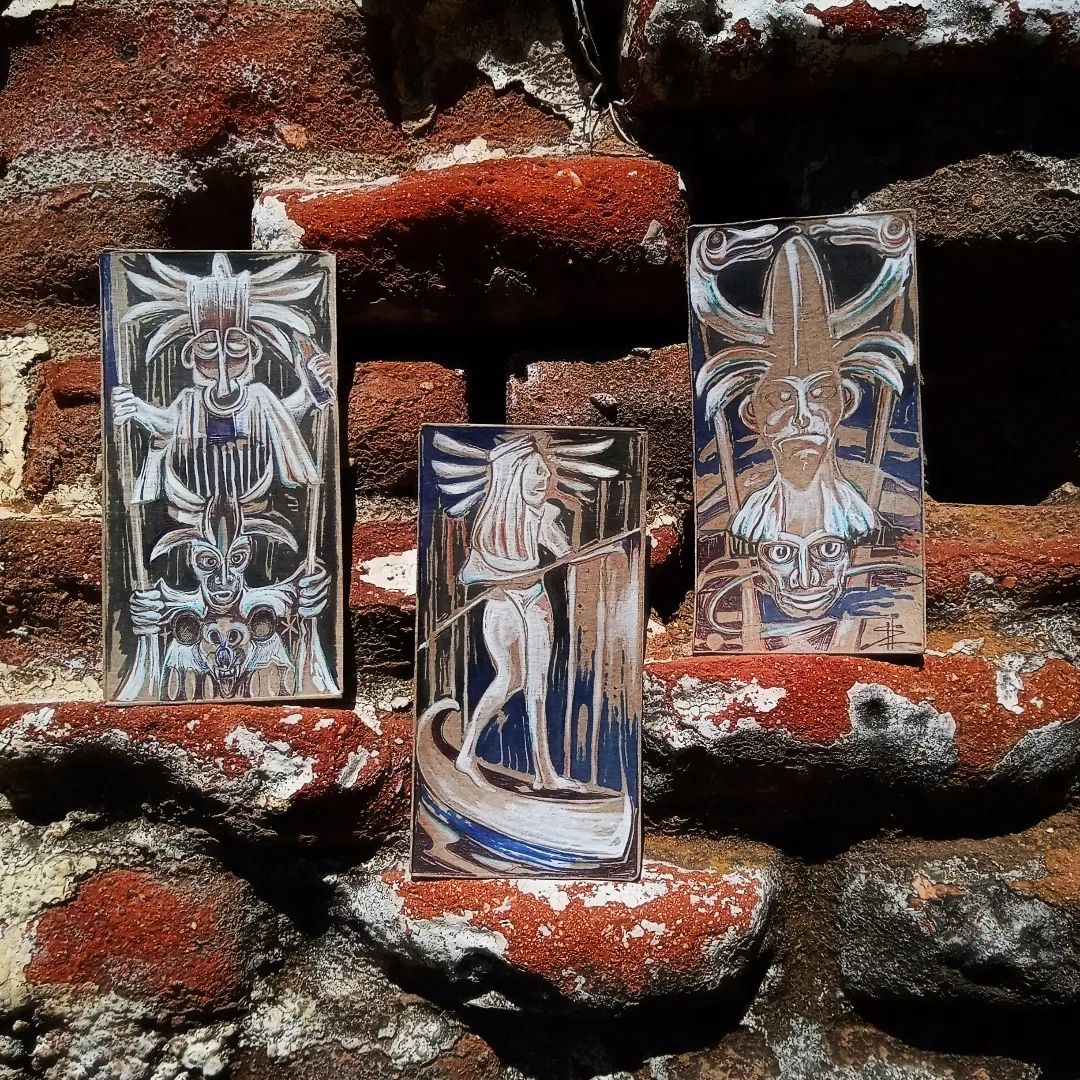
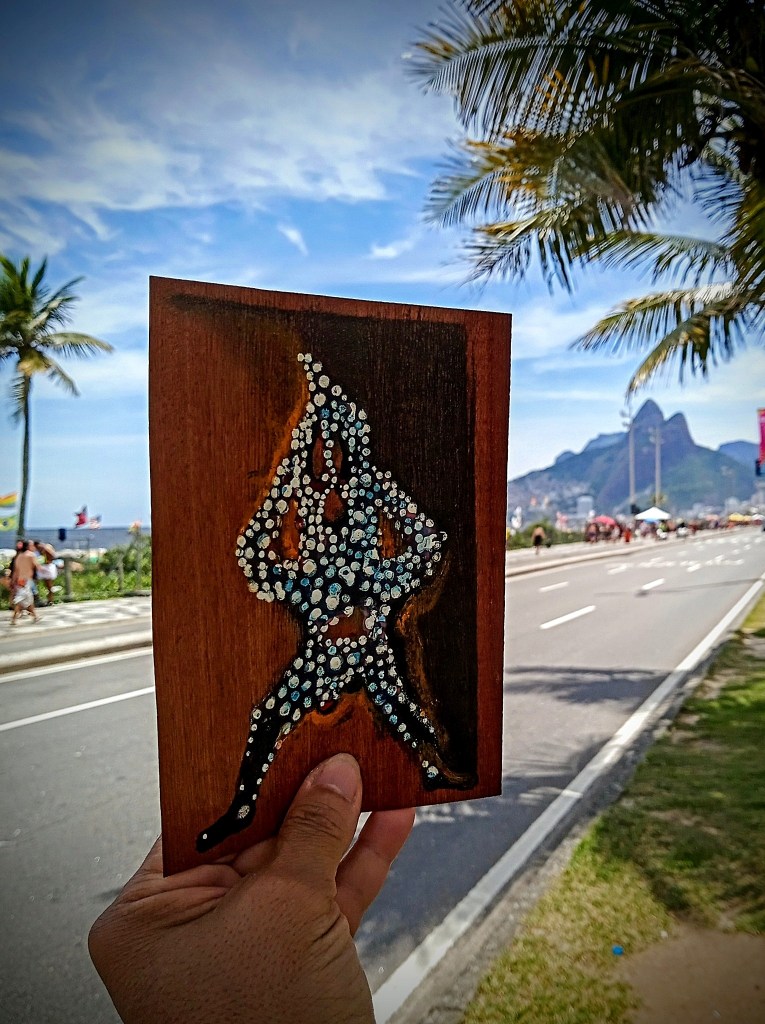
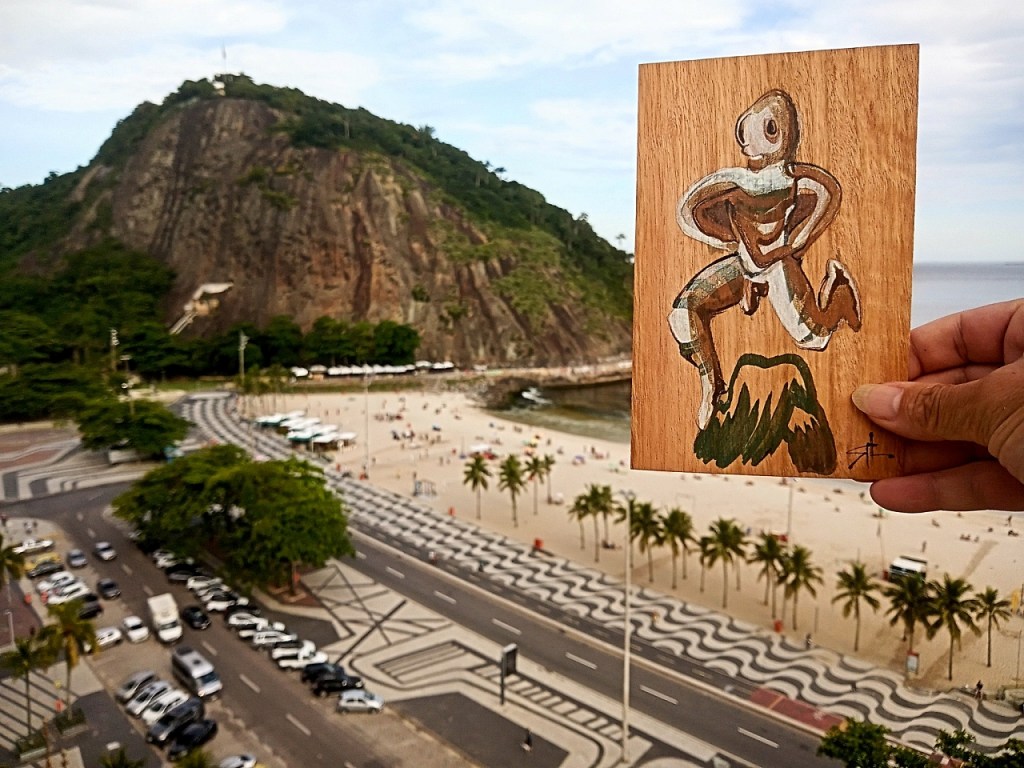
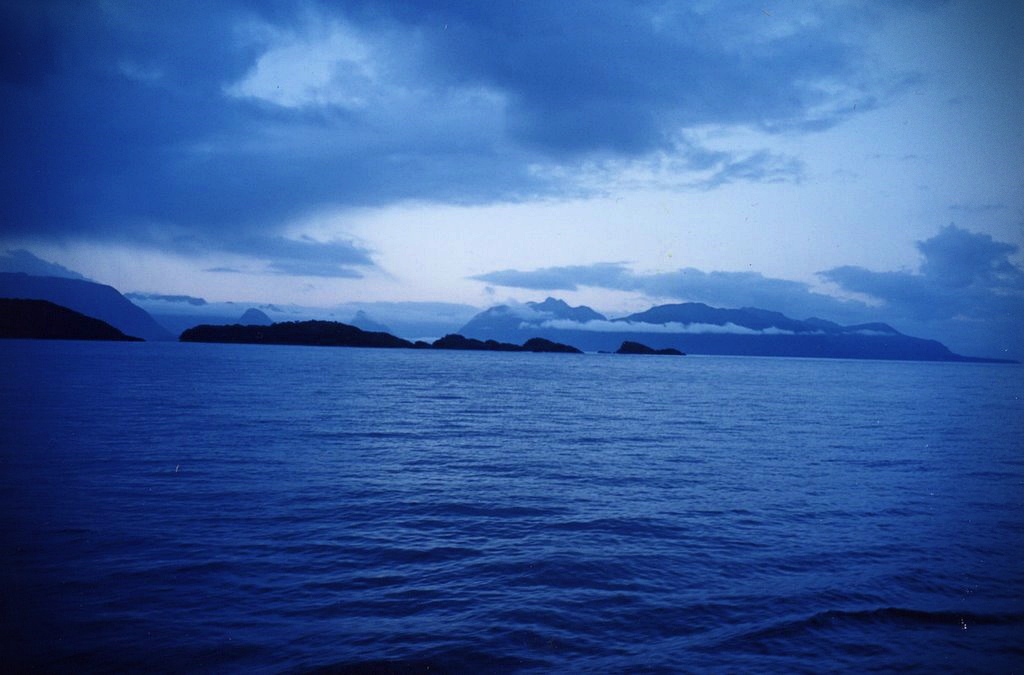

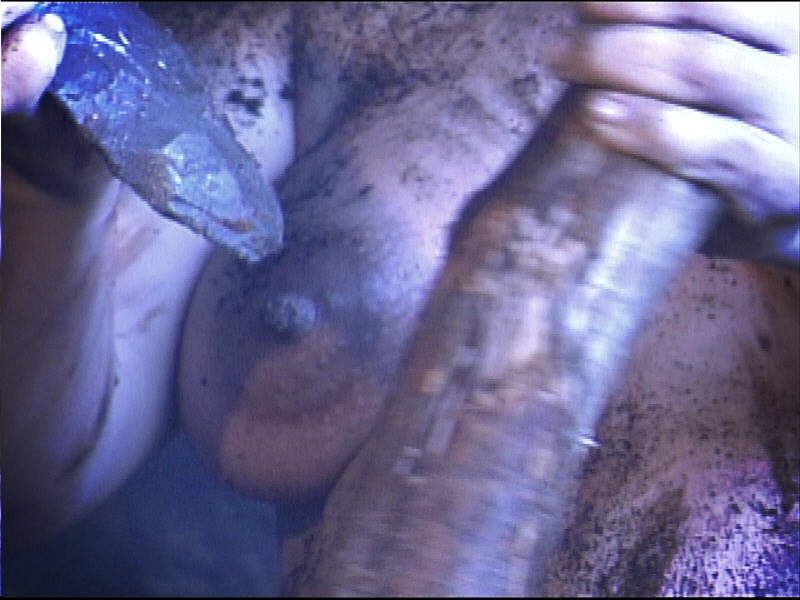
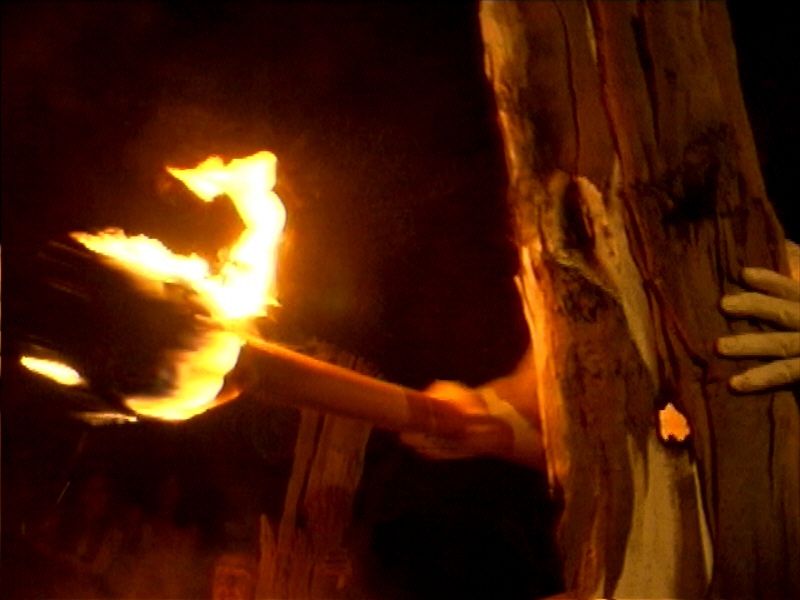
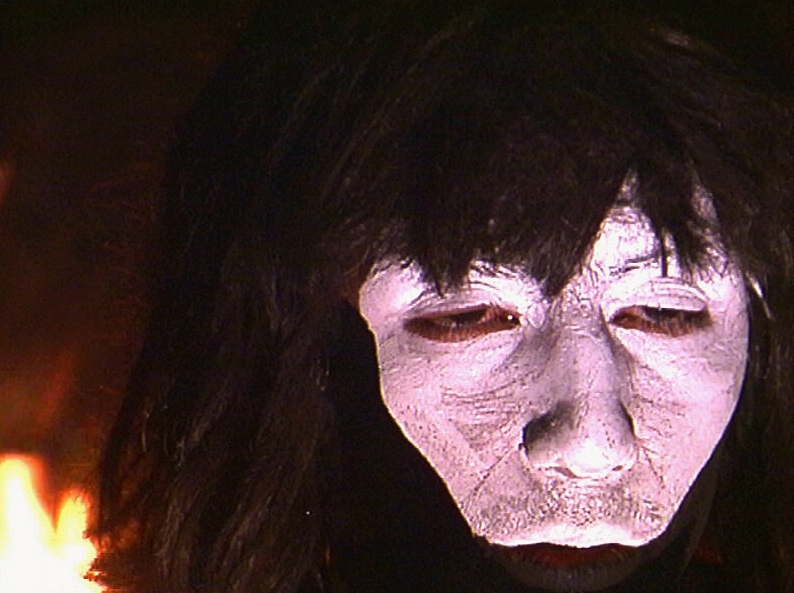
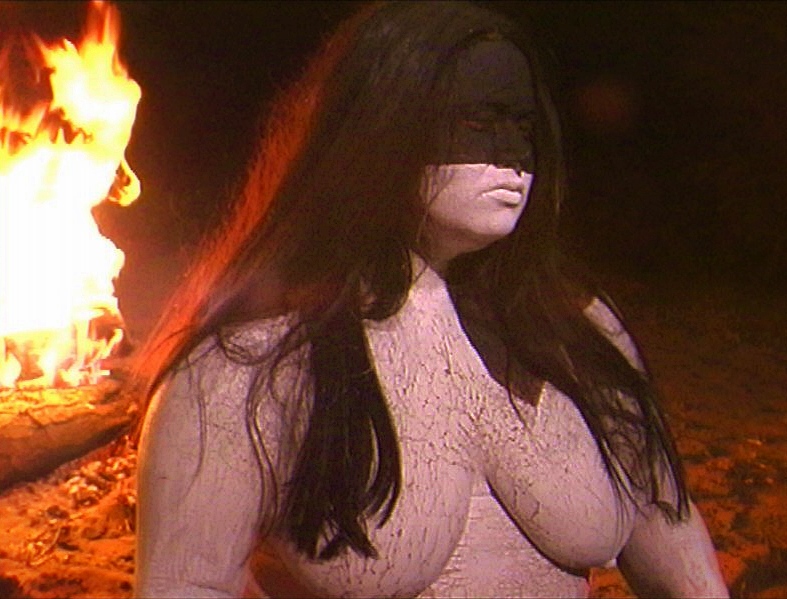

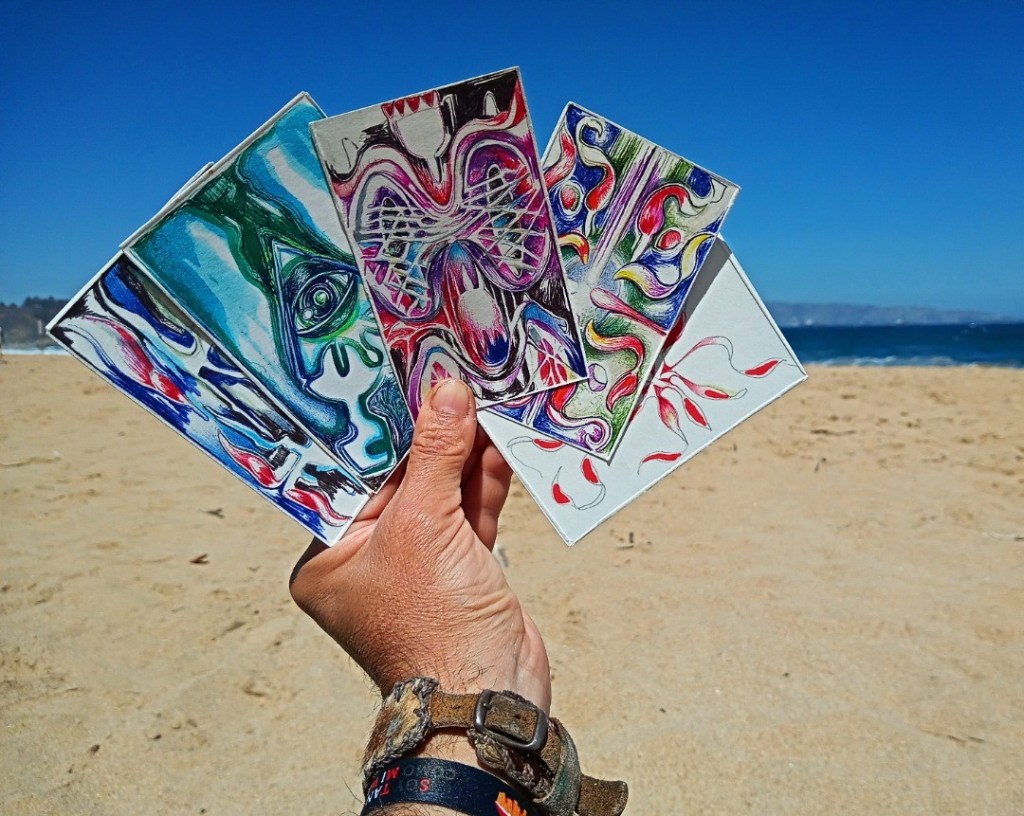
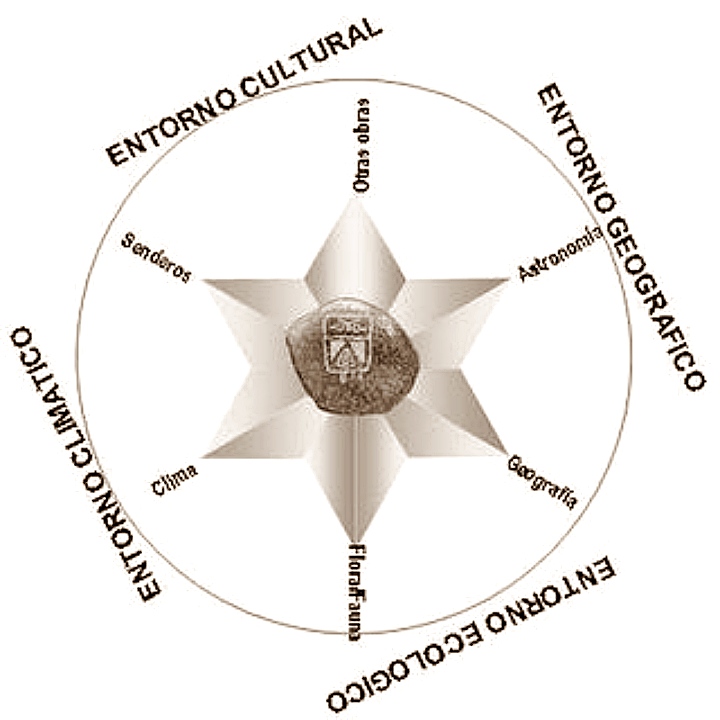
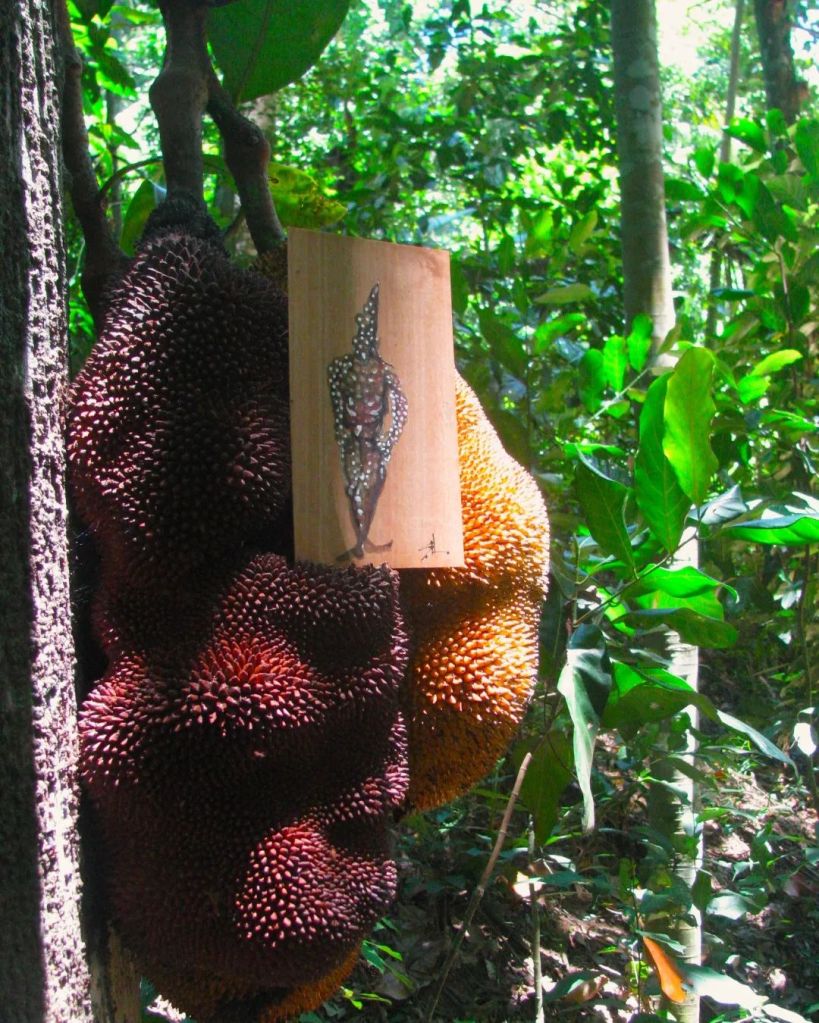
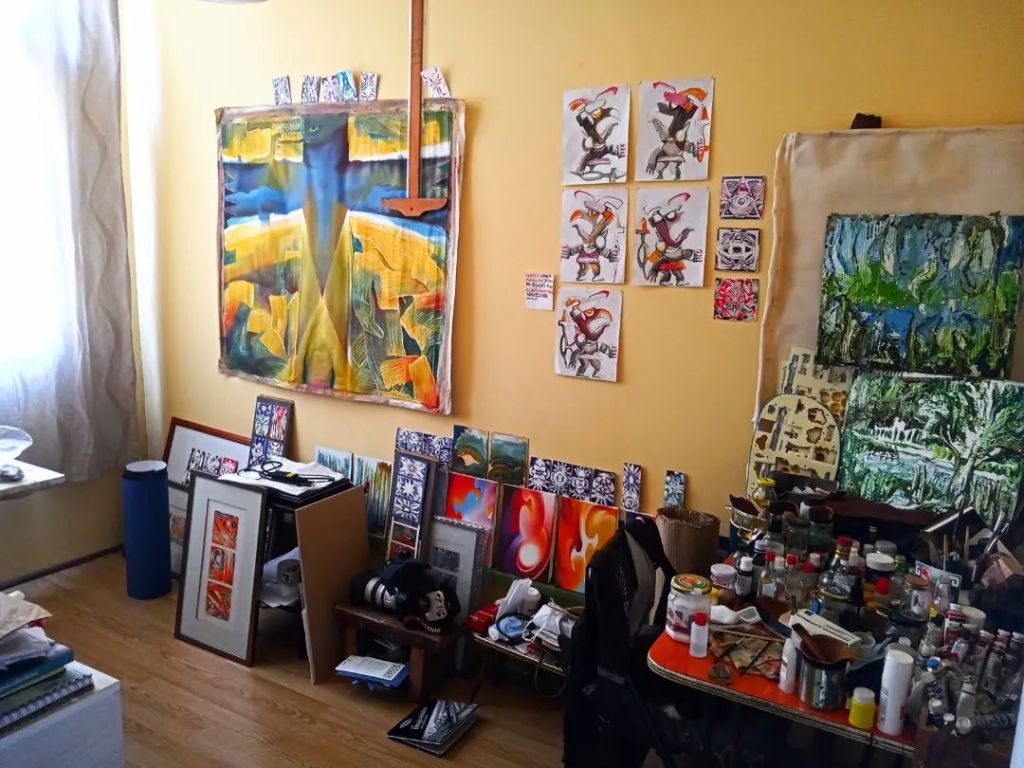
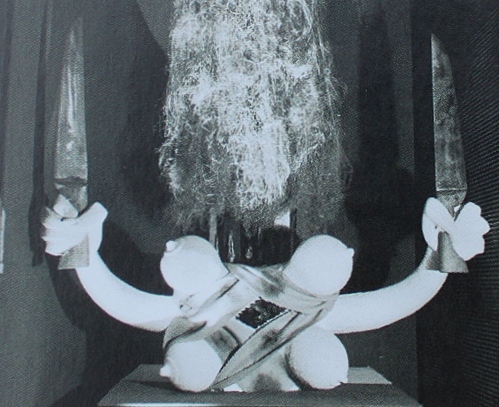
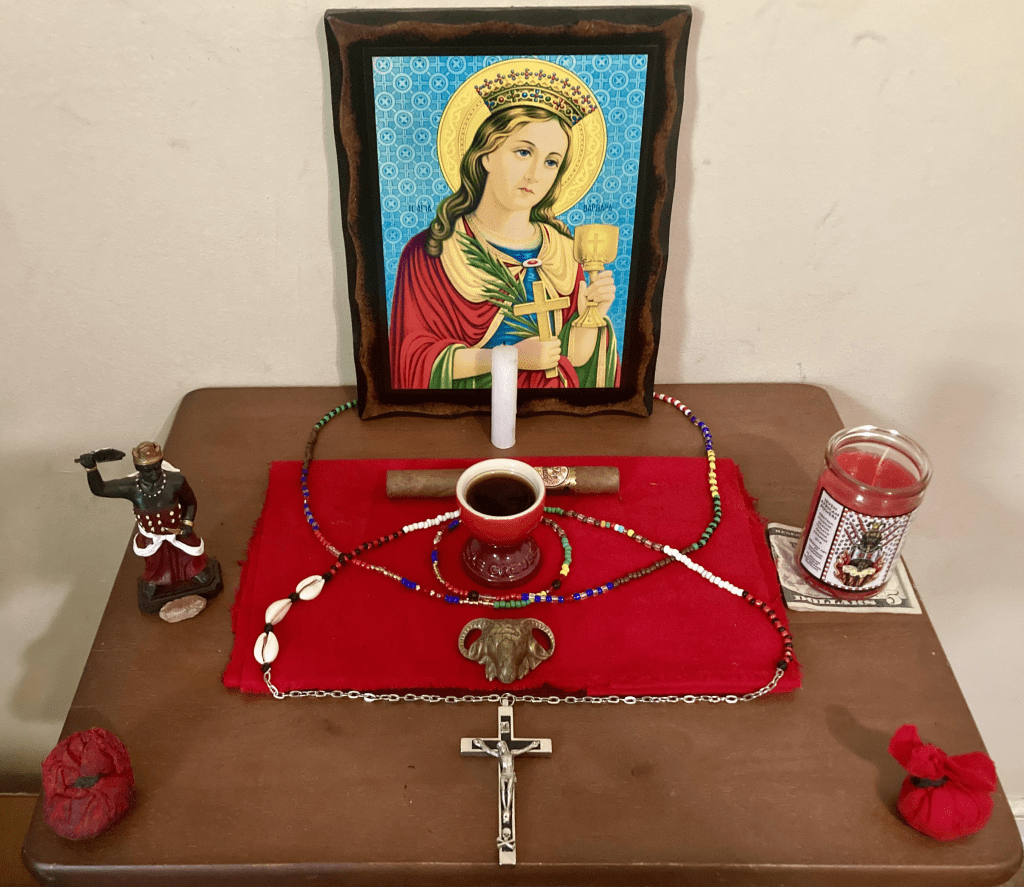

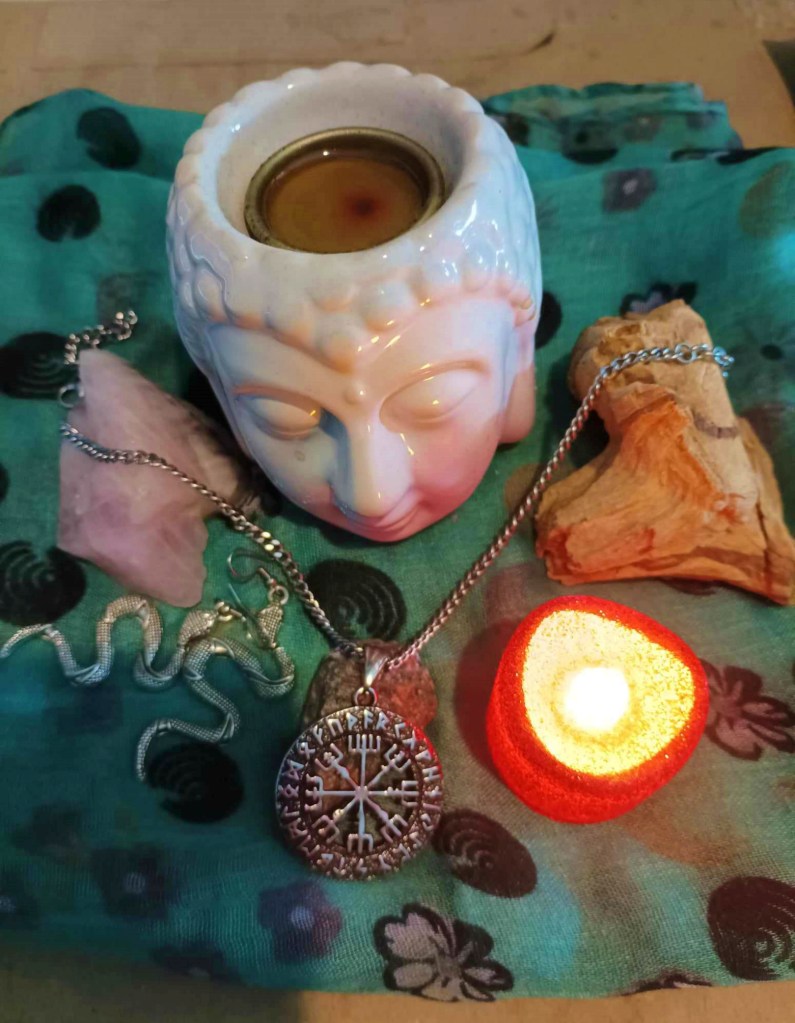
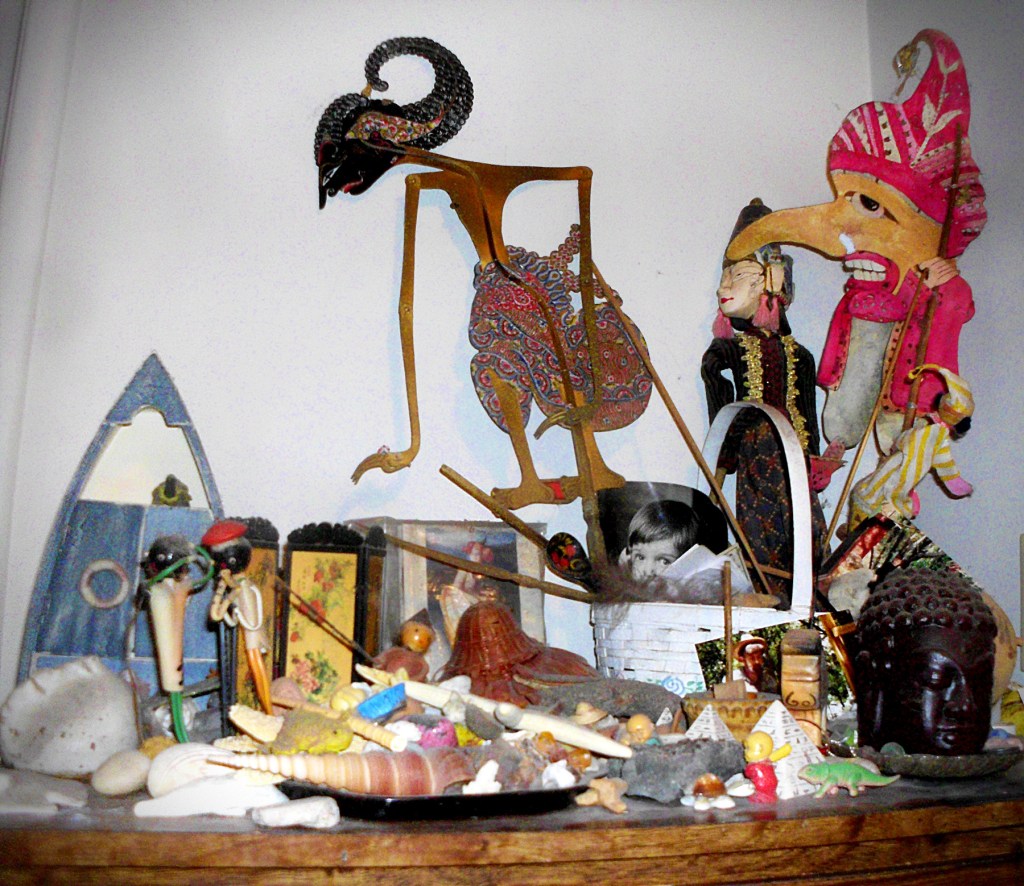
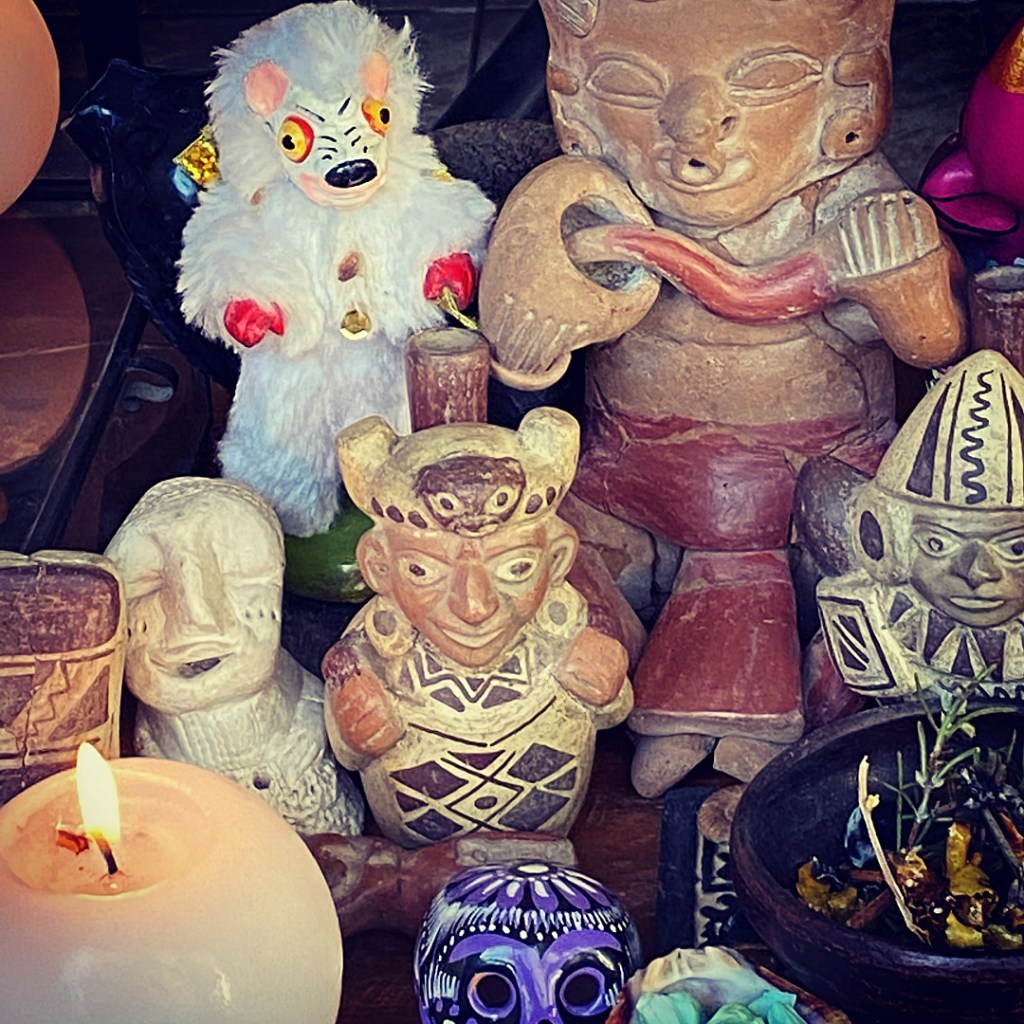
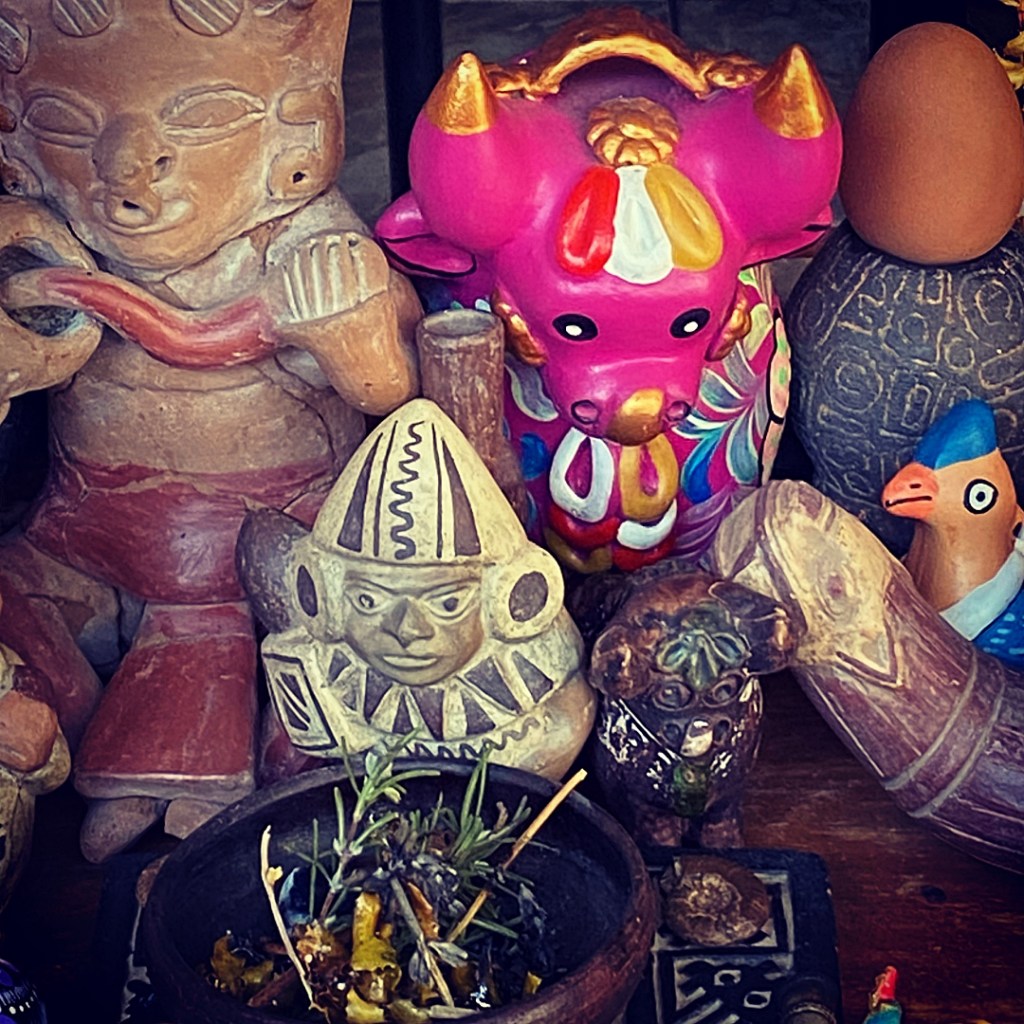

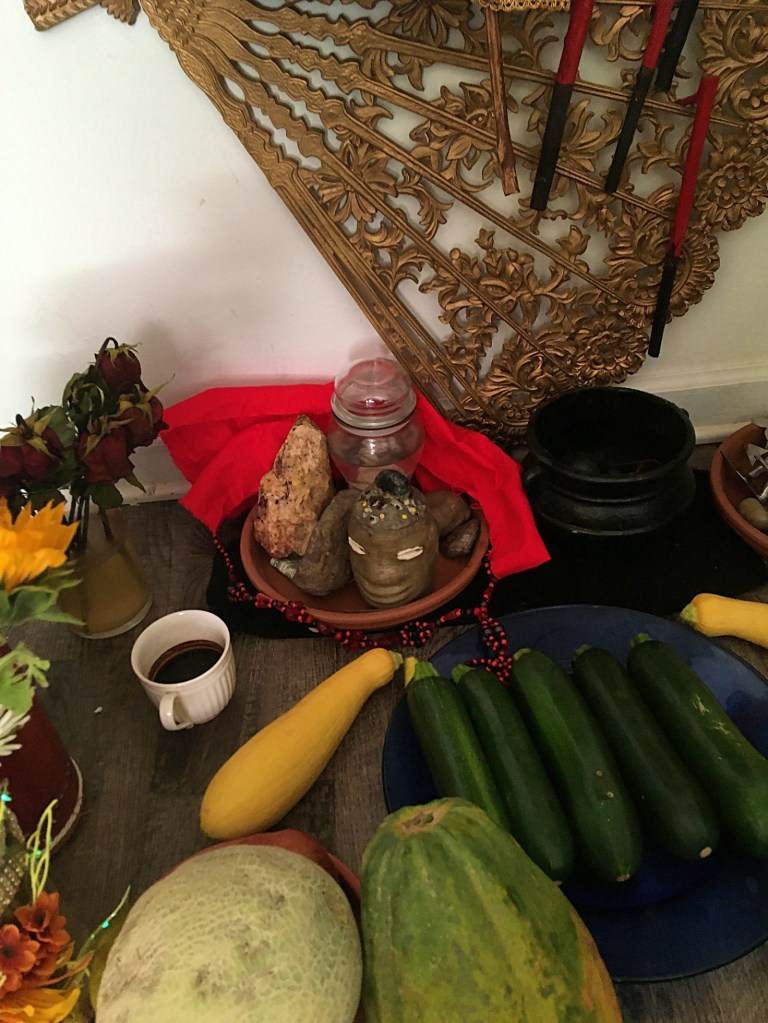


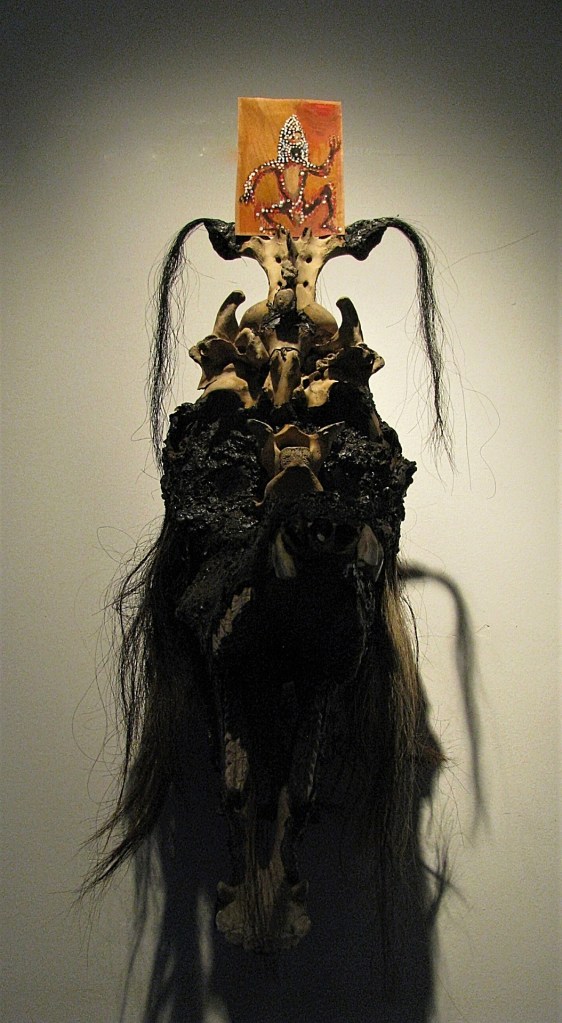
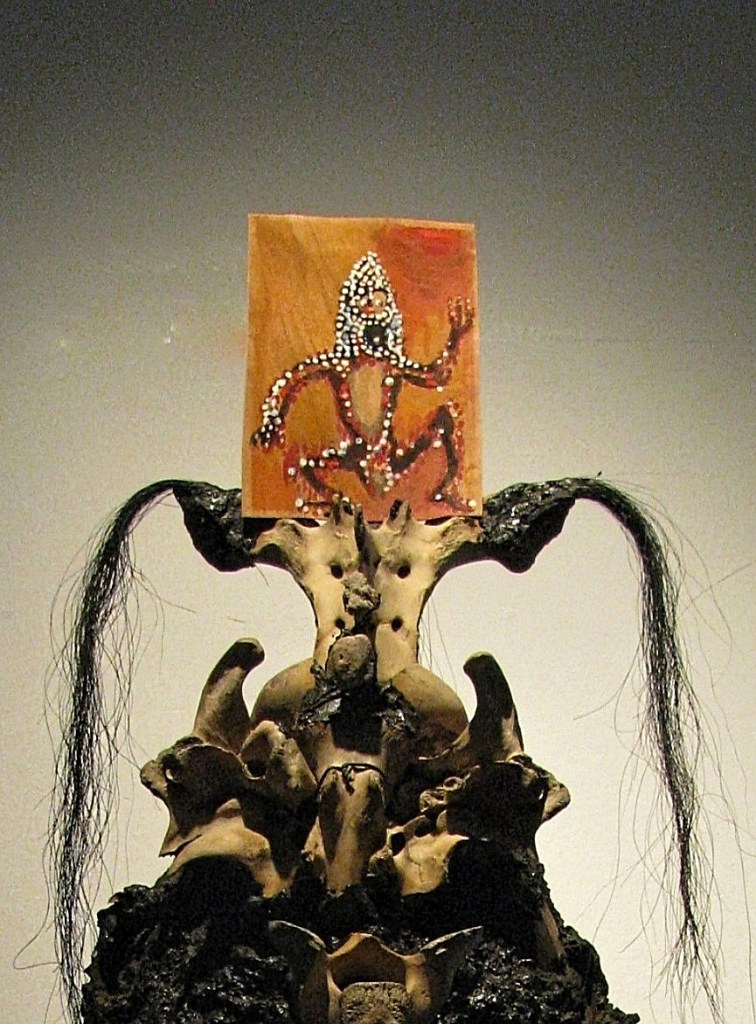

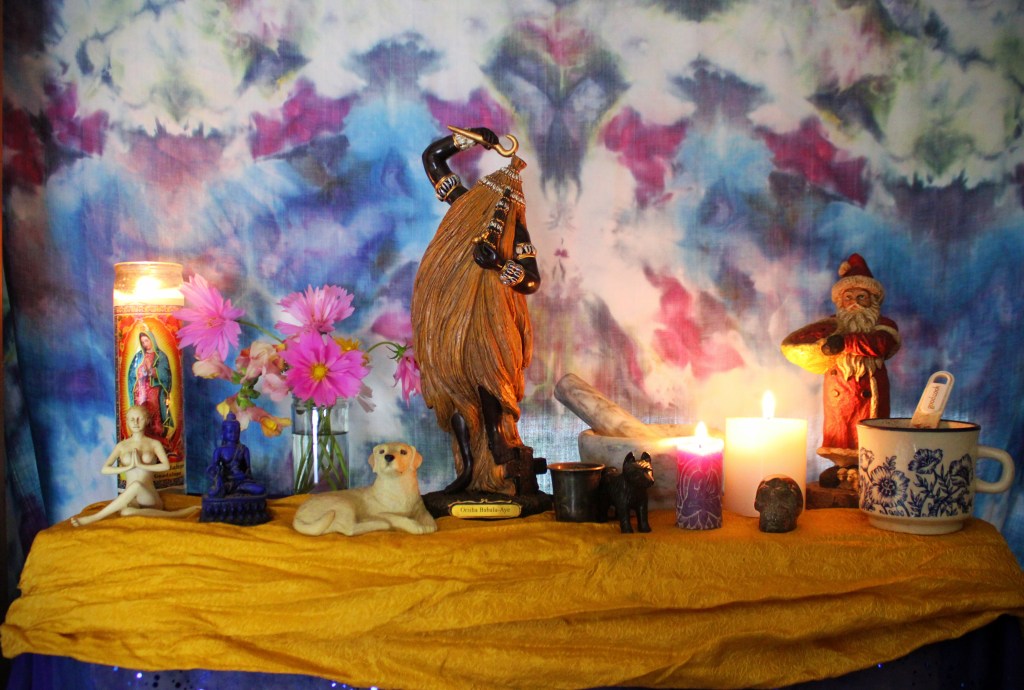
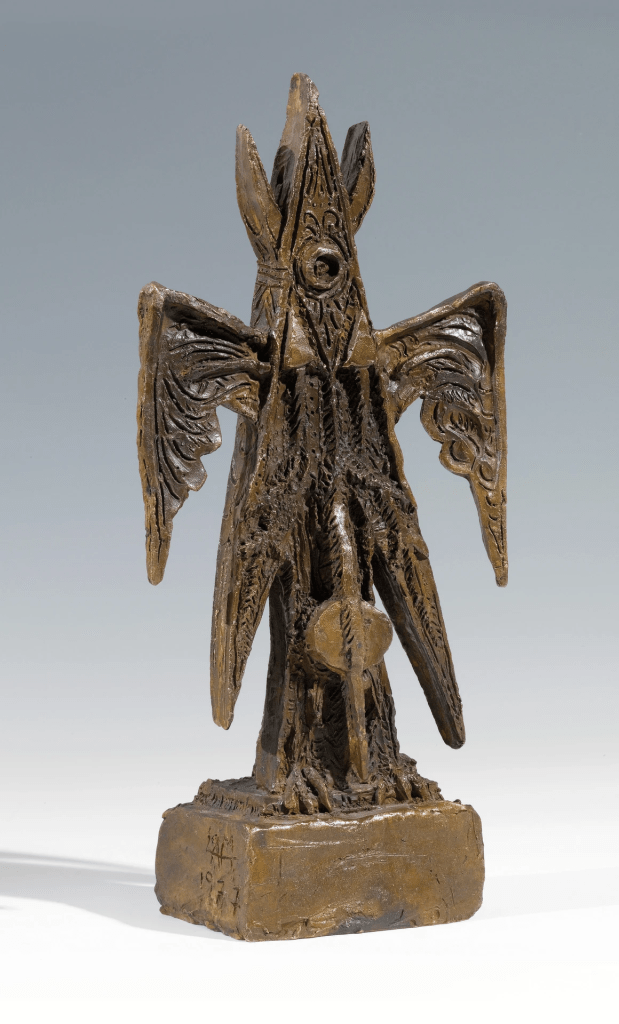
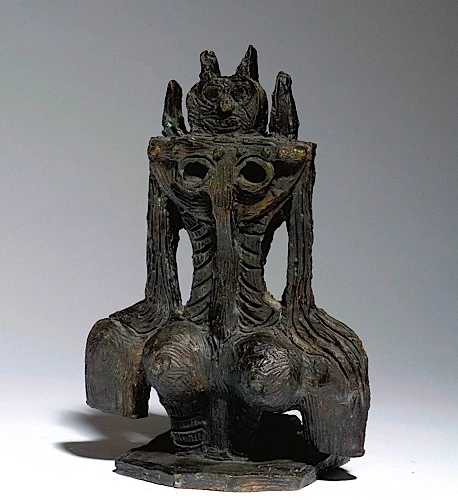

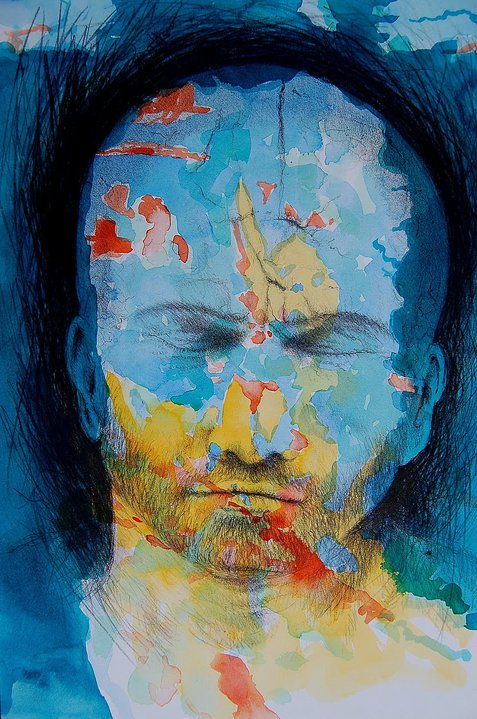

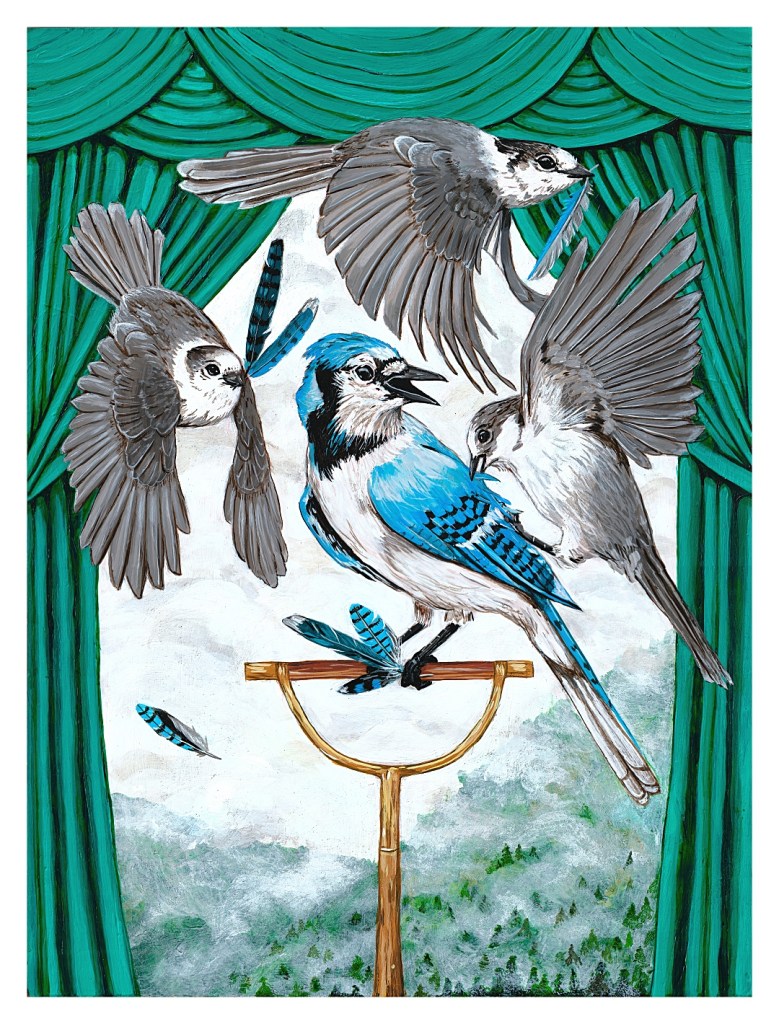
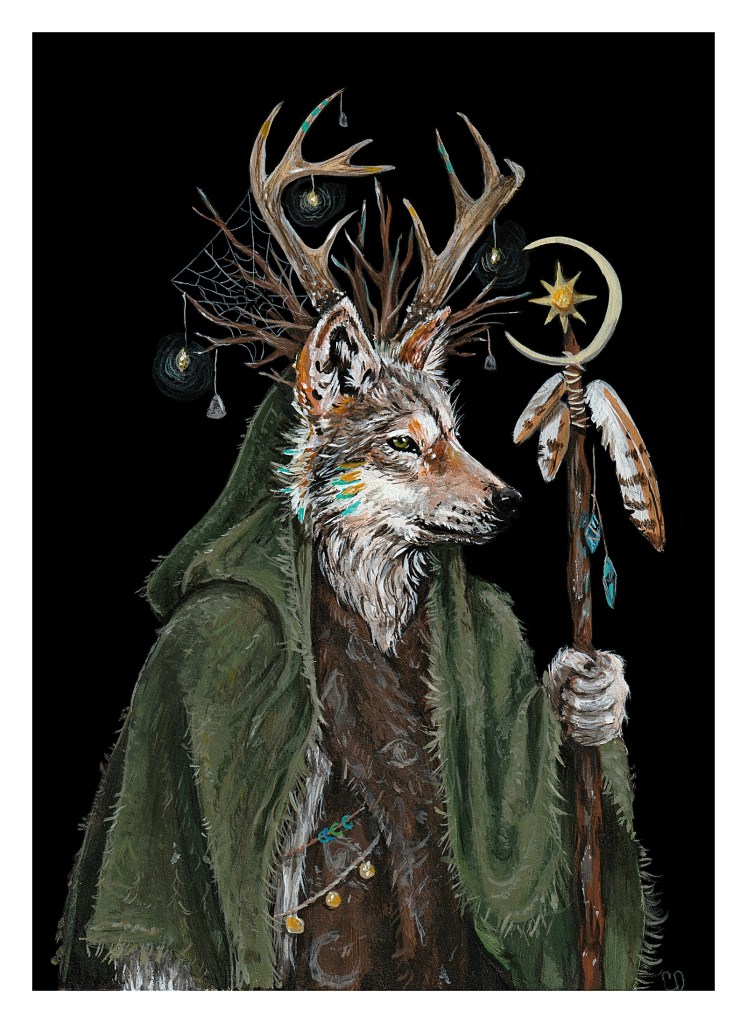
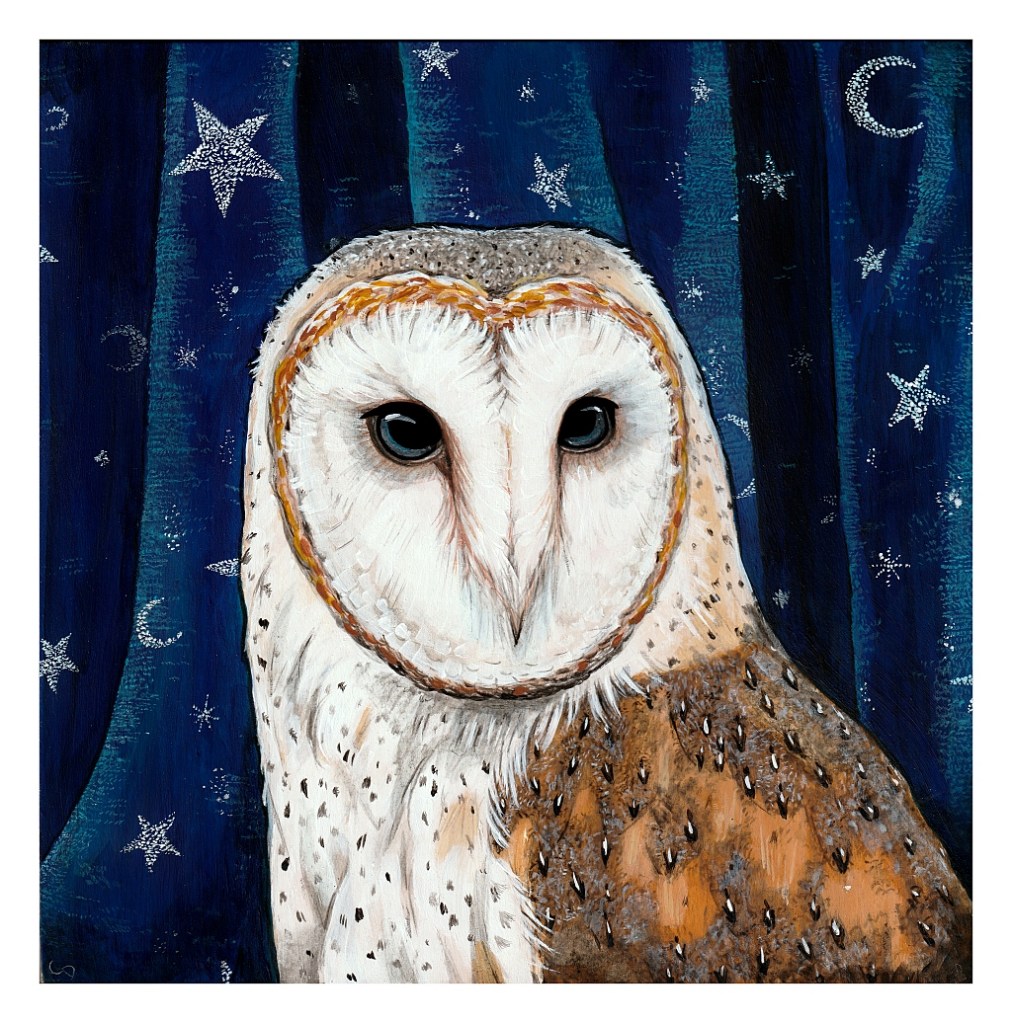
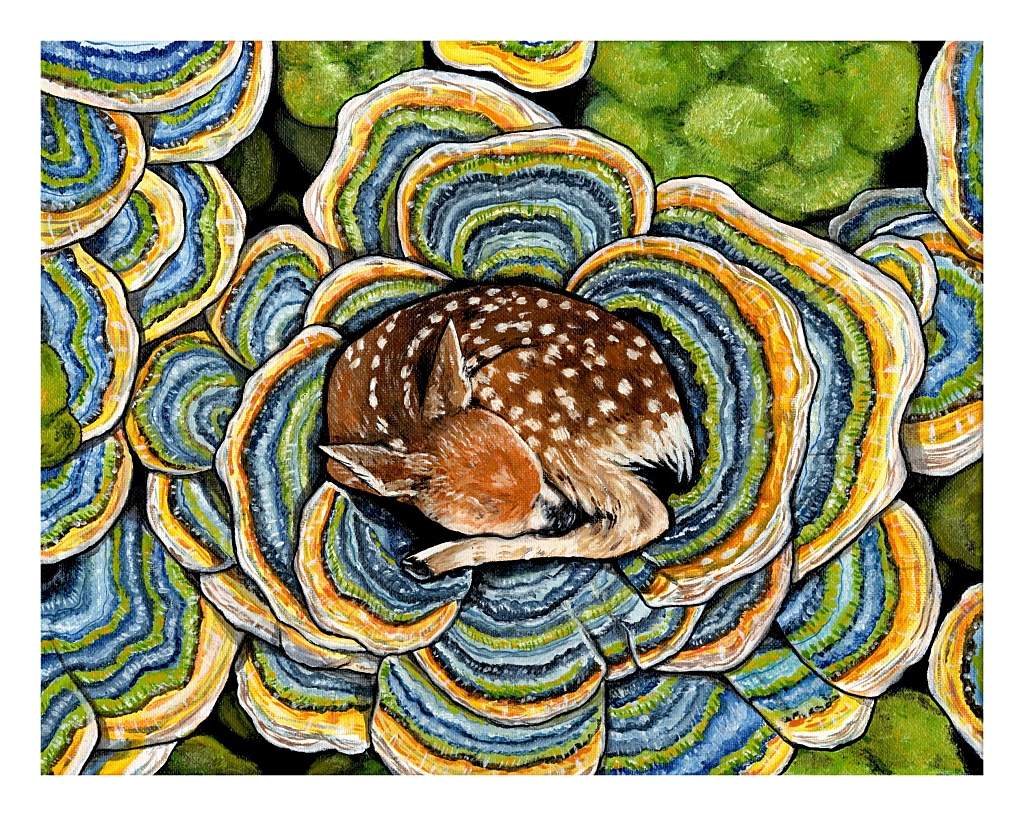


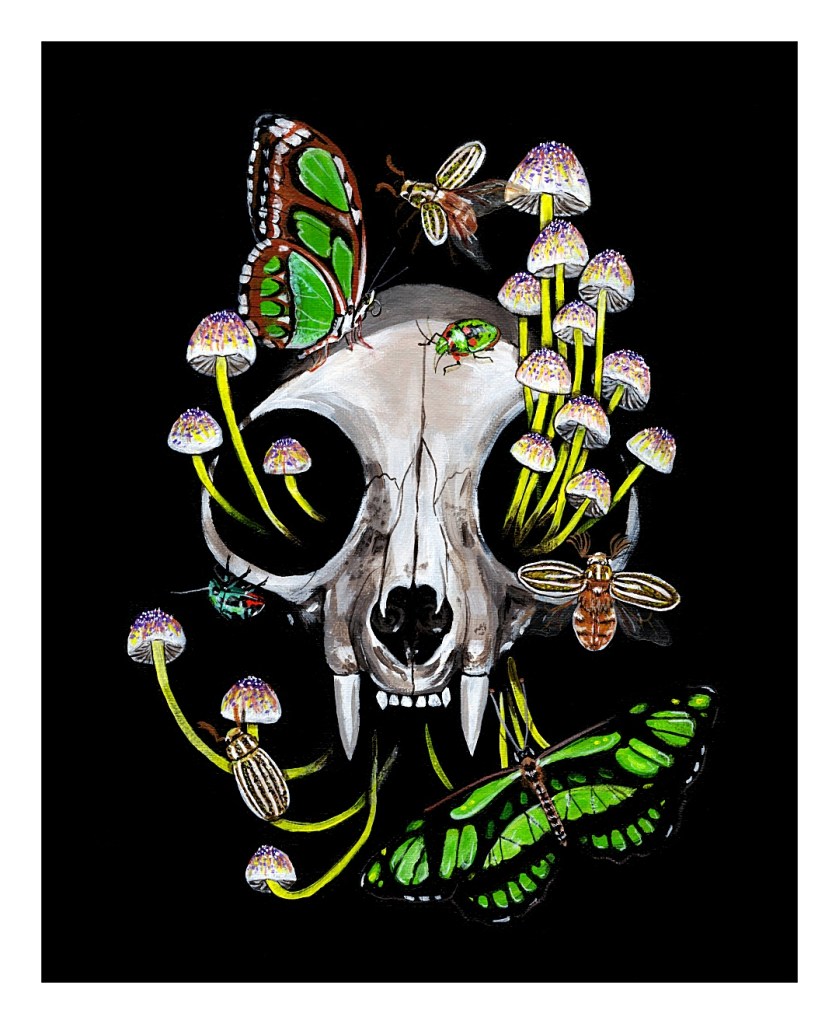
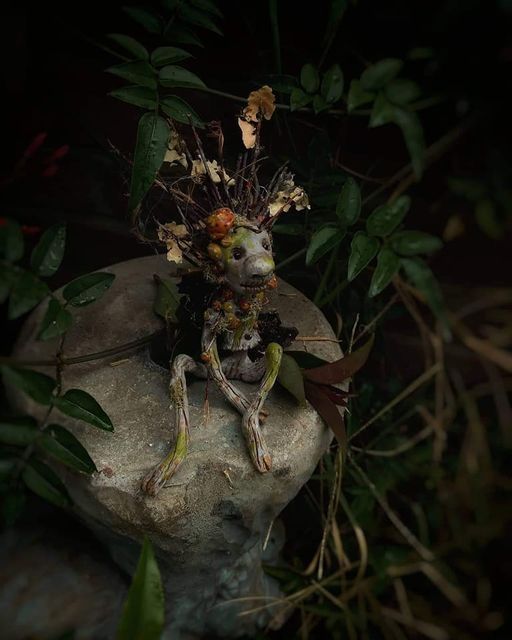
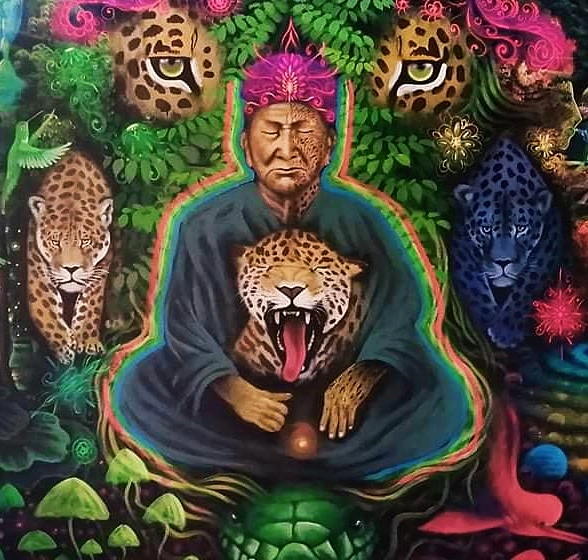
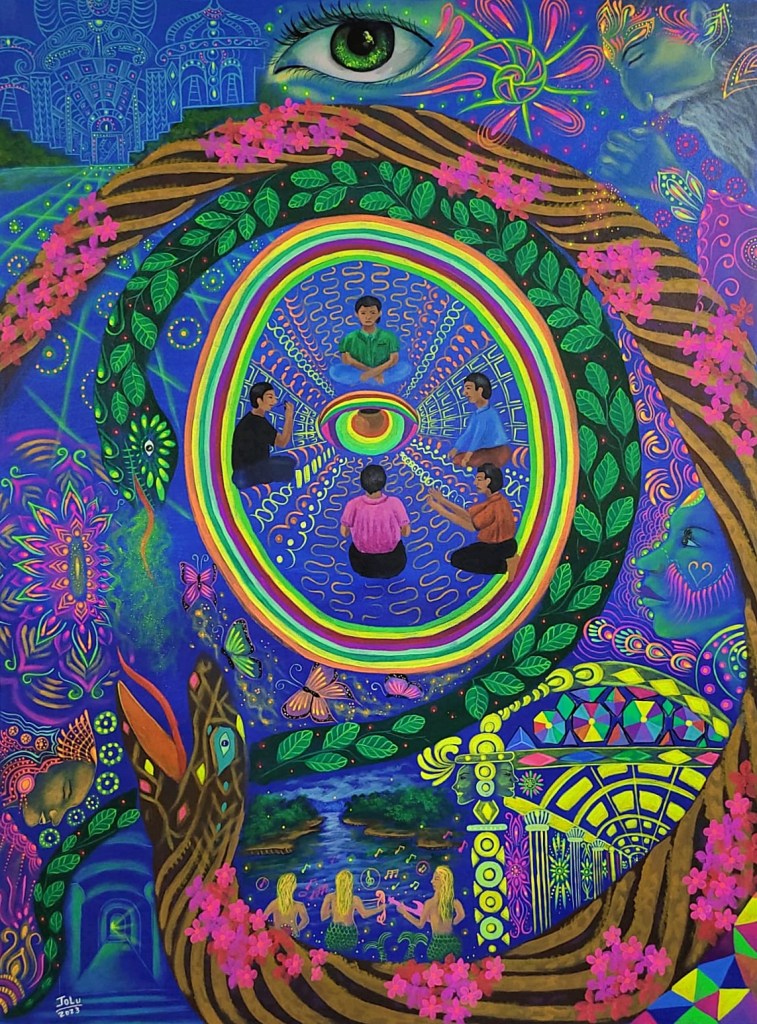
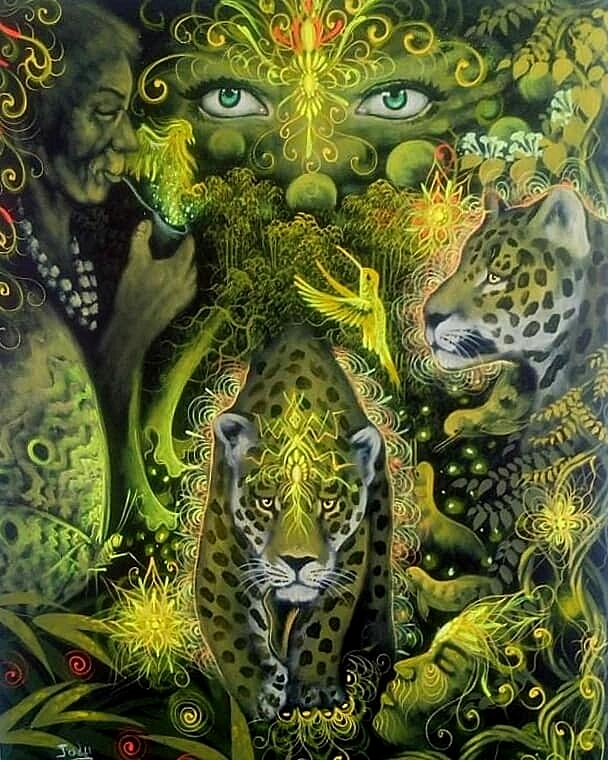
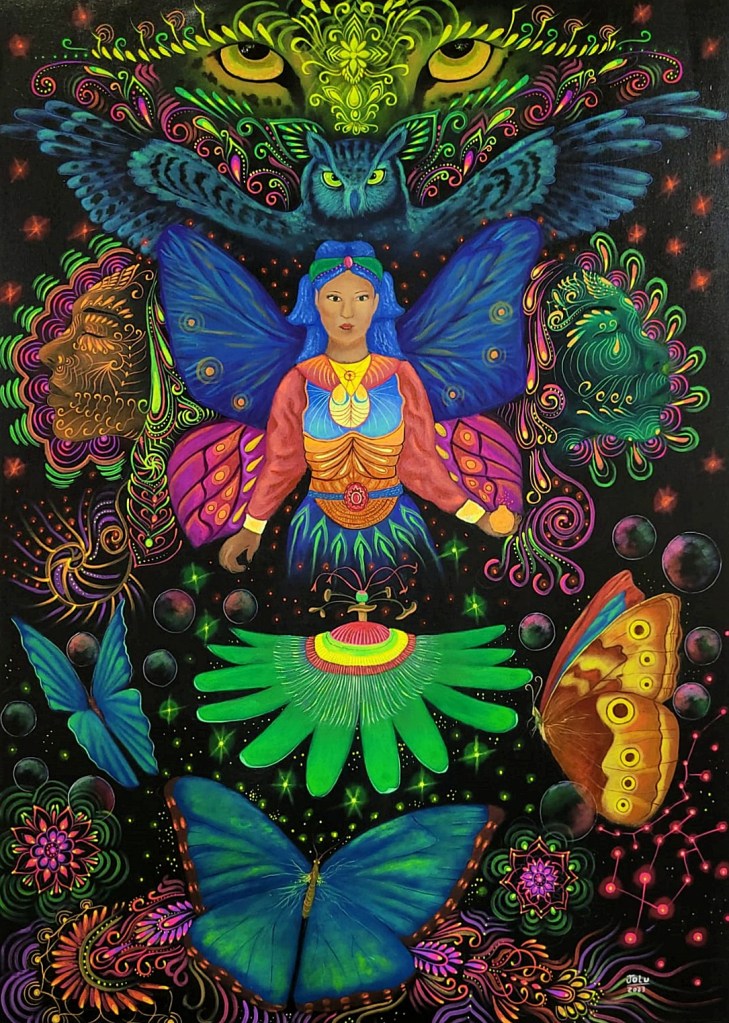
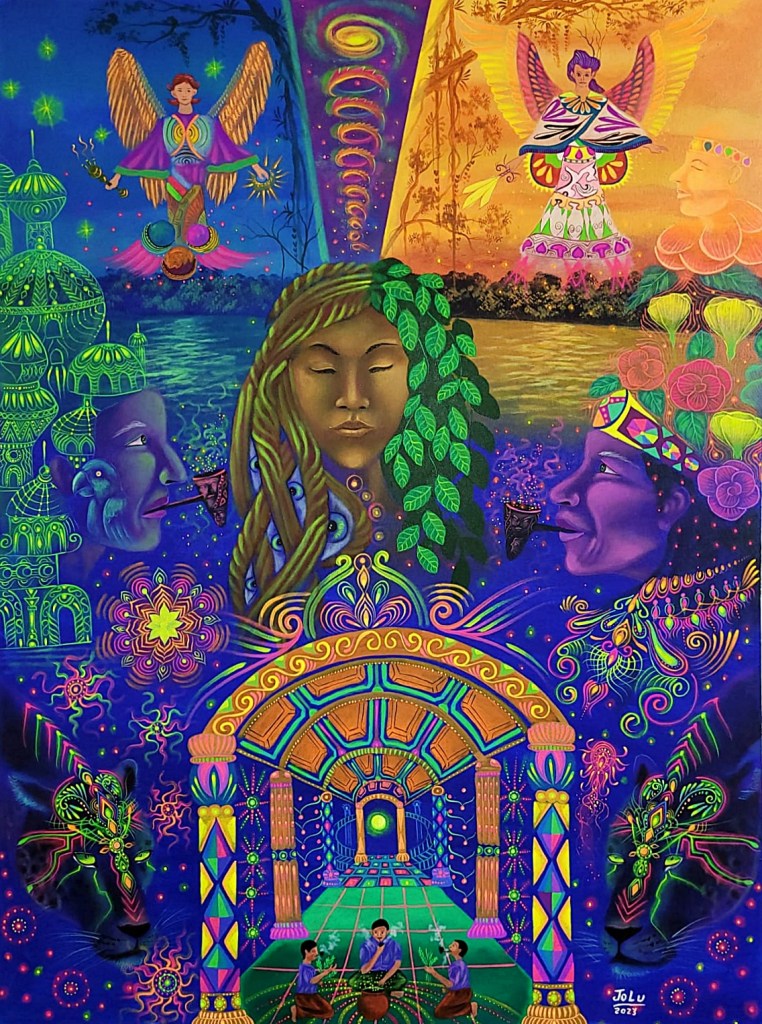
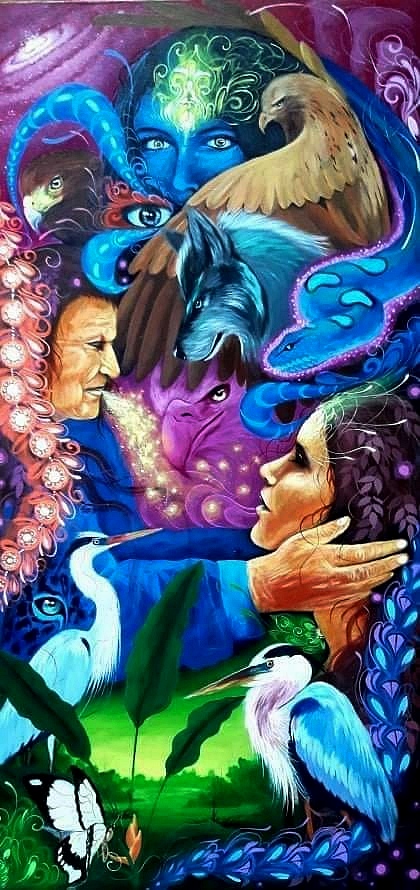

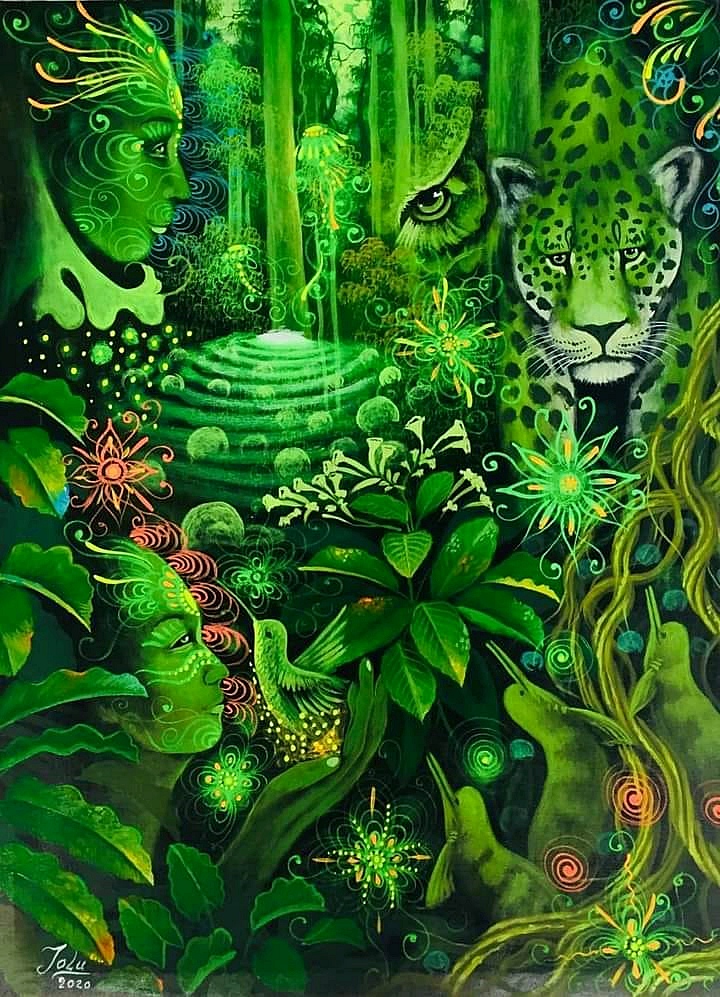
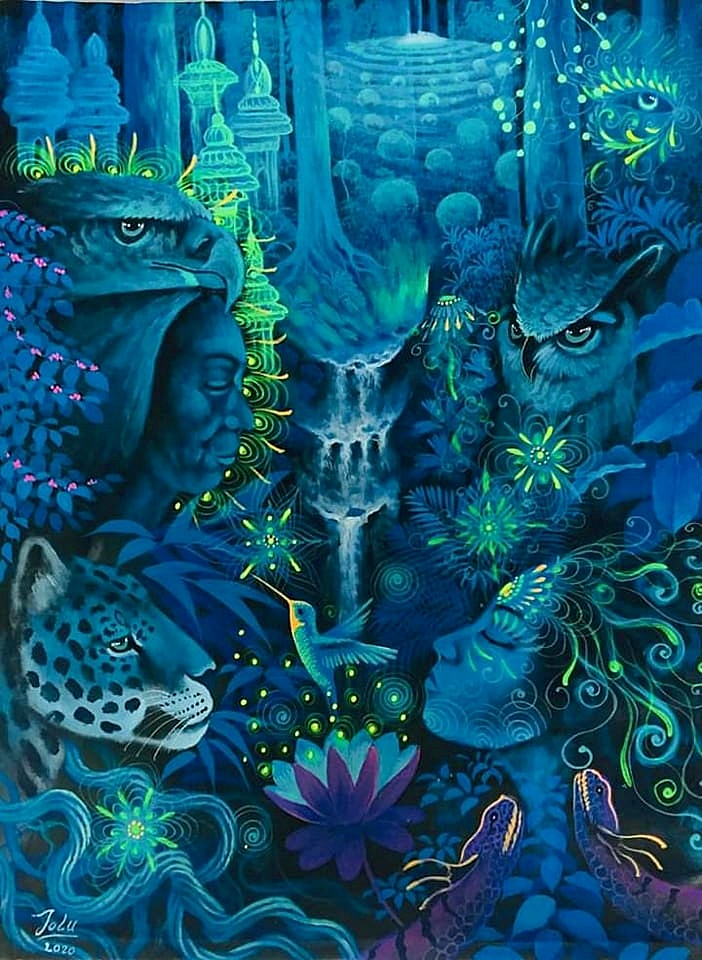
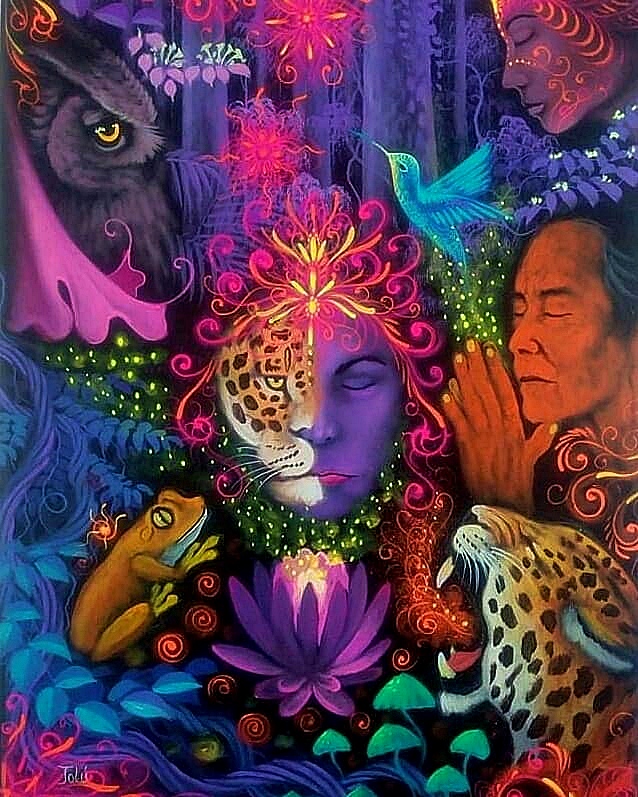
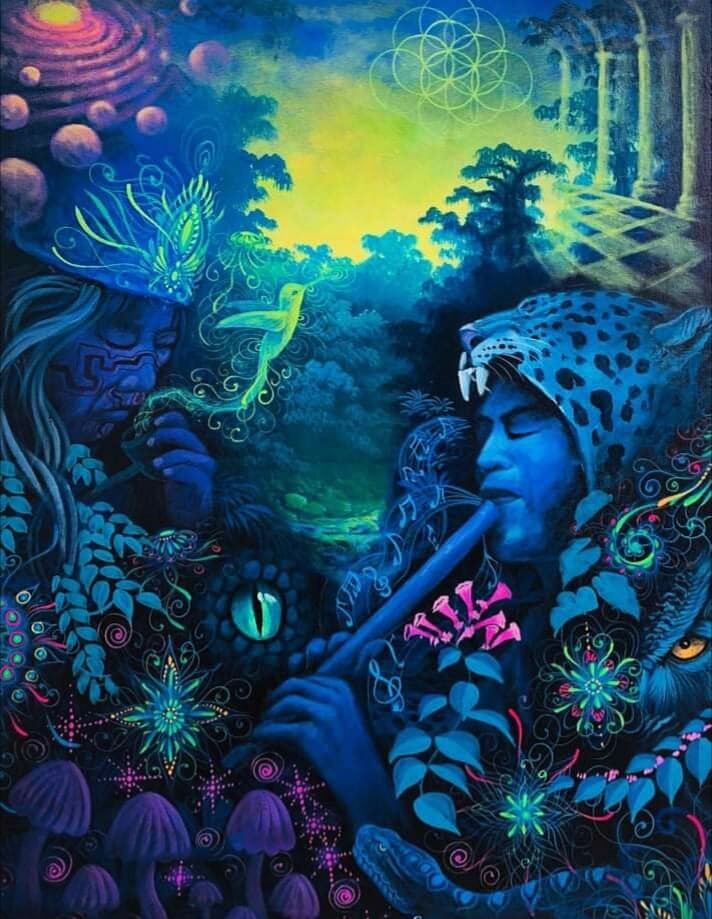
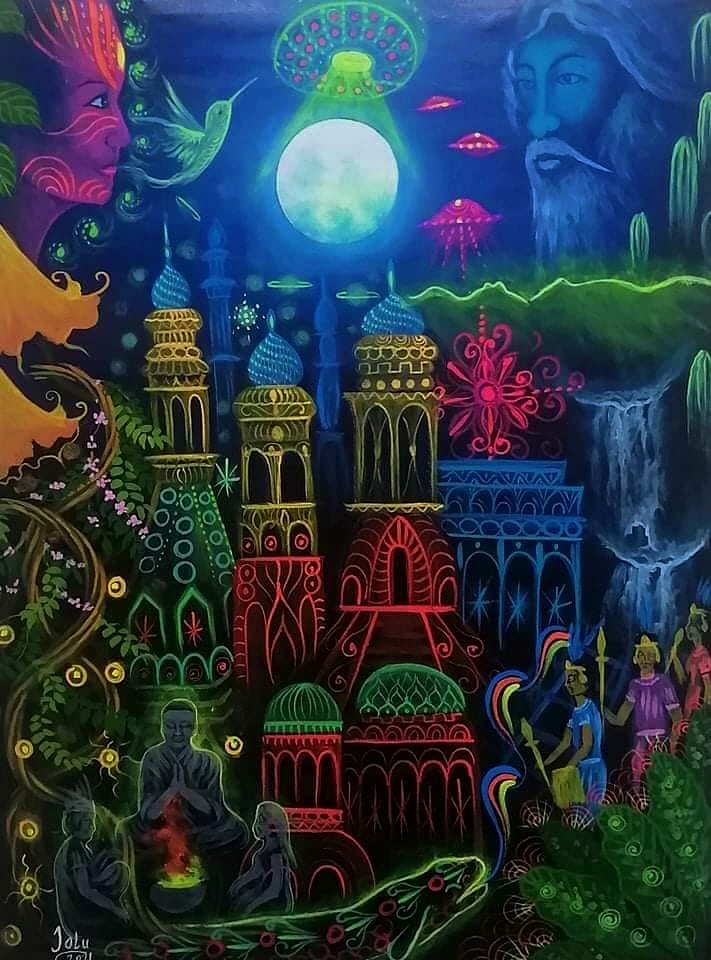
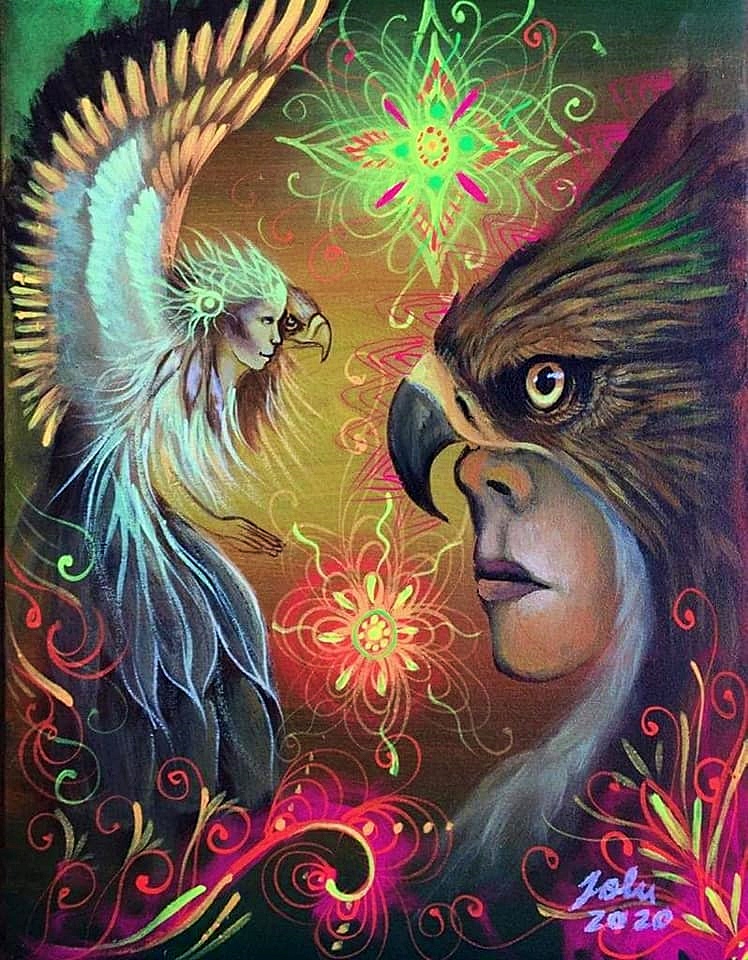
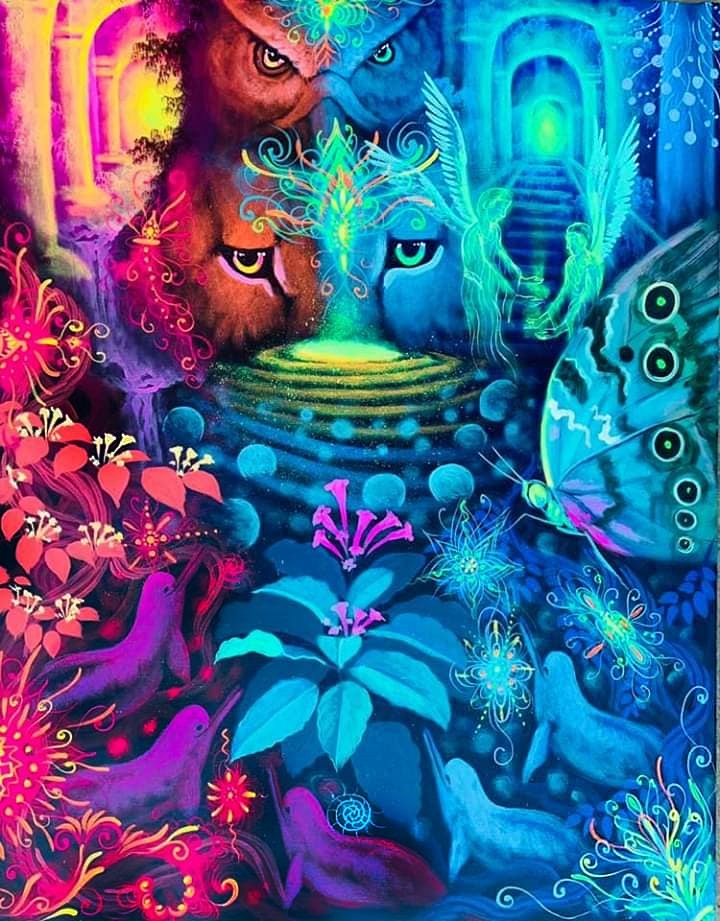
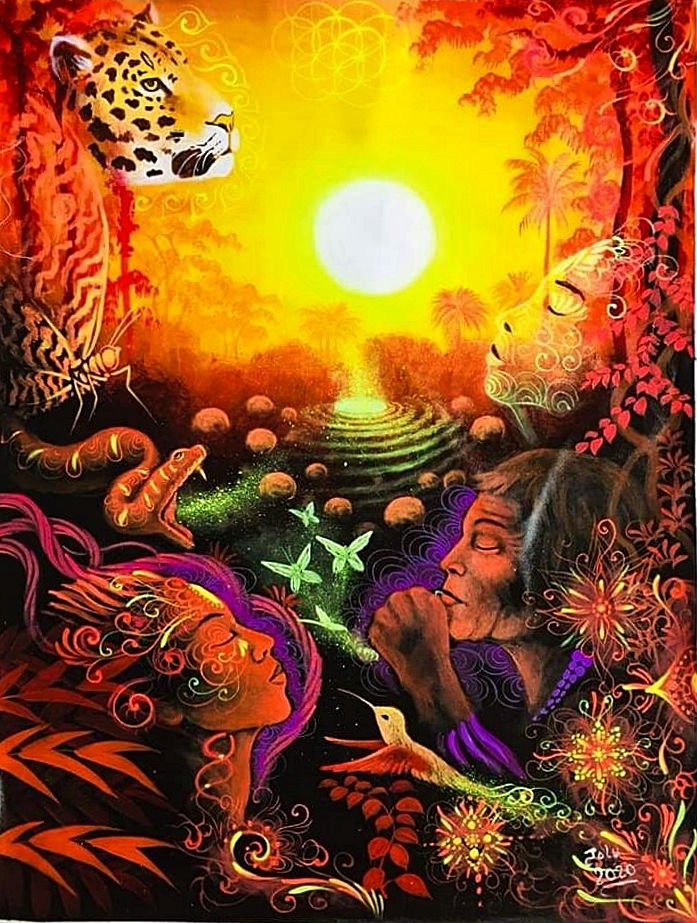
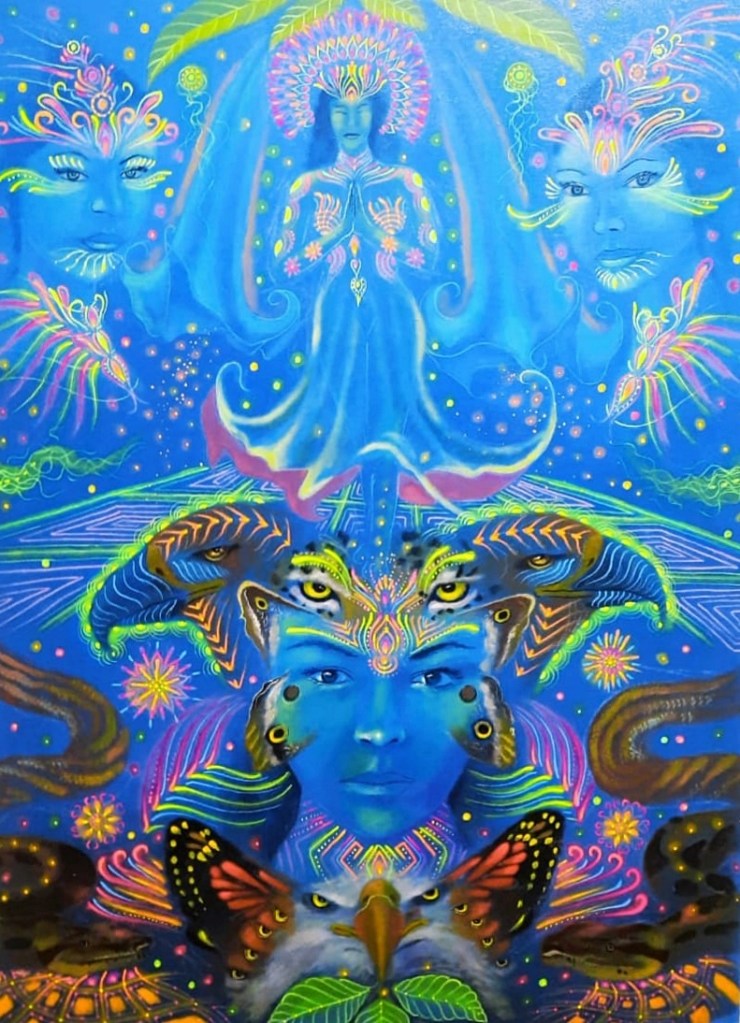
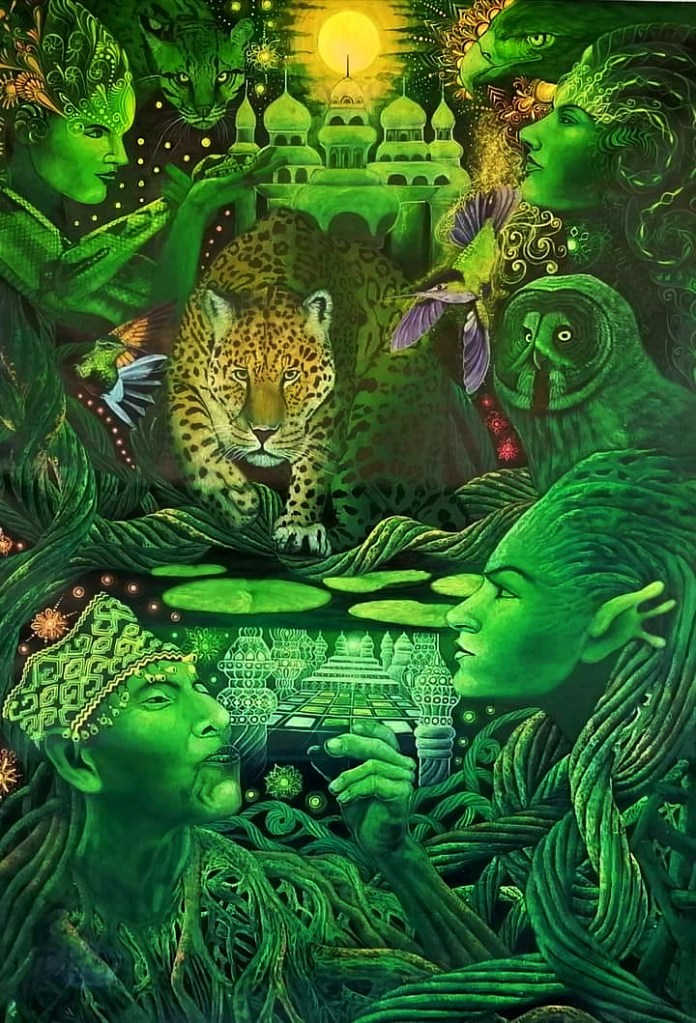

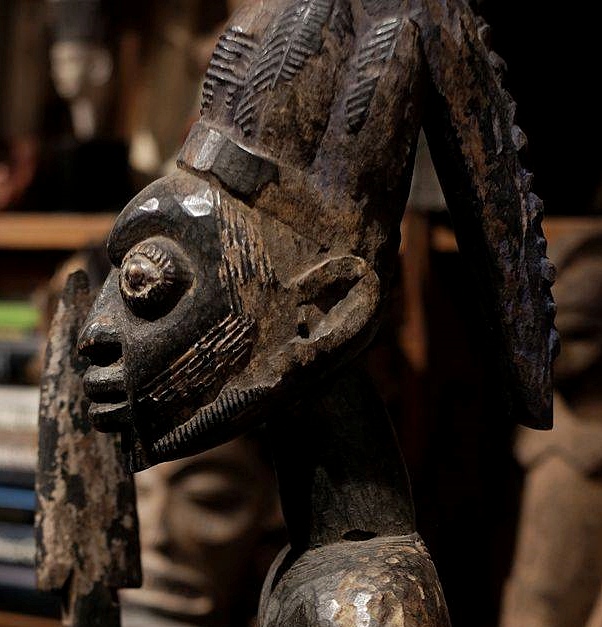
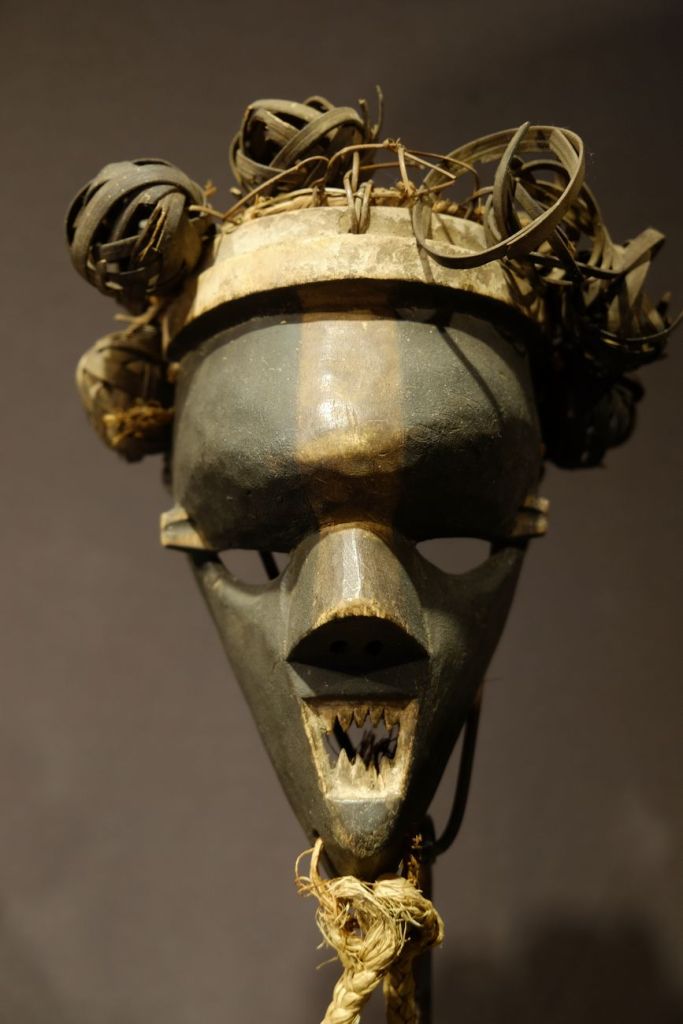
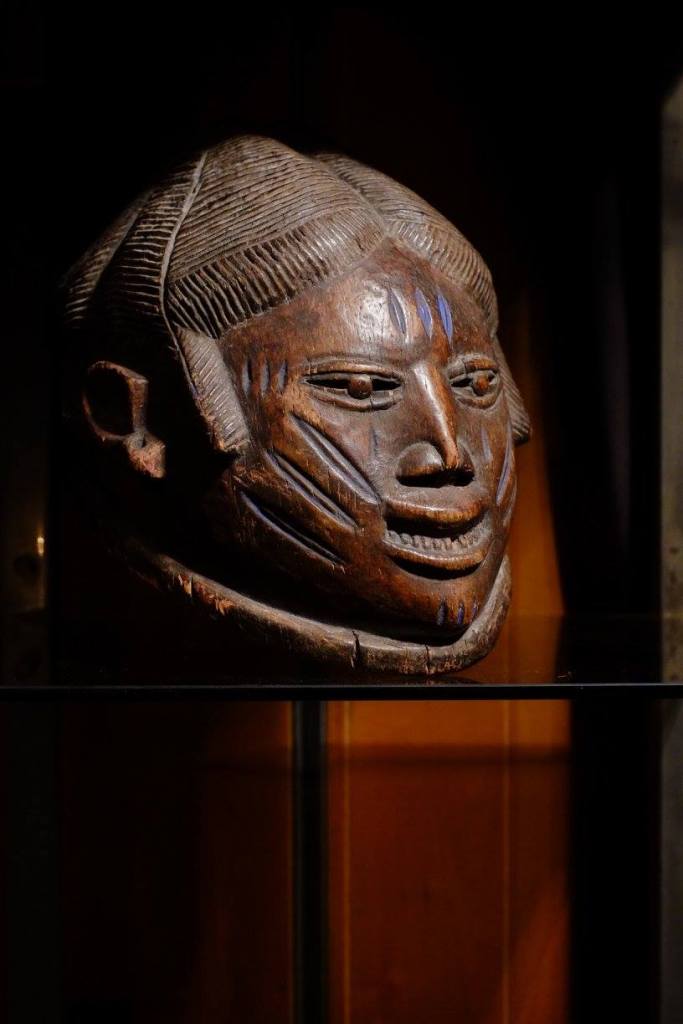
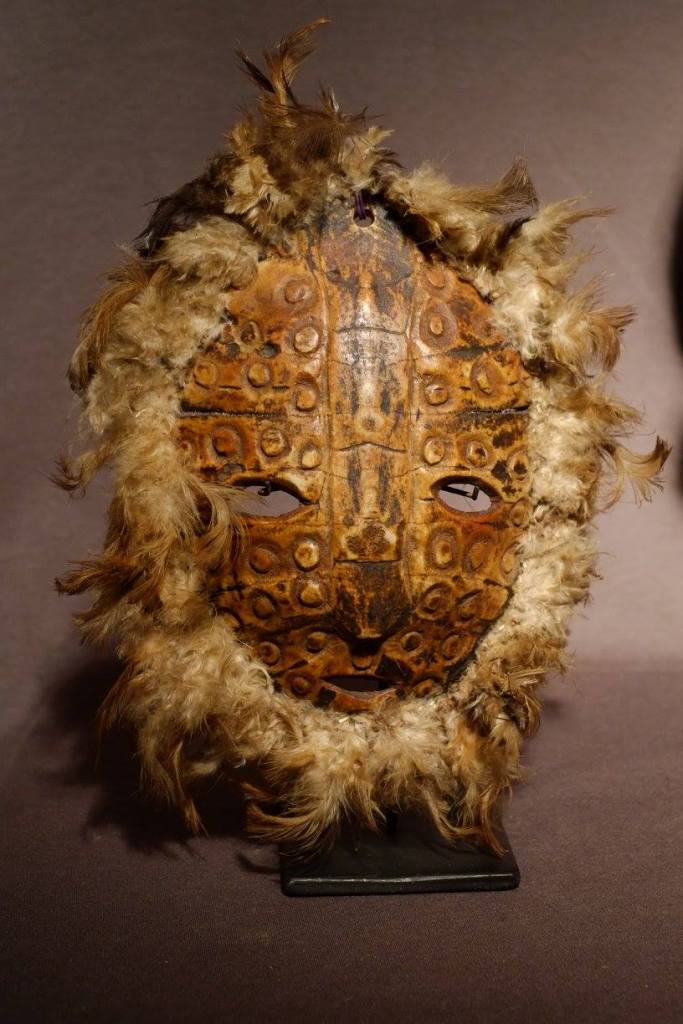
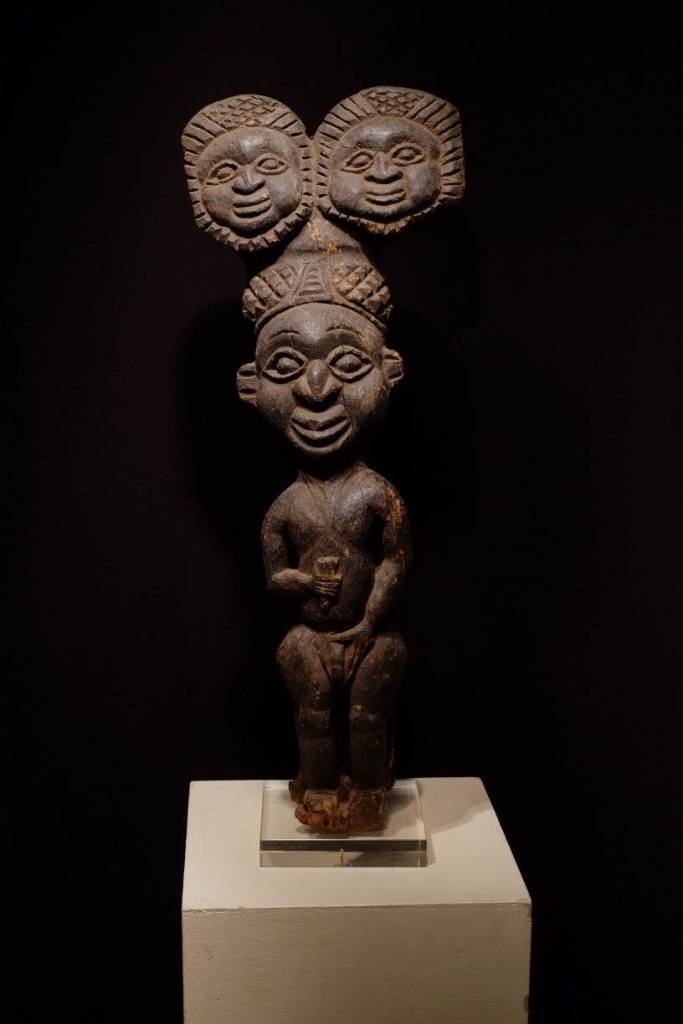
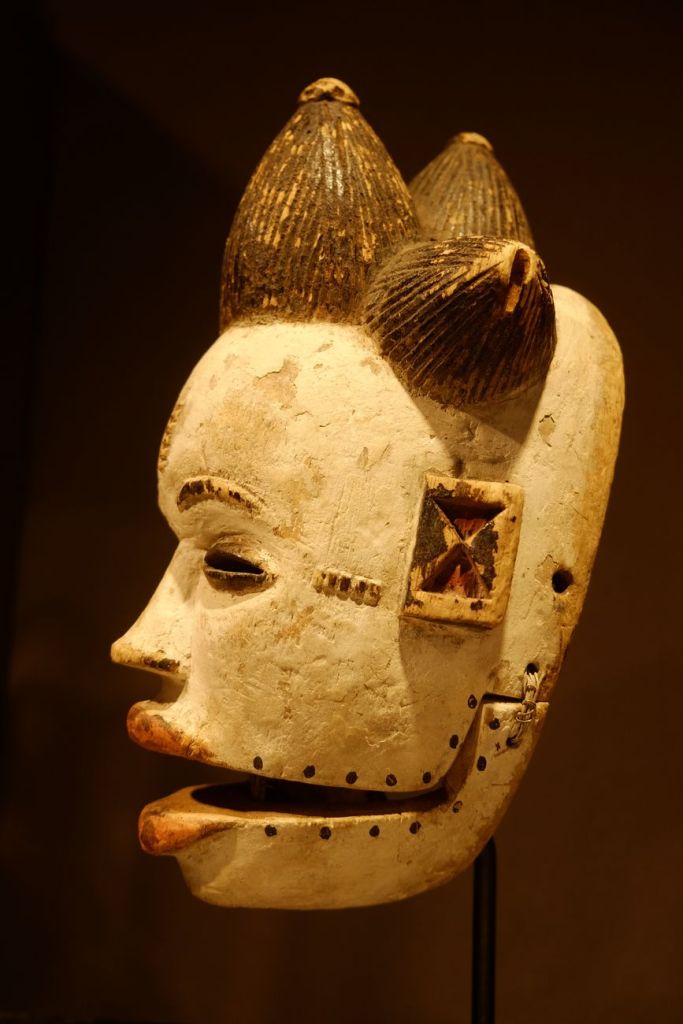
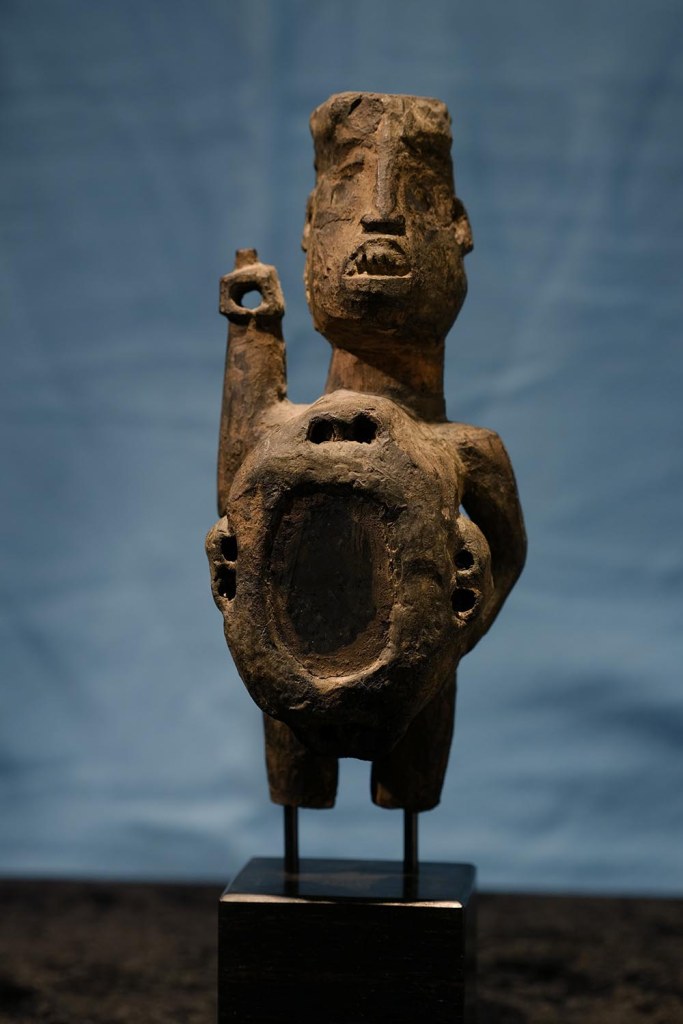
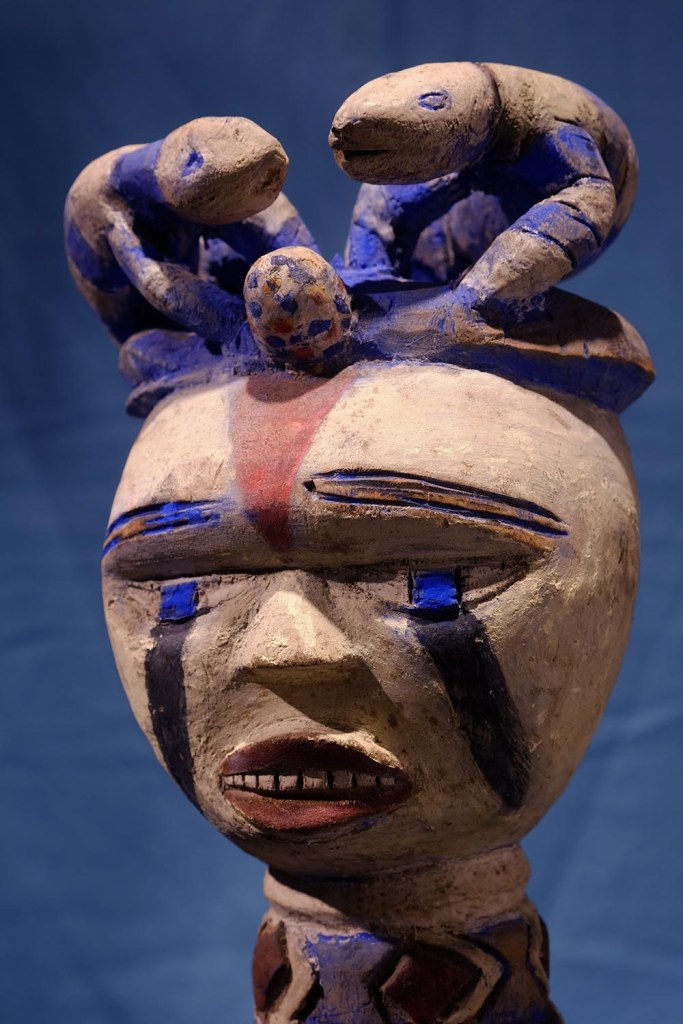
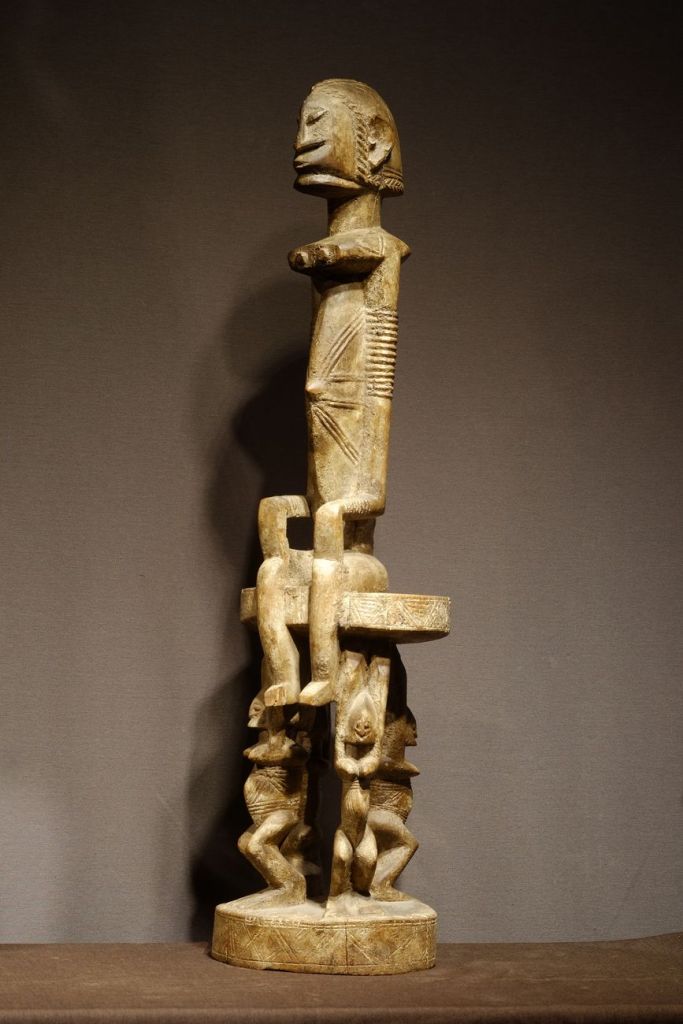

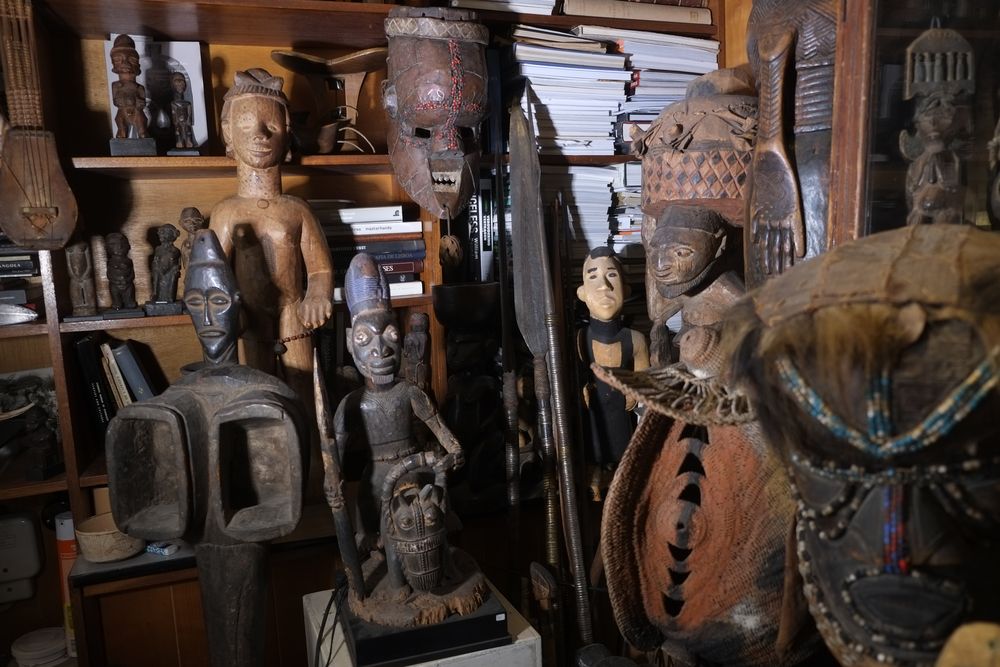

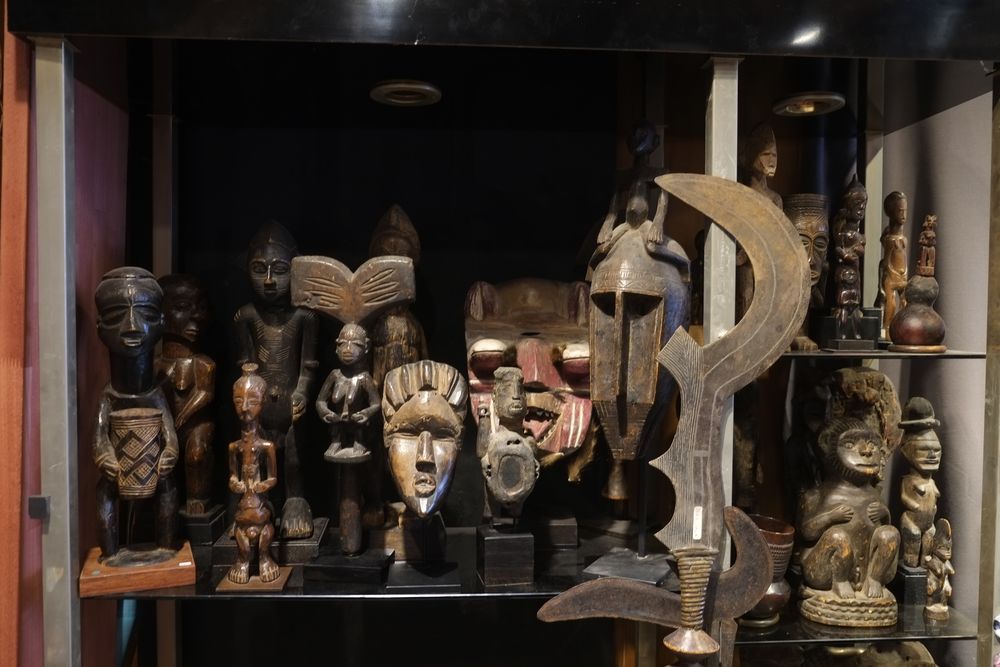







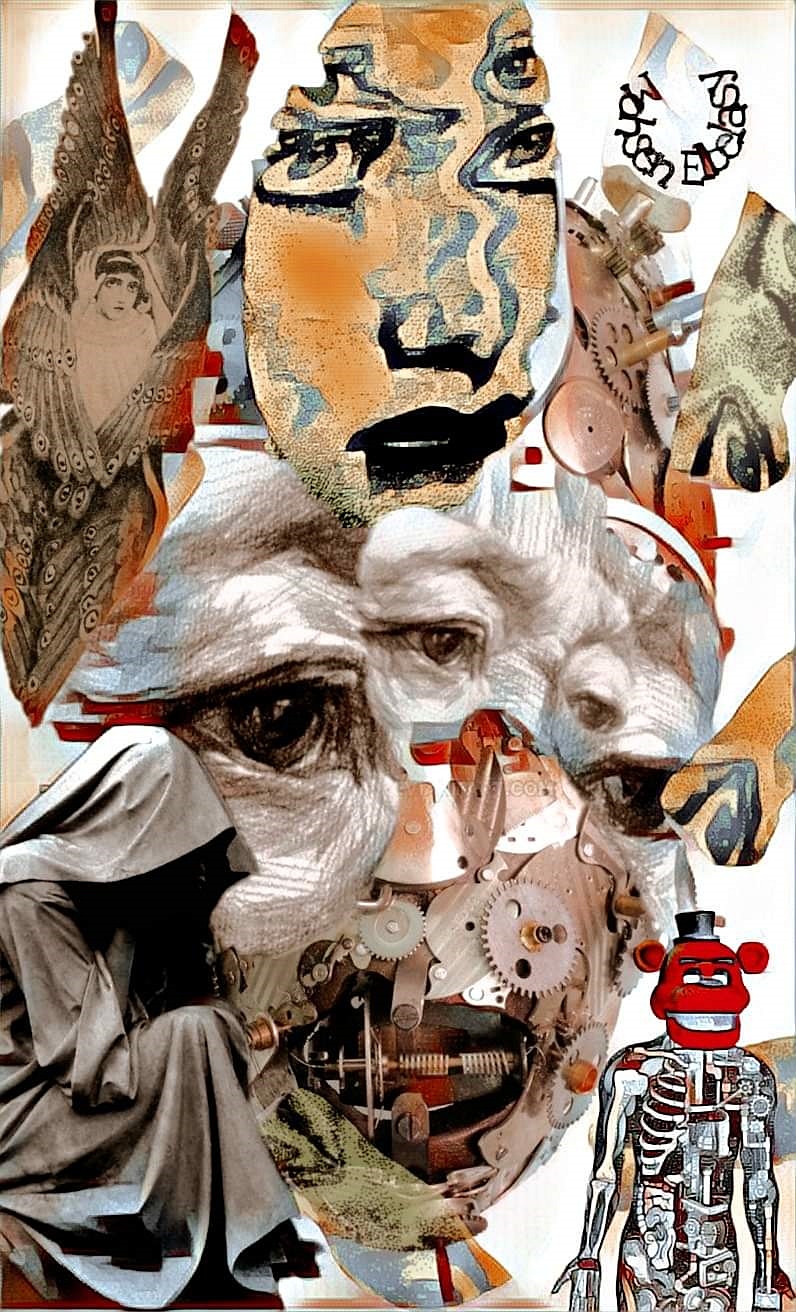
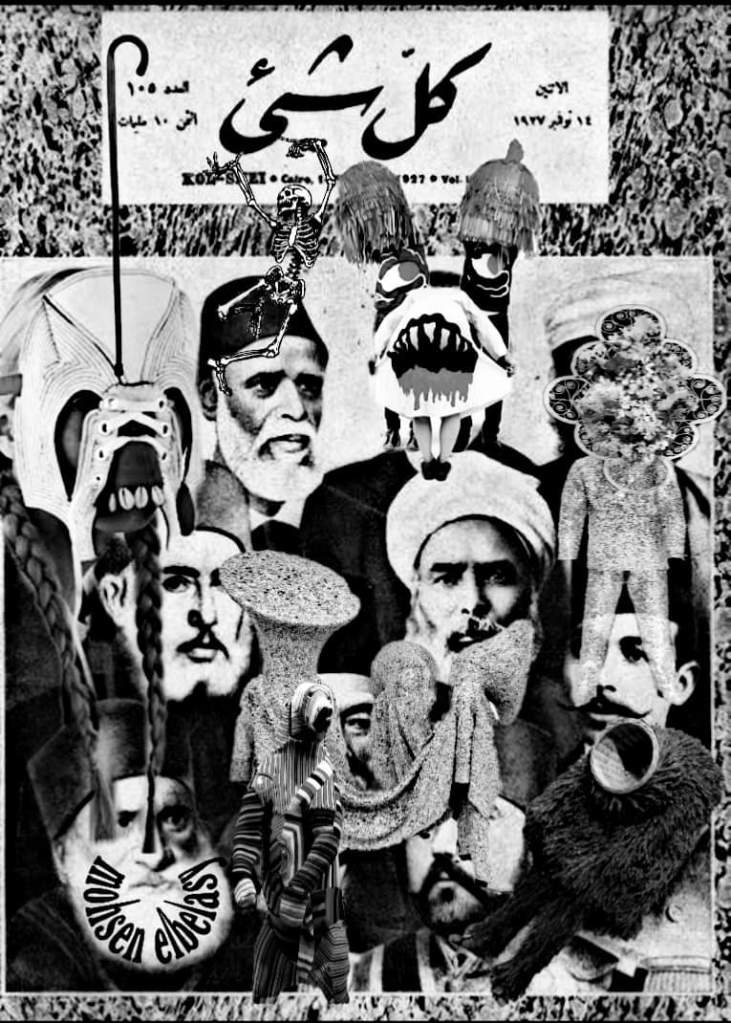
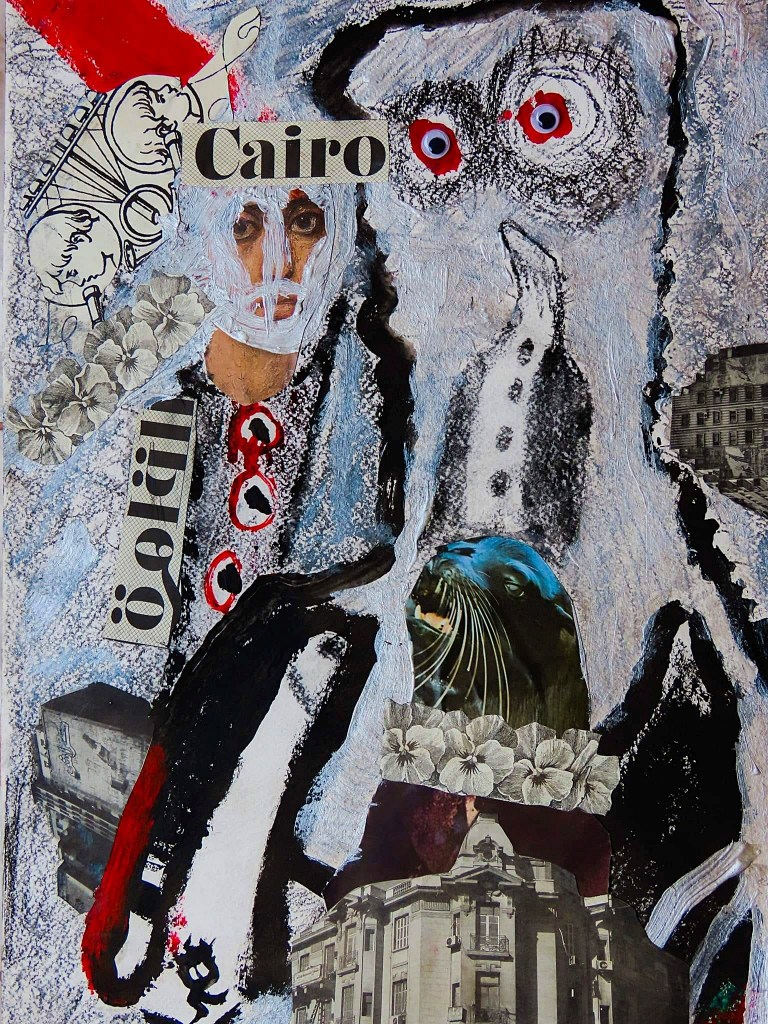
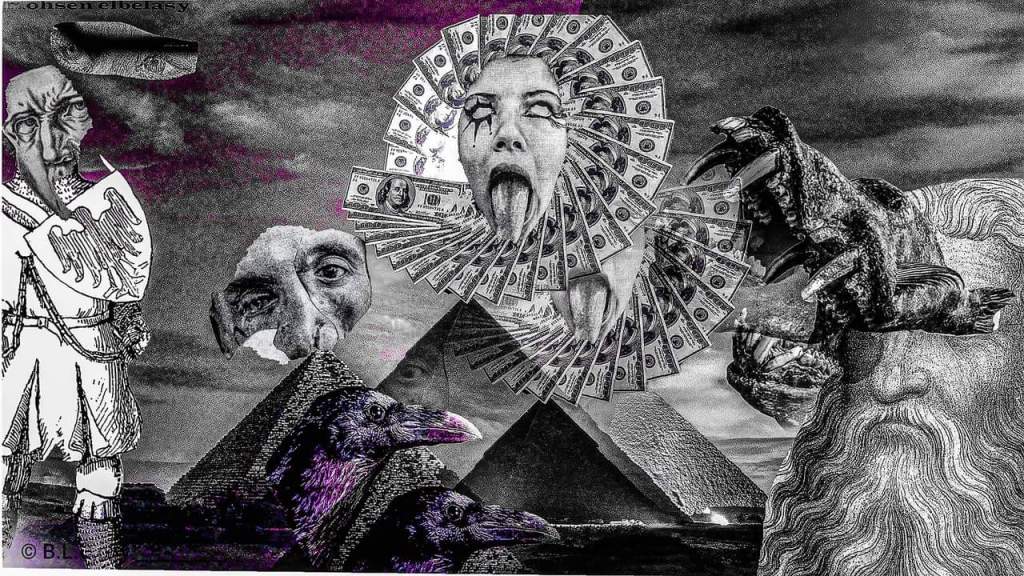
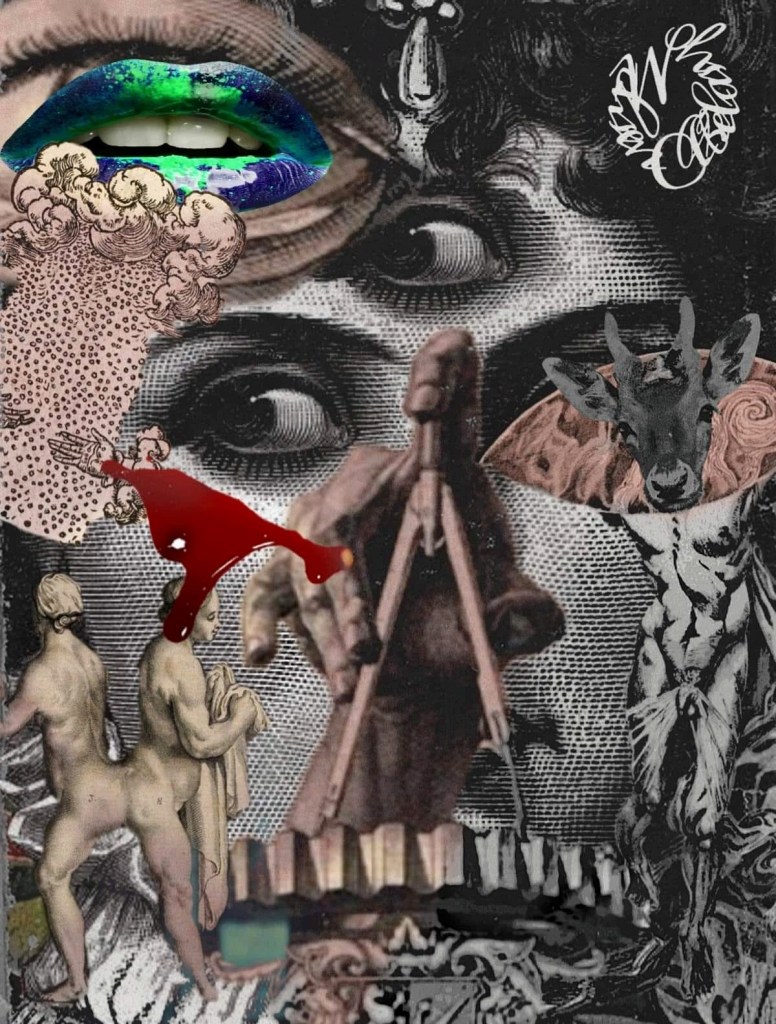

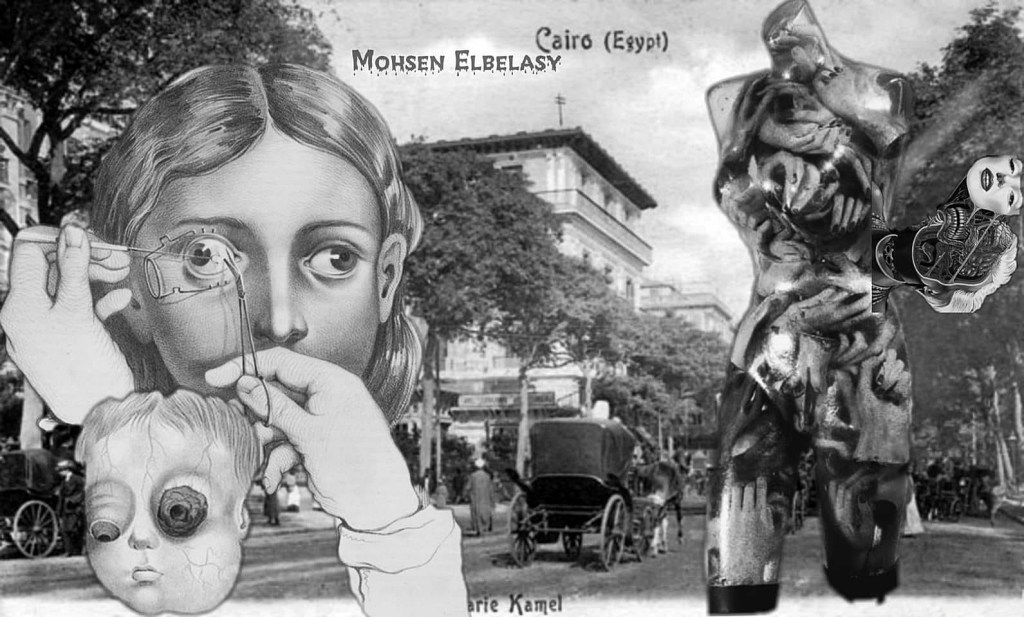
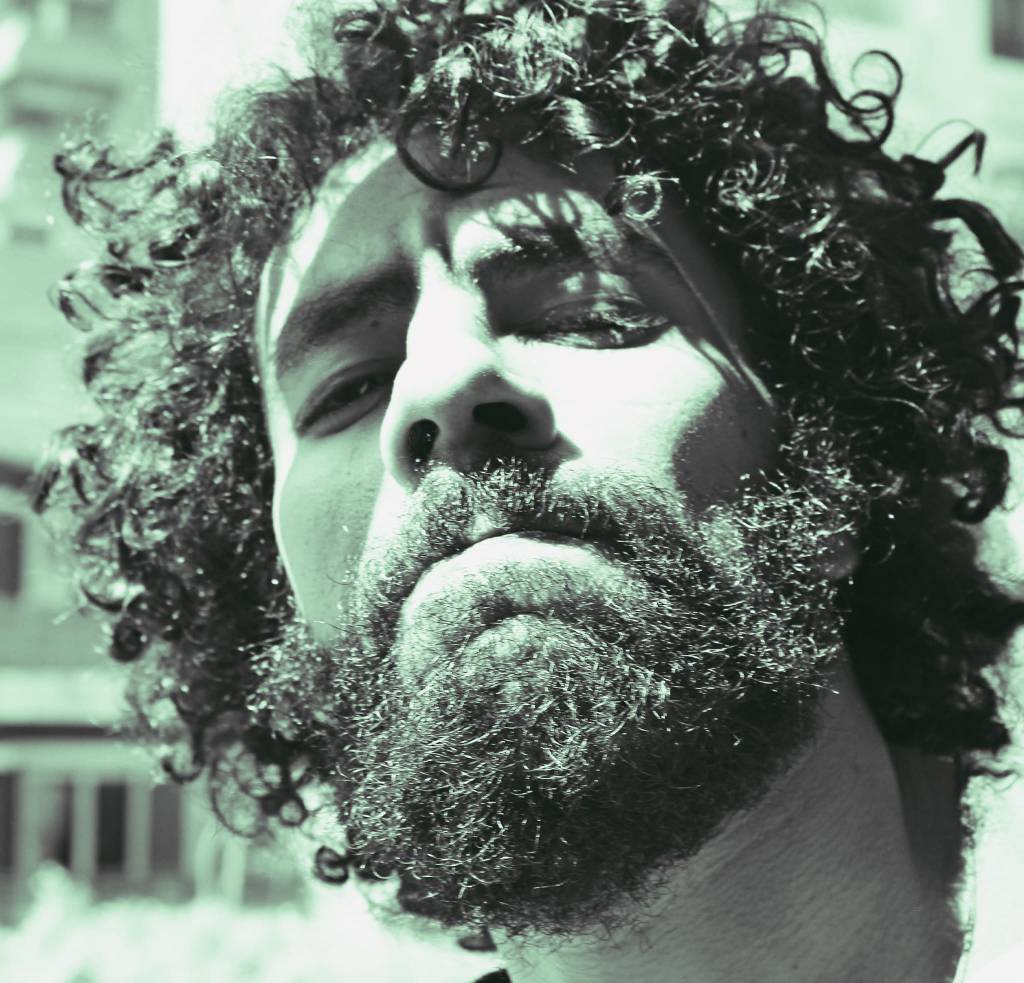
 Mitchell Pluto