Reptile Fling by Richard Gessner

Disclaimer. This is a work of fiction, any resemblance to Actual persons or events is Purely coincidental.

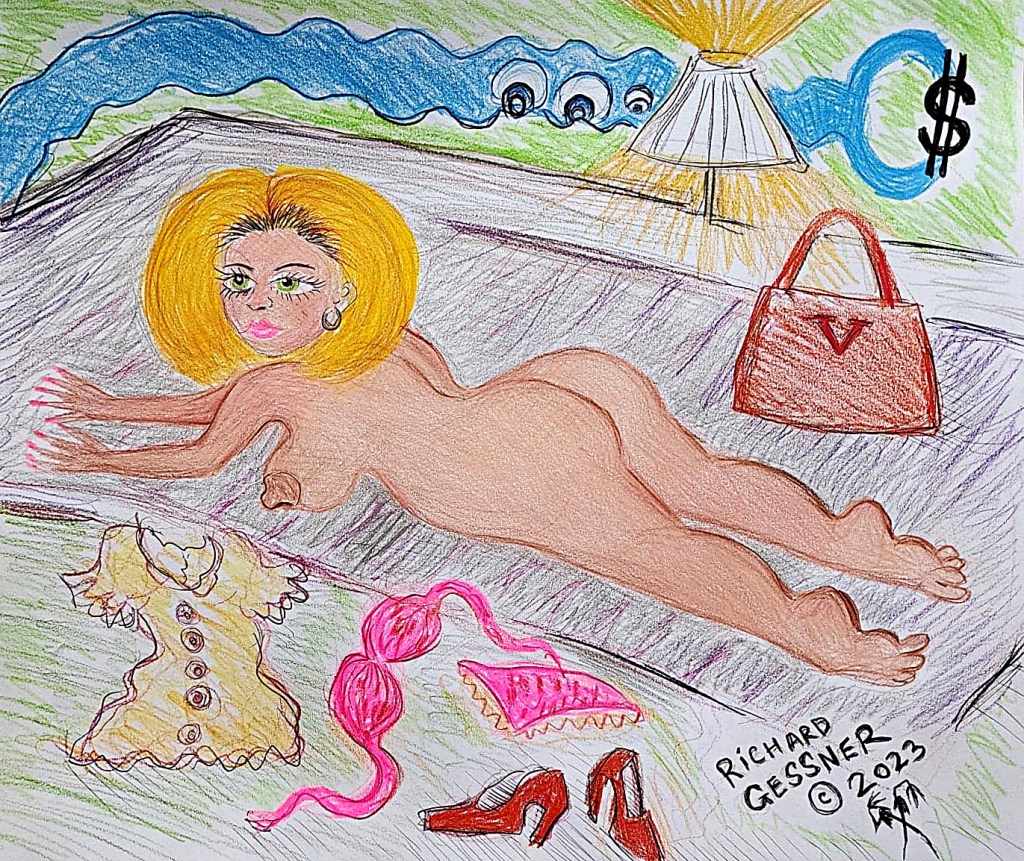
I took Maryellen, a lady of leisure, to every expensive restaurant and high end bar, indulged her with gourmet food, fine wine and droll conversation. I spent a lot of $ on her, as a gentleman always pays for a lady. It was my intention to wear down her defenses and inhibitions, to spend a day and night with her, warming her up to strip naked in a luxurious hotel room with a heart shaped Jacuzzi.

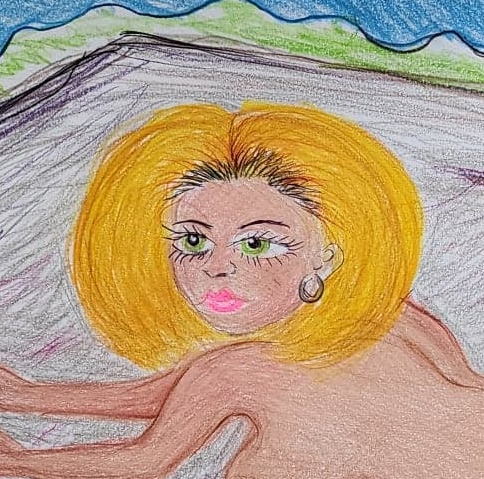
Maryellen was a glamorous, statuesque beauty, with creamy platinum blonde shoulder length hair, pale pink lipstick and nail polish. She wore a demure antique white designer dress, shimmering nude nylon stockings, and strappy high heels. Her ample breasts, curvaceous shape and nice ass, were her most noticeable feminine assets.

Maryellen was the kept woman of a film producer who was her sugar daddy. She was useful as eye candy at public events, and made the producer look good. She lived rent free and got a generous allowance for other “services” too shadowy to mention.

Maryellen was a precocious sugar baby, adept at sucking the blood of men with deep pockets. I was also friendly with the film producer who owned two summer homes and drove a Jaguar and a Mercedes. I had business dealings with the film producer of an artistic nature. But having no loyalty to him, I jumped at the opportunity to get his girl if I was lucky.

By chance, I met up with Maryellen, while passing through the producer’s neighborhood, and it was then that she went on several surreptitious dinner dates with me. She welcomed time away from her master who was overbearing, controlling and played power games with money. Threatening to withhold funds from her when he didn’t feel sexually satisfied. But Maryellen was successful at twisting the producer’s arm to buy her a new high end designer purse, not some cheap fake discount.

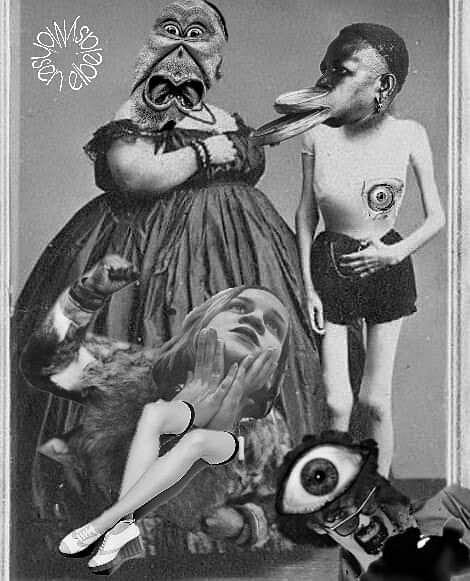
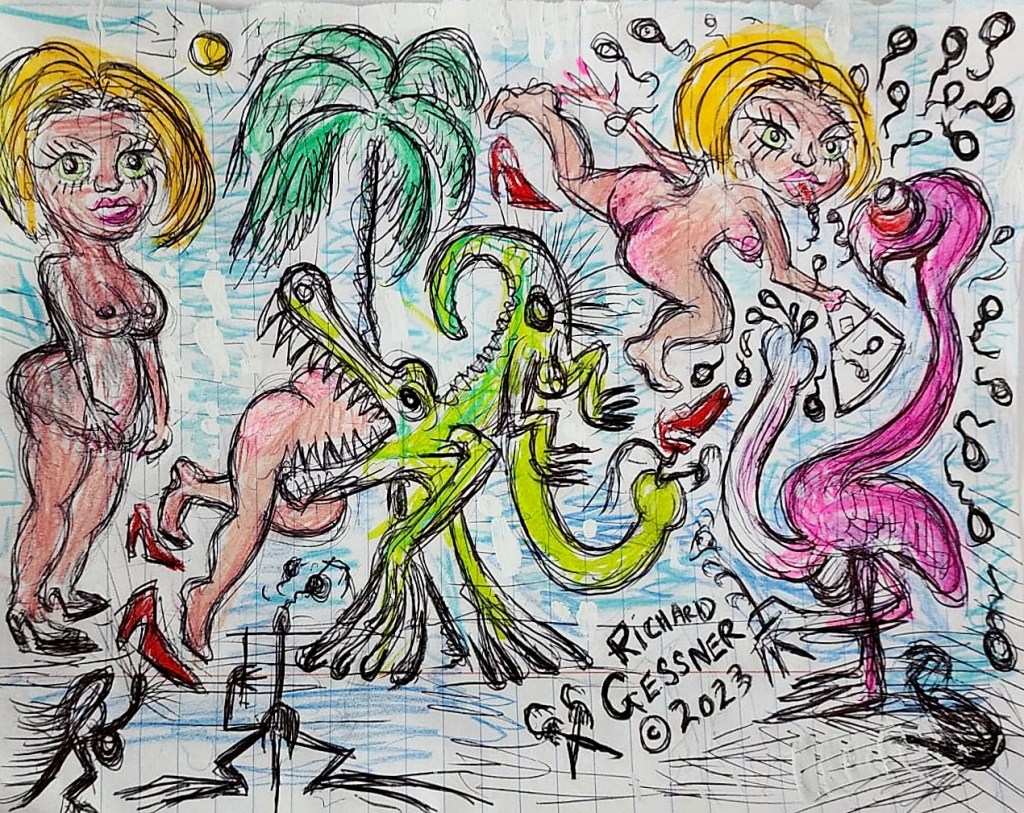
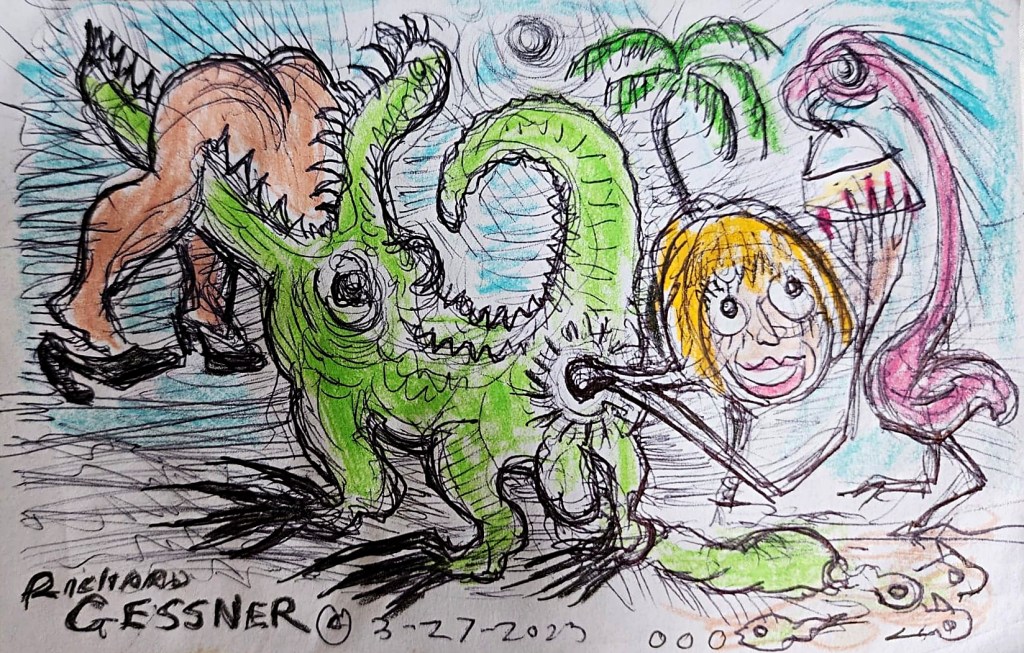
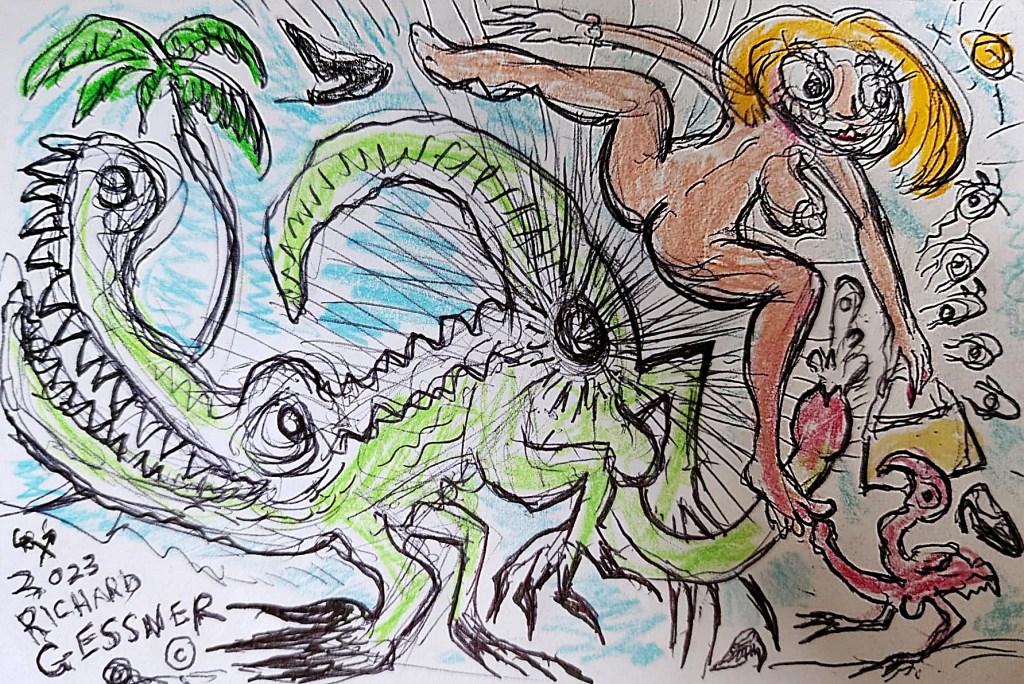
A giant alligator sex toy swallowed Maryellen whole and pooped her out its butt into the Florida heat, designer handbag and all. A giant alligator sex toy swallowed Maryellen whole pooping her out its butt, soiling her designer clothes, making her sad. A giant alligator sex toy swallowed Maryellen whole, she found spiritual enlightenment in the alligator’s digestive tract, emerging naked from the reptiles’ butt, and in her nakedness, she was most comfortable in the Florida heat.

All erotic, exotic and grotesque epiphanies aside, after many expensive dinner and bar dates, I finally got Maryellen to spend a day and night with me in a luxurious hotel room with a heart shaped Jacuzzi. After she took off her demure designer dress, stockings and heels, I helped her out of her panties and unhooked her brassiere, then she lay naked on the bed and I rubbed eucalyptus oil on her body. Then we entered the Jacuzzi together, in the warm water she blissfully felt my stiff erect phallus entering the prime real estate between her legs.

“Reptile Fling” (C) 2023 by Richard Gessner

Richard Gessner’s work is published in Black Scat Review 24, Sulfur Surreal Jungle, Fiction International, Skidrow Penthouse, Seinundwerden, Another Chicago Magazine, Air Fish et al.

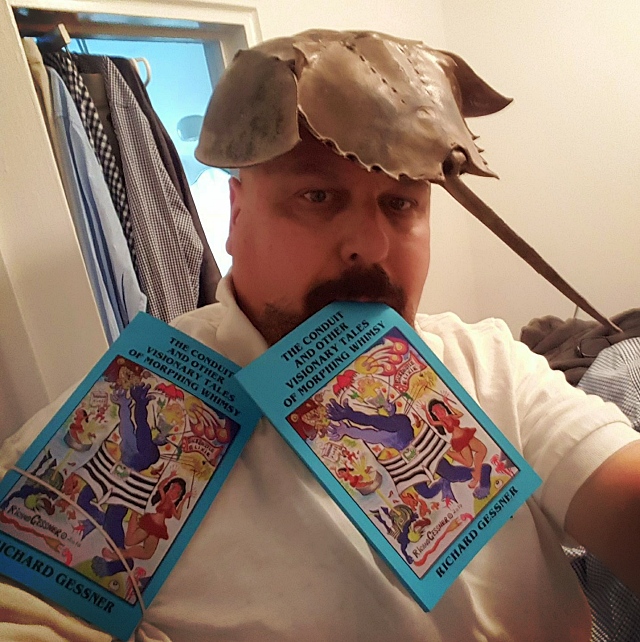
 Richard wrote The Conduit and Other Visionary Tales of Morphing Whimsy. He lives in Montclair, New Jersey.

The Conduit and Other Visionary Tales of Morphing Whimsy Audible

THIS WRITING IS AN AUTHORIZED DUPLICATION WITH PERMISSION AND EXPRESSED CONSENT

Relatos breves de Victoria Morrison 

Por la ventana

Confío más en tus huesos que en tu carne, por las noches sigo amando tu fantasma que huele a tierra infiel, confío más en tu bufanda roja detenida en el tiempo, el pasillo de nuestra casa gime llanto muerto, flota mi cuerpo en la tina, agua de árbol con espinas.
Recogí mi pelo mojado en tu vieja toalla de mi melancolía, arrojé todos tus libros por la ventana.

Imperfecto

El hombre frente a la tumba desprende de su boca su prótesis dental, la envuelve en un pañuelo blanco, la oculta entre el pasto y la tierra de tumba, solo frente a sus muertos puede ser él, así de imperfecto.
Ahí descansa su llanto desdentado, se sienta sobre la piedra, saca de una bolsa de papel café una lata de cerveza y bebe deseosamente el sorbo de vida a su garganta de flores mareadas que iluminan su rostro, suenan campanas a los lejos.
Allí, frente a sus ancestros sonríe a carcajadas recordando alguna anécdota pasada, nadie lo juzga ni lo critica, allí frente a sus antepasados puede revelar su sonrisa imperfecta.

Tierra seca y olvidada
(desierto)

El cerebro atormentado resuena en el grito del árbol abandonado en tierra antigua de la cuál brota maleza de llanto. El sol neurálgico y odiado nos quema la piel y el sudor es el brillo de su reflejo que nos tortura y nos humilla en esta hermosa y vacía tierra donde los hombres caminamos sobre arena hirviendo.
El único árbol sobreviviente no tiene hojas ni semillas, es un muerto de pie frente al inmenso viento de arena en la boca y los ojos. Ahí, cuelgo mis pertenecías, en sus ramas de volcán. Mancho mis dedos y pinto mi cara de maquillaje negro, dispongo mi improvisado refugio, mi instinto animal es más poderoso que mi humanidad inservible en esta atmosfera.

Pan y caldo con arena refuerzan mi sacrificio.

El florero de tu madre

Visito tu sepulcro con una sonrisa camuflada, retiro minuciosamente pétalos muertos, (flores que dejan tus viudas amantes), uno a uno recolecto en mi bolsillo de lana hojas secas en distintos tonos, agua limpia dejo caer en el florero de tu madre; flores frescas para ti, leo tus poemas para recordarte.
-Ya no vengo a llorarte al campo santo- a veces cuando se hace de noche, descanso sobre tu tierra de muerto, hago el amor contigo.

Abril y mayo

Dos retratos en dos marcos diferentes, dos fechas de nacimiento, dos nacionalidades, dos identidades. Ella no abraza a los árboles, los besa apasionadamente, la sangre que brota de su boca rota es savia dulce.
No es blanca ni negra, ni adinerada ni necesitada, ni culta pero tampoco ignorante, educada y también puede llegar a ser una marginal.
Por las noches se acuesta en su tina caliente, los cabellos que flotan en el agua talvez pertenecen a esa mujer que no existe.
Dos retratos en dos marcos diferentes; la adolescente que escribe poemas de amor aullándole a la luna, el otro, la belleza de una anciana de ciento veinte años moribunda, declamando sus últimas palabras a la muerte.

Cama de hoja


Cuando lloro por los vivos, son mis muertos quienes me consuelan, no los veo, conozco sus nombres, su edad los huelo, susurran delicias a mi oído de hierba fresca.
Florencia es la mujer fantasma y ciega que toca el piano entre ramas del bosque.
Mi cuerpo pequeño cubierto de hojas secas; he descubierto que a los árboles también le gustan las melodías de cuna.

Herencia de lo mágico


Tengo el don de la sensibilidad, ver, oír con gran sutileza lo que nadie, y los fantasmas recorren el bosque conmigo; placentero como fumar a escondidas sobre enormes arboles retorcidos en donde reposa mi silueta delgada, hija del hombre, herencia de lo mágico, el humo se cuela por las hojas, canta la rama, silenciosa raíz mágica, dulces espinas te embellecen.

written by ©Victoria Morrison

Victoria Morrison, Chile 1977, Trabajadora social, escritora de poesía y cuento. Miembro actual y activa de SECH (Sociedad de escritores de Chile) P.E.N Chile (Poetas, ensayistas y novelistas) Su poema Ñamku fue premiado con el segundo lugar del “Concurso poesía Indígena”, realizado por el “Museo de la memoria y los derechos humanos” en Chile el año 2020. Libros publicados: Una habitación en el infierno (2016) Ediciones La Horca. Poemas desahuciados (2017) Editorial Ovejas Negras. Pupilas de loco (2020) Rumbos Editores
Sus escritos se caracterizan por evocar temáticas psicológicas. Amante de la naturaleza, la autora explica que en cada palabra existe sanación; si asimilamos esa palabra a las raíces de cada planta pues, así como existen semillas imperfectas, también hay humanos imperfectos; no son acaso los bienes llamados “árboles torcidos” los que, sin agua, sombra, ni tierra fértil continúan respirando en la tierra. (Si la frágil planta resiste el frio, la intemperie, la carne humana cobijada en lana y bufanda debería agradecer y callar, oír en silencio, el congelado y valiente canto de la hora escarchada).

https://www.facebook.com/marielavictoriapoeta
https://www.antartica.cl/pupilas-de-loco-9789567295753.html
https://www.rumboseditores.cl/pupilasdeloco
https://www.instagram.com/victoria_morrison_/?hl=es

Feature art: Mitchell Pluto

Piebald Pandora and the Phantom Self

Piebald Pandora

Multi hued Glory

Sloth Shark face

Palomino woman bites us

and hangs with us

upside down at dawn

selling our souls to 4 legged

Majesty Lemurs on Madagascar….

(C) April 8, 2023 Written By Richard Gessner

Richard Gessner’s fiction has been published in Air Fish: an anthology of speculative work, Rampike, Ice River, Coe Review, Another Chicago Magazine, Happy, The Act, Sein und Werden, Skidrow Penthouse, The Pannus Index, Fiction International and many other magazines. A collection, Excerpts from the Diary of a Neanderthal Dilettante & The Man in the Couch was published by Bomb Shelter Props. Gessner’s drawings and paintings have appeared in Raw Vision, Courier News, Asbury Park Press, Rampike, Skidrow Penthouse, and exhibited at Pleiades Gallery, Hamilton Street Gallery, Cry Baby Gallery, The Court Gallery and the Donald B. Palmer Museum. Richard wrote The Conduit and Other Visionary Tales of Morphing Whimsy. He lives in Montclair, New Jersey.

The Conduit and Other Visionary Tales of Morphing Whimsy Audible

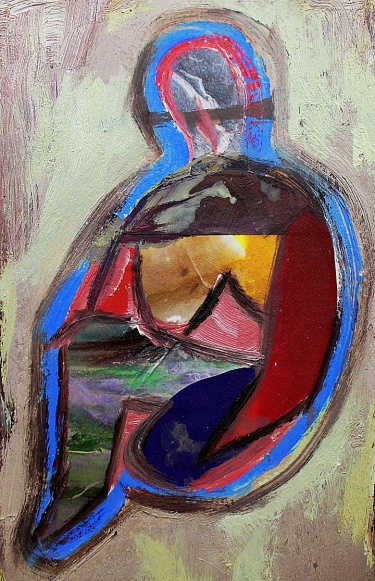
self fee of a phantom self. oil/collage Mitchell Pluto

Afterword

We believe we are conscious but we are continuously unconscious.

The eye is the window to the brain and there sits the optic chiasm. A cross current chessboard of visual information. In ancient China, King Wen changed three lines into six lines to form 64 hexagrams in his book called The Book of Changes. Ironically there are 64 arrangements in DNA and 64 squares on the chessboard.

Synchronicity?

Jesus, all the time I spent believing in a historical Laoz and come to find out there’s no historical race either.

these our the last days of being a primate. Don’t worry we still have cuspids

Everything must be uploaded|  

…creating a record print of a finger swipe from phone screen| CHECK

…the gesticulation wavelengths of our voice from phone calls| CHECK

…iris scan captured from viewing screen| CHECK

tell us what’s on your mind| CHECK

This device and artificial Intelligence will marginalize the future of man’s ego. After all man is an animal guided by objects, why not be a primate whose experience is organized and interrupted by the phone?

isn’t it working already?

Who is on the other side of the screen?

A narcissistic shark that feeds remotely on a colony of brains and uses the appearance of a woman as a lure

Now A Word From Our Sponsor

We would like to salute our patron Walt and his 1958 Disney film White Wilderness who graciously staged and contrived the impression of a massive lemming suicide. Now back to our show.

(C) April 8, 2023 written by Mitchell Pluto

I would like to thank my friend, Richard Gessner for collaborating and creating some writing to interpret my painting

School Chump Memories by Richard Gessner

His mother had a very long pregnancy, gestation period spanning out across decades. Nino was finally born full grown, taking his first breath well into middle age.

Hence he had no childhood, no growth, no puberty, no maturity, he didn’t age. Always a spanking newly minted coin of a boy man with a diminished box of a body.

He couldn’t aspire to being castrati, because he was born without balls to cut off. He didn’t salivate for girls and no girls salivated for him.

Nino bore the distinction of being the prized pet rock traded amongst Egyptian pharaohs, the doorstop of mighty dictators, a paperweight for architects of the timeless eunuchs of future generations.

Baby giants used him for shot put practice. Redefining the lowest level of the pecking order, Nino had been the valet of humble bait boys carrying buckets of worms, following in servitude behind jaunty fishermen.

Some neighborhood Italians, sanded down the four corners of the box boy, playing Bocce ball with him in a local park. The sanded corners grew back, Nino reverting to his box shape when the game was done.

Once, I passed Nino on the street, reflecting that over 40 years ago in school we had sat next to each other in Mrs. Parks’ Spanish class, further reflecting that he’d had the coordination of a stalwart slug on barbiturates in gym class, and that to pin him in a full nelson in the wrestling room was no challenge. That I’d rather shoot fawns with a pea shooter. Or paint phantom polka dots on plastic daisies.

Nino reared up on one corner of his box, self righteously exclaiming

“Richard! You’re living in the past! You have to be a contemporary guy like me!”

The town rock star’s fame cast a very long shadow, a wedge of darkness with a Bermuda Triangle wherein dwelled the rock star’s younger brother castrated and erased by the rock star’s fame.

It was here the unearned “specialness” of being born into rock royalty festered into a canker sore of obnoxiousness, pretense and over compensation. Afflicted with the curse of being ordinary, the rock star’s younger brother asserted his uniqueness by spelling his very common name in a very uncommon way, so you’d never forget he was a rare bird of paradise.

After school, at 4 o’clock, groups of us passed a marijuana cigarette between us, and the rock star’s younger brother, in a haze of smoke, summoned the visage of his famous brother, his fame eclipsing the heads on Mount Rushmore the shining sphinx, the grandiose heads of state in eternity, a mummy of the first hominid preserved at the earth’s core.

Gleaming scalpel in hand, dew drop envy, casually diced up his crucified dissecting frog in biology class. Vandal meat for which he’d receive a D on his report card. Energetically, dew drop envy proclaimed his ambitions to become a pimp or an assassin if he never graduated from High School.

Dew drop envy, a poor kid, who gravitated toward rich kids, is often remembered lounging in lawn chairs, sipping strawberry daiquiris at posh suburban pool parties. On occasion, He’d get lucky with the soft and pliable girls of the upper class shedding their clothes with ease to swim in the moonlit pools of stately mansions.

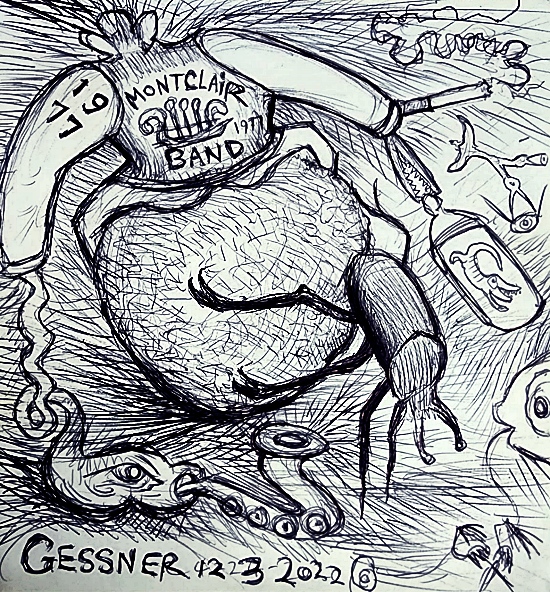
The mirage of a giant, multicolored phosphorescent dung beetle rainbow appeared on the horizon of my home town. The huge hind legs of the dung beetle forever rolling up a mediocre saxophonist wearing his high school marching band coat in late middle age—a regressive laughingstock—held in limbo for generations, the dung beetles’ hind legs gripping him firmly never letting go as he spins him in circles; an intergenerational curse which can’t be broken as he performs gauche acts, bringing outside food into restaurants, playing tawdry music for chump change.

“School Chump Memories” (C) 2023 by Richard Gessner

Richard Gessner’s fiction has been published in Air Fish: an anthology of speculative work, Rampike, Ice River, Coe Review, Another Chicago Magazine, Happy, The Act, Sein und Werden, Skidrow Penthouse, The Pannus Index, Fiction International and many other magazines. A collection, Excerpts from the Diary of a Neanderthal Dilettante & The Man in the Couch was published by Bomb Shelter Props. Gessner’s drawings and paintings have appeared in Raw Vision, Courier News, Asbury Park Press, Rampike, Skidrow Penthouse, and exhibited at Pleiades Gallery, Hamilton Street Gallery, Cry Baby Gallery, The Court Gallery and the Donald B. Palmer Museum. Richard wrote The Conduit and Other Visionary Tales of Morphing Whimsy. He lives in Montclair, New Jersey.

The Conduit and Other Visionary Tales of Morphing Whimsy Audible

THIS WRITING IS AN AUTHORIZED DUPLICATION WITH PERMISSION AND EXPRESSED CONSENT

Featured photo: Dung Beetle of fate catching up with nefarious classmate. Richard Gessner

Sueños, Alejandra María González

Onírico

Sueño campanarios en éxtasis, sueño tu frente que avanza por lejanas provincias cortando rosales.

Sueño tu caballo rindiéndole pleitesía al viento y a ti tomando las riendas con la fuerza del coraje que se instala en tu garganta.

Sueño tu espalda reposada de violines para que escuche tus voces con el color de tu algarabía.

Sueño la espuma de un dios benevolente, la llama imperturbable del próximo prodigio y una bandada de gorriones atraídos por tu vehemencia.

Sueño glorias y ambiciones, noblezas y devociones sagradas, sumisas memorias que se alteran ante tu audacia y se vuelven huracanes.

Sueño hojarascas y ramas para encender, sueño las sombras de tus sombras, señales de una región apagada que da cuenta de tu cruzada y de las barcazas que el tiempo devuelve.

Sueño la espera y la desesperación, la congoja y la inquietud, el grito ancestral de tu caída, la idea infinita del silencio que apabulla, la negación y la muerte.

¿En qué montañas, en qué hoyo negro, en qué ciudad barroca te encontraré?

¿Dónde, desde qué abismo me hablarás con el deseo interminable de esta persecución que no cesa de latir?

Sueño mi cara, mi tiempo y el gesto intenso de apretar los ojos, seguir adentro y habitar esta nebulosa onírica, mientras los inviernos llueven su frialdad y los veranos arden sobre mí.

Ellos

Él se consideraba excéntrico a sus setenta y algo.

Ella erigía su soledad con sus hormonas

a cuestas sacando lustre a sus sesenta y tantos.

Él relamía sus dedos con buen vino y pastas humeantes.

Ella bebía de sus dedos y saboreaba con placer sus artesanales recetas.

( Por cierto ella no era diestra en esos menesteres )

( Por cierto él era avezado en esas lides)

Ella se desnudaba a diario, con total ligereza,

desde el ventrículo izquierdo hasta más abajo del esternón y parte de sus neuronas.

Él removía sus vacilaciones, garabateaba sus miedos

e intentaba besar sus ojos a través del teclado.

Ella arrancaba lejos, inventaba que leía, pero en verdad no se concentraba.

Él la retornaba con el aroma de su parrilla, su amorosa picardía y su apasionado transitar.

Ella traía su copa y hablaban de la huerta que sería imprescindible para colmarlos a ambos.

El la leía atento y fraguaba en su sonrisa una idea delirante.

Ella no quiere subir de talla, él le dice que en la alcoba lo podrán evitar.

Él la escuchó y le cedió la mano.

Ella la tomó y ofreció su frente.

Ellos eran así, ellos se encontraron.

Que arda

Que arda, que sea brasa inextinguible en las gélidas noches de cuerpos sin gloria.

Que lance piedras a los siniestros y arruine cónclaves conspirativos.

Que arrase con la desfachatez de los históricos, con los sillones corruptos y sus redes de peces gordos.

Que arda aún más y que el combate sea salvaje.

Que arda en cada poro encapsulado y que sea rojo sangre.

Que arda desde el color al sonido,

desde la sed al sentido,

desde la línea púrpura que da cobijo hasta la memoria de un ángel.

Que todo arda y la belleza ordene sus intenciones de menos a más,

y despierte a los soles para que caigan escandalosamente sobre el caos, donde Dios es sólo un
vecino.

Beatriz

Ella se triza frente a mi puerta, revolotea en su cubierta cuando las dosis de narcótico se salen de su cauce y amarran su cabello.

Lo hace a diario, sin plano ni proyecto, triza su plato de granos verdes, triza las caléndulas de su huerta, triza el perfume de los gatos y la miel de los trigales.

Vive trizada y desarmada como un globo terráqueo hecho de pampas y glaciares.
Se desliza por el suelo y descomprime patadas, rasguña el mármol, golpea el aire y descuaja los estantes en busca de su veneno.

A veces me arroja a un barrial de ruegos, me araña las piernas con plegarias de espuma, se esconde bajo mi cama y me tiembla el espacio hasta desollarlo.

Y en los momentos en que su /mi niña asoma su carita rosa con el Nilo en sus córneas y los bueyes cargados de bienaventuranzas.

Ella se busca, me busca, me pide un guiso de azafrán y pan de masa madre, me pide un tutú de tafetán y sus zapatillas de punta.

Diluye su esencia en aureolas de algodón y revolotea su cabello bajo la tiara de Cascanueces.
Flota sobre el aroma de la cocina, se desliza a ciegas sobre la jaula de los loros para destronarla, junta carroña para la manada y palos de canela para el cardumen de mariposas que la acompaña.

Ella deja de trizarse por un rato largo y yo la acuno en mi vientre, intentando cruzar la línea del tiempo, donde solo pueda alimentarse de mi placenta.

©Alejandra María González

Alejandra María González Ortega, Santiago de Chile 1968 En 2013 participó en la Antología “12 Poetas Chilenas”, el año 2014 en la Antología Española “Galaxias”, el año 2017 en la Antología Chilena “Debut” y el año 2018 en la Antología Internacional de Poesía feminista IXQUIC. En 2016 se adjudica el Tercer Lugar en el Concurso Internacional de Narrativa y Poesía de Junín ( Buenos Aires ) y el año 2017 el Primer Lugar y dos Menciones Especiales el VIº Concurso Internacional de Poesía de la Sociedad de Escritores Regionales de La Plata, en el año 2019 participa en la Antología “Lluvia de Esperanza” realizada en España y en el año 2021 participa en la Antología chilena “Por una infancia feliz”. Actualmente colabora constantemente con sus textos en la revista digital argentina El último Bastión y trabaja en la edición de su primer libro. Cabe mencionar que casi toda su obra ha publicada en redes sociales principalmente en su perfil de Facebook, desde del año 2015.

Greek in the wind By Richard Gessner

A Pan-Hellenic trinket, designed to mollify the curious, was given to me by a shadowy agency of relatives of the unknown passing in the night.

The trinket is a translucent diorama of my grandfathers’ Diner, 2’’ long, 1’’ wide, to fit on a key chain or small novelty display shelf.

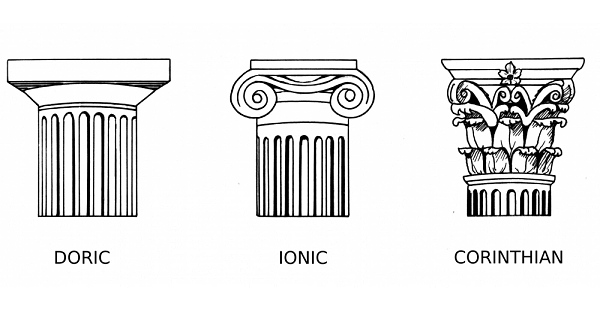
As if under a microscope, the chronological history of Panayiotis Konstantinos Stratigakis is visible through the roof of the miniature diner. Doric pillars on rows of coffee cups vanish in the horizon of countertop covered with displays of spanakopita, kalamata olive feta cheese salads and baklava.

When I shake the diner in my fist, tiny figurines of my grandfather light up, linking arms in a sirtaki dance accompanied by the sounds of a tiny red bazouki player. Valiantly flashing neon lights of blue and white striped patterns of the Greek flag move up and down. The diner, highlighting his personal and national history.

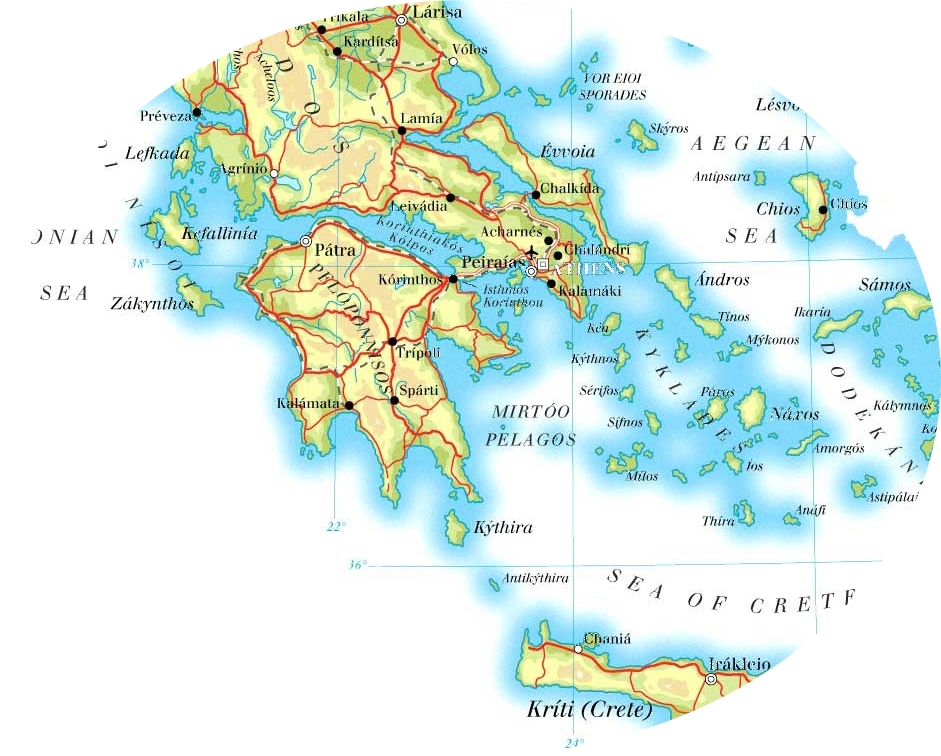
At the front entrance of the diner, stands the rocky terrain Of the Pelloponnesian peninsula where my ancestors have lived for thousands of years. There’s 400 years of Ottoman rule, subjugation and bloodshed between Greek and Turk. A Greek ancestors’ gold sword slashing the carotid artery of an Ottoman overlord glows like a beacon of hope, heralding the victory of the Greek war of Independence. The port of Piraeus, from where my grandfather sailed to America is then visible, followed by a heroic image of my grandfather as a tall handsome young man setting foot on American soil for the first time. His rapid rise in socioeconomic class represented by the the elite prep schools where he sent his promising sons. An honorable image of Panayiotis in middle age as a pillar of the community, a leader in the Greek Orthodox
Church glows, emitting rays of light in the middle of the diner.

Suddenly I notice there’s evidence of tampering in the diner diorama. Tiny diagonal fissures crisscross the clear lucite windows and roof, where significant parts of my grandfathers’ history had been removed. Paid off micro vandals with precision saws cut out slices of his life, hushed up buried secrets were blurred, then erased. Walls of shame pancaked on top of each other, horrid character flaws were sugar coated and thus rendered innocuous. The inflamed canker sores jutting from my grandfathers’ conscience, were filed down with chisels then surgically excised. The crater scars remaining were spackled over with dreamy blue tourist’ brochure views of the Aegean Sea.

I attempt to return my pan Hellenic trinket to the agency of unknown relatives, to show them the evidence of tampering, to retrieve the missing slices of my grandfathers’ life, to get a refund or replacement diner diorama, however the agency of unknown relatives were nowhere to be found.

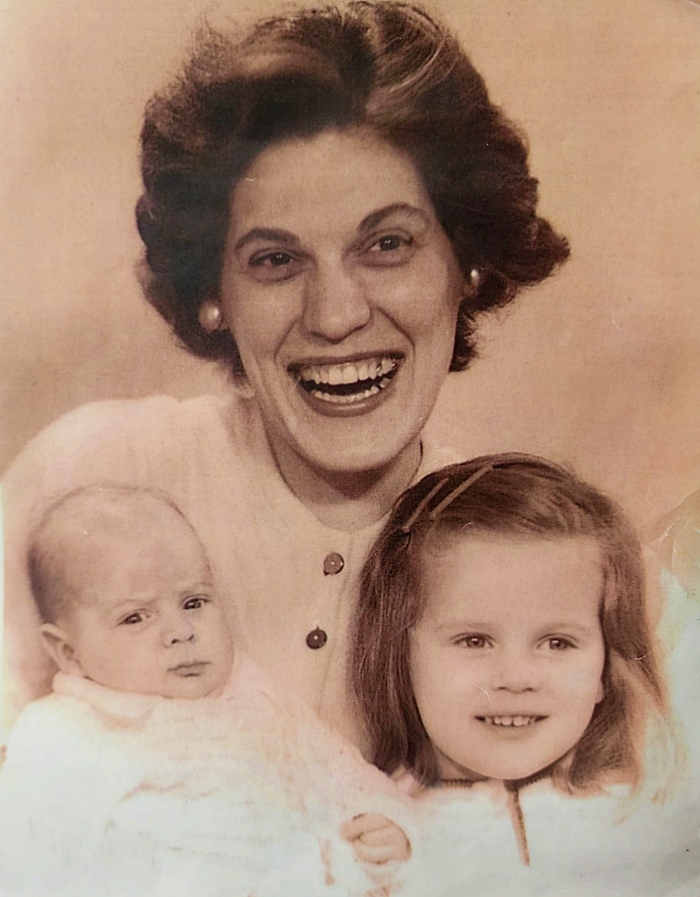
But soon in the gray dawn of an early spring morning, the missing slices of my grandfathers’ life were revealed. Over the cooing of a sandalwood morning dove, could be heard the voice of my grandfather anglicizing his last name to Sherwood because Stratigakis sounded too much like Streptococcus. “Streptogakis” had associations which were not good for business. Or he was hiding, and wanted to vanish without a trace. Elusive and transient as the wind. In the lucidity of the first light of the day, floating on the breeze, was a vision of my grandfathers’ swarthy muscular body enveloping my pale 15 year old grandmother, a non-Greek girl. It was mere sport to take the girls’ virginity, but when she got pregnant, my grandfather vanished and was never heard from ever again. My teenaged grandmother was burdened with an illegitimate child she never wanted. My mother had Greek features, swarthy skin, dark eyes and hair, like her father. She grew up fatherless in poverty.

Then it occurred to me to ask Panayiotis Stratigakis

“where was your democracy then?”

And to ask

“how do you reconcile being a pillar of your community with being a deadbeat and statutory rapist?”

But my grandfather was long gone like my mother into the eternal beyond.

Someone had to bear witness for my mother, because no-one else cared or remembered. And I realized that I was Greek by ill gotten gains. A grandfather who didn’t acknowledge his own daughter, my mother.

As I was the grandson of a statutory rapist, son of a bastard, the dishonor Panayiotis cast on my mother was too much to bear. In a misguided attempt at rectification, I got between many macho Greeks and their wives and daughters, provoking them to “fight me like a man”

But the dishonor Panayiotis cast on my mother and her memory, still lingered.

The Pan-Hellenic trinket felt infinitely light on my key chain. But it was heavy with my mothers’ unresolved conflicts. I felt burdened by the weight of it.

The trinket was a family heirloom, something as rare as a comet that passes by only every 10,000 years. But I had the need to be rid of it, it didn’t mollify my curiosity as the agency of unknown relatives had intended.

To break free of the curse afflicting my family, restore my mothers’ honor and undo the defilement of my own blood, I cupped the trinket in my left hand and cast it with all my might, high into the sky, the trinket traveling far, vanishing from sight over the Peloponnesian peninsula in Greece where my ancestors have lived for thousands of years.

“Greek in the wind” (C) 2020
By Richard Gessner

Richard Gessner’s fiction has been published in Air Fish: an anthology of speculative work, Rampike, Ice River, Coe Review, Another Chicago Magazine, Happy, The Act, Sein und Werden, Skidrow Penthouse, The Pannus Index, Fiction International and many other magazines. A collection, Excerpts from the Diary of a Neanderthal Dilettante & The Man in the Couch was published by Bomb Shelter Props. Gessner’s drawings and paintings have appeared in Raw Vision, Courier News, Asbury Park Press, Rampike, Skidrow Penthouse, and exhibited at Pleiades Gallery, Hamilton Street Gallery, Cry Baby Gallery, The Court Gallery and the Donald B. Palmer Museum. Richard wrote The Conduit and Other Visionary Tales of Morphing Whimsy. He lives in Montclair, New Jersey.

The Conduit and Other Visionary Tales of Morphing Whimsy Audible

THIS WRITING IS AN AUTHORIZED DUPLICATION WITH PERMISSION AND EXPRESSED CONSENT

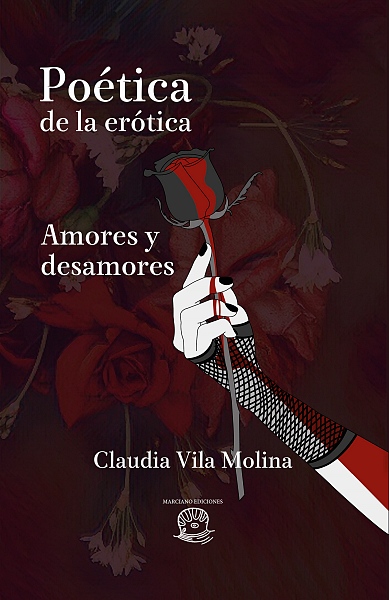
Amores y Desamores, Claudia Vila Molina

Travesía

Seas tú
el extraviado que regresa
hacia la niebla
de nuestros cuerpos.

Catástrofe

El amor
será poseído
por los únicos sobrevivientes
de esta masacre.

Vaticinio

Tu cuerpo disuelve las cosas
para anunciar un gemido
o recóndito extremo de la noche
que ya no esconde nada
ni siquiera una nueva forma
de estremecimiento.

Extrañamiento

Me miras como si fuese tu fetiche
me tocas cuando estamos solos
no soy nada de aquello
ni la sombra de nuestros propios pasos.

escrito por ©Claudia Vila Molina

Claudia Vila Molina

Escritora nacido en Viña del Mar, Chile. Profesora de Lengua y Comunicación de la PUCV, poeta y crítico literario. En 2012 publicó su primer libro, Los ojos invisibles del viento. Ha publicado en reconocidos medios digitales chilenos y extranjeros: Babelia (España), Letras de Chile (Chile), Triplov y Athena de Portugal, entre otros. Durante el año 2017 participa en el grupo Xaleshem con textos poéticos para las antologías surrealistas: “Componiendo la ilusión” en honor a Ludwig Zeller y “Luna Llena”, en honor a Susana Wald. En 2018 integra la antología feminista IXQUIC estrenada tanto en Europa como en Latinoamérica. En 2020 participa reseñando el libro de conversación “Poesía aleatoria, Surrealismo en América Latina” de Alfonso Peña (Costa Rica), también escribe un texto en prosa poética para el libro “Arcano 16, La torre”, del mismo autor. Asimismo, participa en el libro “120 notas de Eros. Retratos escritos de mujeres surrealistas” de Floriano Martins (poeta, escritor, artista visual y gestor cultural brasileño surrealista). En este año (2021) publica su segundo libro de poesía Poética de la erótica, amores y desamores de Marciano editores, Santiago.

 Art and Beadwork by Salisha Anne Old Bull

When I was a little kid my first years were spent with my mom and dad until they parted ways when I was in kindergarten. Before that, I remember my mom walked a lot because we didn’t have a car. My last memory of my dad’s work was he was a taxi-cab driver in Billings, MT. I was their only child and spent a lot of time with my mom, dad, and paternal grandparents. My dad would sketch a lot and my grandfather would do Absaaloke (Crow) art by making artifacts he could sell throughout his travels in Montana and Wyoming. Art was always a part of my family’s life in some form.

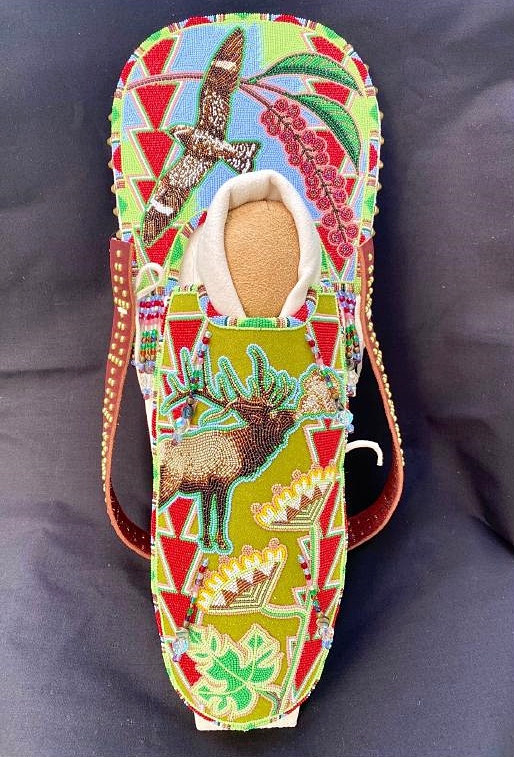
Qwasqwi, Storm, Five Friends & the Canoe (2021). 7.7″ x 1′ 7″. Red vintage true-cut, size 13 seed beads, true-cut, size 13 seed beads, deer hide, wood, cotton fabric, wool, leather, stabilizer, czech beads, nylon and cotton thread, brass tacks and spots. The first cradleboard in a series of four cradleboards, representing the four seasons. This board represents the winter season. Award: 63rd Annual Heard Museum Guild Indian Fair & Market: 1st place award in Division D-Functional objects such as bows and arrows, cradleboards, bows, weapons, shields, furniture, lamps, musical instruments, bull roarers, beaded bottles, and other objects. Exhibition: “Expressions of Resilience” at Bigfork Arts & Cultural Center showing May 8-June 26, 2021. Exhibition: “Finding Our Place: Beading and Weaving Our Culture Together” at City Scape Community Art Space, in North Vancouver BC, Oct. 8-Nov. 13, 2021. Awards 2022: Harrison Eiteljorg Purchase Award, Best of Division in Traditional Beadwork (Eiteljorg Museum), First Place in Traditional Beadwork (Eiteljorg Museum). This cradleboard is in the permanent collection of the Eiteljorg Museum.

When my mom and dad broke up, I moved with my mom to Salish country in Western Montana. For the first few years, we lived with my uncle Johnny Arlee, my aunt Joan, and my maternal grandmother Rachel Arlee Bowers. All three were prolific in their Indigenous skillsets. At the time, my uncle had his own painting business and was always out in his shop making large hand-painted signs. My aunt Joan was always doing beadwork or sewing and my grandmother did beadwork and taught at the local tribal college; her beadwork. She was also a great seamstress. Earlier than I can remember, my mom would send me with my grandmother Rachel often and she was always toting her beading supplies and beaded creations to sell.

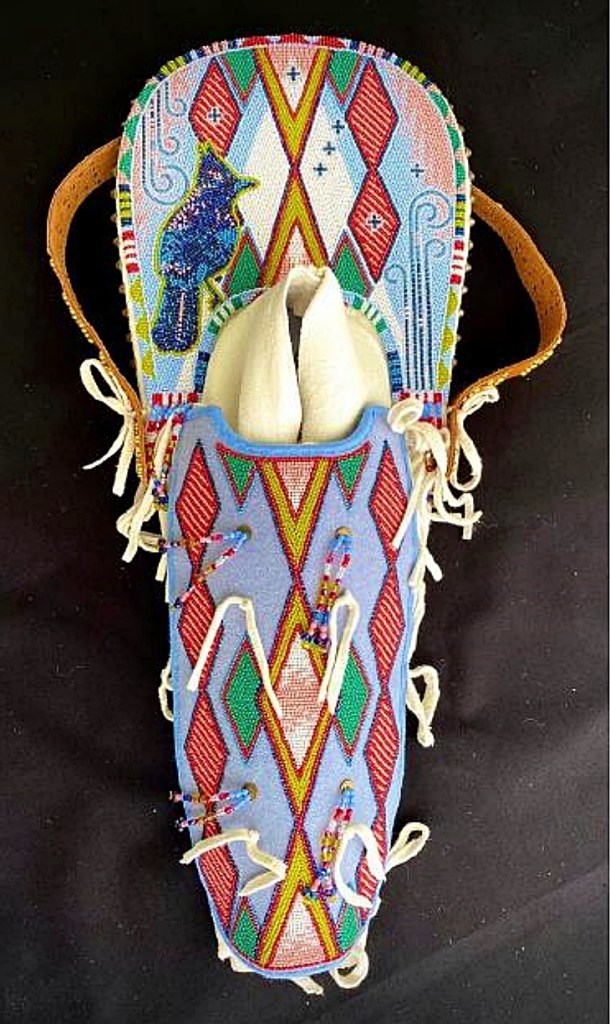
Salish Bitterroot Story (2022), 7.7″ x 1′ 7″. Combination of vintage and contemporary size 13 seed beads, true-cut, deer hide, wood, cotton fabric, wool, leather, stabilizer, Czech beads, nylon and cotton thread, brass tacks and spots. The second cradleboard in a series of four cradleboards, representing the four seasons. This board represents the spring season. Shown at the 64th Annual Heard Museum Guild Indian Fair & Market Award 2022: Second Place in Traditional Beadwork (Eiteljorg Museum). This work is now owned by a private collector.

There were times we camped at Agne’s Camp, in Valley Creek, and she would spend summers with Agnes, helping to pass on the Salish culture. I don’t remember the earlier years but as I got older the summer was cut down to a week and my grandma would be there every year, camping out, teaching the tribal college students how to bead. I looked forward to that time and I would help her get her camp set up and do small chores so she could work. She would teach me how to bead too and I remember my first finished beadwork was a little clip-on barrette I wore with my dance regalia when I was in about 4th grade.

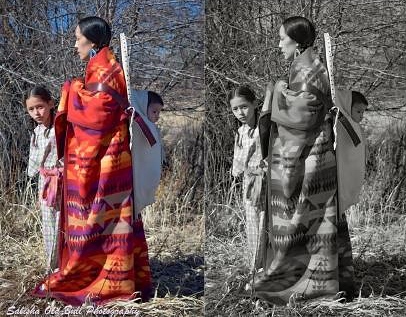
Felicite McDonald
Digital Photograph
2021

By the time I was in high school I knew I wanted to practice art as a profession. I loved to draw and sketched on everything I was allowed to personalize. I wanted to know how to paint and I took every art class that was offered as an elective. I loved color theory and all of the challenges and assignments given to produce art. I wanted to go to art school but as I got older high school had a lot of social challenges for me; for a lot of different reasons; mainly adolescence and social factors. I was fast tracked through high school and when it came time to apply for colleges my mom didn’t agree that art would be the best declaration to pursue. I was so heart-broken but I minded and I ended up doing a lot of other things in college. I was never really satisfied with my majors, and mostly resentful of the ease that came to my classmates when they were following their career passions. I tried to stick it out as long as I could, which felt like my whole life.

Remember That Night At Buffalo Camp (2022). 7.7″ x 1′ 7″. Red and Green vintage true-cut, size 13 seed beads, true-cut, size 13 seed beads, deer hide, wood, cotton fabric, wool, leather, stabilizer, czech beads, nylon and cotton thread, brass tacks and spots. The third cradleboard in a series of four cradleboards, representing the four seasons. This board represents the summer season. Award: 100th Annual Santa Fe Indian Market: 2nd place award in Classification VIII: Beadwork & Quillwork, Div. C: Other items, Category 3102. This cradleboard is apart of a private collection.

I feel that I’ve had a very hard adult life and I’ve somehow managed to take the road less travelled. Like everyone who takes this path, I would say I wouldn’t change my outcomes, but I get a lump in my throat thinking about everything I’ve endured to get to where I am today. I married at age 20 to a Salish man, since I had spent most of my life in Salish country. He had three daughters from a previous marriage that I helped raise. We had two sons of our own who are still young enough to be in elementary school. I used my college degrees to stay near home, in Arlee MT, but I couldn’t handle the local, you-need-to-grow-a-thicker-skin attitudes of home. I’m pretty sure I suffered from PTSD from working in a hostile working environment.

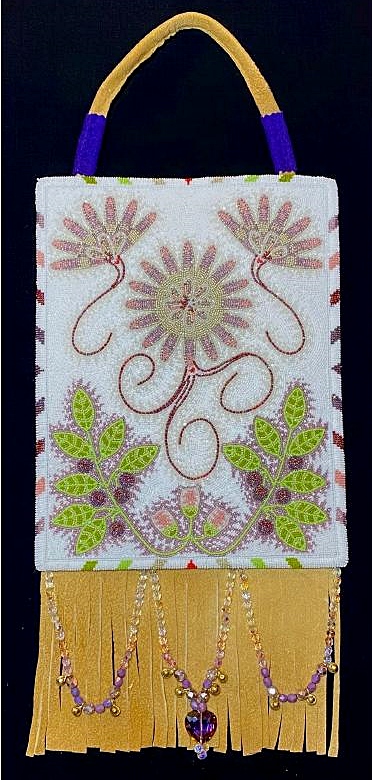
Bitterroot & Huckleberries (2021). 8.5″ x 11″ beadwork surface, not including fringe length. Combination of modern and vintage size 13 true-cut seed beads, stabilizer, deer hide, wool, cotton fabric, nylon thread, czech beads, brass bells, one plastic button. Technique is flat-stitch, two-needle, contour beadwork. Exhibition: Knowledge from Land (2021), University Center Gallery, Missoula MT Award: 100th Annual Santa Fe Indian Market: 2nd place award in Classification VII: Diverse Art Forms, Div. A: Functional objects, Category 2707. This purse is apart of a private collection

One day, I had enough. My youngest daughter was in her last year of high school and she was exploring colleges to attend. We went to a college visit with her in the spring and we sat in on the art major session. I remembered my existing broken heart from not being able to pursue art as a young adult. When I got back to work, I had a really bad day and decided enough was enough. I found out the University of Montana was beginning its first cohort of online art degree program majors and I enrolled. I took as many classes as I could handle, quit my job and got a different job. I worked full-time and took online classes until eventually I finished the program in 2021 and I finally got an art degree. I don’t think I’ve ever cried so much, throughout those few years, realizing that I should have put my foot down and did art school from the start.

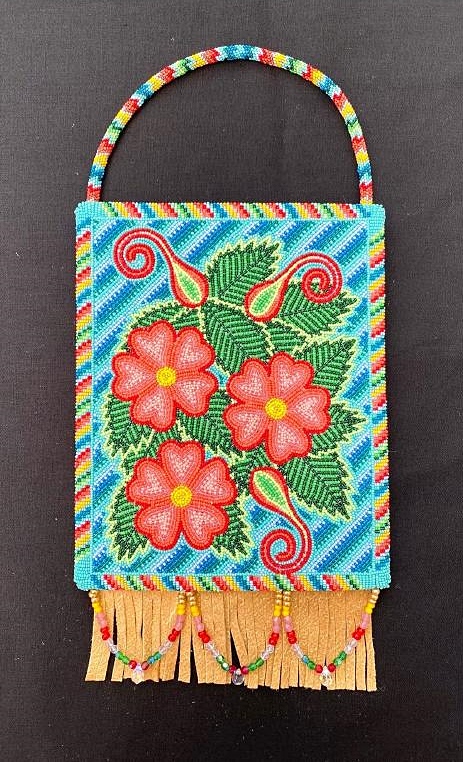
The Roses We Know (2023). 13″ x 6-3/16″ x .25″. Technique is flat-stitch, two-needle, beadwork. Materials are true cut, size 13 Czech modern and vintage seed beads, brain-tanned smoked deer hide, glass and crystal beads, nylon cord, stabilizer, thread, and cotton material. This purse shows the images of wild roses that grow in Western Montana. The plant is significant to the Bitterroot Salish people as the blooming represents the buffalo are fat and ready to hunt. It is currently in a virtual exhibit, “Stories From Bead Night,” hosted by Carrie McCleary and her Plain Soul beading group, Rock Your Beads at rockyourbeads.com. This purse now belongs to a private collector.

Towards the end of my degree program, I was finally able to do more extensive exploration into art that I was hoping to strongly focus. I was sad that I didn’t know much about being a professional artist so I soaked up any advice I could along the way—I’m still a beginner. I wanted to continue to do beadwork and also was very happy to get a formal educational background on art history. It helped me to better understand genres of the artworld as well as where I found interest. It turned out that all of my time before art school was not wasted. I used a lot of my educational background to express my interest in the type of art I like to create.
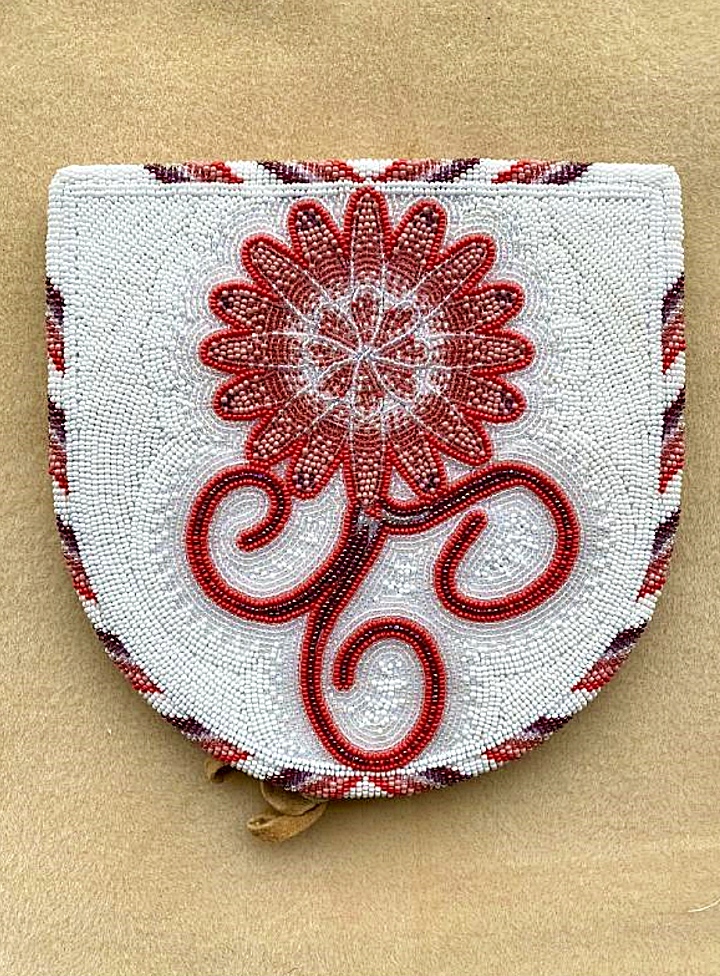
Salish Bitterroot Back Bag (2022). 6in. x 6 in., Size 13 true cut Czech beads (combination of modern and vintage). Brain-tanned, smoked, deer hide, nylon thread, stabilizer, and paper. This bag is in the permanent collection of the Montana Museum of Arts and Culture.

I like to focus on Indigenous knowledge and I like the idea of using empowerment to overcome systemic and racial oppression. The environment is most interesting and I try to express ecological concepts in my work, especially the beadwork. I enjoy lots of aspects of my culture, but feel that getting a formal education gave me a leg-up in life and it opened doors for me when I least expected it. Throughout my educational experience, I connected the idea of place-based learning and Indigenous ways of knowing. I believe that when a person is aware of their environment they can grow intellectually and pursue life beyond their basic needs—they are grounded and secure.

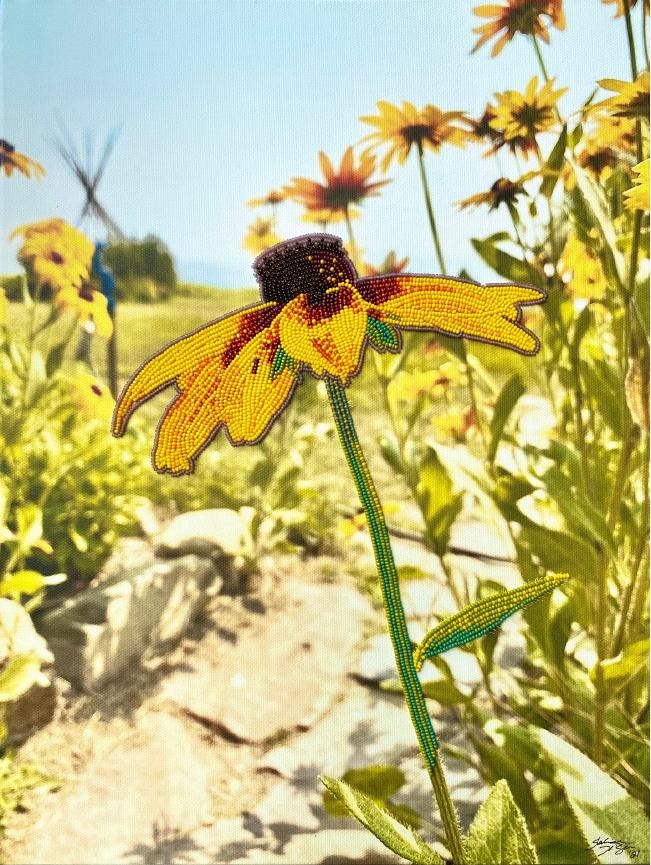
Susan At Thunderhead (2021). 12″ x 16″ original photograph and beadwork on canvas. Donated to Open Air for fundraiser.

Although beadwork is my go-to creative expression, I enjoy painting, drawing, and I aspire to improve my photography skills; I sometimes attempt to mix these medias. The past few years I’ve checked off some huge bucket list items, the biggest one being to participate in the Santa Fe Indian Market. Since 2021 I’ve found joy in participating in Indian Markets and learning how to make time to produce smaller items to vend during the market. It’s intense and physically challenging but I enjoy meeting Indigenous artists I’ve admired for years and having the honor of having artworks amongst the “greats.”

Indigenous Bitterroot Land
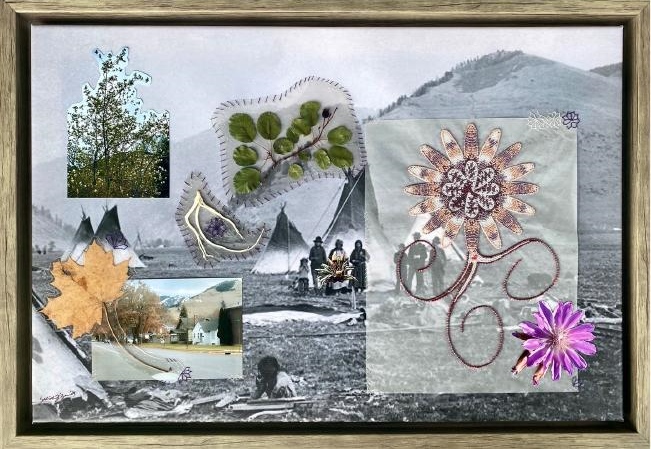
25” x 18”, Collage and beadwork on canvas
2021


In the future, I hope to calm down a bit and get a better handle of the business end of things. I hope to continue to grow artistically, continue to create art in a cultural sense, and to continue to support my family in this way. At the end of 2021 my husband got a new job and we moved part-time away from Arlee. But when that happened, we agreed that I would give it 100% to pursing professional art full-time. I’ve been doing this and slowly learning how to network and become more knowledgeable about the financial part of the deal. I’m thankful for my husband’s support of my journey and attribute his support to much of my ability to follow-through with life, up to this point. I’m also very thankful for the chance of being born into a family that valued art as a way of life.

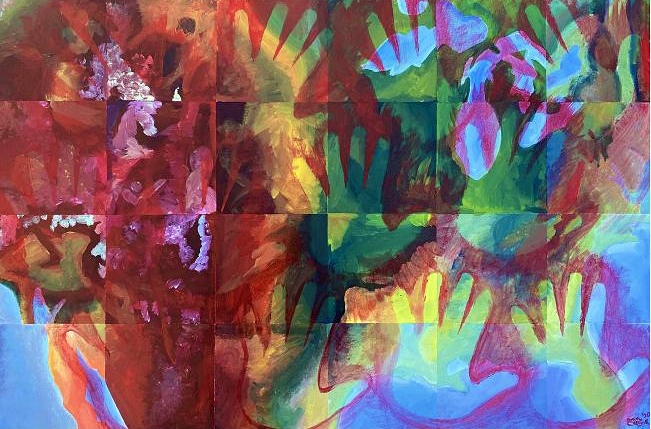
Indigenous Hillshade (2020). 24″ x 36″ acrylic on canvas. Shown in the “We are Still Here and this is Our Story” exhibition in the Emerson Center for the Arts & Culture in Bozeman, Montana
.

I know that I cannot change the past but if I had to give a small bit of advice, I would say that dreams are always worth pursuing. Hard work, consistency, belief in yourself seem to be at the core of carrying a dream. I’ve wanted to give it up a few times, but I stop and remember things I’ve heard other artists say, such as having hard times and easy times along the way. I know that if I can live a life that I didn’t want for so many years, I can definitely commit to a life I really want and do my best to be accountable to myself and to my children. I love creating art and I’m certain this is how I will live the rest of my life.

written by ©Salisha Anne Old Bull

John Pelko on Florals
Hard sketch crayon on heavy gift-wrapping paper
12 in. x 14 in.
2019

SALISHA ANNE OLD BULL ART, PHOTOS AND WRITING IS AN AUTHORIZED DUPLICATION WITH PERMISSION AND EXPRESSED CONSENT

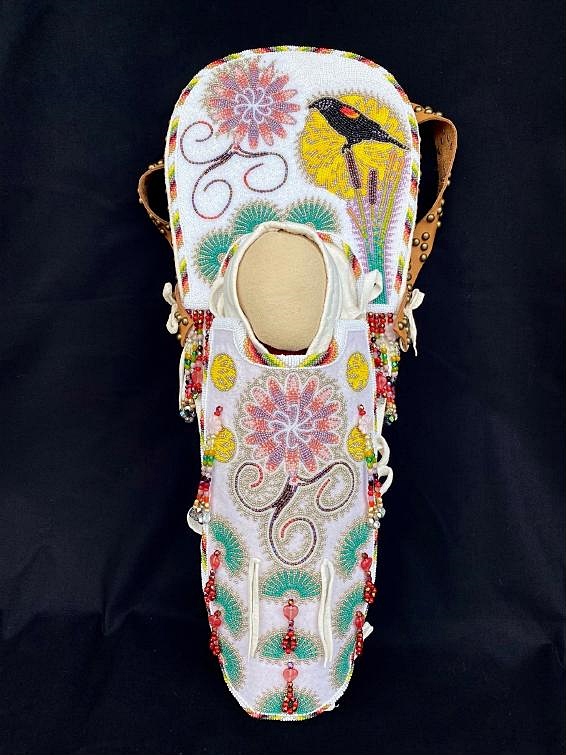
Feature photo: Signs of Autumn (2023). 7.7″ x 1′ 7″. Vintage and modern true-cut, size 13 seed beads, deer hide, wood, cotton fabric, wool, leather, stabilizer, glass beads, nylon and cotton thread, brass tacks and spots. The fourth cradleboard in a series of four cradleboards, representing the four seasons. This board represents the autumn season. Award: 65th Annual Heard Museum Guild Indian Fair & Market: Honorable Mention award in Division D-Functional objects such as bows and arrows, cradleboards, bows, weapons, shields, furniture, lamps, musical instruments, bull roarers, beaded bottles, and other objects. This work is now owned by a private collector.

Skinwalker by Lauren Scharhag

Skinwalker

It’s not like in the werewolf movies
where I wake up naked in the forest,
not knowing how I got there or why
I have the taste of blood in my mouth.

It’s not like the stories where curses
make beasts of men. No, it’s more akin
to those Eurasian primordials of whose tree
I am but another branch, where turning men

into wolves was the rite of hunters and
warriors. No moon governs me, and I know
exactly what I am and where I’ve been. It’s in
my very name, by means of it, it goes on all fours.

Some say it started when the Spaniards came,
and if you don’t know the story of those years,
I probably don’t have to tell you the story
of those years, the age of ruthlessness and

conquerors. Sometimes, I think it must be because
for so long, we were nomads, and you don’t just
shrug off three millennia of wandering, trekking
across ice bridges and down the rugged coasts,

but only the Creator knows for sure, they
who conjured light from the east, and Earth
from a single yellow grain. Sometimes, I think
I was born to this, that I only unleashed what

was already there, my nature mutable as the
golden tortoise beetle, the snowshoe rabbit,
or certain tree frogs. Nothing in my cosmology
says I must forgive. There is only balance

and imbalance, and imbalance must be corrected.
The sort of trauma that washes down through
the generations, like litter in the stream of our DNA,
and it’s not as if the atrocities ever stop. I am

the endless Night Chant, waiting for the world to heal,
the tireless ceremonial dancer, the ultimate hand trembler,
for surely we must remove the source of the malady.
I take the darkness into myself, and when our enemies

tell us we are less than they, I am ready
to fling it back at them. I am ready to don
the forbidden animal skins, to sow terror and
harvest a crop of bones. You could see why

I would trade the Pollen Way for blood, why
I would call upon the powers of wing and
fang and claw, why I would become pitiless
as the hawk’s unblinking gaze. I pray you

never know the pain that drives someone
to become this, that you never have to pay
the price to become this, the agony of
transformation: my fingers, once so skilled

at weaving, hardening into talons, canines
overtaking my omnivorous mouth, forsaking
forever the taste of corn and beans, my feet
into paws, and then the aftermath of becoming,

in which I am no one, neither living nor dead,
perpetually half human, half creature, all monster,
the stench of mass graves and privation. Once you
start down this path, there can be no turning back.

And yes, I can be dog, coyote, wolf, bear, cougar,
owl and crow, but I would rather be the deadly
bacteria destroying you from within, the brain-eating
amoeba lurking in the water, the compulsion

that seizes people to pet a wild thing that could
maul or trample them. The medicine men try
to pray us away. Those who know of us do not
speak of us, for fear we will hear. Admittedly,

we are not hard to distract. There’s always some new
imbalance to chase down. Dip your bullets in ashes,
and if you know the Skinwalker’s human name,
then speak it, and they will be destroyed. If you know

my human name, then speak it, and I will take you
with me. Unlike you, I don’t fear the world’s end.
I know more are waiting if we could but rise
to meet them.

written by ©Lauren Scharhag

Lauren Scharhag (she/her) is an award-winning author of fiction and poetry, and a senior editor at Gleam. Her latest poetry collection, Midnight Glossolalia (with Scott Ferry and Lillian Necakov), is now available from Meat for Tea Press. She lives in Kansas City, MO. https://linktr.ee/laurenscharhag

Links to purchase the book:

Meat for Tea Press

https://meatfortea.com/chapbooks.htm

Midnight Glossolalia Paperback – February 11, 2023 by Lauren Scharhag (Author), Lillian Necakov (Author), Scott Ferry (Author)

Voyeur Rising by Richard Gessner

When I read Richard Gessner’s Voyeur Rising I imagined the story as an adult cartoon with liminal existential qualities. Voyeur Rising reminds me of Vladimir Nabokov’s use of an unreliable narrator who is found in most current social media video and reels. This collective trick usually deceives the viewer with a decoy. This is the place where Gessner’s work lurks, to induce the peripheral mind while feeding the predatory eye. Here we see the ultimate conflict and fantasy of the Freudian id haunting the masculine mind. A pleasure principle with an intrusive desire to poach voluptuous women without any commitment- but to squirt sperm, to clone more succulent women so they are everywhere. The fantasy has boundaries in Gessner’s character who is aware of his masculine delusion, that every women he find’s attractive isn’t a possession but an unfulfilled wish. All this takes place by the primordial ocean, a surface alive with waves.

-Mitchell Pluto

Strategically positioning his beach chair, pretending to be reading a daily newspaper, Joey Genauski, nonchalant, invisible, just by chance, settles in a tight rectangle of sand bordering the burgundy beach towels of two 19 year old college girls the age of his granddaughter.

The girls, an ash blonde, and a brunette with auburn highlights, have soft buttery skin, shapely, wide hipped—all curvaceous splendor—

Perfect brown bodies striped with pale tan lines sharply outlining pale pink asses and naturally large breasts jiggling slightly in the warm breeze of early summer.

The tan lines form a pale faded triangle V of panty line extending upwards. From butt crack to lower back, panty lines curving around thighs to below belly buttons—traces of cast of bikini no longer worn.

Gradations of pale pink skin merging to olive, cinnamon, golden brown, pale breasts encircled with D cup outlines of frilly brassieres. Burnt Sienna areoles and nipples a darker shade of brown than their overall tans.

Crisp yellow and gold designer bikinis, light summer dresses, brassieres. And panties are strewn across towels covered with tubes of sun screen, Purses, car keys, fruit, sandwiches cold drinks, a paperback of classic 19th century literature and a current glossy fashion magazine glistening in the sun.

Furtively, through dark sunglasses, Joey Genauski gazes longingly towards the girls’ spread open legs. Their Smoothly shaven vaginas, A reddish salmon pink, are soothed with cooling aloe vera. Blue and white beach umbrellas with a swordfish logo line the beach Landscape. Its a Saturday afternoon in early June, the weekend crowds work to Joey’s advantage, giving him an excuse to sit close to single women without being obvious about it. The crowds camouflaging his true intentions, allowing him to move frequently, unnoticed by the morally reproving beach patrol seeking to squelch his habit of constantly wandering the beach in quest of a perfect view.

Other voyeurs, Joey’s competition, watch the beach entrance from a distance, waiting for the arrival of young ladies, single or in groups. Approaching the ladies after they have gotten naked under their beach umbrellas.

Most women strip naked, but some keep their bikini bottoms on. Some wear Brazilian string bikinis, flesh toned thongs, almost nude, but not quite. Pale maidens wiggle out of floral print summer dresses, shorts, and candy striped one piece bathing suits.

Voluptuous brown girls peel off demure, white see-through-when-wet suits, revealing all to bulging male eyes, looking, gawking, looking away— Diaphanous mesh panties slide down svelte hips, falling to sand. Brightly colored, fancy brassieres pop off as delicate fingers reach behind unhooking clasps shining in the sun, catching the eye of a seagull flying in blue skies above.

Secret cameramen get up in the nooks and crannies of spread eagled women half asleep in the sun. Joey leaves the two girls, vanishing into thick masses of beach regulars, middle aged, tanned and leathery, marking their territory with windscreens, coolers and little plastic flags poked in the sand.

In Joey’s absence, competing beach voyeurs, some bold, well hung, smooth talkers, will succeed in engaging the ash blonde and brunette with auburn highlights in a lively conversation. Mastering bare body language a virile stud will advance to slow massage, rubbing baby oil of their perfect bodies glistening in the sun.

Slick voyeurs who remain at the top of the food chain will return to the beach, summer after summer, appearing like clockwork as in the legendary return of swallows to Mission San Juan Capistrano—

Their pick up routines with the ladies will remain similar and predictable year after year, decade after decade. Enticing the girls with superficial big talk of financial conquest, fancy cookies and little airplane bottles of alcohol.

In the tidal pools of voyeur nursery school, untested new generations of voyeurs emerge like baby sea turtle hatchlings making a mad dash seaward—

climbing the slippery slope of a succulent female ass just over the horizon,

Joey Genauski wanders into a gaggle of girls taking it all off for the first time-

In the distance, randy couples frolic in the surf, avoiding the June Jellyfish in the waves, out at sea, fishing boats come in close to shore, catching a panoramic eyeful of skin.

“Voyeur Rising” (C) 2022 Richard Gessner

Richard Gessner’s fiction has been published in Air Fish: an anthology of speculative work, Rampike, Ice River, Coe Review, Another Chicago Magazine, Happy, The Act, Sein und Werden, Skidrow Penthouse, The Pannus Index, Fiction International and many other magazines. A collection, Excerpts from the Diary of a Neanderthal Dilettante & The Man in the Couch was published by Bomb Shelter Props. Gessner’s drawings and paintings have appeared in Raw Vision, Courier News, Asbury Park Press, Rampike, Skidrow Penthouse, and exhibited at Pleiades Gallery, Hamilton Street Gallery, Cry Baby Gallery, The Court Gallery and the Donald B. Palmer Museum. Richard wrote The Conduit and Other Visionary Tales of Morphing Whimsy. He lives in Montclair, New Jersey.

The Conduit and Other Visionary Tales of Morphing Whimsy Audible

THIS WRITING IS AN AUTHORIZED DUPLICATION WITH PERMISSION AND EXPRESSED CONSENT