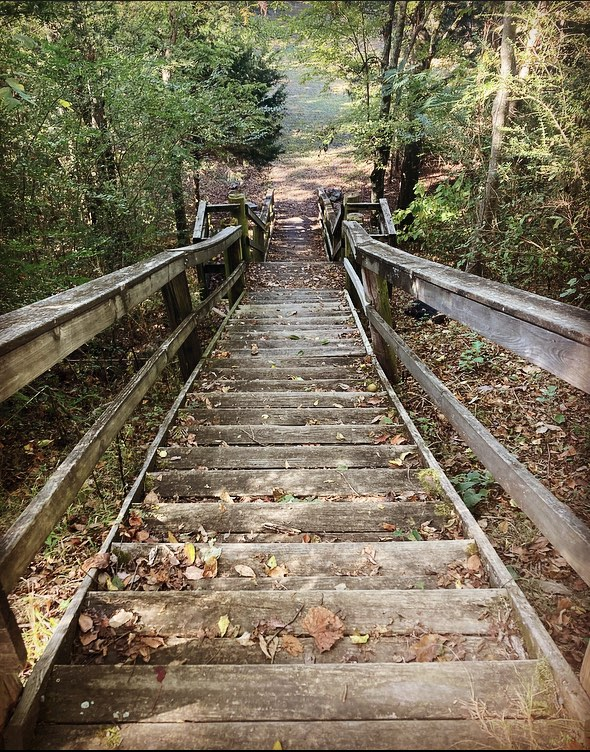
To the Grand Old Oak behind the Grapevine, To the Slippery Elm in the East, To the Multiflora Rose and Perilla Mint, And at the Blue Mistflower, do I cease.
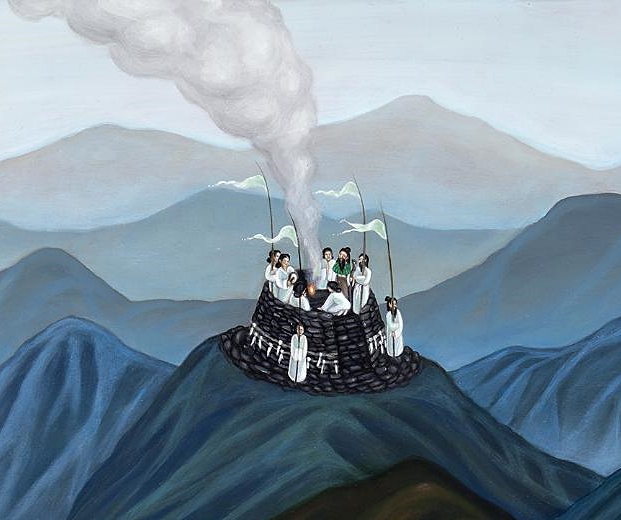
Atop Ingomar Mound, I give Tobacco and thanks, Where Osage Orange and Honey-Locust defend A stone pyre kindled at the height of the heart Thy Holy Spirit, O my God, do Thee send!
Amen, amen, and amen!
Appear to me in the Frostweed— In the leaves and in the flowers and in the roots, In the scented bark of the ancient trees, And among the Sassafras shoots.
Arrow shafts of light pierce my eyelids, Icy feathers of wind caress my hands. Earth gathers Herself beneath my feet Where the rushing waters touch the land.
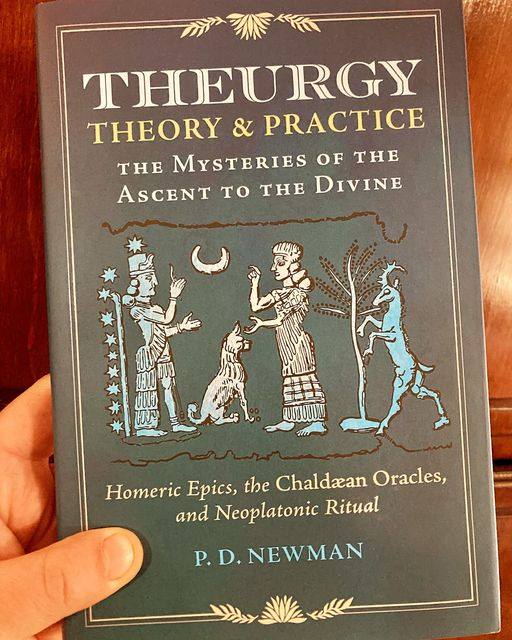
P. D. Newman has been immersed in the study and practice of alchemy and theurgy for more than two decades. A member of the Masonic Fraternity, the Society of Rosicrucians, and the Martinist Order, he lectures internationally and has published articles in many esoteric journals, including The Scottish Rite Journal, The Masonic Society Journal, and Invisible College. The author of Alchemically Stoned and Angels in Vermilion, he lives in Tupelo, Mississippi.
no matter how you spin it the X will land on four paws black cat prints on white dice every time I don’t know if mad scientists will bring the mammoth… back in time what a strange phrase the factor x in time cross roads no top, bottom or side some may defend that there is a timeless duration besides the pan-Native hoop dancer like Plato over laying congenital malformations with rates of metal to form a New Atlantis and sky scrape over Cahokia most of us missed that show with the hoop instead the game was on the match between colors red and blue most stood for it with their hand over their cardiovascular system ritual pledges of commitment under one body to support being lied too… in this case it’s getting soggy up north they found the link in 2013 Homo naledi we are all related but people will act surprised when no one arrives to solve the problem another 120 degree day
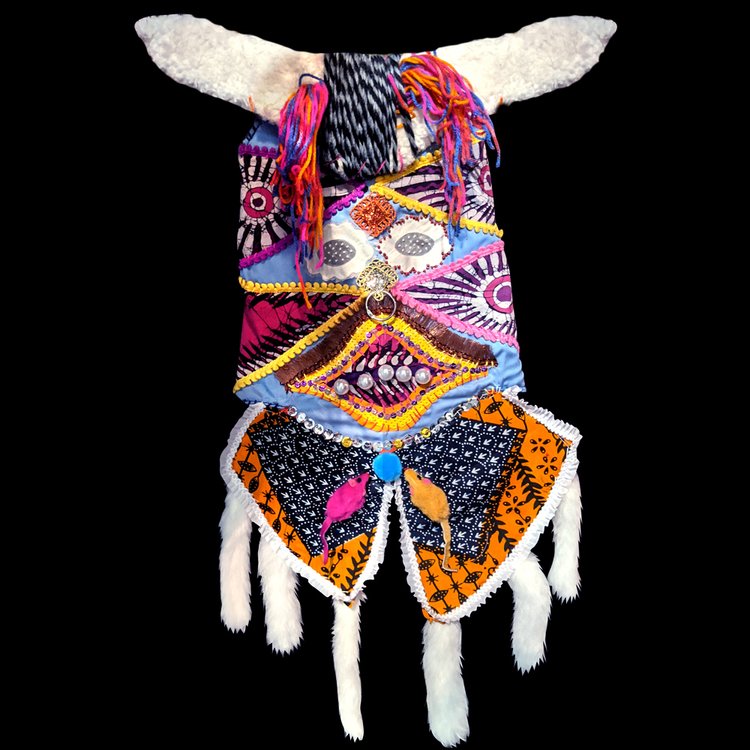
The gods have “inner” or “spiritual” eyes (oju inun) with which to see the world of heaven and “outside eyes” (oju ode) with which to view the word of men and women. When a person comes under the influence of a spirit, his ordinary eyes swell to accommodate the inner eyes, the eyes of god. He will look broadly across the whole of all the devotees, he will open his eyes abnormally. Araba Eko, Lagos. 13 Janurary 1972. Flash of the Spirit. African and Afro-American Art and Philosophy Robert Farris Thompson 1983
Ritual contact with divinity underscores the religious aspirations of the Yoruba. To become possessed by the spirit of the Yoruba deity, which is a formal goal of the religion, is to “make the god”, to capture numinous flowing force within one’s body. When this happens, the face of the devotee usually freezes into a mask, a mask often (but not always) held during the time of possession by the spirit. Aṣhe is untranslatable.
Flash of the Spirit.African and Afro-American Art and Philosophy Robert Farris Thompson 1983
Bámigbóyè: A Master Sculptor of the Yorùbá Tradition. Mask, carved wood.James Green With Olúṣẹ̀yẹ Adéṣọlá, Anne Turner Gunnison, Efeoghene Igor, Will Rea, and Cathy Silverman. Yale University Press 2022
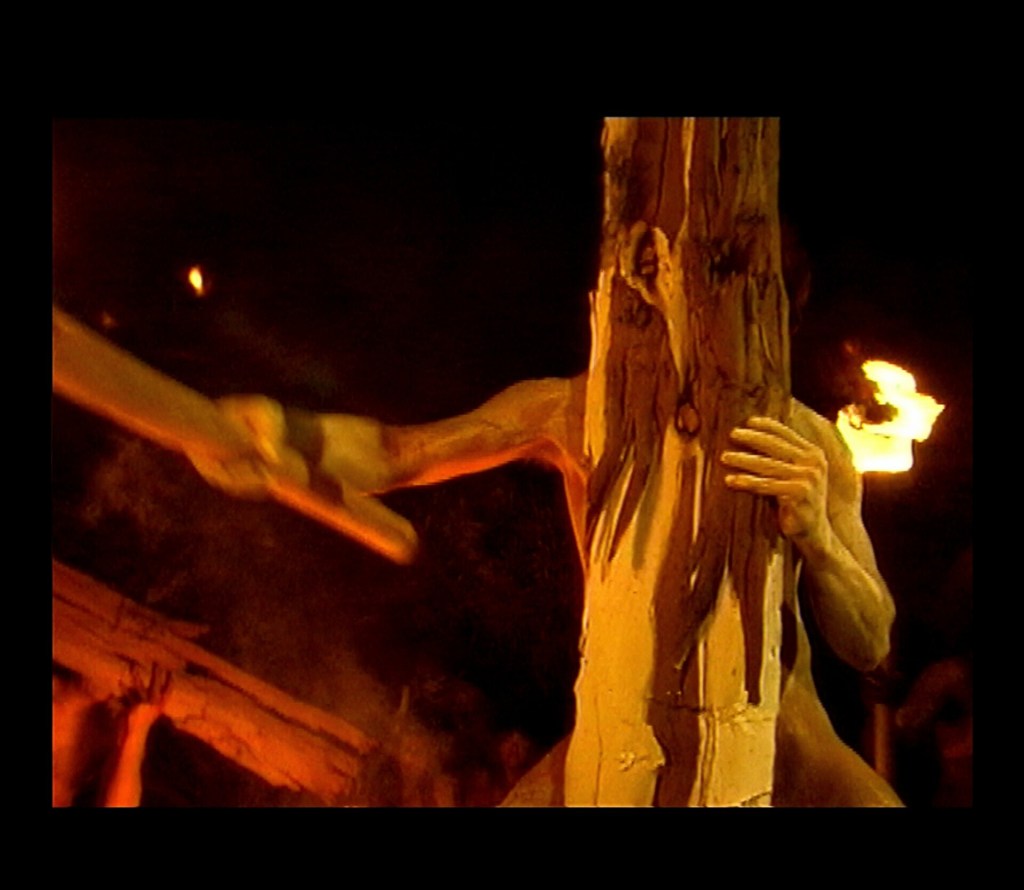
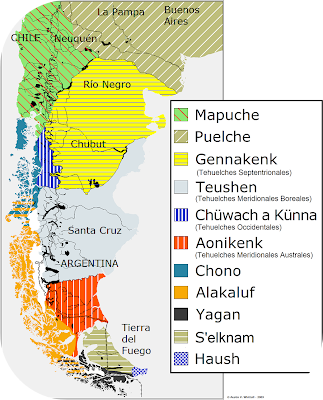
Ayayema es uno de los espíritus del mundo sobrenatural Kawéskar. Para los Kawéskar -canoeros de los archipiélagos del fin del mundo- existe un orden en la naturaleza, una armonía. Si esta se rompe cuando alguien se enferma o se produce un accidente, es causado por Ayayema, un espíritu poderoso que en su ser, lleva esa propiedad de alterar el orden. Ayayema proviene de hóutk’a álowe “más allá del horizonte”, que es la tierra de los espíritus que transitan desde ese mundo al mundo de los hombres. Él es un depredador, se alimenta de la energía vital de los seres vivos, viene al mundo de los hombres a cazar.
“YO SOY LA VOZ DEL CIELO SUR
QUE TRAE EL INVIERNO Y EL ANGOSTO DIA AUSTRAL
SOMBRAS ENORMES QUE SE LEVANTAN EN LA NOCHE
ALLÍ DONDE VIVE AYAYEMA
ESPÍRITU DEL RUIDO QUE RONCA ENTRE MONTAÑAS Y GLACIARES
QUE CAMINA EN LA ESPESURA DEL BOSQUE Y EL PANTANO
MITAD LLANTO HUMANO, MITAD GRITO DE BESTIA
ÉL TRAE AL VIENTO QUE VUELCA LAS CANOAS
ALLÍ HABITA RONDANDO LA NOCHE
ESCALANDO EL AGUA DE LAS CASCADAS
TRAYENDO EL MAL TIEMPO QUE HEMOS APRENDIDO A VER
EN EL PASO DE UNA BANDADA DE LOROS
QUE HEMOS COMBATIDO QUEMANDO UN DIENTE DE LOBA
Y HECHANDO SUS CENIZAS AL MAR.” (*)
“I AM THE VOICE OF THE SOUTH SKY
THAT BRINGS THE WINTER AND THE NARROW SOUTHERN DAY
HUGE SHADOWS THAT RISE AT NIGHT
WHERE AYAYEMA LIVES
THE SPIRIT OF THE NOISE THAT SNORES AMONG MOUNTAINS AND GLACIERS
THAT WALKS IN THE THICKNESS OF THE FOREST AND THE SWAMP
HALF WEEPING HUMAN, HALF THE CRY OF A BEAST
HE BRINGS THE WIND THAT OVERTURNS THE CANOES
THERE HE LIVES WANDERING AROUND THE NIGHT
CLIMBING THE WATER OF THE WATERFALLS
BRINGING THE BAD WEATHER THAT WE HAVE LEARNED TO SEE
IN THE PASSAGE OF A FLOCK OF PARROTS
THAT WE HAVE FIGHTED BY BURNING A WOLF’S TEETH
AND MAKING THEIR ASHES INTO THE SEA.” (*)
(*)Fragments from “Viaje al Archipiélago de los Chonos”, poem and documentary film written by Claudio Rodriguez Lanfranco.
En los Ceremoniales Kawéskar se usaban máscaras que representaban estos espíritus, usadas por los hombres, ya que las mujeres no podían llevarlas. Éstas máscaras, así como la pintura corporal, están más relacionadas con usos rituales que artísticos. Entre los Kawéskar existía un repertorio de canciones para estas ocasiones. Como parte de su rica tradición oral, estas experiencias se transmitían a los iniciados de generación en generación en cánticos alrededor de grandes fogatas donde Ayayema era un protagonista. Es el único tipo de expresión musical que se conoce de este pueblo. Las canciones ceremoniales se desconocen hoy y solo se cuenta con el testimonio de la literatura especializada.
“Kuosá jeksólok ak’uás æs čačár tawaisélok aksǽmhar os
aselái eik’olájer-s kuos ko at ku kiáu afsenák at árka æs sa
“Y después el finado, el espíritu, el alma de mi difunto papá, decían, contaban en aquella carpa, se sentía hablar, en la carpa que quedaba más arriba de la mía. Y a los espíritus les decían Ayayema así los llamaban. A él me mandaron, me mandaron animándome y le pregunté a él: “Padre, ¿eres tú el que está hablando?”, así dije. Y me respondió el espíritu que mora más allá del horizonte: “Sí”, así [dijo], “¿por qué me estás preguntando?
Los cuentos, relatos de viaje y las historias de vida Kawéskar, constituyen lo que se ha llamado “arte de la palabra”. Joel Sherzer y Greg Urban (1986) manifiestan que “Ningún indígena sudamericano ha ganado jamás el premio Nobel por su actuación (performance) oral u oratoria política. Sin embargo, todos los días y todas las noches los miembros de remotas sociedades de Brasil, Ecuador, Panamá, Chile, que viven en medioambientes no tecnológicos, están creando y desplegando una notable diversidad de formas verbales caracterizadas por riqueza metafórica, procesos poéticos y retóricos y estilos intensamente personales, todos los cuales son parte íntima de la reproducción y transmisión de sus tradiciones culturales y estéticas”.
Entre los Kawéskar se desarrolló durante siglos este arte de la palabra y fue la única manera de transmitir el conocimiento y de expresar estéticamente mediante la palabra (cf. O. Aguilera)
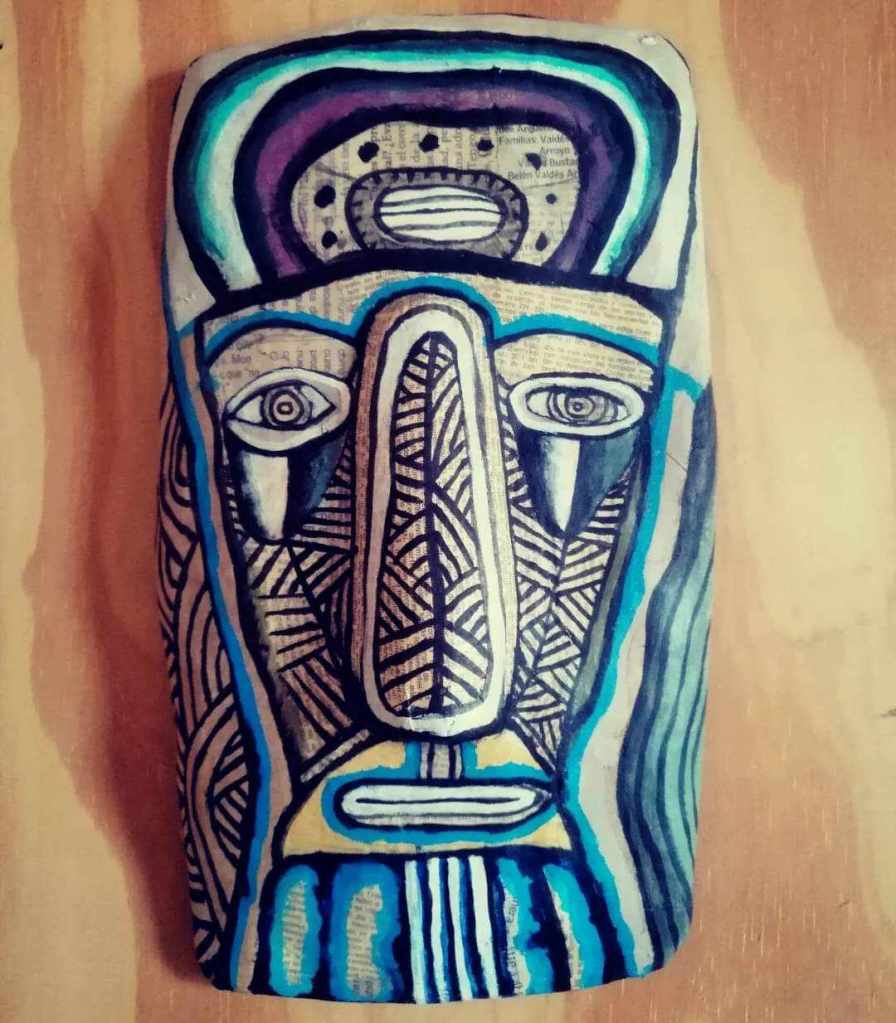
Poemas sobre máscaras desde poemario inédito Luz de lluvia escrito por Claudia Vila Molina
Grietas de la máscara
No nos es dado seguir hablando
ni de encontrar rastros perdidos
el azul juega con sus colores
y se forman raíces a tu alrededor
Son formas ennegrecidas
del sucio mineral de tu sangre,
espacio leve disgregado
en torno a esa máscara.
Tiempo ancestral
Recorro espacios cerrados
la memoria archiva actos conocidos
y solo vapor emerge desde estados de la imaginación,
mi mente perpetra esos instintos
(armonía remota de un entramado salvaje)
lucho por la veracidad de signos confiscados
y es penetrante tu esencia
ese código agrieta mis destinos
y películas convergen hacia tu manantial
Algo nos rodea desde siempre,
imagen pétrea instalada en cuencas de la prehistoria,
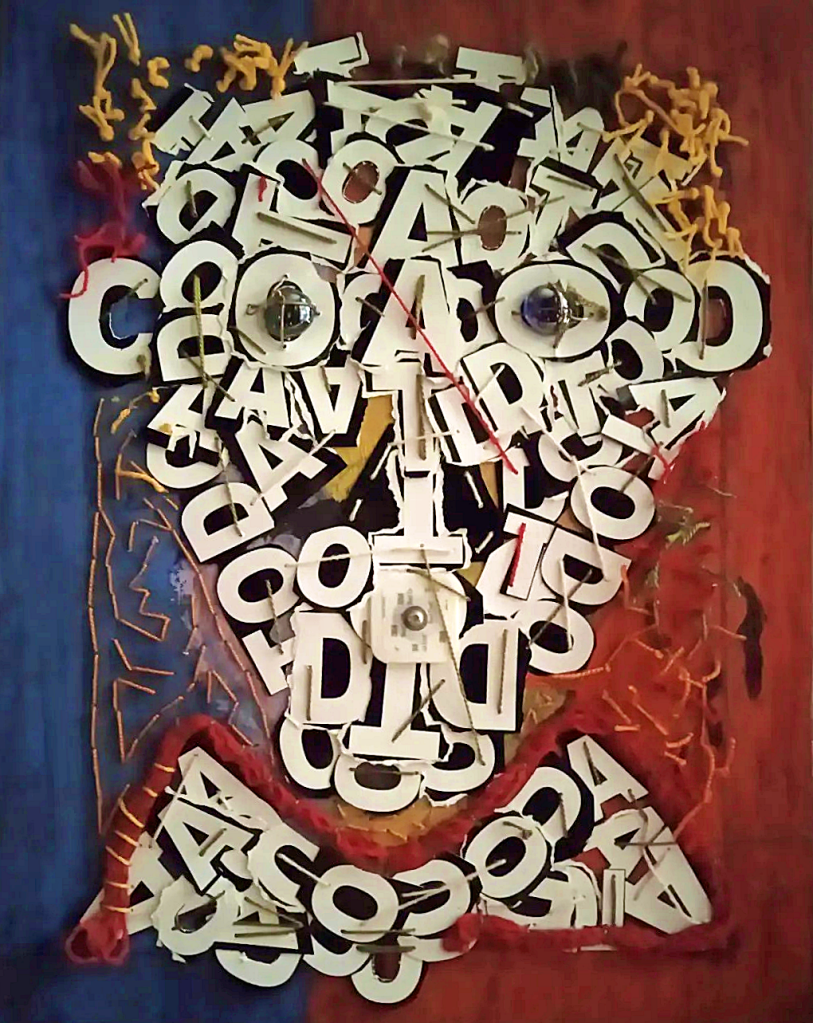
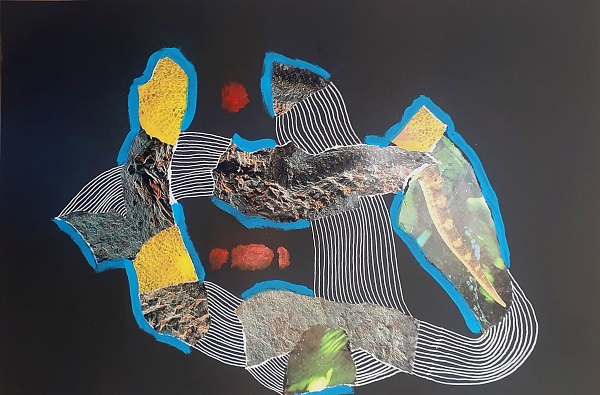
Es un asunto de querer magnetizar los elementos encontrados. Unirlos como si fueran una solución a un problema, sin tener , ni presentarse como problema. Al encontrar un objeto se van produciendo solas las uniones, la visión de esa reunión empieza a crear se su propia obra. Una inspiración creativa que se gesta a través de las palabras y las acciones. Arte de acción, teatro, poesía, plástica.
Nacido el año de 1961 y dedicado a la creación artística desde entonces, cuento en la actualidad con 62 años y perseveró con entusiasmo en la creación de poesía, obra plástica y conciertos de poesía.
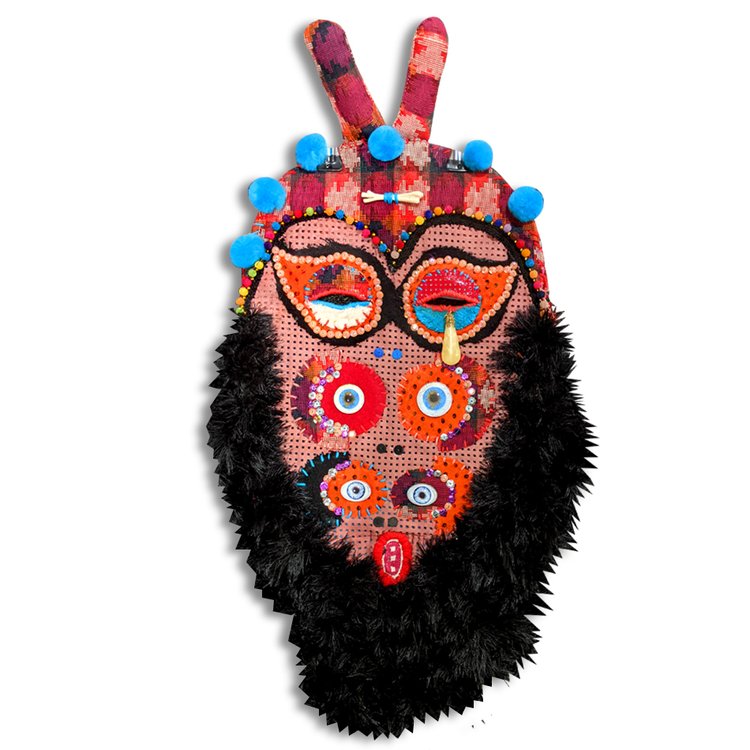
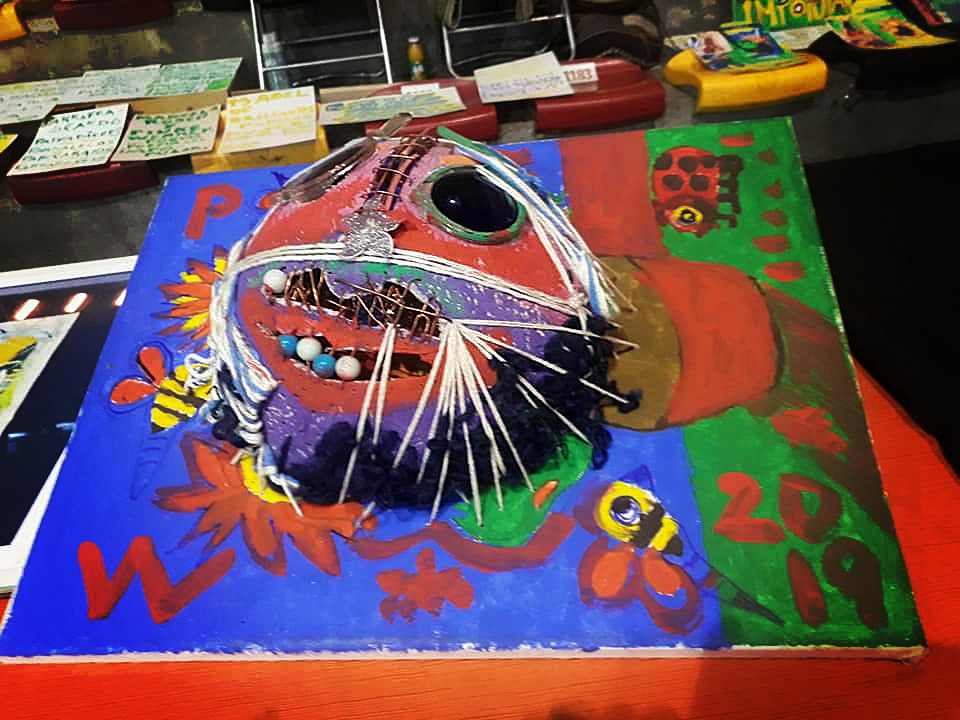
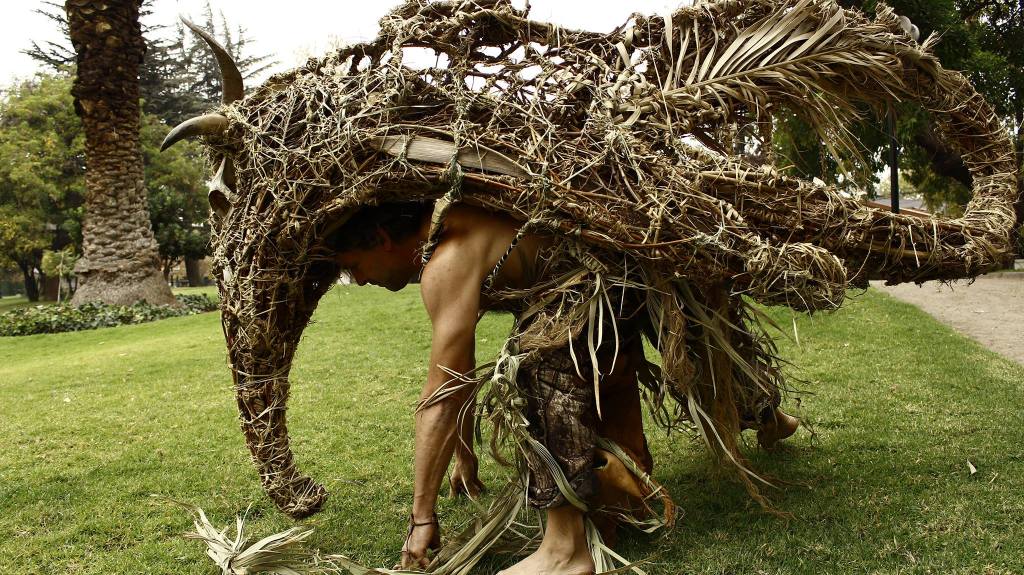
Francisco Rios Araya blends the ancient diversity between Paracas culture and Chilote mythology to build a new mythic hybrid. Rios creates a séance with the memories of archaeological sites, improvised ceremony and masks.
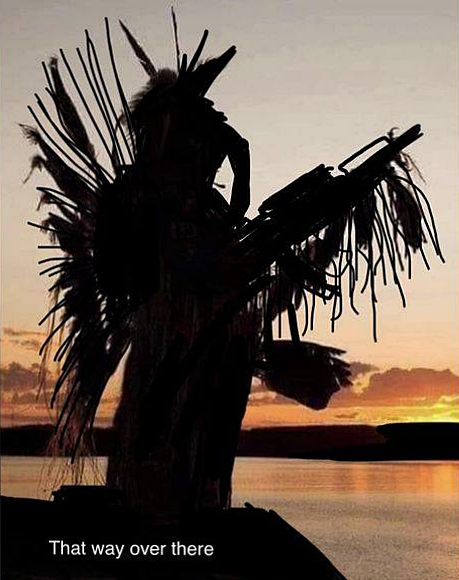
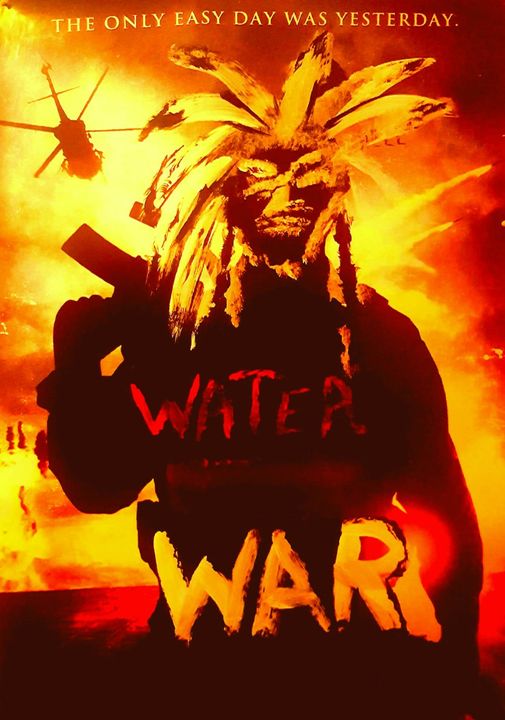
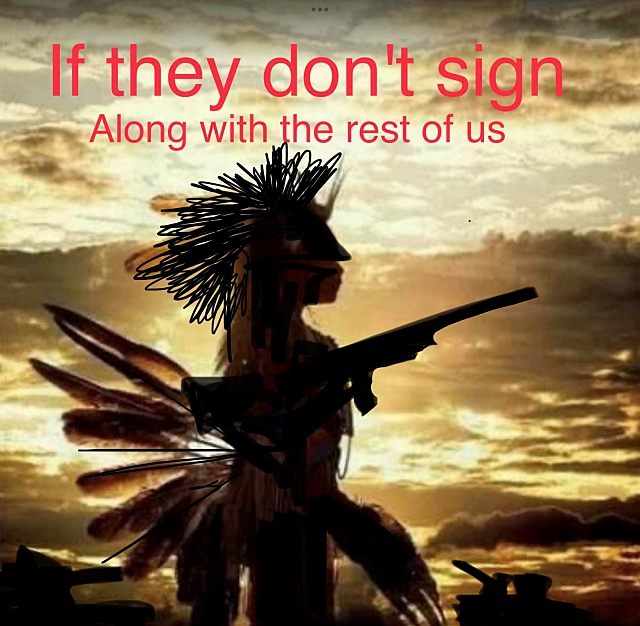
Mun gee dik lives in rocks and along shadows near lake Manitou…it is said this spirit hid a cache of weapons in a cave from the marauding Iroquois…some believe weapons are hidden to this day and include modern firearms that were lost or thought stolen…the Great War hero Kawbenaw is said to still be alive and is keeping these weapons…someday mun gee dik and Kawbenaw will make themselves known
written and created by Duncan Neganigwane Pheasant
Mitchell Pluto
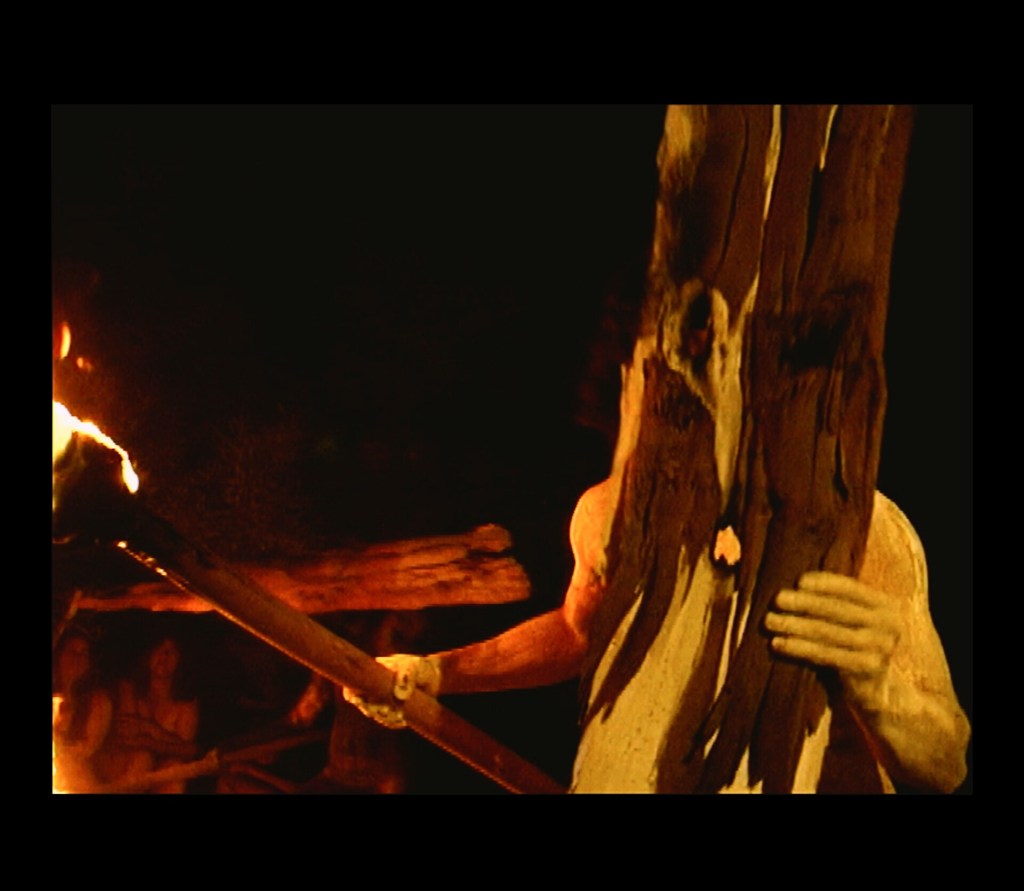
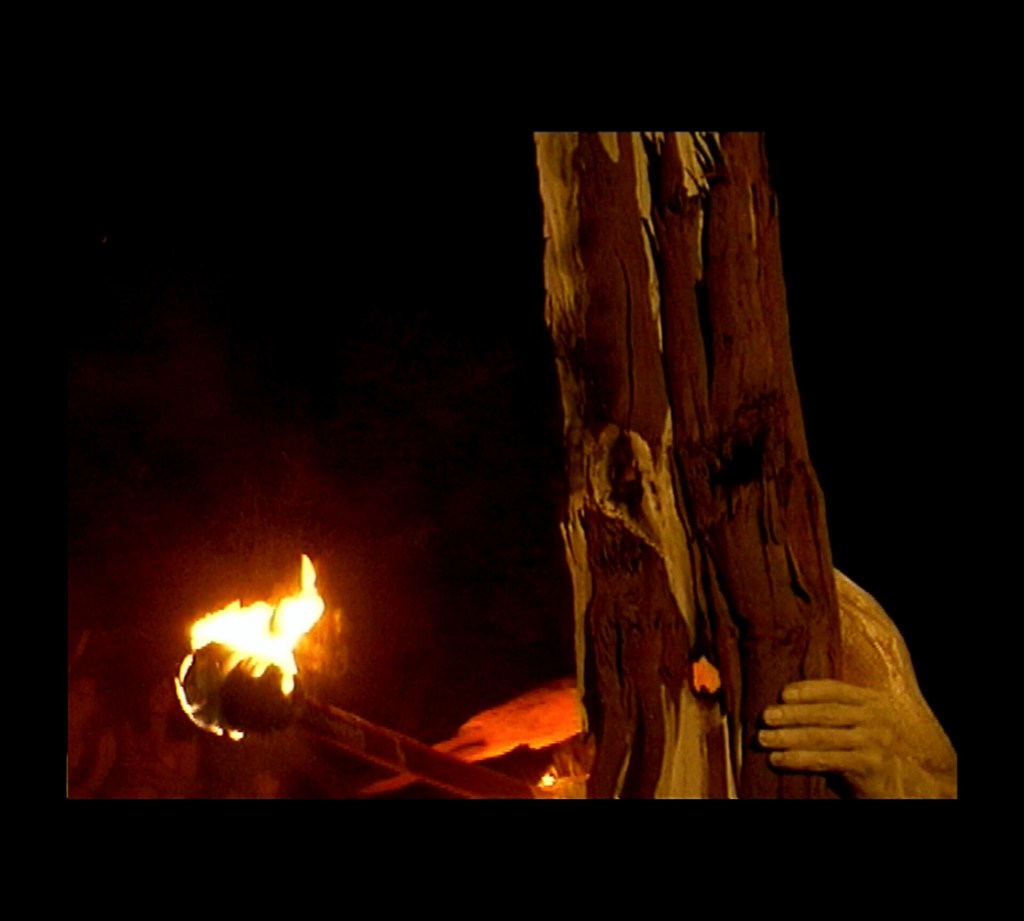
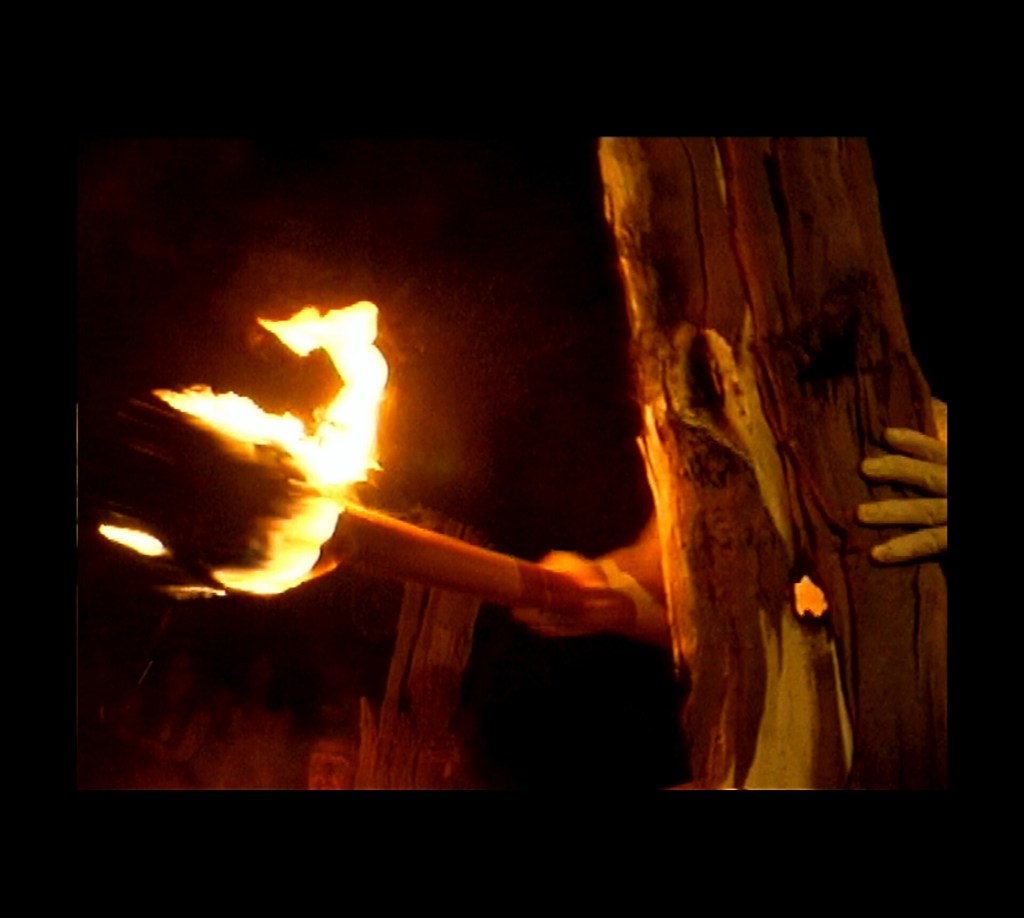
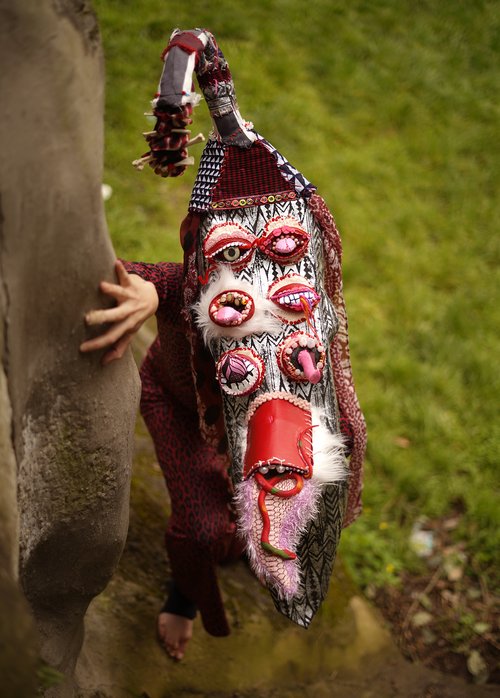
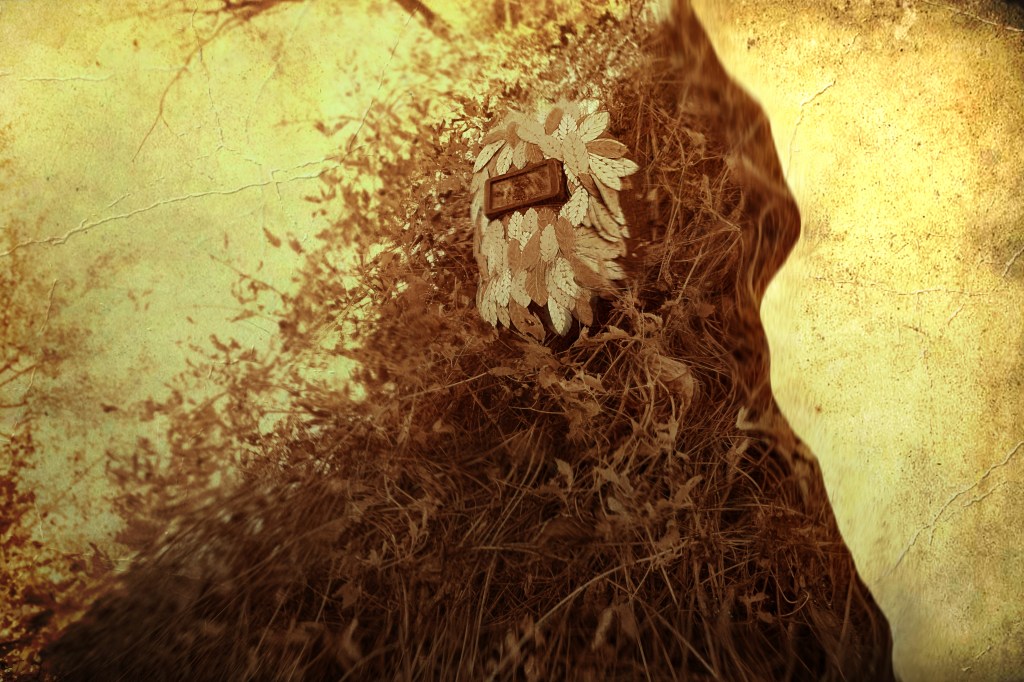
In August 1869, Alexander Jay Russell, a railroad photographer, captured an image of an unidentified entity during a total solar eclipse in Western Montana Territory. Russell’s journal entry depicted the creature as a tree-like being that glided along the ground and through the trees, mimicking every texture it encountered. The dark visor was the only consistent characteristic.
Photos found at an estate sale in 2023 are now in the possession of the Montana Historical Society Research Center Archives. Certain independent researchers suggest that this camouflaged entity possesses the capacity to swiftly adjust its chromatophores, enabling it to blend into any surroundings without being easily observed or recognized. This trait resembles that of Cephalopoda, the only organism known to exhibit such capabilities.
Many witnesses in Montana reported similar encounters during the solar eclipse on February 26, 1979, like Russell’s. Authorities have not yet released any official comments to the public.
welding mask with painted copper leaf by Mitchell Pluto. Wild Plains Horse Plains, Montana
epilogue
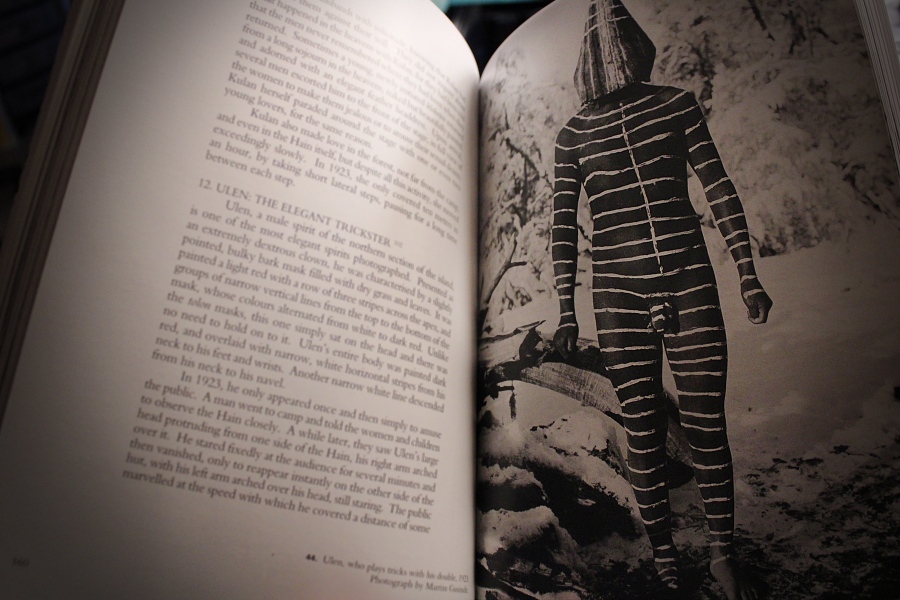
Ulen the elegant trickster. Plays tricks with his double, 1923. Photograph by Martin Gusinde
“In 1923, the Ulen only appeared once and then simply to amuse the public. A man went to the camp and told the women and children to observe the Hain closely. Awhile later, they saw Ulen’s large head protruding from one side of the Hain, his right arm arched over it. He started fixedly at the audience for several minutes and then vanished, only to reappear instantly on the other side of the hut, with his left arm arched over his head, still staring. The public marveled at the speed at the speed with which he cover the distance of some eight metres. The public did not know that the “backstage” there were two rigorously identical Ulens, posed at each side of the Hain. A third man gave them signals as to the exact moment at which they were to protrude their heads. The performers practiced a great deal in order to coordinate their movements and remain immobile for several minutes.”
Chapman, Anne (2008) Hain, Selknam Initiation Ceremony. Initiation ceremony of the Selknam of Tierra Del Fuego 12 160-162
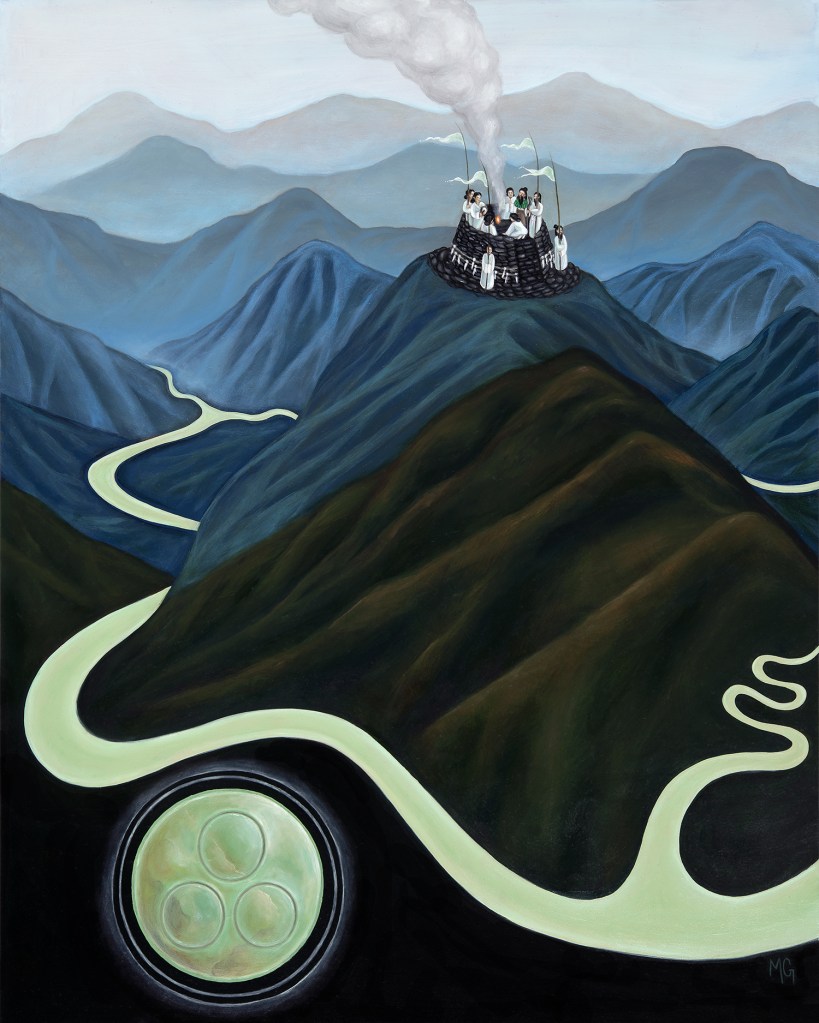
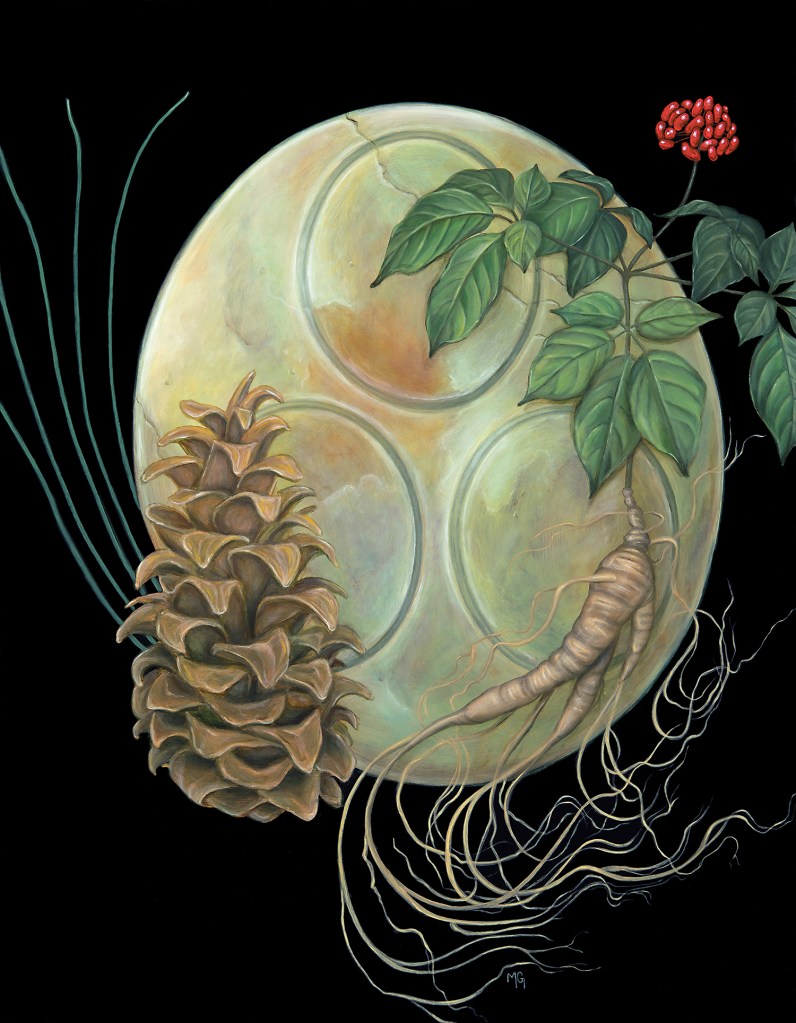
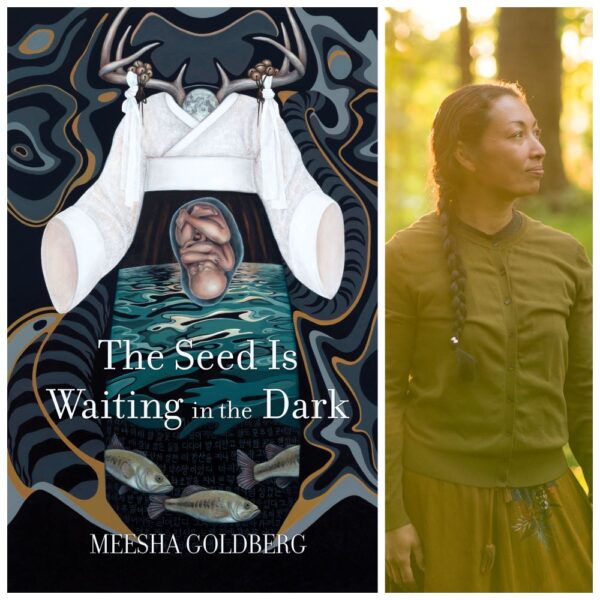
Meesha Goldberg is a Korean American artist and poet living in Charlottesville, VA. Her experiences growing food, serving as an activist, and journeying to sacred places have made her a powerful advocate for the Earth. Goldberg has exhibited her work in solo shows around the United States, with her debut poetry chapbook “The Seed is Waiting in the Dark” forthcoming in 2024 through Finishing Line Press. Her art crosses the boundaries of genre to both experience and express transformational repair. Performance, ritual, painting, film, and poetry merge in durational, place-based works and gallery installations that insist upon the re-enchantment of the world.
The Seed Is Waiting in the Dark by Meesha Goldberg
This title will be released on January 19, 2024
The Seed is Waiting in the Darkconfronts the realities of ecological catastrophe and diasporic displacement with the lyric intensity of a life lived reckoning with questions of collective survival. Included within this debut collection are five of Goldberg’s paintings, which poignantly illustrate these feral, visionary poems. Full of grief, grace, and lessons from the land, The Seed is Waiting in the Dark conjures ancestral instincts to claim belonging within the cycles of natural life.
Juan Enrique Piedrabuena Ruiz-Tagle nació en Santiago de Chile en 1951. Es Abogado y Magíster en Administración de Empresas. Vivió en Barcelona, España, entre 1973 y 1997, donde activamente participó en el grupo literario “L` Ocell Radiant”, en la Floresta, Sant Cugat del Valles. De vuelta en Chile, ha participado en algunos grupos literarios y además en el taller de poesía «El Caleuche» dirigido por la poeta Tatiana Olavarría en la SECH. Ha sido traducido parcialmente al catalán. Es miembro de la APOC (Asociación de Profesionales Catalanes) y uno de los editores de la revista literaria Joan Brossa. Ha publicado “Poemas del desarraigo” y “El entresijo de tu mirada”.
Toda ciudad hiede a sombras las cuales son a su vez sus cementos, que la ocultan, a ella, la de la piel perlada y ojos evocadores. Filo emergido del océano antiguo bajo la oscuridad nubosa de la palabra sonido del reino animal que dibuja su notocorda (o notocordio) por consejo de los cantos cámbricos de células turgentes y cada cuerda se compone según designio con ese diseño urdido en los albores del primer sentir del todo música que continúa con su decibel arcano y transversal.
Born in 1961, he entered the Faculty of Arts of the University of Chile in 1980, from where he was exonerated at the end of 1981. There he had classes with artists such as Luis Lobo Parga, Adolfo Couve and Luis Advis among others. It was then that he began his studies in fine arts at the Institute of Contemporary Art, where he was a student of Sergio Sosa, Milan Ivelic, Gaspar Galaz and Enrique Zamudio, among a long list of notable academics. He interrupted these studies to enter Graphic Design, where he would meet great masters, such as his friend Claudio Cortes, or the outstanding Antonio Pérez and Patricio de la O. At the end of this training, he returned for one more year to the Institute of Contemporary Arts, and finally , studied a Color diploma at the Catholic University of Chile during 1992.
He is considered one of the most notable representatives of surrealist painting; His works have been exhibited in Italy, France, Spain and the United States.
Descendidos al mismo infierno Tu saciedad en mi boca Los labios aparean otras voces Me buscas entre la niebla La imaginación me busca entre la bruma Yo no existo Tú me asesinaste Hundiste tus preguntas en partes viejas de la casa Algo encendía el techo Los pequeños alumbraron esa melancolía Hasta que todo se fue en la inundación Y las miradas se ensuciaron con su propio ruido No había más caretas para procrear Ni más sueños para parir.
Vuelvo al sur a los bosques La lluvia detiene el canto de nuestros cuerpos Volveremos a arder mientras la lluvia gire hacia la luz Y una partícula de viento entre en nuestros reinos El aire será nuestro Nos poseeremos agitados Ante el agua descendida por la noche Mientras los animales buscan sus huellas Y nosotros decapitamos el terror Observamos la hoguera desde la boca hacia los pies Y en un minuto todo será conocido Cada detalle entra en nosotros Aullamos con el musgo que nos cubre Y tus labios me tocan Deslizan tus hogueras en la ruta del sol Hasta que el viento es un solo gemido Y nadie ni siquiera la noche puede soportar Estas sombras recorriendo Palpando la silueta Entrando en la oscuridad.
Descubriéndonos Descubro el sur en este navío que vuela Es mi imaginación en su astillero de astros Los muñecos envician las agitadas aguas Es el aire sucio que nos recorre Y una llamarada revierte Los fragmentos del aire en toda su gestación Es tanto el aire que ansío Volar por estas explanadas hacia el lago Y desde allí recorrer la senda Las nubes dejan pergaminos en la noche Nosotros nombramos nuestras inmensidades En las lagunas del secreto La madre guarda sus señales con devoción Y el anciano lleva botellas en el bolsillo Yo no puedo morir antes de verte Es azul esta nostalgia del verde corredor Mis muñecas recuerdan todos recordamos Es un viaje por las huellas de esa mirada distante Es un tiempo dedicado al sigilo Las madrugadas vuelven a reunir sus escombros Pero la hierba crece desterrada desde la tierra Y las cartas regresan a la ciudad perdida.
Seres perdidos Septiembre devuelve partes de mi ser perdido A dónde estarán todas las partes de mi cuerpo? En qué huella? En qué nube? Volveré a volar otra vez?
Nuestros restos Los restos de ellos aún nos miran Dónde están tus huesos? Pedro Martin Federico Victor María Alicia Dónde se fueron a morir? Dónde podré buscar y ensangrentar mis manos? Algo negro vuelve a supurar en la memoria Algo viene devuelto desde la estación del exilio.
El día de mañana Mañana moriremos cuando queramos buscar y no haya sombras ni acequias dónde enlutar la voz Solo un clavel blanco retratará tu figura desaparecida Más allá del ojo en negro Más allá del tendón cortado en dos Más allá del septiembre que humea solitario En la última carta que recibí Cuando la mirada no era suficiente ni el grito Ni la mano perdida en los barrotes oxidados. En memoria de nuestros muertos y desaparecidos en esta fecha funesta.
Writer born in Viña del Mar, Chile. Professor of language and communication at PUCV, poet and literary critic. In 2012, she published her first book, The Invisible Eyes of the Wind. She has published in renowned Chilean and foreign digital media: Babelia (Spain), Letras de Chile (Chile), Triplov and Athena de Portugal, among others. During the year 2017 she participates in the Xaleshem group with poetic texts for the surrealist anthologies: “Composing the illusion” in honor of Ludwig Zeller and “Full Moon”, in honor of Susana Wald. In 2018, she integrates the feminist anthology IXQUIC released both in Europe and in Latin America. In 2020 she participates reviewing the conversation book “Shuffle poetry, Surrealism in Latin America” by Alfonso Peña (Costa Rica), also writes a poetic prose text for the book “Arcano 16, La torre“, by the same author. Likewise, she participates in the book “120 notes of Eros. Written portraits of surrealist women” by Floriano Martins (Brazilian surrealist poet, writer, visual artist and cultural manager). In this year (2021) she publishes her second poetry book Poética de la erotica, amores y desamores by Marciano editores, Santiago. The Extraviados is her third book published by Espacio Sol Ediciones (2023)
Dibujaste una mirada muda perpendicular a la onda más leve el polvo, el concreto, la almohada ahogan la imagen pervertida de ti Estoy a punto de exterminar una idea, de convertirme en una imitación de la neblina en el vidrio.
Sahumerio
Reflejos anulan el acto hasta que olvidas mi presencia yo enciendo fuegos, derrito despojos de amor cada tanto escribo y un extraño nace del aire y puede aterrizar a pesar de mi estación forzada, el ritmo aplaza conjugaciones de un verbo que se sugiere desigual.
Vaciada
Mira antes de atravesar rumbos de la ensoñación pasan caminantes, articulan facciones rotas le sorprenden cada vez.
Recortes
Una sola ondulación contiene nuestras raíces contienen al hombre dentro lo meten en un saco y huyen, más el tiempo tiene pasajes en sus idiomas me voy a otra parte, cierro la puerta.
Imaginería
Te concibo desnudo como si fornicaras con tu reflejo ¡qué lenta desnudez ¡ ¡Qué precipicio excava mi construcción ¡ Vienes a mí a pesar de tus cuerpos vulnerados Yo profano tu vientre Me agacho a recoger cosas extraviadas el tacto enmienda mi orgía de océanos me disfrazo de caracola para alunizar contigo y nadie espera dormido en el sofá nadie corretea desnudo por estas piezas.
Writer born in Viña del Mar, Chile. Professor of language and communication at PUCV, poet and literary critic. In 2012, she published her first book, The Invisible Eyes of the Wind. She has published in renowned Chilean and foreign digital media: Babelia (Spain), Letras de Chile (Chile), Triplov and Athena de Portugal, among others. During the year 2017 she participates in the Xaleshem group with poetic texts for the surrealist anthologies: “Composing the illusion” in honor of Ludwig Zeller and “Full Moon”, in honor of Susana Wald. In 2018, she integrates the feminist anthology IXQUIC released both in Europe and in Latin America. In 2020 she participates reviewing the conversation book “Shuffle poetry, Surrealism in Latin America” by Alfonso Peña (Costa Rica), also writes a poetic prose text for the book “Arcano 16, La torre“, by the same author. Likewise, she participates in the book “120 notes of Eros. Written portraits of surrealist women” by Floriano Martins (Brazilian surrealist poet, writer, visual artist and cultural manager). In this year (2021) she publishes her second poetry book Poética de la erotica, amores y desamores by Marciano editores, Santiago. The Extraviados is her third book published by Espacio Sol Ediciones (2023)
ALL WRITING IN THIS POST IS A COPYRIGHT OF CLAUDIA VILA MOLINA. THIS AN AUTHORIZED DUPLICATION WITH PERMISSION AND EXPRESSED CONSENT FROM THE AUTHOR






















 Mitchell Pluto