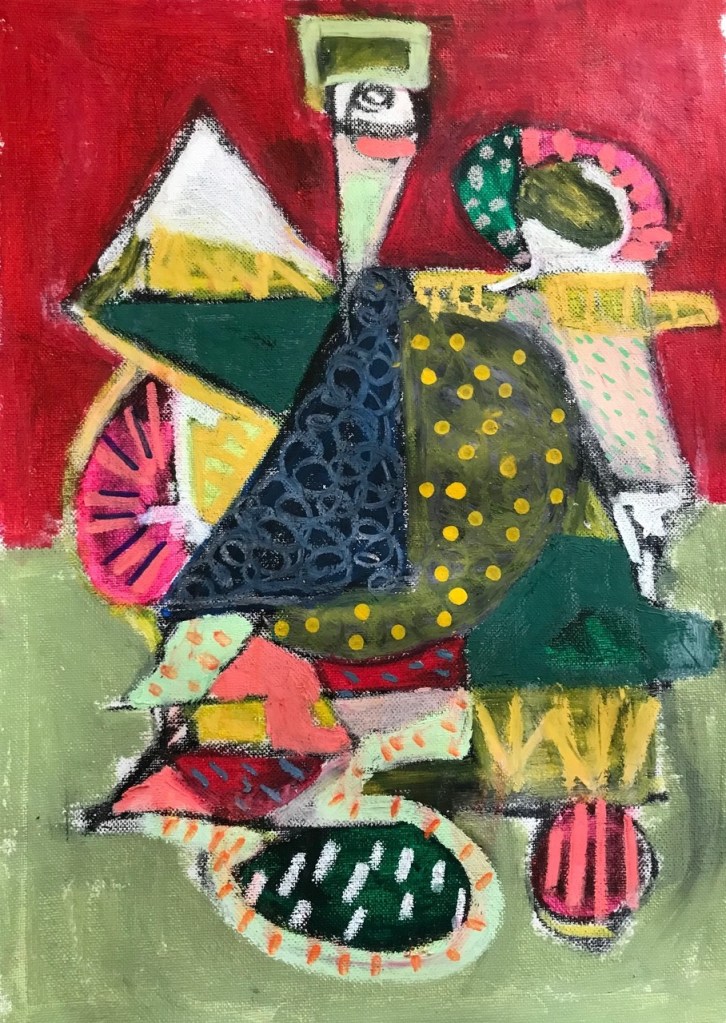
In my figurative art, I don’t see the figure as something to be copied but as an event that’s shaped by rhythm, gesture and emotion. I grew up close to nature and think of my painted and drawn lines as threads and fibres, veins and roots, feeding and defining the boundaries of colours, which are the emotions describing an inner life, memories and connections.
Each painting can be thought of almost like a conversation. As I work on a piece, whilst I usually have an overall concept that I’d like to express, the details and the manner in which that idea is expressed is often only discovered whilst I’m actually working on it. Some pieces end up looking more like physical time-lapses, with the figures moving on the canvas as they get painted then repainted, whilst others could be seen as long-exposure captures of emotional changes, with the shifting colours both mirroring and guiding my mood whilst I work.
Magdalena studied Artistic Textiles at the C.K. Norwid Art College in Lublin, Poland and earned her master’s degree in Painting from the nearby M.C. Skłodowska University. After living and exhibiting in England and Switzerland, she settled in Asturias in northern Spain, where she continues to develop her work. She has held numerous solo exhibitions and included in group exhibitions worldwide. Her work is represented by several international galleries and is held in collections around the world.
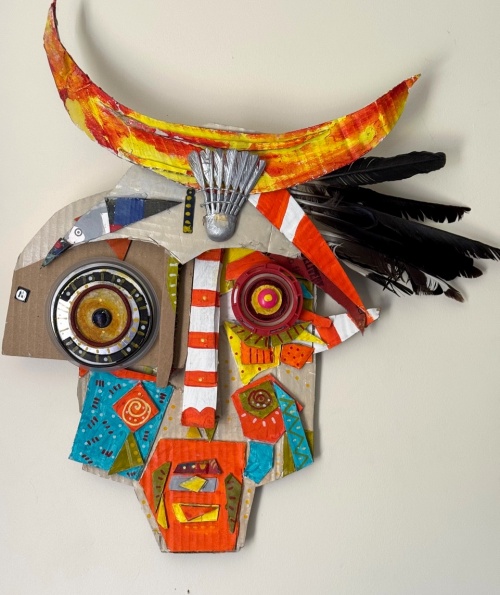
Ancestor, February 2024. Cardboard, feathers and found materials.
We live inside a culture whose overriding goal is to keep us distracted, afraid, addicted and constantly triggered and disconnected from our authentic selves.
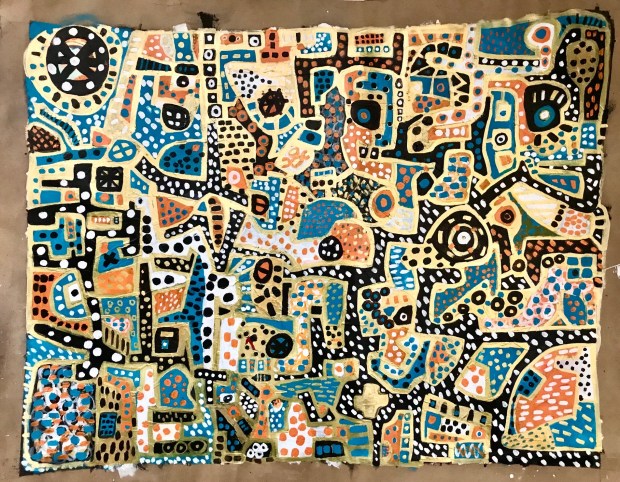
Snakes, ladders and chaos Tim White August 2025. Acrylic paint, oil pastel and paint marker on industrial paper
Art is an antidote, a map guiding us to an authentic lived experiences and a life-affirming revolutionary principle.
IlluminousDancing with the SpiritsThe Garden
John Trudell, North American Indigenous activist, declared, ‘When one lives in a society where people can no longer rely on the institutions to tell them the truth, the truth must come from culture and art’. In this context, of what therapist and medical doctor, Gabor Maté calls a ‘toxic culture’ the need for truth is critical and urgent.
FamiliarsLost child with beetle
The idea that art and poetry, and all the rich diverse forms of expression which connect us to each other can immunize us against the malignant virus of colonialism, capitalism and patriarchy is deeply appealing. That this wisdom comes from the deep spring of Indigenous knowledge and resistance, and despite the ongoing depredations of colonialism, is compelling.
Autonomic
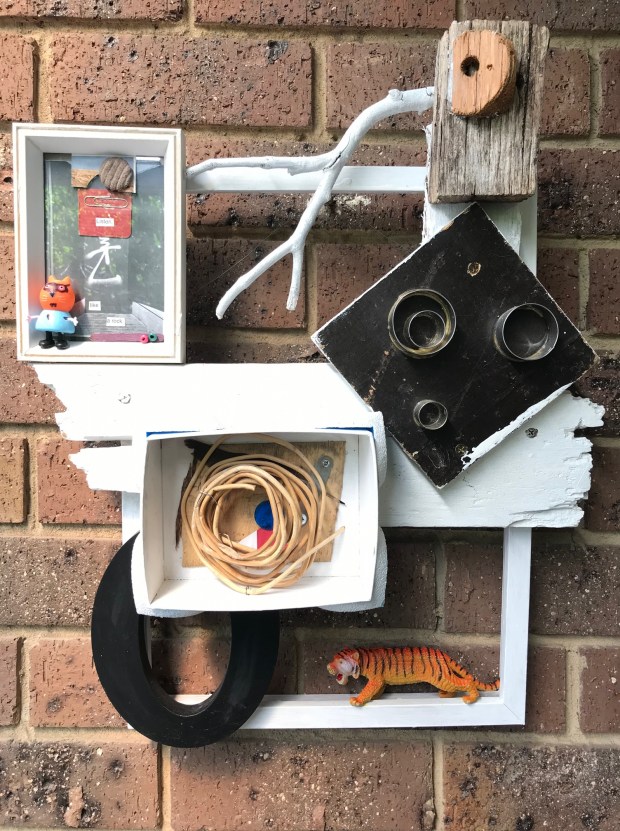
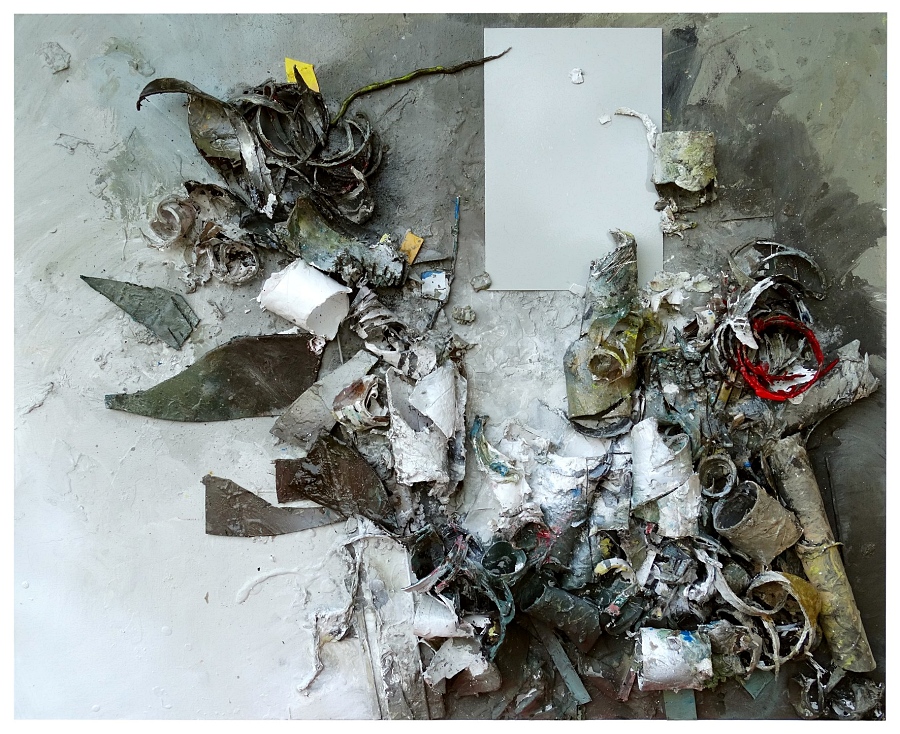
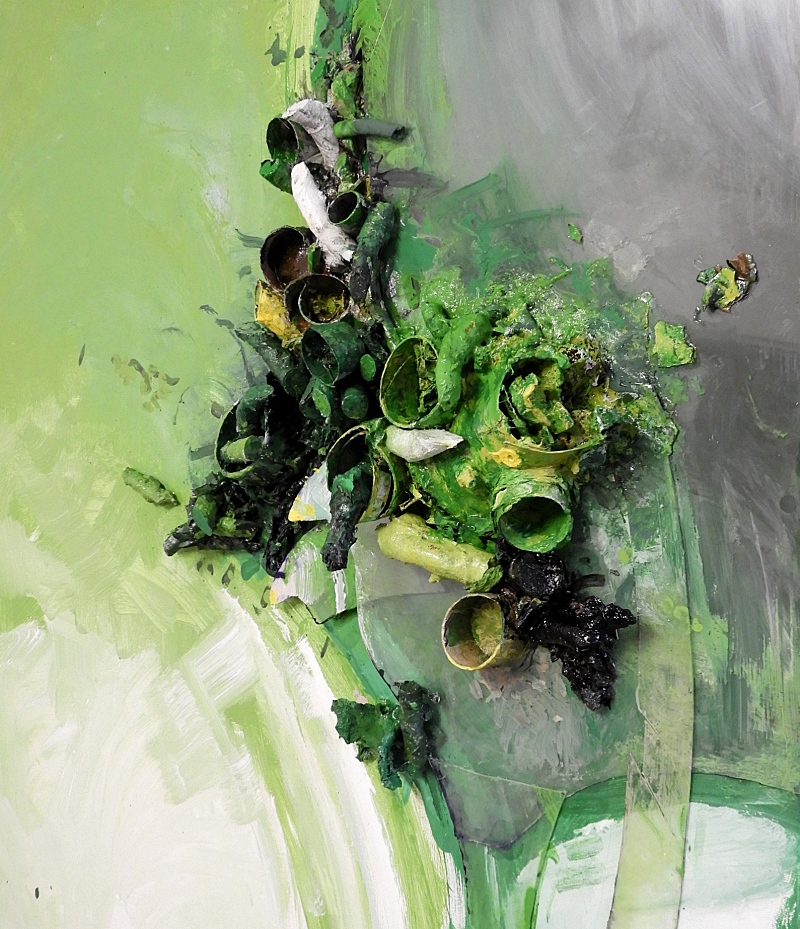
The broken bits of the world I collect and use: the scraps of paper, plastic and metal, the discarded and rejected materials are clues and tools helping me puzzle my way out of the colonial-capitalist labyrinth. They are medicines too, the materia of transmutation, which once distilled provide essential healing and deepened connection with the biosphere and all it nurtures.
Obscene icy pole
As African American feminist bell hooks writes, ‘The moment we choose to love we begin to move against oppression’. This process of resistance, of healing through love, is an essential part of overthrowing the dismal and diminished life the masters of misery want to force on us. And it is from this love, from the sources within our imagination and in solidarity with others we can assemble a ‘new world inside the shell of the old’.
Iron Hills of Adversity Prime Optimus Vs Panoptic Octopus
For me, the found and discarded objects and materials used in my art carry a promise and reminder of profound possibilities subsumed in everyday life beyond the superficial substitutions of a hollowed-out AI virtuality. That even everyday junk and detritus call out to be up-cycled and politicised demanding a place as emblems of a transformed future, and are always on hand as building blocks for a new world, is a source of joy and inspiration.
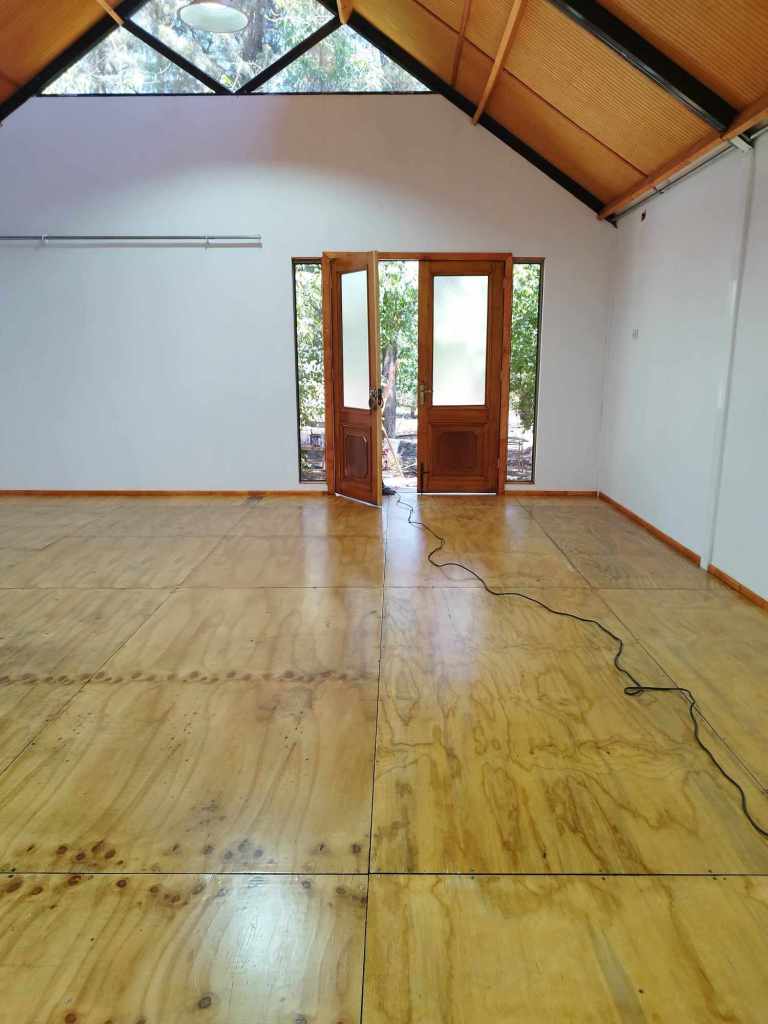
A partir del próximo mes, el mundo pronto recibirá una invitación para experimentar la vibrante galería del artista sudamericano René Fernando Ortega Villarroel. Quienes se encuentren dentro del área son bienvenidos a asistir a la expo Franterno. Marquen sus calendarios para el 23 de marzo, cuando una exposición de grandes artistas sudamericanos que alteran la mente debutará en Til Til, región metropolitana de Santiago.
Pocos lugares pueden rivalizar con la línea eléctrica orgánica que se encuentra en los entornos naturales surrealistas de Chile. Chile y Sudamérica se convertirán en destinos líderes mundiales para experimentar estados psíquicos surrealistas.
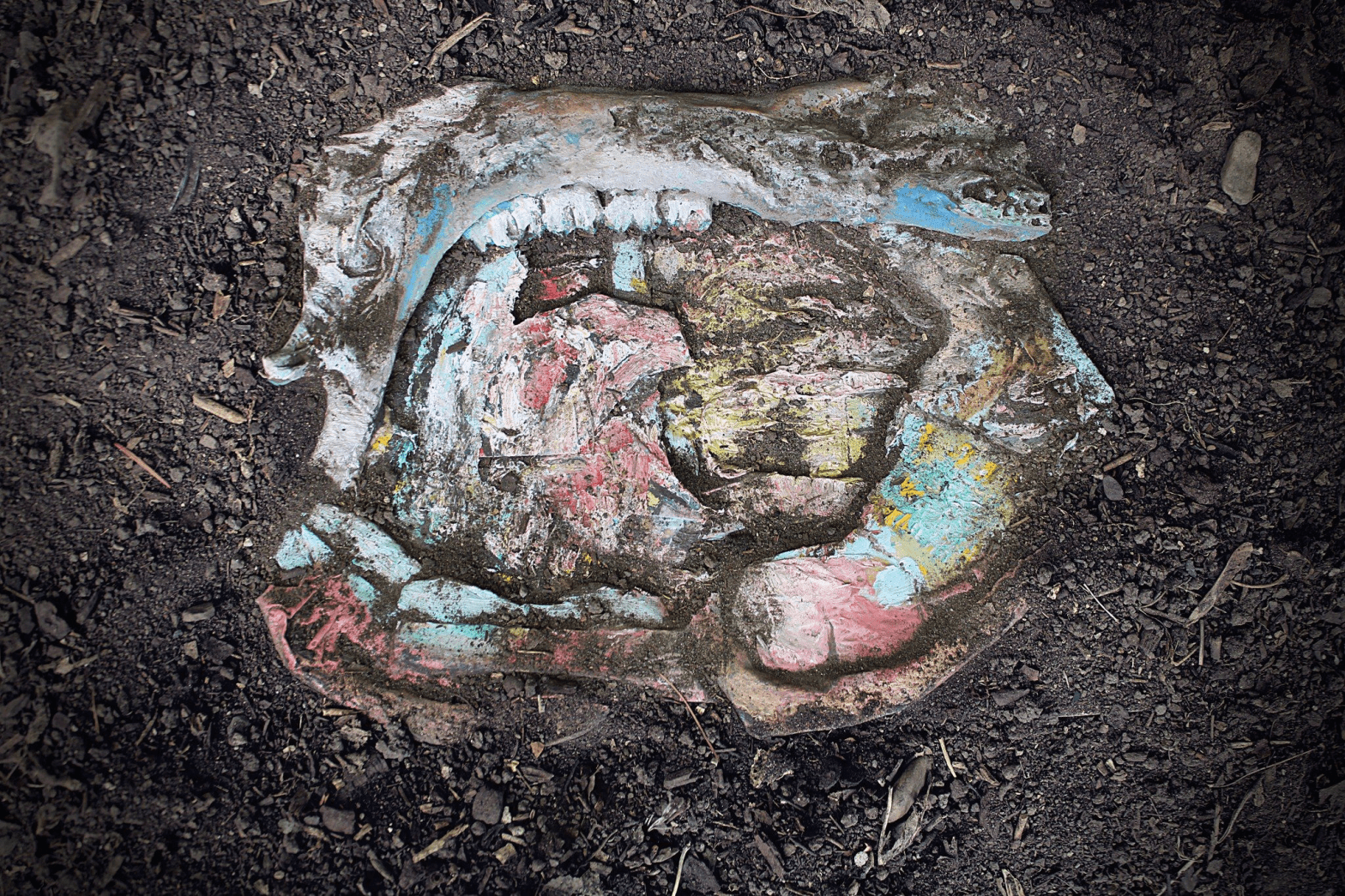
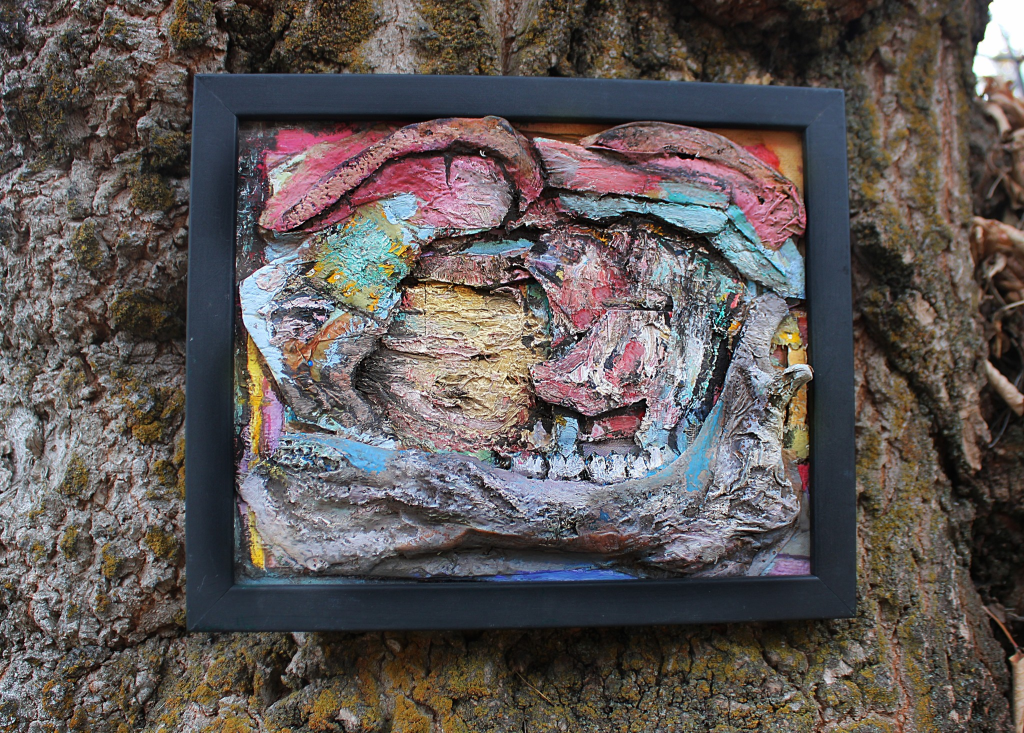
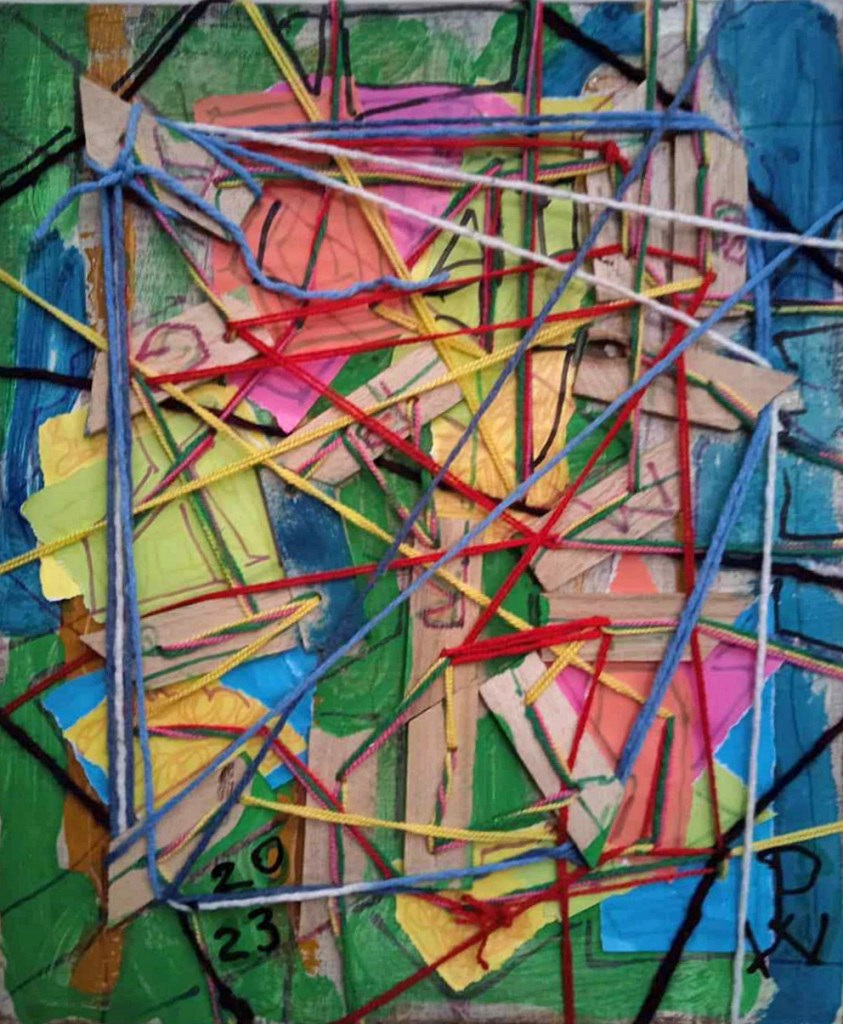
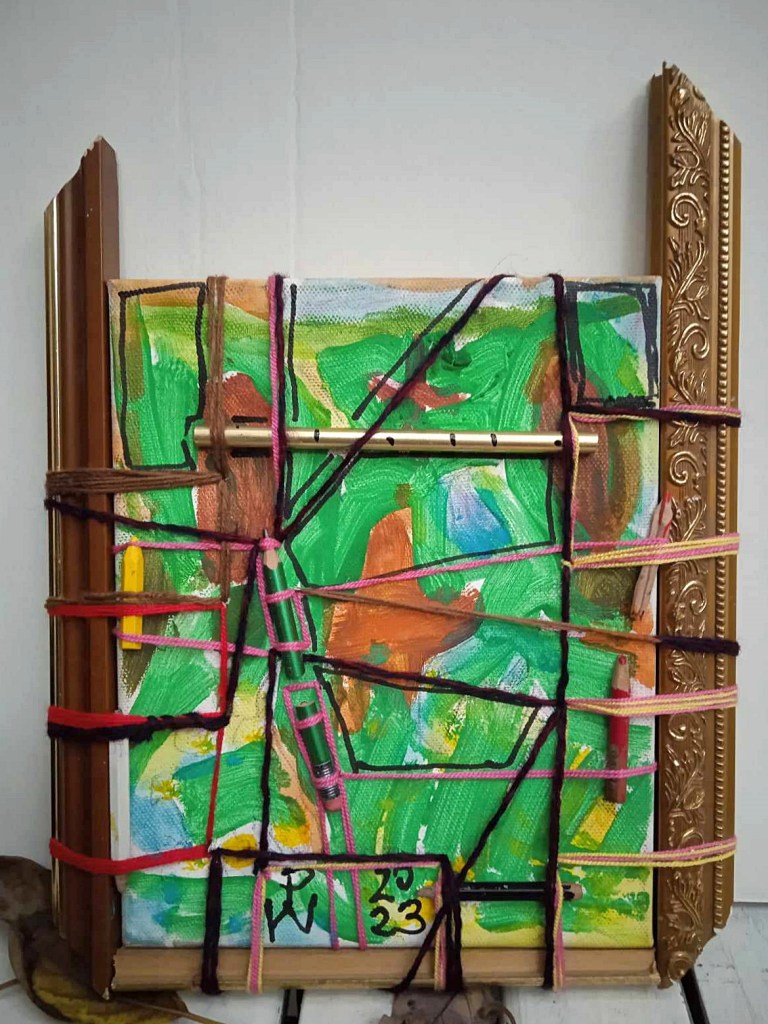
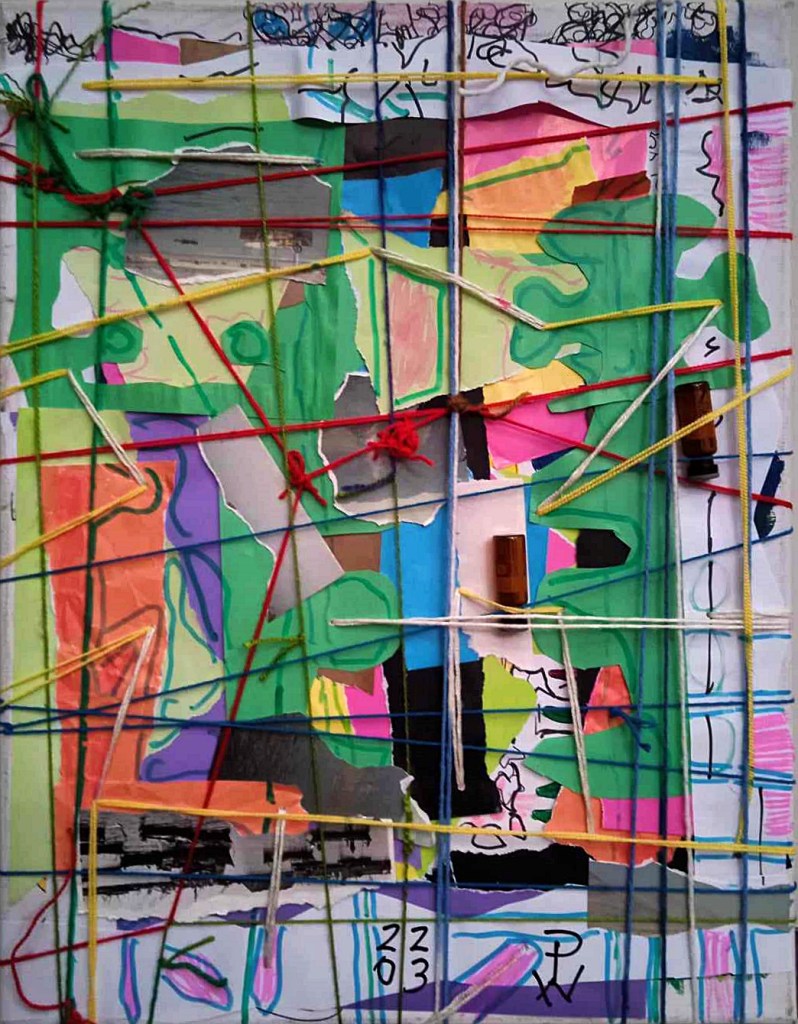
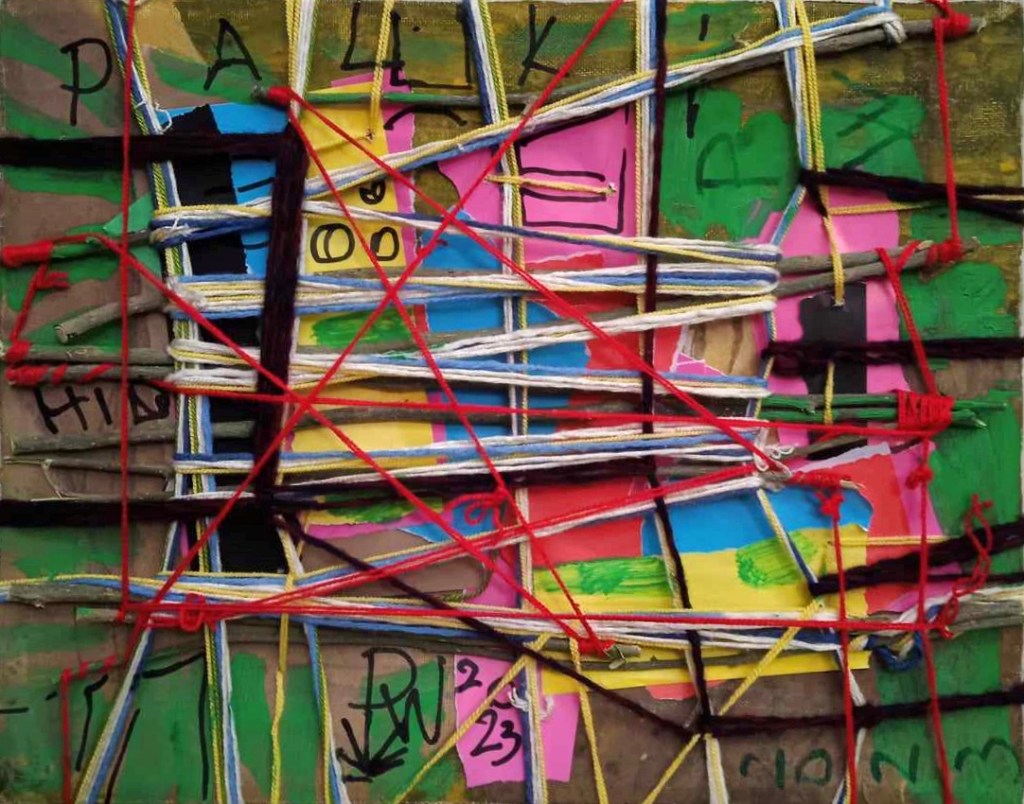
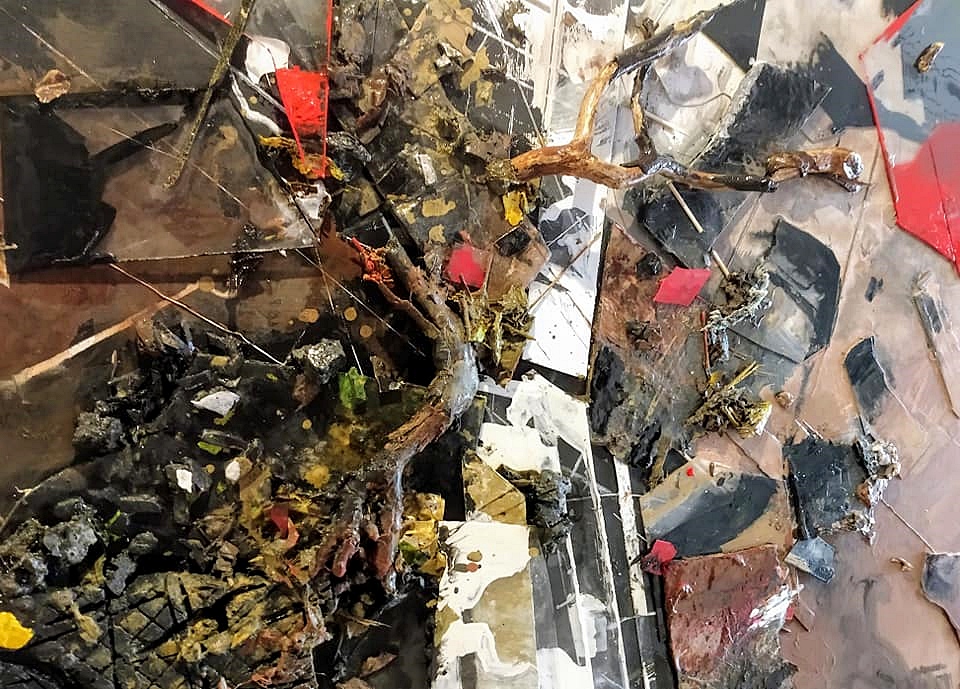
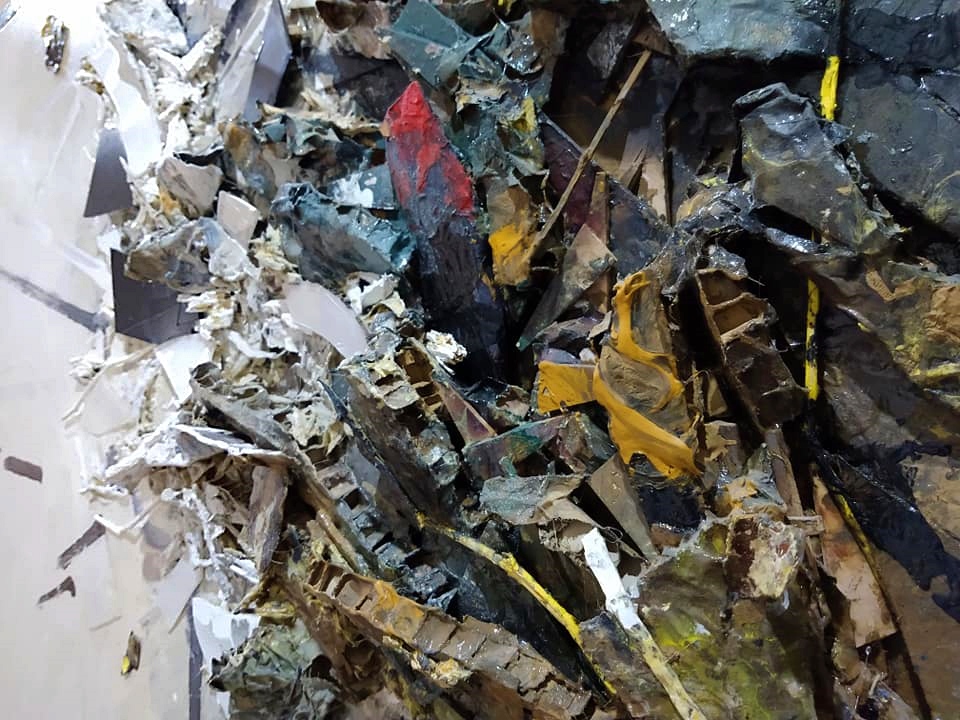
La materia sustancial de mis obras las constituyen materiales orgánicos mutables provenientes de la natura-leza y prefabricados por la industría humana. En la unión de estas dos naturalezas está el magneto. Savia fito morfa, sabia antropomorfa. El medio ambiente me proporciona los medios, el medio ambiente urbano, en las calles tomadas por recicla dores. Todos los objetos son encontrados, escasa compra de materias para hacer obras de arte, sólo basura, desperdicios con ene energía humana. Cartones, lanas, vidrios y maderas; papeles, hilos, pinturas, vidrios, telas y marcos. Reúno elementos desperdigados, subproductos de la industria y la codicia humana. Doto a cada parte de la obra con una condición magnética, esto hace que de diversos elementos surja un sólo. Mix de materiales considerados de nuevo para la aventura creativa, reciclador de los que reciclan cachureos. Materiales abandonados por el sistema educacional, obras de arte anónimas, retratos de adolescentes, papeles pintados con acuarela, todo es obra de arte antes de que yo la asuma como medio para elaborar otras ideas, me siento como un borrador, como si fueran partes de un muro pintado donde llega otro que pinta y tapa lo que ya está pintado, mucha obra de niñas y niños, dejo muchas veces los colores o algunas formas, se puede decir que mis obras son coproducciones, alucinaciones de seres humanos de Chile.
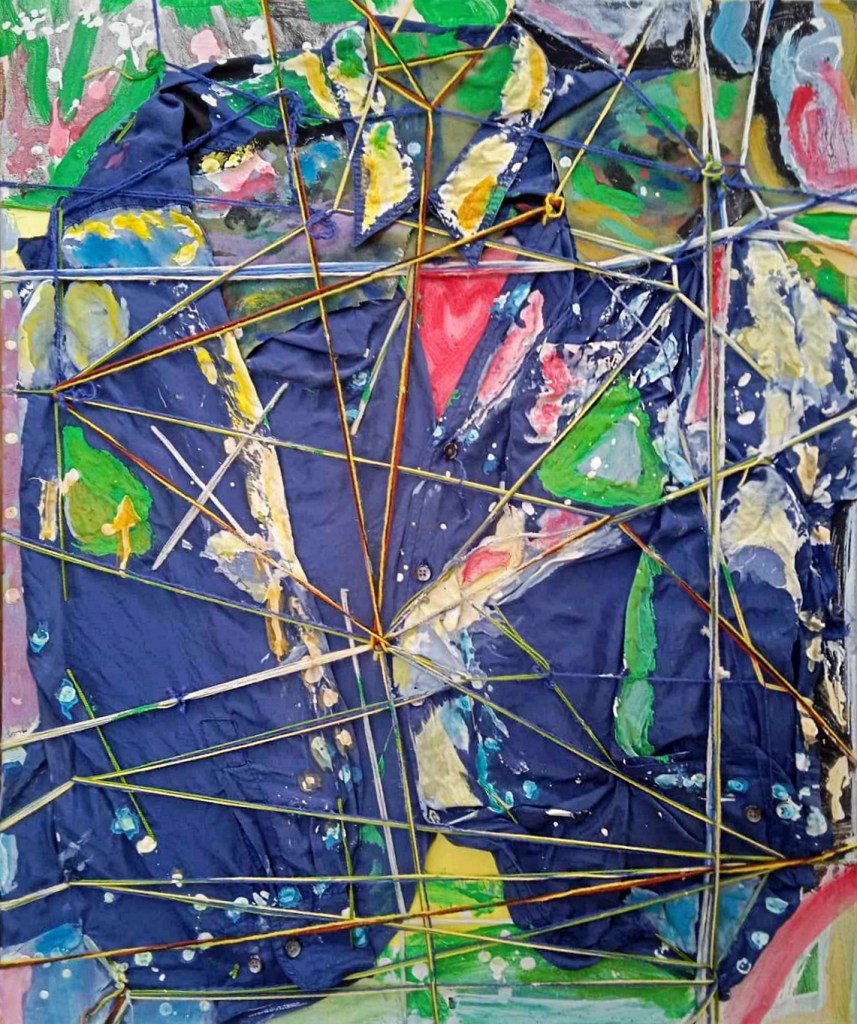
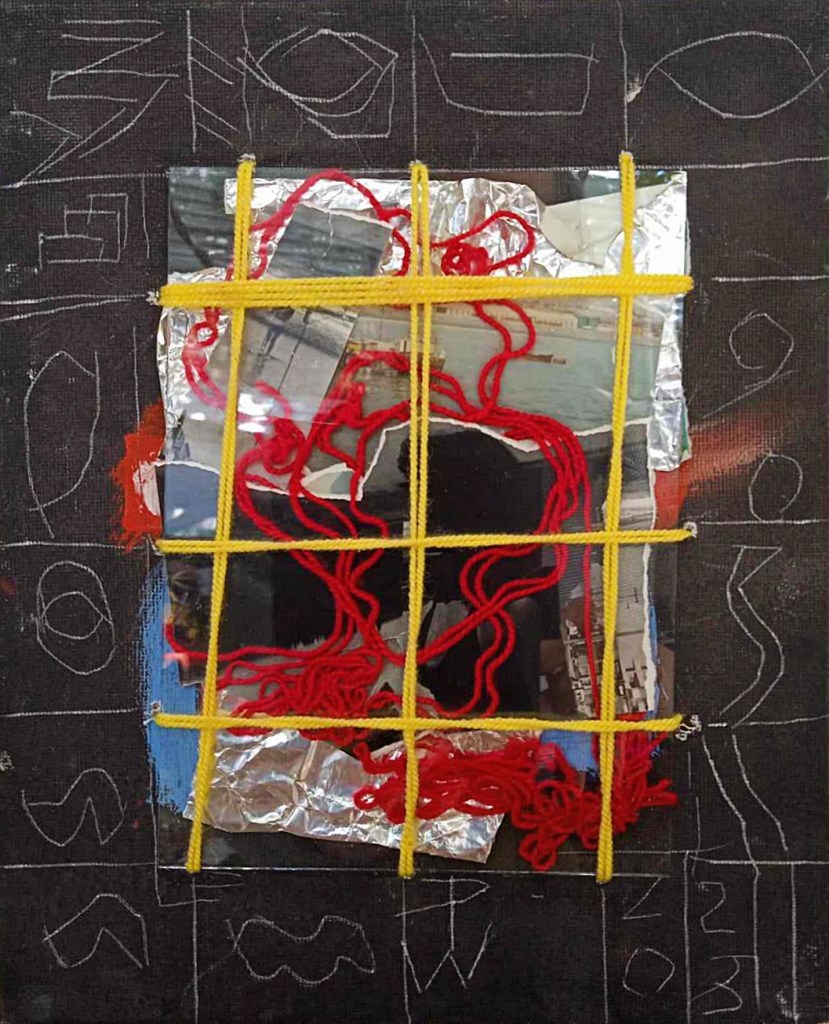
Color Los colores vienen con los objetos que encuentro. Uso común de temperas y acuarelas, cartones preparados con esmalte blanco al agua. El papel lustre aporta colores brillantes y planos, es ahí donde tempera y acuarela vienen a apaciguar estos planos, luego como complemento: Hilos, lanas y pitillas aportan lineas de colores inenarrables, son lineas de color que tensan con ángulos y triángulos las formas, por tanto lo que ya está pintado, y recortado se reaviva, los colores se superponen, se acercan el hilo negro con la tempera negra, el amarillo del hilo con el amarillo del papel lustre, la acuarela hace su magia transparente. Los géneros me aportan un color de sedas azules o sedas amaranto, todos los colores dependen del material en uso (y huso) y de esta convergencia surge el color final de la cosa. Obras que sólo tienen el color de los papeles lustres lustrosos satinados, con recortes se forman las manchas, se forman las zonas de color y todas sus líneas, más el color de las lanas que uso para atrapar el papel, es indiscriminada mi elección de los colores, los hago entrar en cada una de las obras, esto hace que se asemejen mucho entre ellas, o tal vez sólo es familiaridad, color familiar.
Linea ¿Linea de estilo? ¿Qué linea sigo?
la linea como parte de las figuras, de los fondos, como parte integral de un monosapiens, o de una gráfica cualquiera. Las inalterables lineas del soporte, todas lineas rectas, innumerables en la trama de la tela, verticales i horizontales, invisibles. Cubierta de pintura o de papel. Linea hilo diagrama, el hilo-linea entra en el agujero que es el aleph de las que ya fueron trazadas con lana. Se convierte en trama, en tensión, gira alrededor del soporte, sujetan la composición, como factor de unión. la línea sigue un hilo en el laberinto de la obra mixta, amarra las formas, los fondos y las figuras giran en torno a la obra,dejándola reversible, o sea apta para apreciarla como si fuera un volumen. El empleo de marcos (enmarcación) le aportan 4 lineas rígidas a la soltura de la estampa, lineas que atrapan toda otra posible linea variable de la obra misma, echando al cuerno la espontaneidad o soltura del contenido. Acertijo de lineas sólo inicio y final.
Es un asunto de querer magnetizar los elementos encontrados. Unirlos como si fueran una solución a un problema, sin tener , ni presentarse como problema. Al encontrar un objeto se van produciendo solas las uniones, la visión de esa reunión empieza a crear se su propia obra. Una inspiración creativa que se gesta a través de las palabras y las acciones. Arte de acción, teatro, poesía, plástica.
Nacido el año de 1961 y dedicado a la creación artística desde entonces, cuento en la actualidad con 62 años y perseveró con entusiasmo en la creación de poesía, obra plástica y conciertos de poesía.
In November 2022 I invited Tadeusz Baranowski to talk a little bit about his life and his work. Tadeuszu graciously accepted which I am very grateful for, his thoughts on his life and abstract painting can be found here in Hidden Motion.
Tadeusz’s 2023 show organized by the Auschwitz Culture Center. Poster by Jarek Składanek
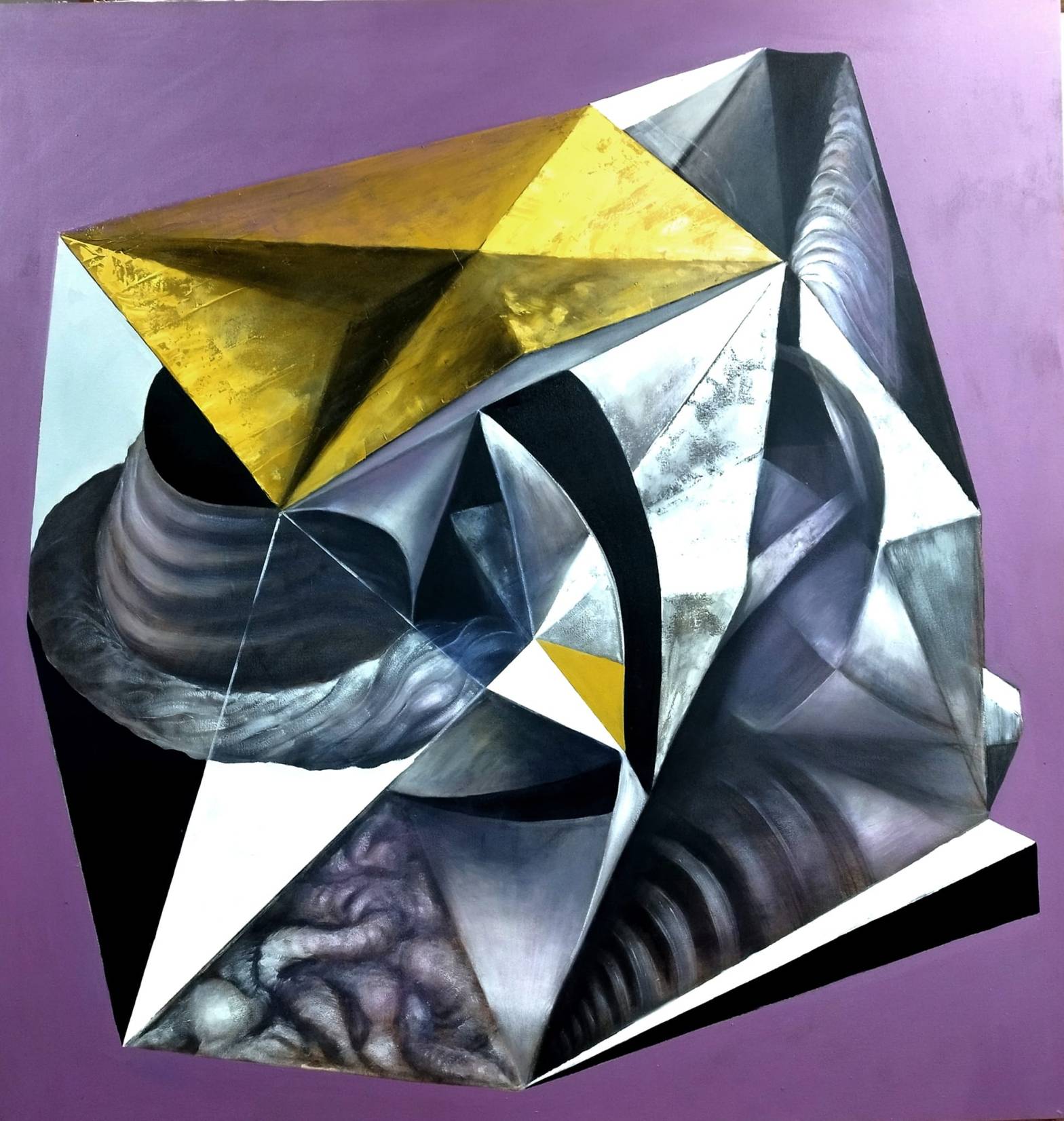
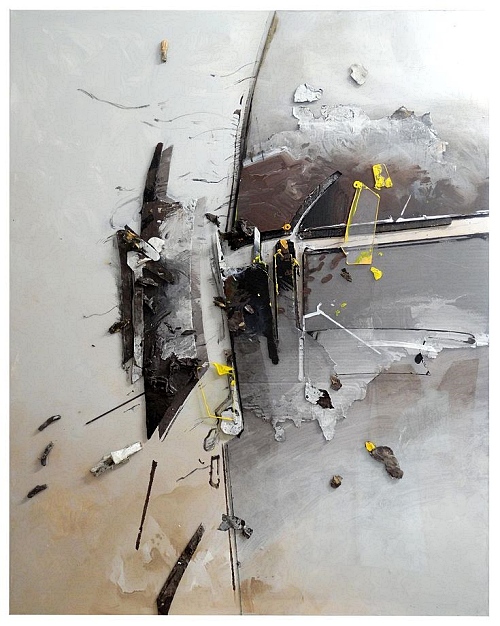
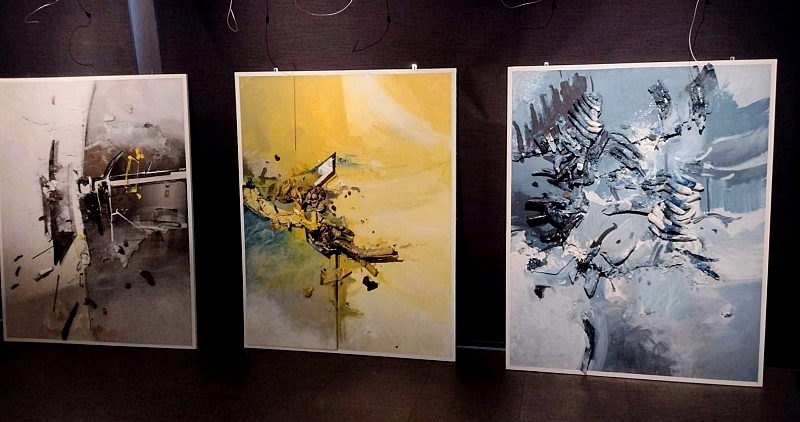
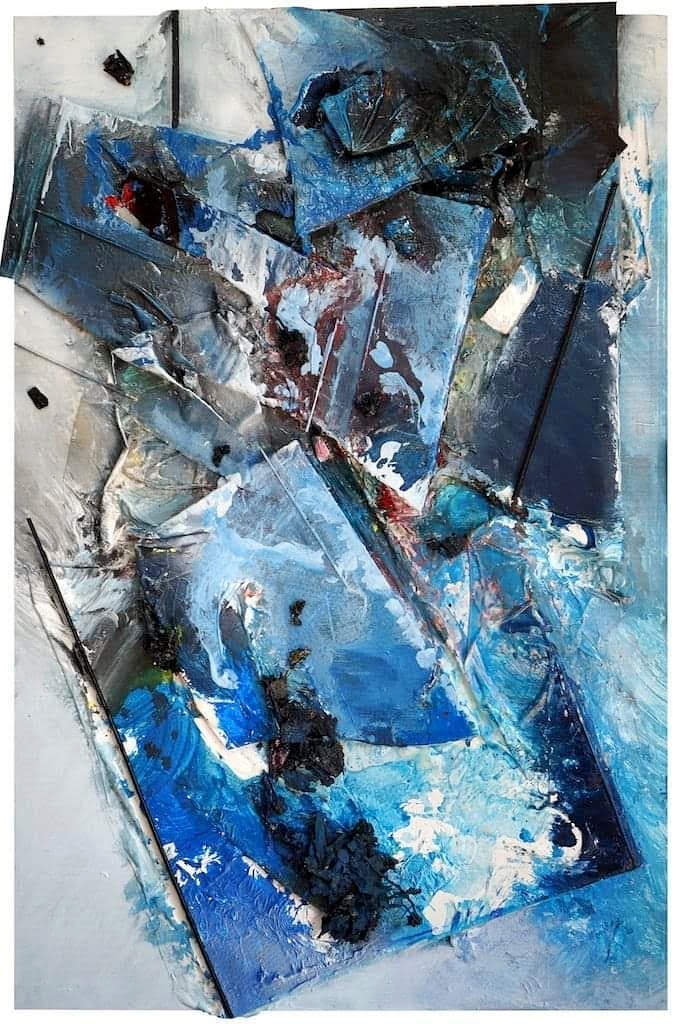
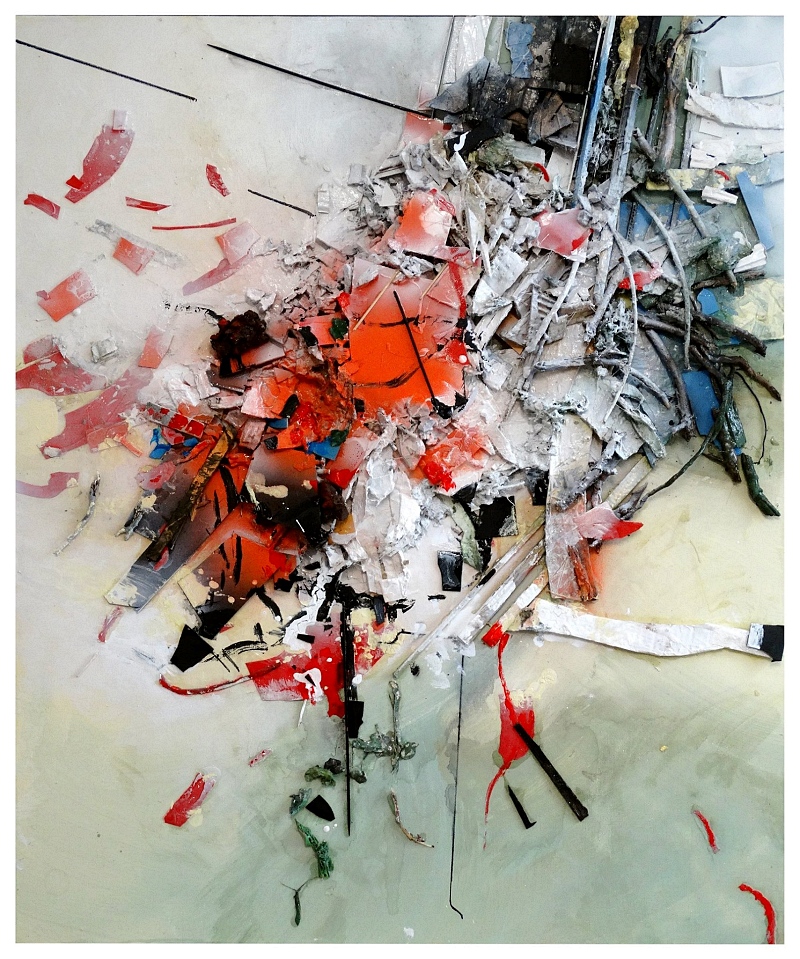
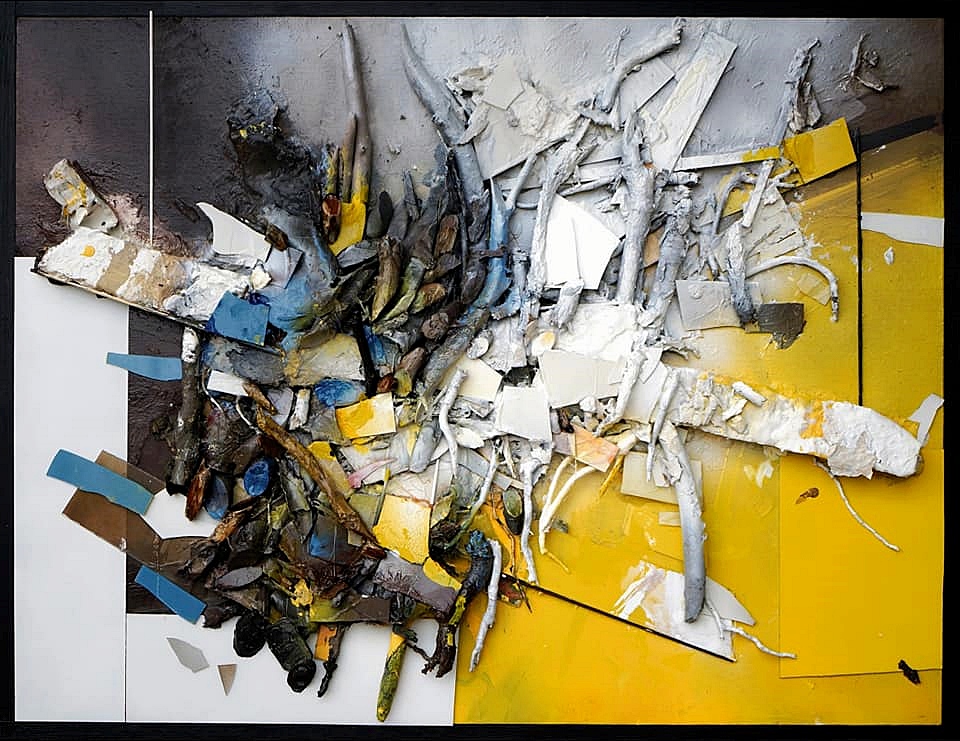
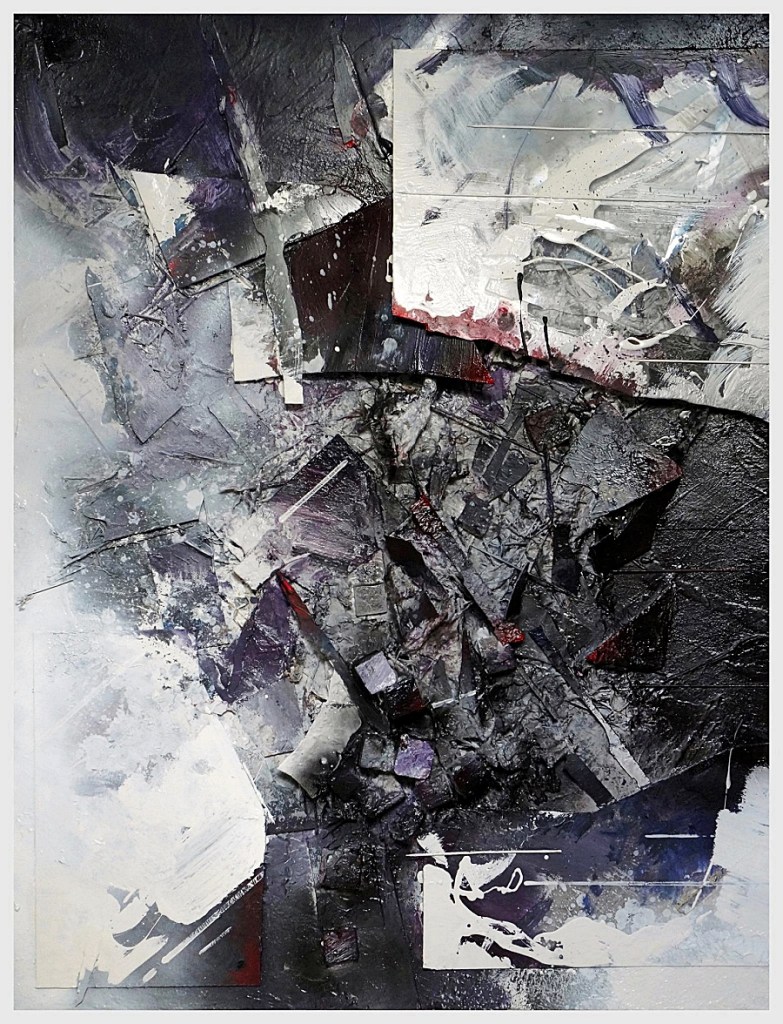
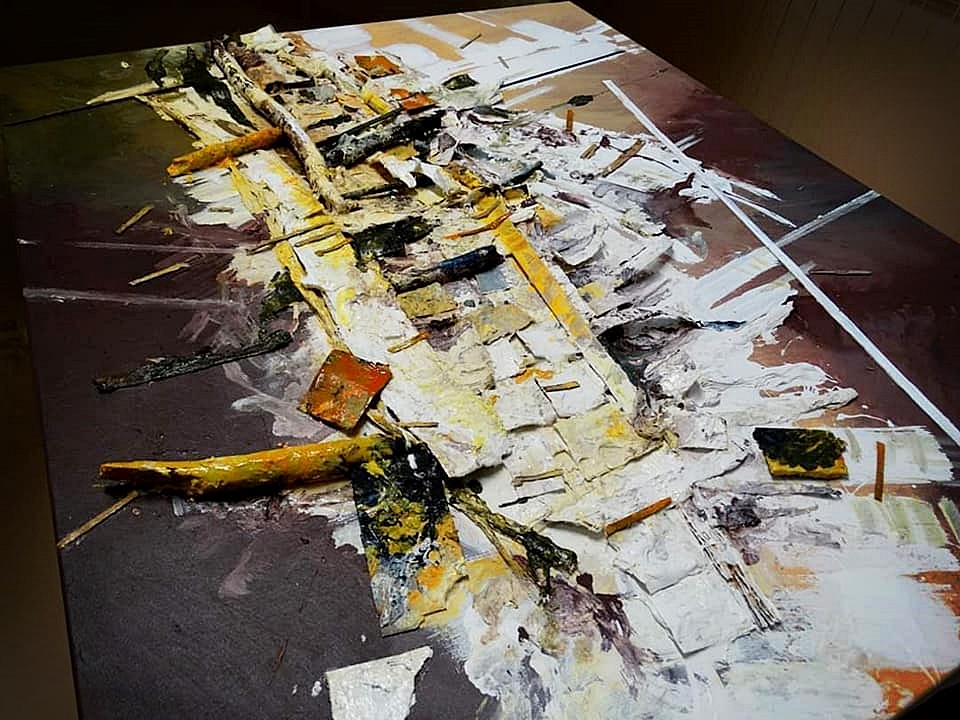
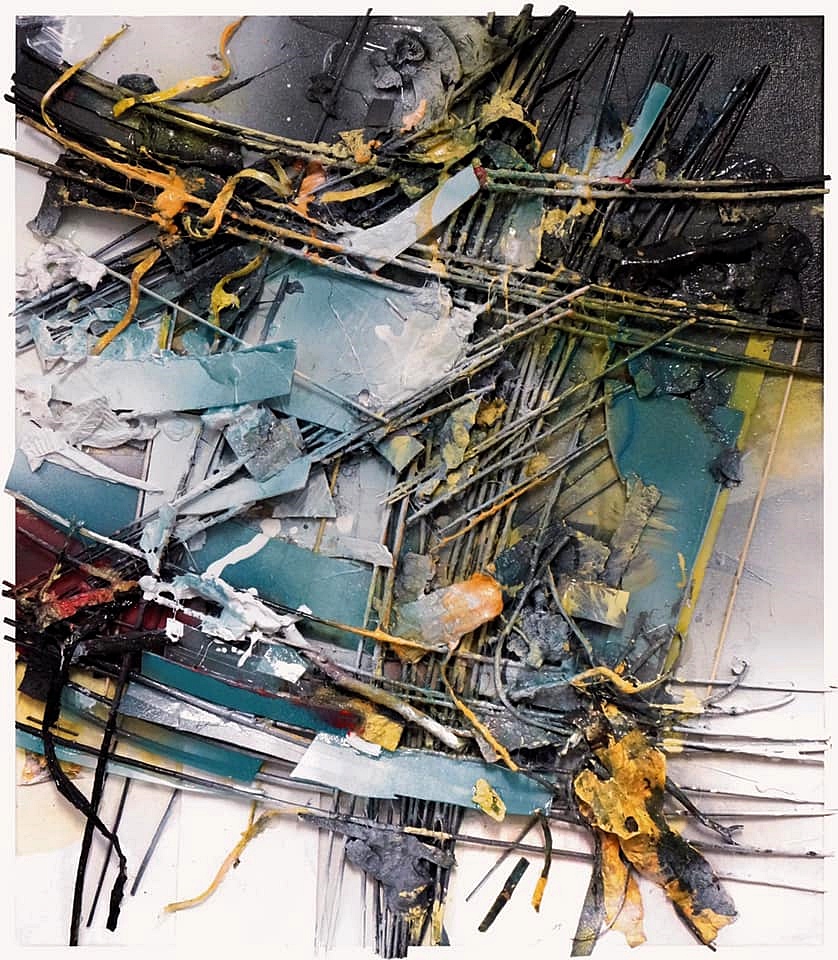
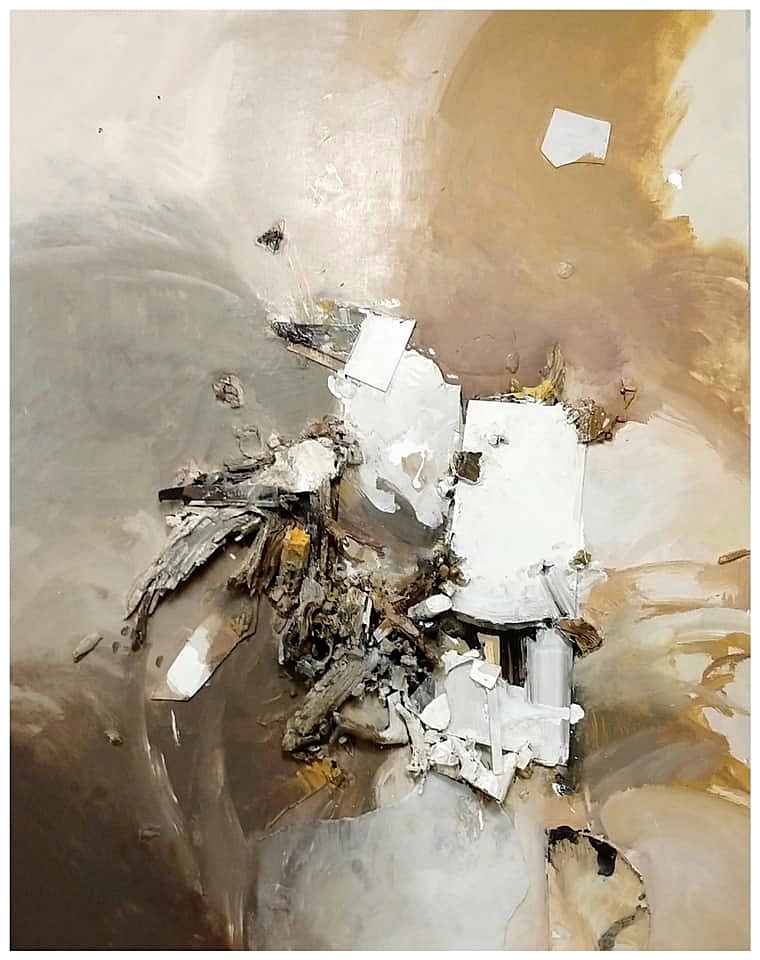
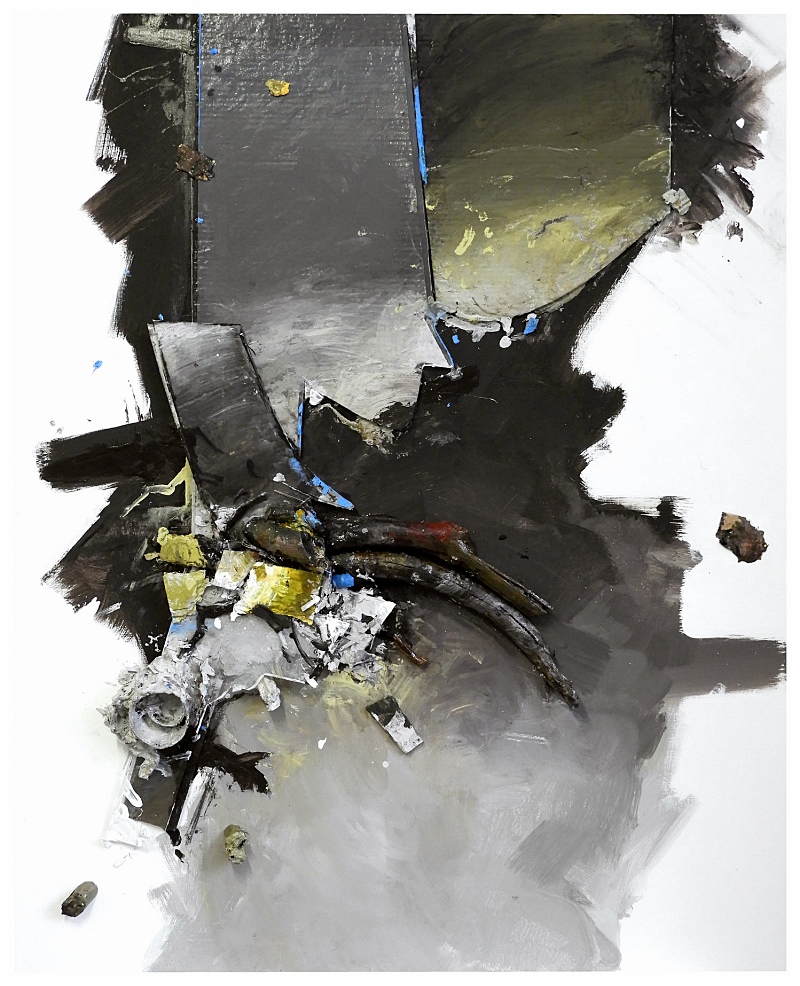
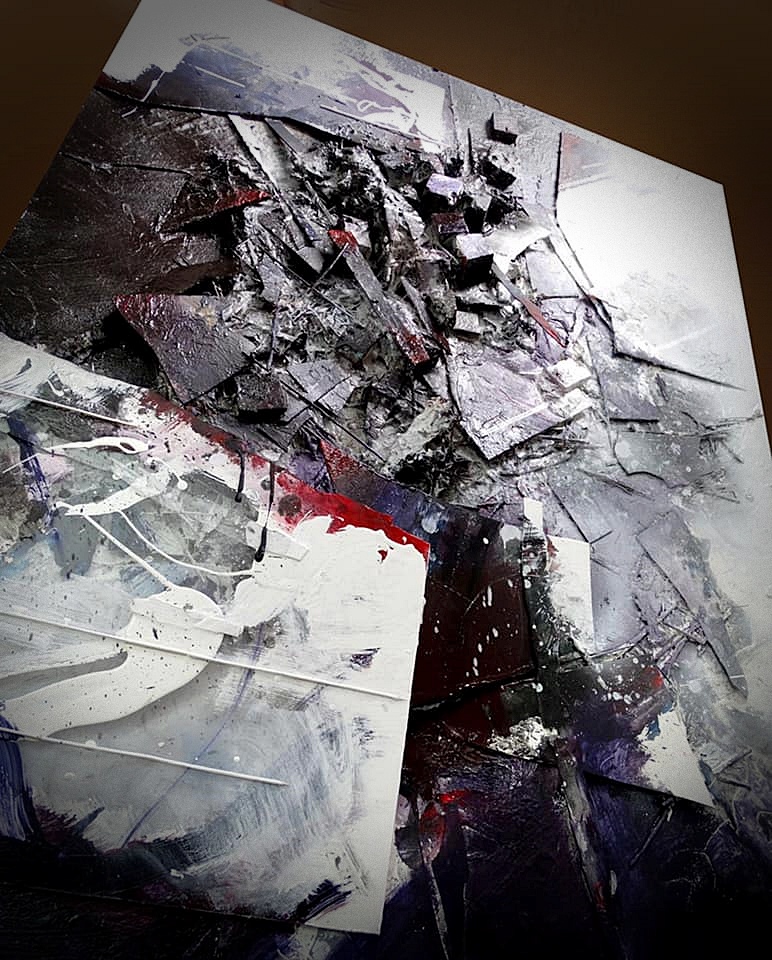
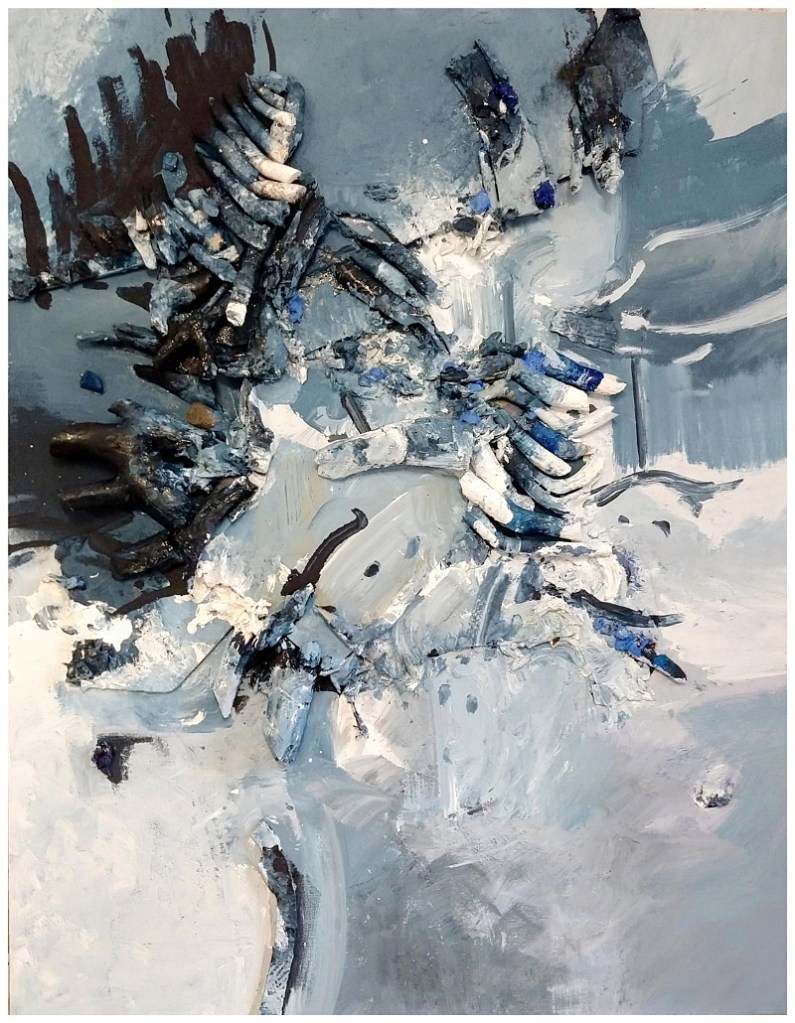
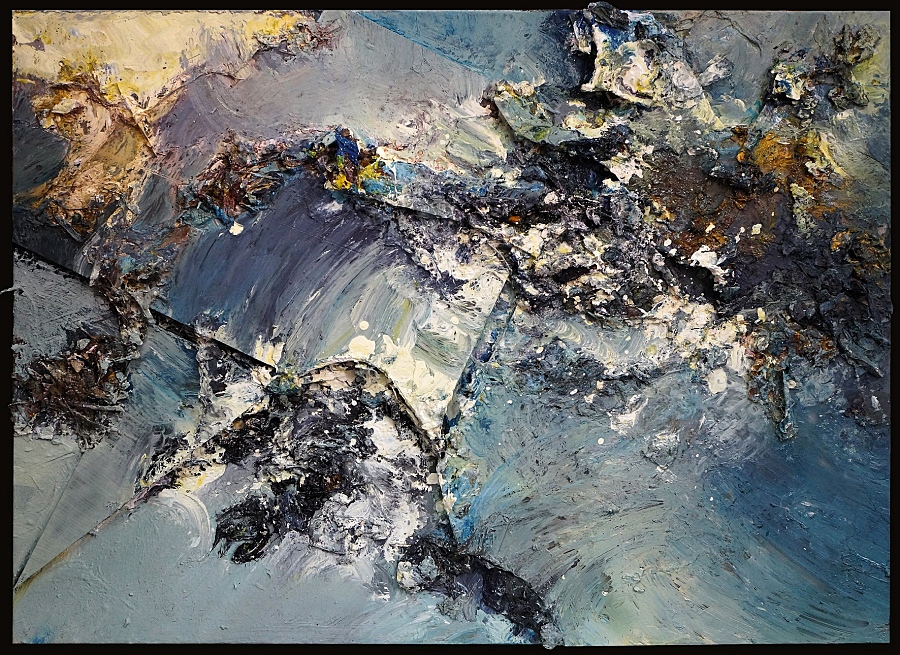
While known internationally for his original comic books, Tadeusz also paints Non-Obvious Painting that emphasizes free and spontaneous appearing expressions. Tadeusz’s paintings are deliberately built by a technique that uses wood, fabric, polystyrene, acrylics, and oils. One painting sometimes takes many months.
I spent several hours looking at Tadeusz’s work which I found universally appealing. Abstraction has a reputation that is not clearly understood like understanding quantum foam, synchronicity and the the nature of nothing. I think Tadeusz Baranowski’s paintings are a release of energy in a still life. There is no narrative or conventional images. There is a sense of time somewhere. The paintings convey a space scape with unidentified forces. These interactions influence the surface and time that contains them. Usually these tensions are dynamic, sometimes explosive, but firmly positioned so we can consciously see them. When I look into these paintings I apprehend different emotional and cognitive states. Each painting is worth meditating on.
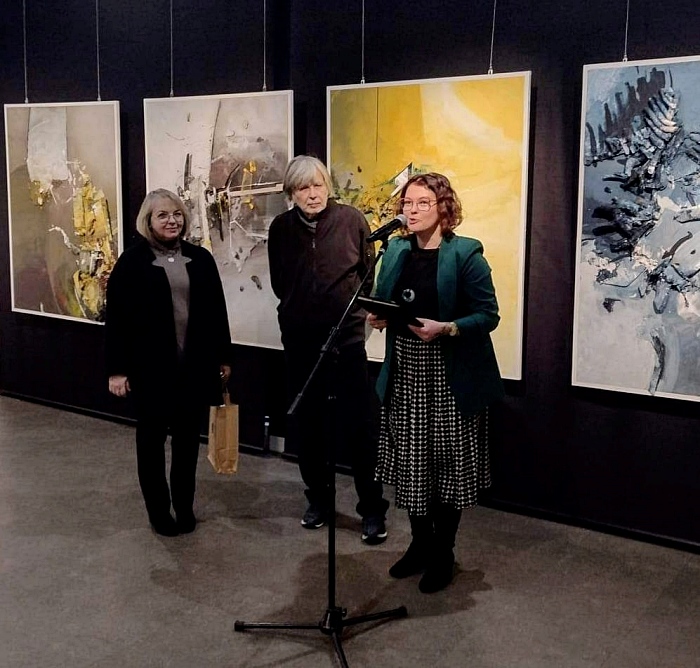
Through our correspondence in email Tadeusz and I immediately found we shared a common love and respect of nature. Tadeusz mentioned trips to the Masurian country with his wife Anna. He said he currently lived next to a forest near Warsaw, Poland. Tadeusz considers himself a lone wolf in the universe. He enjoys swimming as a contemplative activity. A prolific amount of nature photos can be found on Tadeusz’s Facebook page. The photos capture a rhythm and pattern of nature. I speculate Tadeusz’s photos of flowing water, broken trees, flowers and insects may have provided a scaffolding or study for his paintings. Tadeusz Baranowski’s show was curated by Magdalena Grochowska and will be shown from February 10th to March 14, 2023 at the Oświęcimskie Centrum Kultury
Director of OCK, Monika .wi ,tek-Smrek, curator Magdalena Grochowskaand Tadeusz Baranowski
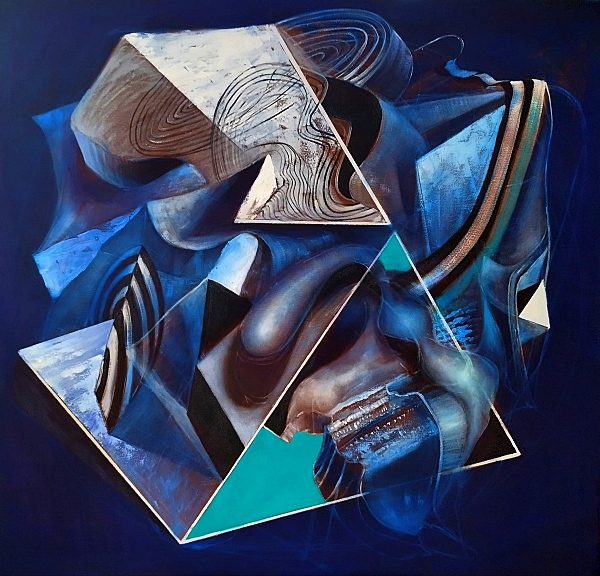
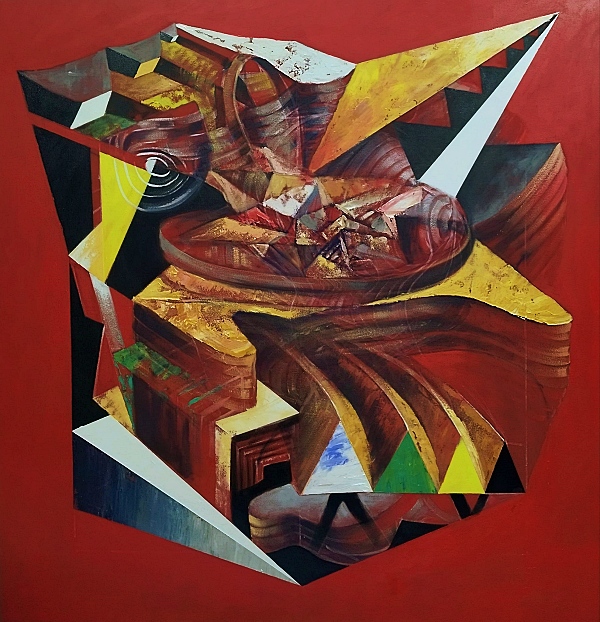
René Ortega utiliza fórmulas de liminalidad para iniciar al espectador a experimentar los misterios del inframundo. Hay una puerta de flores, una escalera de anillos a túneles, afinada con un aro de colores. Todo esto está aquí dentro de los secretos de nuestra tierra. En estos pasos buscamos un centro que ya es un estado completo, un lugar unido por los opuestos e igual a sí mismo. René agrega esquinas al círculo giratorio para crear una faceta para ver otros espacios y otros tiempos.
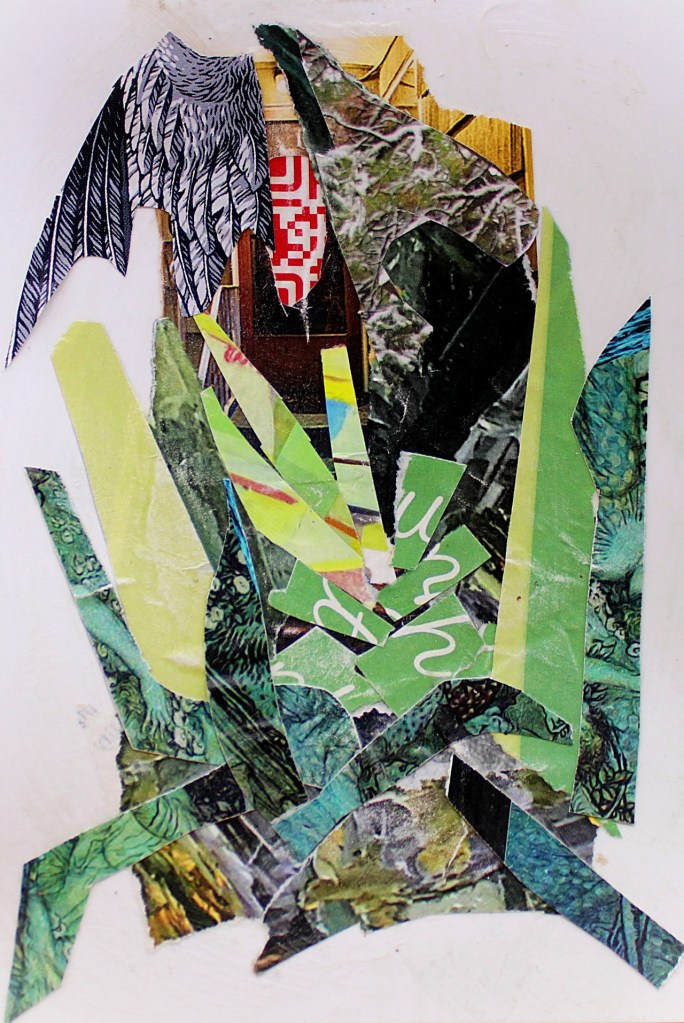
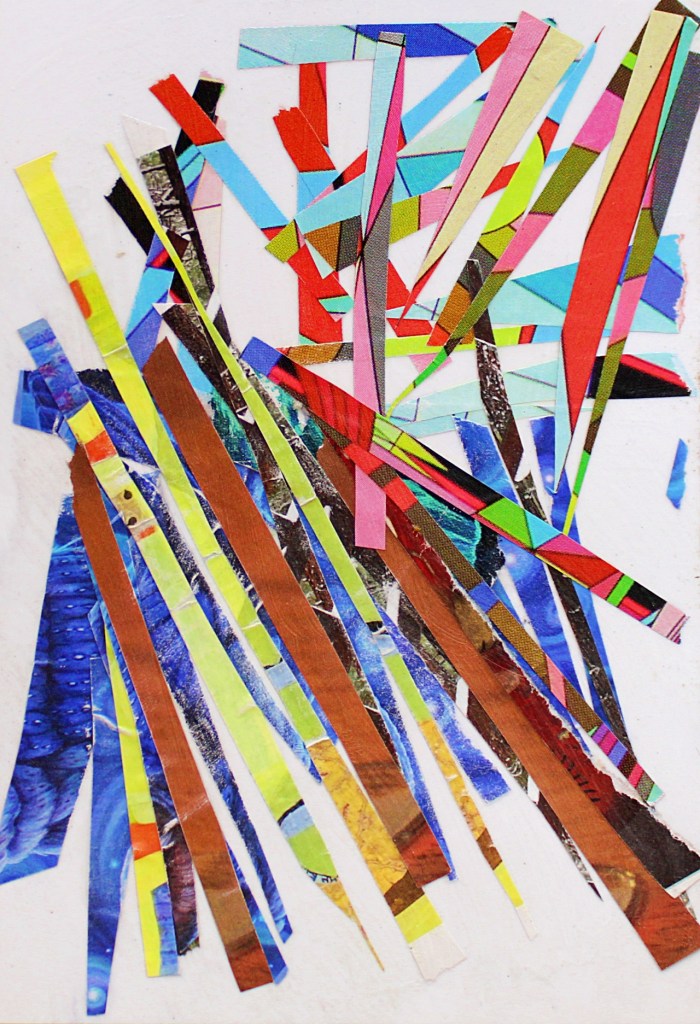
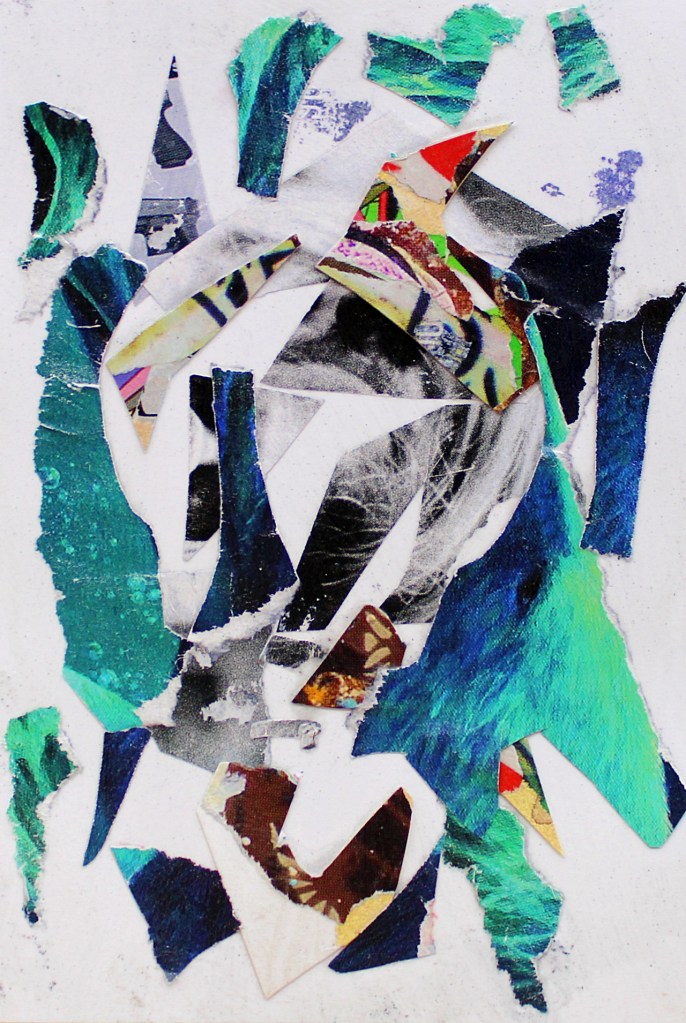
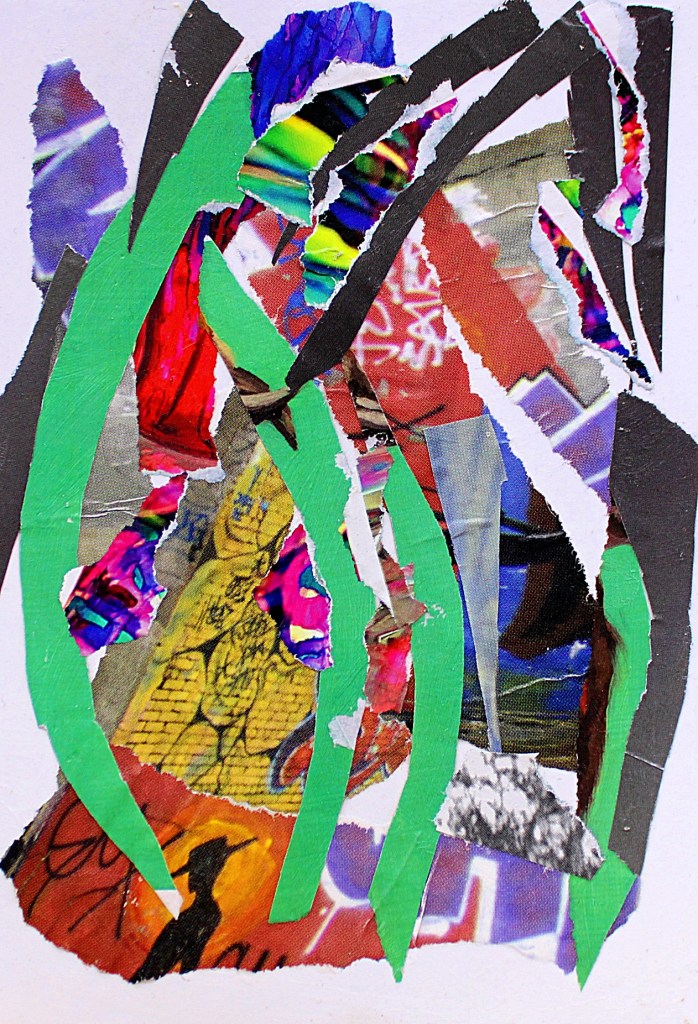
Mitchell Pluto
TIERRA PROFUNDA
Mi enfoque se enfatiza en la búsqueda de las respuestas transcendentales las problemáticas ecológicas y sociales de la humanidad que enfrentamos actualmente.
Con mis obras pretendo hacer conciencia para situar al ser humano como parte importante de la naturaleza es el volver encontrándose con muestro yo interno y nuestros sentidos que se encuentran en un estado dormido es el volver a mirar y observar como un niño para situarnos en las profundidades de los infinitos subsuelos y planos de tierra imaginaria de mundos micros organismos vivos subterráneos que se transmutan constantemente en máquinas orgánicas voladoras y así te llevo transportándote a mi imaginario poético donde danzan líneas interminables y planos de vida que se juntan y separan al mismo tiempo incansable búsqueda de lo desconocido como las estrellas y la naturaleza transmutando a infinitos planos profundo de colores y formas que voy realizando atreves de esta incansable y cambiante movimiento y sonido de la vida.
René Ortega, fue uno de los ganadores en la bienal internacional de arte contemporáneo 3 de octubre de 2022. René ha expuesto obra en Chile y Argentina. Está involucrado en muchos programas de arte cultural que se han relacionado con hospitales, niños y la enseñanza del arte profesionalmente. Su muestra más reciente fue Mental Labyrinths en la galería de arte del Centro Cultural Til Til el 18 de junio de 2022.
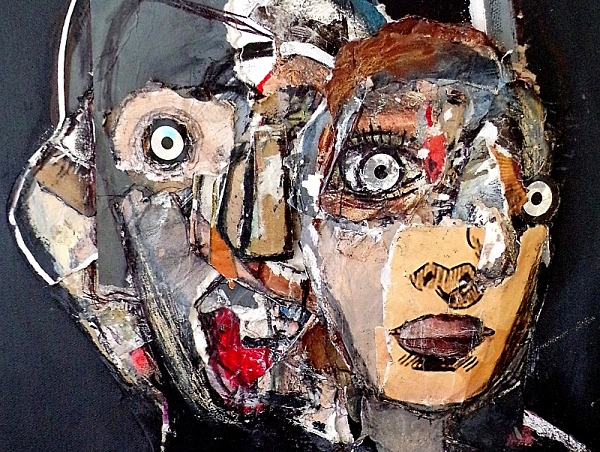
“Mi preocupación es la figura humana como sentimiento de estados primitivos e irracionales, cuyo punto principal son las cabezas, pensamiento universal de la creación del hombre y centro del universo. Todo ello condujo a una mutación del lenguaje plástico y pictórico”.
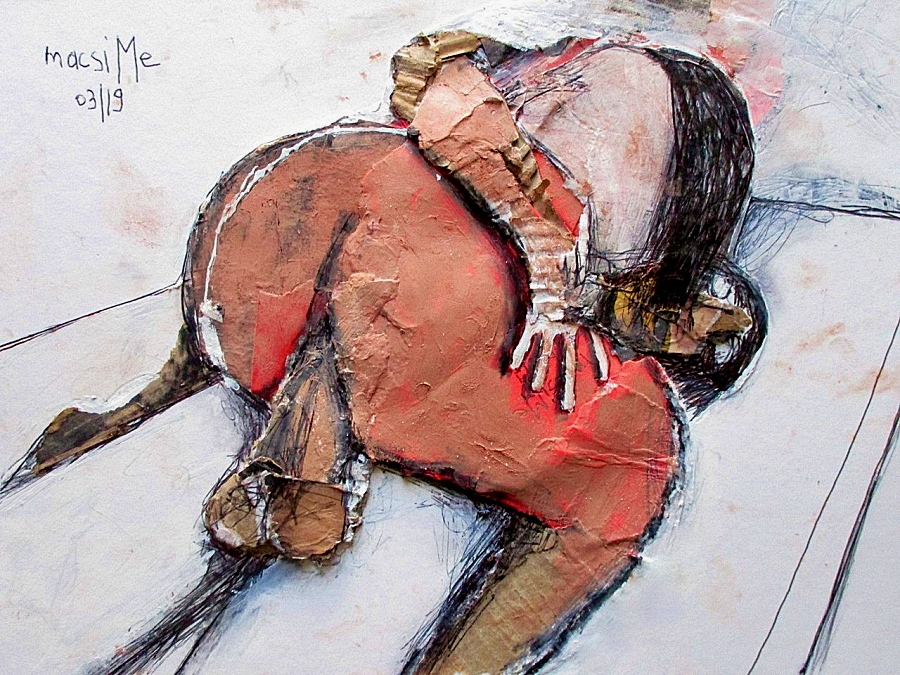
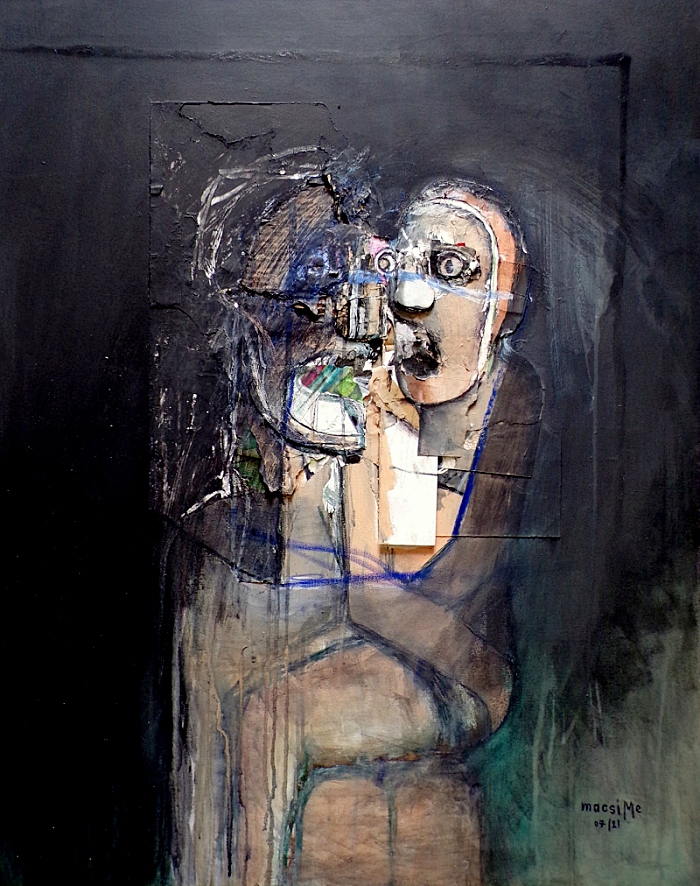
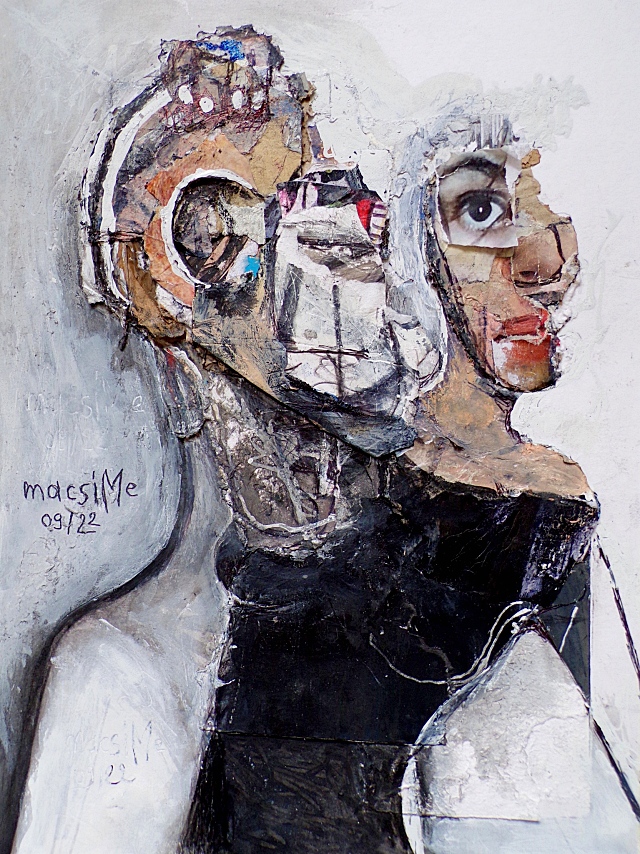
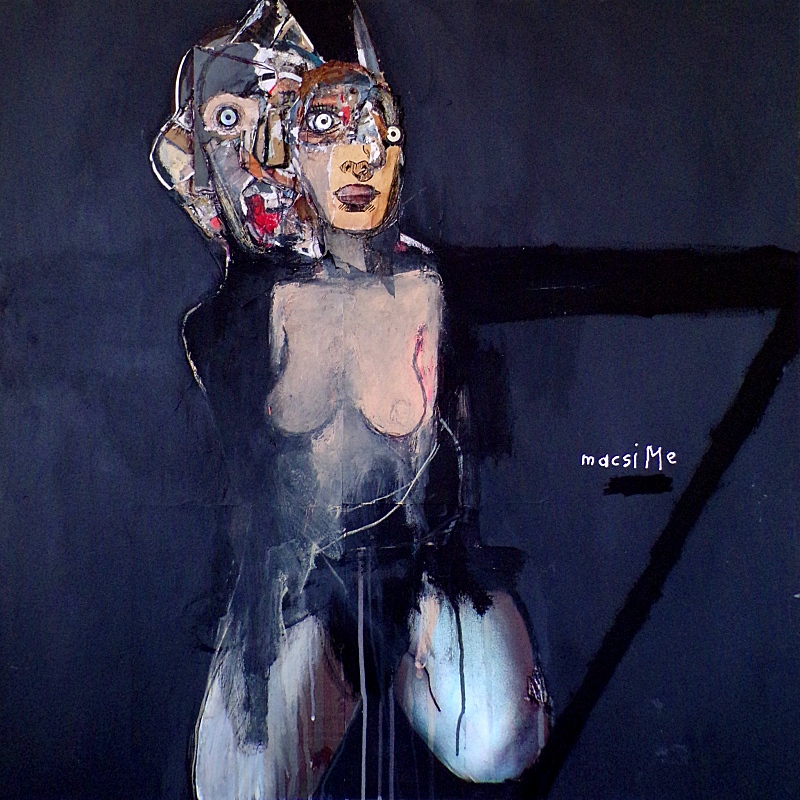
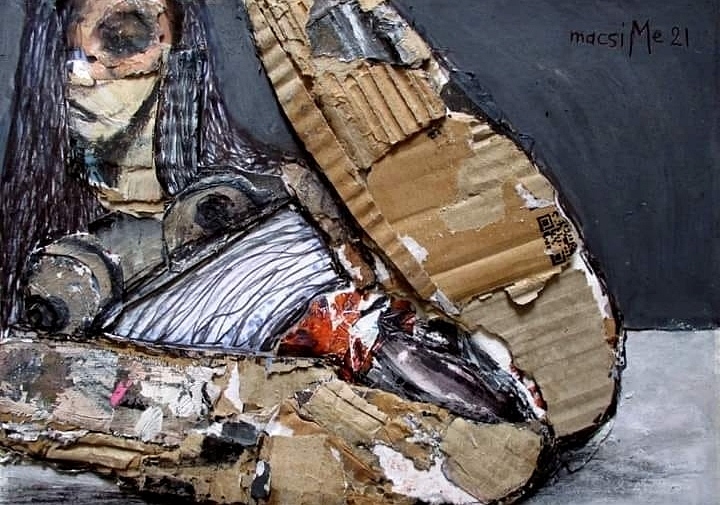
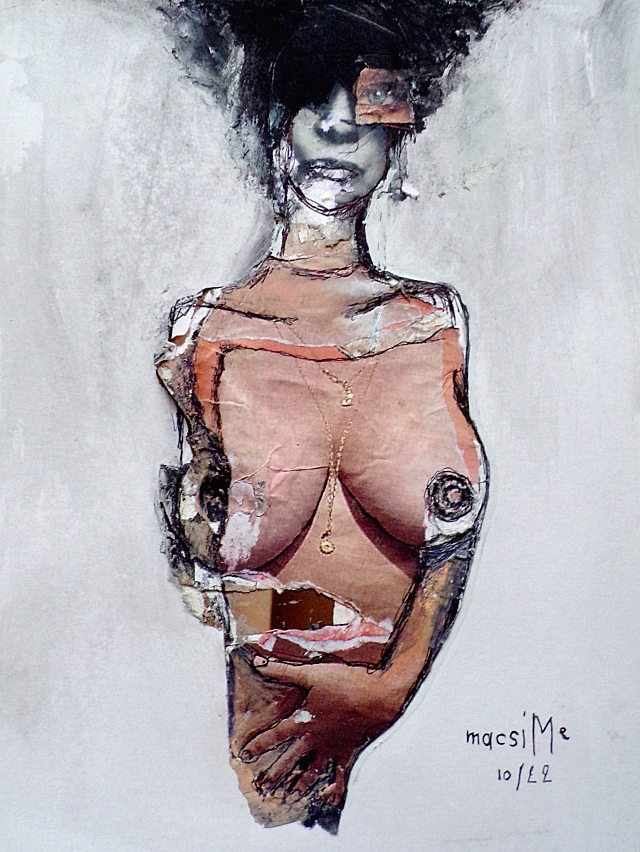
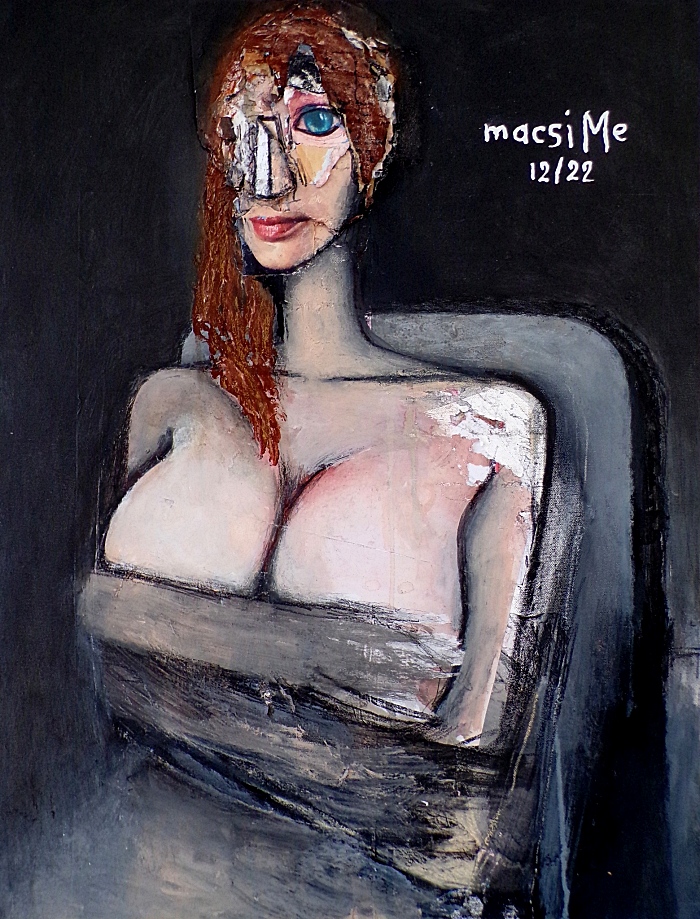
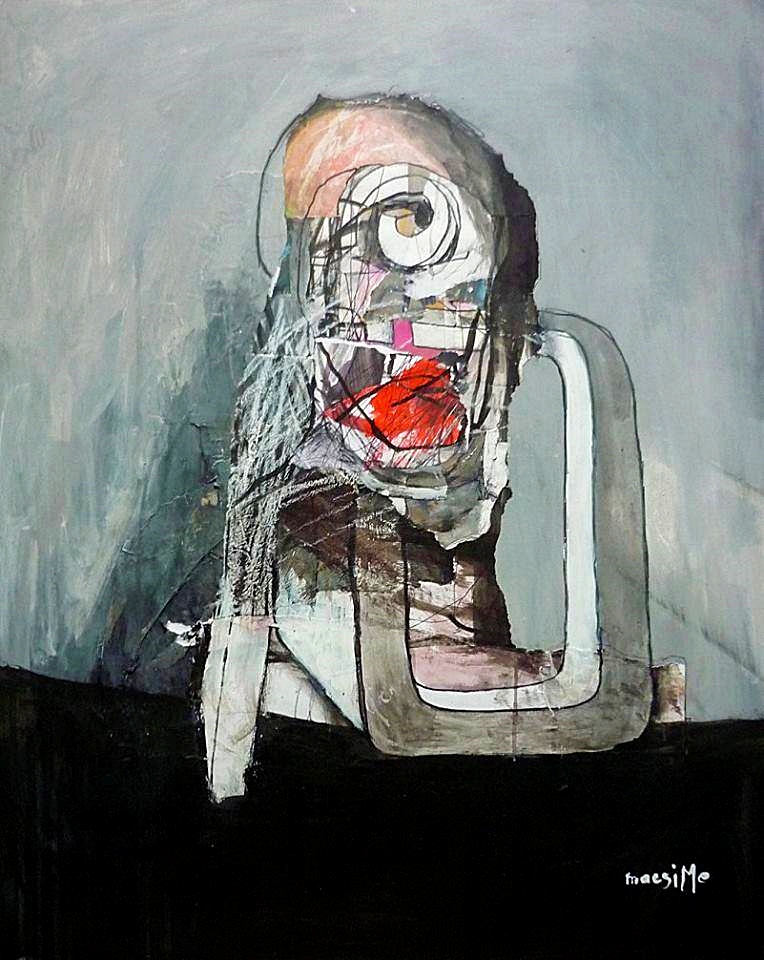
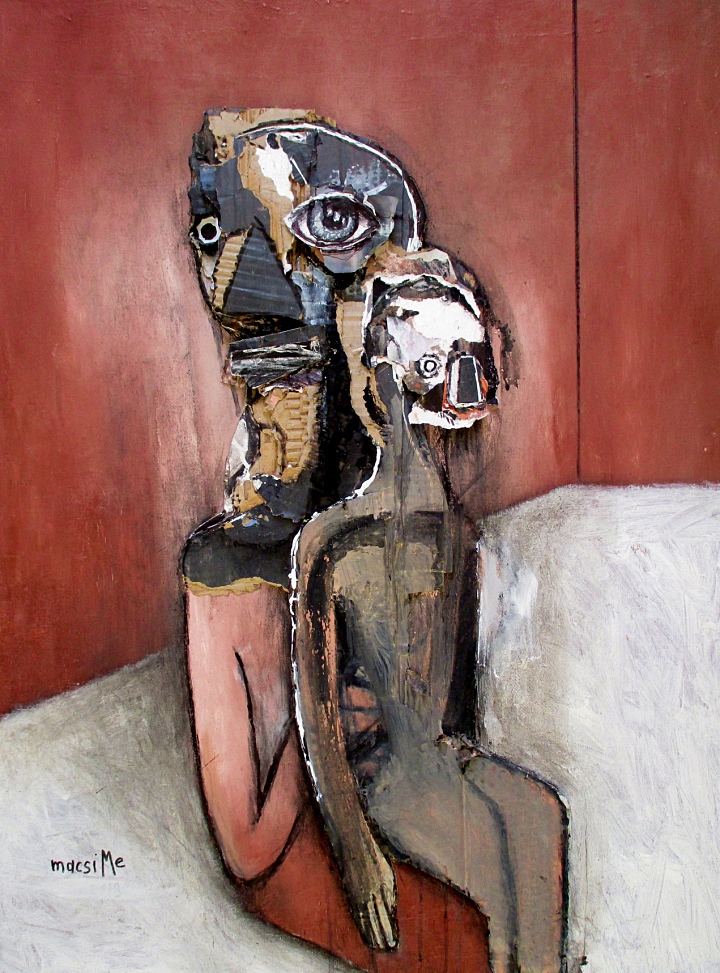
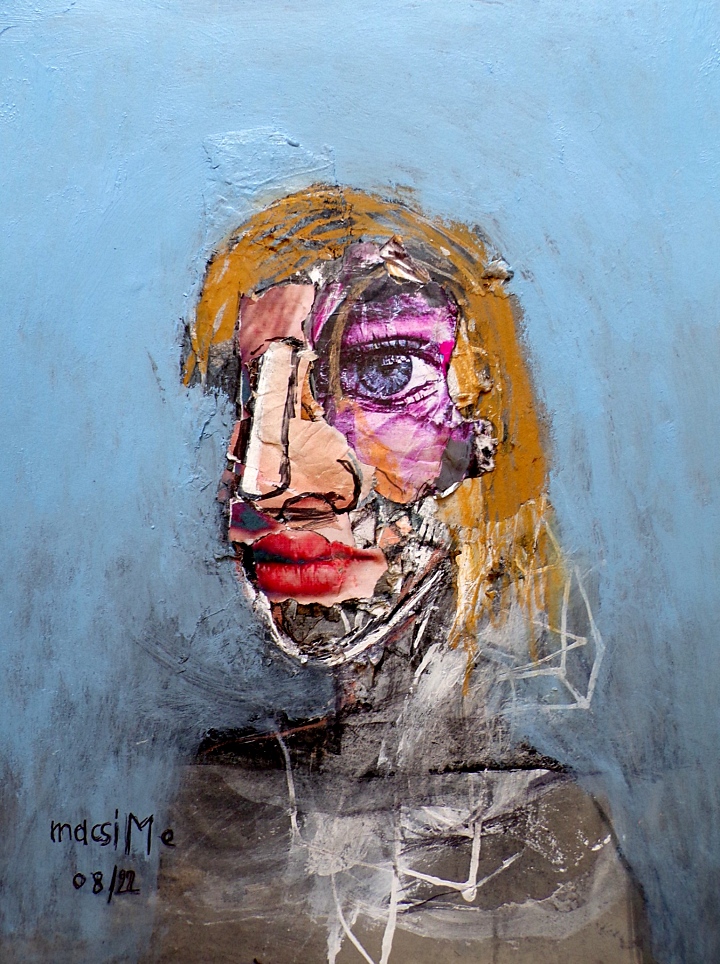
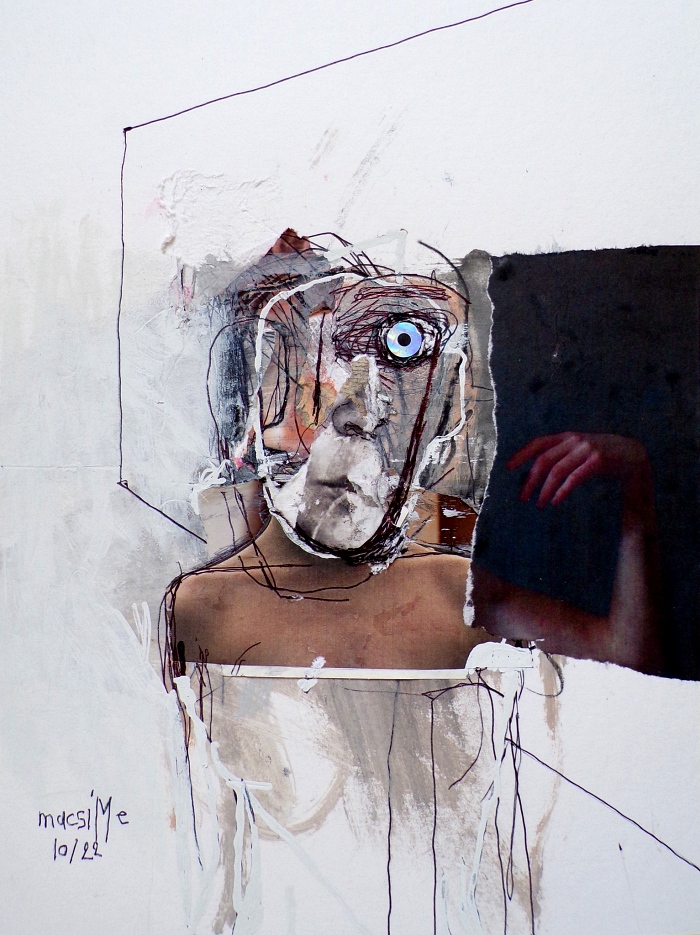
macsiMe is a French artist who is inspired by impact. macsiMe prefers no elaboration. only the act of friction and reaction speaks for itself
All in Nothing- Nothing in Everything I draw I erase I glue I scratch I tear I stop, look, look And I start again Lots of “I” s but that is what Art is Art is just answer
\
macsiMe lives in Le Mans, France enjoys observing people is inspired by action
THIS AN AUTHORIZED DUPLICATION WITH PERMISSION AND EXPRESSED CONSENT FROM THE ARTIST MACSIME
I am from the generation of the end of the Second World War and the occupation. I have often wondered if it had any effect on my life. I read a statement by a British anthropologist who claimed that there is such a thing in us as genetic memory. All emotions and experiences of generations are recorded in this memory. According to this theory, my generation has genetically passed down from their parents everything that happened to them.
My whole family, father, mother, grandfather, and two of my father’s brothers, were in German concentration camps in Poland during the occupation. Grandpa and uncle never returned from there. My father spent the entire occupation in camps – Majdanek, and later Flossenburg. He showed extraordinary fortitude and willpower to survive. He didn’t tell much about his stay, and I am filled with empty laughter when I read about the repressions and sufferings of some of the heroes of the post-war period. Without taking anything away from them, of course.
Paradoxically, right after the war, my parents (because we had no place to live) were assigned an apartment in a barrack at Majdanek, five meters from the barbed wire of the camp. It was a barrack where the SS staff lived during the war. Not only my family lived there because at that time one of the many rooms of this barrack was called an apartment. I, as a small child, saw this camp up close.
The remains and remnants were not yet organized and archived as they are today in the form of a photographic museum. It was specific. In the crematorium, there were still half-burnt human corpses. In the barracks, thousands of dolls and teddy bears, toys left by children. A barrack – processing human bodies into soap, lampshades made of human skin, a barrack – filled only with glasses or hair cut from women’s heads. I used to watch it as a little kid because, frankly, no one paid any attention to me.
Only at night the camp guards, with flashlights and shovels, search for gold buried under these barracks. Left by the prisoners of the camp, hoping that one day they will redeem themselves from the hands of the torturers. I wasn’t a prisoner, but it’s probably not without reason that I’ve had dreams all my life that I’m in these camps and I’m constantly escaping from them. So something is “on”.
Happiness is not a constant state, and I don’t think there are people who are in it all the time and are euphorically happy. For me, these are some, sometimes completely unforeseen, actually short moments in life that cause this state. And I also think that we remember the moments of unhappiness more than the moments of happiness, it is easier to recall them in memory (or this is a feature of my personality).
Happiness is no stranger to me, of course. I’ve had different moments. In family life, professional life, in states of love intoxication, and alcohol intoxication. But what sticks most in my memory are those seemingly insignificant moments in which I experienced happiness.
In contact with nature, which fascinates me, shocks me with its beauty, and terrifies me with its ruthlessness. I am basically a loner and I feel happy when I look at the sky at midnight and a storm catches me as I swim alone through the middle of the lake. As I get older, I get more and more vulnerable and less and less happy. I look at the species “homo sapiens” with sadness. His unbridled greed, lust for money, disrespect for nature. Also people’s lack of respect for their own species. 80 years of relative peace, without global war (that’s almost two generations), has made people mentally lazy. Dreams of the return of fascism are born. When I was a kid, I saw how it ends.
I live in Poland, near Warsaw, although I was born in Zamość. I am married with three adult daughters and two dogs. I am a graduate of the Academy of Fine Arts in Warsaw at the faculty of painting. Throughout my professional life, I have been dealing with applied graphics, as well as writing and drawing comic books for children (published in millions).
However, painting, to which I returned after years of break, is my passion and my main goal in life. In my work I have always revolved around abstraction, which for me is a form that requires control over form, composition and color. I have developed my own method of combining various materials (wood, cardboard, fabric, resins, glues, acrylic paints) so that the resulting work has a distinct structure and space. My father was a sculptor, maybe that also shaped my aspirations.
Usually, the design of the painting is created earlier, on paper, but I think about it for a long time before I approach the canvas. And although it seems that the exact plan is, I need a lot of time to determine what the painting will look like in the end. Sometimes it develops quite quickly, i.e. three, four days, and sometimes a month.
WRITTEN BY TADEUSZ BARANOWSKI ALL RIGHTS RESERVED. ALL ARTWORK AND WRITING IN THIS POST IS A COPYRIGHT OF TADEUSZ BARANOWSKI. THIS AN AUTHORIZED DUPLICATION WITH PERMISSION AND EXPRESSED CONSENT
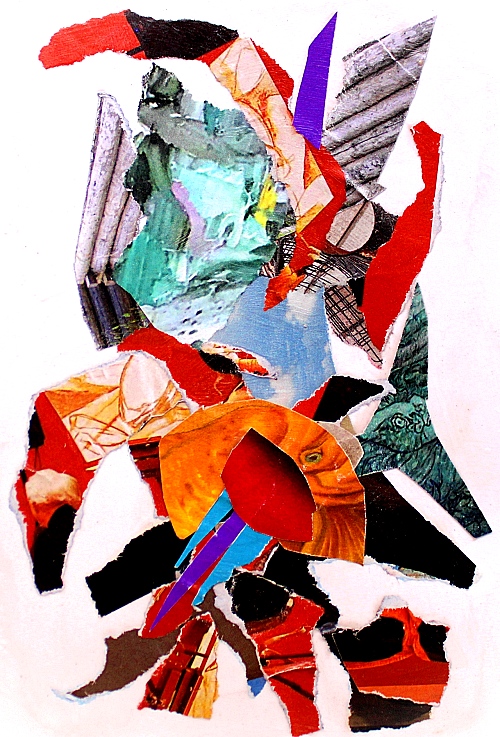
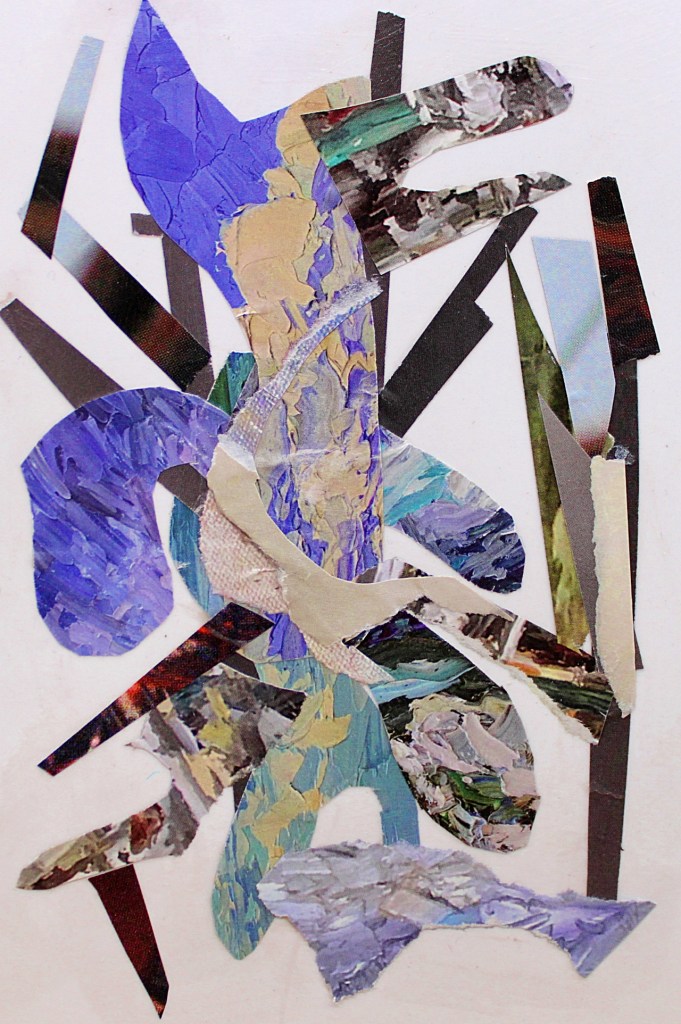
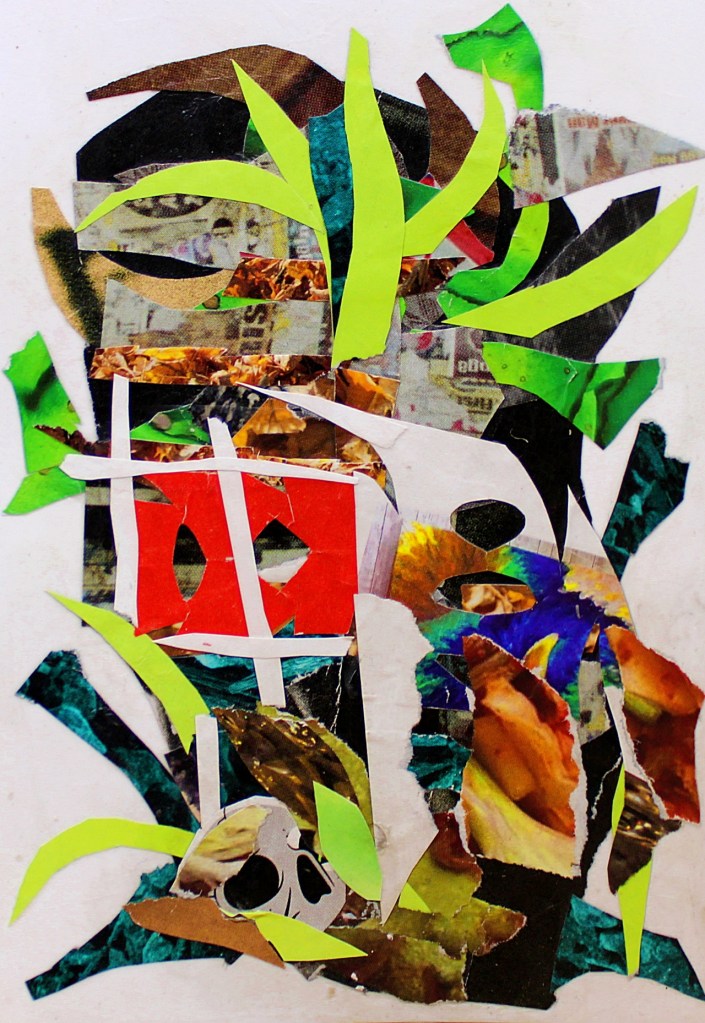
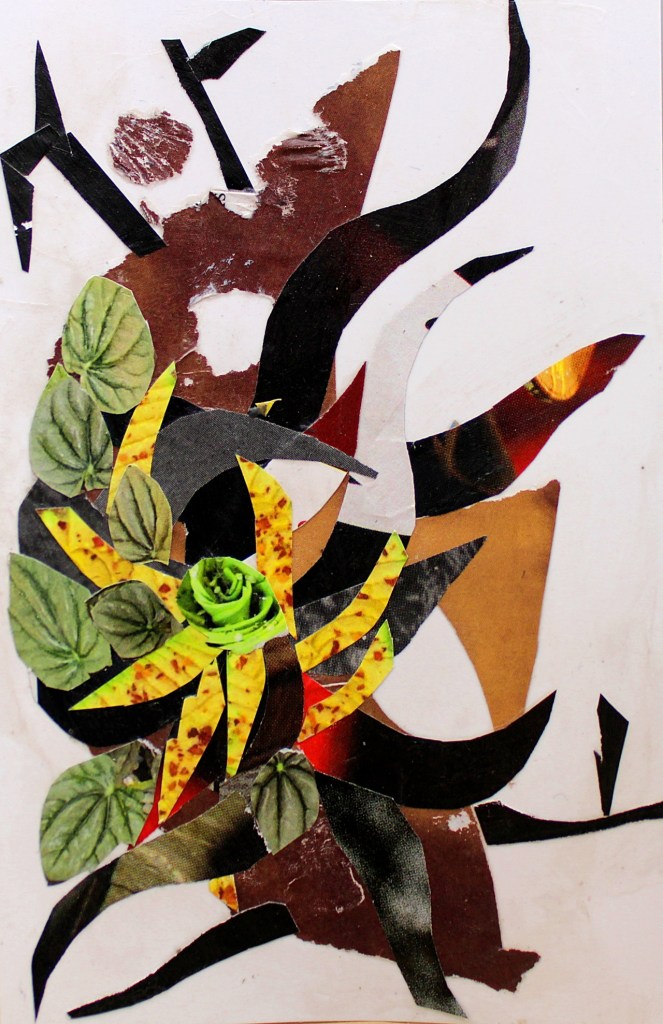
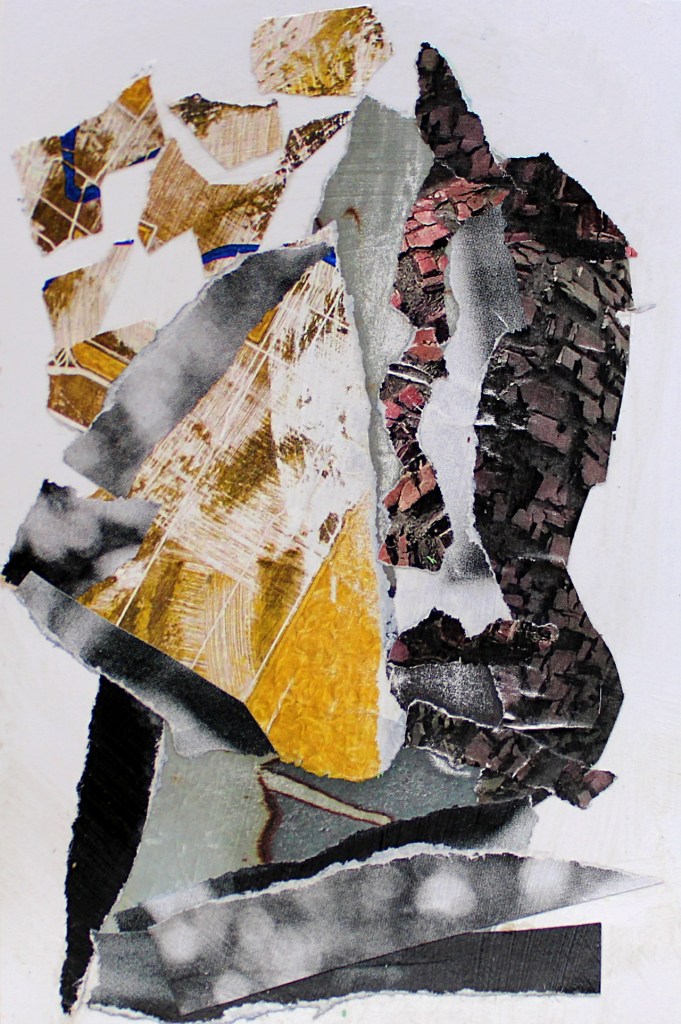
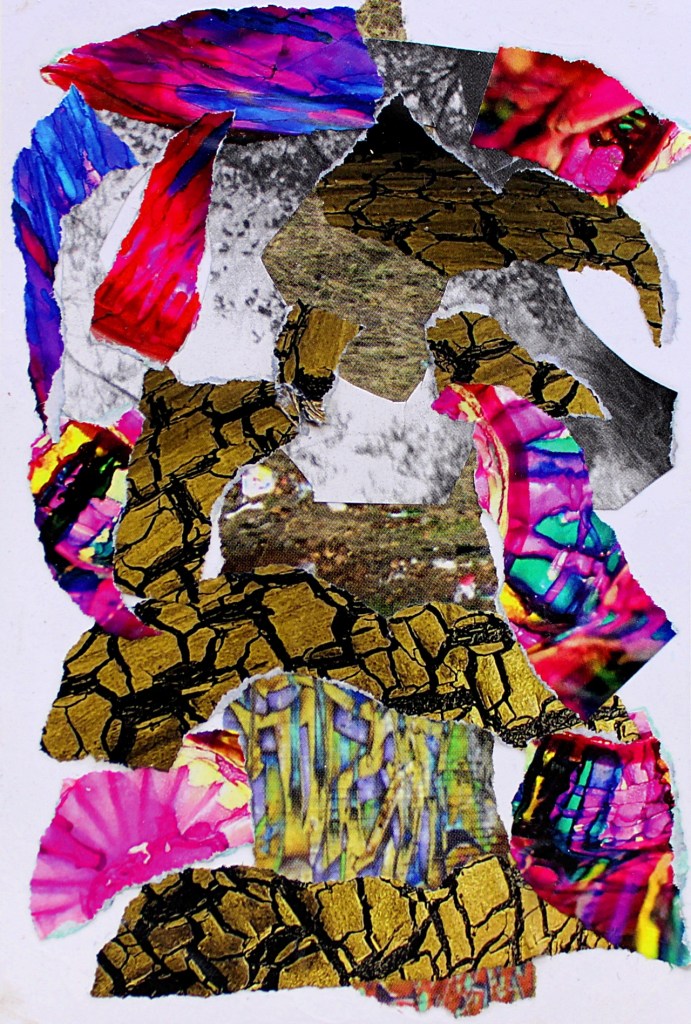
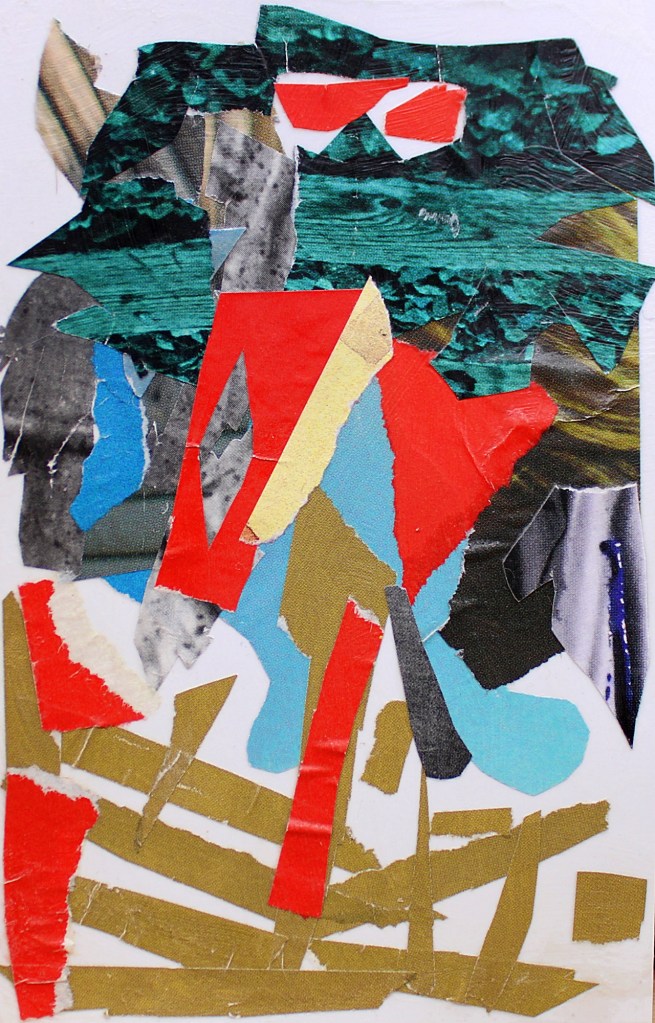
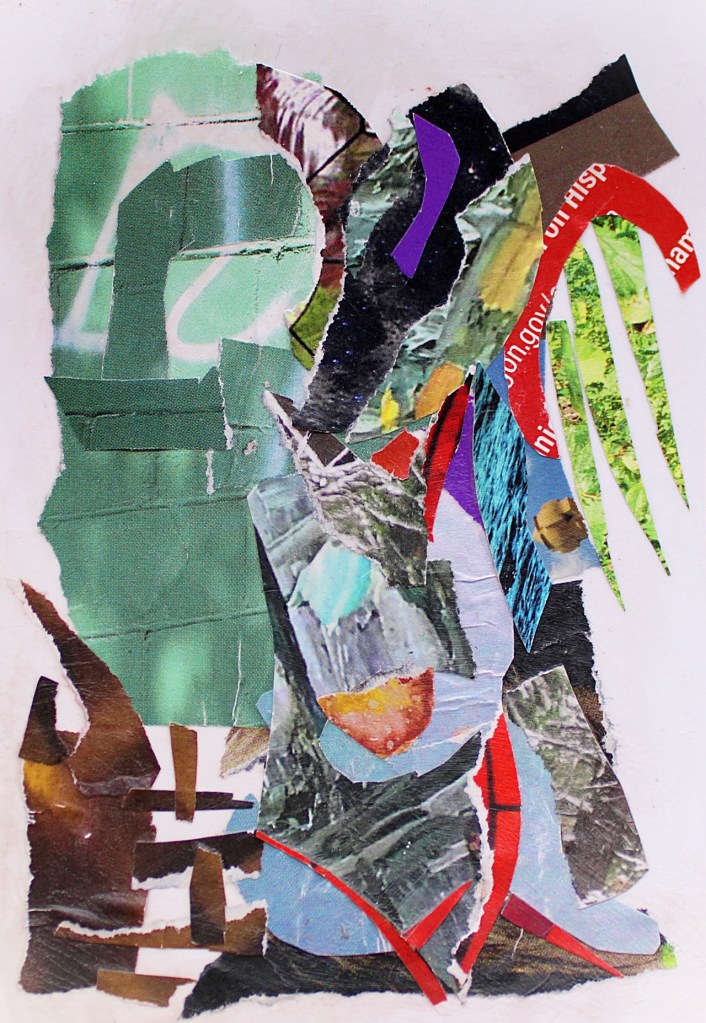
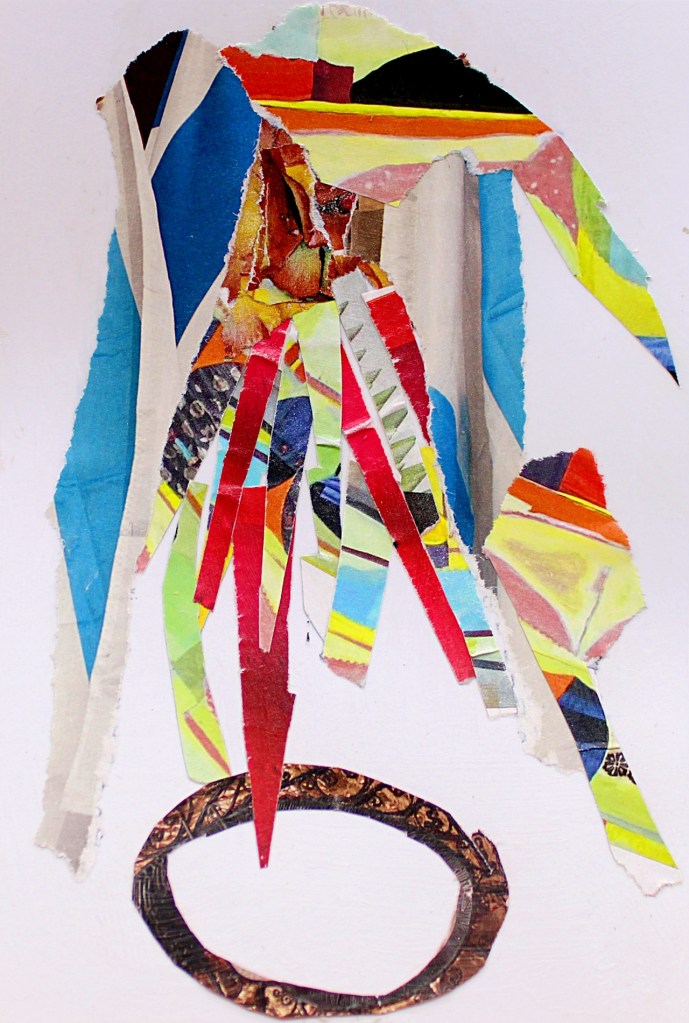
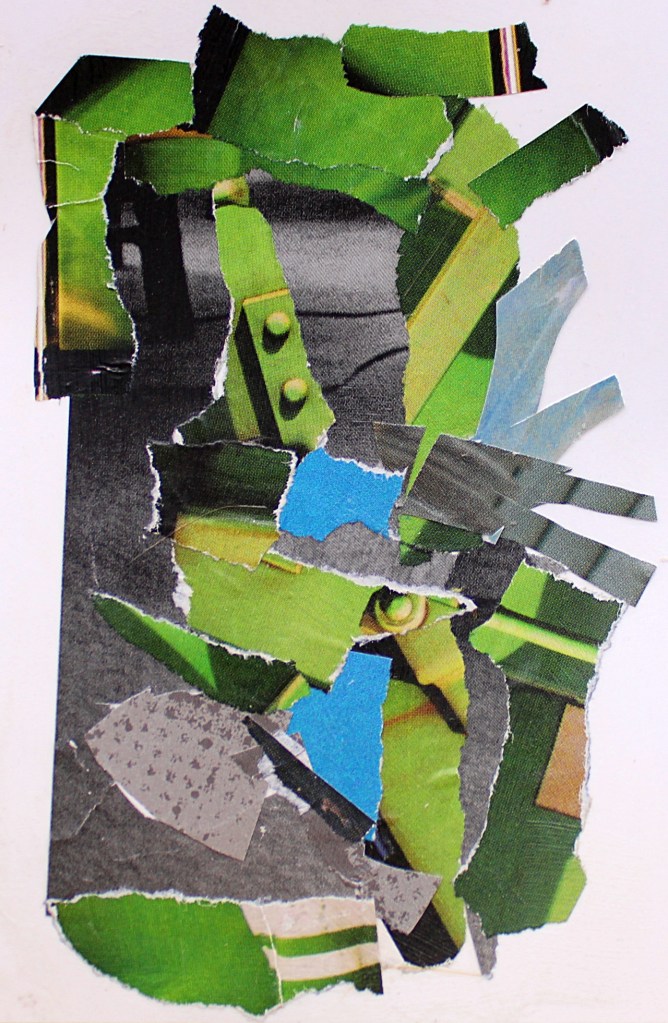
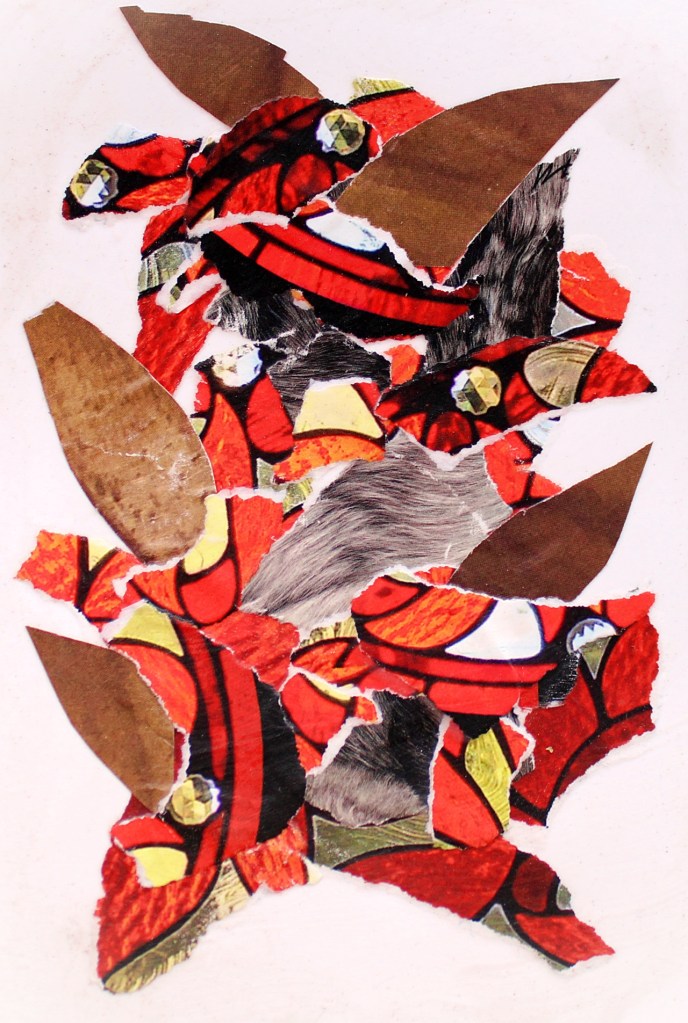
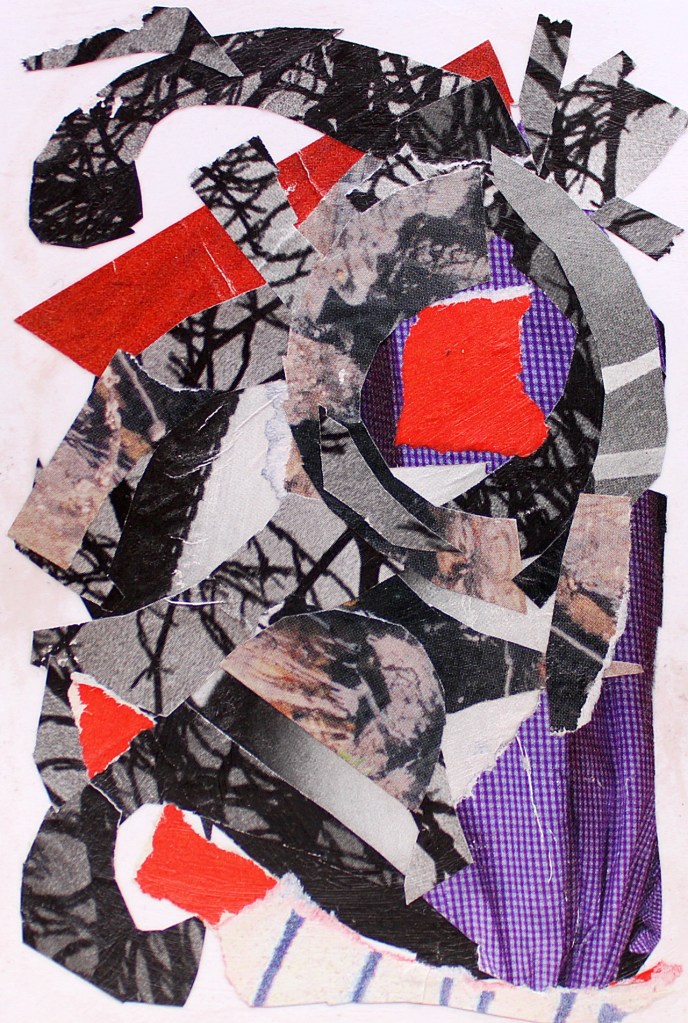
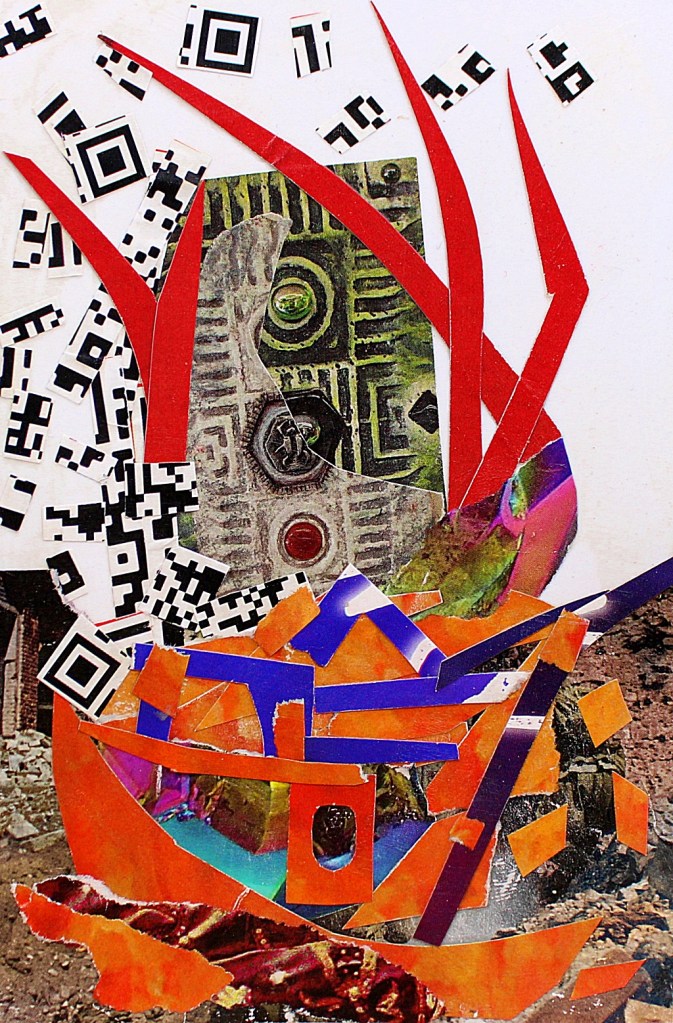
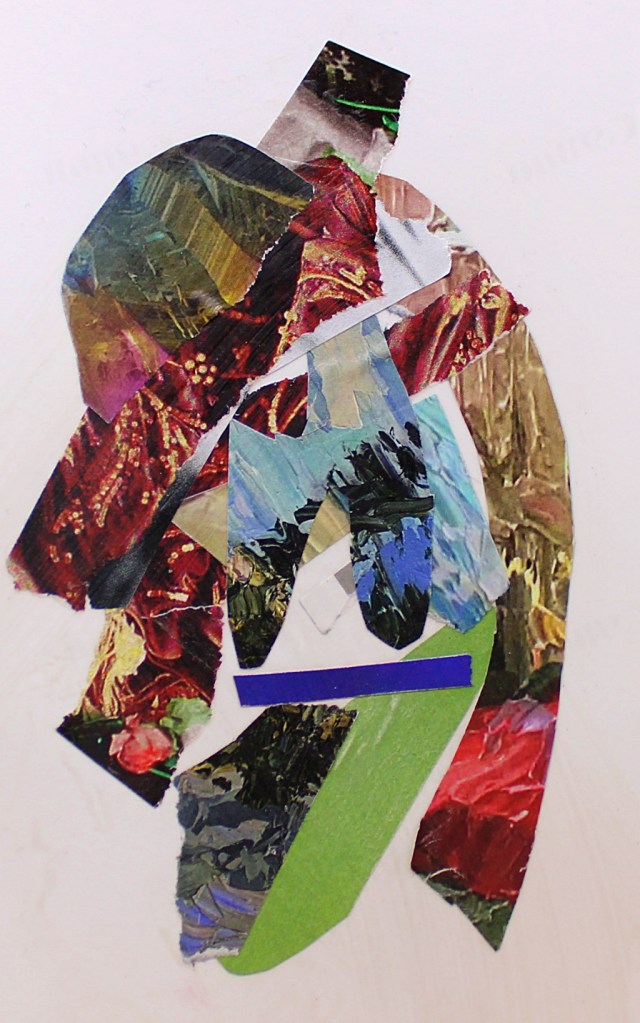
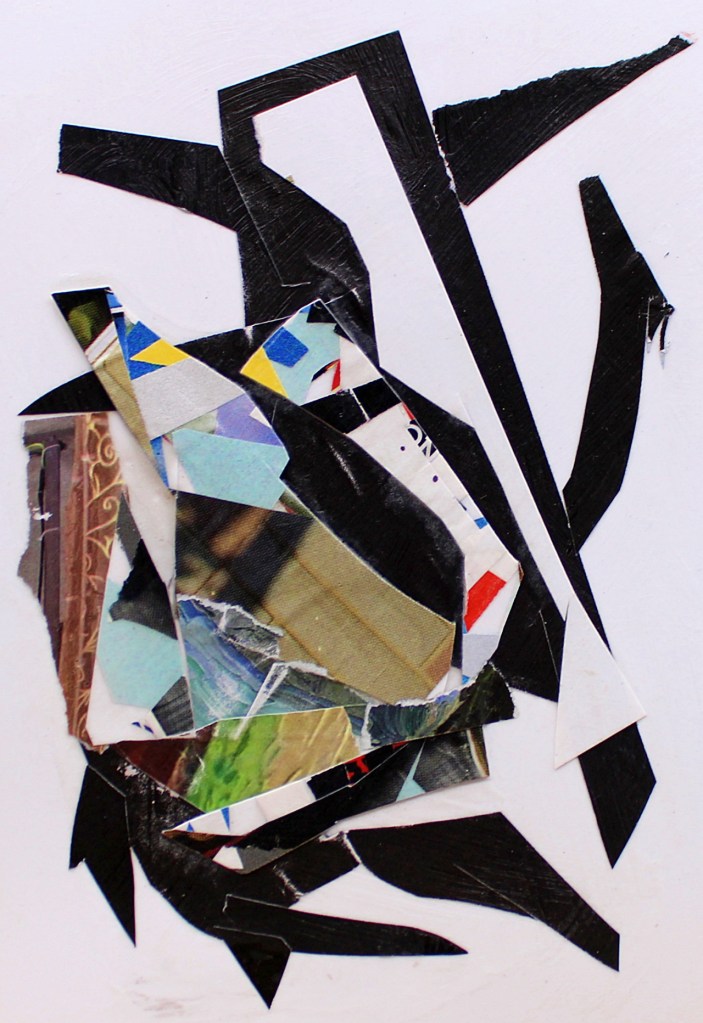
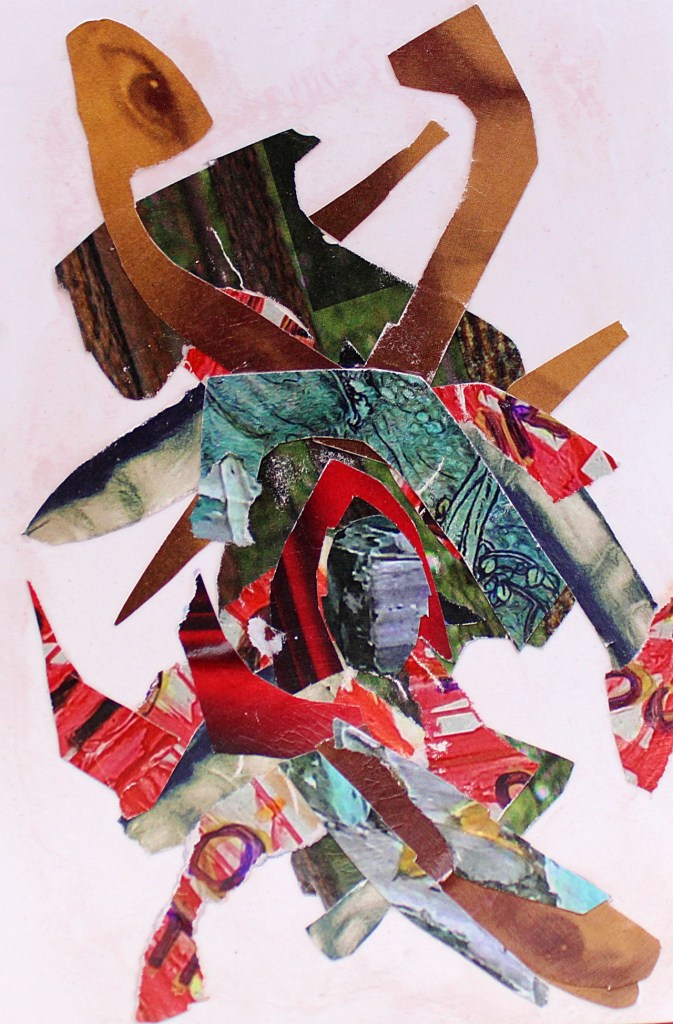
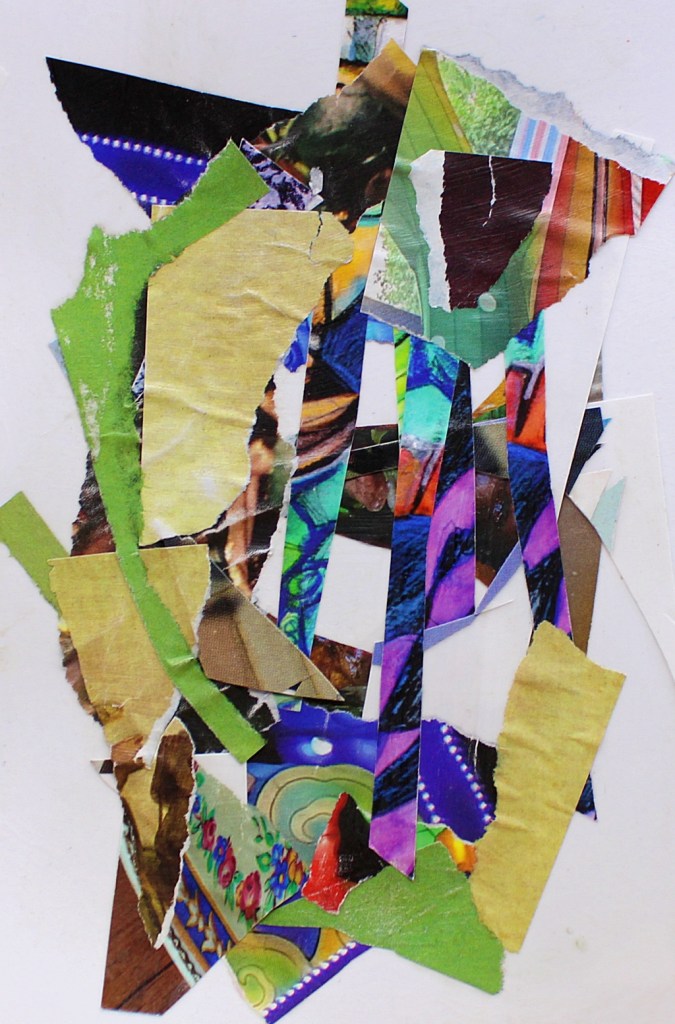
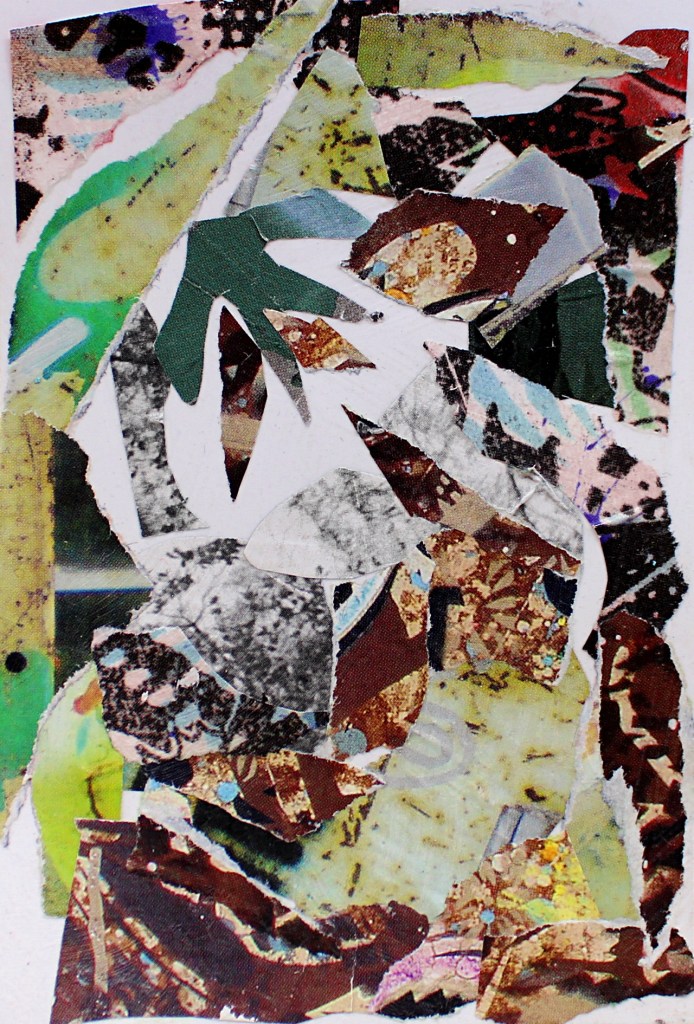
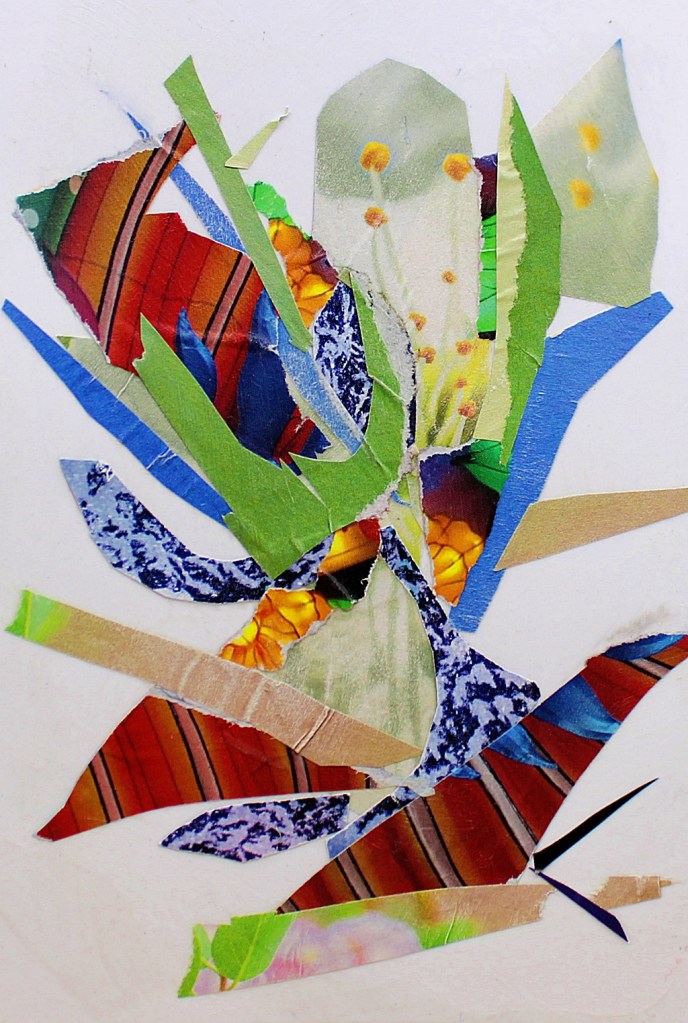
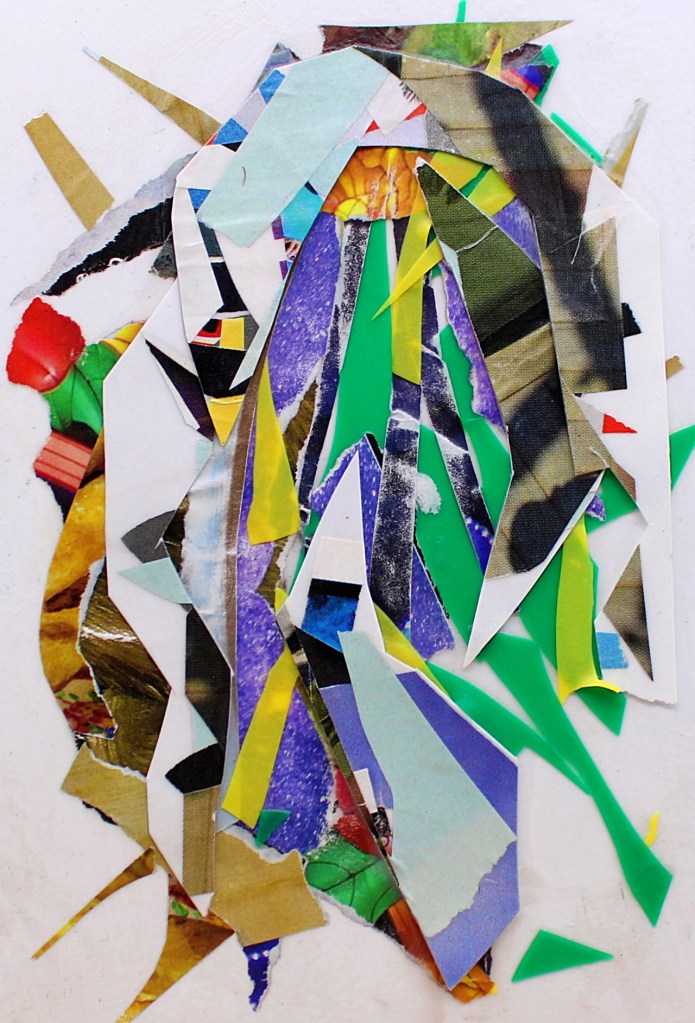
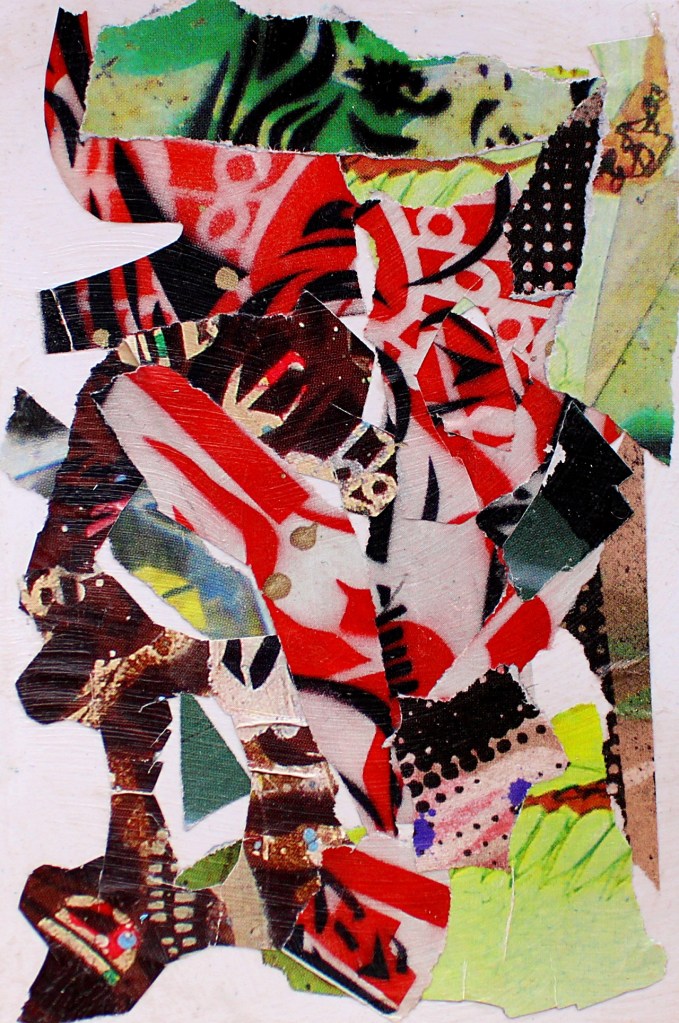
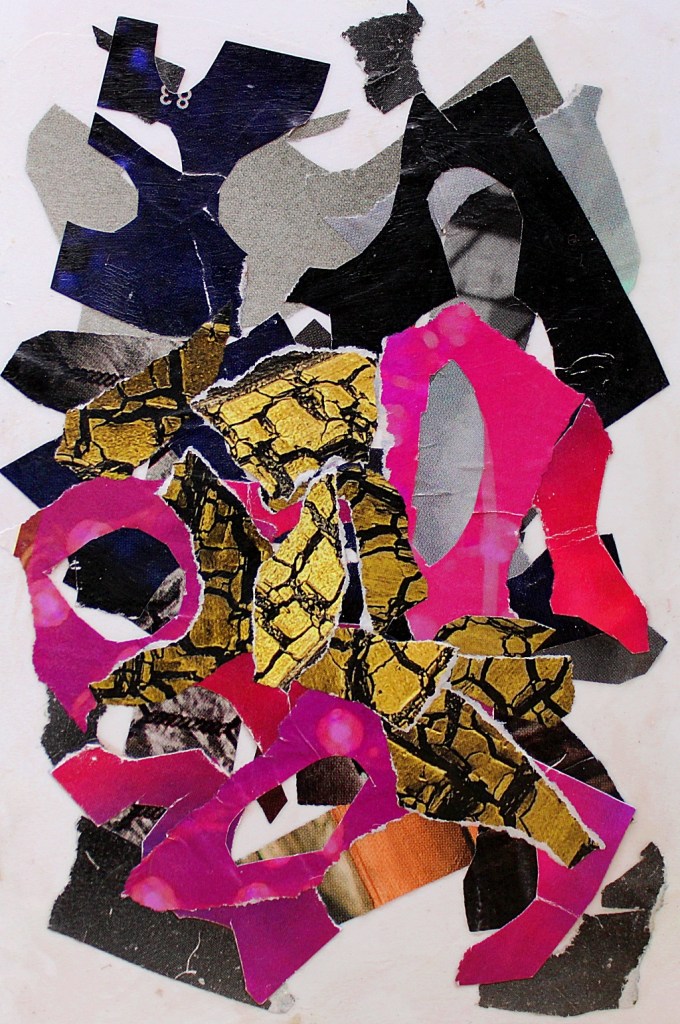
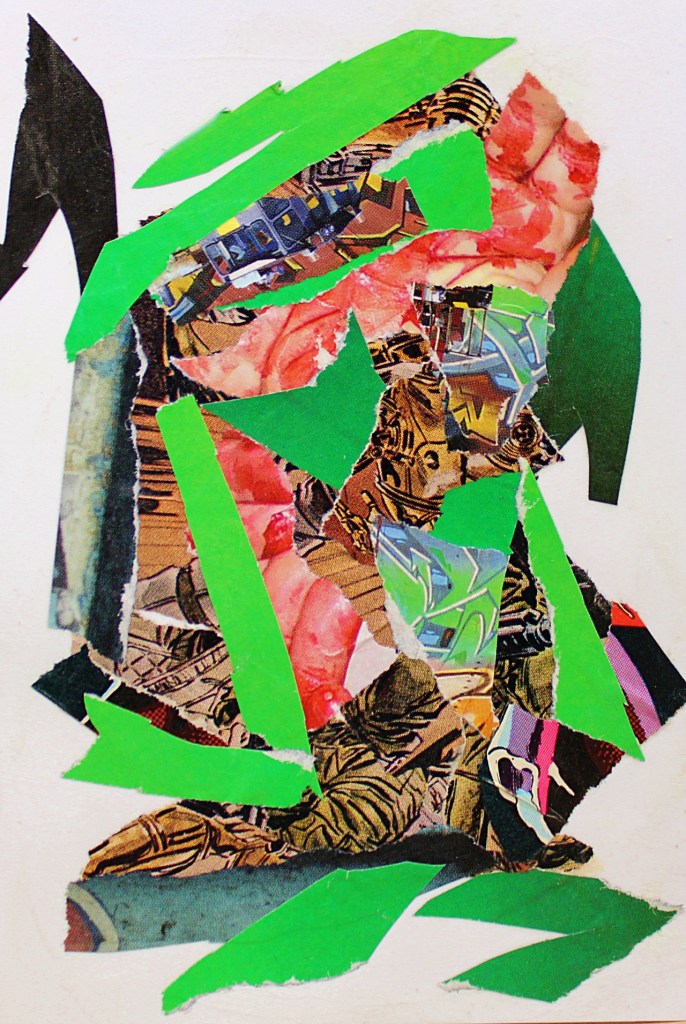
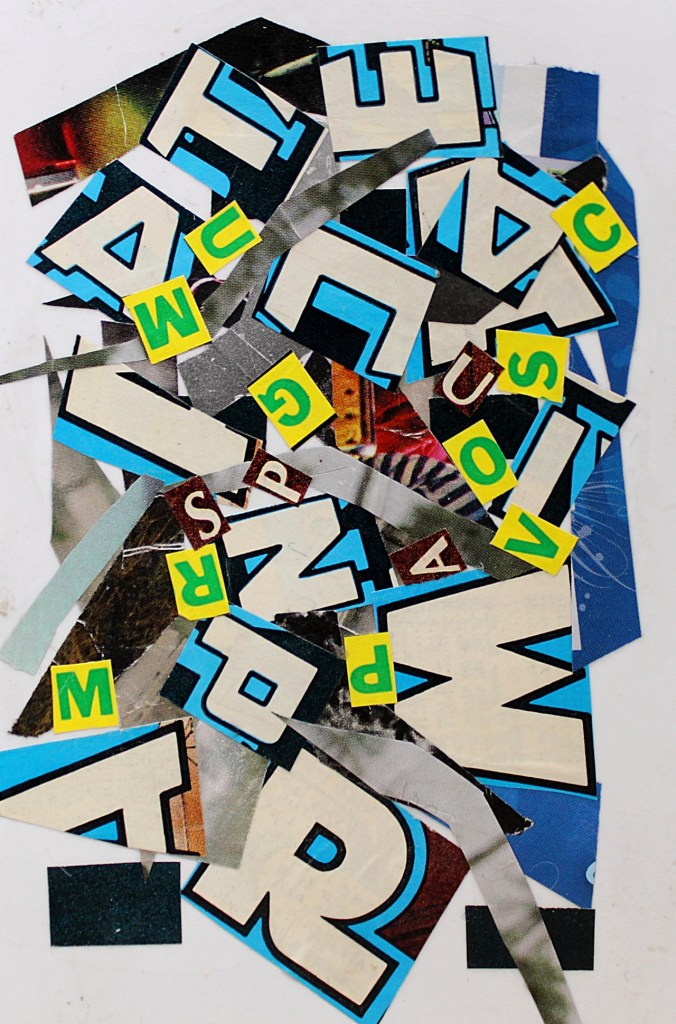
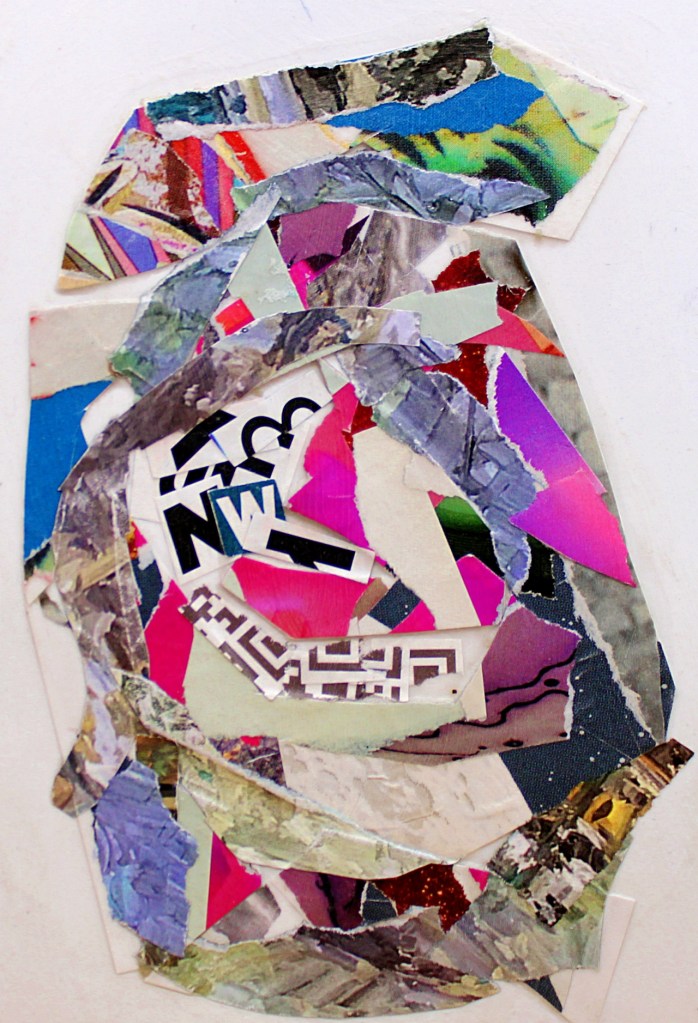
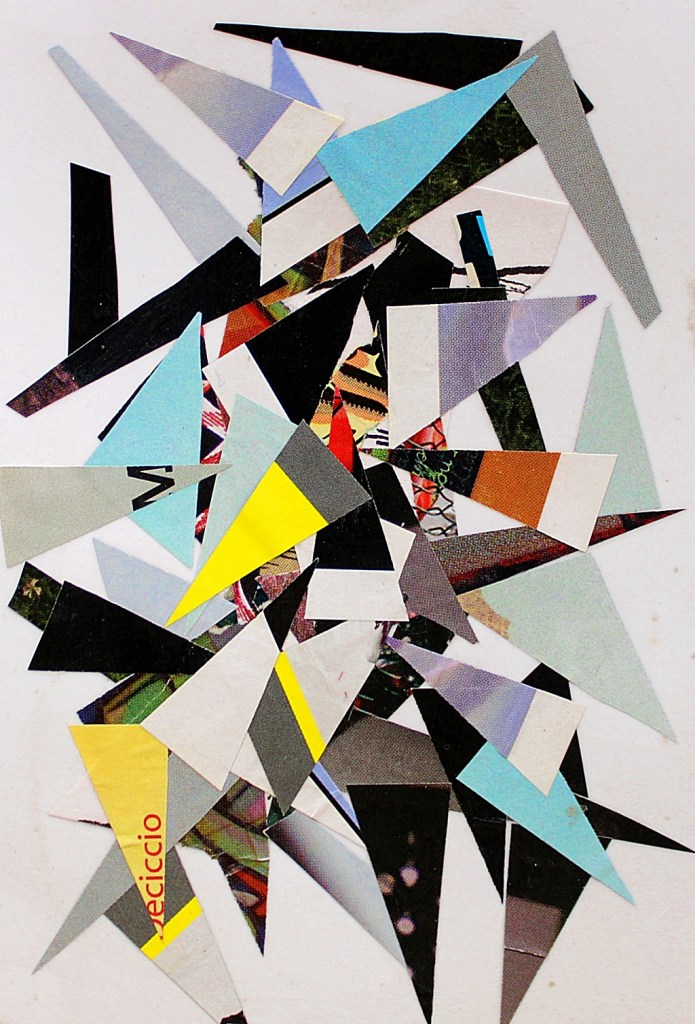
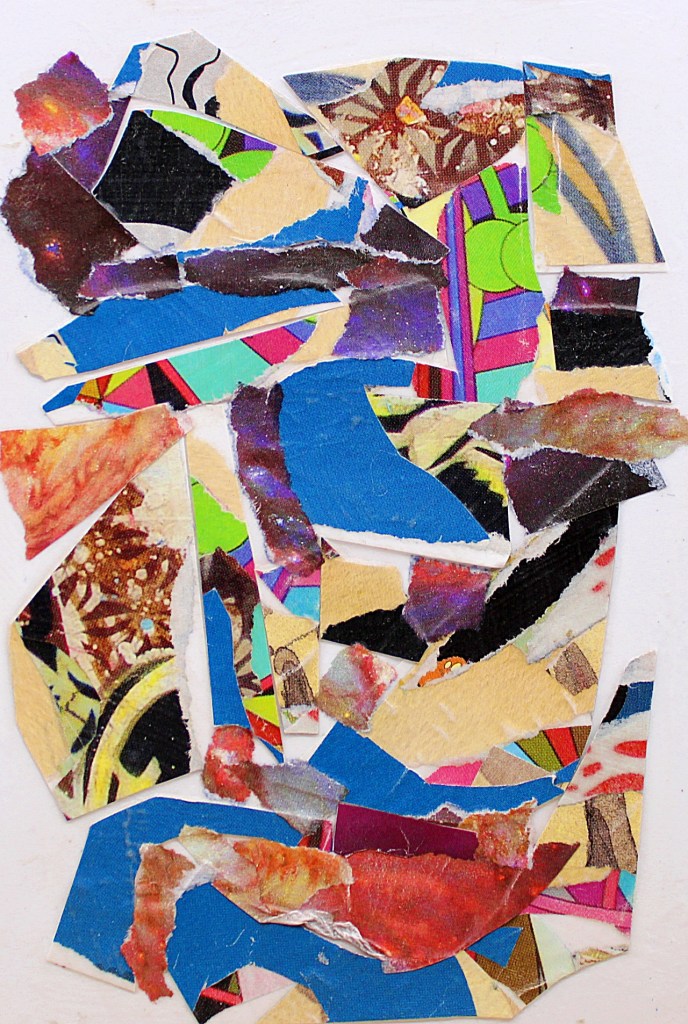
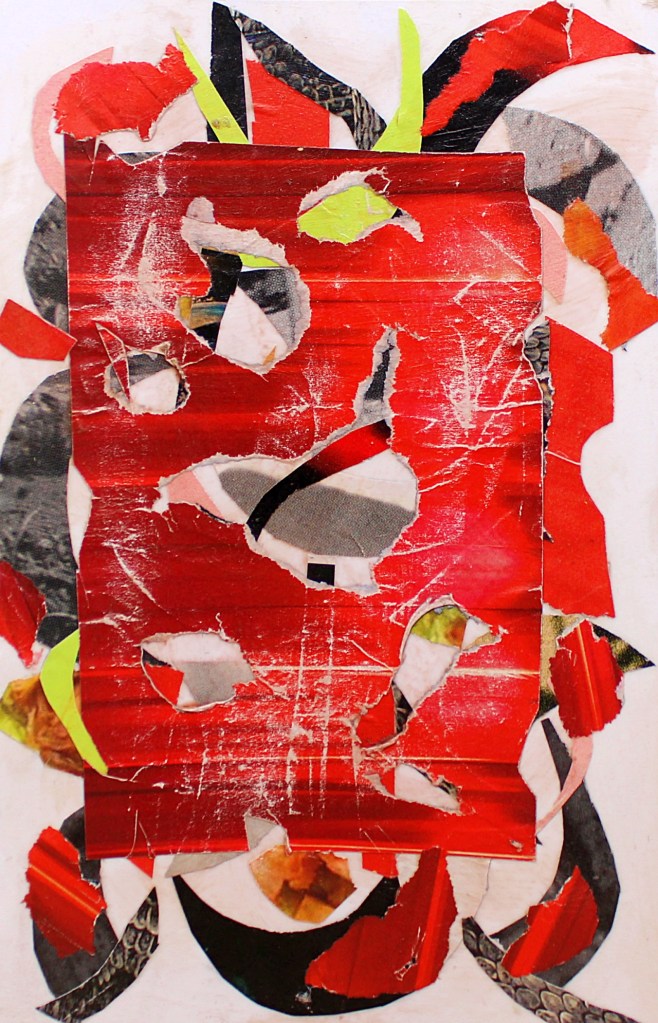
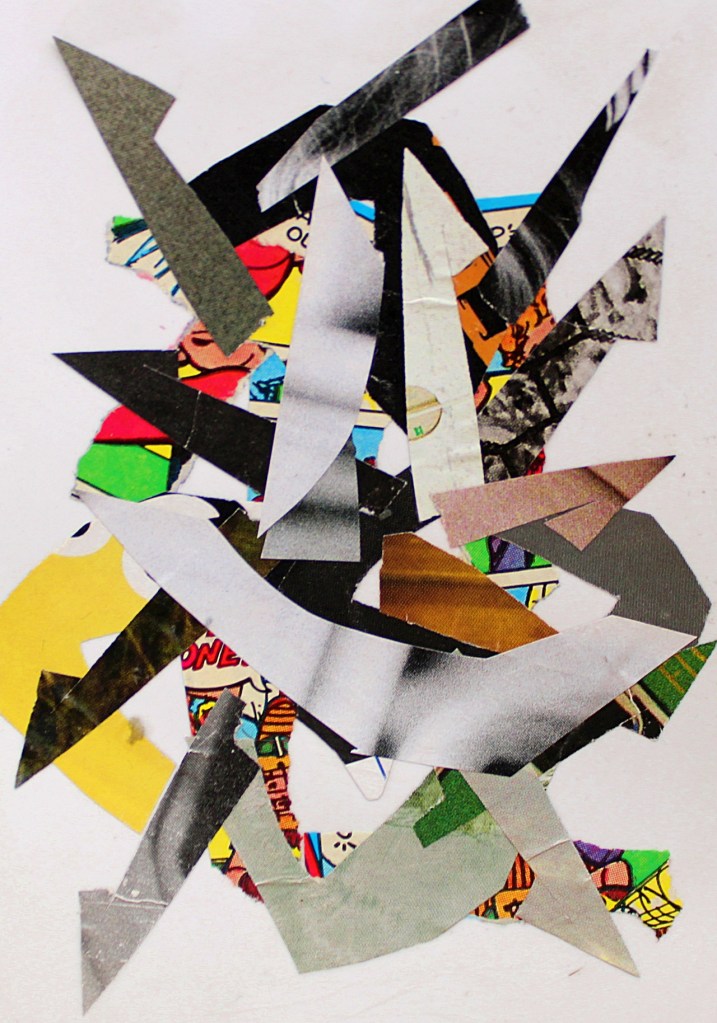
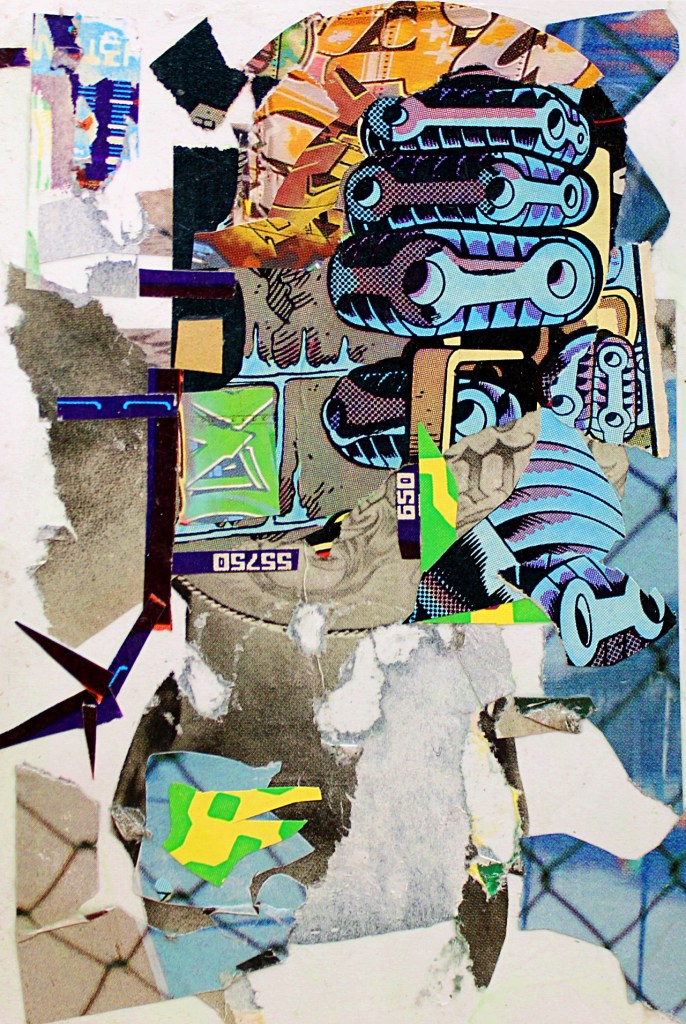
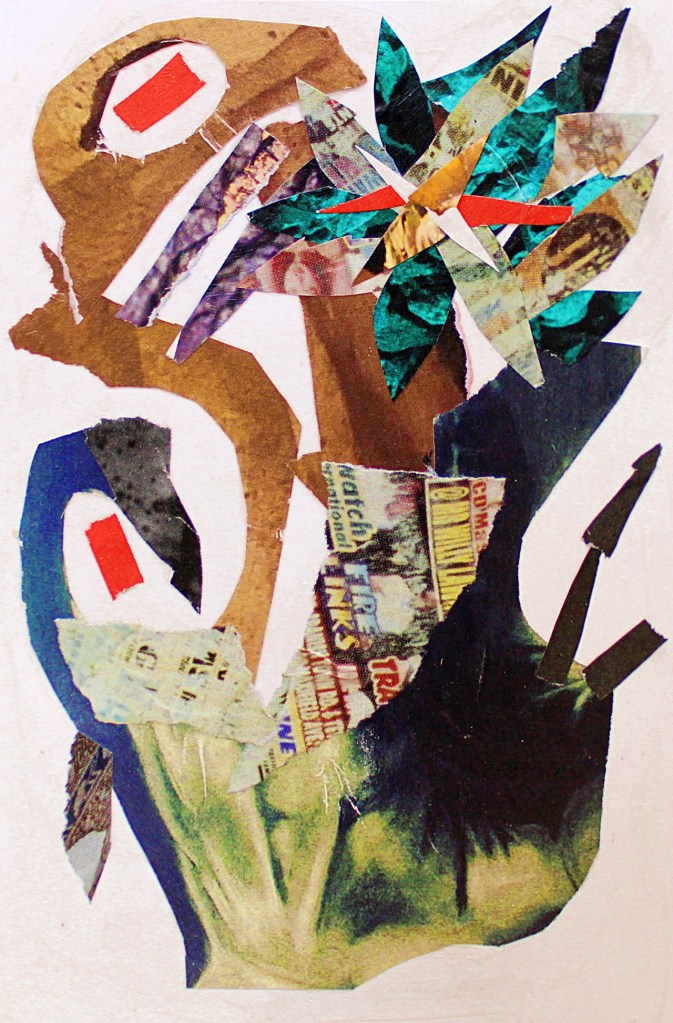
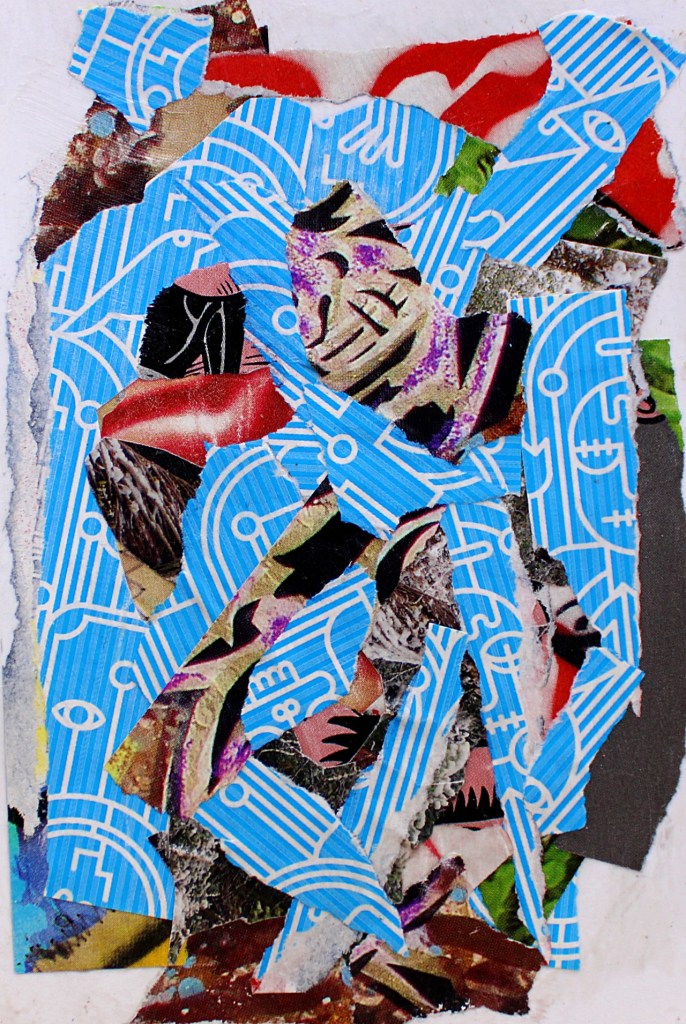
Artistic studies in theurgic space, alchemical plants, time doors, cosmogramic beings, and artificial phantoms of intelligence. 4inx6in, collage on Canon film paper by Mitchell Pluto from December 1 to December 10

























 Mitchell Pluto