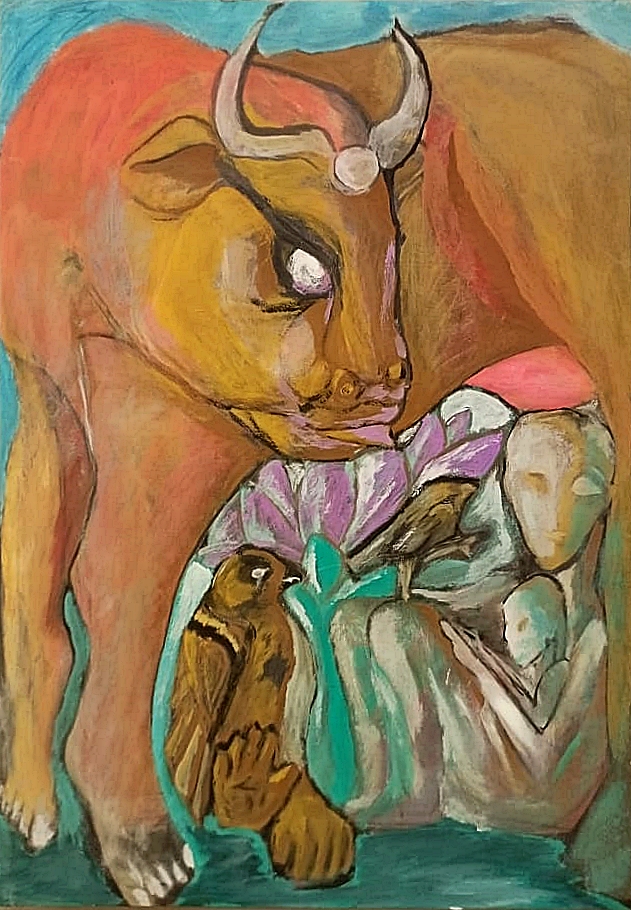
Israa Kazem; Balance between Spirituality and Geometric Perfection

Abstract Human and Islamic pattern. Handmade Paper, dyes, rust, gold leaf. Dimensions with frame: 67.5 cm × 83 cm Production Year: 2019.

Israa Kazem uses handmade paper as her primary material, breathing
new life into it. As it carries its own story. Her work merges the magic of
nature with the aesthetics of ancient art civilizations, influenced by
Islamic art and miniature paintings creating a style that is both vital and
contemporary. The process demands precision, resulting in pieces free
flowing lines and texture of the paper lend a unique character to the
artwork, in addition to depth and expression—a return to roots.
These frameworks surface in her approach to papermaking—a process
where chaos (raw, recycled materials) yields order (structured sheets),
mirroring the emergent patterns found in nature.
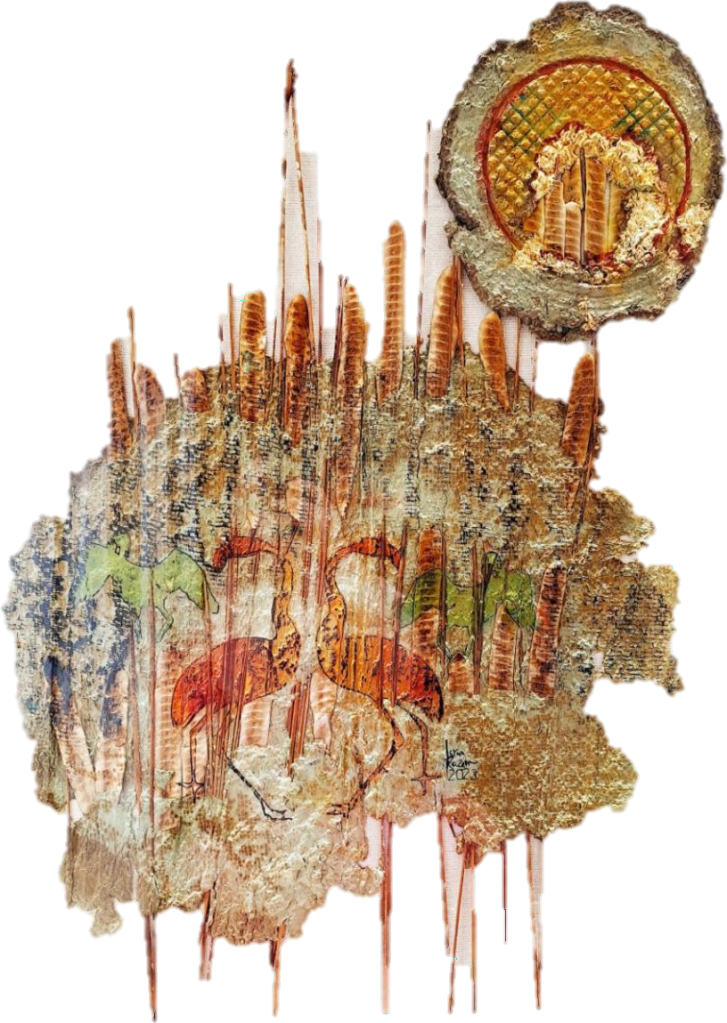
Flamingo reflection and the disk of sun
Paper Pulp, Gold leaf, Dried Leaves, Stalks of Grain Plants, Ink, Color Dyes.
Dimensions with frame: 132.5 cm × 102.5 cm
Production Year: 2023


Her work transforms discarded fibers from wastes into delicate sheets of
paper, each piece is a tactile archive, inviting the viewer to
contemplation on sustainability and our relationship with the natural
world.
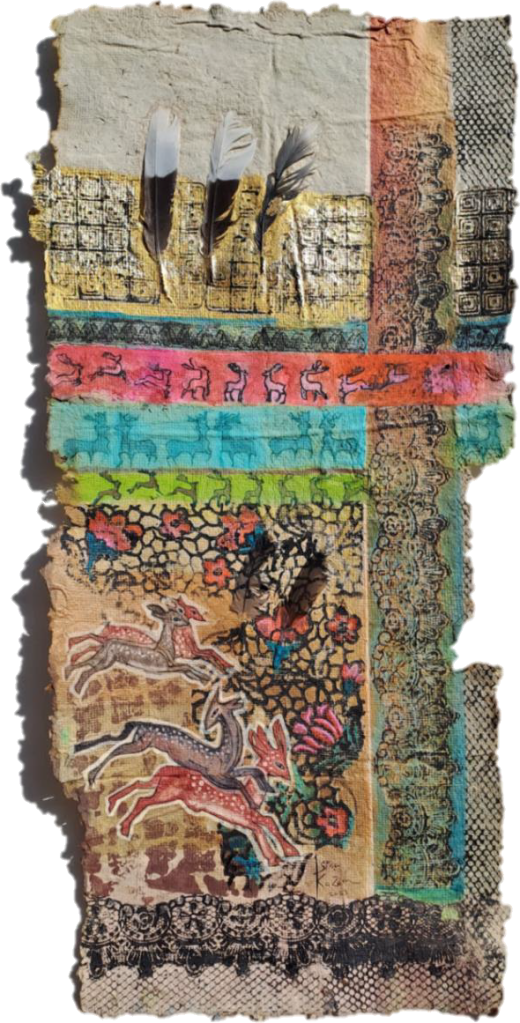
Deer are running on the mountain
Handmade Paper, feather, gold leaf, dyes, ink, acrylic pens.
Dimensions with frame: 85 cm × 50 cm
Production Year: 2024.


She aims to highlight the diversity of living organisms and the different
environments surrounding them, especially highly diverse ecological
communities.
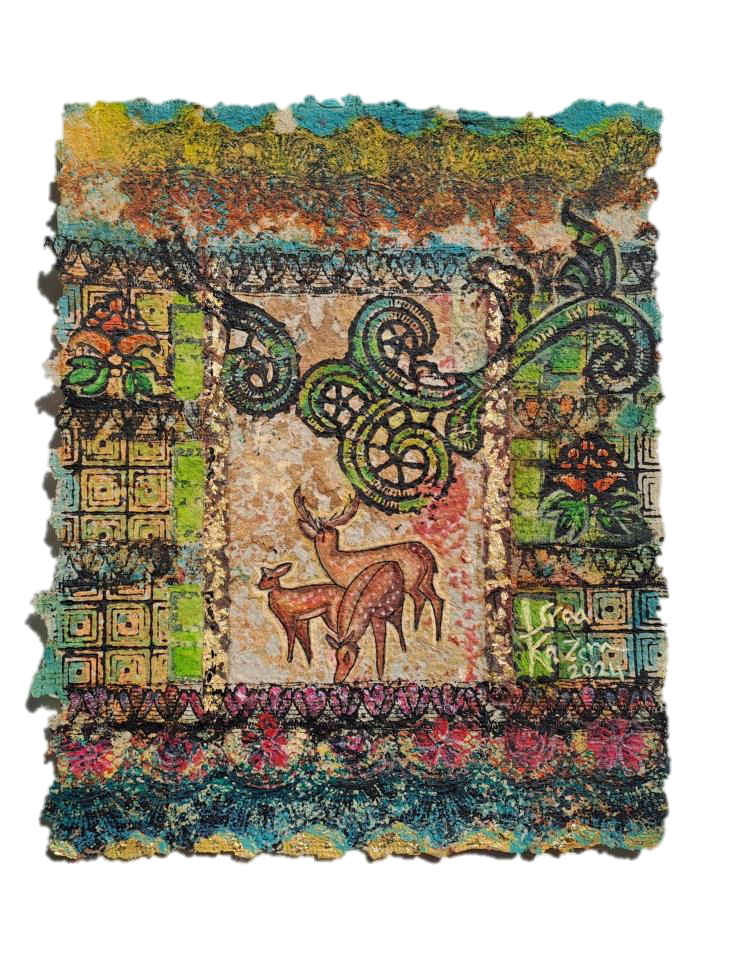
Deer are eating flowers
Handmade Paper, dyes, ink, gold leaf. Dimensions with frame: 40 cm × 40 cm Production Year: 2024


This harmony is evident in her paintings, which may combine deer
surrounded by geometric patterns, or blossoming flowers where
the deer serves as a decorative motif. This fusion creates a visual
language that speaks of the balance between two worlds: the
world of spirituality and geometric perfection, and the world of life
and growth in a timeless artwork.
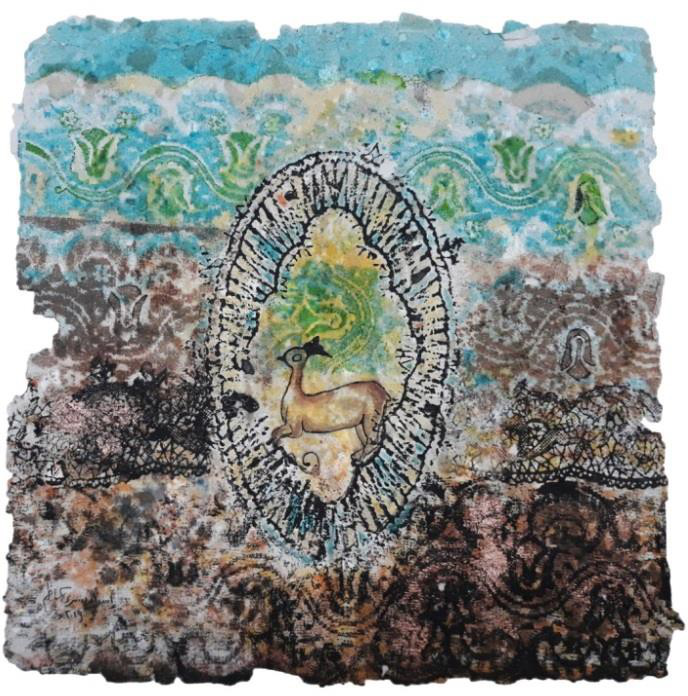
Handmade Paper, Dyes, ink Dimensions with frame: 50cm × 50 cm Production year: 2020


In her artworks collection, the deer refer as a main symbol, not
merely appearing as an aesthetic form, but carrying various
perspectives and meanings. The artist employs it as a symbol of
optimism and new beginnings.
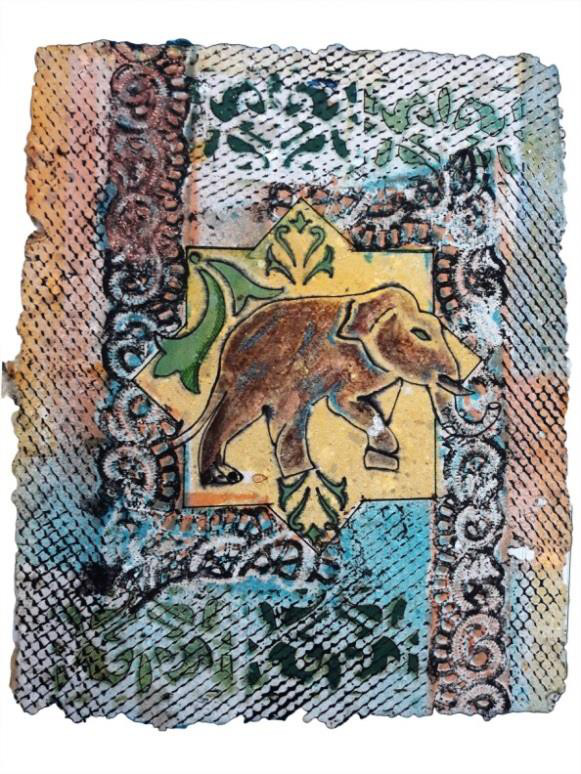
Handmade Paper, Dyes, ink Dimensions with frame: 50cm × 50 cm Production year: 2020


In its grace and lightness, the deer represent hope and the journey
toward a better future. In Islamic art, the deer have always been
associated with beauty and gentleness, making it the perfect choice
to express her vision. The deer is painted in state of stillness and
motion depicted in a style that combines simplicity of form and
ornamental pattern, giving it a symbolic and contemporary
dimension simultaneously. This demonstrates that art knows no
bounds, and that the dialogue between past and present can
produce creativity that transcends time and place.
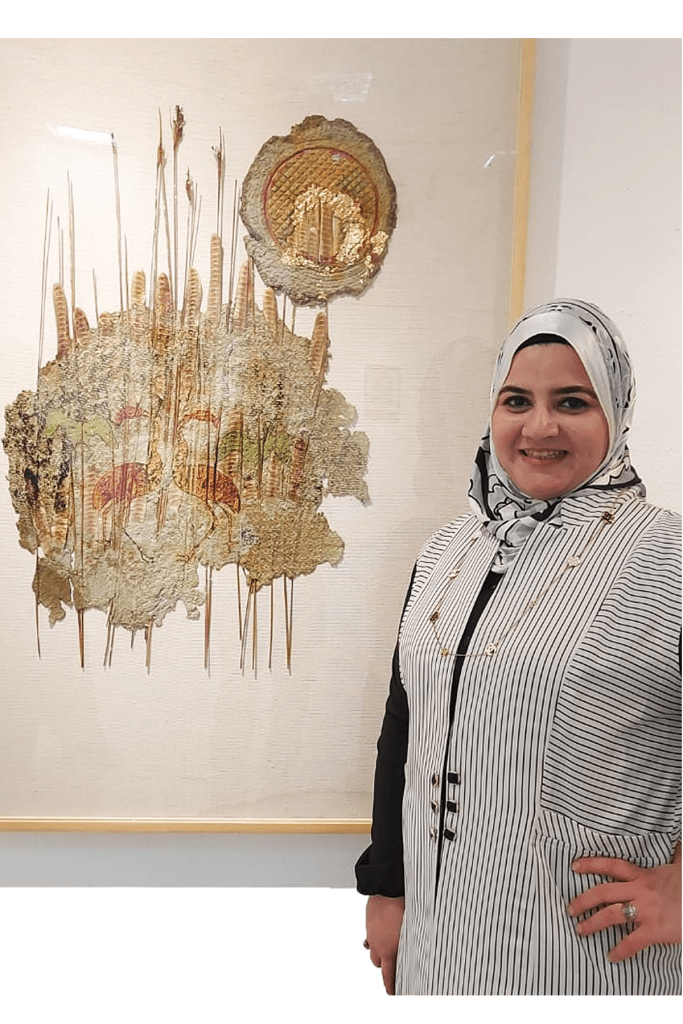
Israa Kazem (B. 1987) is a Cairo based visual artist and researcher, holds
Bachelor degree of Art Education, Helwan University.

She earned her master’s degree 2015, PHD 2020, in drawing and painting. Kazem is a member of the syndicate of plastic artists. She participated in many international and local Exhibitions. She found her creative inspiration in her drawings and paintings through nature. Kazem employed many drawing, painting, printing and mixed media techniques to achieve her artistic style.

Kazem uses handmade paper and paper pulp and combines them with
different materials. Her use of natural materials not only adds depth and
texture to her artwork but also focuses on the importance of sustainability in art and life. Her artistic practice reflects her respect for the surrounding environment and express its essence through her own
vision.

Solo Exhibition:
“Green Border”, Mahmoud Mokhtar Cultural Center, Nahdet Misr
Gallery, 2023.

Group Exhibitions:
– Agenda Exhibition, Conference Center, Bibliotheca Alexandrina,
12th, 14th, 15th, 16th sessions for the years 2019. 2021, 2022, 2023.
– Cairo International Art District Exhibition (CIAD), Second Edition, Art D’Égypte, Downtown, 2022.
– General Exhibition entitled “Art…The Memory of the Nation”, the 42nd session 2021, Arts Palace, Cairo Opera House.
– White and Black Salon, 5th session, Gezira art center, 2020.
– First Time Exhibition, 14th session, Conference Hall, Bibliotheca
Alexandrina, 2019.
– Second Exhibition: Artist’s Book, Mahmoud Mokhtar Cultural
Center 2019.
– Dai Festival of Arab Youth, Second Session, 2018.
– Exhibition of the accompanied workshops for Cairo Salon 58,
Artist book workshop, the Fine Arts Lovers Association, 2018.
– South International Salon, Faculty of Fine Arts, Luxor – the 5
session 2017.
– Youth Salon, 20th, 21st, 26th sessions Palace of Arts, Cairo Opera House, for the years 2015, 2010, 2009.

Awards and Grants:
Kazem won the First Prize in Youth Visual Arts competition, 6th Edition, El Horreya Center for Creativity, Alexandria, Cultural Development Fund
Sector, Ministry of Culture.

Sabbatical Grants Artist in the field of Fine Art specialized in Painting,
Supreme Council of Culture, 2019, 2021, 2022, 2023.

Israa Kazem prepared the official representation of this article and has granted permission for this article to be published.
Hager Youssef, Halal

When everything becomes permissible,
permissible,
permissible,
I will turn off the lights
as a war upon the world,
and make love to sleep and time
in the same bed.
A woman like me, at night,
devours herself,
and in the morning,
returns entirely whole.

Permissible, permissible—
if I shatter the mirror
with a laugh.

If I open the windows
to the insects,
and your face,
leaving behind
my shadow—
may you swallow one another.

Or if I keep you inside my palm,
hide you behind the guest china,
maybe, if I sweeten your fragments,
you’ll still fall short.

Permissible—your vision falls
from the innocence wall
like worn-out shoes,
and the night sings a vulgar hymn,
as it should.
I will show you my painted limbs
and won’t ask you where we bury
lust—in white cotton,
or in a new glass.
I’ll place on your grave
a sacred symbol
befitting tonight’s blasphemy.
Everything’s permissible,
where pleasure
forgives sins for their loud voices
and wakes in me
like an animal
from death.

Deferred to you—
like a poem no longer fit for use.
I will be just fine
when I’m between two walls,
where mercy and mercy—mercy.

I sleep in a bed stretched out like punishment,
and beside you,
I dream of an impossible crime.
And when I permit you,
when you permit me,
when the night
permits everything—
we will yawn.

Hagar Youssef is an Egyptian poet and writer based in Cairo. She has published a poetry collection titled “A Damaged Memory” in Arabic and she is currently working on two collection stories: “Dreaming With Two Heads” and “One Day.” She graduated from the Faculty of Education – Department of Sciences. She has written for various platforms, including those focused on feminism and gender studies. Her work explores the essence of language, deeply influenced by philosophers Roland Barthes and Georges Bataille, in linking love, pain, and death to language, deconstructing these themes. She is also passionate about translating literature and poetry, reviewing books, and writing journalistic and critical articles.

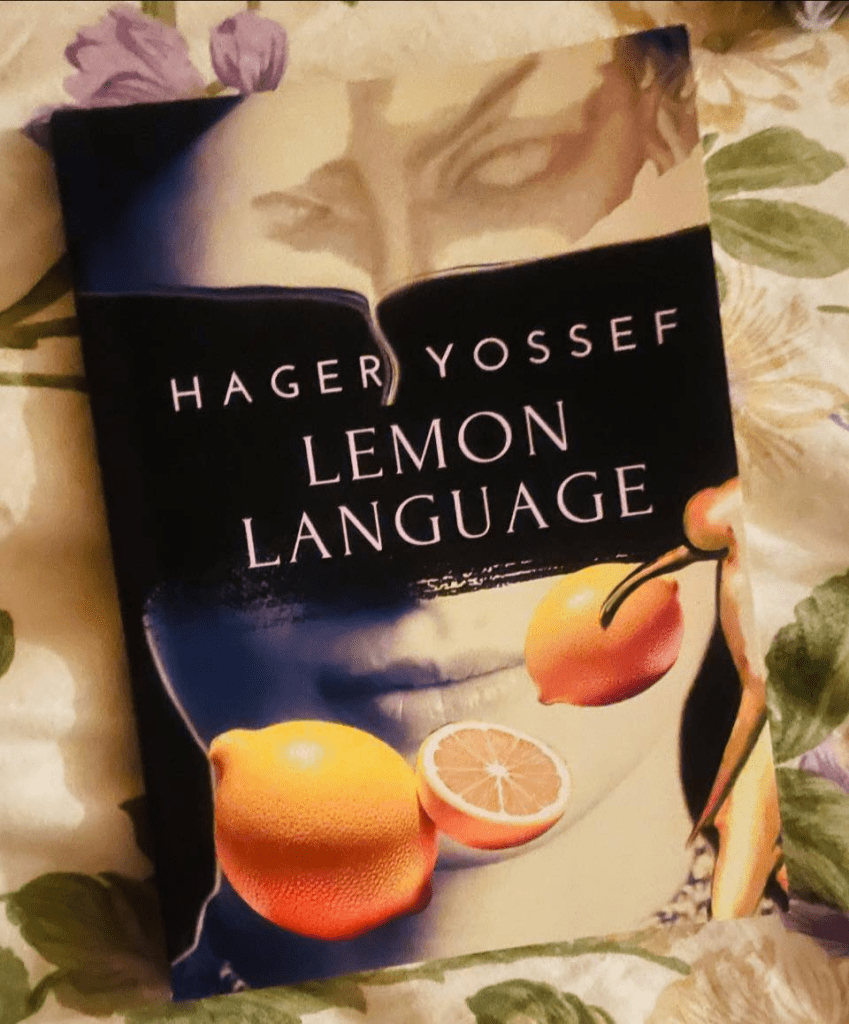
Lemon Language Paperback – November 22, 2024
by Hager Yossef

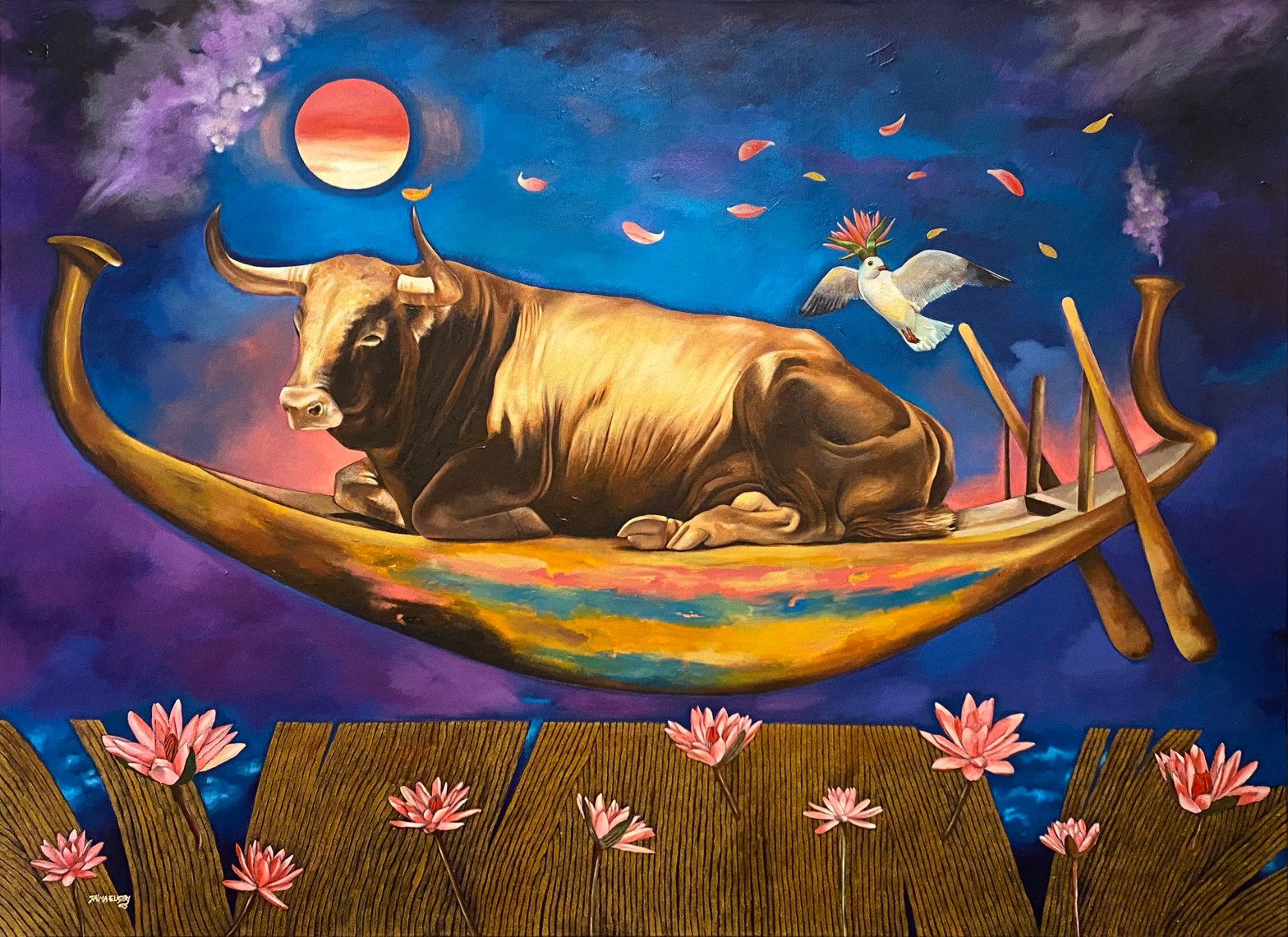
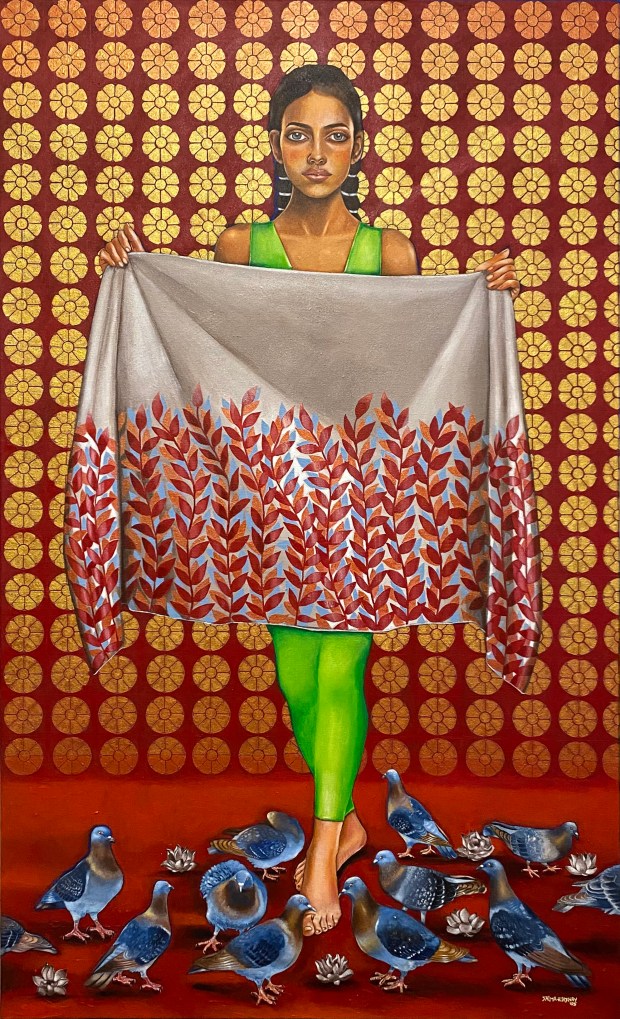
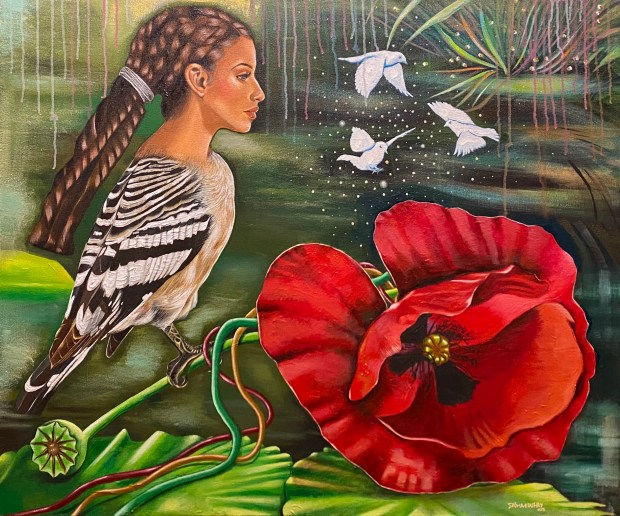
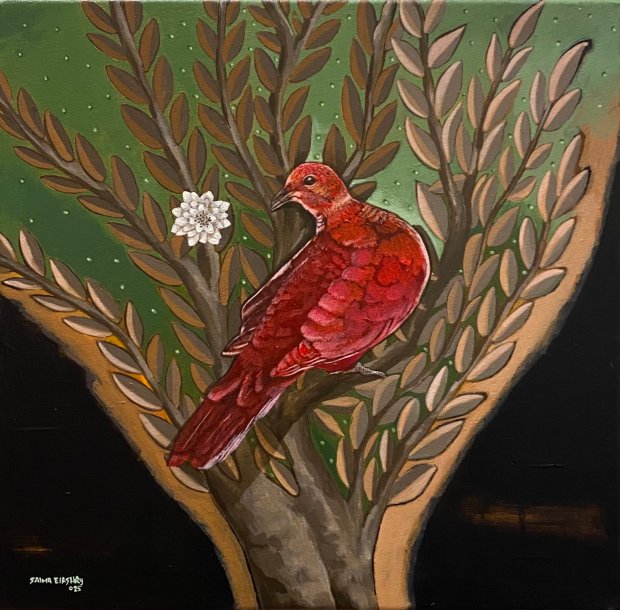
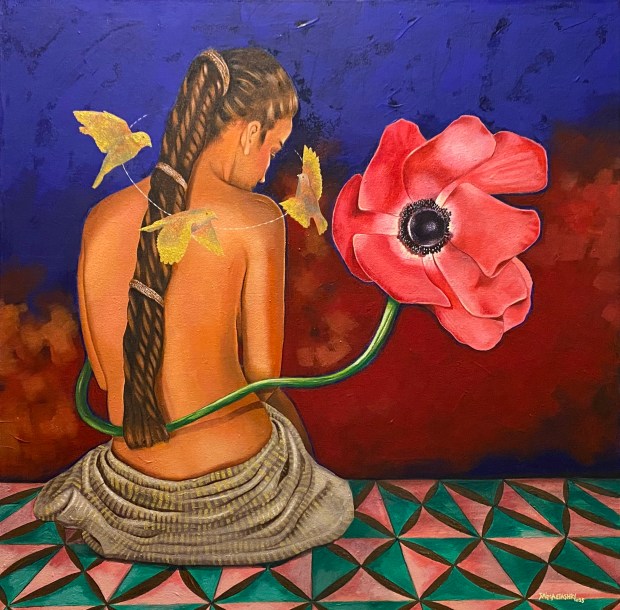
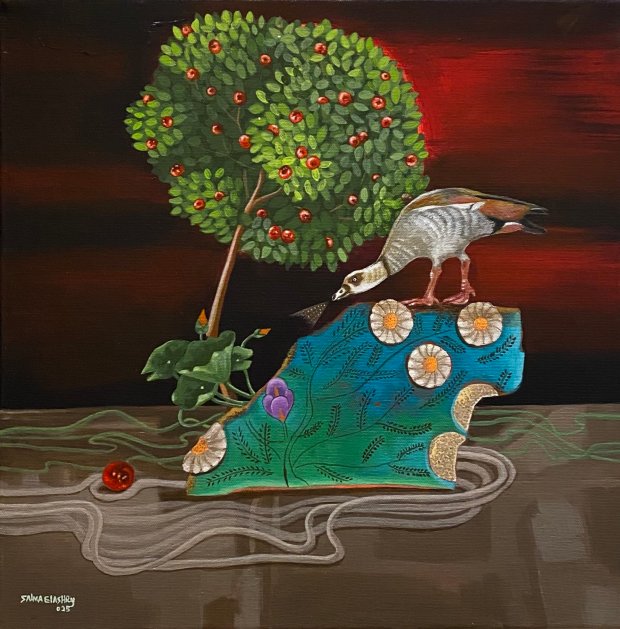
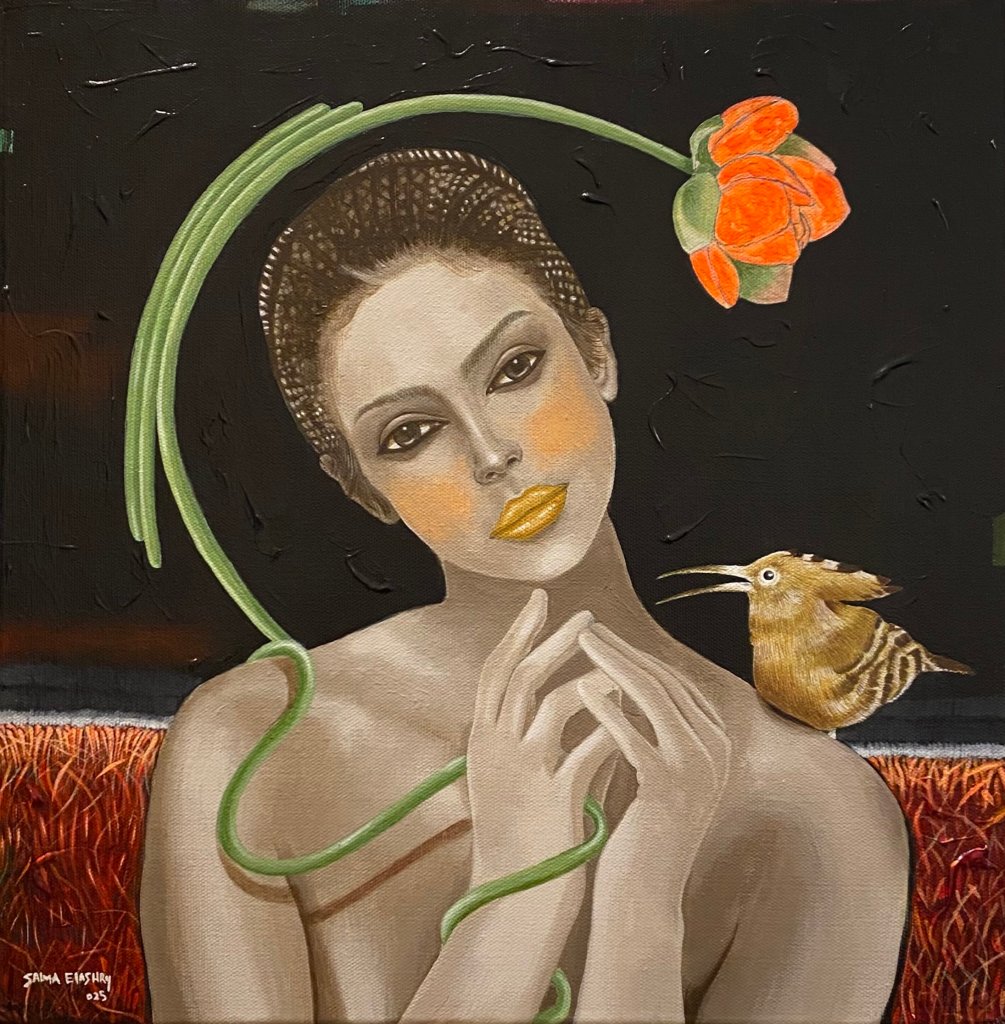
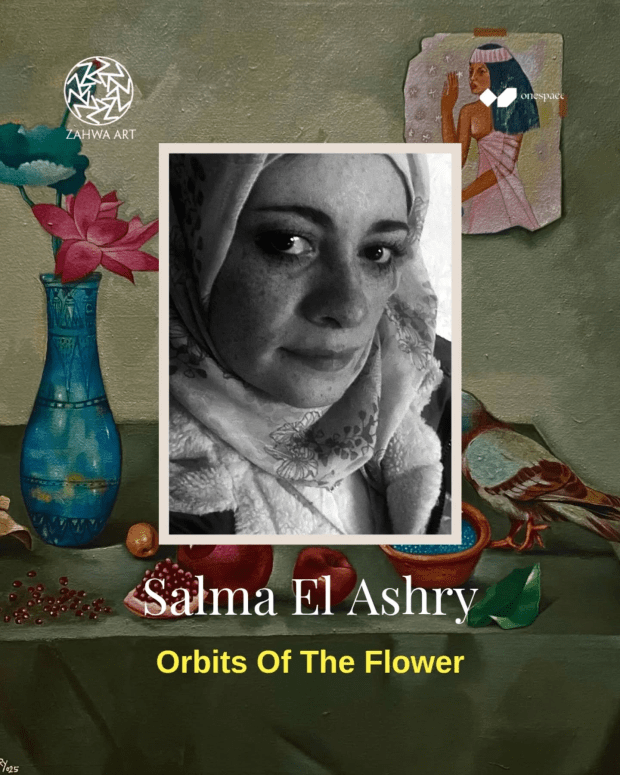
Salma El Ashry: Paintings From the Orbit of a Flower

The Concept Behind My Work by Salma El Ashry

In my artistic practice, I am deeply committed to exploring the symbolism of the elements that surround me and to delving into their profound meanings—meanings that may often go unnoticed, yet form essential keys to understanding much of my work.

The majority of my pieces contain symbols that reflect personal, contemplative visions, intimately connected to the places and objects around me. These works are nourished by my readings and inner reflections.

I draw inspiration from the symbols of ancient Egyptian heritage, using them as a contemplative entry point to examine our relationship with identity and visual memory.

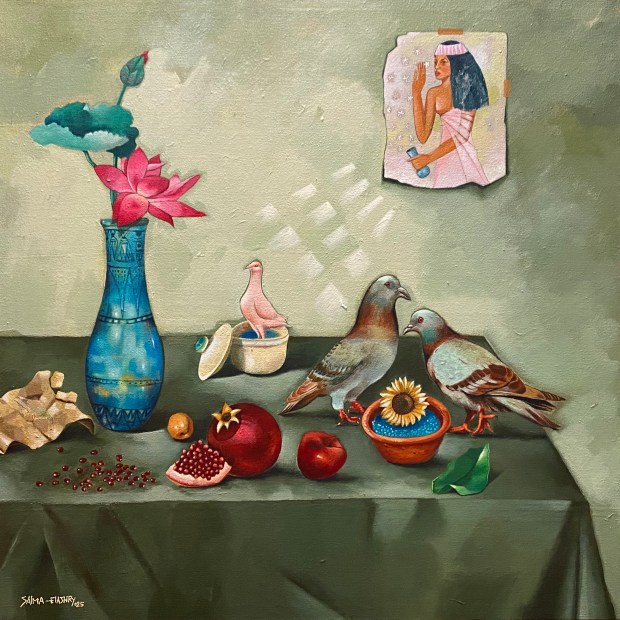
My artistic vision emerges from a personal meditation on the meanings of identity and existence. In this journey, I turn to ancient Egyptian symbols and texts—chief among them the lotus flower, which I regard as a central icon due to its multiple manifestations and its profound philosophical role centered around the concepts of rebirth, balance, and inner transformation.

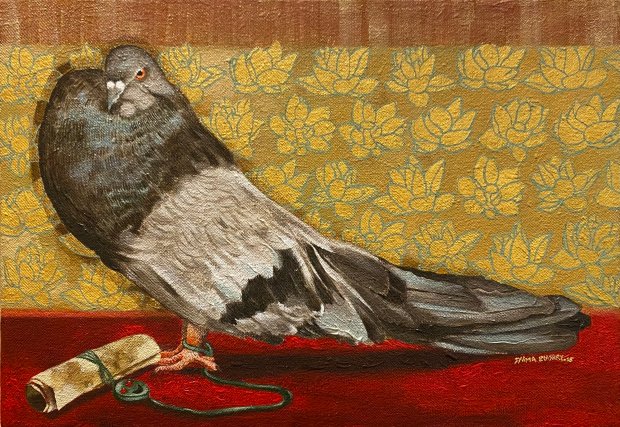
I also incorporate other symbols, such as the dove, which I see as a representation of loyalty, return, and peace.

Color plays a pivotal symbolic role in completing this vision, alongside other visual elements.

Each color carries a philosophical significance rooted in the legacy of ancient Egypt:

• Green symbolizes purity, renewal, and the continuity of the spirit.

• Blue represents protection, connection to the sacred, and embodies

tranquility and psychological harmony.

• Red signifies energy, life, passion, and the latent strength within the human being.

Through this framework, I seek to build bridges between eras—between the past and the present—reinterpreting cultural symbols from a contemporary, humanistic perspective.

My intention is to open a spiritual and contemplative space for the viewer, inviting them to look beyond the surface image, to listen to the hidden messages that these symbols transmit when revived in a personal, spiritual, and modern philosophical context

The Banquet of Banality by Hager Youssef

The Banquet of Banality

It was too much—

your friendly chatter

with a plastic doll,

beside all my womanhood.

Too much closeness,

and not enough of friendship’s honor.

You dressed your attention

in a shirt far larger than your frame,

and wandered all night

seeking someone to stitch it tighter.

Fevered listening,

inflamed reactions,

obscene exaggeration,

and a sugar tongue

with no cause.

Your talk—

not just the melting

of social shyness,

but constant calls

of a drifting gigolo.

In the light’s reflection

in my glass,

Narcissus

appears smirking,

then fades.

This woman

stuffs her misery

with your emptiness,

and leaves,

utterly emptied by your absence.

And I—

beneath the weight of analysis and inquiry,

will sleep well tonight,

for I won’t let your butterfly

scratch a hole into my mind.

That banquet of banality—

doors whose insides I know too well:

the illnesses of ego,

the body,

and your childhood—

where it seems your own hand

chokes the other lost in itself.

The other women leave delighted—

They got their change

from the shiny illusion

they came for:

illicit praise

drawn from both my shares.

But I—

I’ll go home

in my white dress,

just as I came.

All I lack now

from such tired evenings

are the symphonies

of your lies.

My Weather Is Fragmented, Beautifully Distorted

My weather is fragmented,
beautiful in its disfigurement,
it writes me upon a page that quivers—
like a vast, open hand.

I’ll hang my first face on the door.
In the wild haste of love,
I’ll let you enter.

This night
lengthens over me
like a mosquito.

This lamp
only illuminates
my fear.

My second face
is dark and wicked—
like a rat in hiding.

The third, I vomit
onto the body of air,
into a bowl of memory,
like a child,
retreating into his mother’s breast.

The fourth is a mask of fire.
When you choke me,
I think—
you are making love.

The fifth, a nail in my throat.
I hammer it in,
and spit out a sixth face
that will never be complete.

The seventh sees nothing,
hears nothing—
he simply cages his sorrow
and mutters.

The eighth
sings to you
in the voices of prostitutes.

The ninth writes poetry
without faith,
sketches you on my back
with a broken fingernail.

And I—
when I sleep within you,
and rise without me,
like a tattoo,
when you forgot my name
and screamed:
“Who am I?”

Alcoholic privilege night

When my beloved is drunk,
I become a wound upon his cheek.
He strikes my chest with an empty glass,
Saying, ”This bell—this is what wakes me.”

When he drinks,
He opens my mouth like a pit,
Searching for his name,
For a button he lost
As we rushed back toward childhood.

He loves me swaying
Between two chairs:
Truth—
And the guilt I know,
When he mistakes me for a window,
When he spills the wine
As an apology on my behalf,
Like the blink of an eye.

When he drinks,
My arms multiply in his memory.
He summons them to soothe his pain,
Asks me to plant my tree
Right here—
Above his eye,
A finger for his throat,
And a final finger pointing to the wall:
“Embodied—as if you were pure awareness.”

When he’s drunk,
I draw back.
He runs like a shadow
Caught in light,
Bleeds me
Into some vague emptiness,
Traps me in a space
Shorter than a whisper,
Inside a bottle,
Inside a child’s nature.

He points often—
As if he’s arrived,
As if I were a mouth
He must enter,
Not merely behold.

Hagar Youssef is an Egyptian poet and writer based in Cairo. She has published a poetry collection titled “A Damaged Memory” in Arabic and she is currently working on two collection stories: “Dreaming With Two Heads” and “One Day.” She graduated from the Faculty of Education – Department of Sciences. She has written for various platforms, including those focused on feminism and gender studies. Her work explores the essence of language, deeply influenced by philosophers Roland Barthes and Georges Bataille, in linking love, pain, and death to language, deconstructing these themes. She is also passionate about translating literature and poetry, reviewing books, and writing journalistic and critical articles.

Lemon Language Paperback – November 22, 2024
by Hager Yossef

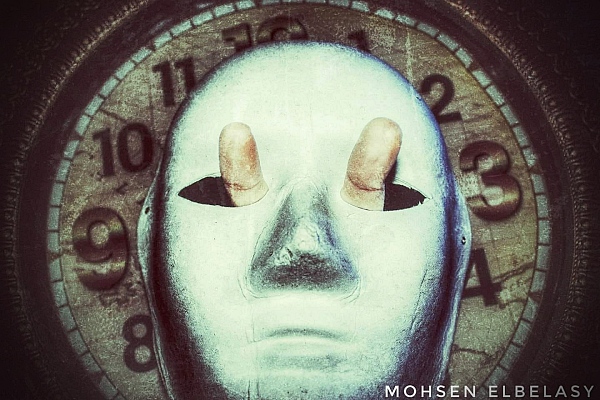
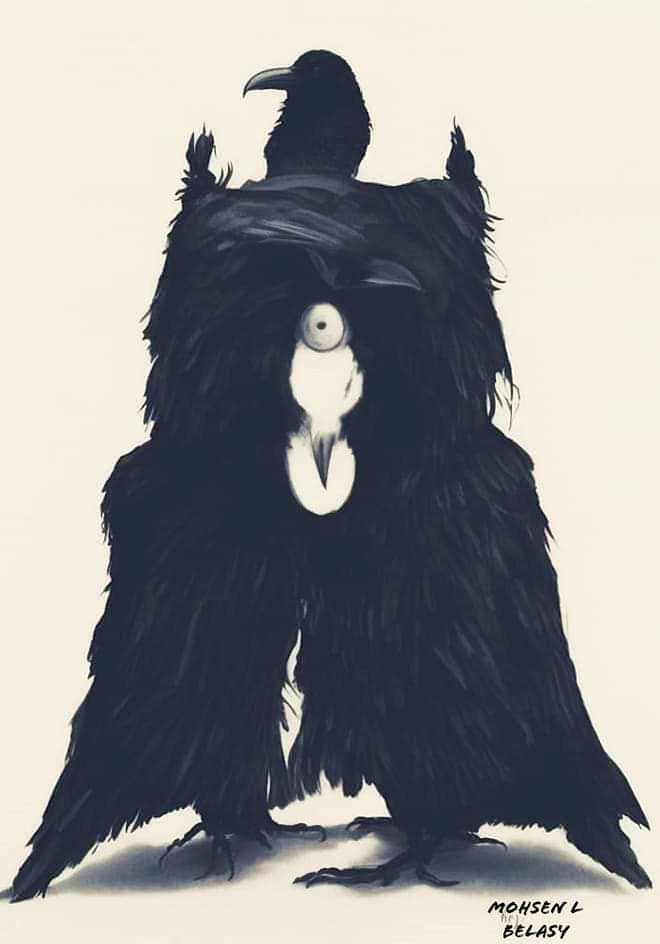
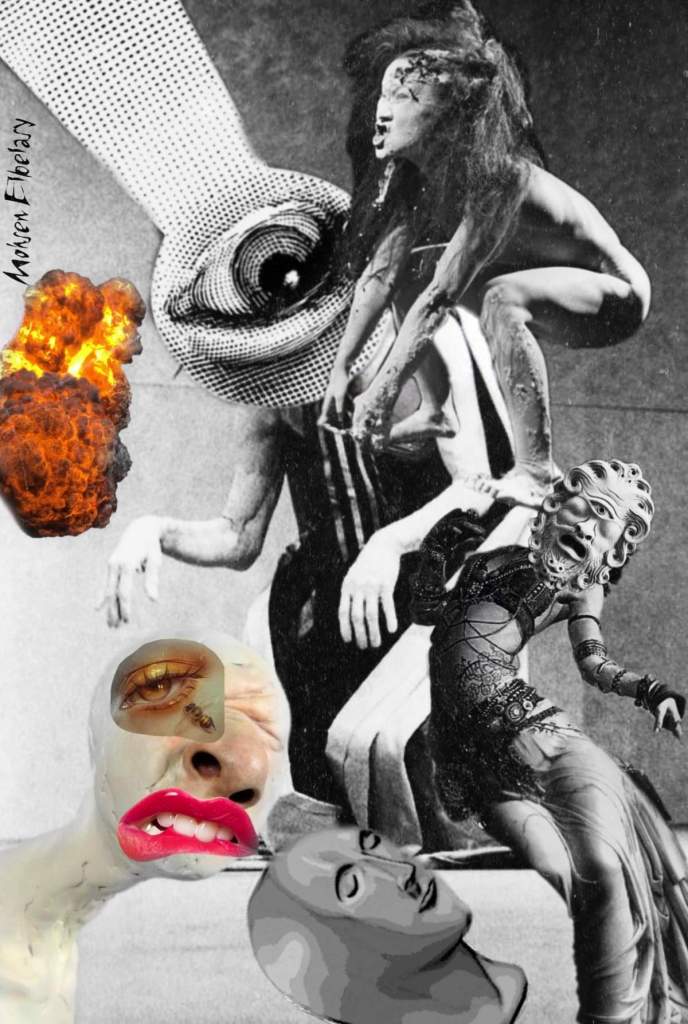
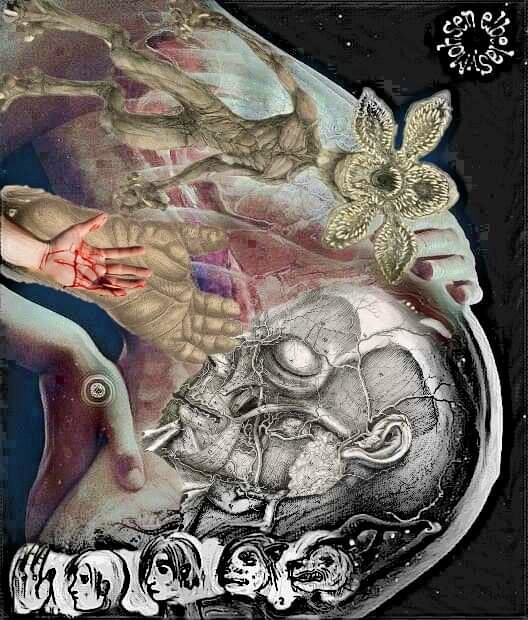
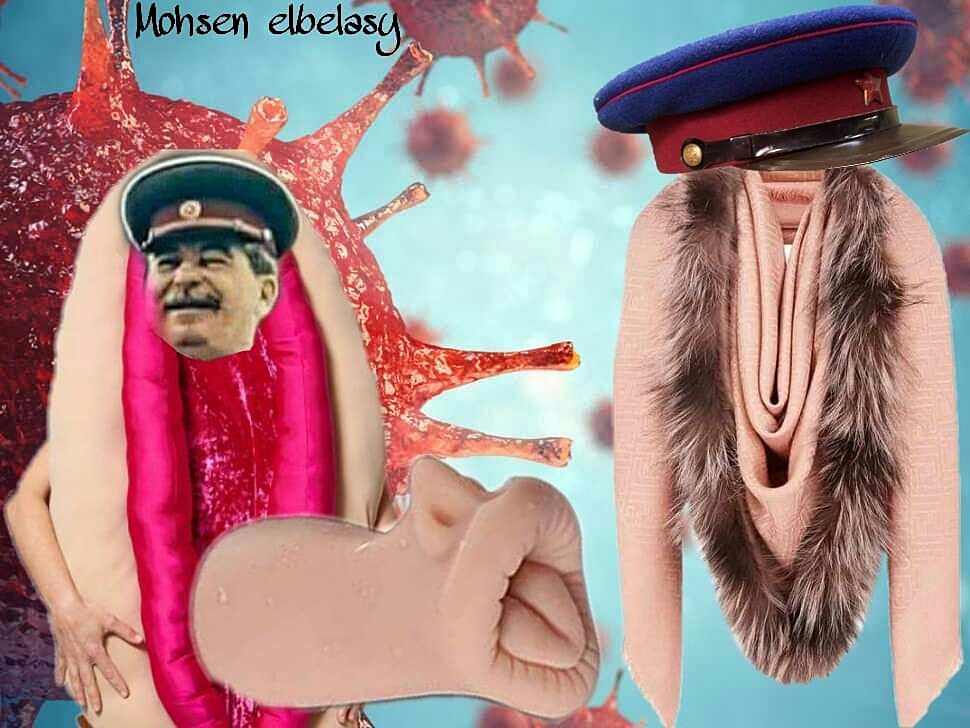
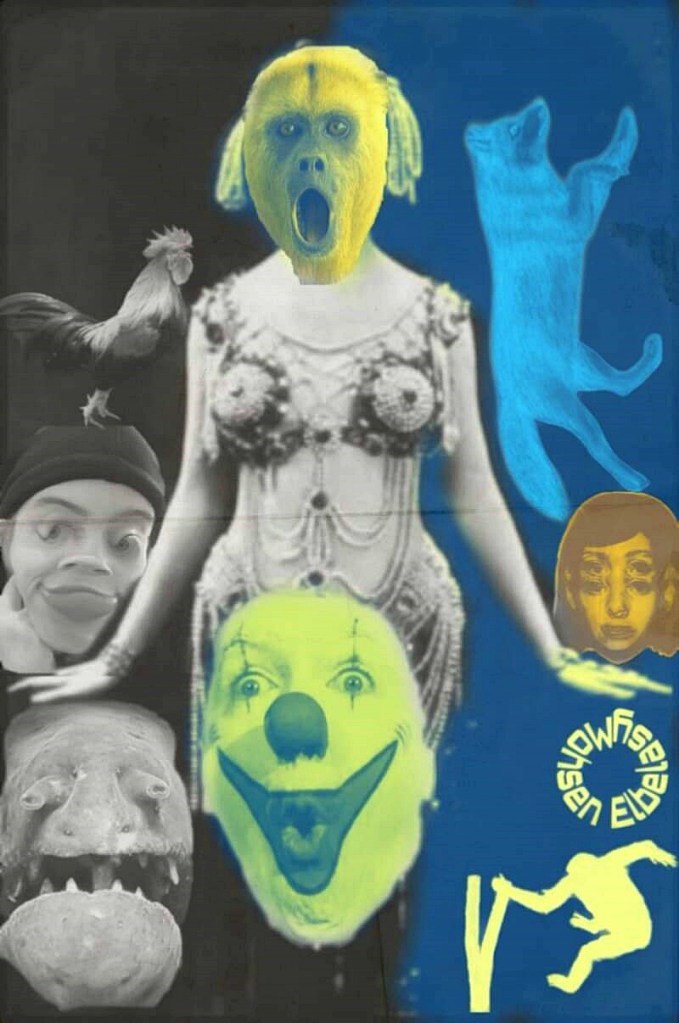
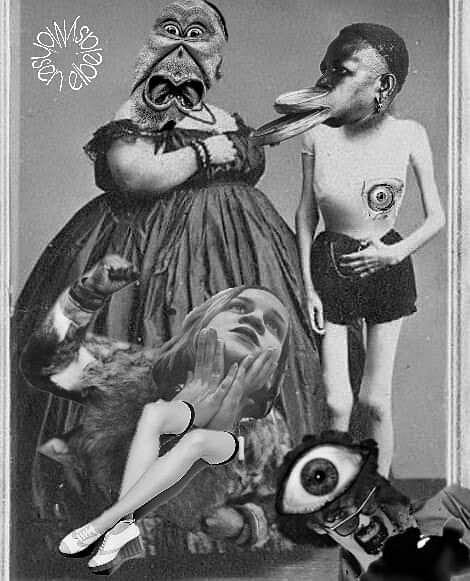
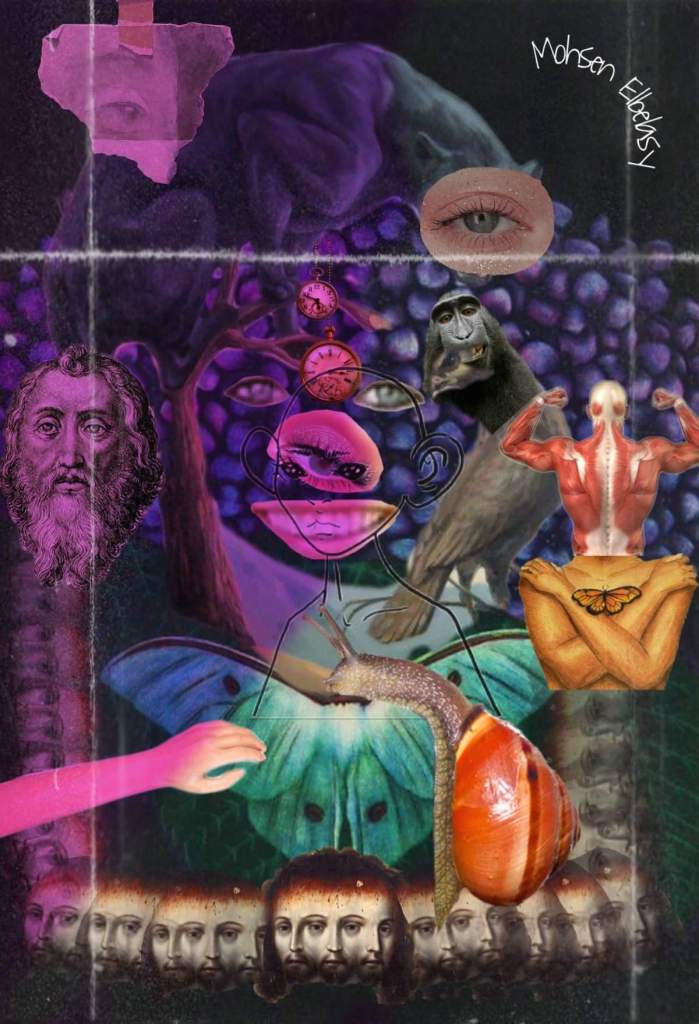
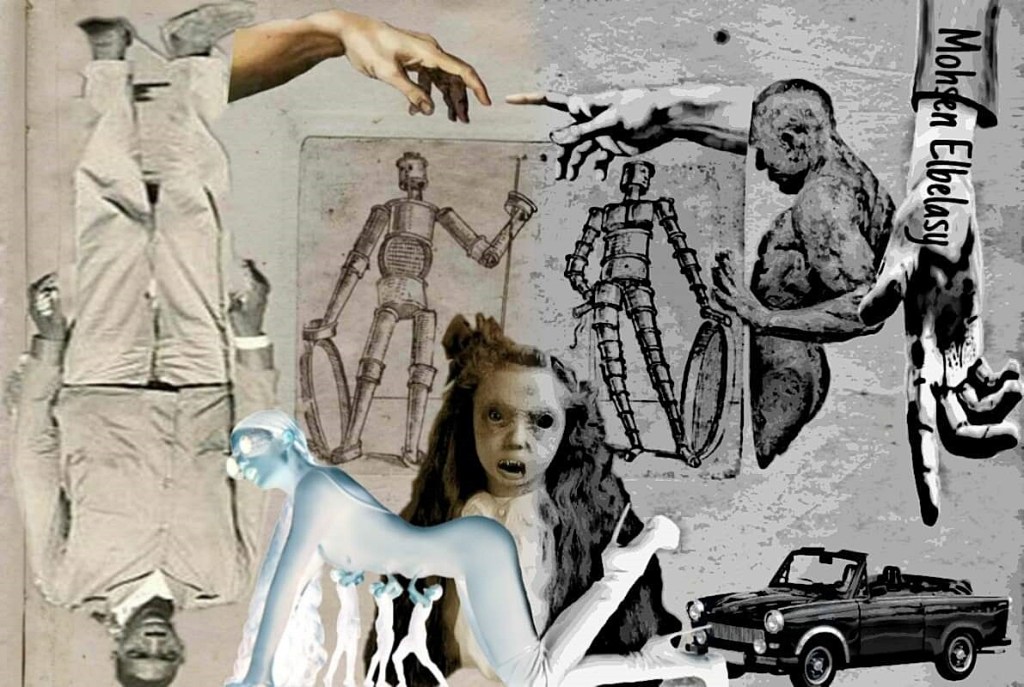
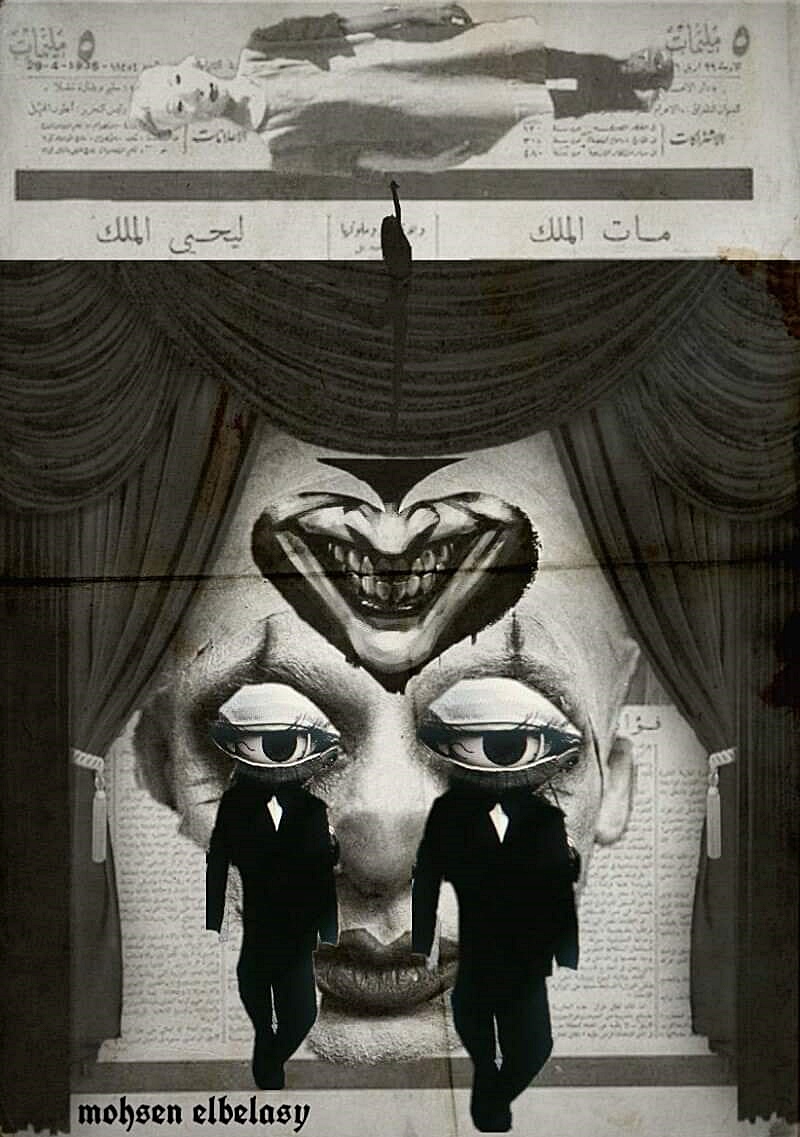
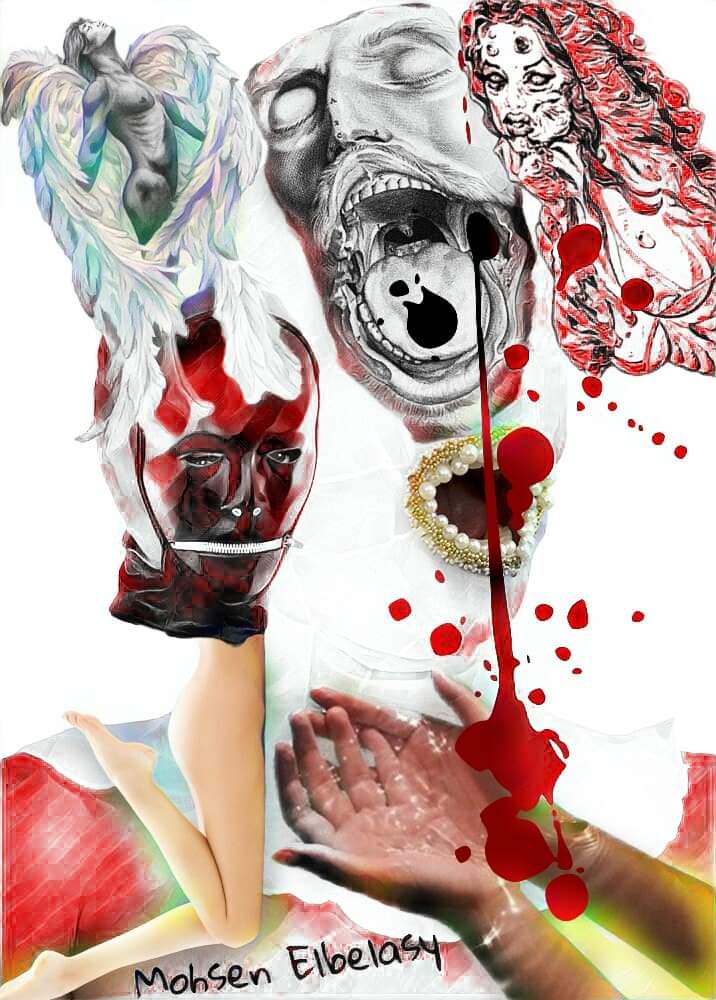
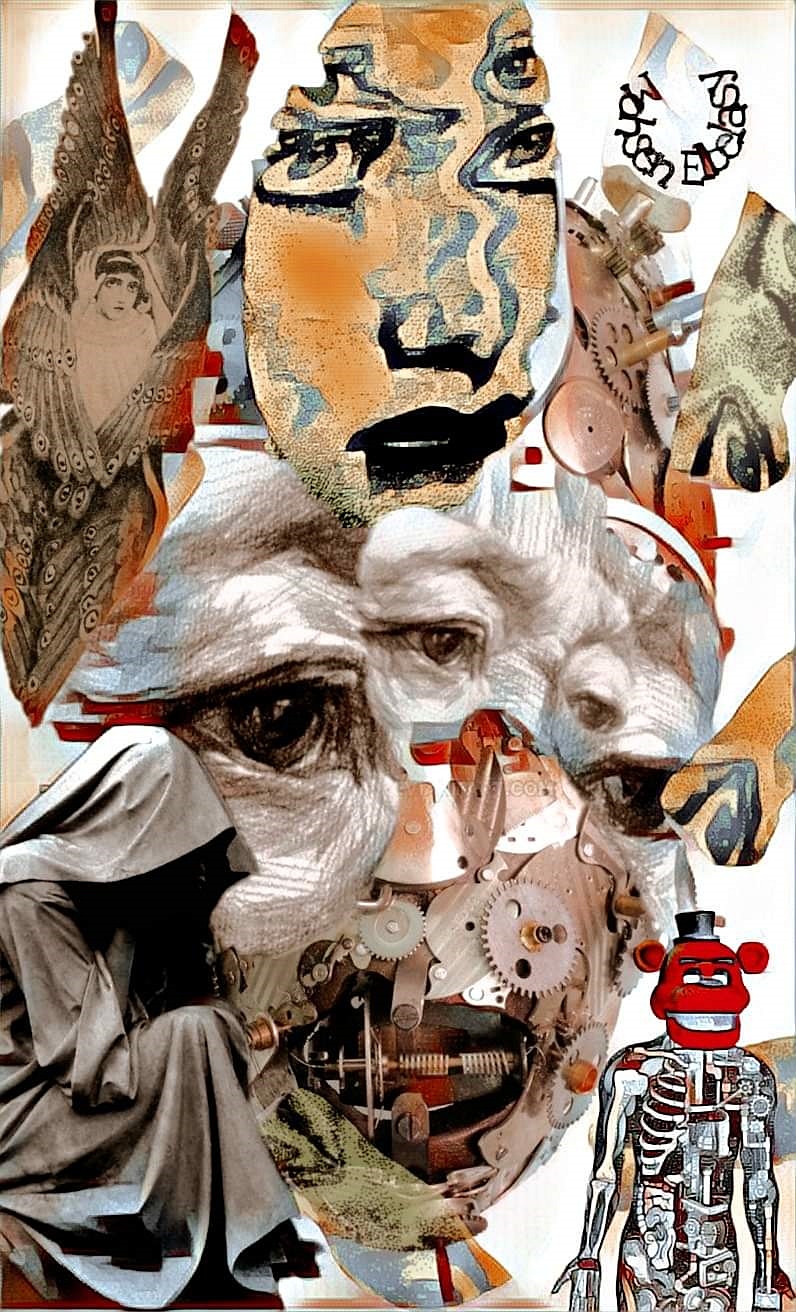
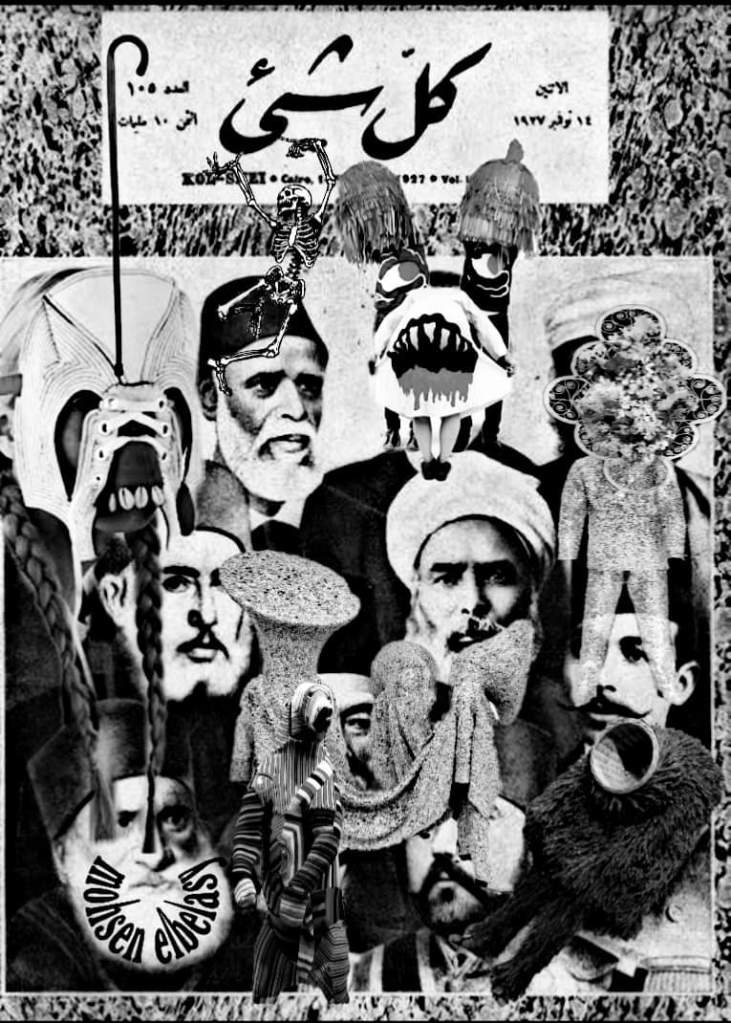
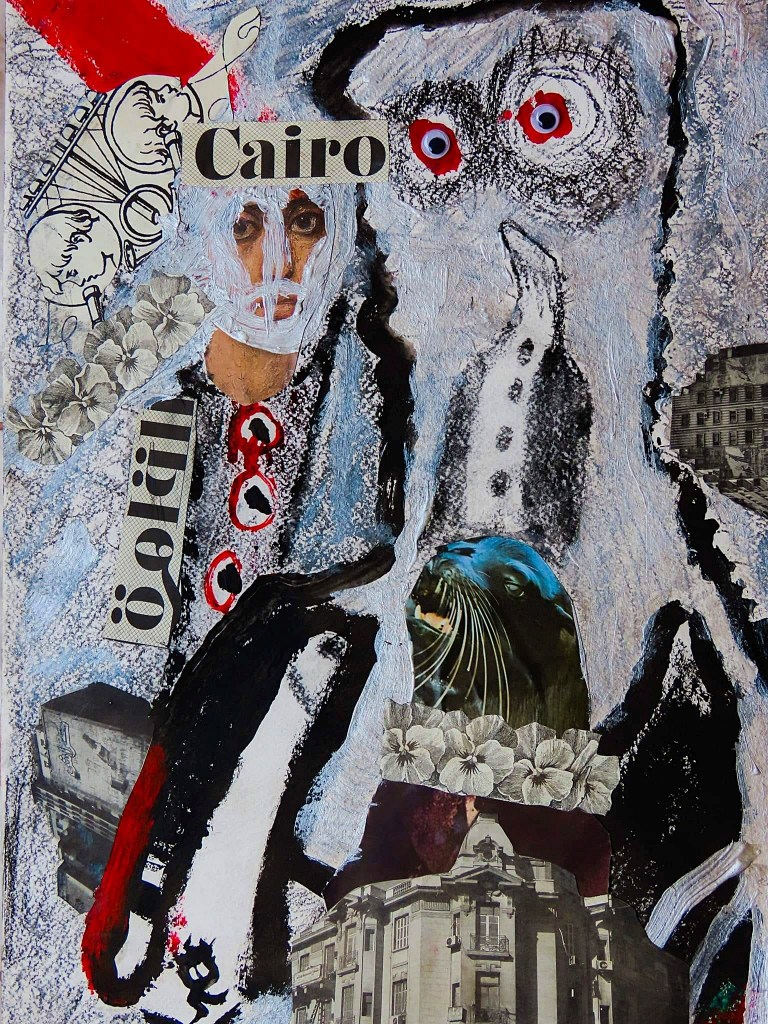
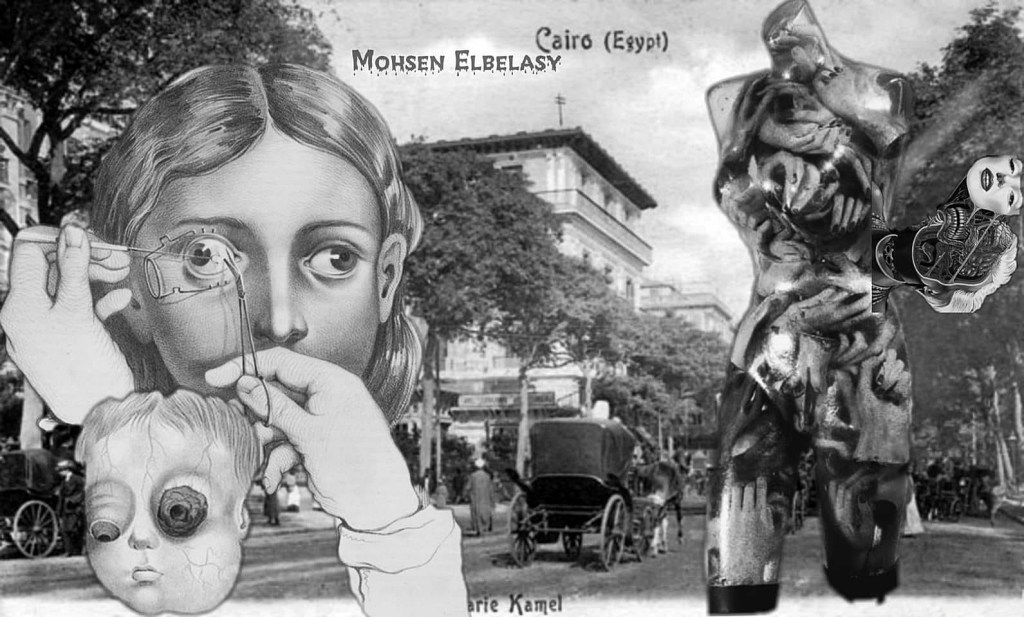
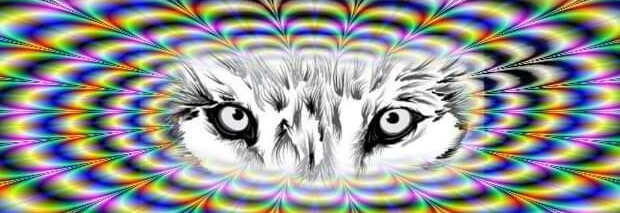
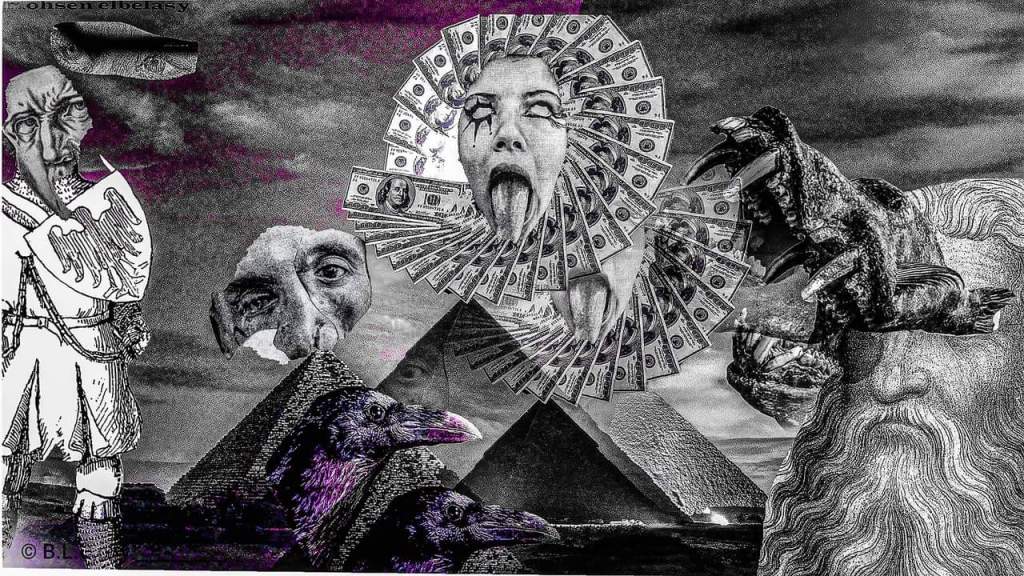
Mohsen L Belasy the Wolf of Cairo

Listen to the mysterious, revealing and fierce voices within you. 

And if you are caught up by  fear of doing so, remember that it is wrong for the senses to belong to the everyday, lived world.

For me any discovery that changes the nature or direction or a phenomenon constitutes

of something or is a  surrealist /poetic truth.

Objective chance , the subtlety of the intuition of the expectation, and the constant search for its flash . 

Going without a destination, the poet has an unknown encounter with the word, freed from any linguistic logic. 

In poetry the mind blows out of the mind. It aims at the spontaneous reclassification of things into a deeper and freer order, which is impossible to explain by the means of the ordinary mind.

The poet alternately is a deadwood pruner, a transformer, and a thunderbolt.

 Silence is a complete poetic and surrealist work.

The word must be left in suspense for a moment before it is transferred to a physical state on paper. At dawn or dusk, we walk down the road and sometimes come across the silhouette of a silent fairy woman, whose silence is the most comprehensive concept of poetry,  and surrealism. 

an absolutely possessed throat, echoing between howls and silence.

 the secrets of the world created, within the poetic mystery, darkness unfolds while questioning is stripped. 

Earthly legend and mystery doors open to infinity.

The poet is an enemy of the Sufist . 

The poet is not bound by a vision or a superior authority. 

Poetry is a momentary extraction of the unknown from the veins of every language.

If the poem does not have a chaotic body that smells of demolition, negation and destruction of all existing literary forms, genres, 

 Then what is living poetry?

Poetry should be the color of dried blood

The poem is the beginning and end of the world, it revives the world and its death, dismantles all self- and collective censorship, esoteric and physical, and drops every daily living dictionary.

The poem is an arena for the execution of all linguistic paralysis by burning with the napalm of the  lust.

Poetry is not a linguistic expression, but a visual, physical and perhaps biological expression as well.

Real poetry employs itself to monitor a waking dream which is resentful of its fate, re-sculpting it with dough baked by chaos inside the bone furnace called the human head.

I believe that enhancing poetic esoteric awareness does not come only by enhancing the possession of language or general cognitive awareness, but by developing and training the eye on scenes of logic disintegration always, whether they are daily or artistic works.

Even with everyday mind games

Thus, the magnetic linguistic ability self-develops and expands not only through the subconscious mind, but also through the nerves of the eye’s practice of strenuous imaginative sports to extract the faculties of impossible  earthy miracles in all its forms and templates.

I treat the Arabic language rules as a relationship between oppression and freedom; understand it

As a repressive social specter that must be removed and rebuilt anew every moment with vast doors to spend the  free desire. 

Poetry is the chaotic condensation of the inner momentary realization, but the seer poet must tame the tools of this condensation towards a permanent quest for the human interior, a quest fertilized by doubts in everything outside the individual.

Every human being has a poetic companion who lives behind his eye, the cunning poet who makes him constantly jump like a kangaroo and always seeks to protect this kangaroo from drowning in the prior cement lakes and to teach this kangaroo that there is no limit to what is called verbal maturity,

 poetry is a permanent electrical revolution inside the mind It is not controlled by something imaginary or even social.

The chief function of poetry is to impart sharp disturbances to language and to overthrow every possible holiness it bears. For me grammarians and academics of language are the social police of the imagination.

I despise even the inherited Arab aspirations to rebel against the Arabic language, except of course à few poets I see the deceptive horizon of most Arab poets now that they throw themselves in the recycling factories of closed poetic ambitions.

Surrealism relates to expressing «the real functioning of thought […] in the absence of any control exercised by reason and apart from any aesthetic or moral concern ».

– We think that not only language, but the whole world in all its aspects, was given to humanity to make surrealist use of it.

“All things are called to other uses than those generally attributed to them.” – André Breton, Le Point du Jour.

– We think that surrealists should make use of whatever materials and tools that they find attractive.  Whether a feather, a cloud or a computer, any single object in this world becomes a surrealist object as soon as surrealist use is made of it.

– We think that the results of surrealist activities do not have to conform to any type of listed art form, nor even to whatever is considered art. 

– Restrictions regarding materials and tools, as well as compliance with traditional artistic categories are views that were already considered and experienced as obsolete by most artists of the Renaissance period. We think that an attempt to liberate the human mind may in no way be successfully achieved on the basis of a narrower scope of practices and intellectual freedom than that which was already acquired by artists at that time.

 -‘we are interested in how surrealism appears in everyday life, whether it’s from surrealists or not, but we understand this is not the same as a surrealist movement.”

-“We are interested in certain parallel currents that might overlap with surrealism. Surrealism may -appear- or be present- within avant garde or popular art but it’s not necessarily the same thing.”

– We categorically reject mixing surrealism with whatever form of religion, and we reject the presence of any religious persons within the group.

– We reject any aesthetic attribute that directly or indirectly integrates into the life of this society or that would tend to reconcile with it.

– Realistic daily life erases the perception of the unique characteristics of objects. We will always seek to break this mechanism and its dynamics by means of words, plastic art, music and cinema or any other means.

– Collective automatism is self-contained in everyday life. It floats in the air, dissolving every entrenched and worn-out intellectual authority.

– The poem is a collective work, even if it is from one’s individual imagination.

– We have nothing but contempt for the guardians of grammar because they are the protectors of the heavy legacy of linguistic dependence that erases the ecstasy of all free desire. 

– We support every creative act that contributes to the wondrous conquest of everyday life and the conquest of mad love. Everything that has been physically neglected in the city, and every sexual explosion that social fascism hides, is for us the dough with which we form our written and visual poems.

written by Mohsen Elbelasy

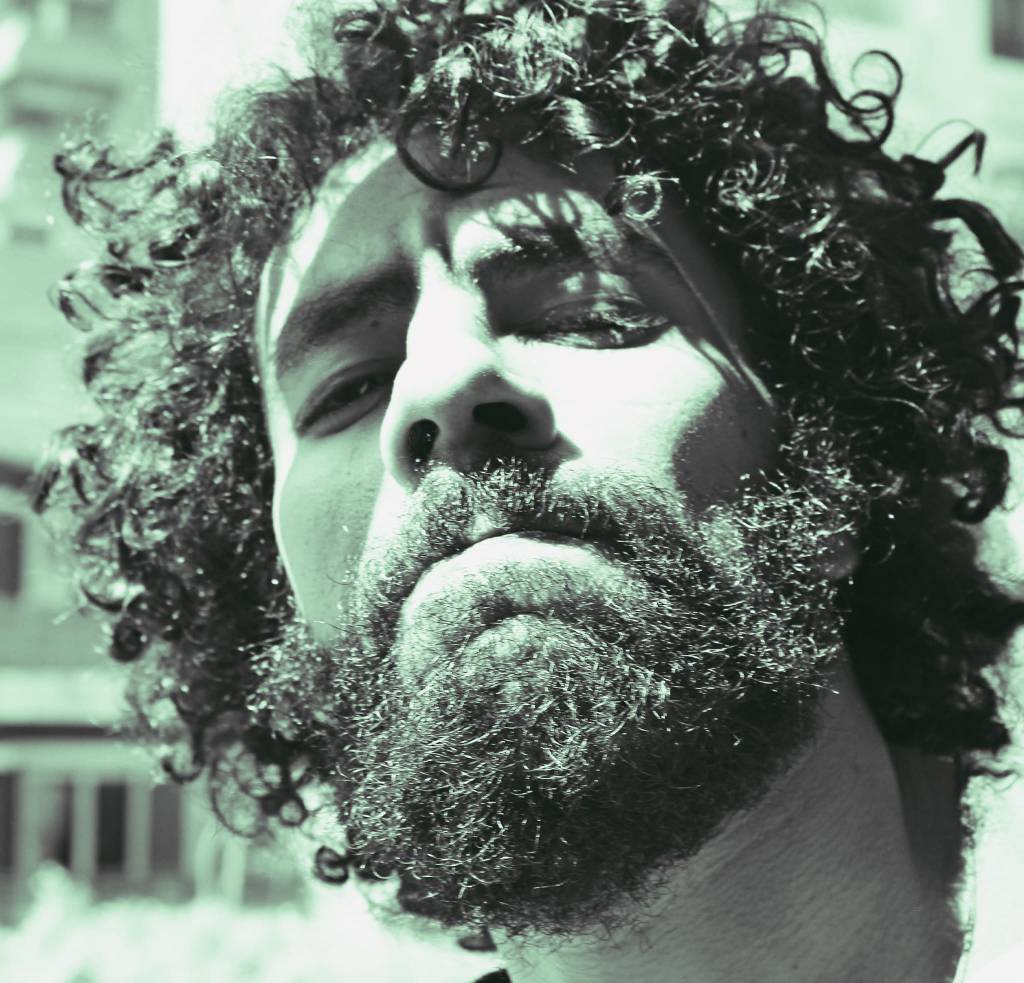
Mohsen Elbelasy Egyptian surrealist artist and poet and researcher and editor in chief of the Room surrealist Magazine and sulfur-surrealist-jungle.com and the co manager of the international exhibition of surrealism Cairo Saint-Cirq-Lapopie and Echoes of Contemporary Surrealism Exhibition. And  co-founder of the Middle East and North Africa Surrealist Group. (MENA) and He also worked as a translator, cultural journalist and organizer of cultural and artistic events in Egypt and internationally. Chrysopoeia Surrealist union /Cooperative. In 2022, his book The Trip of Kamel Al Tilmissany  won the Sawiris Grand Prize of Literary Criticism

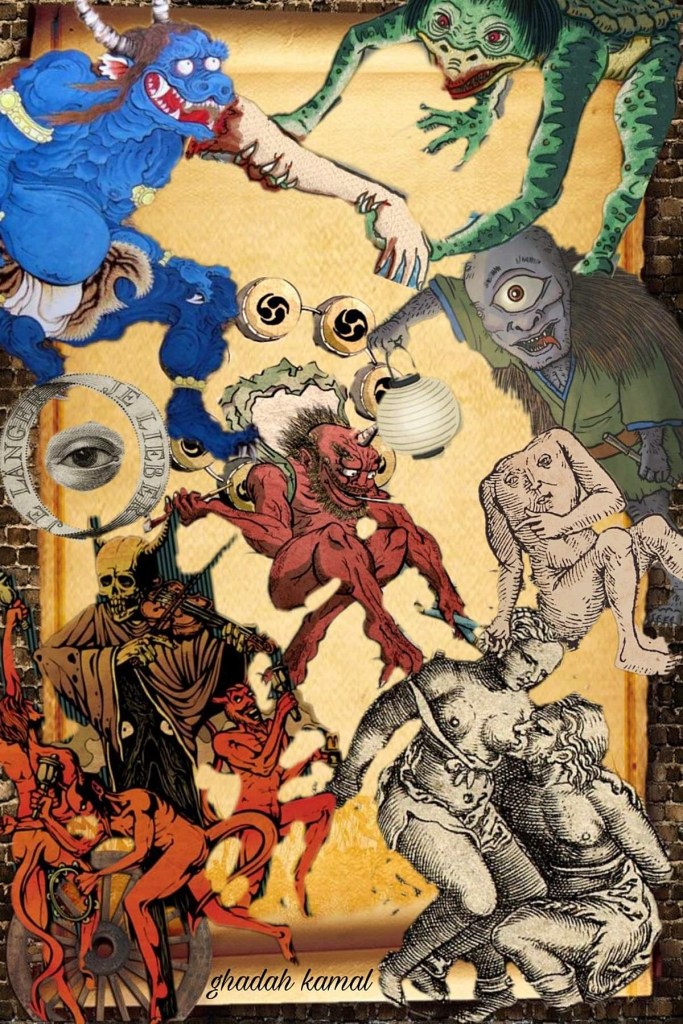
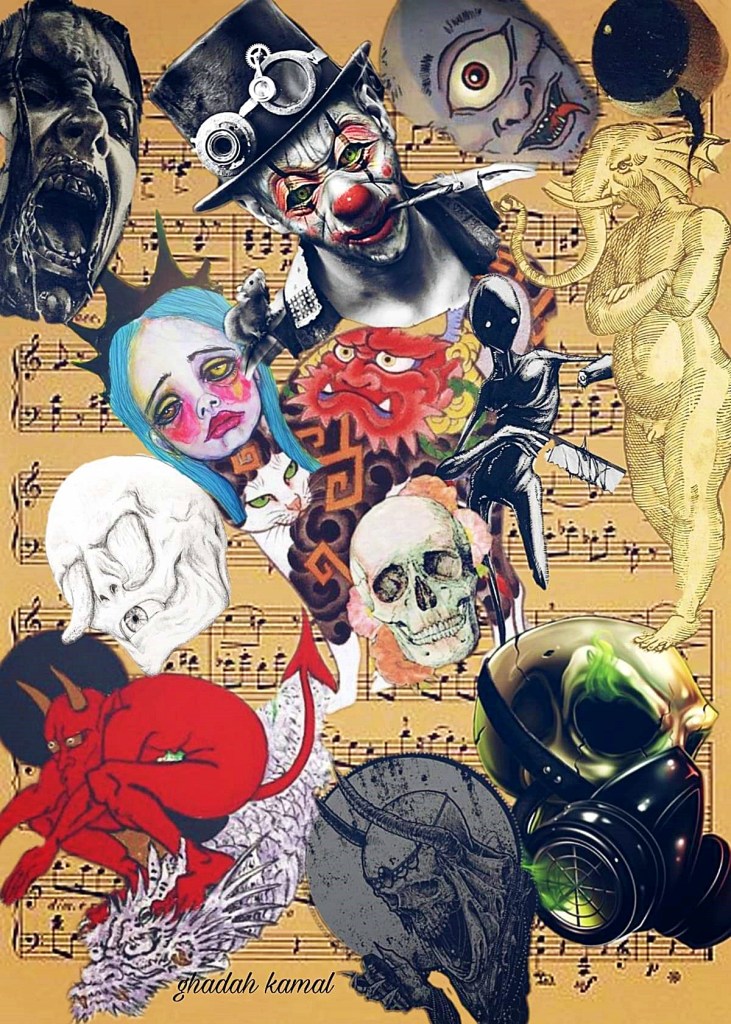
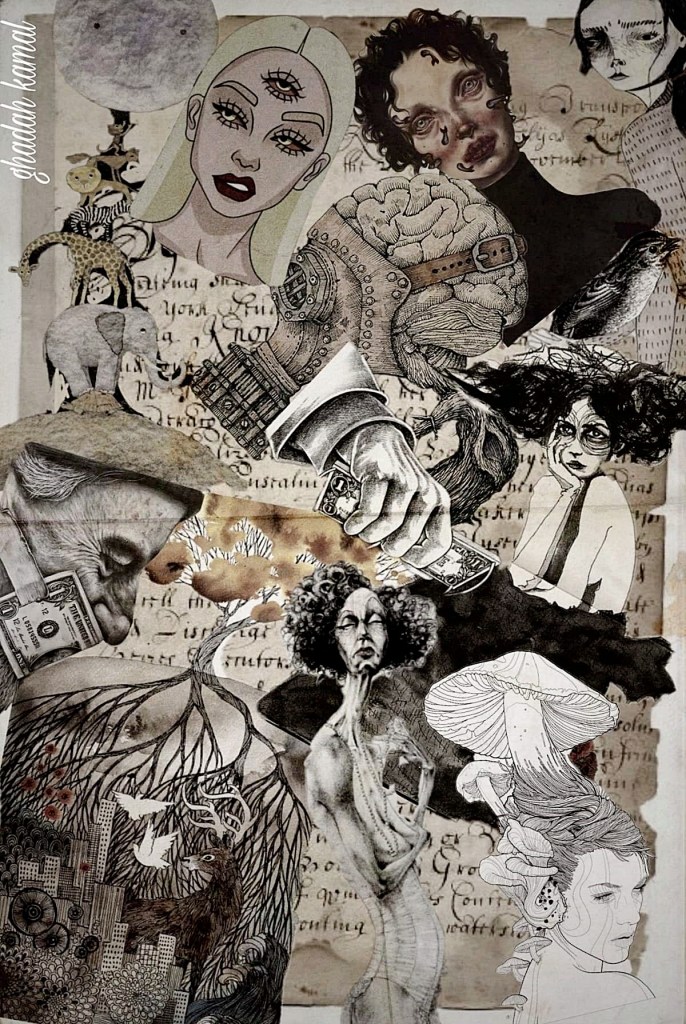
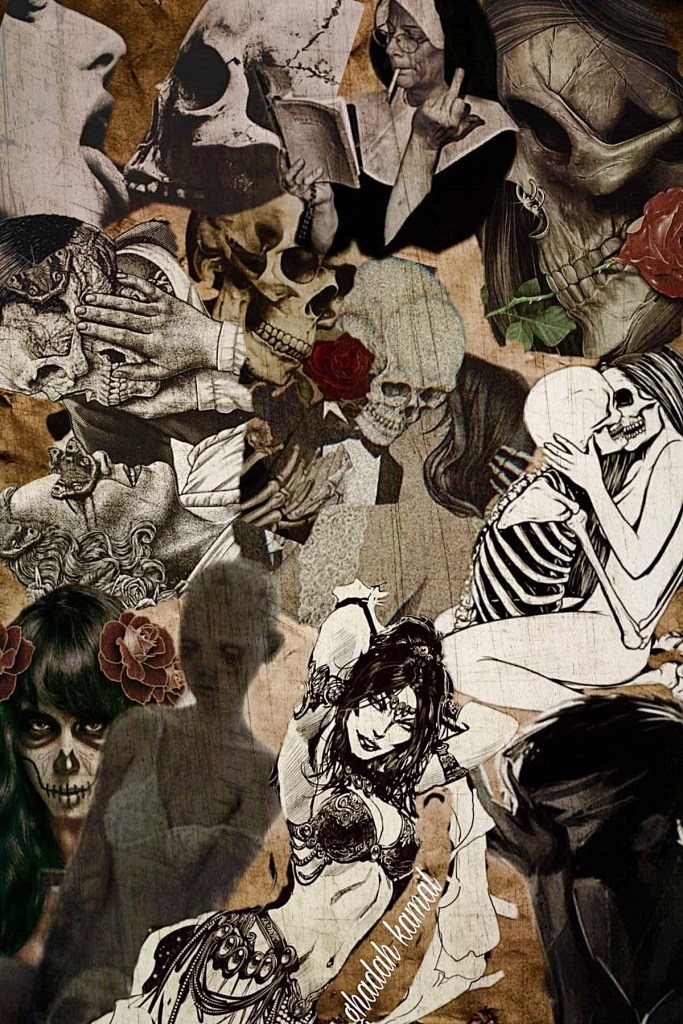
h Ghadah Kamal 

English /French /Spanish. 

La Belle Inutile Edition 

2021

1  _ Oblivion

Collaboration / Book 

By Zazie and Pierre Petiot and friends

Cover by / Zazie 

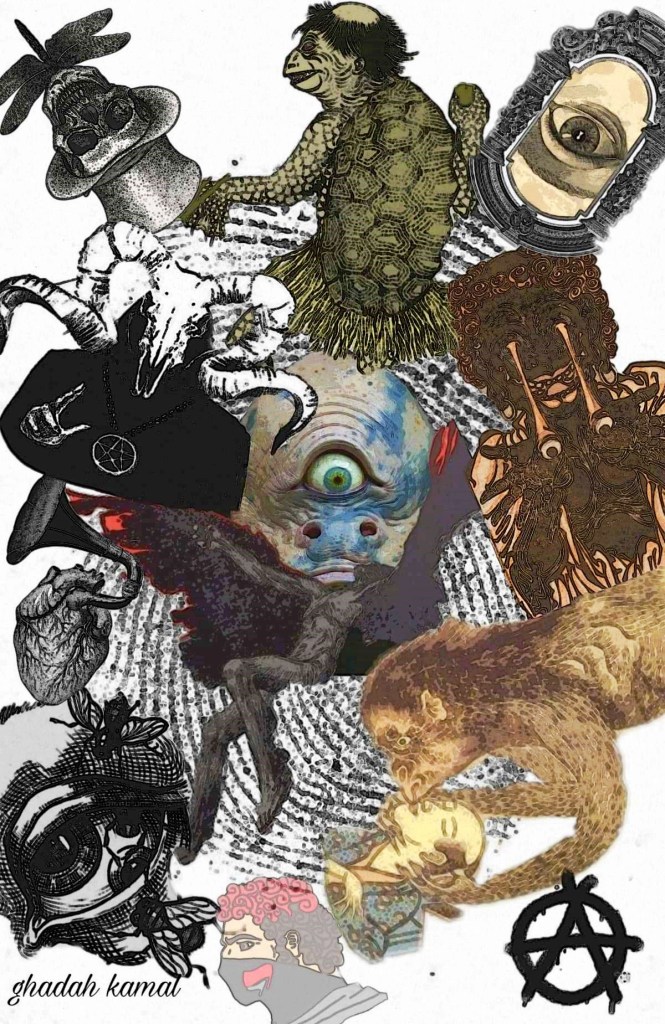
Phantom of Revolution by Ghadah Kamal Ahmed

The cruelty of life is only equaled by art… I used to search a lot in the paths of art for what could express what was going on inside me and my view of the world, but I was always faced with unfree spaces, spaces depicted by religion or what is connected  with  it..

My imagination was always trapped. When I dive into the past with deep sadness..

I did not know that imagination can lead us to a better future until I became acquainted with surrealism.

Closed areas of my subconscious began to open up to me.

I had never known these closed areas of my subconscious mind before.

I did not have complete freedom of expression with my body, and now I do.

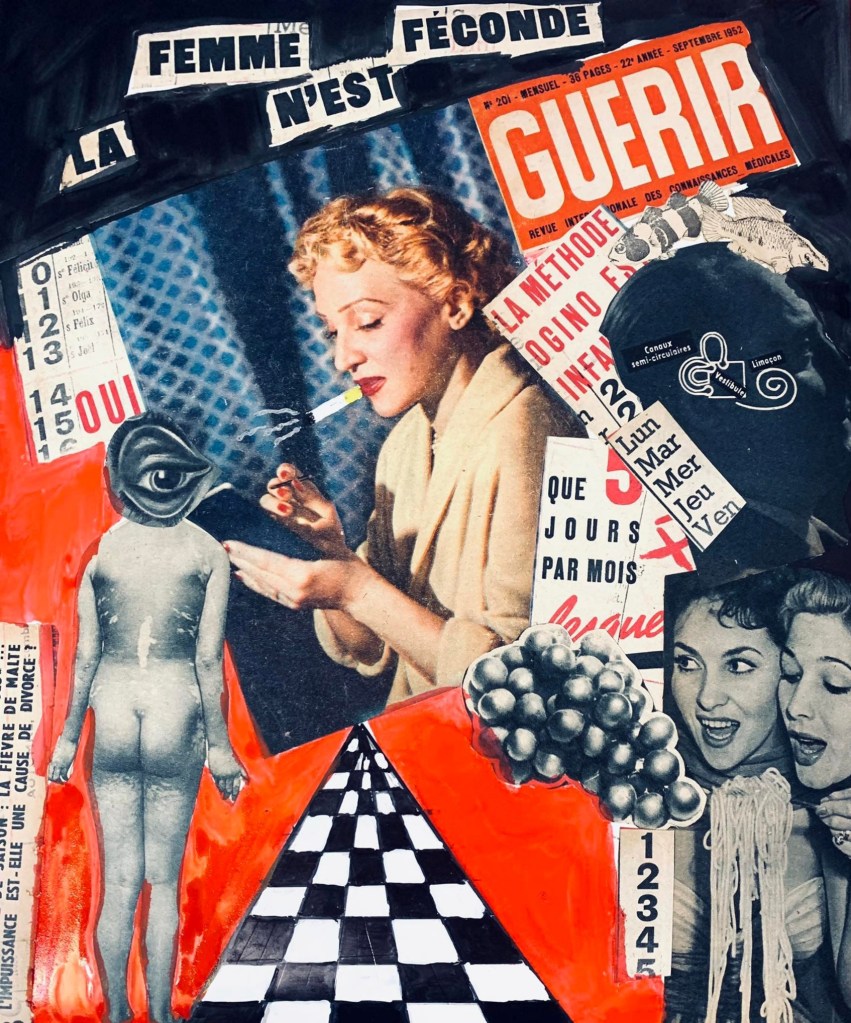
Surrealism is a systematic breaking of the boundaries of reality, the body, society and religion.

Also, I was afraid to delve into fields that I had not studied or practiced, such as drawing, photography and cinema, but  Surrealism turned me into an active person who thirsted for all kinds of arts.

I am not only a surrealist artist, I also owe a lot to surrealism… Reconciliation with the unconscious mind can change the world for the better… and  it can be an iron wall stands against all life’s difficulties.

Linking and developing science and keeping pace with technological development and the subconscious freedom are able to create a better world.

This is surrealism for me

written by Ghadah Kamal

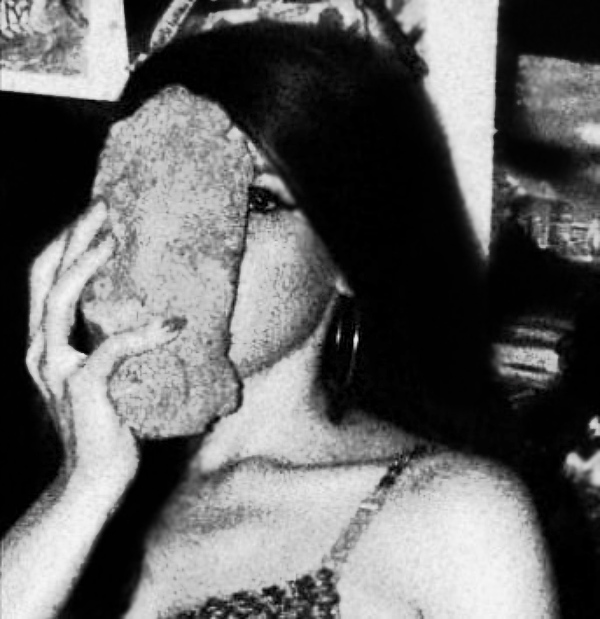
Ghadah Kamal is a surrealist visual artist, writer, and poet…Coordinator of performances and workshops and cinema screenings of The international exhibition of surrealism Cairo Saint-Cirq-Lapopie and Echoes of Contemporary Surrealism Exhibition / Alexandria and founding member of the Middle East and North Africa Surrealist Group..Founding member of the Chrysopoeia surrealist union. Editor of the Surrealist Cities section of the Room surrealist magazine and editor at Sulfur Surrealist Jungle.

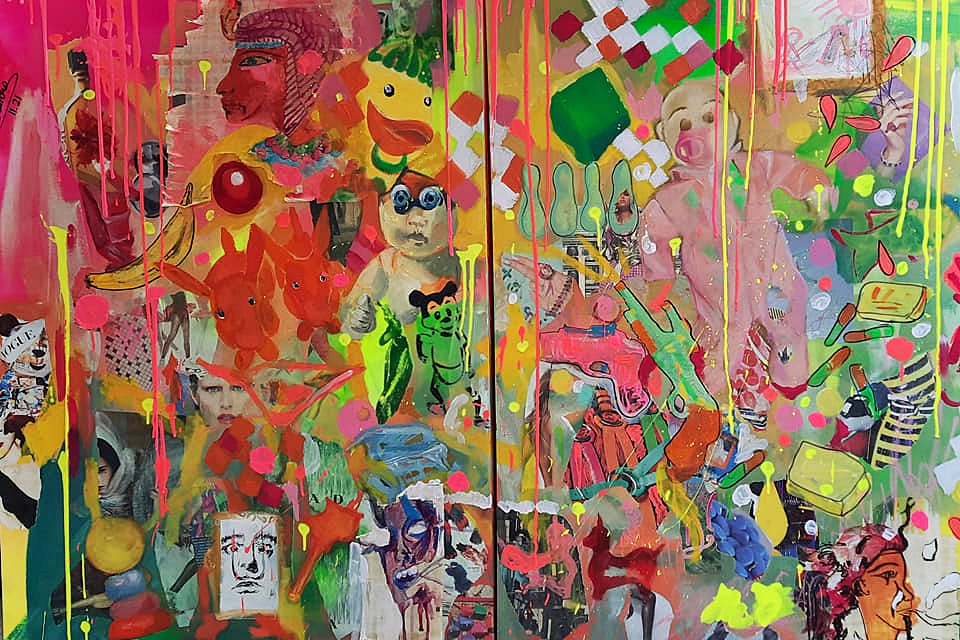
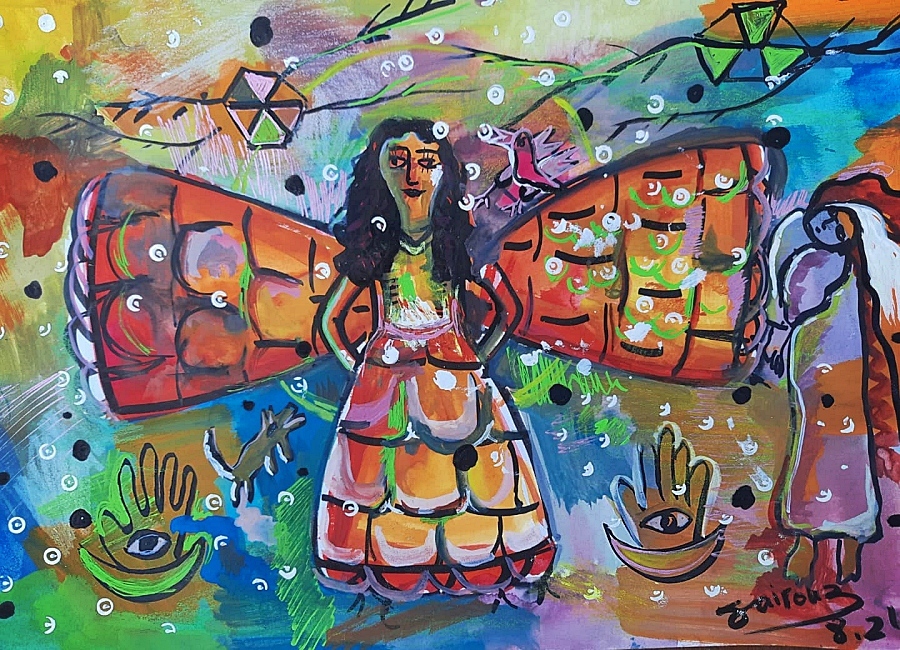
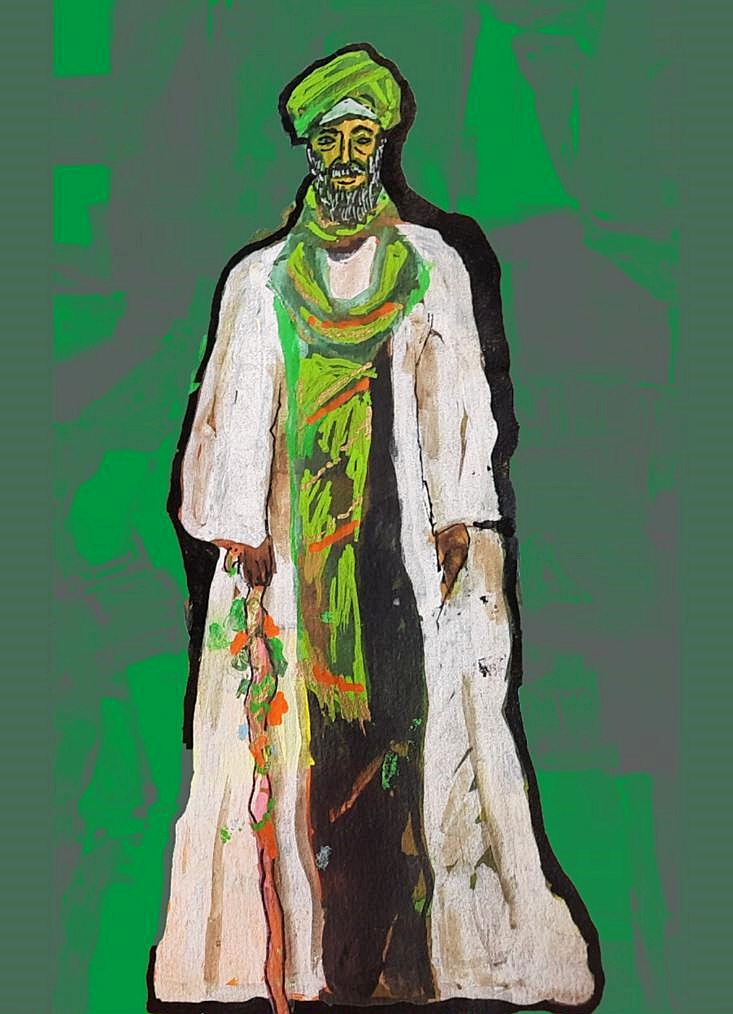
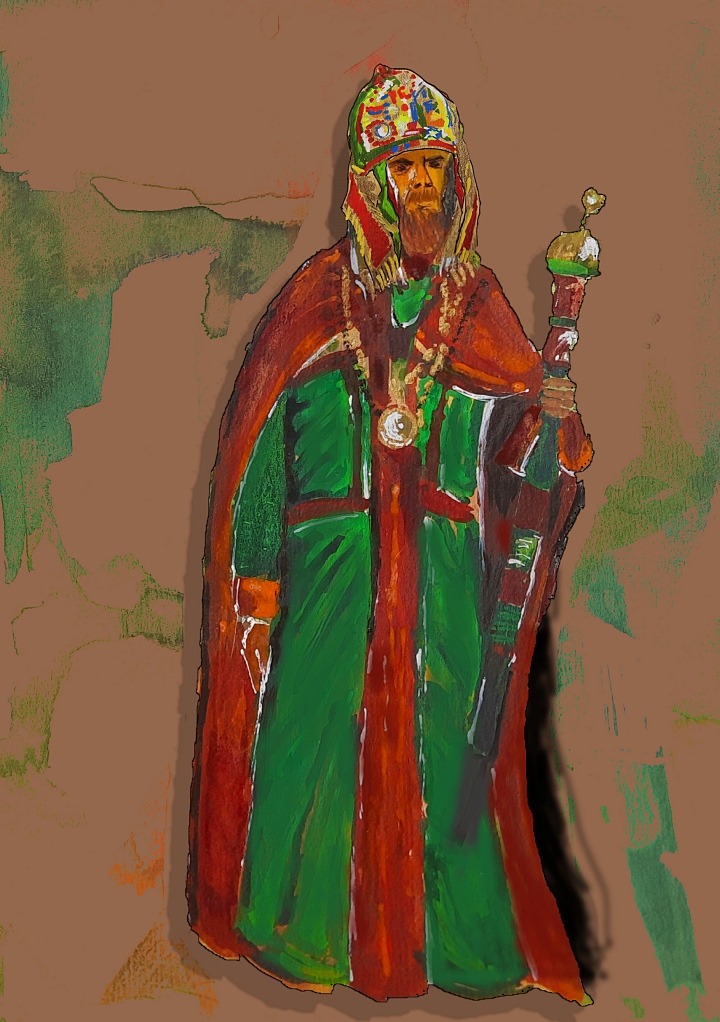
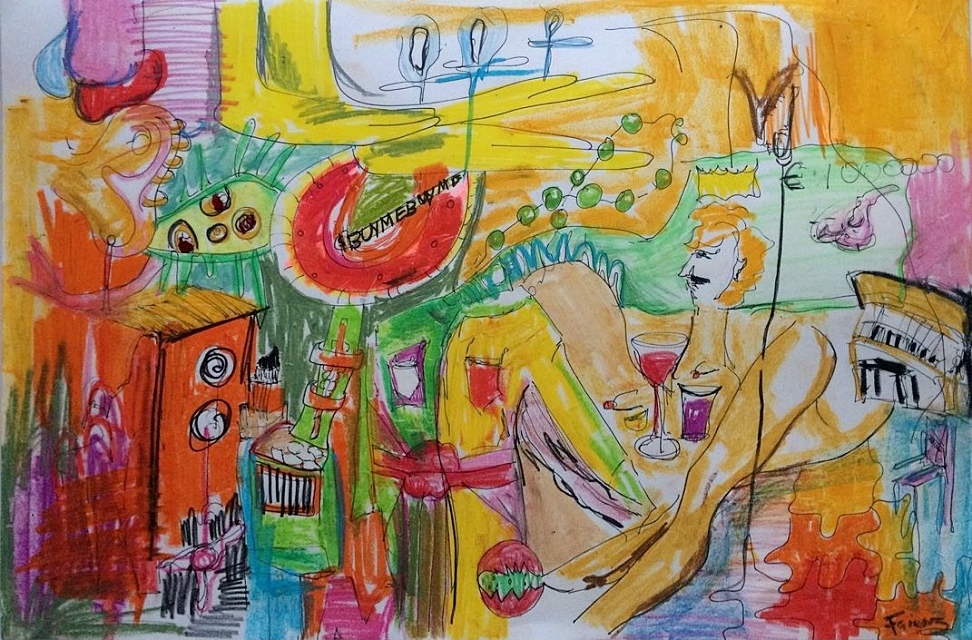
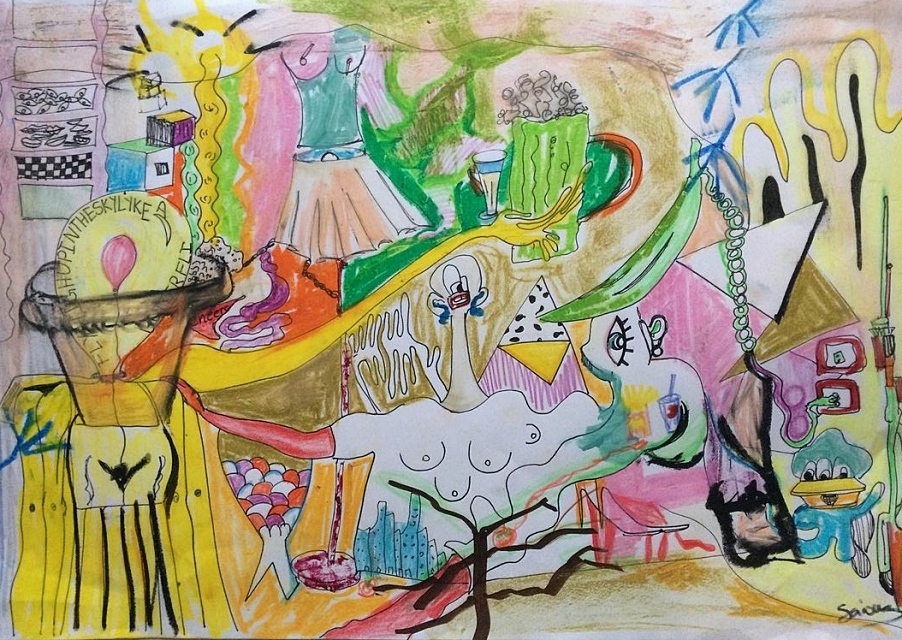
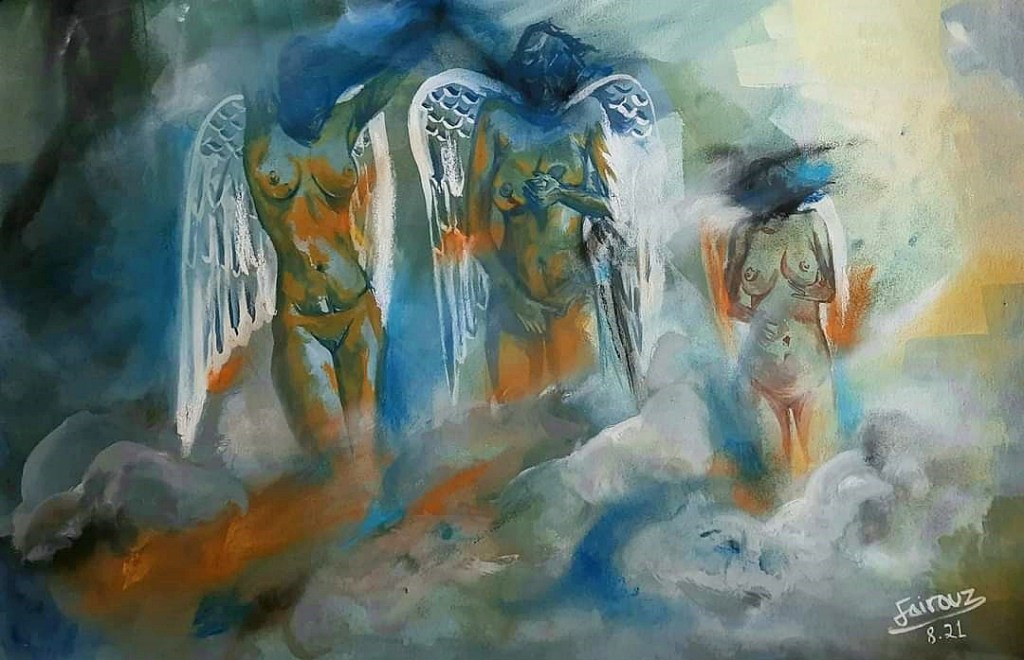
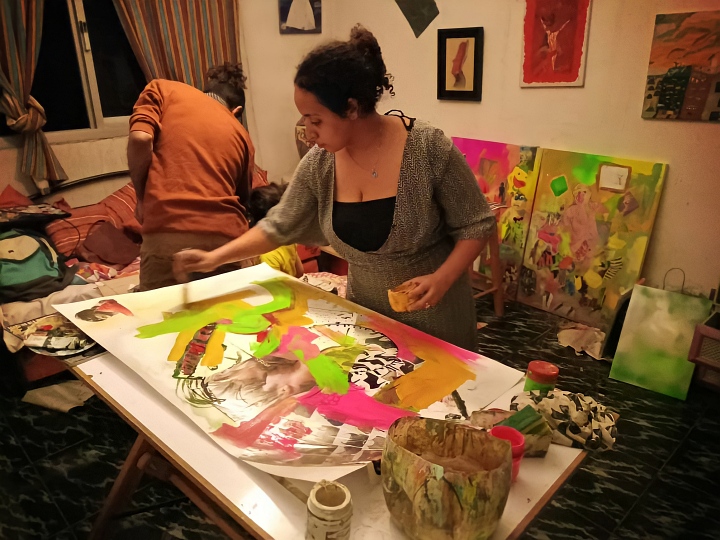
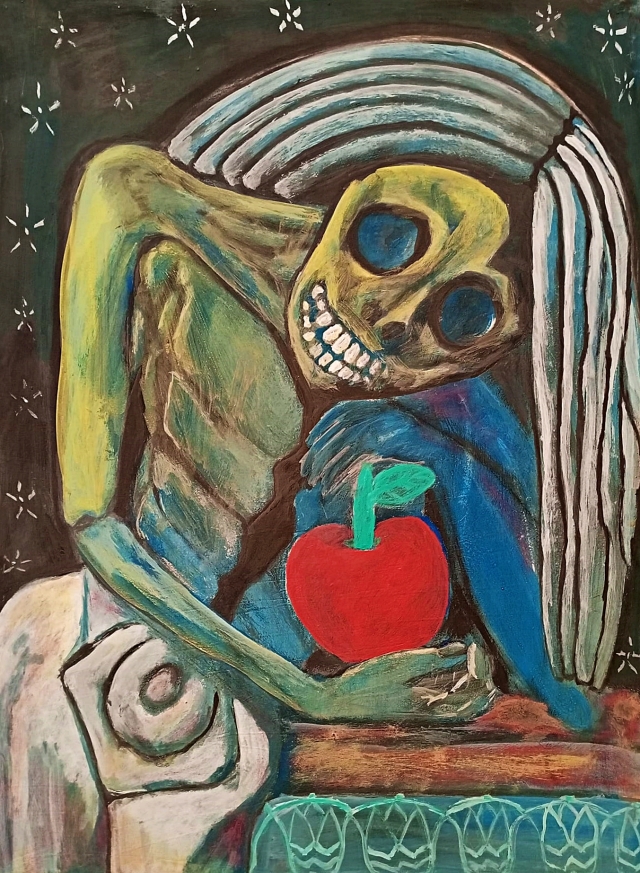
Play as a Form of Resistance by Fairouz Eltaweela

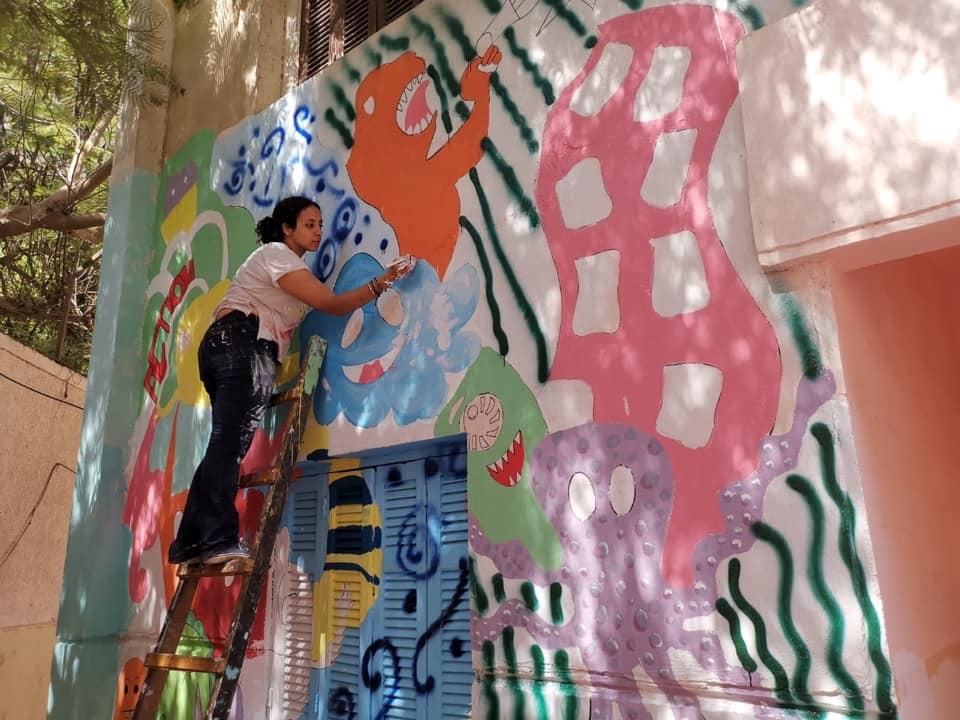
I am a multidisciplinary visual artist interested in painting, alternative sculpting, photography, digital art, collage and mixed media arts. I held my first solo painting exhibition at the age of 14 at Al Gezira Arts Center and have since participated in multiple art workshops and collaborations. I recently graduated from MSA University faculty of Arts & Design majoring in Cinema and Theatre.

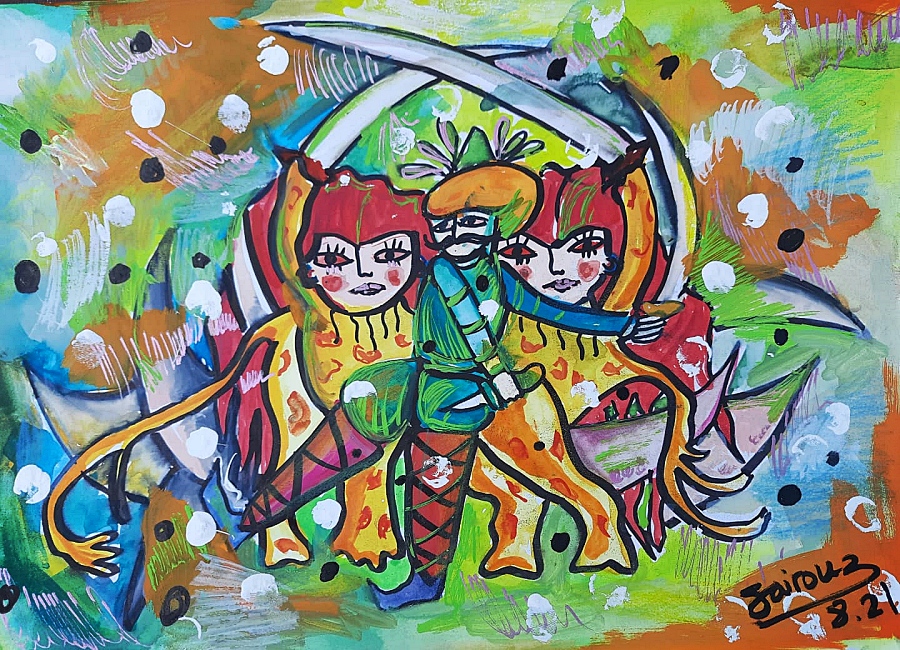
Most of my work explores the theme of ‘play’ as a form of resistance. Further expanding and searching how the visual identities of my various roots all meet in a space that feeds on contemporary imagery and ideals.

Coming from a culturally rich background I am drawn to the visual richness of my city Cairo, particularly the slums where street art happens accidentally as a coincidence unravelling the many great textures and layers of the city, as well as having family roots in Upper Egypt and Delta, I began exploring the relationship between the urban and rural space and how it can be visually contextualized.

My inner child holds the pencils, untangling all the fears that have accumulated within my head and sarcastically mocks them. My inner child giggles and makes all the decisions now. I can only contemplate from afar ,a foreign spectator, as I watch dreams from my subconscious unfold and my inner child continues to laugh at me.

Fairouz Eltaweela

Fairouz Eltaweela

Hoda Hussein Crossing The Water Tunnel

Hunting for the sound
In the relation between circles
Grooves and ridges
On the surface of a disk.

Hunting for the circles
Grooves and ridges
On the surface
Of my fingers.

Hunting for the relation
Between the surface of my fingers
And the surface of the disk.

Does the sound get sharper
when the lines are brighter?

Shell it cough
if dust occupies it?

Mother and Child
70x50cm
Acrylic on canvas

Hunting in the needle
That touches the round lines
ln the rotation of the disk

ln one direction
In the possibilities of emptiness forms
Between the needle point
And the turning lines’

Hunting
To reach the spherical emptiness
There
In the middle.

Circles turn with the sound

Breath

Go through ideas and trajectories
The time decomposes itself
Into spirals moving up and down

And I find myself there.
Every time I remember my face I see the
sun


This disk that moves
And nobody sings
For it.

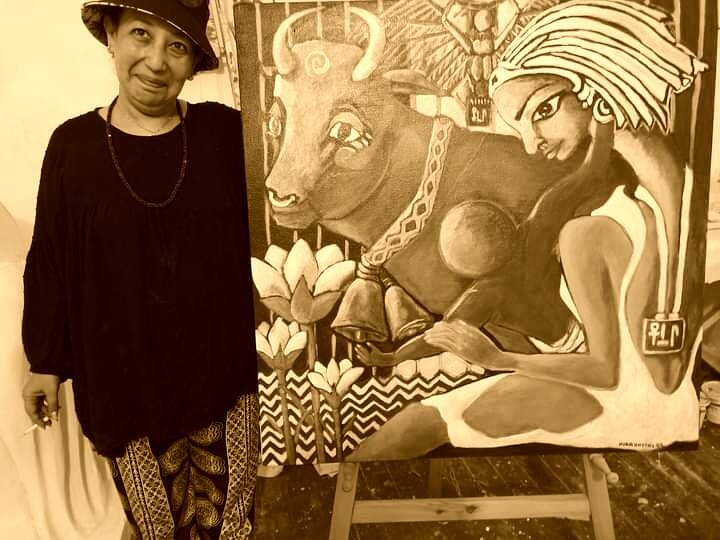
The Celestial Cow
70x50cm
Acrylic on canvas

Sometimes you through your darts
And they catch a map


it might not necessarily be your map

And by chance
or coincidence

you find it in your hand
you say: I found the map
There the map found me

And my mission now
is to dissect it

Sometimes
you throw your darts
And they get lost
Hunting others’ maps

They are the laziest:
They through their dreams at you
to realize it for them

they threw you their disappointments
to endure it for them

They are the laziest
And you are the naïve prey that
lost the reason of this one hunt

For the hunt
And sank

When they pull you up
Do not be
Please
Thankful.

So who said that the emptiness
in the middle
Is black?


And how do you know it is empty it self?
And if someone tells You
Nothing is in the emptiness


Would you believe?


Won’t you hunt in this “Nothing”


For a shape or a form?


To touch it?


To intersect with it?


To find yourself


In it?

From MAP OF THE SELF Poems and Drawings Hoda Hussein 2006

Huda Hussein with My Egypt

Hoda Hussein
Egyptian creative writer poetess and novelist, artist painter and translator.
Published many poetry books and novels in Arabic language.
Represented Egypt in poetry and novels festivals and encounters in several countries like Yemen, Spain, India, France, Cuba, and Chile
Made creative writing workshops for kids in many schools in Cairo Egypt.
Received rewards for poetry, novels and for translations in Chile, Macedonia and Egypt.
Was entitled as a universal ambassador for peace by the peace ambassadors circle that works under the UNESCO

Featured Painting: The Great Lady. 70x50cm. Acrylic on canvas.

THIS AN AUTHORIZED DUPLICATION WITH PERMISSION AND EXPRESSED CONSENT

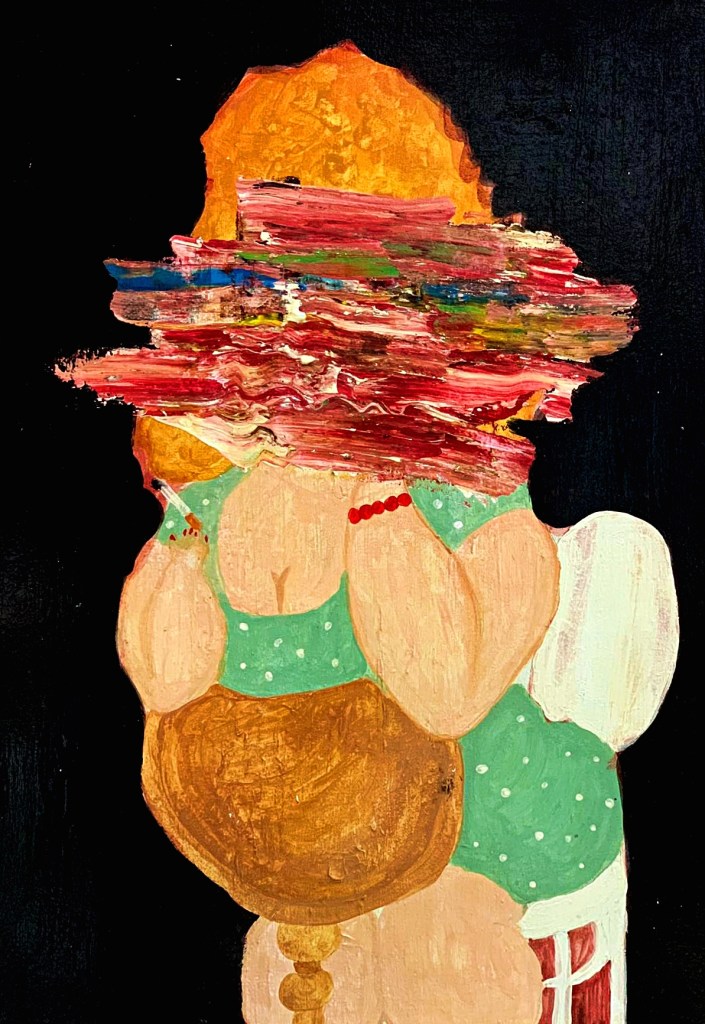
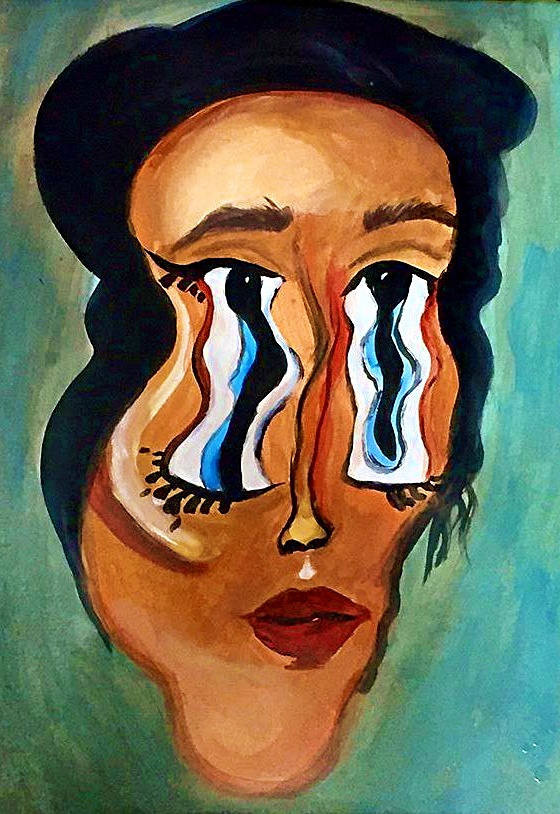
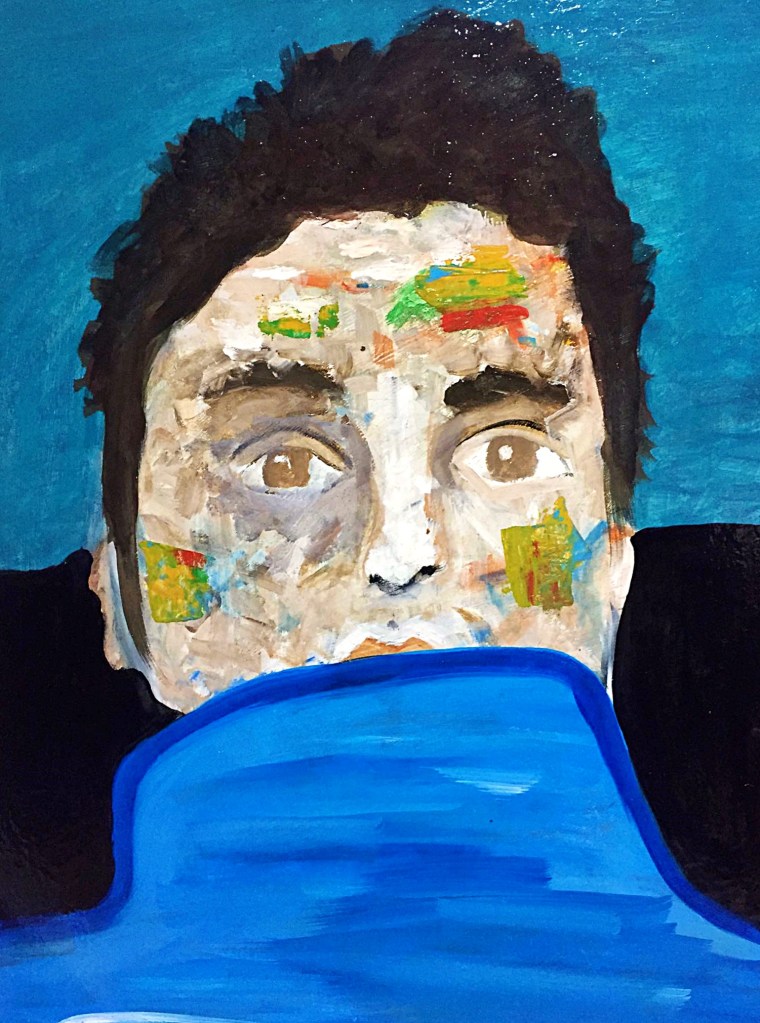
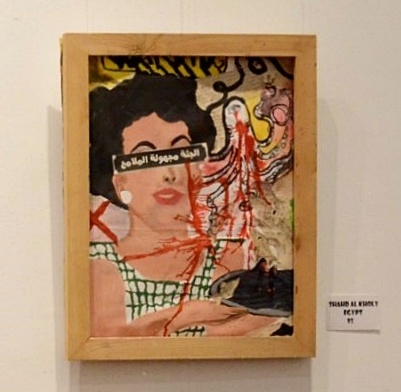
Egyptian Art Shahd El khouli الفن المصرى شهد الخولى

My name is Shahd El-Khouly and I am a Egyptian visual artist. I study psychology and art. Psychology is my passion. I spend most of my time with art, artists and studying psychology because it is a science that deserves every minute we spend reading and searching for it.

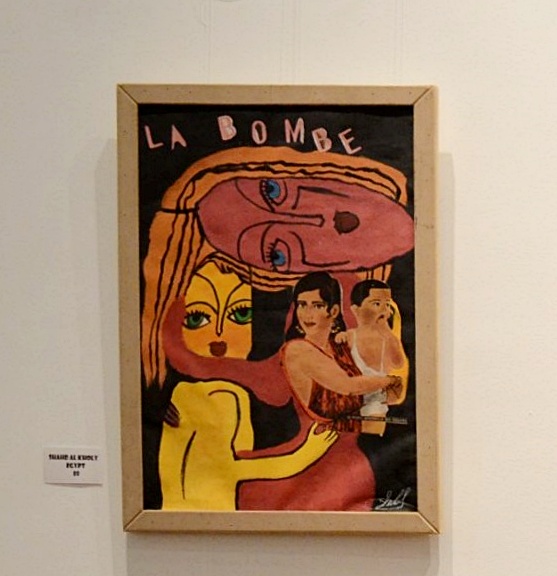
I also participated in many exhibitions. Which is being held in Egypt and I am currently participating in the International Surrealist Exhibition, the first part of which was held here in Egypt, and the next part will be held in France next year

وأنا فنانة تشكيلية مصرية مهتمة بالفن منذ الصغر. انا عمري 20 سنة. الآن أنا أدرس علم النفس والفن وعلموأنا النفس هو شغفي. أقضي معظم وقتي مع الفن والفنانين وعلم النفس لأنه علم يستحق كل دقيقة نقضيها في القراءة والبحث عنه. كما شاركت في العديد من المعارض. التي أقيمت في مصر وأشارك حاليًا في المعرض الدولي للسريالية، والذي أقيم الجزء الأول منه هنا في مصر ، والجزء التالي سيقام في فرنسا العام المقبل

written by Shahd El-Khouly

Shahd El khouli in The Echoes of Contemporary Surrealism /Maze of games and dreams /Alexandria

Shahd El khouli 2002 Cairo, Egypt