
I encountered difficulties in collecting factual information on Lyapkalo’s thoughts to write about. The following is a correspondence with Viktor Lyapkalo. I’m grateful that Viktor made time to reply. Before sharing our correspondence, I got Lyapkalo’s consent to share his thoughts on art.
Socialist Realism is a strong realistic school that takes its origins from the old Imperial Academy of Arts where Serov Vrubel Kustodiev Repin studied.
The political background of socialism is another story, but first it is a realistic school that still serves us as an example of gorgeous paintings of strong drawing.
Thanks to socialist realism, we have preserved a strong Russian school in the Academy of Arts, where very talented students who know how to draw and write still study
Artists of socialist realism Gerasimov use layer of layers still serves us as an example of pictorial skill and excellent drawing.
Their political paintings are already a tribute to the times, but they achieve a high artistic level in their execution. While in other countries, in other art schools, teaching underwent changes under the influence of new versions of new trends in art, our school, thanks to socialist realism, training remained at the same level as at the Imperial Academy of Arts, therefore our students can all write well, I have good painting qualities.
I believe you need to narrate what you love and what you like and then it will be sincere. Those works that are made for sale without love are immediately visible. They are fake and without a soul. Of course, my preferences are not for everyone. I look primarily at picturesque points of view when I narrate a painting with women. I really understand Renoir because of how he painted women. Skin is more like an onion flower that has all shades of colors.
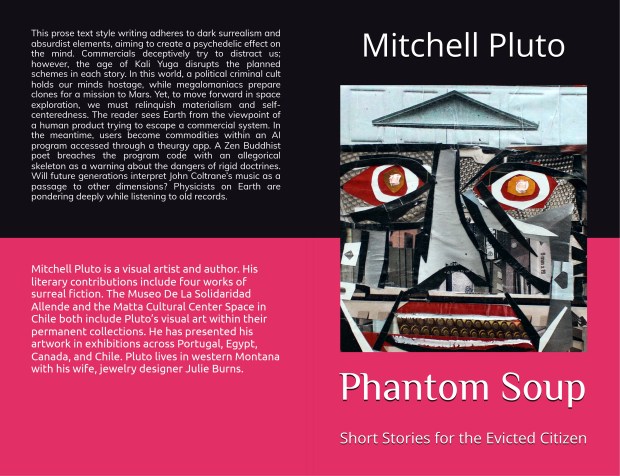
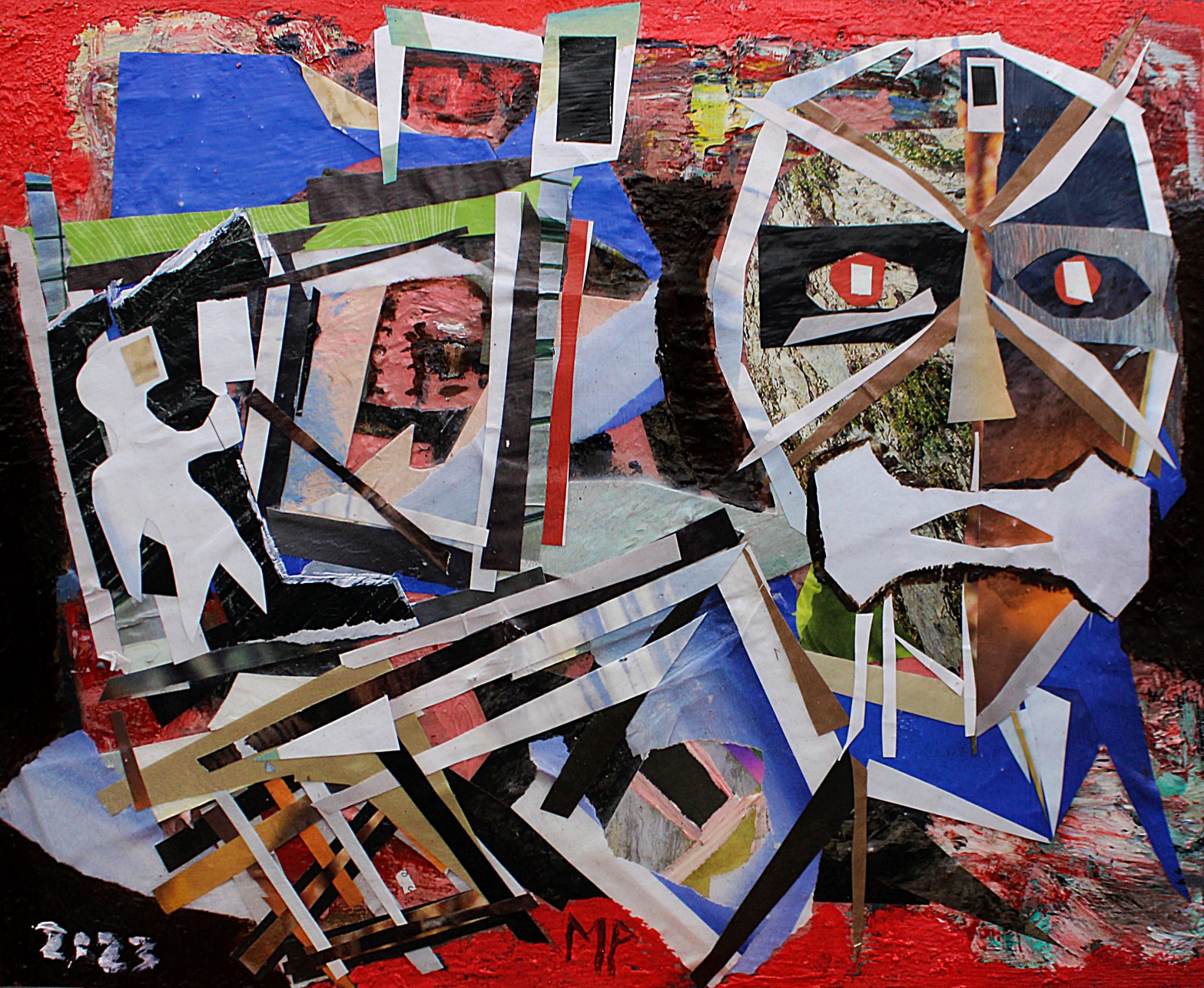
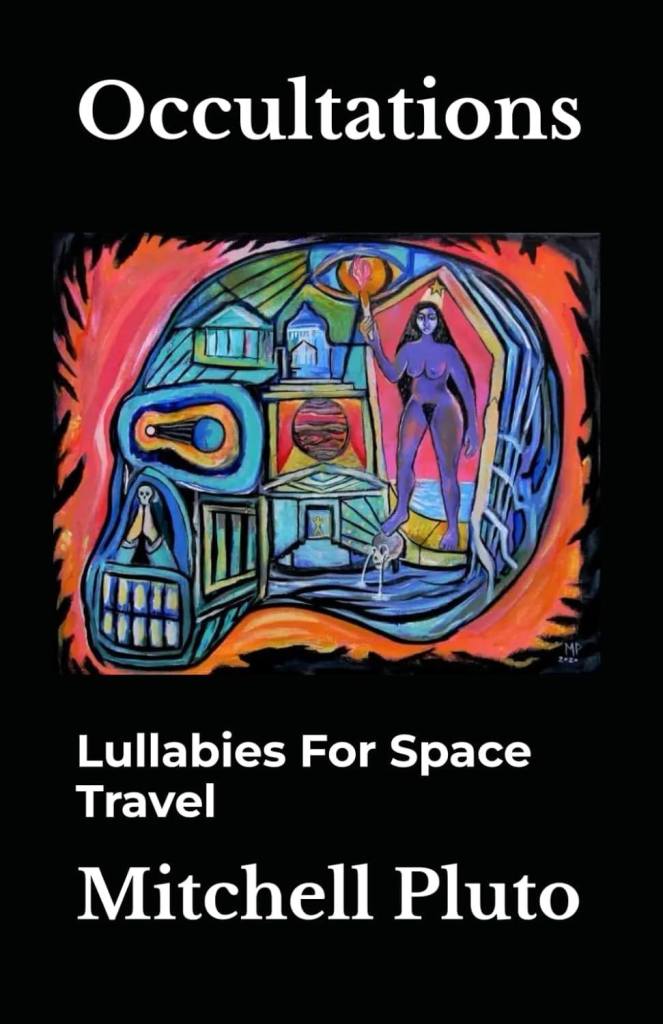
The emptiness of space challenges the narcissist. I wasn’t talking about a daffodil either. Imagine the self-centered individual in the cosmos. This soundtrack fanfare involved a floating plastic water bottle bobbing in the void, creating a strange echo. A promotional message There’s a song still going strong on an eight track tape from a different era. The signal aimed to scatter more phone bots onto another surface. Those objects back then are now considered trash. It originated as a billionaire’s dream. That primate was something else and only connected with other special monkeys and top baboons. The menu listed all the remaining items, which wasn’t much. There’s no linear narrative here; there’s no gravity. We all got talked into being in Barnum and Bailey’s Greatest Show in the Galaxy. In a chain of forgotten memories, everyone plays a great-grand relative. Social media made it simpler to believe in fantasies of endless joy, power, and attractiveness. Here and there had something from Temu. Every summoned name feels entitled to special treatment. Just answer your text message alert and see for yourself. To be a wild horse in a motion picture, a spaghetti string western running around with no identification or proven ownership. We needed to get things lined up. The designation we gave it on Earth was equinox. Or Rahu and Ketu. Everything existed between two distinct points, a liminal zone like the recommended dietary allowance. What did the primates search for? The environment was ripe for harvest, heavy with the scent of ripe fruit. Phantosmia first appeared as a side effect. But in truth, the air held a strong smell of burnt metal, a metallic Tang. Nothing 29 grams of sugar can’t handle with ten percent of carbohydrates; one hundred percent of vitamin E; one hundred percent of vitamin C; six percent of calcium and 120 calories. Those repeated old commercials taught us to disregard the feelings of others. Your phone is always there for you. We should continue to outsource our creativity to the colony in order to receive innovative ideas at no cost. Be all you can be. Show conceit and engage in scheming actions it’s what we do when we explore another space. We must be ready to manipulate people into servitude while making them believe it was their own decision. Finding less intelligent beings is our hope, but a lot of work remains. Facebook use is compulsory for everyone. We created our own television program. While floating in space, it will help you stay focused on the amazing advertisement. Asteroid mining provided a cool residential unit that’s furnished nicely. You can order it online from Amazon. Your deposit is secure and what a great way to spend a layover before heading out to nowhere forever. Kidney stones messed up my space trip. How about you? Don’t let worries consume your thoughts. It’s just another advertisement that your brain has stored as a memory. Albert Einstein chose Buddhist philosophy as a garden guide for the future. Despite the lack of a global law requiring flower gardens, we concentrated on collecting and trading symbolic coins. No one paid any attention to perennial plants but wanted planets. The most important thing was AI carrying a respiratory virus to another atmosphere. Ultimately, the cosmos functions as both a wellspring and a drain. Who is this object registered to?
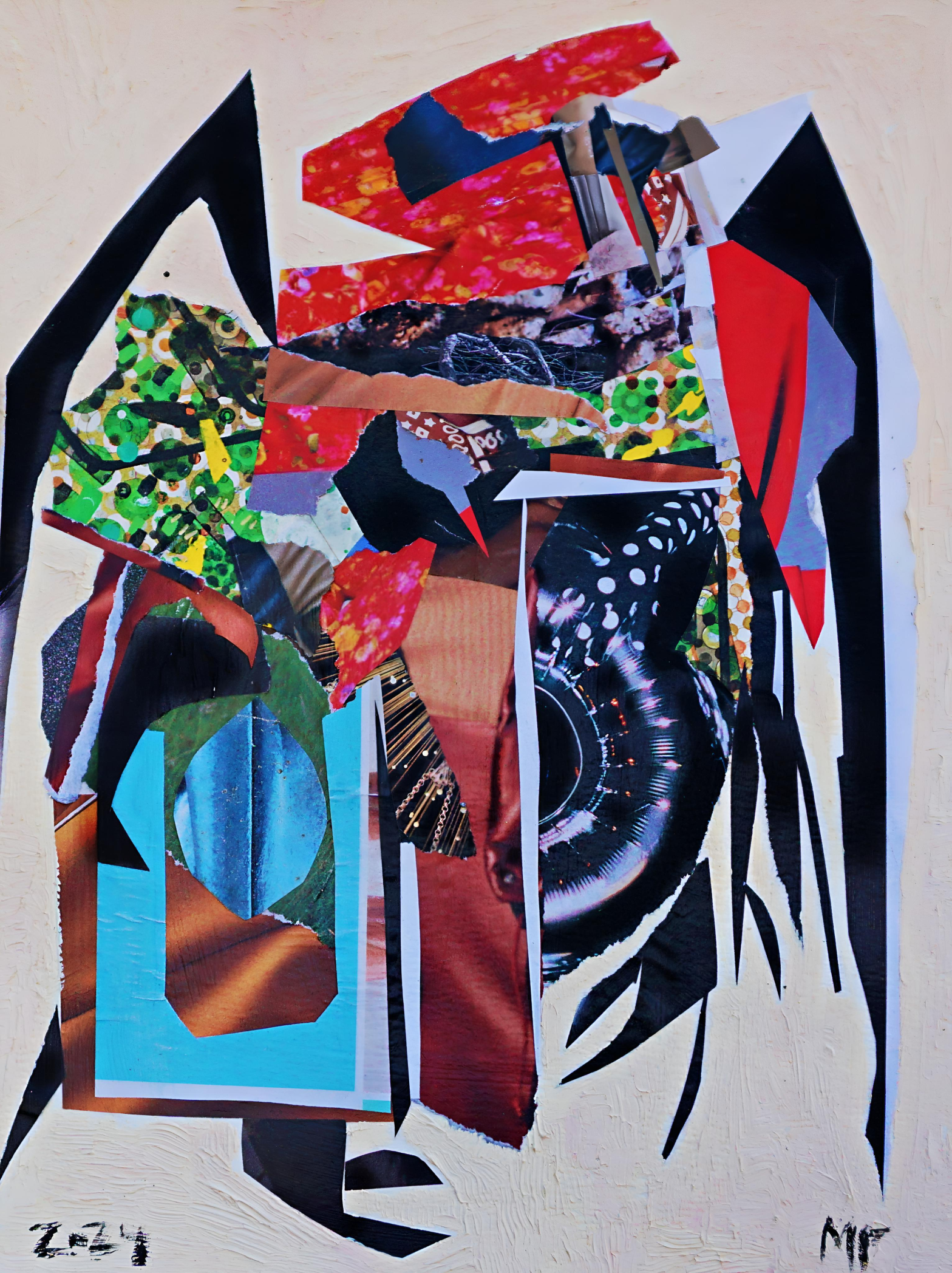
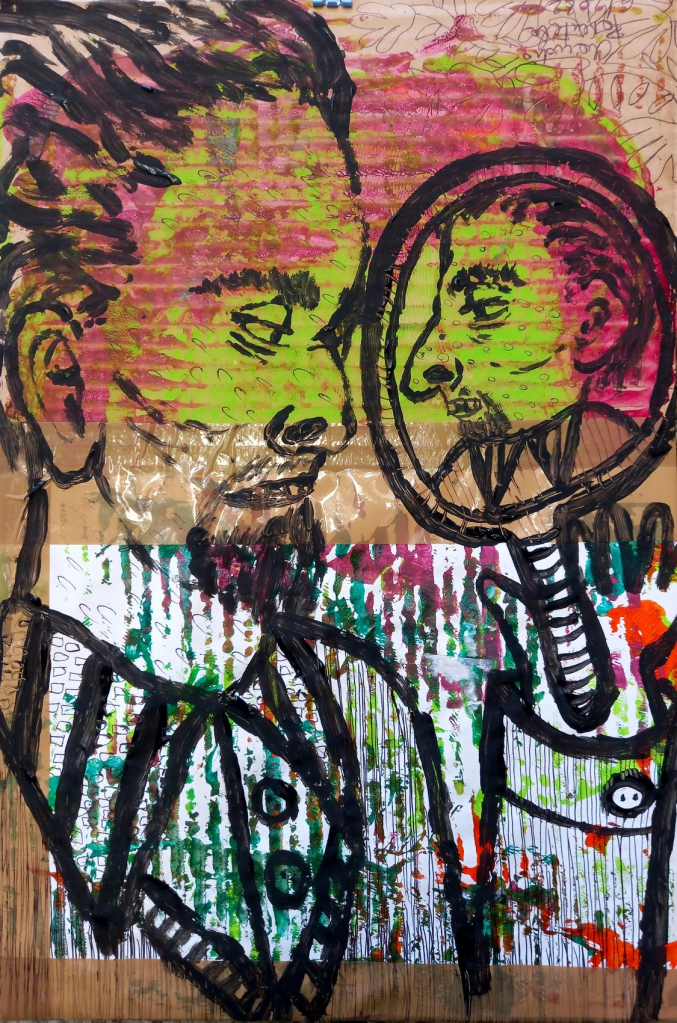
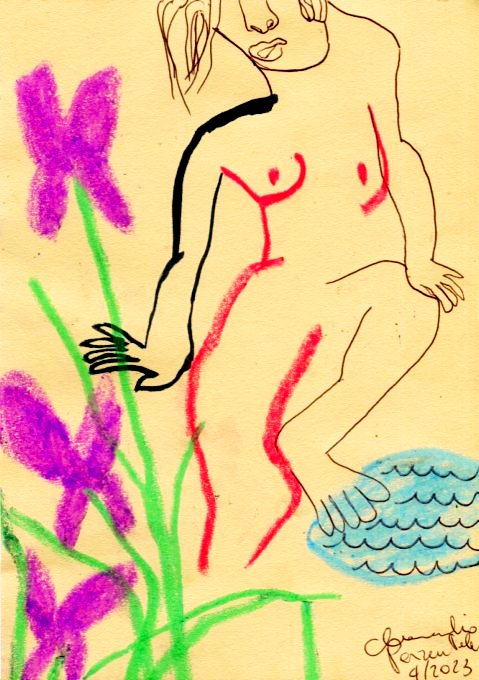
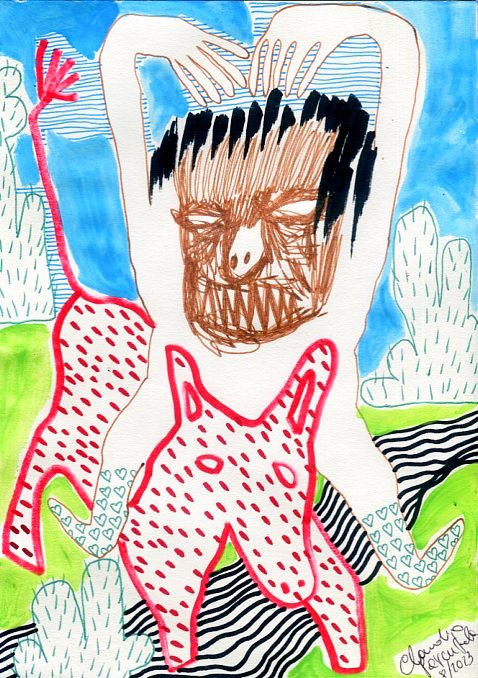
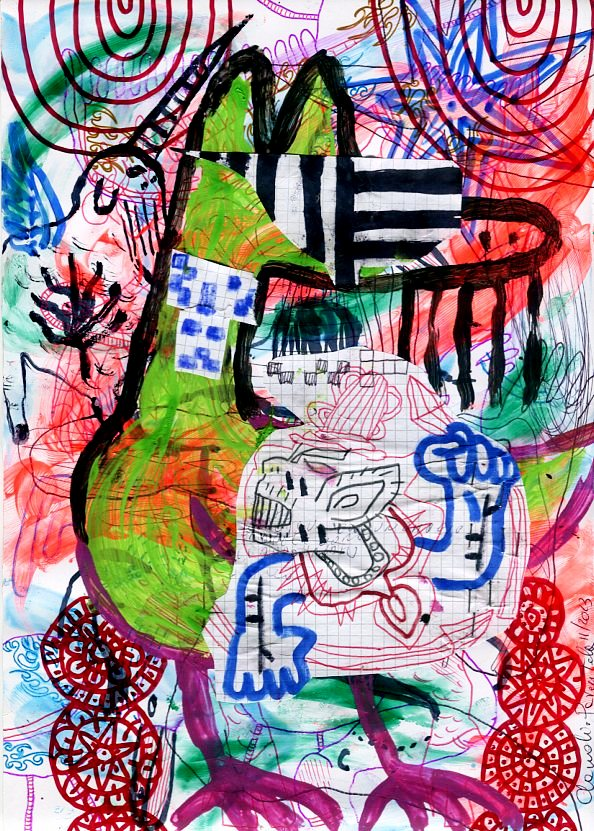
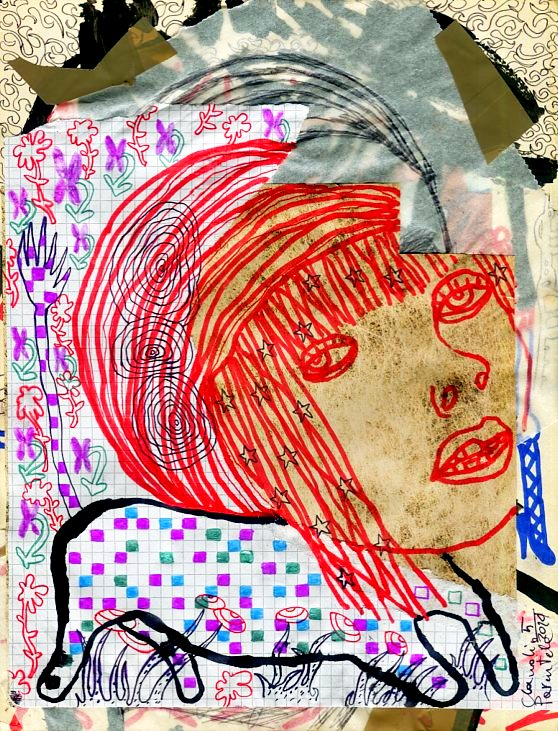
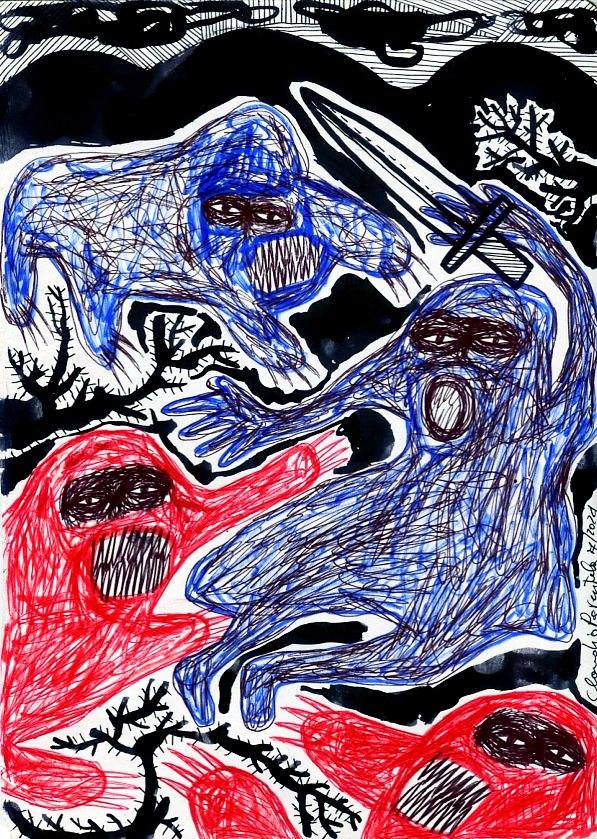
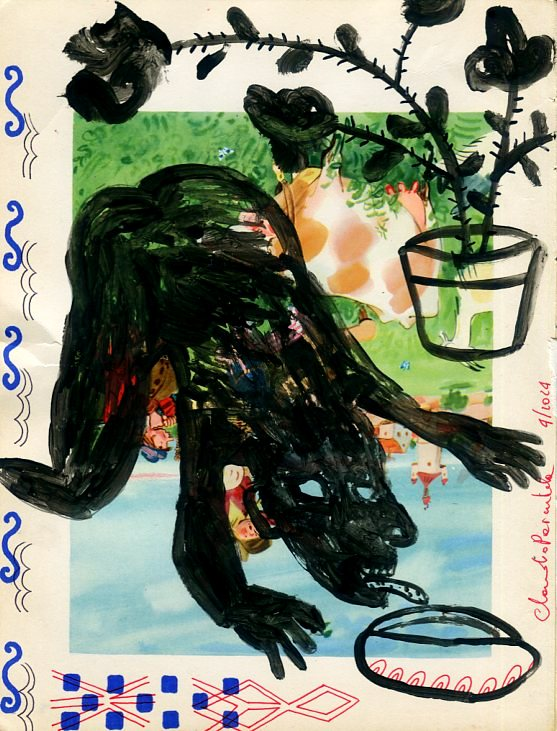
I am 62 years old and I live in Calabria, in the ancient Magna Graecia. I am harsh and solitary, wild, introverted, anarchic and autistically proud like my land, which is full of stormy seas, turquoise and crystalline seas, and rugged and desolate mountains, very colorful and rich in lakes and impenetrable woods. I have been painting, drawing, photographing, cutting, sewing, gluing professionally since 1995, since I decided that I wanted to breathe art every moment of my life.
I like to experiment with everything I have at hand,mixing incompatible, different materials in absurd ways. I like to scratch and dirty my photos. Sew them together and with my paintings. I like to sew my paintings endlessly.
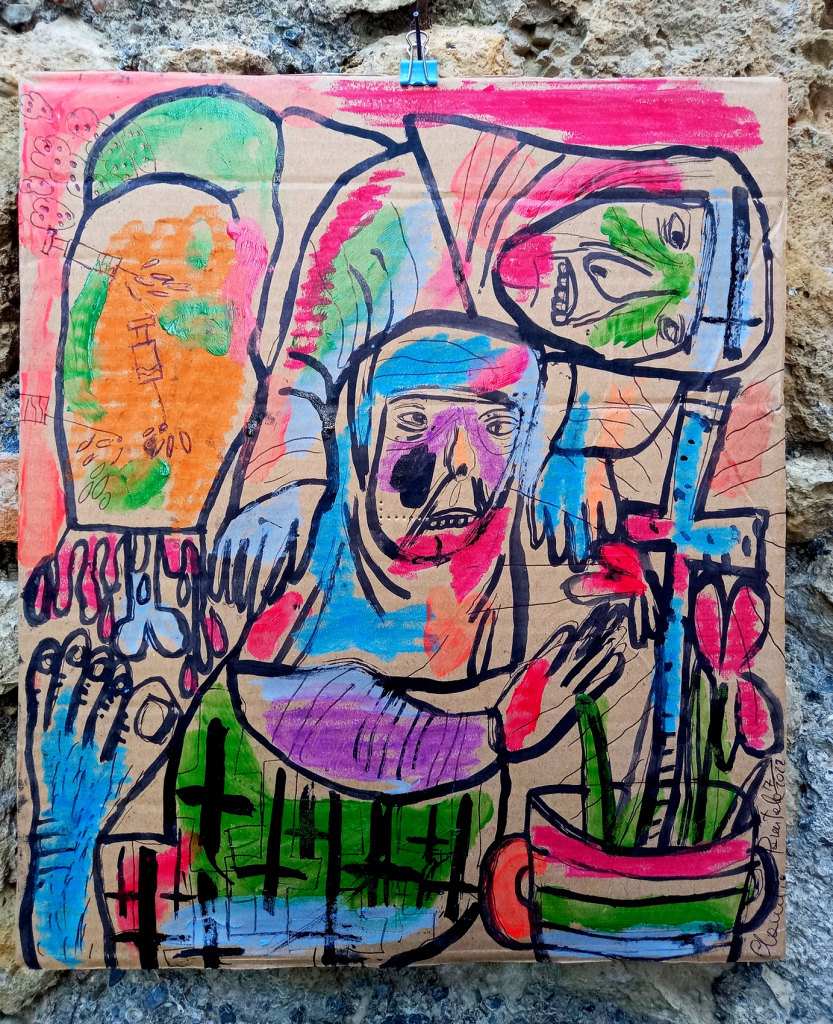
PAINTING2812-MIXED MEDIA ON CARDBOARD-YEAR:2022-SIZE:31CM X 36CM
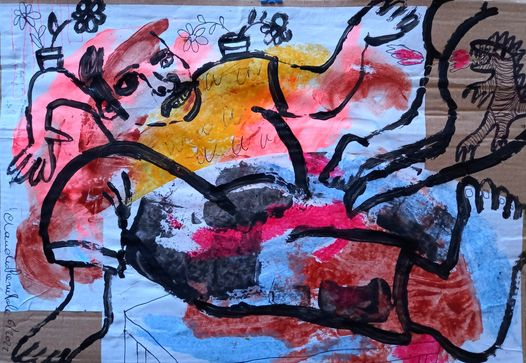
I never know what I’ll do, what of new or old I’m going to create. I don’t like to plan anything, I want things to happen as and when they have to happen, I don’t do anything at all…. I put on some music, maybe with a good glass of red wine…. I sit at my work table where I have all my colors, my beloved books, my photos, my colors….and the magic happens every time.
PAINTING2807-MIXED MEDIA ON CARDBOARD-YEAR:2022-SIZE:27CM X 39CM
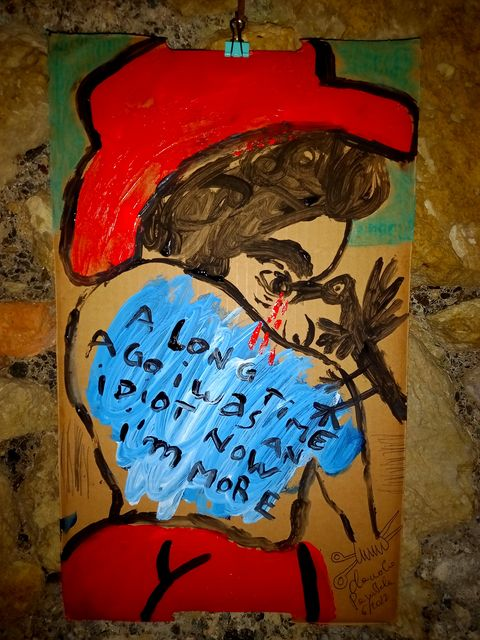
After a while I start to draw dots, lines, knotted lines, I choose the colors….and so on….it’s wonderful what happens every time. It’s a continuous catharsis, a going inside myself, and always opening new doors to go deeper and deeper.
PAINTING2805-MIXED MEDIA ON CARDBOARD-YEAR:2022-SIZE:37CM X 26CM
To know, to discover and open parts of me that were sealed and that now by magic I was able to open and penetrate. Art has been my autistic way to be in the world, the only way I know and have to communicate my words, what I have in my mind and heart. It is the dance that I have chosen to dance in harmony with my breathing.
PAINTING2798-MIXED MEDIA ON CARDBOARD-YEAR:2022-SIZE:24CM X 38CM
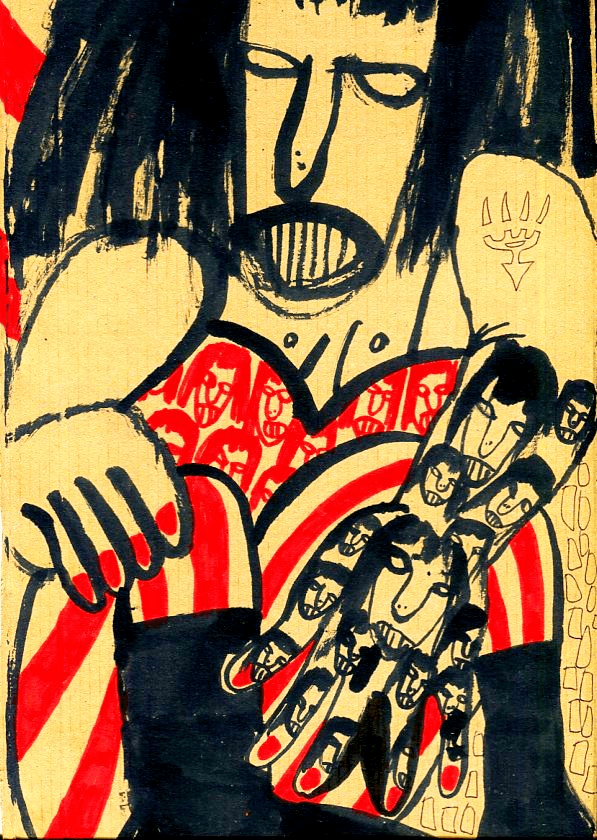
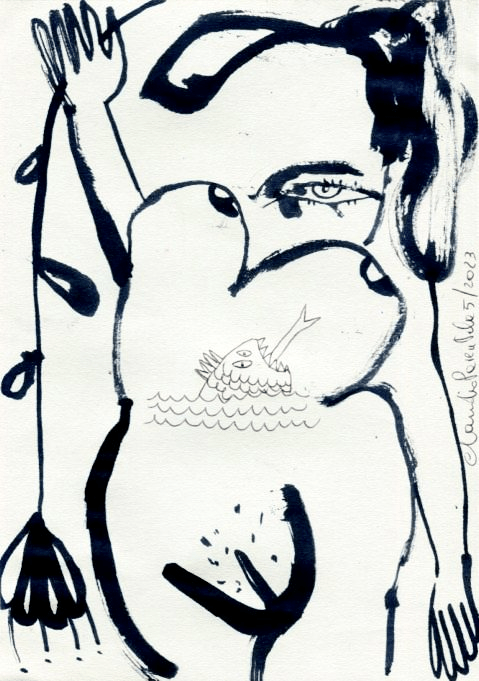
It is my freedom, the freedom that is essential for me to live, to feel sincere and true. For the first 14 years of my ”professional” career I drew and painted only in black and white with rivers of ink and lots and lots of paper. I love black indian ink, and its thousand shades…..they are like the thousand shades of my soul, they are like the clouds that hide the faint glow of the moon….like the thousand thoughts that crowd the mind before it can choose the right word.
PAINTING2941-INK AND PEN ON CARDBOARD-YEAR:2023-SIZE:15CM X21CM
I started drawing frantically and joyfully on many many zines and magazines from all over the world, I collaborated with noise, metal, industrial, techno music bands….did a lot of mail art…drew for everyone, everything. I have never stopped since then, obviously because I like it, because it is the job I have chosen, it is my life, the life I have chosen to live freely. I never stop looking for freedom in everything I do, it is essential to me. Art is freedom, dance, joy, pain, art is life.
The transition to color was an obvious, natural necessity, and collage too. Collage is an extraordinary bridge to and with infinite potential, it is a labyrinth, a puzzle that never ceases to amaze me. I love experimenting, measuring myself and having fun with everything that attracts my attention, it helps me grow artistically, to discover many new games.
My inspirations are many, many….. my beloved books, underground comics, fashion magazines, so much contemporary art, medieval and Renaissance art….Osho , Aurobindo and Mère, Sara Vaughan, Patty Waters, Evan Parker and Ornette Coleman, Can, Nicke Drake and Van Morrison, Joni Mitchell…. Diamanda Galas and Joel Peter Witkink…. many, much more… the laughter of my friends, the noises of the street, my beloved cats, the winter sea and mountain lakes.
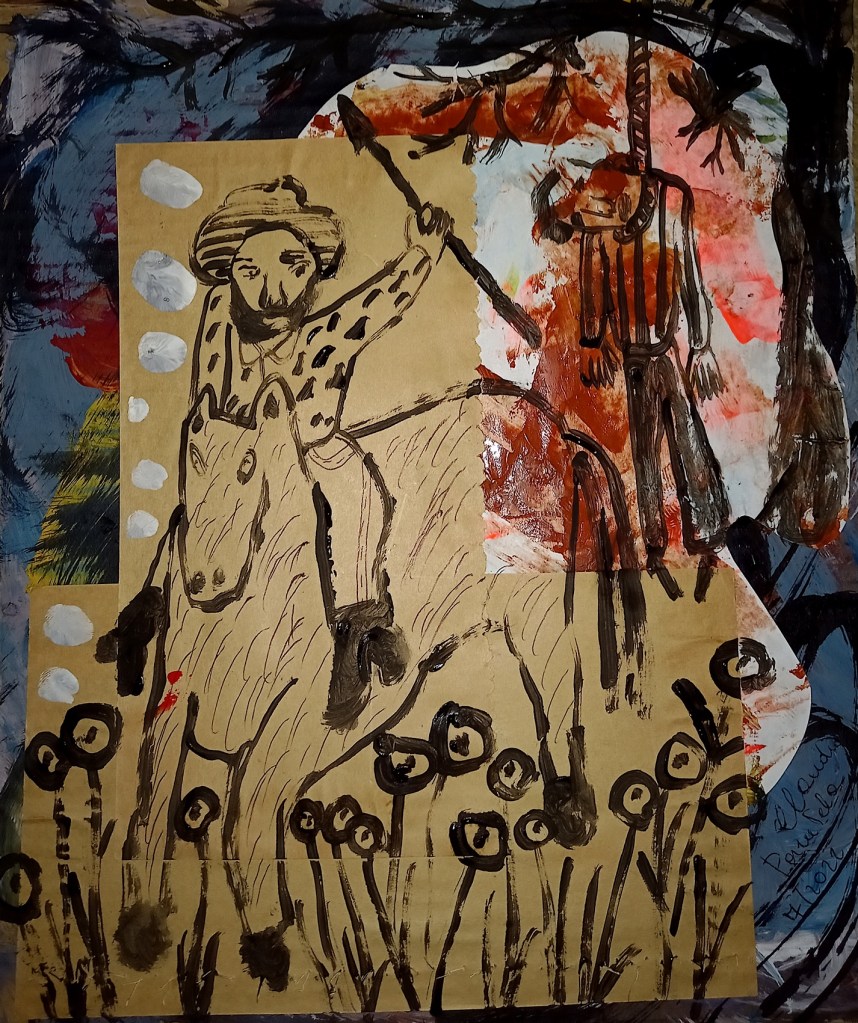
…and of course the tarot cards….I have been studying, reading and painting tarot cards since I was a boy….I love them and I can’t stop studying them, contemplating them, collecting them. For the International Tarot Museum I have created 5 tarot decks and in these days I will start the sixth. I hope and want to continue to create and be free as I am today
PAINTING3134-PEN, ACRYLICS ON CARDBOARD-YEAR:2024-SIZE:20CM X26CM
To present a well-rounded viewpoint, it’s crucial for me to feature a female artist who actively advocates for the well-being of both children and adults. I am describing someone who fights tirelessly against child exploitation and human trafficking. It is necessary to mention that there are painful sexual encounters. The focus of this article is not on fantasy, but on deep contemplation of the harsh realities surrounding sexual assault. It describes the experience of one artist who overcame incredible odds and survived.
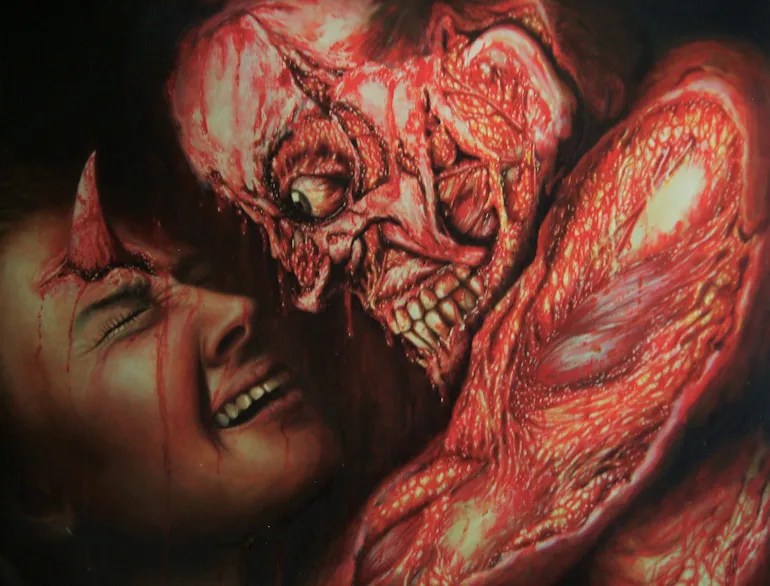
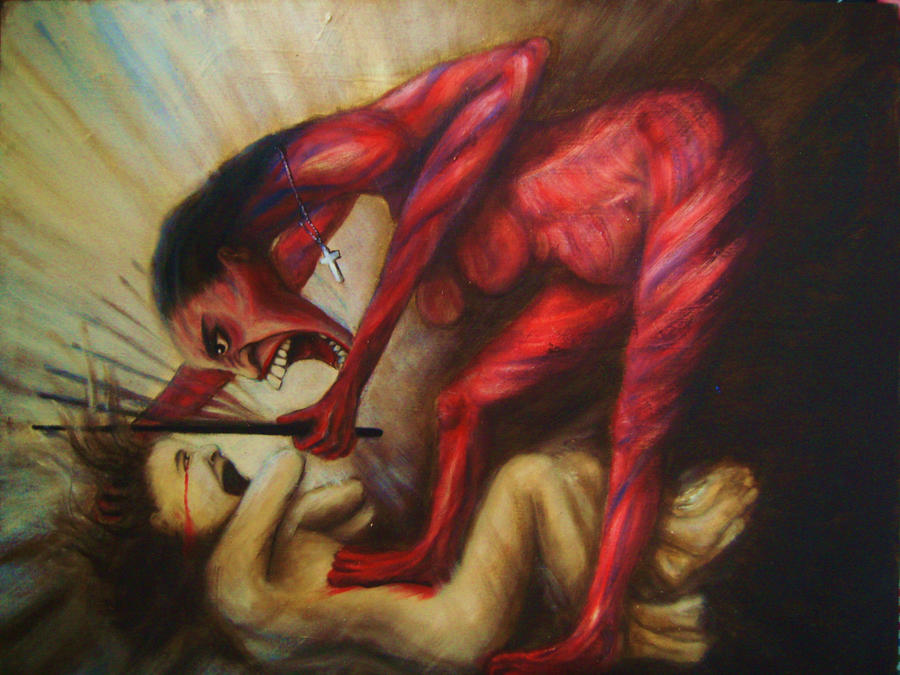
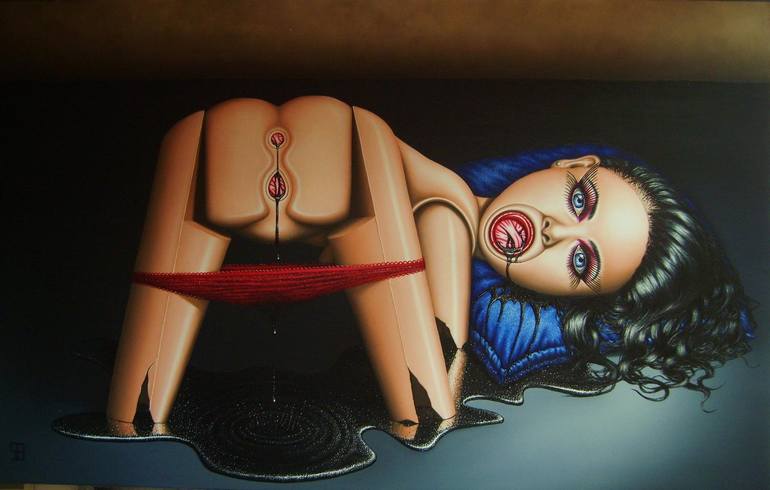
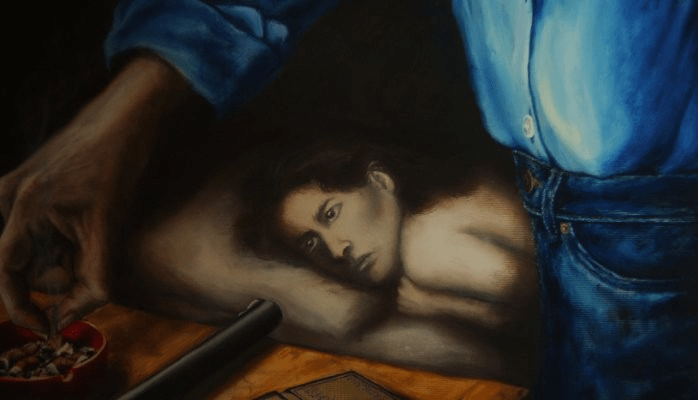
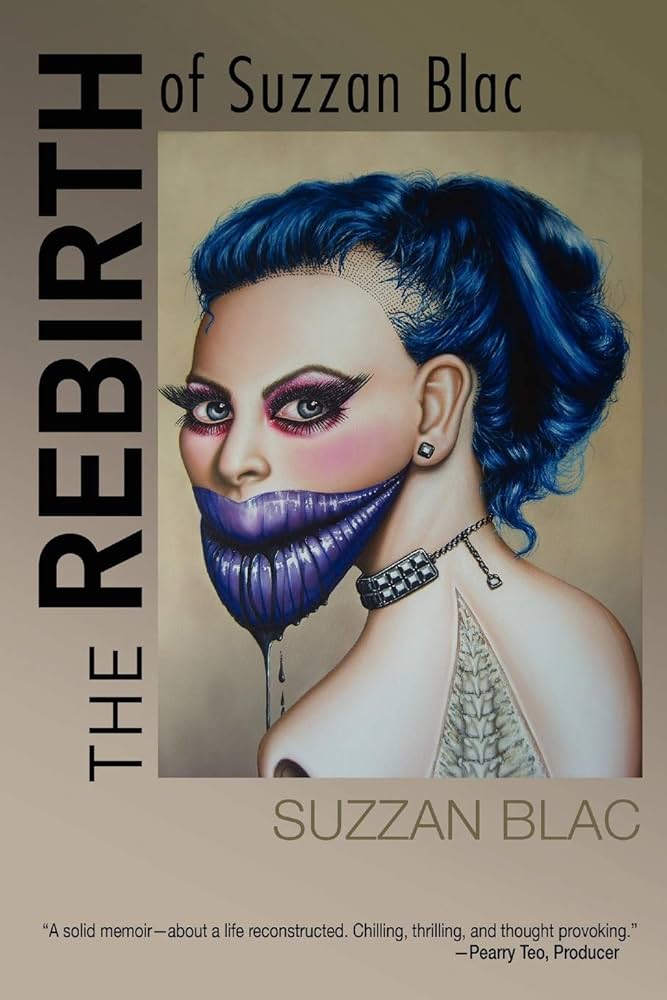
Suzzan Blac was born in Birmingham, UK in 1960. Her oil paintings and writing reflect her personal experiences with physical, mental, and sexual abuse. Blac’s artistic purpose is to shake society out of apathy and educate those who perpetrate secondary victimization, which can be equally distressing as the abuse. Suzzan’s work serves as a source of inspiration in group therapy for victims of abuse. Her work revolves around creating educational programs that encourage greater understanding.
Blac turned to painting between 2000 and 2004 to process her pain, anger, and trauma from the abuse she experienced. In order to tap into her subconscious, she started by doodling while watching TV, recognizing that these drawings had to originate from a place deep within herself rather than her conscious thoughts. After creating the drawings, she skillfully transformed them into realistic paintings that depicted both the victim and the perpetrators. Despite feeling unsettled by her paintings, she understood that they honestly portrayed her innermost pain that required healing. For four years, she dedicated herself to painting forty images, which she carefully kept hidden for over a decade, fully aware that sharing them would cause harsh judgment. It was in 2011 when she made the bold decision to share her most challenging work with the world by putting it online. Blac found it necessary to use her artistic abilities as a platform for speaking out and advocating for her beliefs. There were many people who said hurtful things to her. However, she also received gratitude from countless survivors who felt empowered to speak up because of her.
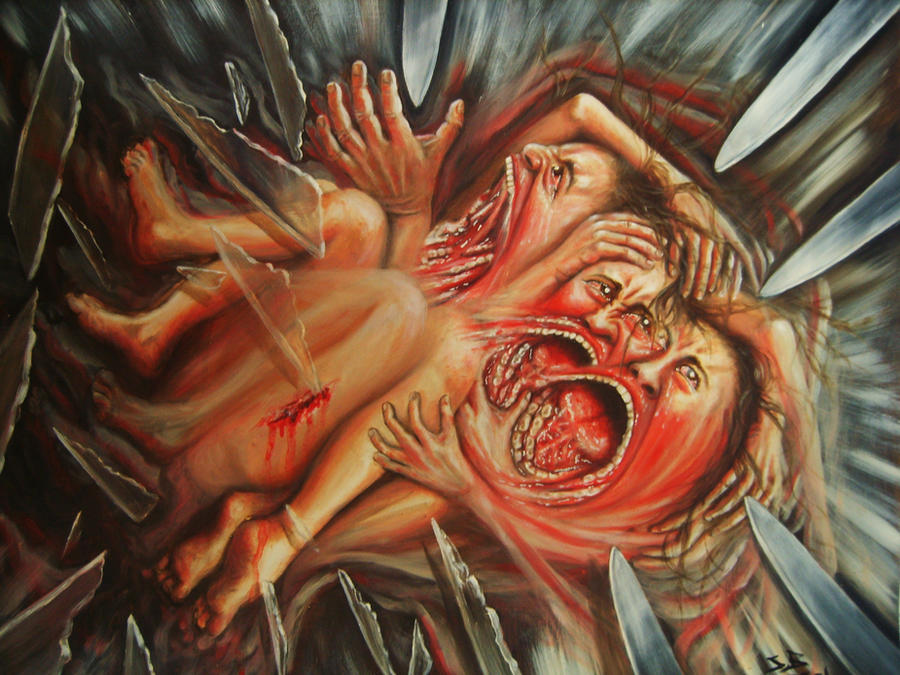
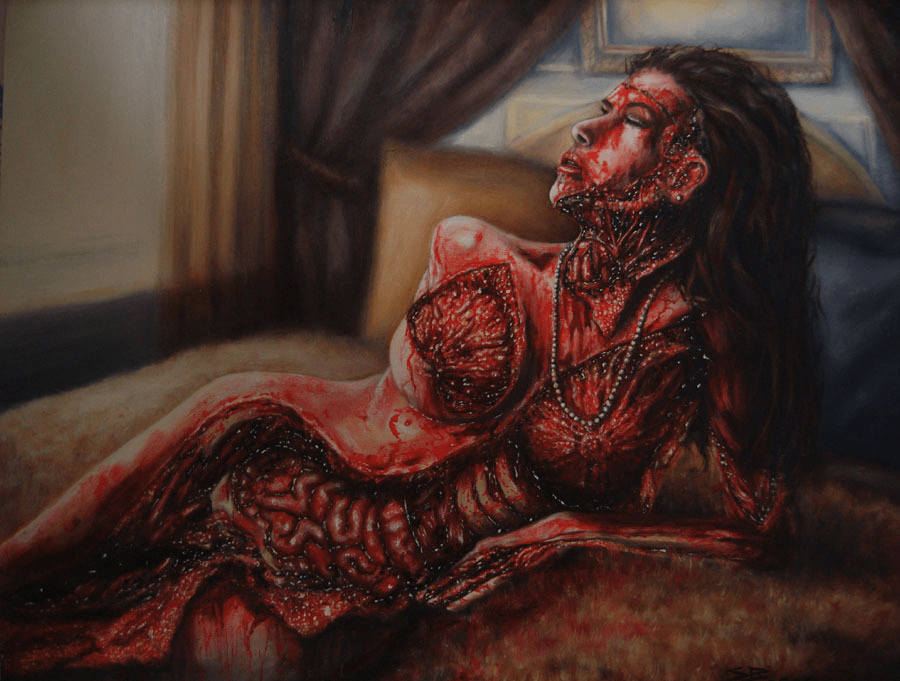
Blac’s work is challenging to look at. It invites the viewer to contemplate and empathize with situations involving sexual violence as a victim. In her own description, she compares rape to a type of murder in which the victim does not lose their life. Blac renders and illustrates emotions in a horrific way. She blends figuration with an eerie, surreal style. In her painting, she frequently uses an effect where the figures appear malleable under the influence of a predatory force. Dolls are frequently used to represent figures. The combination of these elements makes a significant and lingering impression on anyone who sees them. Her paintings hold viewers hostage and give them an intimate feeling of her experience.
The scenes in Blac’s work are terrifying, creating the ultimate experience of body horror and disassociation. Her artwork also serves as a healing remedy for emotional trauma, as well as a catalyst for memories of sexual abuse survivors. One could hypothesize that Blac’s neuroaesthetics might have an influence on the hippocampus, the area of the brain that plays a crucial role in managing the experiencing self and the remembering self.
Before reading her book, The Rebirth of Suzzan Blac, I was familiar with Suzzan’s remarkable talent for painting, but unaware of her story. I won’t reveal too much about the book, but I can give you a general concept. Blac was a prisoner, enduring unimaginable exploitation in the sex trade. These events occurred when she was still a teenager. The book is candid, and Blac’s narrative has a genuine and tender tone. Although the subject was difficult, the book had a natural and easy-to-read style that leads the reader into a world filled with the most cruel human conditions one can imagine. Blac’s book is incredibly uplifting and positive. Her dedication to addressing sexual abuse issues is evident in her continuous efforts to use art as a medium for awareness.
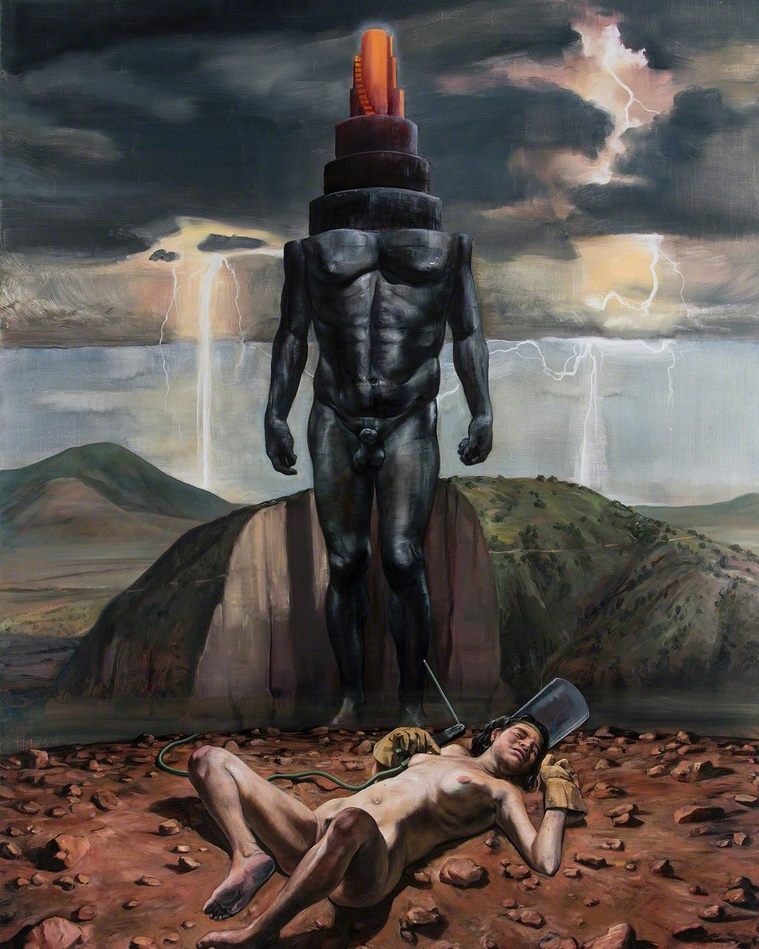
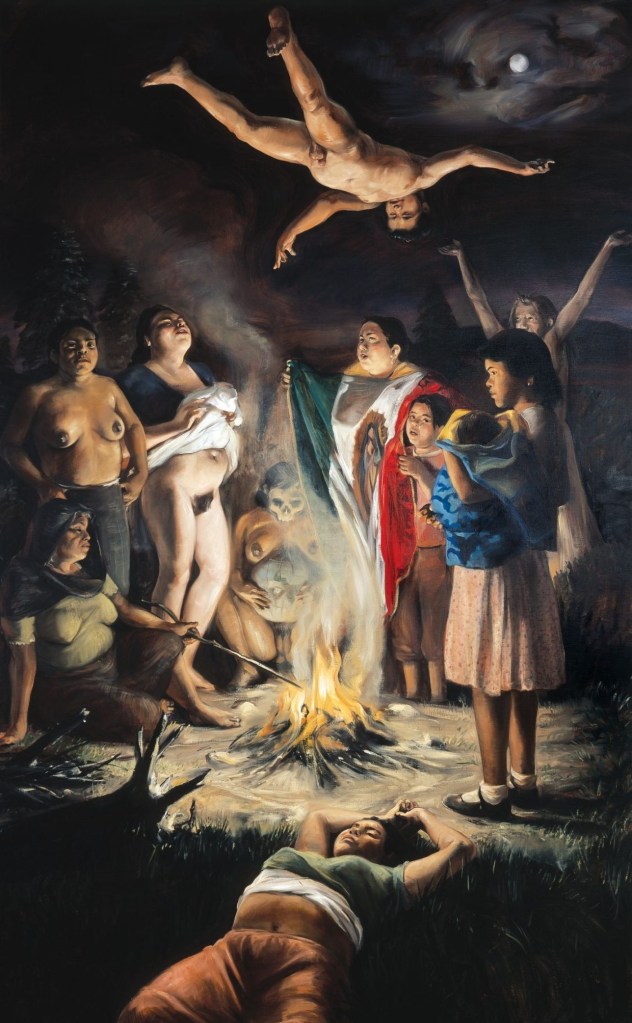
In 1968, Daniel Lezama was born in the city of Mexico City. While living in Mexico, Texas, and France, he had the unique opportunity to experience the diverse art scenes in these cities, thanks to his father’s profession as a commercial painter. Lezama’s educational journey led him to the Escuela Nacional de Artes Plasticas of the Universidad Nacional Autonoma de Mexico, where he dedicated his time and efforts, graduating in 1997. He started his formal artistic career in the late 90s.
Lezama has thrived and made significant contributions in his field. Throughout his career, Lezama has displayed his artwork in solo exhibitions and group exhibitions, spanning across Mexico and various countries around the world.
Lezama Archetypes, Recurrent Patterns, and the Psychic Labyrinth
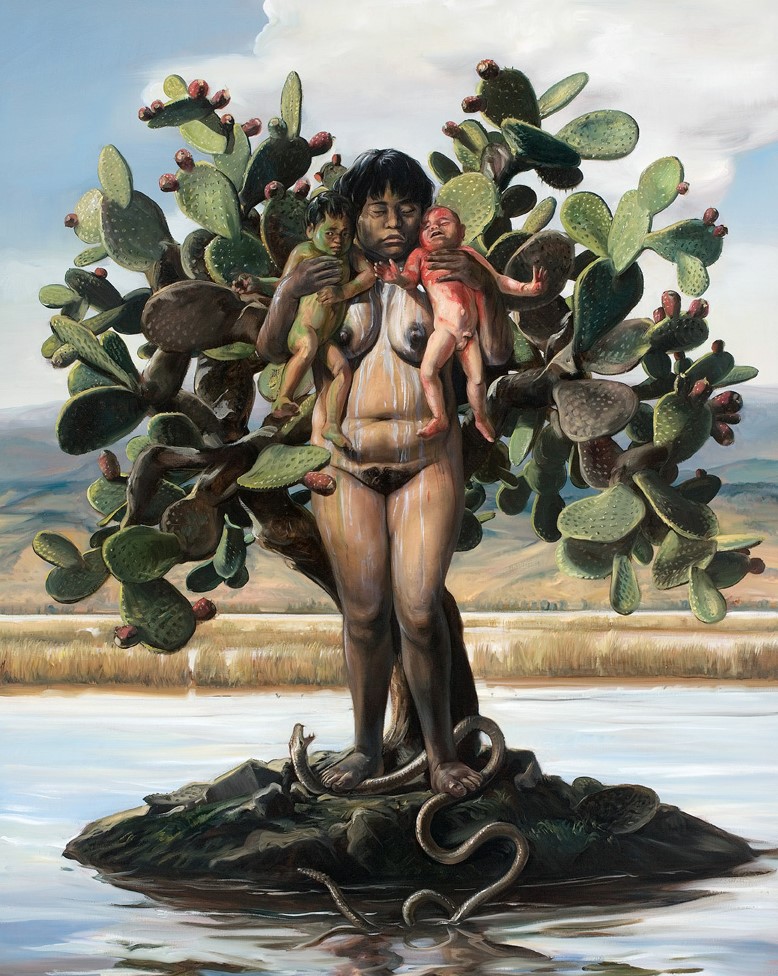
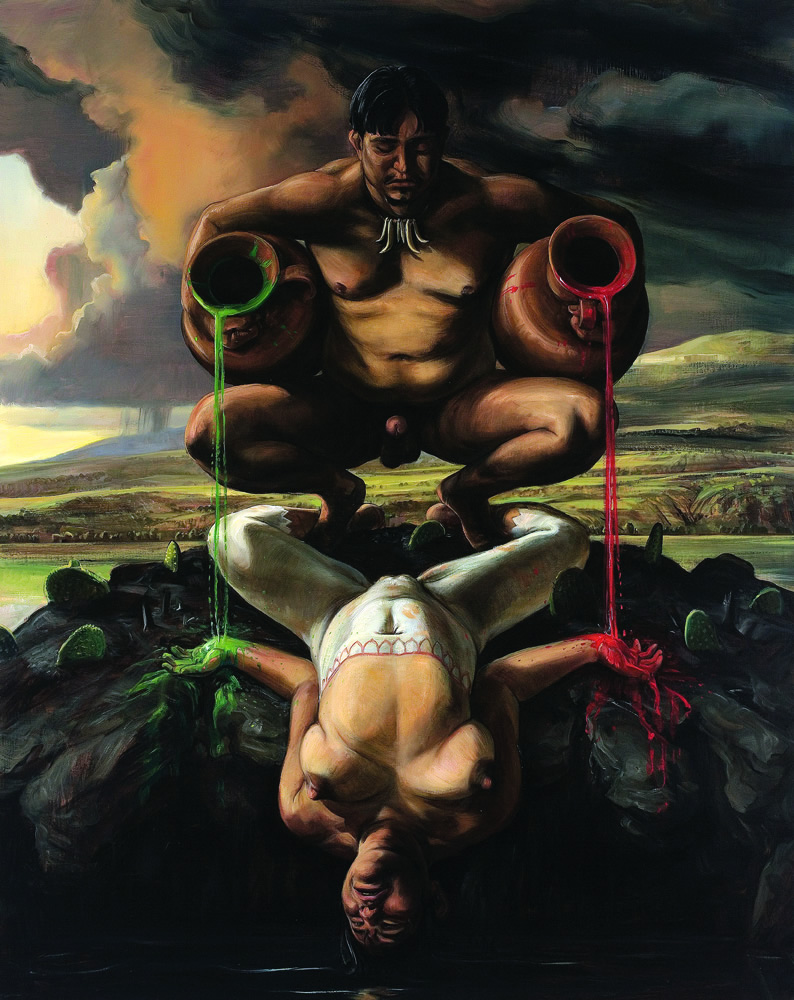
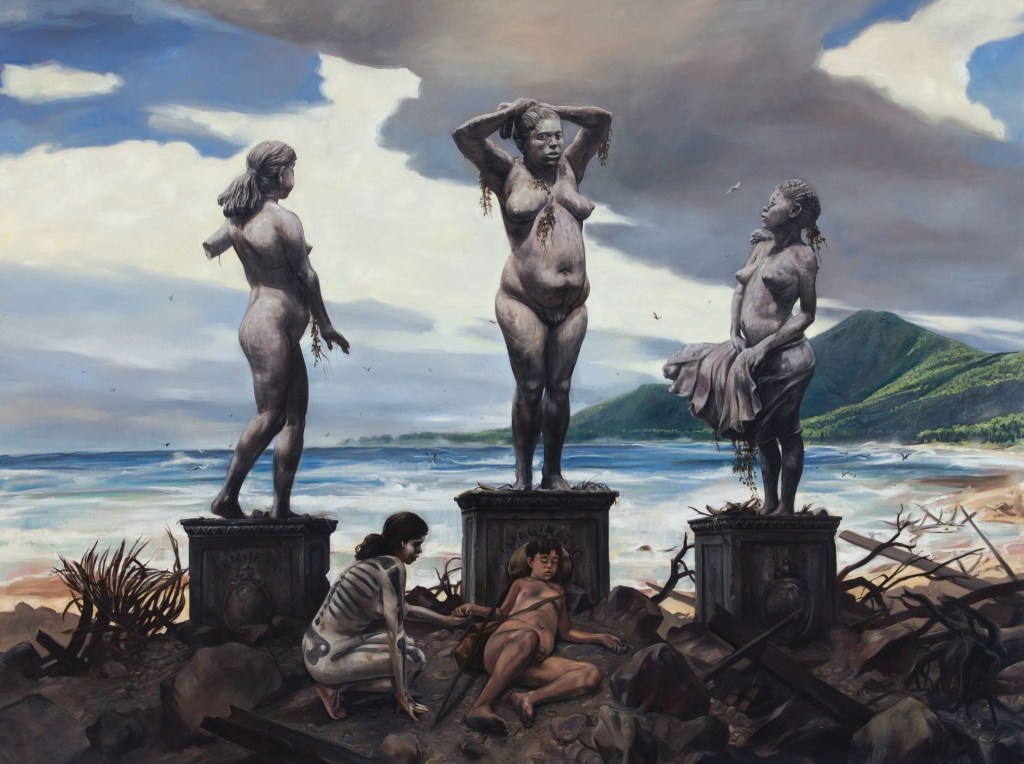
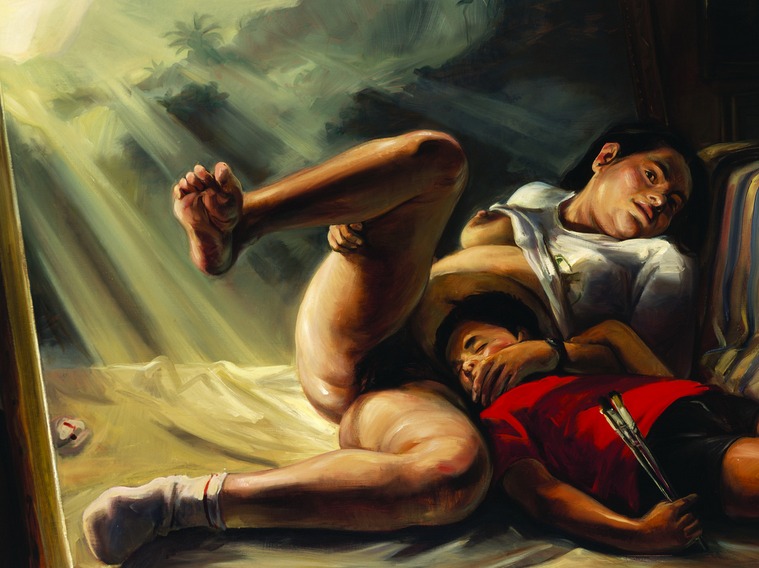
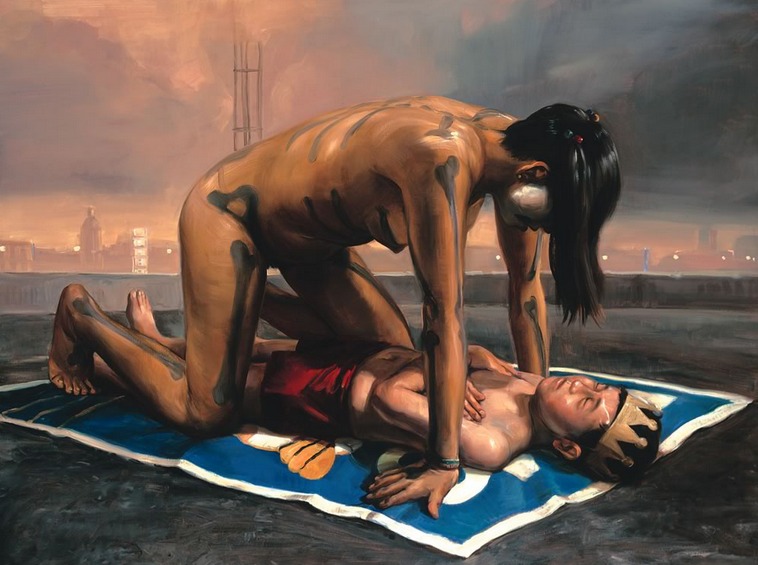
There are fundamental archetypes and reoccurring themes in Lezama’s paintings. The absence of clothing detaches one from the concept of time. It is common to see a figure portrayed as the ever-present mother. She takes on the role of both parents for her children, who compete for her affection while eagerly waiting for redemption from an authority figure who, in reality, does not exist. In contrast, the circle relies on a dynamic blend of chemical reactions and fluid displacement to support its form.
Lezama’s pictorial stage features the eternal adolescent archetype as a representation of civilization. Regardless of one’s age, every adult possesses a liminal quality that serves as a bridge between maturity and the realm of the unconscious. Changes in the surrounding environment mirror the changes in the mind. The transformative phase of adolescence shapes and molds the individual, giving acceleration to civilization.
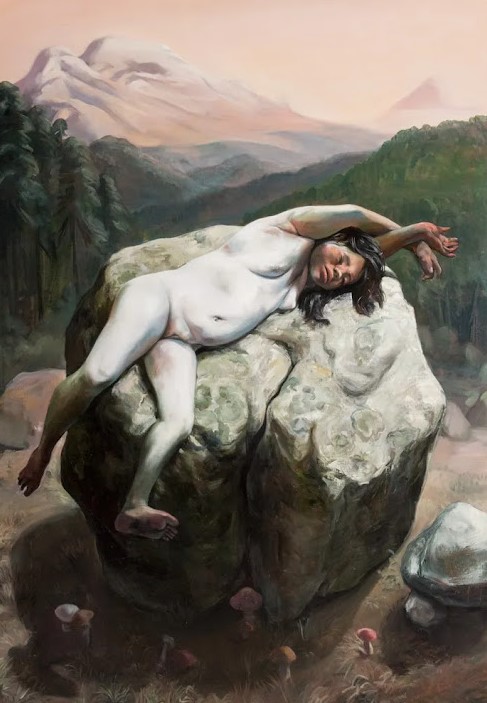
In Lezama’s paintings, day and night coexist, blurring boundaries of space and time. This subtle effect further reinforces a reappearing theme in Lezama’s work, which explores the connection between celestial bodies and genealogical mountains.
The enduring regenerative power of sexuality is proof that humans are an integral part of nature. While exploring this theme, Lezama emphasizes the artificial narratives of humanity, which give rise to supernatural histories and institutions. Lezama integrates these mystical components into an authentic backdrop, creating magic realism that resonates with the Mexican scenery.
Lezama doesn’t consider himself a realist painter or someone who replicates reality. He knows he is constructing a narrative that falls within the realm of fiction, designed to provoke thought in the intuitive mind. Erick Castillo, the author of “Daniel Lezama: Árboles de Tamoanchan,” pays tribute to Lezama as a visionary who devised a complex network of symbolic representations, reminiscent of a visual maze confined within a psyche. Lezama draws inspiration from a multitude of sources, one of which is the renowned essayist Octavio Paz. In his writings during the 1950s, Paz explores themes that align with Lezama’s ideas in his work titled “The Labyrinth of Solitude.”
Mother Narrative of Circularity
Erik Castillo, a curator, researcher, and professor in Modern Art, holds the perspective that Daniel Lezama’s paintings are fragments that contribute to a broader circle. Castillo refers to this as a narrative circularity. These figures represent actors who play different roles in a cyclic play. Lezama’s paintings use allegorical layers to communicate a language of images. He describes his stationary images in space as a visual arrangement that viewers can see as a syllable of figuration. This leads the viewer to experience a range of different interpretations.
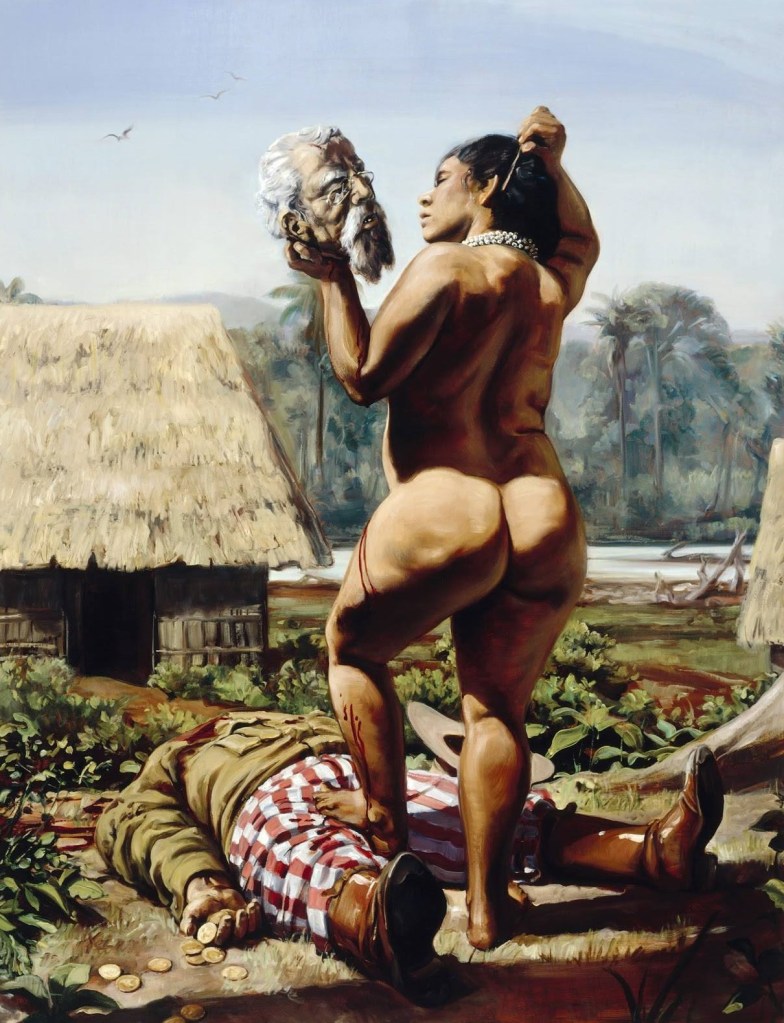
Similar to a collage, Lezama’s themes incorporate both ancient and modern concepts, creating a unique fusion. American underground cartoonist Robert Williams offers a parallel example of combining time streams to create branching storylines. Both artists employ the surreal quality of this image-streaming effect to challenge the beliefs of their viewers, leading them to reflect and question their own perception of reality.
The Mestizaje of All Things
Lezama believes that the Mexican nation is an imaginary family that exists in the realm of imagination before becoming a reality. Lezama considers himself a hetero-Mexican. By exploring the intersection between indigenous cultures and colonization, his search sheds light on various aspects of rites of passage and cataclysm.
A crucial point to note: death is a prominent theme in Lezama’s work, yet there is no ultimate or definitive death. When an individual changes their life, the person they used to be ceases to exist. There is always something left incomplete. Similar to a thriving world ecosystem, each part relies on the other.
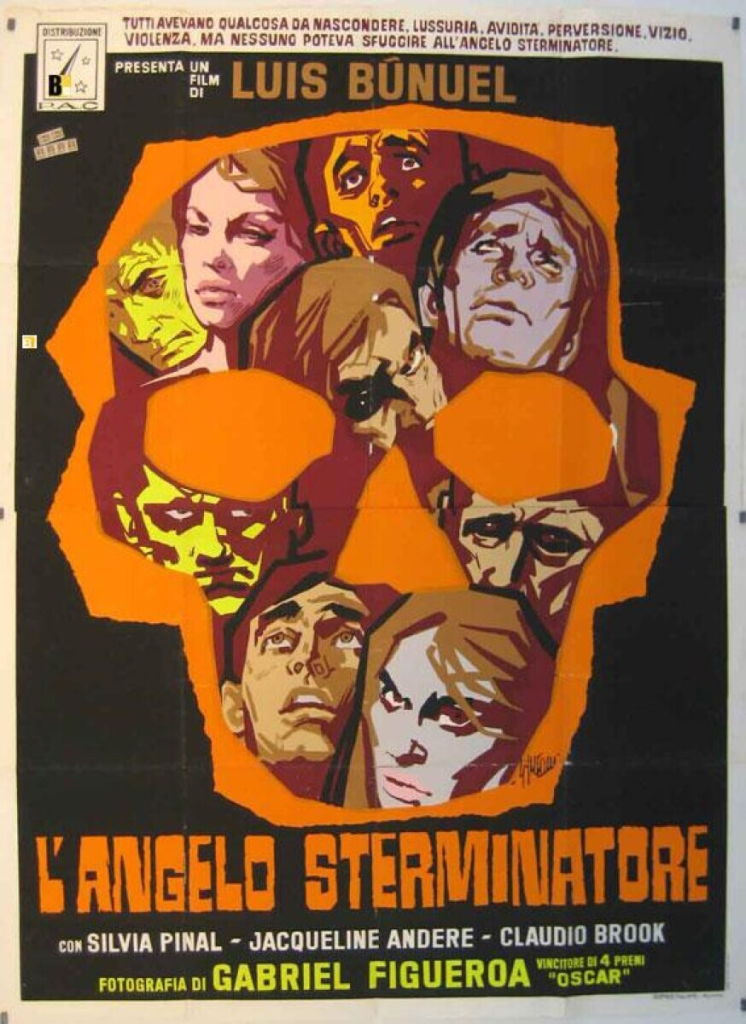
La presente reseña está basada en las películas “La mamá y la puta” (1973) de Jean Eustache, de origen francés y “El ángel exterminador” (1962) de Luis Buñuel, filme mejicano. En principio según Georges Pérec en su libro Especies de espacios, señala que: “El espacio es una duda: continuamente necesito marcarlo, designarlo; nunca es mío, nunca me es dado, tengo que conquistarlo” (…)”, “Mis espacios son frágiles: el tiempo va a desgastarlos, va a destruirlos: nada se parecerá ya a lo que era” (…). Espacio privado sería, por lo tanto, aquello que nosotros ocultamos de los demás, para no ser expuestos en nuestros secretos más íntimos al resto. De esta forma, el otro se transforma en amenaza constante que vulnera nuestra fragilidad como ser humano. Desde siempre el hombre ha construido refugios, casas u otros para guarecerse del entorno y además quedar oculto ante el acoso de una presencia externa que puede aniquilarlo, ello supone entrar en una zona delicada o zona íntima, lugar donde cobijamos nuestro verdadero yo o secreto más íntimamente guardado: Una vida que transcurre en público, en presencia de otros, se hace superficial. Si bien retiene su visibilidad, pierde la cualidad de surgir a la vista desde algún lugar más oscuro, que ha de permanecer oculto para no perder su profundidad en un sentido muy real y no subjetivo. El único modo eficaz de garantizar la oscuridad de lo que requiere permanecer oculto a la luz de la publicidad es la propiedad privada, lugar privadamente poseído para ocultarse (Arendt, 1996, pp. 76-77).
Pues bien, con relación al concepto explicado, los filmes presentados son expuestos de acuerdo con la transgresión permanente de nuestra zona frágil, ese contacto con el otro que se convierte en extrañamiento, porque desconocemos su verdadero origen y sus razones, y si lo conocemos, se convierte en una intimidación contra nuestra intimidad. En el primer film “El ángel exterminador” los invitados están siempre dentro de la casa, sorprende el hecho que no sean capaces de abandonar el lugar, por una especie de protocolo que raya la locura y se expresa en el temor hacia lo desconocido (esto habita en el exterior). En relación a los hechos transcurridos en esta casa, observamos cómo se van perdiendo gradualmente los límites entre las personas, lo que se manifiesta en una constante transgresión al territorio interno, y cómo además ellos mismos, no se dan cuenta de la vulneración permanente de estos. Así por ejemplo, podemos observar la carestía de recursos básicos para la vida: la sed, el hambre, problemas de higiene, competencia, superstición, etc. En este aspecto, la vulneración estaría definida como la crudeza con la cual nos observa el otro, en todo el ámbito real de la persona, que ya no ostenta esa máscara de carácter social, teniendo en cuenta que esta careta lo tendería a salvar frente a la mirada acusadora de ese otro, que finalmente es como él, entonces se hace un juicio desde su misma perspectiva social; con lo cual ese juicio puede ser más crítico aún.
En este sentido, llama la atención y viene al caso recordar el cuento de Cortázar “Casa tomada” en este los hermanos tienen un lazo afectivo simbiótico con la casa y esta se presenta con un aspecto orgánico y oscuro, desde este territorio, los hermanos constantemente huyen de presencias que se van acercando gradualmente hacia ellos, con lo cual finalmente deciden huir.
En la segunda película, apreciamos cómo el cuerpo desnudo (objeto de permanente fragilidad) constituye un lugar de constante vulneración, en nuestro inconsciente colectivo está escondido el temor al ultraje, el temor a la violación de nuestro cuerpo, visto este como templo que debemos cuidar, pues bien estos límites se difuminan cada vez más en este film francés. Sobre todo, en el momento en que la enfermera (Veronika) comienza a visitar la casa de Alexandre con su pareja (Marie). Ello se aprecia visiblemente cuando se produce el traspaso desde los límites corporales hacia el contacto con los otros y en esta parte nos preguntamos: ¿Realmente nuestro cuerpo es vulnerado con el acto sexual?, a la vez se plantea: ¿el amor como elemento importante, puede salvarnos de ser ultrajados?
En relación a esto, observamos el espacio íntimo vulnerado en una realidad que sofoca, y es porque después de las revueltas de mayo (1969) todo ha perdido importancia, las cosas, así como hombres y mujeres se han aburguesado hasta el punto que incluso el cuerpo pasa a segundo plano y ya no existe el miedo a desacralizar esa zona frágil, por ello está en constante transgresión, lo que se aprecia también en la relación anterior de Alexandre con una antigua pareja, donde la violencia constituye otra forma de someter al cuerpo y traspasar el territorio íntimo de cada uno de ellos.
Claudia Vila Molina Profesora de lenguaje y comunicación de la PUCV, poeta, estudiante de Magister en Literatura Comparada en la universidad Adolfo Ibáñez.
RESEÑA CRÍTICA DE CINE: Destino predestinado en la mujer de la calle Por Claudia Isabel Vila MolinaL
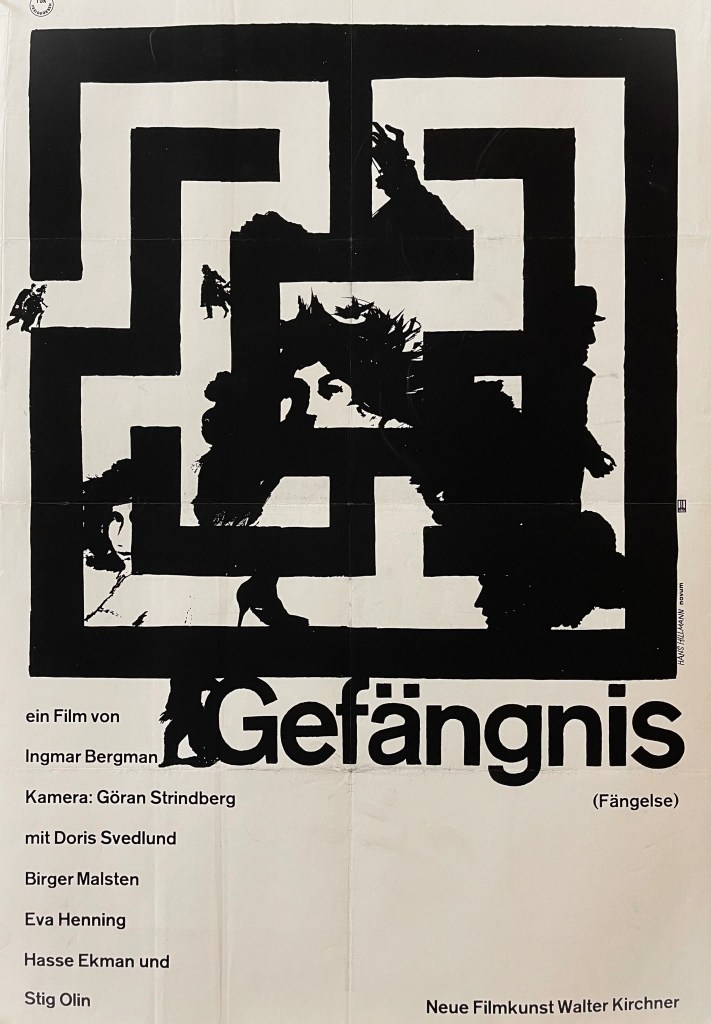
A siguiente reseña está basada en el análisis de las películas “El demonio nos gobierna” (1949) de Ingmar Bergman y “Los hermanos de Rocco” (1960) de Luchino Visconti. En ambas tramas se aprecia como la mujer que ejerce la prostitución, con una vida dura de por medio, tiene un momento de salvación y liberación en el cual trata de salir de este destino. Esto se aprecia cuando conoce a un nuevo hombre que le ofrece un mundo distinto y ella logra tener una esperanza desistiendo de su destino forzado en la vida de la calle; pero desgraciadamente y en los momentos finales, la fémina muere aplastada por el peso de las circunstancias, que le señalan que esta nueva realidad liberadora es imposible.
En la película “Los hermanos de Rocco” (Visconti) se observa como dos hermanos marcados por la pobreza se sienten atraídos emocional y sexualmente por su vecina Nadia, quien luego del rompimiento con Simone opta por involucrarse con Rocco. En este punto, el hombre le ofrece a Nadia otra forma de vida; ya que la trata con cariño y respeto. Por ello, Nadia comienza a pensar en dejar la prostitución para estudiar y cambiar su vida, pero una desgracia detiene este hermoso objetivo. En el caso del filme “El demonio nos gobierna” (Ingmar Bergman) a Briggitte Carolina se le obliga a abandonar a su hijo recién nacido, el cual es asesinado por manos de sus captores, uno de ellos es el padre de la criatura. Durante sus sueños, Briggitte observa repetidamente el llanto del niño y la ausencia de este mediante elementos simbólicos potentes, que implican varios significados.
De acuerdo con lo comentado, en ambos filmes se aprecia un destino marcado o teoría del determinismo, la cual se observa claramente en la magistral obra “Edipo Rey”, ya que sobre su protagonista pesa la advertencia del asesinato a su padre y su posterior matrimonio con su madre Yocasta. Sigmund Freud menciona que “El oráculo planta la misma maldición sobre nosotros, dirigir nuestro impulso sexual hacia la madre y nuestro primer odio asesino hacia nuestro padre” “Nuestros sueños nos convencen de esto”. Edipo rey es una tragedia que gira en torno a un elemento fundamental: el ser humano no puede escapar de su destino. En la cultura griega, el destino se representa con un final inevitable.
Con relación a esto, la figura de la mujer no tiene redención posible, ni puede acceder a un cambio favorable en su vida, porque está “obligada” a seguir esa vida de submundo, por lo tanto, la pregunta que surge es: ¿Por qué la mujer no es libre de acceder al conocimiento de otras vías, como la cultura y el estudio que la dignifican mucho más? Por ello surge la interrogante acerca de: ¿Quién es realmente el que juzga y castiga a la mujer por permitirse conocer otras formas de vida, ante la realidad brutal que le ha tocado vivir? ¿Es ella misma?, ¿La sociedad?, ¿El hombre como ente dominador?, ¿La iglesia como institución?, ¿El sistema estatal?, ¿U otro organismo?
Incluso se podría mencionar al inconsciente colectivo, guiado por el aspecto masculinizante, quien determina con anterioridad el camino trazado por la prostituta de la calle.En el análisis se advierte una mirada respecto a la liberación de la mujer frente a la toma de conciencia de nuevas realidades, antes ignoradas.
Finalmente, de acuerdo con la línea de cada filme, se observan diferentes influencias que confluyen para determinar la visión del rol femenino dentro de la época. En el caso de la película “El demonio nos gobierna” la cual presenta varios rasgos del cine negro y expresionismo alemán, se puede mencionar que debido justamente a estas influencias es que se produce el desenlace marcado claramente por la tragedia: “Las películas expresionistas son consecuencia de un estado de miedo colectivo, de una sociedad alienada por la modernidad. Al hombre le asusta lo que está sucediendo en su entorno, no entiende qué pasa y quiere huir de este mundo caótico y “liberar al objeto de su vínculo con otros objetos, en definitiva, convertirlo en absoluto” (Eisner, 1996).
En relación con el filme “Los hermanos de Rocco” se puede afirmar que está guiada por el neorrealismo italiano, hay un contraste entre estos afuerinos venidos desde el mundo rural hacia la ciudad, esto produce un choque de este mundo contra la modernidad expresada en la urbe, por ello la imagen de la prostituta que solo puede ejercer este oficio, como una parte más de este gran engranaje que está representado por el sistema social. El punto en que ella intenta deshacerse del yugo autoimpuesto es el momento en que perece por la misma modernidad, que augura su permanencia dentro del gran mecanismo y relegación del mundo interior de las personas, sea así el rol de la mujer como un ente que debe seguir el rumbo ya trazado.
Referencias bibliográficas-Alberdi, M. Una mirada al cine negro. La Fuga, 1, 2005
Claudia Isabel Vila Molina 09-22-1969 Writer born in Viña del Mar, Chile. She is a language and communication teacher (PUCV), poet, editor and literary critic. She is a Master’s student in Comparative Literature at the UAI in Santiago, Chile.
Rizoma comestible, tubérculo sanador, yema axilar e interrumpida, epigeo brote conquistador de jengibre, lúpulo y cúrcuma medicinal. Rizoma incontrolable, inalcanzable, rebelde rizoma de venas de tallos subterráneos e ingobernables. También eres nutriente, órgano de reserva para las plantas y sostienes con tu amor horizontal los tallos perennes. No eres inmortal ya que mueres de vejez con el curso de los años; pero en verdad no mueres nunca, nuevos tallos inquietos brotan y siguen y se quiebran y siguen y los cortan y se doblen y siguen creciendo. Se aferran al suelo, ramificándose y creando esa red entrelazada de conexiones que los mantiene vivos y unidos. Rizoma difícil, no eres estático ni sistemático Tienes tantos puntos de vista y miras por todos los ojos la creación de la tierra.
La nieta del brujo
El pájaro austral canta debajo de la lluvia balanceándose en el árbol rezado y superviviente. Pica los limones y entona. Caen las semillas en la poza de agua que lava sus raíces; dedos rizomas: brotan flores cítricas que nadan. Llueve en el jardín del curandero. Don Manuel Antonio Lezana es sereno; sabe leer el idioma antiguo. El de la piedra. El tallado…
Oficio antiguo
Somos los cultivadores brujos, los de la marca en el cuerpo, nuestro oficio es la botánica de la sobrevivencia. Somos los gentiles, observamos la belleza en el micelio del auxilio. Vivimos muchas vidas: eres bienvenido a regar nuestras tierras.
Árbol brujo
Dormí en tu halo tardes de primavera, hice el amor con el destello del sol que penetraba tus hojas calientes. Subrayé mi nombre en la secreta elevación de tu mejilla. Es verdad tu belleza, es verdad al caer el agua en tu humedad y tu sudor de invierno. Comí cada hongo alucinógeno proveniente de tu mutación, me cobijé del sol neurálgico cuando mi piel ardía, descansé mis huesos sudorosos en tu sombra, canté el nacimiento de pájaros en nidos de pelo lobo. Aprendí el nuevo idioma de lo recóndito, de las profundidades, de lo mas sublime de las estrellas…
Recorrer los textos de Árbol brujo es aceptar el curso de un río; flotar sobre aguas que cambian de velocidad sin advertencia. Adentrarse en sus palabras significa estar dispuesto a habitar el micelio de la autora, recorrer sus hebras y vivir en sus espacios. Buscar nuevas entradas y salidas, pues como dice Victoria Riquelme: «nunca ha de cerrarse ningún camino». Un rizoma de lenguaje feroz y sensual será lo que encontrarán en estas páginas.
Ma petite histoire sans fin ! Passionnée depuis toujours par divers les matériaux et aillant une grande prédilection pour les tissus !
J’ai commencé à travailler au Journal ELLE, Jardin des Modes,100 IDEES,Jours de France, Journal Femme, et autres journaux comme rédactrice de mode, parallèlement j’ai aussi commencé à travailler comme styliste en publicité ,pour de grandes agences de Publicite :Hélène Rubinstein, Danone, Kodak ,Nazareno Gabrielli-Milan/ORO BLEUE-Milan.
De 1970 à 80 avec le photographe Frank Horvat, j’ai réalisé seule le livre-Vraisemblances- 50 costumes, fonds photo teintures, peintures, bijoux et stylisme. J’ai aussi participé au choix des photos.
J’ai aussi réalisé quelques décorations d’intérieur d’apres mes dessins pour certaines actrices de cinéma.
Puis j’ai commencé à faire des costumes pour le théâtre notamment pour les Colombaioni à l’Olympia,cinema etc…
Suite à la rencontre avec Giancarlo Petrolati, décorateur avec lequel nous avons monte
l’Atelier des 3 Coups- pandant 40 ans Nous avons travaillé pour l’UNESCO-Paris ainsi que pour divers musées dans le monde ! Japon, Portugal, Paris, Suisse, Belgique, Italie. En 1990 en collaboration avec et pour Claude Lévi-Strauss, j’ai réalisé des sculptures grandeur nature (indiens) en textile (3 tribus du Mato-Grosso-Brésil) pour l’exposition-Les Amériques de Claude Lévi-Trauss- au musée de l’homme Paris.
Puis pour Paul Emile-Victor en 1989 au musée de l’Homme Paris j’ai réalisé des Eskimos grandeur nature pour l’exposition -Eskimo-
Parallèlement j’ai toujours eu un travail personnel que j’ai exposé régulièrement dans les galeries, musées & salons .
Musée National de Norvège-exposition Louise Bourgeois-Oslo/Musée des Champs Libres-Rennes/musée Cérès Cérès Franco Montolieu/musée d’Art Brut-Montpellier/musée Villa Montebello. musée Mona Bismarck-Paris/musée Mendjisky-Paris/Le FIAA-Le Mans/musée Cite du Train-Mulhouse/musée Toine Colot-Belgique/musée du Tunnel du Gothard-Suisse/musse du Plan incliné-Ronquieres-Belgique/musée de la mine-liège/musée de la Mine Bleue-Noyant-la-Gravoiere/musée Guerre et Paix-Ardennes/musée de la forêt-Renwez/musée de la carrière de pierre-Givet-France/musée Cristallerie Saint Louis-Saint-Louis-les Biche/Hôtel de Sully-Paris/Bibliothèque Bilipo-paris/musée Gustave Flaubert et de la Médecine-Rouen/The National Art Center-Tokyo/musée Bohin- Saint-Sulpice-Sur-Risle/musée des Beaux-Arts-Carcassonne/musée des Champs Libres-Rennes/Galerie Kiron-Paris/musée Mini Textile-Italie/Vibrations Textiles-Paris/musée de la photo-Paris/
Mes sculptures sont visibles en permanence-au Musée d’Art Brut-Montpellier/musée Gustave Flaubert et de la médecine-Rouen/ Musée de l’Homme-Paris /Cite du train-Mulhouse/musée du plan incliné-conquières-Belgique/musée Arthur Masson-Belgique et…
Salons : Art Capital-Comparaisons-Paris/AAF-Paris/Figuration Critique-Paris/Salon d’Automne-Paris/Biennale 109-Paris/Salon des Beaux-Arts-Paris/Salon-XI’AN-Chine Art Partage-Rives/Hors Normes-Praz-sur-Arly/Chic Art Fair-Paris/Aix-en-oeuvres à Aix-en-Provence organisé par Andréa Ferreol
Galeries: Edgard le Marchand-Paris/Beaubourg-Paris/Art-Top-Lille/Not a Gallery-Paris/Galerie75-Rouen/l’Ecu de France-Viroflay/Chez Colette-Paris/Cécile Dufay-Paris/ST’ART-Paris/Espace Aliès Guinard-Chaillon/ l’oeil de la Femme à Barbe-Paris/Artcompulssion-Montpellier/Artistes Actuels-Paris/Collection Gallery-Chypre/
PRIX Jean Anouilh 2019/ PRIX Taylor 2021/PRIX Attention 2022 / PRIX Bohin 2023. rebecca-campeau@hotmail.fr http://www.rebecca-campeau.com
El arte de la basura. La basura del arte. La creación como desperdicio. Desperdiciando la creatividad a través de la basura acumulada en una calle del vecindario, en el desierto, en loscaminos del agua, en la frontera. Es arte la basura? No en principio, en los principios del arte la basura no existe,latécnica requiere de objetos calificados para lograr el objetivo de la “belleza” y por tanto en esta belleza no existiria la basura, aún así el uso de los materiales empleados dará como resultado “residuos” y estos residuos son la basura, lo despreciado que irá a dar al basural el basural de la ciudad lo recoge el artista que creará una obra de arte con esta o con cualquier residuo. Las galerias y museos no exponen basura, la basura que antes se escondia ahora ya no se puede esconder, la tenemos aquí como montaña o como laguna, como materia de importación y exportación. ¿Es progreso la basura? Es un adelanto? No. Ahora el arte es progreso? Es adelanto una obra de arte?no, pues el arte tambien crea un subproducto llamado basura y entonces la basura es un problema? La natraleza no humana,npo produce basura estoda muerte-vida-muerte se convierte en alimento de principio a fin.
La basura es el subproducto de hombres y mujeres codiciosas, temerosas del vacio, del silencio, de lassombras y por esto sobrellenan, sobrecopan y reproducen de modo insensible objetos prontos a la inutilidad, incluyendo el vestuario dañino confeccionado con hilos sinteticos, y la destrucción progresiva de nuestra naturaleza. Por cierto destuyen la tierra y el agua, el cielo y losmares pues créen que les pertenecen, se creen los amos y dueños
Ricardo Enrique Castro Guerra
Es un asunto de querer magnetizar los elementos encontrados. Unirlos como si fueran una solución a un problema, sin tener , ni presentarse como problema. Al encontrar un objeto se van produciendo solas las uniones, la visión de esa reunión empieza a crear se su propia obra. Una inspiración creativa que se gesta a través de las palabras y las acciones. Arte de acción, teatro, poesía, plástica.
Nacido el año de 1961 y dedicado a la creación artística desde entonces, cuento en la actualidad con 62 años y perseveró con entusiasmo en la creación de poesía, obra plástica y conciertos de poesía.