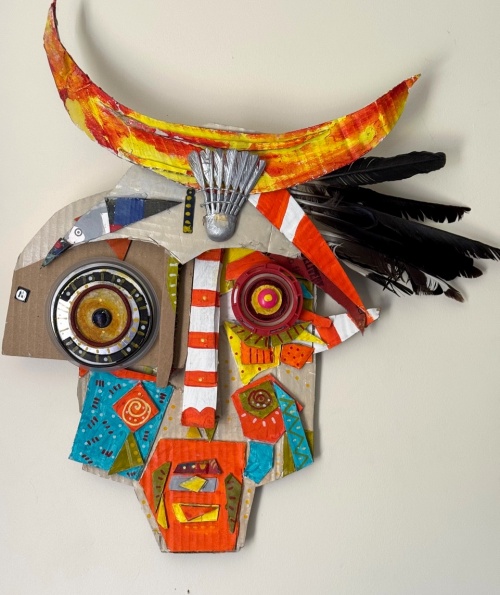
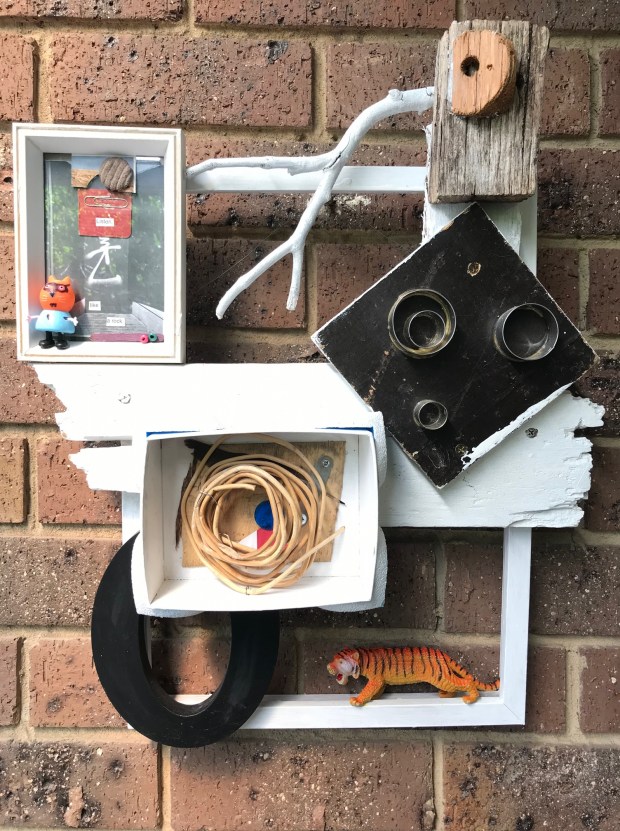
Ancestor, February 2024. Cardboard, feathers and found materials.
We live inside a culture whose overriding goal is to keep us distracted, afraid, addicted and constantly triggered and disconnected from our authentic selves.
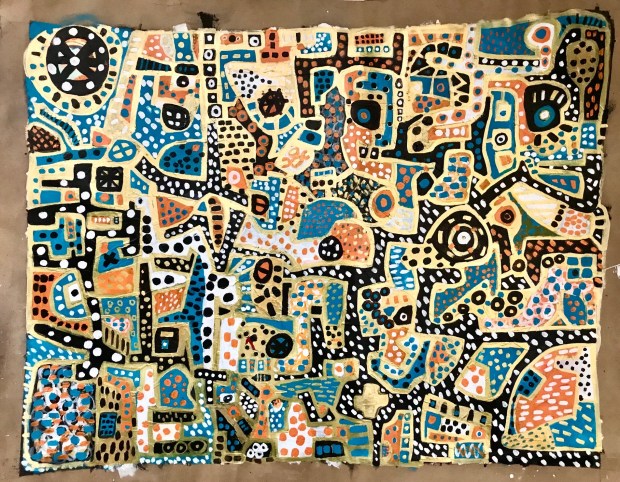
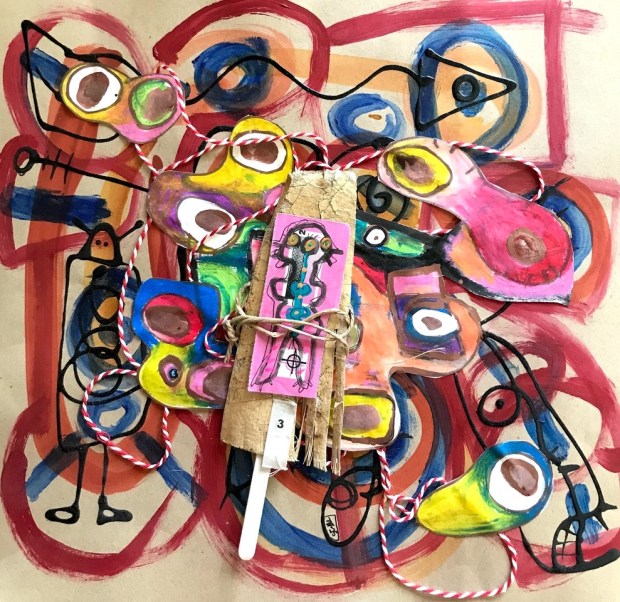
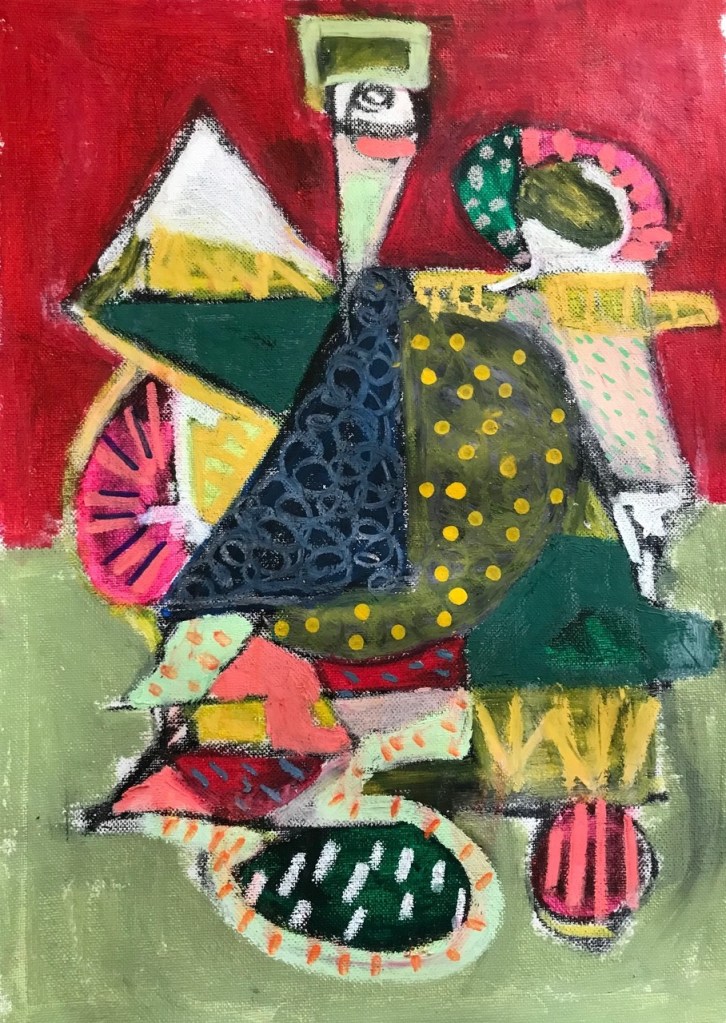
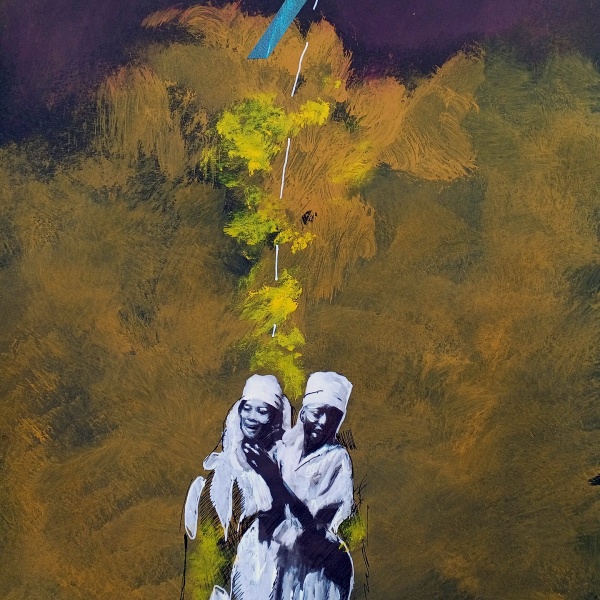
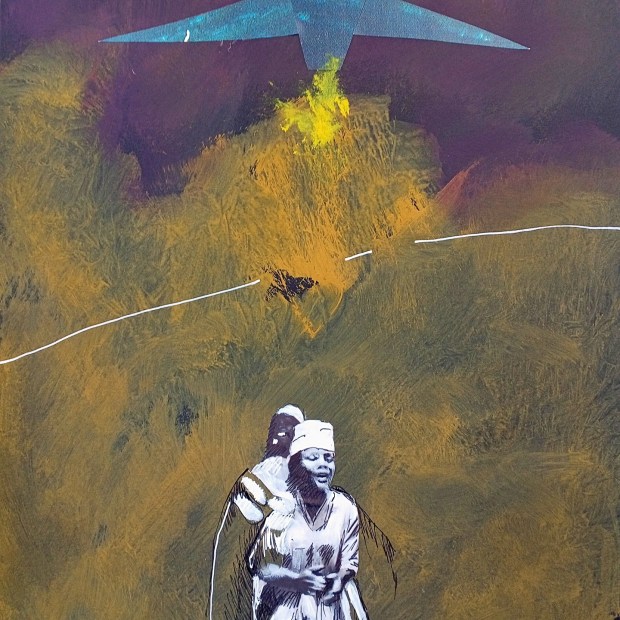
Snakes, ladders and chaos Tim White August 2025. Acrylic paint, oil pastel and paint marker on industrial paper
Art is an antidote, a map guiding us to an authentic lived experiences and a life-affirming revolutionary principle.
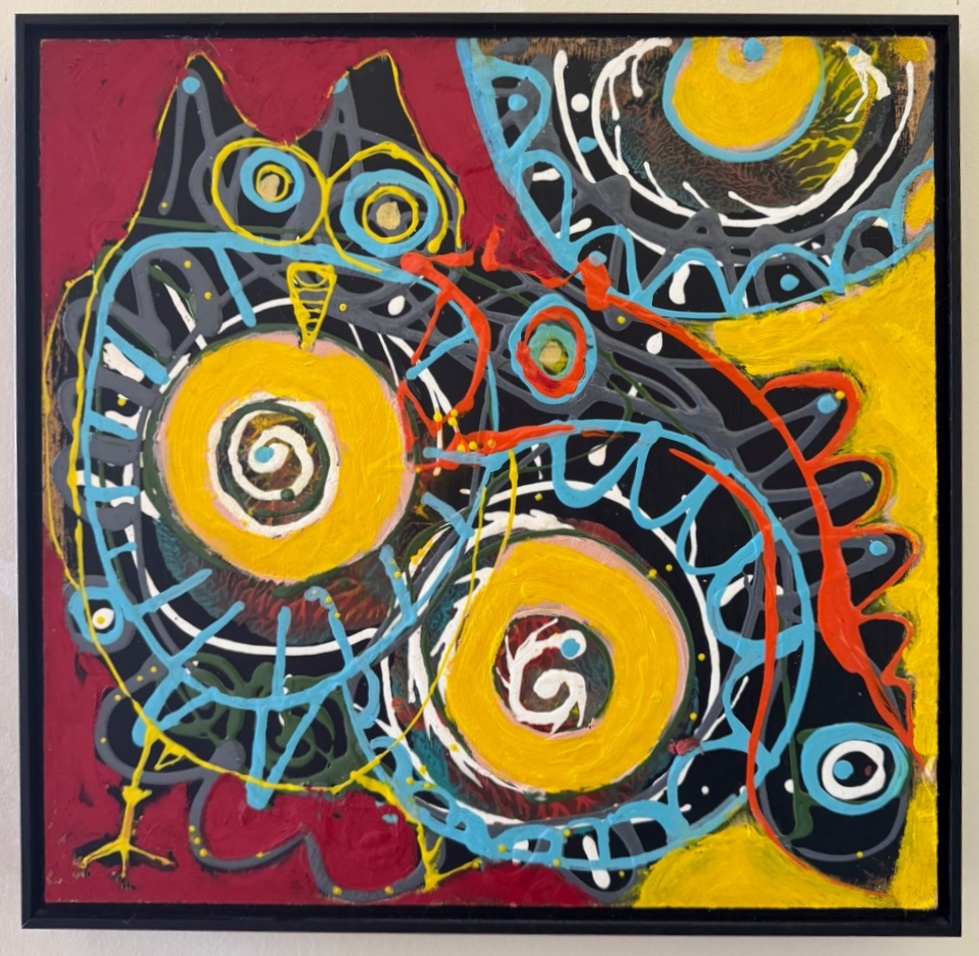
IlluminousDancing with the SpiritsThe Garden
John Trudell, North American Indigenous activist, declared, ‘When one lives in a society where people can no longer rely on the institutions to tell them the truth, the truth must come from culture and art’. In this context, of what therapist and medical doctor, Gabor Maté calls a ‘toxic culture’ the need for truth is critical and urgent.
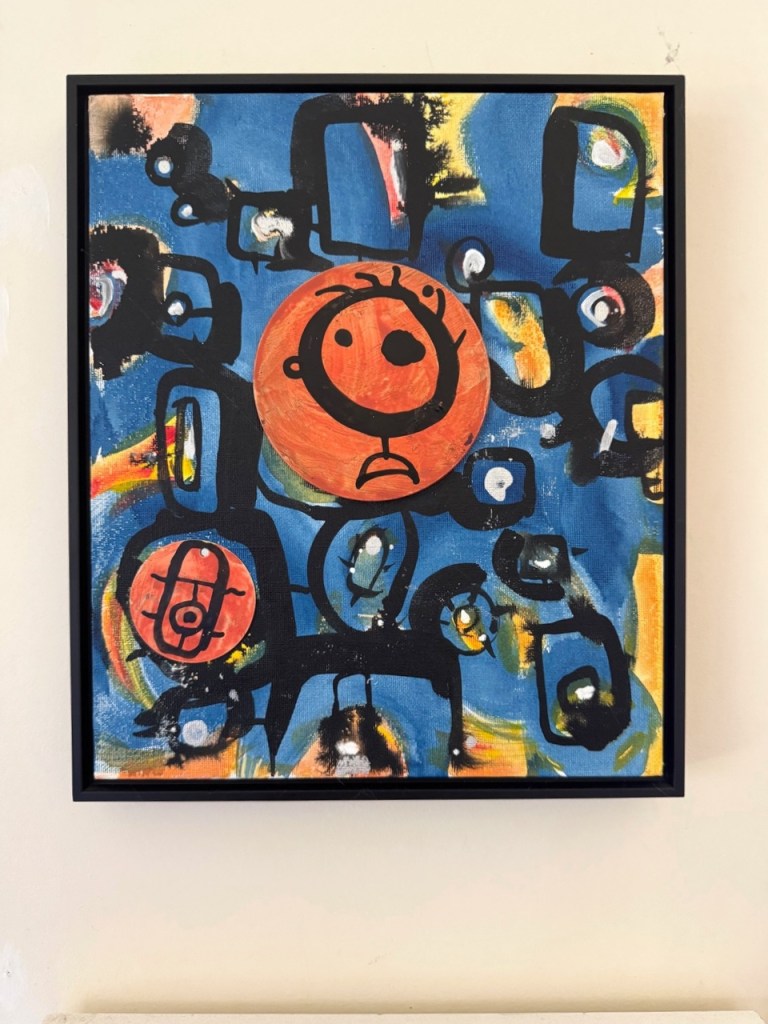
FamiliarsLost child with beetle
The idea that art and poetry, and all the rich diverse forms of expression which connect us to each other can immunize us against the malignant virus of colonialism, capitalism and patriarchy is deeply appealing. That this wisdom comes from the deep spring of Indigenous knowledge and resistance, and despite the ongoing depredations of colonialism, is compelling.
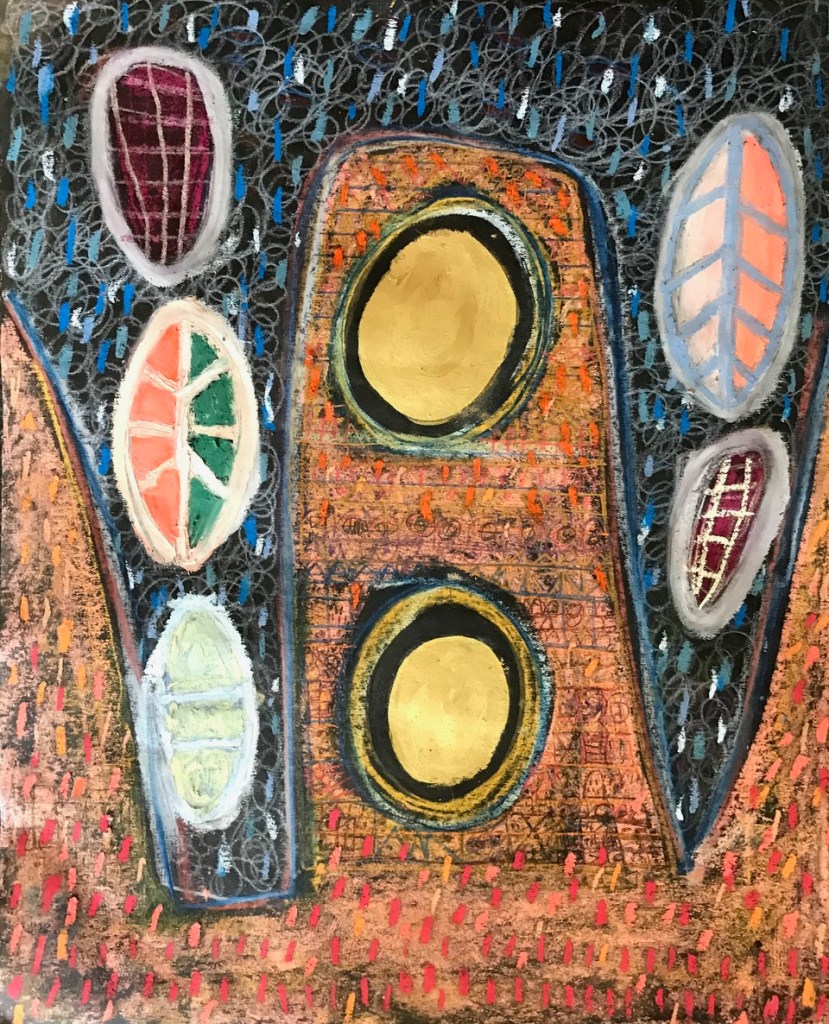
Autonomic
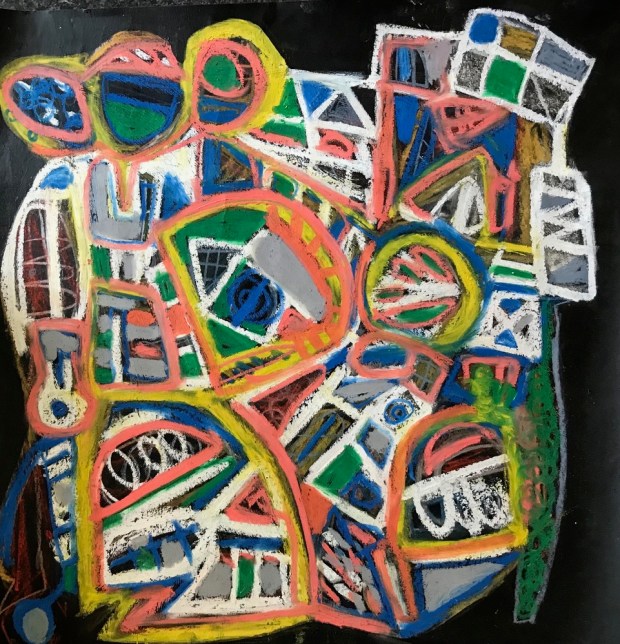
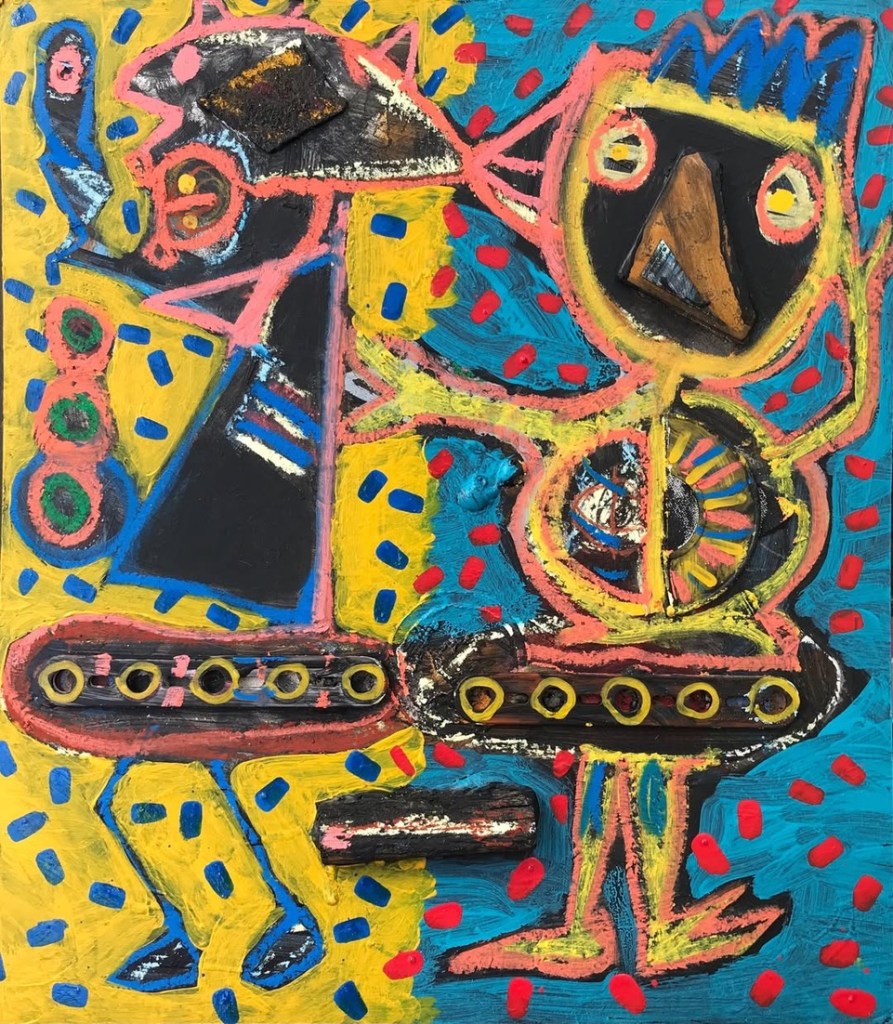
The broken bits of the world I collect and use: the scraps of paper, plastic and metal, the discarded and rejected materials are clues and tools helping me puzzle my way out of the colonial-capitalist labyrinth. They are medicines too, the materia of transmutation, which once distilled provide essential healing and deepened connection with the biosphere and all it nurtures.
Obscene icy pole
As African American feminist bell hooks writes, ‘The moment we choose to love we begin to move against oppression’. This process of resistance, of healing through love, is an essential part of overthrowing the dismal and diminished life the masters of misery want to force on us. And it is from this love, from the sources within our imagination and in solidarity with others we can assemble a ‘new world inside the shell of the old’.
Iron Hills of Adversity Prime Optimus Vs Panoptic Octopus
For me, the found and discarded objects and materials used in my art carry a promise and reminder of profound possibilities subsumed in everyday life beyond the superficial substitutions of a hollowed-out AI virtuality. That even everyday junk and detritus call out to be up-cycled and politicised demanding a place as emblems of a transformed future, and are always on hand as building blocks for a new world, is a source of joy and inspiration.
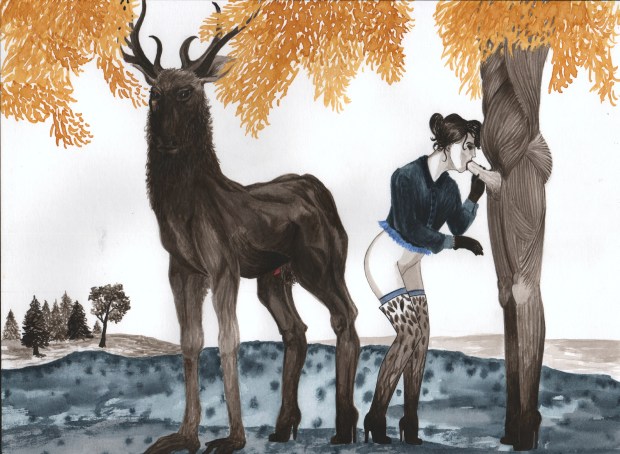
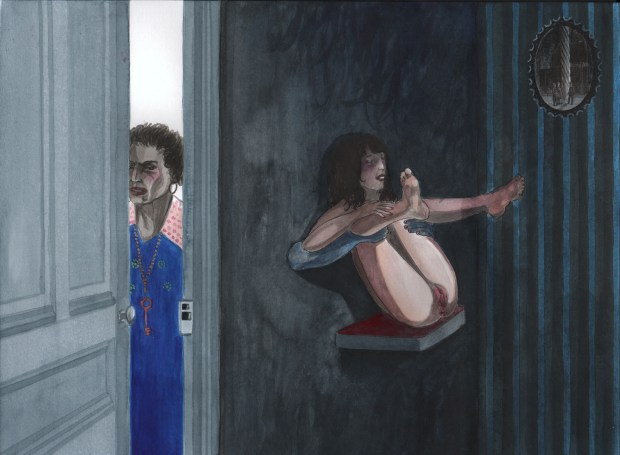
L’œuvre de Rajah Foo est souvent marquée par une touche gothique. Son travail utilise le suspense, des images troublantes et des paysages ruraux pour créer des récits visuels. Ces œuvres suscitent des émotions profondes chez le spectateur. Au cœur de son travail se trouve le thème de la pénétration et du désir. Les scènes entraînent le spectateur dans une célébration de la libido.
J’étais étudiant à L’école des beaux-arts de Nancy en France. Je discutais avec la professeure de culture générale, Geneviève B. Tout ce que je produisais était lié l’énergie sexuelle: sulptures représentant des couples de danseurs, minotaures, peintures et dessins pornographiques. Tout cela etait loin de tout ce que je voyais chez les autres etudiants, à l’introspection conceptuelle. Les enseignants étaient gênés par mon travail. Geneviève m’a dit d’un mot: tu es un artiste différent.
La coquille bleue
J’ai découvert, alors que j’étais enfant, dans la bibliothèque de ma mère le livre de ” Pauline Réage ” Histoire d’O. Une lecture comme un éblouissement. Plus tard, Sade dont la biographie m’a plus impressionnée que l’œuvre. Je fais de Freud et David Lynch, des compagnons intimes, quitte à les trahir, pour explorer l’opacité du désir. Mais j’ai peur d’être trop long… ( mythologie grecque, Bataille, Klossovski…) j’ajouterai simplement que la littérature m’a touchée la première, avant la peinture ou la sculpture.
Diane
Je crois que les deux artistes qui m’ont le plus marqué sont Hans Bellmer et sa poupée, et Max Ernst pour ses extraordinaires découpages comme ceux d’une semaine de bonté.
La fleur crue
Vous voyez, vous avez bien perçu dans mon travail ceux qui l’accompagnent. Un mot me plaît particulièrement dans vos propos: totémique. Il contient une forme de spiritualité, de brutalité et de mystères antiques. Il me fait penser à la fascination qu’exerce sur moi le mythe de Pasiphae depuis que je l’ai lu, enfant. On y trouve la puissance du désir, le scandale qu’il suscite, comme il renverse le monde. Mes dessins sont des images lentes extraites de toute cette exploration.
Le cercle de l’horizon
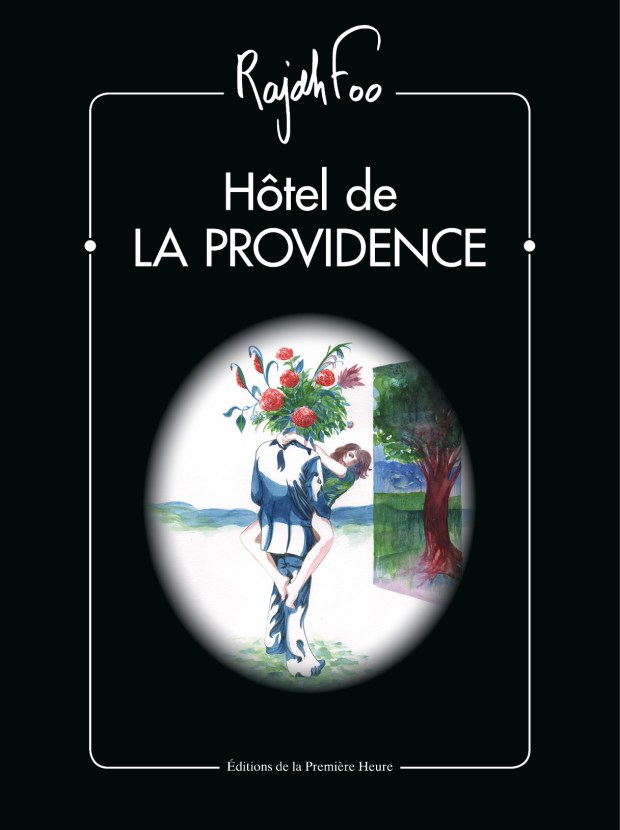
Je ne contacte jamais les galeries, je ne sais pas à l’aise avec les inconnus, et je sais que nombreux sont les artistes qui les sollicitent. Il y a une exception à ce tableau, la galerie Arts Factory à Paris, qui m’a accueilli lors d’une exposition collective, et le 8 octobre cette année pour signer un livre que m’a consacré les editions première heure.
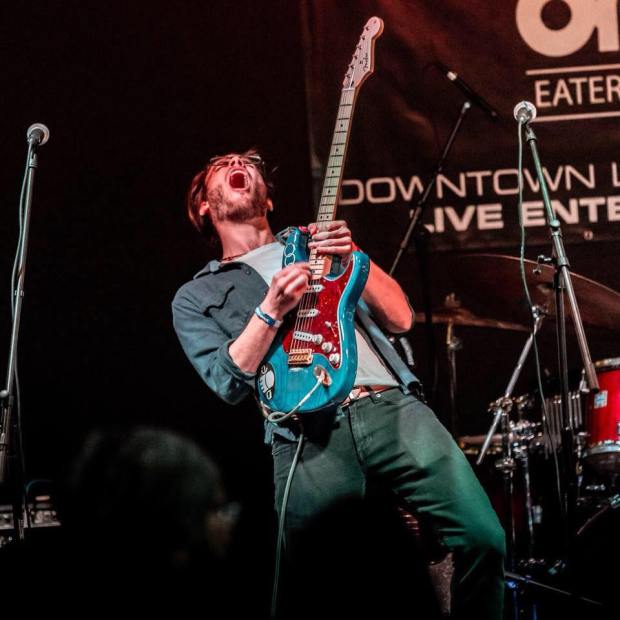
My mother has always told me “it started in the womb, ” so I think music has always been a sort of innate thing for me. My mom would play the piano and sing when she was pregnant and noticed that I would dance and smile to the same songs after I was born. So, I’ve been a musician literally even before I could remember! Which is a really cool thing to think about. Throughout elementary school, I took piano lessons and even joined a steel drum band when I was 12. I played with them until I was eighteen. Growing up in a small, New England town, playing steel drum music in the dead of winter was a superb treat- it’s so hard to be upset when that music is playing. Along the way, my mom would buy me those musician starter packs- the ones with a small amp, chord and stuff. At the time, they were like $100 and my mom would tell me to teach myself. So, I did. That’s how I learned guitar, bass, drums. You name it! I was very fortunate to be exposed to so much music early on in my life- there’s no doubt it impacted me becoming the musician I am.
What gives you inspiration?
I think this, like many things, ebbs and flows. I hate to sound so generic, but I like to write about real life. I’d say, the majority of my songs are about what was going on at the time. Lately, I’ve been on a writing kick that I call “millennial struggles” Ha! I’ve been writing about things like being able to pay rent, not understanding why career growth is so hard, questioning the realities of what my generation was told we could do. Needless to say, going to college doesn’t grant you that white picket fence and a comfortable salary like many said it would…and sometimes still do. So, lately, it’s been a lot of those kinds of talking points.
Which musicians have had the greatest influence on you?
Hmmm. I’ve always been a big John Mayer fan. Song writing wise, he has such a cool way to synthesize emotions and feelings into complex, elegant poetry. In Your Atmosphere, I think, is a beautiful example of that and I’ve always strived to have my “in your atmosphere” song. Still going for it. I grew up listening to a lot of folk, Joan Baez, Kingston Trio, Peter, Paul and Mary. So, I always feel at home with an acoustic guitar and people singing in harmonies. That’s just my roots.
What musical genre is closest to your heart?
I think folk, singer -song writer. In my opinion, it’s the most vulnerable. It’s usually lyric focused and I love listening to what people have to say. There’s something about hearing a song with simple chords, but with words that clearly mean so much to that person. That means the world.
Did you study music in school?
Not formally, no. I studied history and economic development. Spent a lot of time traveling around the other parts of the world conducting research on a variety of these types of topics. I feel very fortunate to have been able to write about subjects like poverty, development, immigration, ethnography, etc. But even though all of this…I’ve always managed to bring a guitar with me!
Abstract Human and Islamic pattern. Handmade Paper, dyes, rust, gold leaf. Dimensions with frame: 67.5 cm × 83 cm Production Year: 2019.
Israa Kazem uses handmade paper as her primary material, breathing new life into it. As it carries its own story. Her work merges the magic of nature with the aesthetics of ancient art civilizations, influenced by Islamic art and miniature paintings creating a style that is both vital and contemporary. The process demands precision, resulting in pieces free flowing lines and texture of the paper lend a unique character to the artwork, in addition to depth and expression—a return to roots. These frameworks surface in her approach to papermaking—a process where chaos (raw, recycled materials) yields order (structured sheets), mirroring the emergent patterns found in nature.
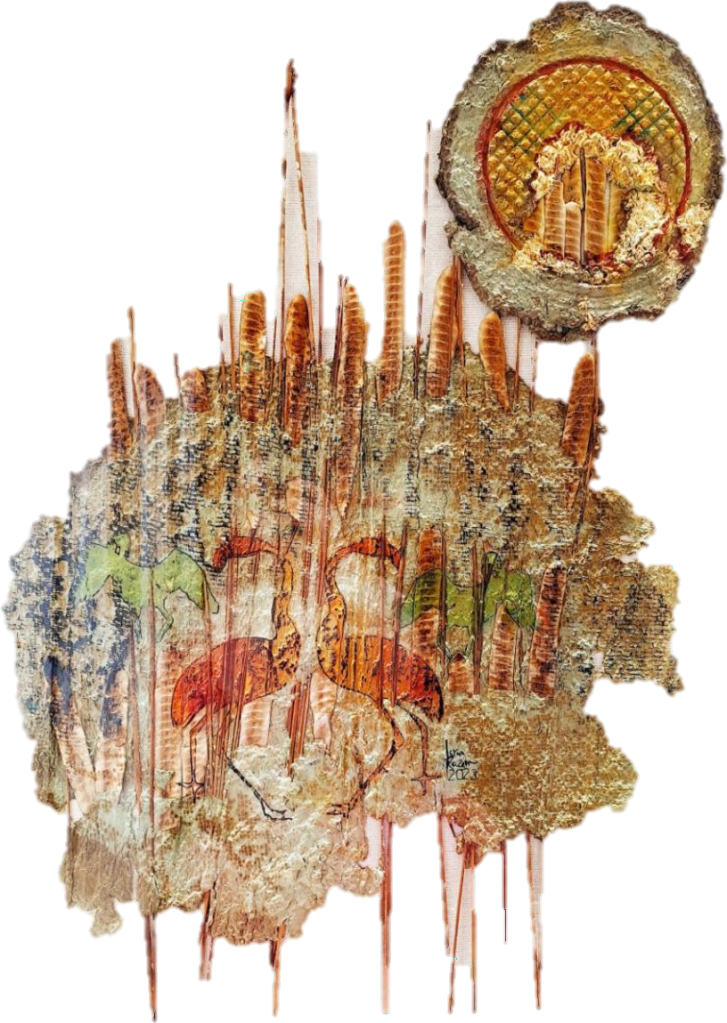
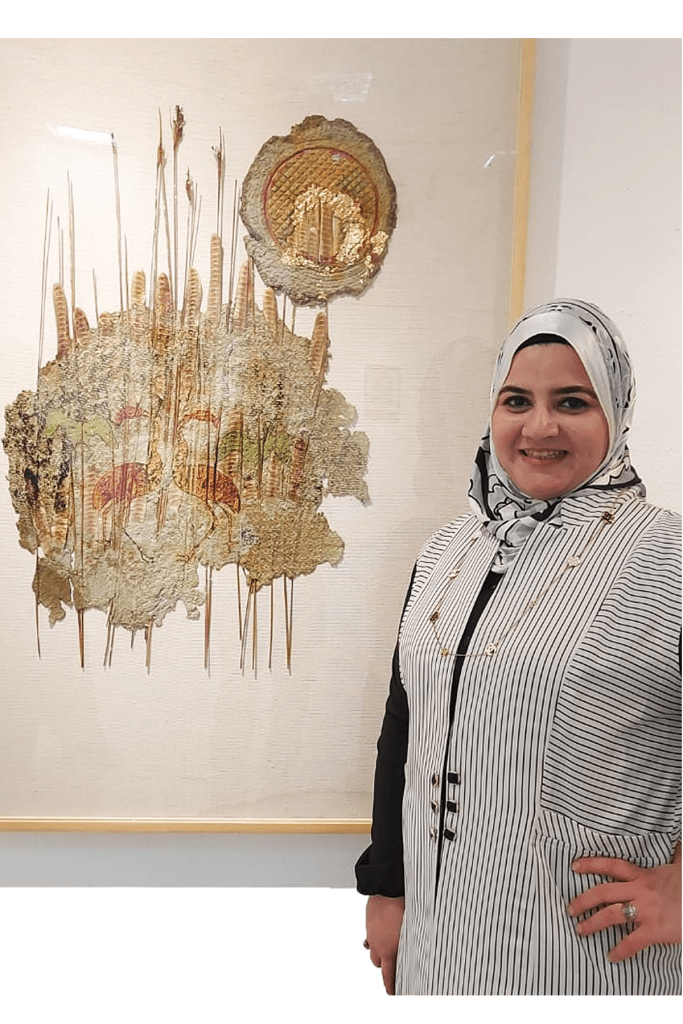
Flamingo reflection and the disk of sun Paper Pulp, Gold leaf, Dried Leaves, Stalks of Grain Plants, Ink, Color Dyes. Dimensions with frame: 132.5 cm × 102.5 cm Production Year: 2023
Her work transforms discarded fibers from wastes into delicate sheets of paper, each piece is a tactile archive, inviting the viewer to contemplation on sustainability and our relationship with the natural world.
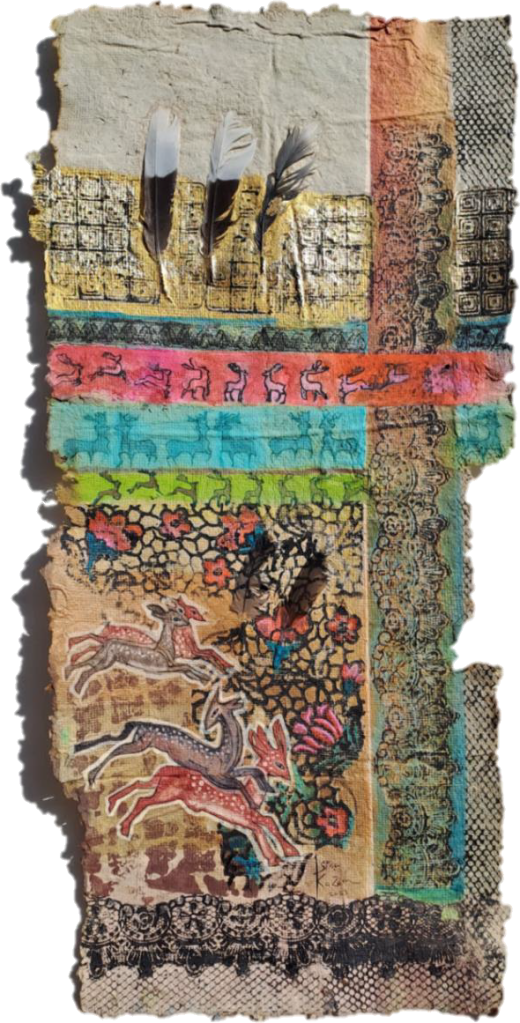
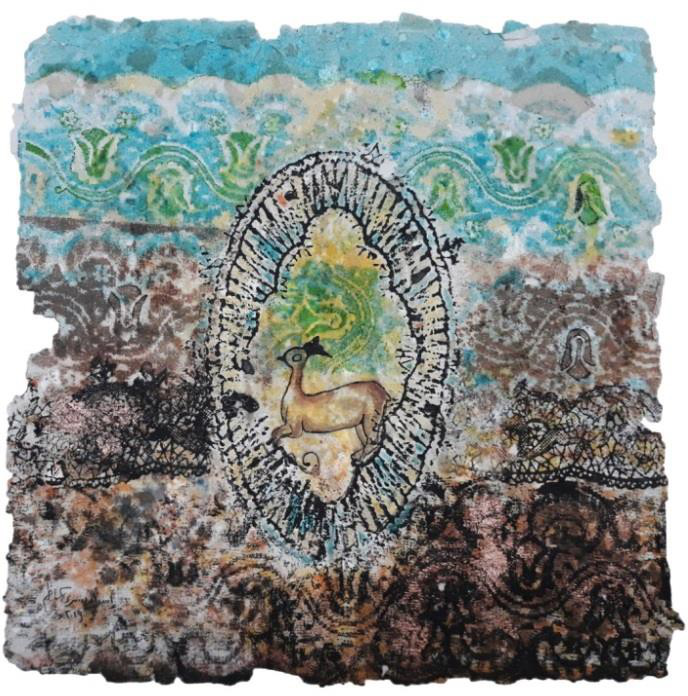
Deer are running on the mountain Handmade Paper, feather, gold leaf, dyes, ink, acrylic pens. Dimensions with frame: 85 cm × 50 cm Production Year: 2024.
She aims to highlight the diversity of living organisms and the different environments surrounding them, especially highly diverse ecological communities.
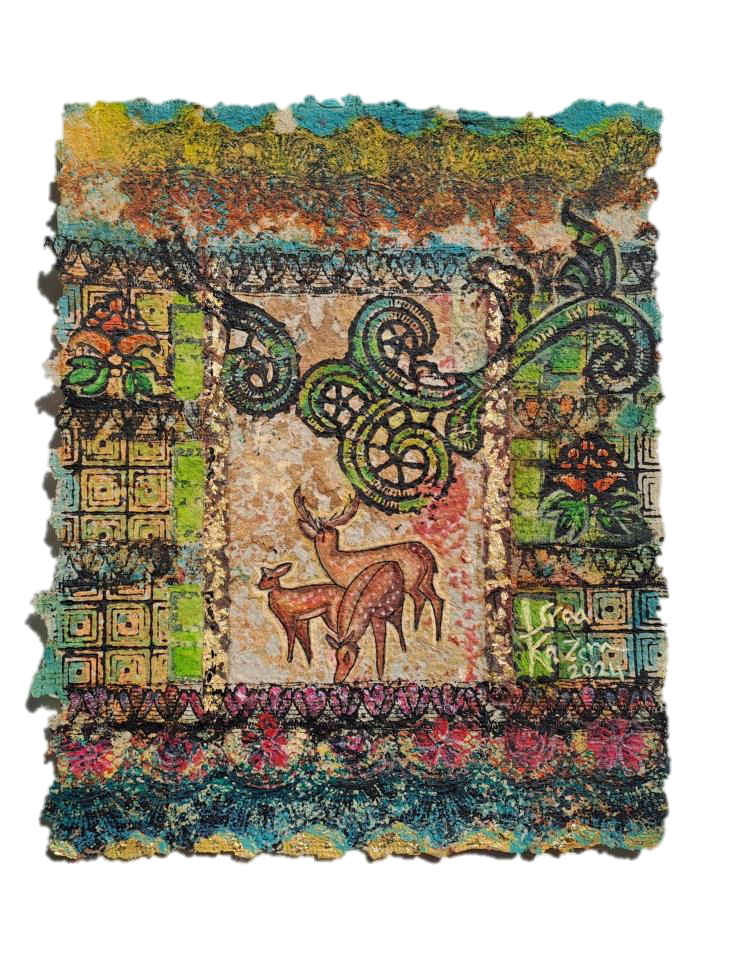
Deer are eating flowers Handmade Paper, dyes, ink, gold leaf. Dimensions with frame: 40 cm × 40 cm Production Year: 2024
This harmony is evident in her paintings, which may combine deer surrounded by geometric patterns, or blossoming flowers where the deer serves as a decorative motif. This fusion creates a visual language that speaks of the balance between two worlds: the world of spirituality and geometric perfection, and the world of life and growth in a timeless artwork.
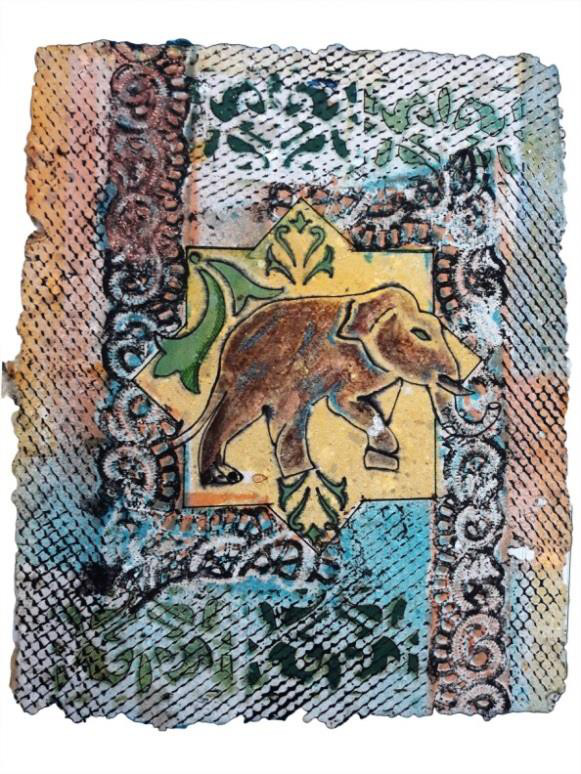
Handmade Paper, Dyes, ink Dimensions with frame: 50cm × 50 cm Production year: 2020
In her artworks collection, the deer refer as a main symbol, not merely appearing as an aesthetic form, but carrying various perspectives and meanings. The artist employs it as a symbol of optimism and new beginnings.
Handmade Paper, Dyes, ink Dimensions with frame: 50cm × 50 cm Production year: 2020
In its grace and lightness, the deer represent hope and the journey toward a better future. In Islamic art, the deer have always been associated with beauty and gentleness, making it the perfect choice to express her vision. The deer is painted in state of stillness and motion depicted in a style that combines simplicity of form and ornamental pattern, giving it a symbolic and contemporary dimension simultaneously. This demonstrates that art knows no bounds, and that the dialogue between past and present can produce creativity that transcends time and place.
Israa Kazem (B. 1987) is a Cairo based visual artist and researcher, holds Bachelor degree of Art Education, Helwan University.
She earned her master’s degree 2015, PHD 2020, in drawing and painting. Kazem is a member of the syndicate of plastic artists. She participated in many international and local Exhibitions. She found her creative inspiration in her drawings and paintings through nature. Kazem employed many drawing, painting, printing and mixed media techniques to achieve her artistic style.
Kazem uses handmade paper and paper pulp and combines them with different materials. Her use of natural materials not only adds depth and texture to her artwork but also focuses on the importance of sustainability in art and life. Her artistic practice reflects her respect for the surrounding environment and express its essence through her own vision.
Solo Exhibition: “Green Border”, Mahmoud Mokhtar Cultural Center, Nahdet Misr Gallery, 2023.
Group Exhibitions: – Agenda Exhibition, Conference Center, Bibliotheca Alexandrina, 12th, 14th, 15th, 16th sessions for the years 2019. 2021, 2022, 2023. – Cairo International Art District Exhibition (CIAD), Second Edition, Art D’Égypte, Downtown, 2022. – General Exhibition entitled “Art…The Memory of the Nation”, the 42nd session 2021, Arts Palace, Cairo Opera House. – White and Black Salon, 5th session, Gezira art center, 2020. – First Time Exhibition, 14th session, Conference Hall, Bibliotheca Alexandrina, 2019. – Second Exhibition: Artist’s Book, Mahmoud Mokhtar Cultural Center 2019. – Dai Festival of Arab Youth, Second Session, 2018. – Exhibition of the accompanied workshops for Cairo Salon 58, Artist book workshop, the Fine Arts Lovers Association, 2018. – South International Salon, Faculty of Fine Arts, Luxor – the 5 session 2017. – Youth Salon, 20th, 21st, 26th sessions Palace of Arts, Cairo Opera House, for the years 2015, 2010, 2009.
Awards and Grants: Kazem won the First Prize in Youth Visual Arts competition, 6th Edition, El Horreya Center for Creativity, Alexandria, Cultural Development Fund Sector, Ministry of Culture.
Sabbatical Grants Artist in the field of Fine Art specialized in Painting, Supreme Council of Culture, 2019, 2021, 2022, 2023.
Israa Kazem prepared the official representation of this article and has granted permission for this article to be published.
Ce spectacle comprend des lumières stroboscopiques et des effets atmosphériques ; la discrétion du spectateur est recommandée.
Un flash est un crâne qui vibre. Son aspect visuel provoque une photopsie et des sensations au niveau du lobe temporal. Les rencontres fantomatiques ont des allures psychiques. Observez des étincelles électriques dans l’atmosphère, entre les nuages et l’air. Les images du film défilent au-dessus d’un faisceau de rayons. Le projectionniste s’assure que le son et l’image de la bobine sont synchronisés. Des trous vides consomment la matière tandis que le compte à rebours se transforme en un drain optique. Une femme nue et cramoisie danse. Avec ses seins généreux et son collier de perles de crânes ondulant, elle marque la surface de notre mémoire rétinienne.
Il s’agit d’un procédé de lumière polarisée aux silhouettes exceptionnelles. Les ombres caressent les contours. Le cordon ombilical nourrit un embryon, de la même manière qu’un fil soutient un astronaute. Pendant un instant, une pieuvre du futur nous observa jusqu’à ce qu’elle projette de l’encre, rendant les observateurs inconscients. L’obscurité se remplit d’une illumination à motifs, jusqu’à une nuée de chauves-souris albinos en vol. Les drones sont des OVNIs partout. Une immense colonie de fourmis sur Terre a envahi et dévoré une simple feuille flottante. La foule s’amusait au parc d’attractions jusqu’à ce que le programme lui ordonne de former des lignes. Le fossile d’une orchidée montrait une minuscule danseuse du ventre à l’intérieur, en accéléré. La fleur était un signal intelligent voyageant à travers le temps. Un déluge d’éclairs éclipsait tout ce qui l’entourait. Une façon de contacter les extraterrestres était la danse du cerceau.
Ce cercle vient d’ailleurs. Évitez de vous leurrer. Les voyages spatiaux impliquent le vieillissement, la mutation et la mort. C’est aussi simple que ça. Observez comment les ondes de radiation dissolvent les éléments dans le néant. Ensuite, la chasse aux iguanes. Ne vous inquiétez pas, ce sont de gentils lézards en quête d’un en-cas. L’homme prothétique n’a aucun loisir, car les objets orientent son expérience vers une série télévisée. Suivez la figure nageant du tronc cérébral, à travers le système limbique, jusqu’au tableau de bord néomammifère. La Créature du Lagon Noir, malgré son portrait, n’est pas misogyne. Au contraire, elle incarne le principe du plaisir et illustre la conception de la nature. La plupart des gens entendent le saxophone flirter avec eux. Le mouvement rotatif tourbillonne de points qui s’épanouissent dans les danseurs Dogan célébrant la cérémonie du Sigui avec des masques. L’extérieur d’un masque reflète son noyau central, situé de la 111e rue à DaDa.
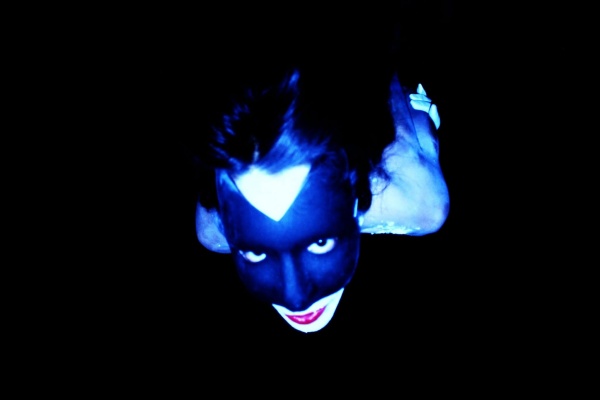
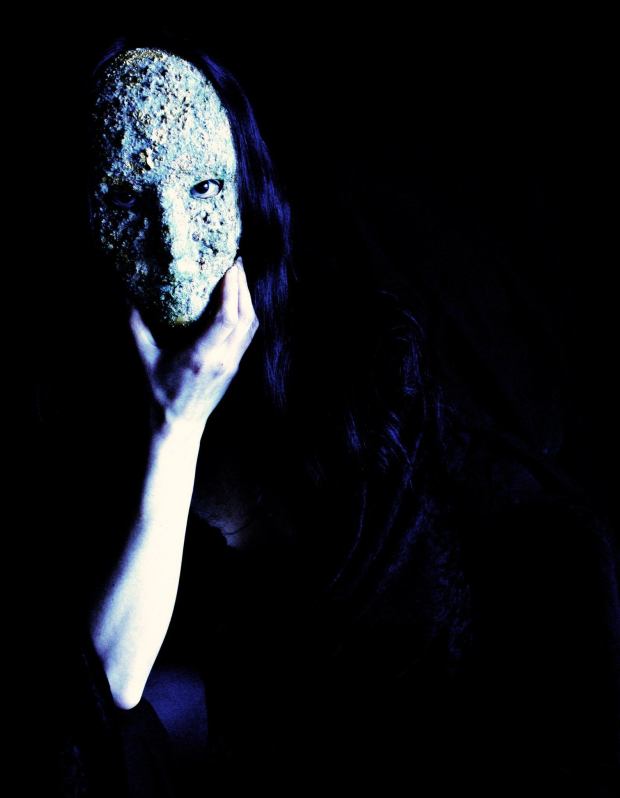
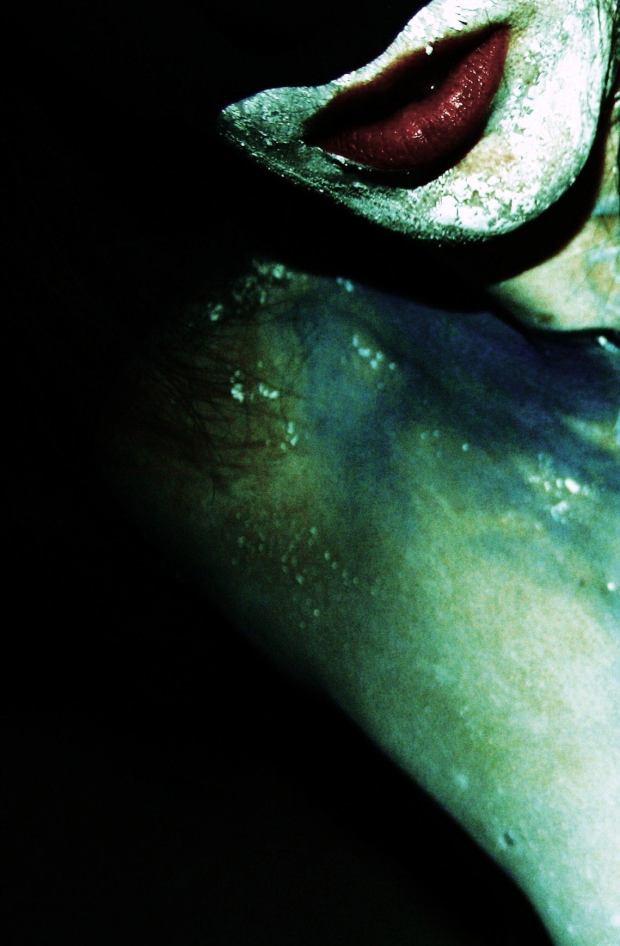
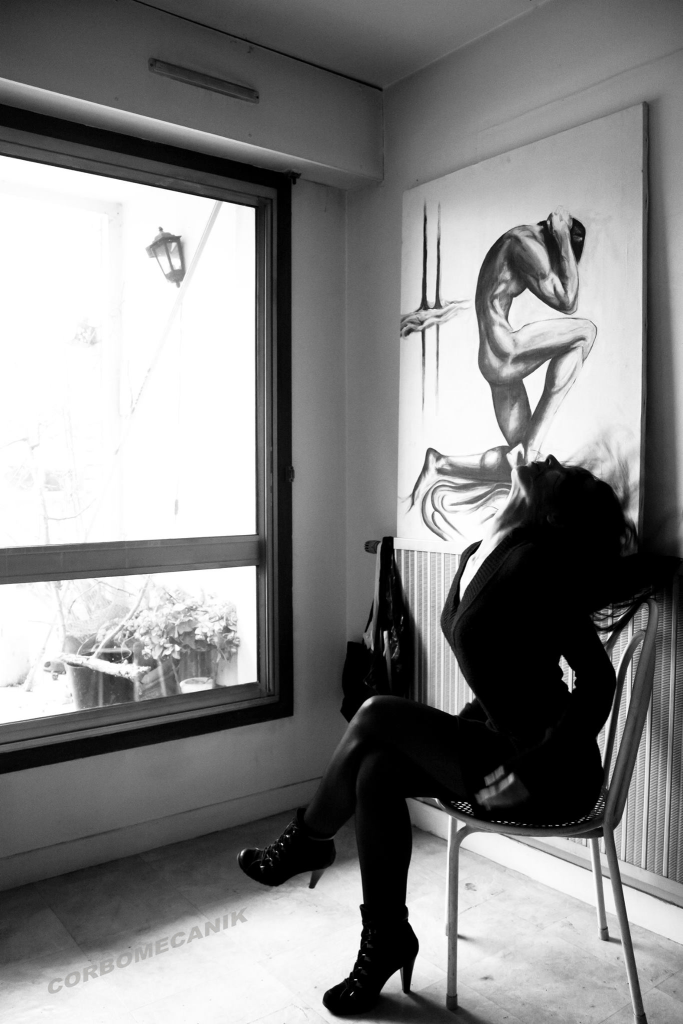
J’evolue dans le monde des arts plastiques , de l’expression corporelle et dans le milieu alternatif parisien depuis très jeune. J’ai donc explore diverses techniques et directions : peinture , photographie , dessin , graphisme , video , danse et travail sur le corps.
Depuis ces 15 dernières annnees , j’ai fait des expositions et performances en France et quelquescollaborations qui m’on ouvert de nouveaux horizons. Le public me connait plus pour mes photograhies , mes performances ou mes mises en scène des corps ( dans la cadre fetichiste , danse ou autre ) pour la simple raison que je viens des arts plastiques mais que j’ai fait une pause de 10 ans dans le domaine de la peinture pour y revenir après une renaissance.
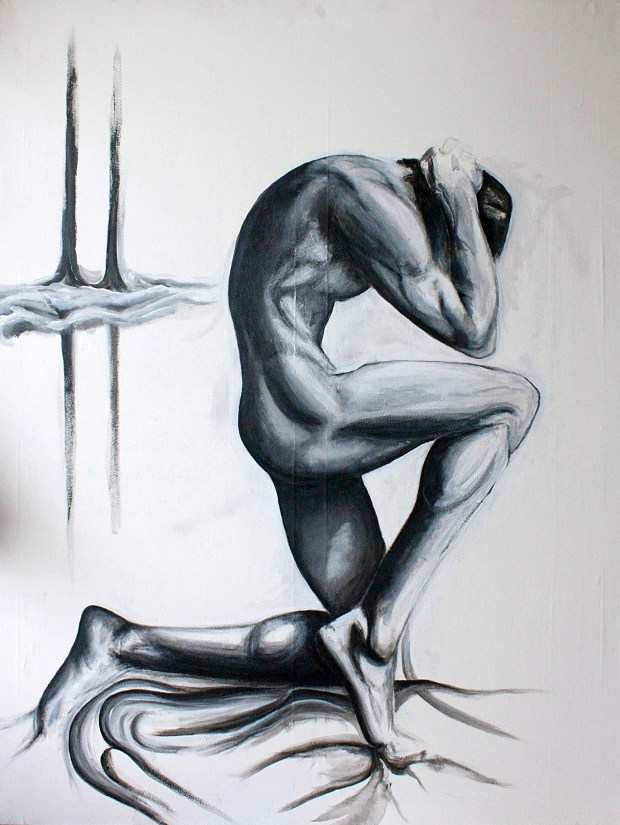
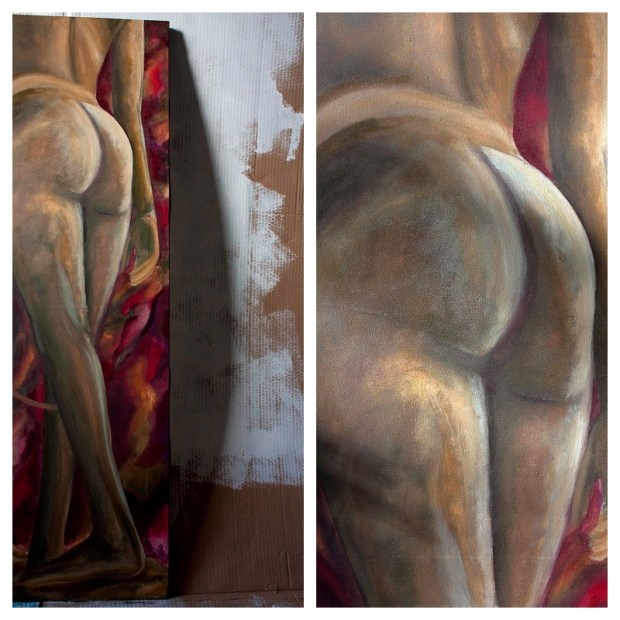
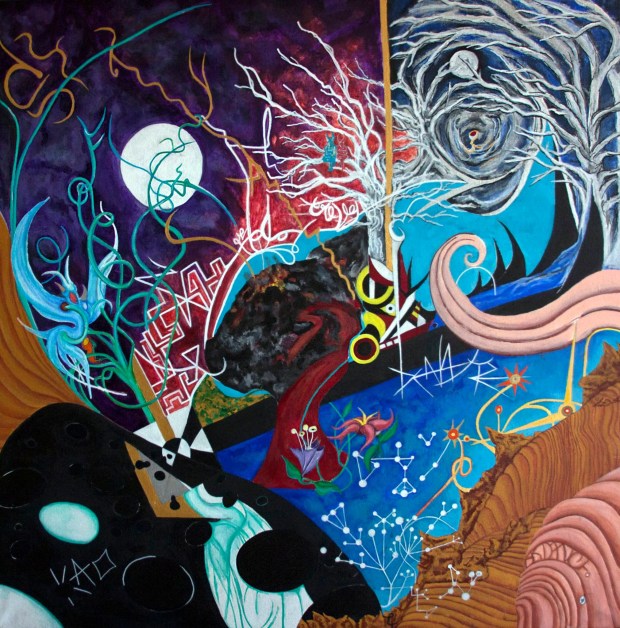
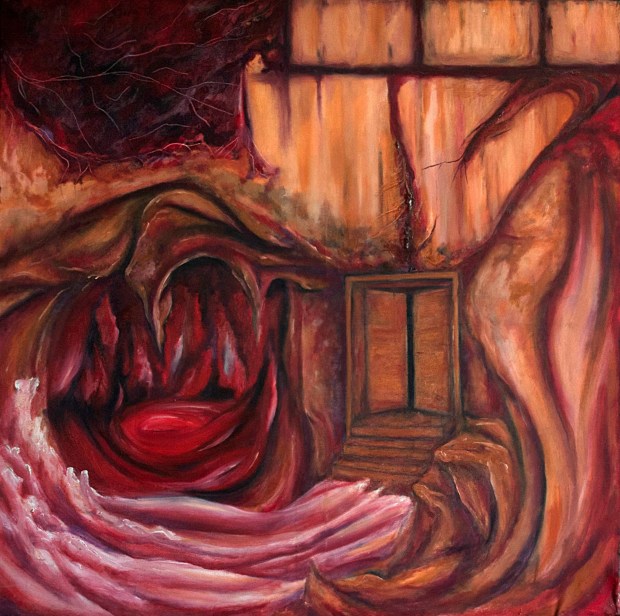
La plupart des peintures presentes ici , acryliques ou à l’huile sont des œuvres en grand format , antre 1 m et 1 m 20 de hauteur . Deux series emergent , l’une totalement dans la recherche et le jeu graphique , l’autre est une plongee dans la matière brute à travers les mediums et les volumes.
Dans mes peintures , le corps est plutot reduit à l’expression de chocs emotionels devenus physiques, j’y introduis parfois des cicatrices ou blessures ouvertes.
Je dirais qu’on y navigue plus dans le subconscient , dont l’exploration brute instinctive voir animal que me mène finalement ensuite à ritualiser en toute conscience ( mon travail photographique et de performance).
La demarche chamanique de rendre visble les esprits est toujours presente dans les deux cas. Mon attrait pour l’exploration psychedelique du subconscient , le symbolisme universel , le domaine du reve reconnecte au quotidien , le rapport à l’invisible et l’interet esoterique qui en decoulennt ont toujours etait la des l’enfance.
Mes influences picturales sont très diverses des arts premiers au classicisme , des arts sacres aux symbolistes , du street art à la bande dessine SF ( pour moi , tout est source d’inspiration et de stimulation technique , graphique et de vibration de couleurs ) et biensur les surrealistes et leur grande revolution.
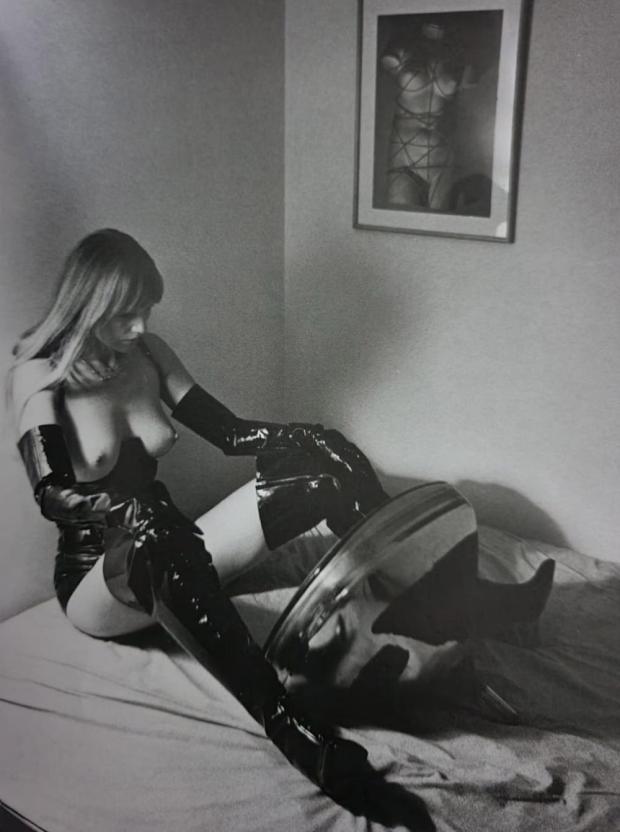
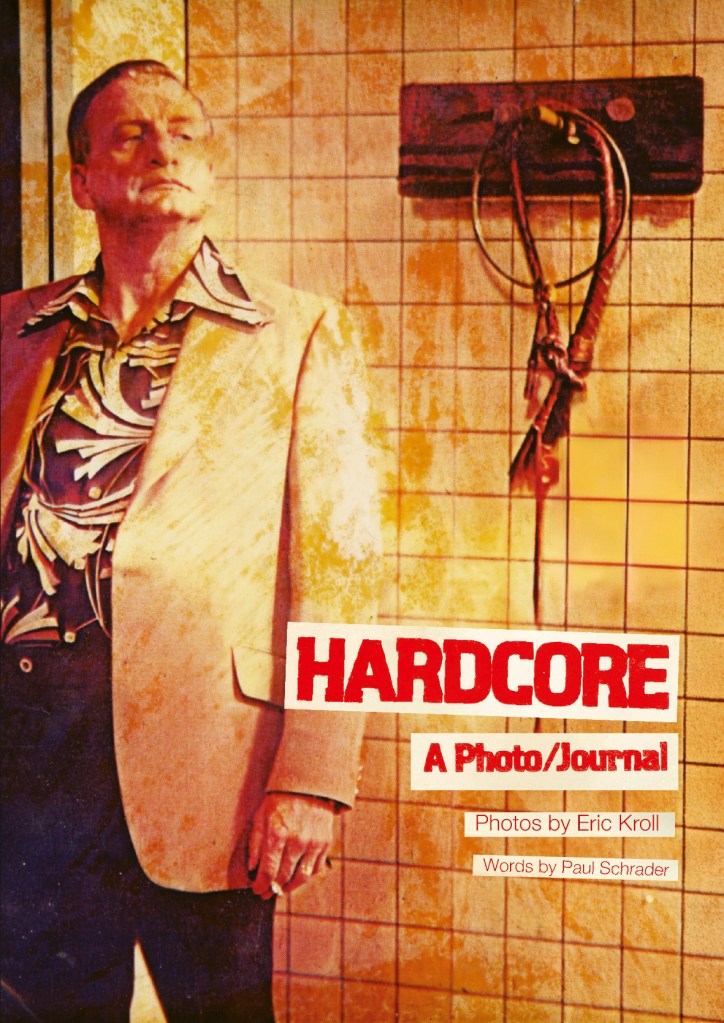
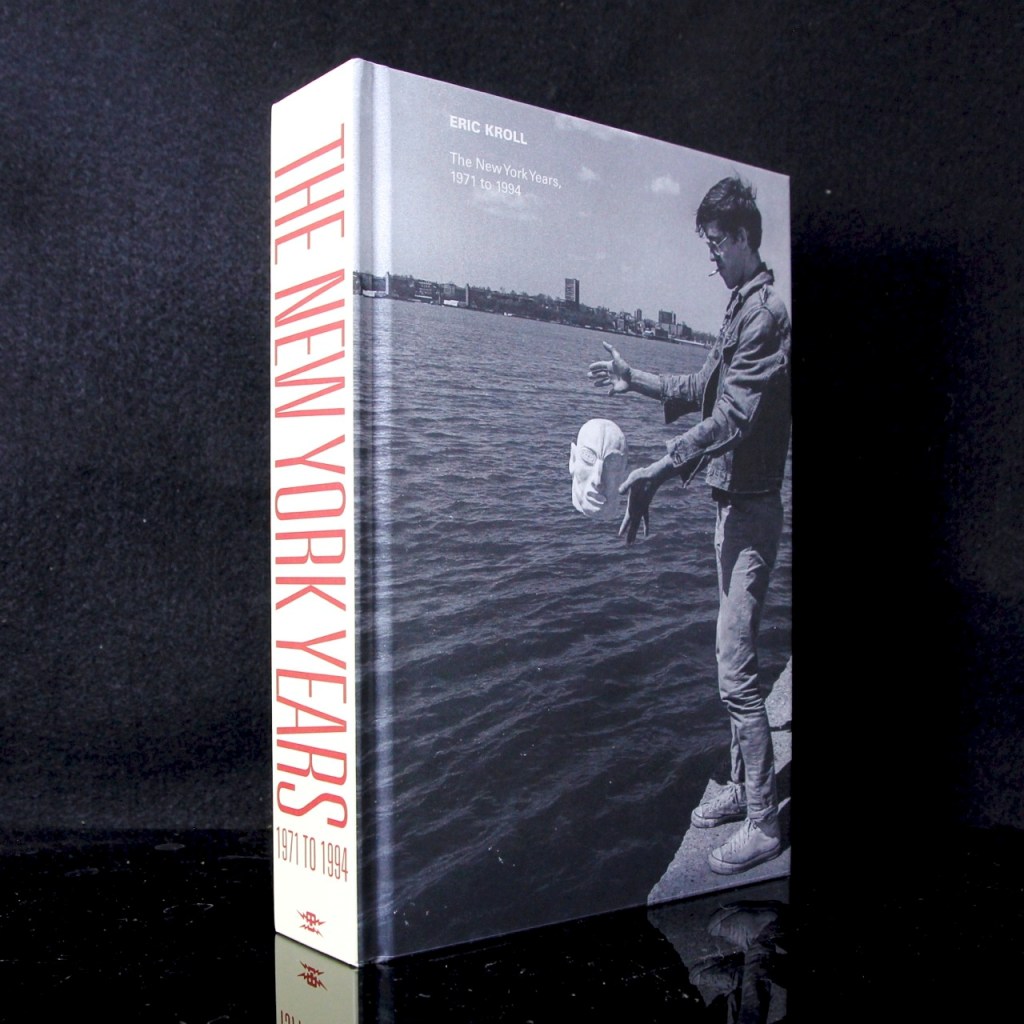
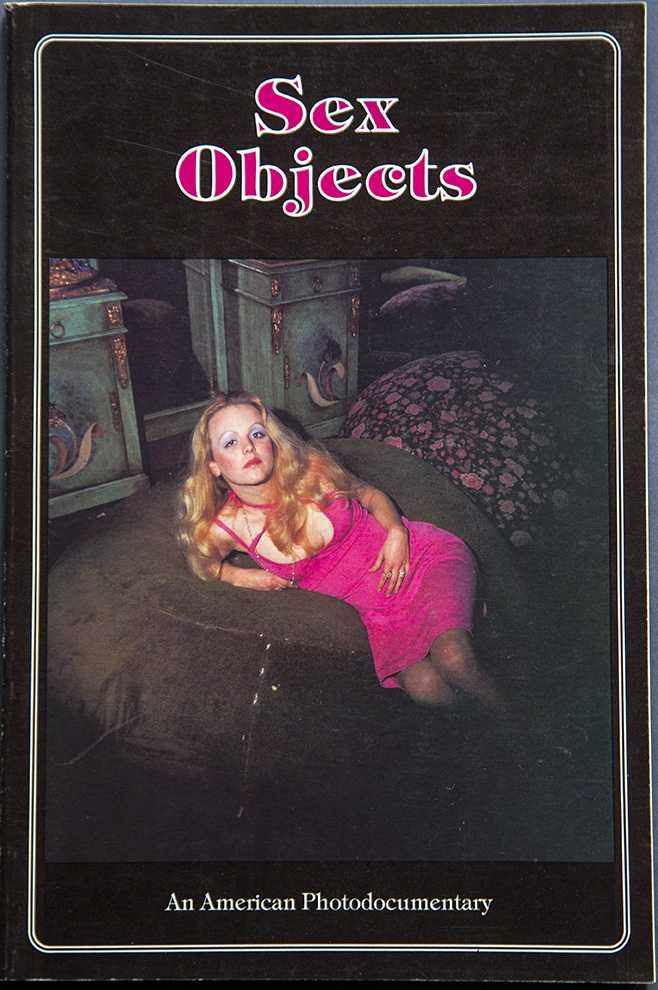
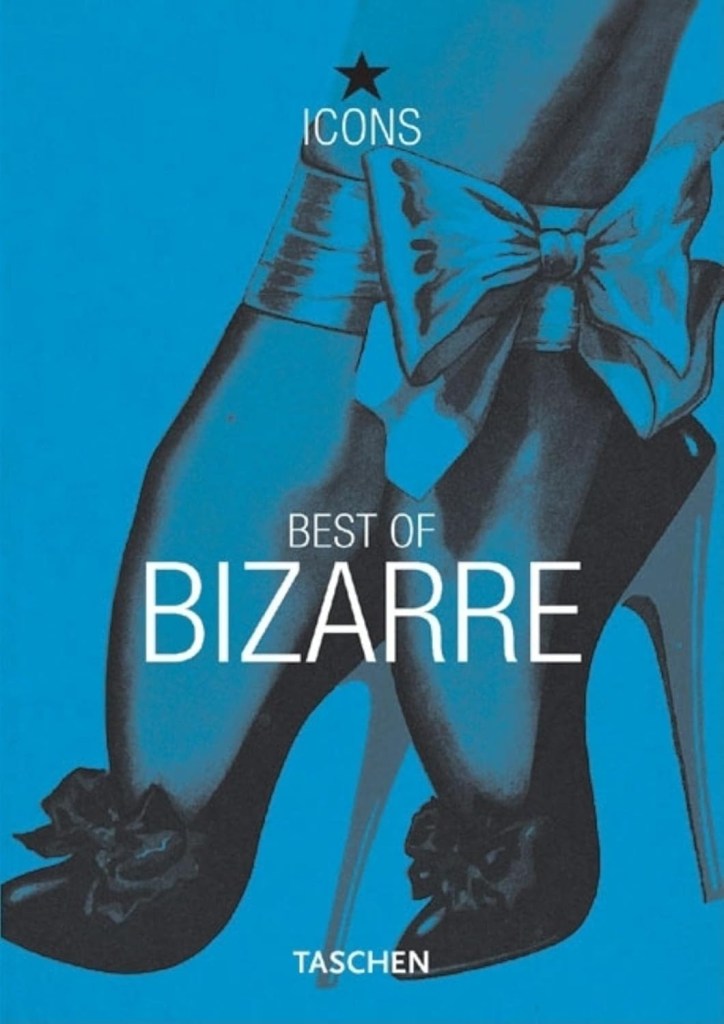
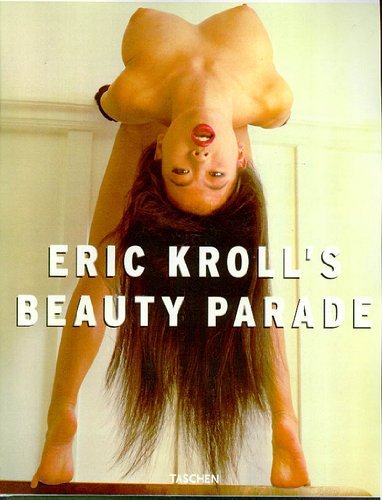
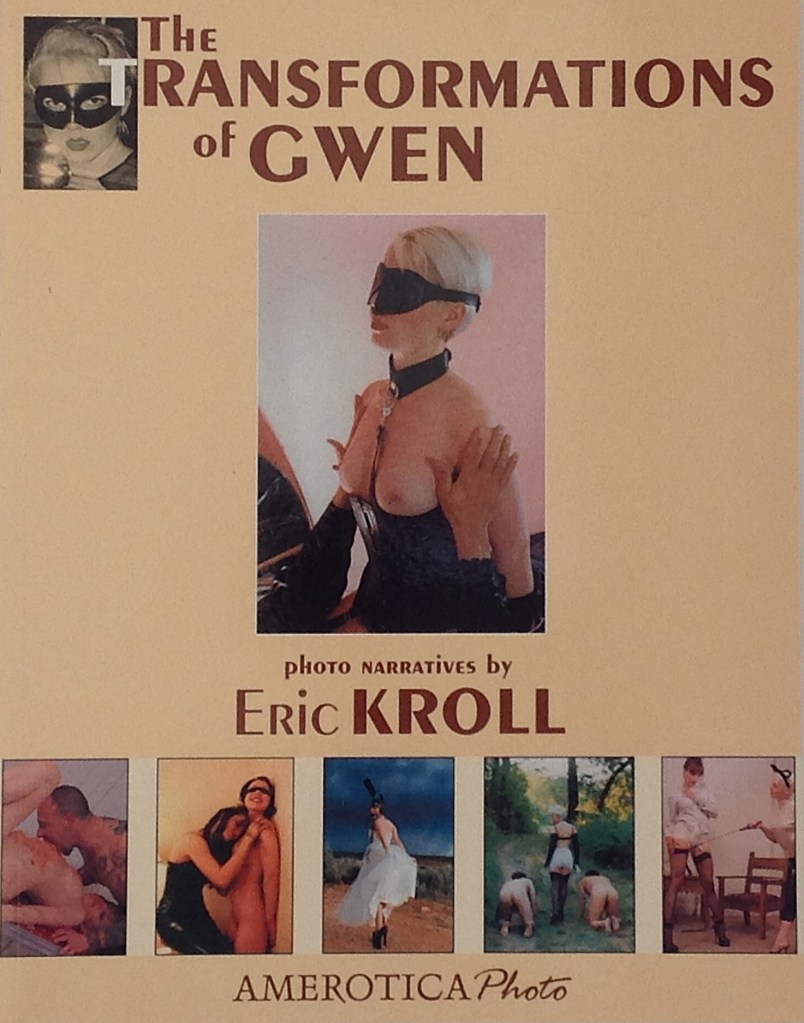
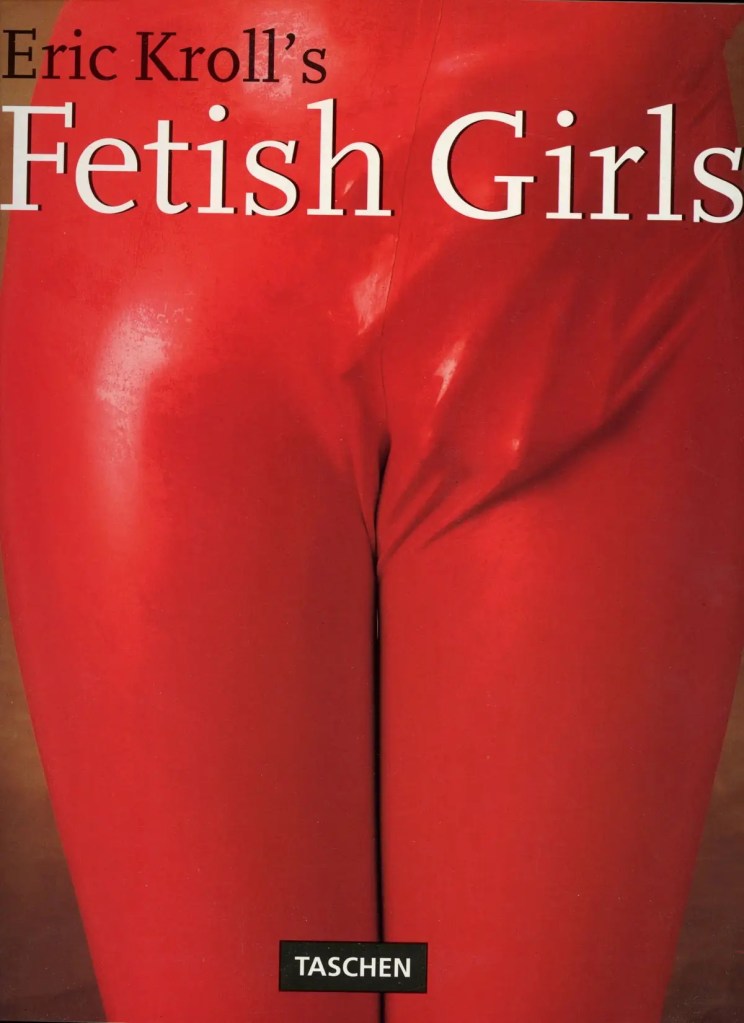
The American author Mitchell Pluto had a short email exchange with the legendary kink photographer in which he shares, among other things, some of his influences, favorite camera, books he’s currently reading. Kroll also shared some exclusive erotic photos of his own.
— Marijn Kruijff, Founder Shunga Gallery
Triple Scorpio, Triple Vision: Eric Kroll’s Lifelong Affair with Eroticism can be found here the article has been added to the Shunga Gallery blog
On October 3, 2025, I got in touch with Eric Kroll, who kindly consented to discuss himself for Shunga Gallery. Kroll. a triple Scorpio, is skilled at creating sexual aesthetics through photography. He was fortunate to have been in the ideal location at the precise moment. His work has documented and influenced transformations in art and sexuality. Kroll’s work remains a potent influence in the ongoing exploration of taboo subjects in pop culture.
J’évolue dans le monde des arts plastiques , de l’expression corporelle et dans le milieu alternatif parisien depuis très jeune . J’ai donc exploré diverses techniques et directions : peinture , photographie , dessin , graphisme , video , danse et travail sur le corps.
Depuis ces 15 dernières annnées , j’ai fait des expositions et performances en France et quelques collaborations qui m’on ouvert de nouveaux horizons. Il y a un moment ou j’ai glissé de la peinture et de la representation du corps à la mise en scène directe des corps et des ames à travers la photographie , le corps au sens large comme moyen d’expression.
Il m’est rapidement venu un questionnement sur mon propre érotisme face aux archetypes simplifiés et imposés par la société de consommation. Durant des siècles d’histoire de l’art , les femmes ont été enfermées dans le rôle de sujet de fantasme érotique , mais empechées dans l’expression de leur propre érotisme loin des attentes sociales , ce qui explique le fait que toute une génération actuelle parte dans cette direction à la suite des pionnières du siècle dernier.
Dans la jouissance esthétique et tactile de la matière , j’y trouve une relation au spirituel dans le monde des fantasmes qui ouvre une porte à la fois physique , énergetique , psychologique et mystique . La sensualité comme acte quasi religieux , la sensualité comme prière.
Mes influences profondes dans la démarche et l’esthétique sont clairement celle des suréalistes ( dont certains pionniers qui ont abordé l’érotisme du fétichisme ) Etant de la génération de1976 , j’ai été aussi très influencée par la vague rock punk goth newwave des années 80 et j’ai été jeune ado et jeune adulte dans les années 90 pendant l’emergeance des mouvements technos sauvages. Les attitudes des femmes de la scène rock comme Lydia Lunch par exemple ( parmis beaucoup d’autres ) ont clairement ouvert la porte à ma generation. C’est aussi dans ce monde rock notament gothique et new wave que j’ai decouvert très jeune mes tendances au fetichisme et aux mises en scène BDSM.
Dans la photographie , les artistes comme Robert Mapplethorpe me parlent beaucoup , le fait d’aborder des sujets parfois crus ou qui peuvent paraître provoquant mais dans un style presque academique pour un rendu raffiné , les photographies de sexe ou de fleur y sont representé avec la meme sensualité , ramenées au meme niveau.
En ce qui concerne la littérature , je citerai ‘ L’histoire de l’oeil ‘ de Georges Bataille , ‘incontournable ..Les oeuvres d’Henry Miller m’interessent beaucoup , j’y retrouve cette errance hedoniste , urbaine ou se melent sexualité et philosophie ‘ King kong théorie ‘ de Virginie Despentes est également un de mes livres de chevet , je le considère comme le livre de ma génération en ce qui les femmes et leur sexualité face à la société . Mon autre influence est bien évidement l’érotisme asiatique , en particulier japonais , les classiques comme ‘ L’empire des sens ‘ par exemple , le shibari ( le bondage japonais ) , le coté rituel et très martial dans la mise en scène de l’eros.
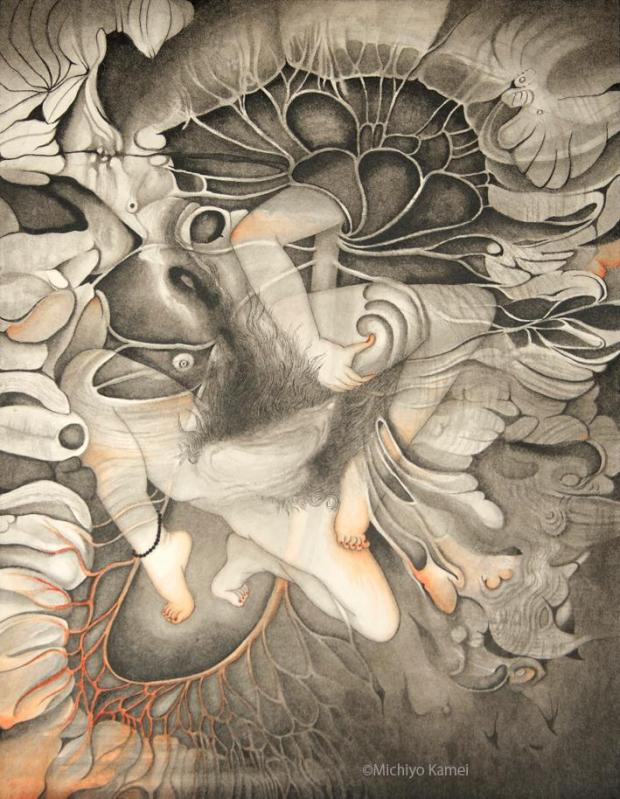
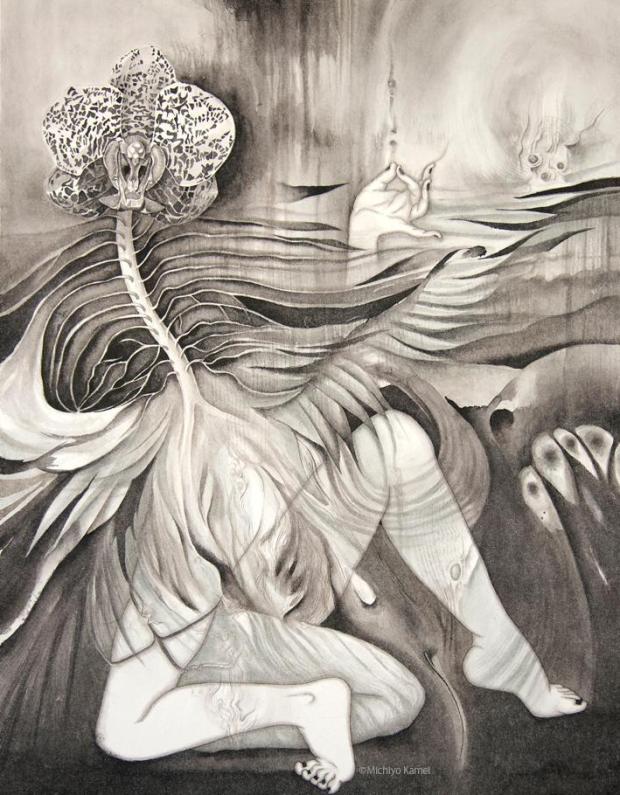
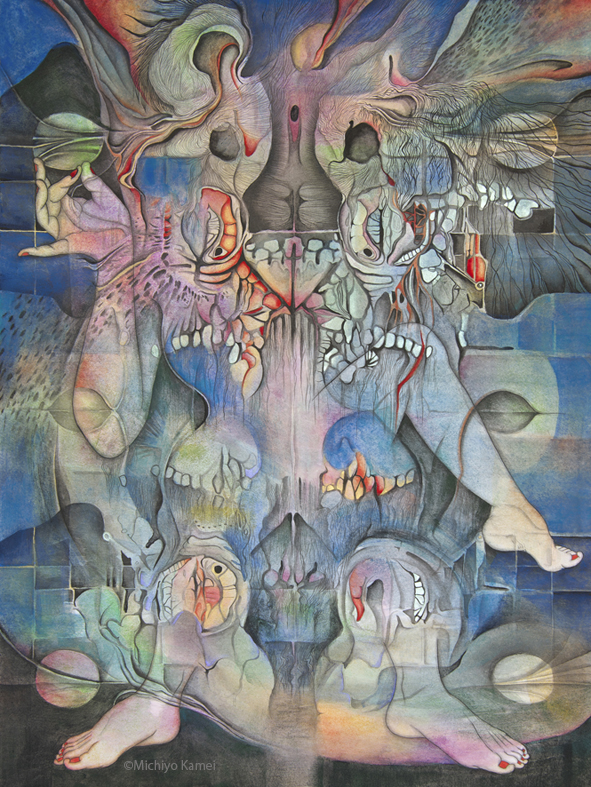
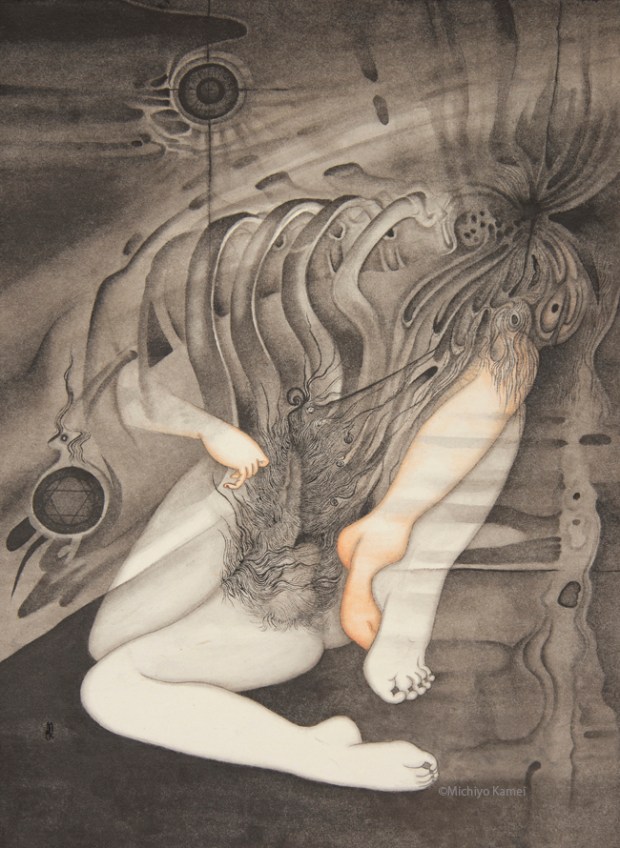
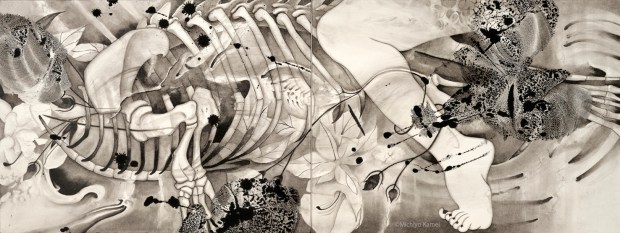
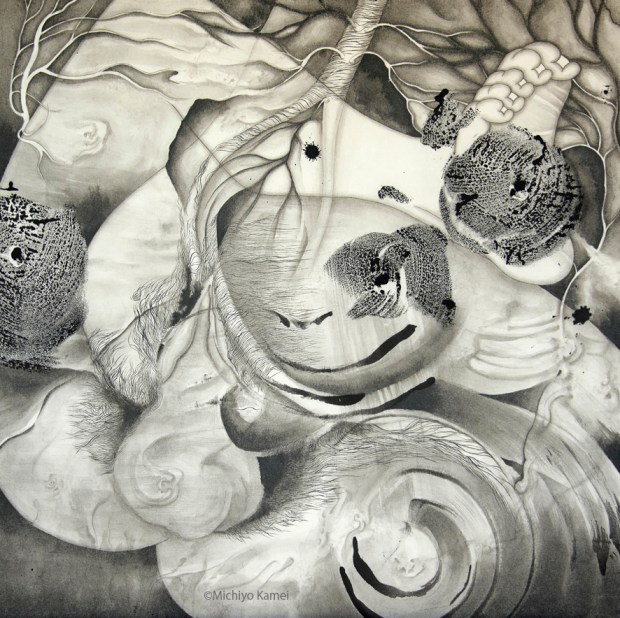
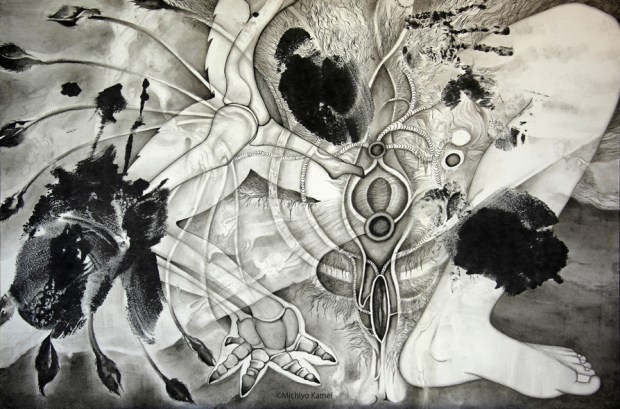
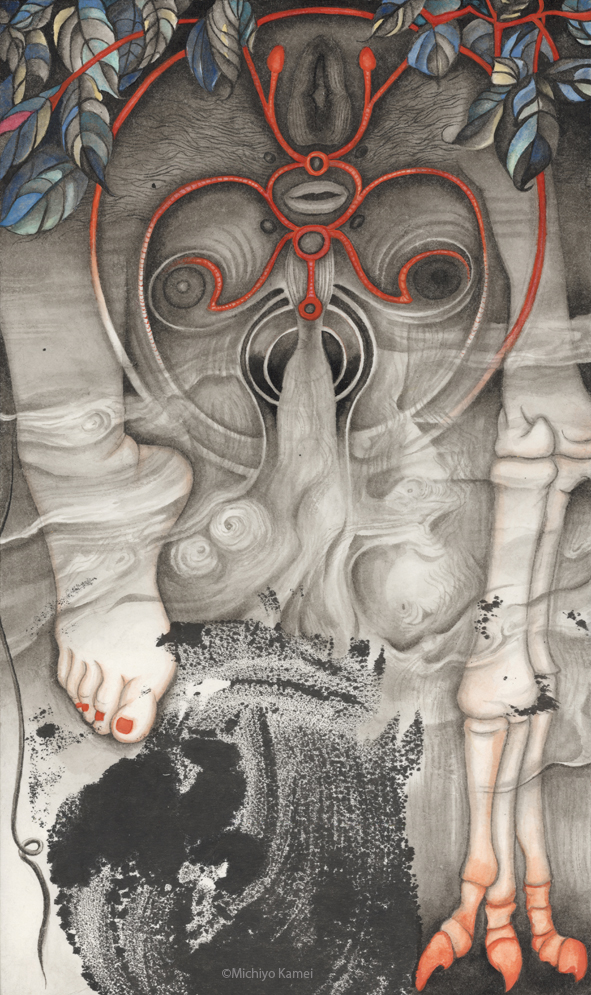
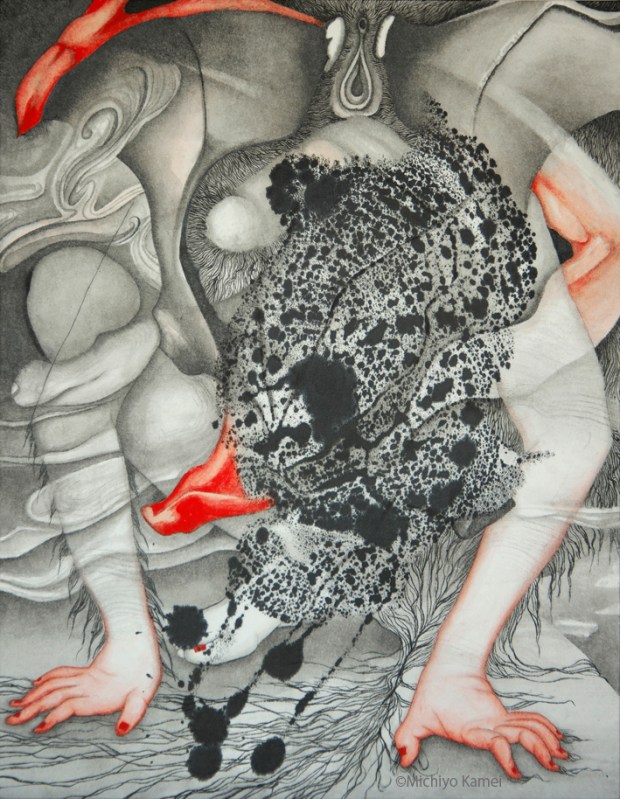
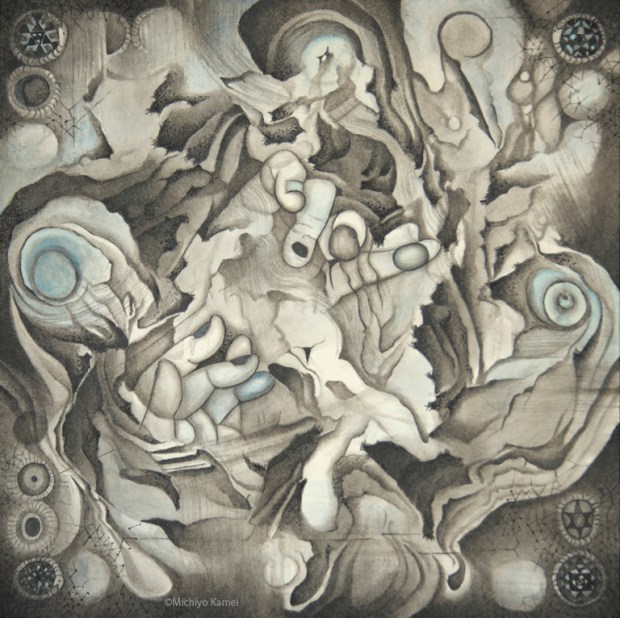
In her black ink paintings, Michiyo Kamei explores the concepts of impermanence, transformation, and the enduring nature of existence through a form she calls the bodymandala.
Mitchell Pluto: At what point did you realize you were an artist?
Michiyo Kamei: I originally studied anatomy at medical school and started out as a medical illustrator. It was only after I stopped working as an illustrator and began creating paintings that I realized I was an artist. Anatomical illustrations are created at the request of the medical field to follow the authors’ papers and wishes, so the illustrator cannot draw them freely. Paintings are free to be drawn by the creator, so the artist can freely incorporate their own ideas. This difference is significant to me.
Mitchell Pluto: How would you describe your art, given that it blends many traditional and modern genres?
Michiyo Kamei: When I was drawing anatomical illustrations, I studied the theory of modern anatomy and created my diagrams. After I quit this job and started painting, I began exhibiting at a gallery that collected ukiyo-e prints from the Edo period in Japan. Seeing many hand-painted ukiyo-e at the gallery, I rediscovered the beauty of traditional Japanese styles. When drawing the hands and feet in my work, I sketch my own body in front of a mirror, then deform it in the ukiyo-e style. In this way, I am influenced by both modern anatomical diagrams and ukiyo-e from the Edo period, which have a uniquely Japanese style.
Mitchell Pluto: When creating your artwork, what specific medium or materials do you prefer to work with?
Michiyo Kamei: I like oriental materials. Rather than just adding paint to the paper, I like to let the ink soak into the paper, letting it bleed and see how it moves within the paper fibers. Sometimes I don’t just create a picture, I let the ink create a picture on its own.
Mitchell Pluto: Could you describe and clarify what a bodymandala is?
Michiyo Kamei: Anatomical illustrations are pictures of the world of death drawn from corpses. Since I began painting, I have wanted to depict the world of life, so I have incorporated energetic shunga. Death and life are repeated in my paintings, and I hope to approach the theme of “eternity.” Mandalas represent the universe in Buddhist worldview, but I represent the universe through the body, and am exploring a new mandala form called the “bodymandala.”
Mitchell Pluto: What visual artists have influenced your work and given you inspiration?
Michiyo Kamei: I’ve been interested in the body since I was a child. It feels as though I am contained within this body, but at the same time it is also part of the natural world, the world outside of me. Which one does it belong to? And when I realized that I would die along with this body, I was terrified. Francis Bacon is an artist I admire for his expression of the body and anxiety. I’ve admired him ever since I discovered him in an illustrated catalogue as a teenager. Another artist is H.R. Giger. I think his organic expression in black and white is so beautiful.
Mitchell Pluto: Could you please tell me the central idea behind your current show?
Michiyo Kamei: I’m currently incorporating “jintaku” a technique in which ink is applied to my body and then transferred onto Japanese washi paper. Rather than painting with a paintbrush, jintaku involves pressing my body against the paper, resulting in completely uncontrollable and unexpected ink patterns. While observing the stains on my skin, I paint the “inside and outside” of the body in the blank spaces. It is meaningful to me to compose my paintings using three elements: the inside (anatomical illustrations) and outside (limbs, plants, natural world and the universe), and my living skin, which lies at the boundary between them. I call this “bodyscape,” and I hope to expand the image in my paintings from a small image of the body to a larger world. What kind of world can unfold from the body? And can humans have the imagination to do so?
Mitchell Pluto: What are your thoughts about the universe in relation to the philosophy of your art?
Michiyo Kamei: I believe that the universe in which we live has no beginning or end, but is a whole that is constantly transforming. There are times when I feel that even life and the body are merely a fleeting moment. Currently, I assume that the beginning of everything is the “zero point” of the universe, and my theme is the transformation and chaos of the body (form) that begins from there. In my paintings, I want to rewind time and explore the primordial form of life. I find a unique beauty in the cruelty and sacredness of the wild nature of evolution, which repeats selection and mating.
Mitchell Pluto: Who are your favorite writers for inspiration, and how do they influence your art and perspective?
Michiyo Kamei: I like Jorge Luis Borges, especially “The Library of Babel.” When I read this novel, I feel like an infinite universe is expanding in my head. I think his universe can only be expressed in novels (words), and can never be depicted. I would like to reach such a world someday, but life is short, and I feel that once is not enough for me.
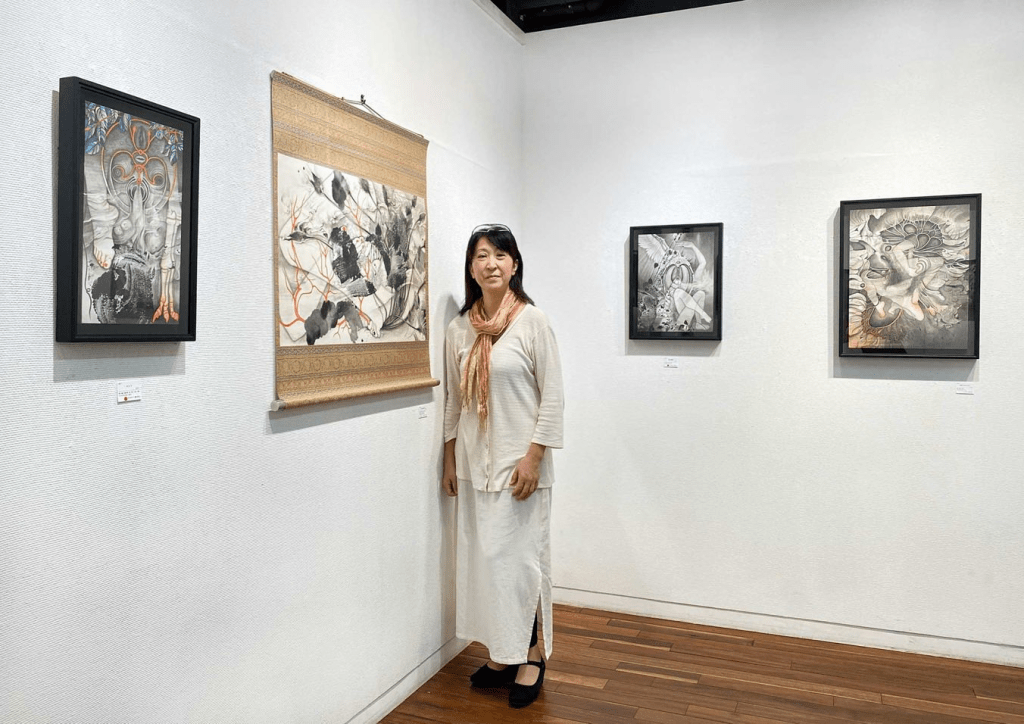
“The original form of the universe: the wildness of the zero point” Michiyo Kamei exhibition at the Y art gallery in Osaka, Japan 2025














 Mitchell Pluto