When everything becomes permissible, permissible, permissible, I will turn off the lights as a war upon the world, and make love to sleep and time in the same bed. A woman like me, at night, devours herself, and in the morning, returns entirely whole.
Permissible, permissible— if I shatter the mirror with a laugh.
If I open the windows to the insects, and your face, leaving behind my shadow— may you swallow one another.
Or if I keep you inside my palm, hide you behind the guest china, maybe, if I sweeten your fragments, you’ll still fall short.
Permissible—your vision falls from the innocence wall like worn-out shoes, and the night sings a vulgar hymn, as it should.
I will show you my painted limbs and won’t ask you where we bury lust—in white cotton, or in a new glass. I’ll place on your grave a sacred symbol befitting tonight’s blasphemy. Everything’s permissible, where pleasure forgives sins for their loud voices and wakes in me like an animal from death.
Deferred to you— like a poem no longer fit for use. I will be just fine when I’m between two walls, where mercy and mercy—mercy.
I sleep in a bed stretched out like punishment, and beside you, I dream of an impossible crime. And when I permit you, when you permit me, when the night permits everything— we will yawn.
Hagar Youssef is an Egyptian poet and writer based in Cairo. She has published a poetry collection titled “A Damaged Memory” in Arabic and she is currently working on two collection stories: “Dreaming With Two Heads” and “One Day.” She graduated from the Faculty of Education – Department of Sciences. She has written for various platforms, including those focused on feminism and gender studies. Her work explores the essence of language, deeply influenced by philosophers Roland Barthes and Georges Bataille, in linking love, pain, and death to language, deconstructing these themes. She is also passionate about translating literature and poetry, reviewing books, and writing journalistic and critical articles.
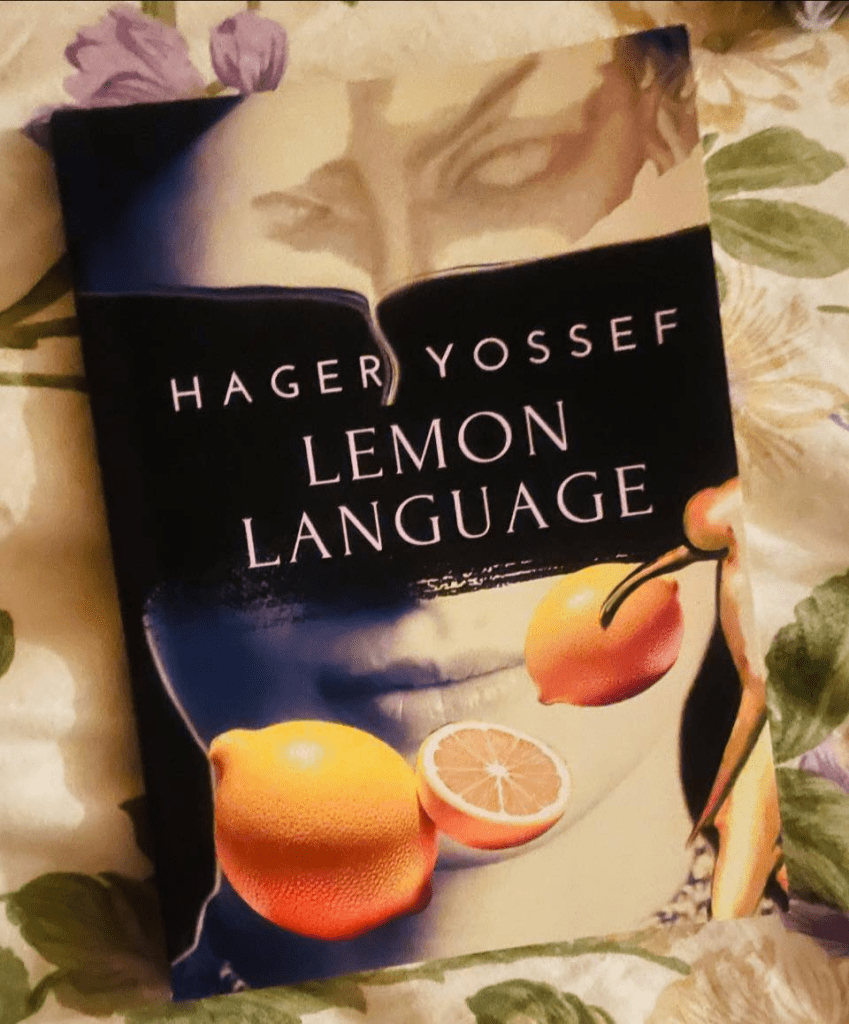
Lemon Language Paperback – November 22, 2024 by Hager Yossef
My weather is fragmented, beautiful in its disfigurement, it writes me upon a page that quivers— like a vast, open hand.
I’ll hang my first face on the door. In the wild haste of love, I’ll let you enter.
This night lengthens over me like a mosquito.
This lamp only illuminates my fear.
My second face is dark and wicked— like a rat in hiding.
The third, I vomit onto the body of air, into a bowl of memory, like a child, retreating into his mother’s breast.
The fourth is a mask of fire. When you choke me, I think— you are making love.
The fifth, a nail in my throat. I hammer it in, and spit out a sixth face that will never be complete.
The seventh sees nothing, hears nothing— he simply cages his sorrow and mutters.
The eighth sings to you in the voices of prostitutes.
The ninth writes poetry without faith, sketches you on my back with a broken fingernail.
And I— when I sleep within you, and rise without me, like a tattoo, when you forgot my name and screamed: “Who am I?”
Alcoholic privilege night
When my beloved is drunk, I become a wound upon his cheek. He strikes my chest with an empty glass, Saying, ”This bell—this is what wakes me.”
When he drinks, He opens my mouth like a pit, Searching for his name, For a button he lost As we rushed back toward childhood.
He loves me swaying Between two chairs: Truth— And the guilt I know, When he mistakes me for a window, When he spills the wine As an apology on my behalf, Like the blink of an eye.
When he drinks, My arms multiply in his memory. He summons them to soothe his pain, Asks me to plant my tree Right here— Above his eye, A finger for his throat, And a final finger pointing to the wall: “Embodied—as if you were pure awareness.”
When he’s drunk, I draw back. He runs like a shadow Caught in light, Bleeds me Into some vague emptiness, Traps me in a space Shorter than a whisper, Inside a bottle, Inside a child’s nature.
He points often— As if he’s arrived, As if I were a mouth He must enter, Not merely behold.
Hagar Youssef is an Egyptian poet and writer based in Cairo. She has published a poetry collection titled “A Damaged Memory” in Arabic and she is currently working on two collection stories: “Dreaming With Two Heads” and “One Day.” She graduated from the Faculty of Education – Department of Sciences. She has written for various platforms, including those focused on feminism and gender studies. Her work explores the essence of language, deeply influenced by philosophers Roland Barthes and Georges Bataille, in linking love, pain, and death to language, deconstructing these themes. She is also passionate about translating literature and poetry, reviewing books, and writing journalistic and critical articles.
Lemon Language Paperback – November 22, 2024 by Hager Yossef
Listen to the mysterious, revealing and fierce voices within you.
And if you are caught up by fear of doing so, remember that it is wrong for the senses to belong to the everyday, lived world.
For me any discovery that changes the nature or direction or a phenomenon constitutes
of something or is a surrealist /poetic truth.
Objective chance , the subtlety of the intuition of the expectation, and the constant search for its flash .
Going without a destination, the poet has an unknown encounter with the word, freed from any linguistic logic.
In poetry the mind blows out of the mind. It aims at the spontaneous reclassification of things into a deeper and freer order, which is impossible to explain by the means of the ordinary mind.
The poet alternately is a deadwood pruner, a transformer, and a thunderbolt.
Silence is a complete poetic and surrealist work.
The word must be left in suspense for a moment before it is transferred to a physical state on paper. At dawn or dusk, we walk down the road and sometimes come across the silhouette of a silent fairy woman, whose silence is the most comprehensive concept of poetry, and surrealism.
an absolutely possessed throat, echoing between howls and silence.
the secrets of the world created, within the poetic mystery, darkness unfolds while questioning is stripped.
Earthly legend and mystery doors open to infinity.
The poet is an enemy of the Sufist .
The poet is not bound by a vision or a superior authority.
Poetry is a momentary extraction of the unknown from the veins of every language.
If the poem does not have a chaotic body that smells of demolition, negation and destruction of all existing literary forms, genres,
Then what is living poetry?
Poetry should be the color of dried blood
The poem is the beginning and end of the world, it revives the world and its death, dismantles all self- and collective censorship, esoteric and physical, and drops every daily living dictionary.
The poem is an arena for the execution of all linguistic paralysis by burning with the napalm of the lust.
Poetry is not a linguistic expression, but a visual, physical and perhaps biological expression as well.
Real poetry employs itself to monitor a waking dream which is resentful of its fate, re-sculpting it with dough baked by chaos inside the bone furnace called the human head.
I believe that enhancing poetic esoteric awareness does not come only by enhancing the possession of language or general cognitive awareness, but by developing and training the eye on scenes of logic disintegration always, whether they are daily or artistic works.
Even with everyday mind games
Thus, the magnetic linguistic ability self-develops and expands not only through the subconscious mind, but also through the nerves of the eye’s practice of strenuous imaginative sports to extract the faculties of impossible earthy miracles in all its forms and templates.
I treat the Arabic language rules as a relationship between oppression and freedom; understand it
As a repressive social specter that must be removed and rebuilt anew every moment with vast doors to spend the free desire.
Poetry is the chaotic condensation of the inner momentary realization, but the seer poet must tame the tools of this condensation towards a permanent quest for the human interior, a quest fertilized by doubts in everything outside the individual.
Every human being has a poetic companion who lives behind his eye, the cunning poet who makes him constantly jump like a kangaroo and always seeks to protect this kangaroo from drowning in the prior cement lakes and to teach this kangaroo that there is no limit to what is called verbal maturity,
poetry is a permanent electrical revolution inside the mind It is not controlled by something imaginary or even social.
The chief function of poetry is to impart sharp disturbances to language and to overthrow every possible holiness it bears. For me grammarians and academics of language are the social police of the imagination.
I despise even the inherited Arab aspirations to rebel against the Arabic language, except of course à few poets I see the deceptive horizon of most Arab poets now that they throw themselves in the recycling factories of closed poetic ambitions.
Surrealism relates to expressing «the real functioning of thought […] in the absence of any control exercised by reason and apart from any aesthetic or moral concern ».
– We think that not only language, but the whole world in all its aspects, was given to humanity to make surrealist use of it.
“All things are called to other uses than those generally attributed to them.” – André Breton, Le Point du Jour.
– We think that surrealists should make use of whatever materials and tools that they find attractive. Whether a feather, a cloud or a computer, any single object in this world becomes a surrealist object as soon as surrealist use is made of it.
– We think that the results of surrealist activities do not have to conform to any type of listed art form, nor even to whatever is considered art.
– Restrictions regarding materials and tools, as well as compliance with traditional artistic categories are views that were already considered and experienced as obsolete by most artists of the Renaissance period. We think that an attempt to liberate the human mind may in no way be successfully achieved on the basis of a narrower scope of practices and intellectual freedom than that which was already acquired by artists at that time.
-‘we are interested in how surrealism appears in everyday life, whether it’s from surrealists or not, but we understand this is not the same as a surrealist movement.”
-“We are interested in certain parallel currents that might overlap with surrealism. Surrealism may -appear- or be present- within avant garde or popular art but it’s not necessarily the same thing.”
– We categorically reject mixing surrealism with whatever form of religion, and we reject the presence of any religious persons within the group.
– We reject any aesthetic attribute that directly or indirectly integrates into the life of this society or that would tend to reconcile with it.
– Realistic daily life erases the perception of the unique characteristics of objects. We will always seek to break this mechanism and its dynamics by means of words, plastic art, music and cinema or any other means.
– Collective automatism is self-contained in everyday life. It floats in the air, dissolving every entrenched and worn-out intellectual authority.
– The poem is a collective work, even if it is from one’s individual imagination.
– We have nothing but contempt for the guardians of grammar because they are the protectors of the heavy legacy of linguistic dependence that erases the ecstasy of all free desire.
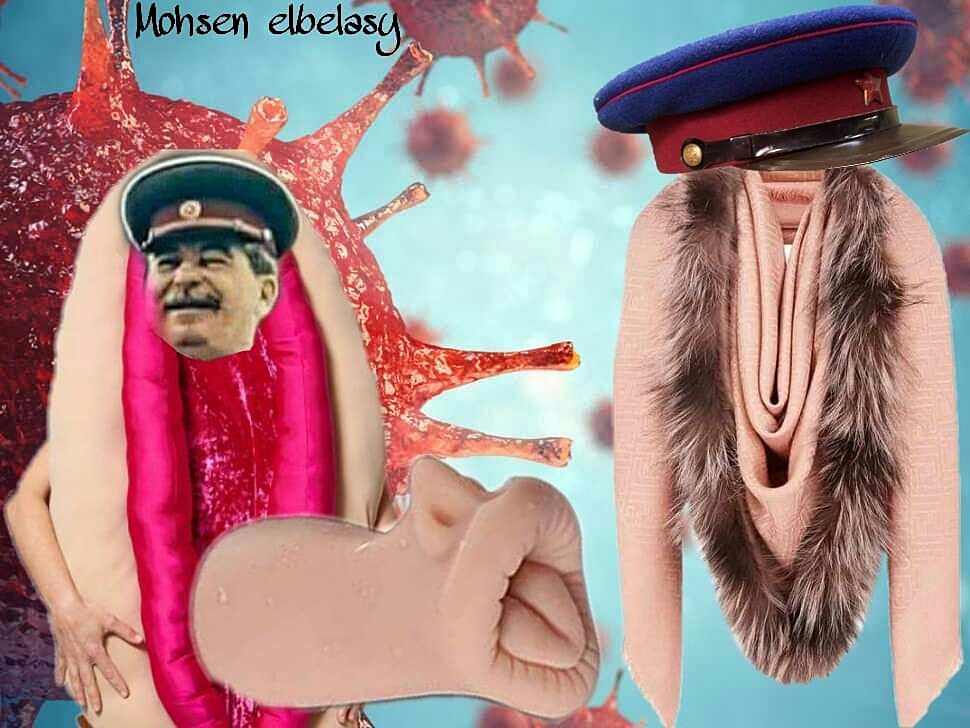
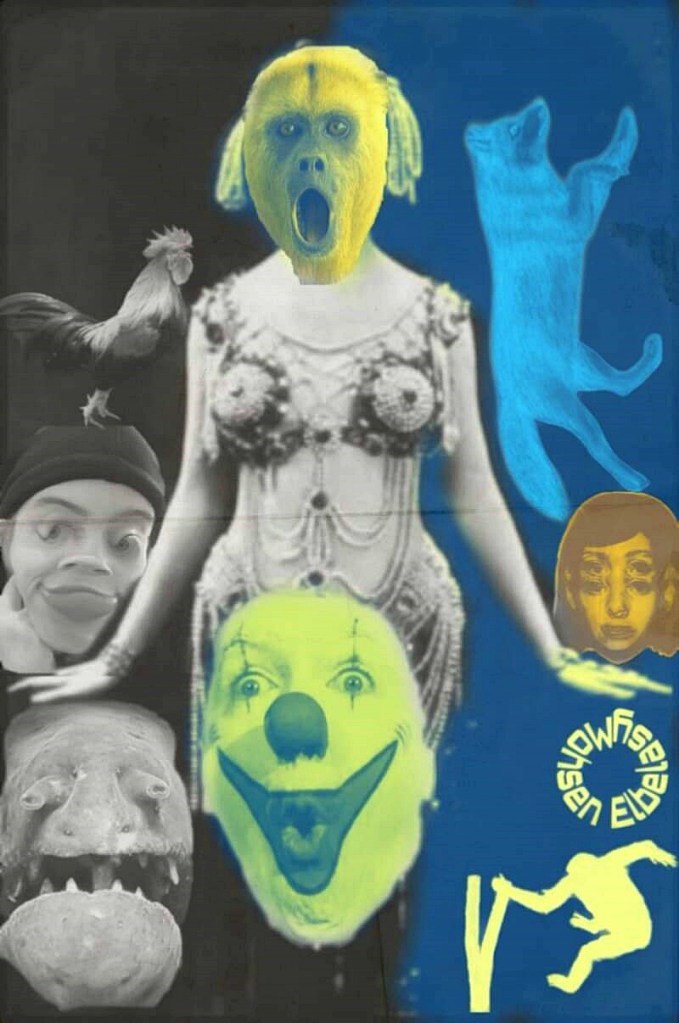
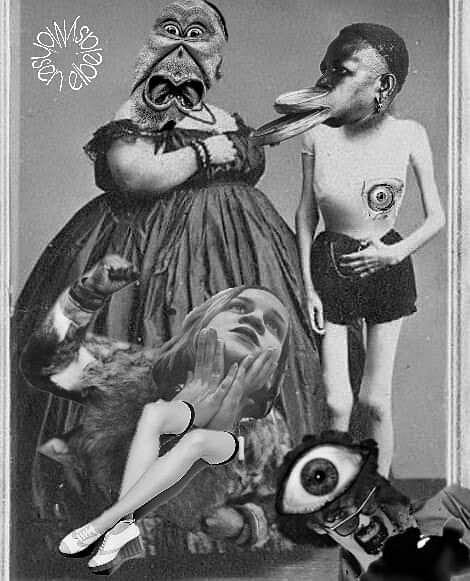
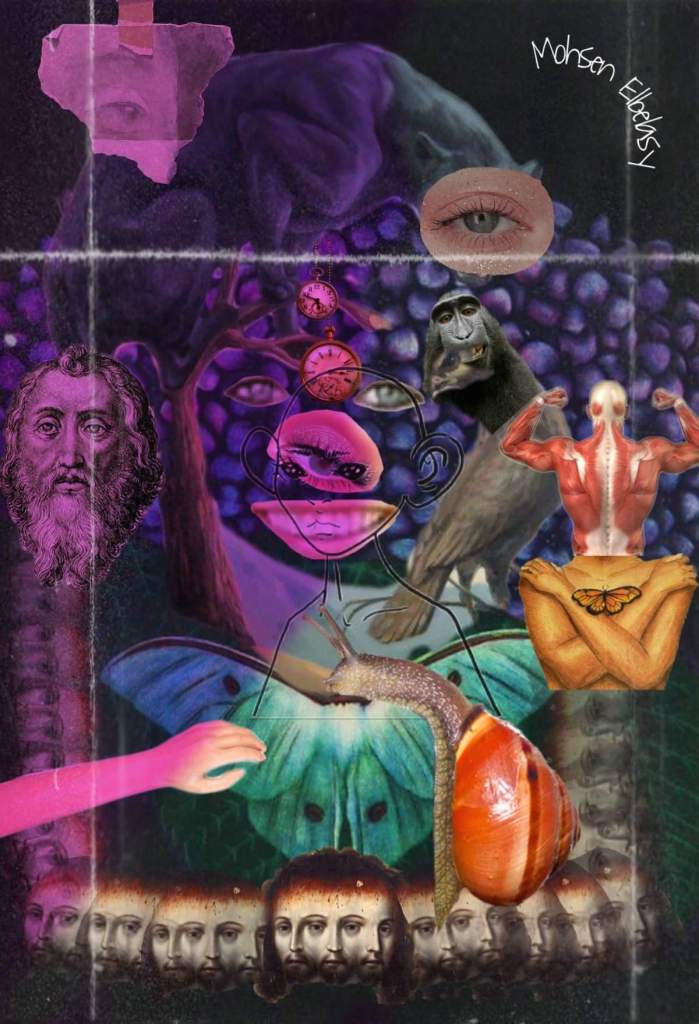
– We support every creative act that contributes to the wondrous conquest of everyday life and the conquest of mad love. Everything that has been physically neglected in the city, and every sexual explosion that social fascism hides, is for us the dough with which we form our written and visual poems.
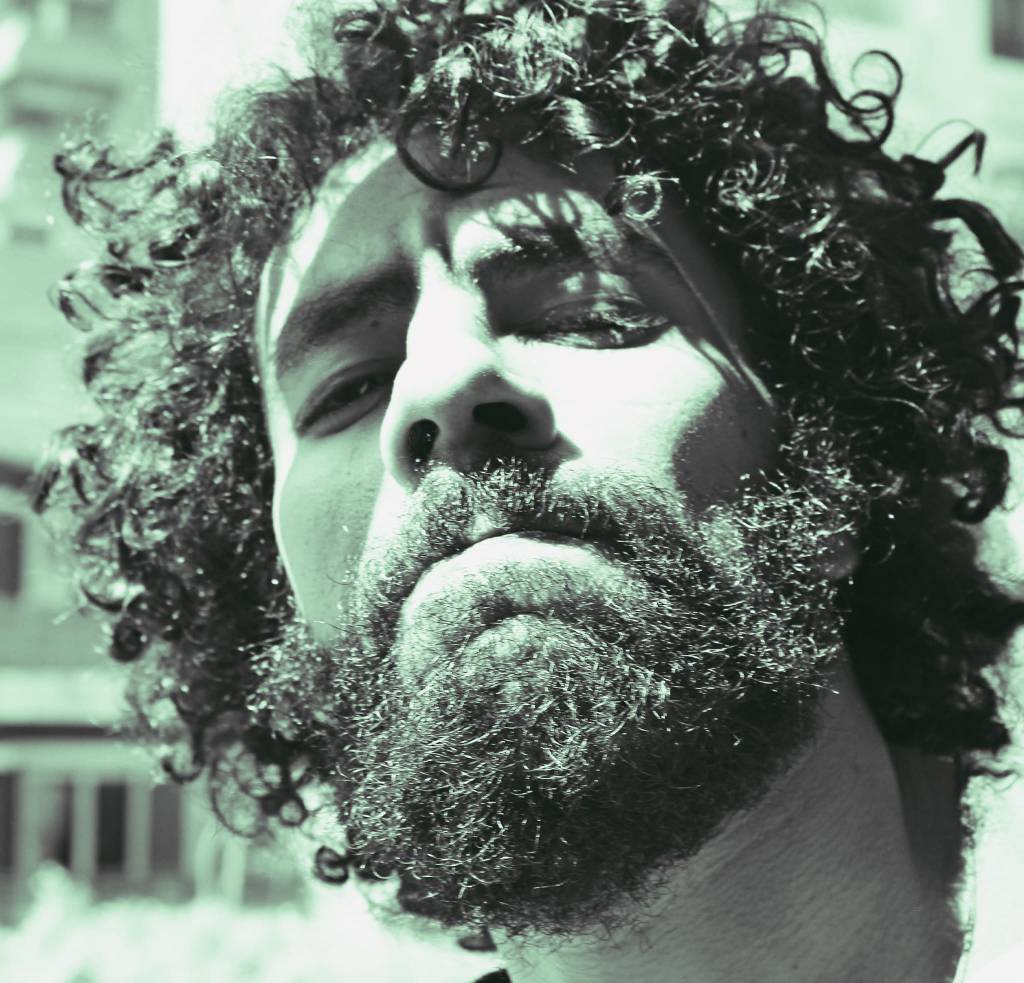
written by Mohsen Elbelasy
Mohsen Elbelasy Egyptian surrealist artist and poet and researcher and editor in chief of the Room surrealist Magazine and sulfur-surrealist-jungle.com and the co manager of the international exhibition of surrealism Cairo Saint-Cirq-Lapopie and Echoes of Contemporary Surrealism Exhibition. And co-founder of the Middle East and North Africa Surrealist Group. (MENA) and He also worked as a translator, cultural journalist and organizer of cultural and artistic events in Egypt and internationally. Chrysopoeia Surrealist union /Cooperative. In 2022, his book The Trip of Kamel Al Tilmissany won the Sawiris Grand Prize of Literary Criticism









 Mitchell Pluto