In November 2022 I invited Tadeusz Baranowski to talk a little bit about his life and his work. Tadeuszu graciously accepted which I am very grateful for, his thoughts on his life and abstract painting can be found here in Hidden Motion.
Tadeusz’s 2023 show organized by the Auschwitz Culture Center. Poster by Jarek Składanek
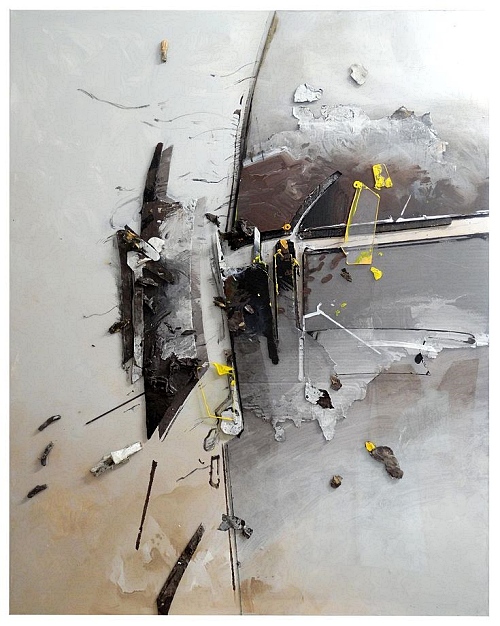
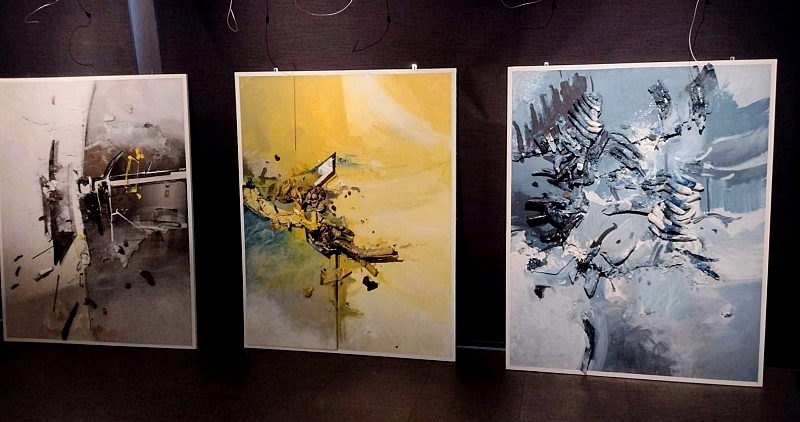
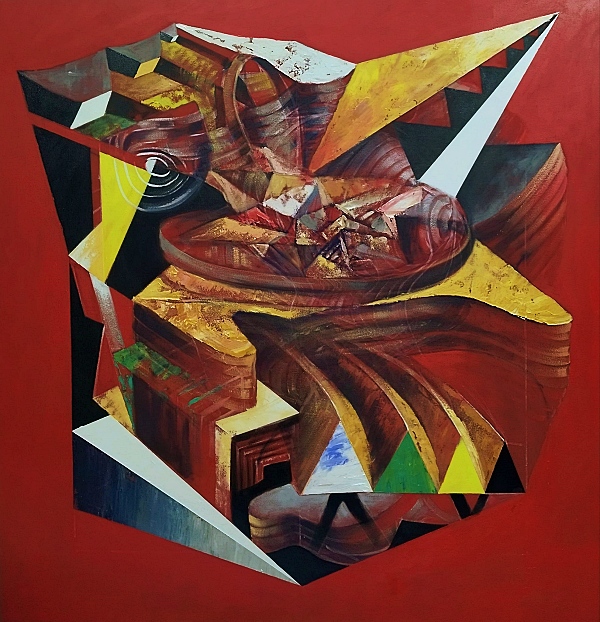
While known internationally for his original comic books, Tadeusz also paints Non-Obvious Painting that emphasizes free and spontaneous appearing expressions. Tadeusz’s paintings are deliberately built by a technique that uses wood, fabric, polystyrene, acrylics, and oils. One painting sometimes takes many months.
I spent several hours looking at Tadeusz’s work which I found universally appealing. Abstraction has a reputation that is not clearly understood like understanding quantum foam, synchronicity and the the nature of nothing. I think Tadeusz Baranowski’s paintings are a release of energy in a still life. There is no narrative or conventional images. There is a sense of time somewhere. The paintings convey a space scape with unidentified forces. These interactions influence the surface and time that contains them. Usually these tensions are dynamic, sometimes explosive, but firmly positioned so we can consciously see them. When I look into these paintings I apprehend different emotional and cognitive states. Each painting is worth meditating on.
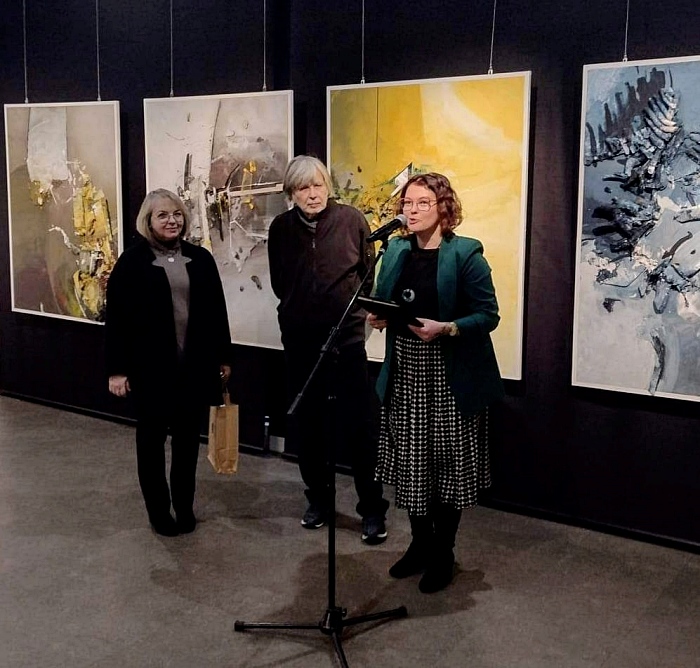
Through our correspondence in email Tadeusz and I immediately found we shared a common love and respect of nature. Tadeusz mentioned trips to the Masurian country with his wife Anna. He said he currently lived next to a forest near Warsaw, Poland. Tadeusz considers himself a lone wolf in the universe. He enjoys swimming as a contemplative activity. A prolific amount of nature photos can be found on Tadeusz’s Facebook page. The photos capture a rhythm and pattern of nature. I speculate Tadeusz’s photos of flowing water, broken trees, flowers and insects may have provided a scaffolding or study for his paintings. Tadeusz Baranowski’s show was curated by Magdalena Grochowska and will be shown from February 10th to March 14, 2023 at the Oświęcimskie Centrum Kultury
Director of OCK, Monika .wi ,tek-Smrek, curator Magdalena Grochowskaand Tadeusz Baranowski
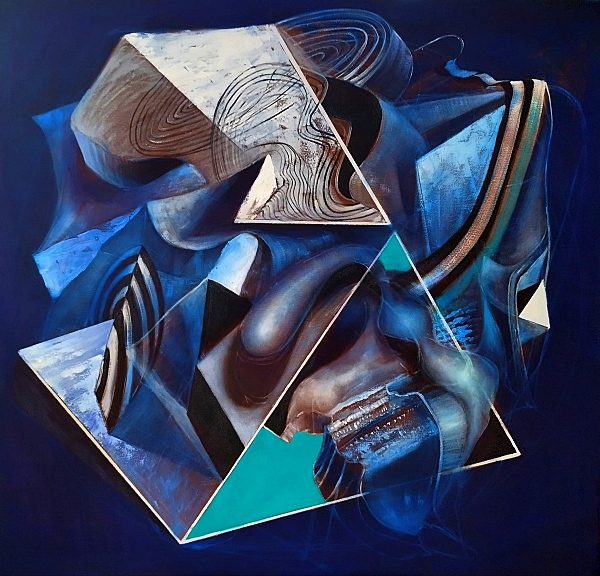
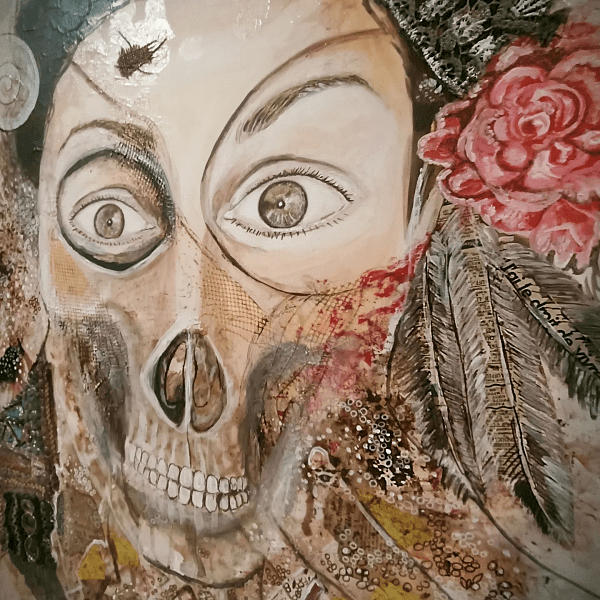
René Ortega utiliza fórmulas de liminalidad para iniciar al espectador a experimentar los misterios del inframundo. Hay una puerta de flores, una escalera de anillos a túneles, afinada con un aro de colores. Todo esto está aquí dentro de los secretos de nuestra tierra. En estos pasos buscamos un centro que ya es un estado completo, un lugar unido por los opuestos e igual a sí mismo. René agrega esquinas al círculo giratorio para crear una faceta para ver otros espacios y otros tiempos.
Mitchell Pluto
TIERRA PROFUNDA
Mi enfoque se enfatiza en la búsqueda de las respuestas transcendentales las problemáticas ecológicas y sociales de la humanidad que enfrentamos actualmente.
Con mis obras pretendo hacer conciencia para situar al ser humano como parte importante de la naturaleza es el volver encontrándose con muestro yo interno y nuestros sentidos que se encuentran en un estado dormido es el volver a mirar y observar como un niño para situarnos en las profundidades de los infinitos subsuelos y planos de tierra imaginaria de mundos micros organismos vivos subterráneos que se transmutan constantemente en máquinas orgánicas voladoras y así te llevo transportándote a mi imaginario poético donde danzan líneas interminables y planos de vida que se juntan y separan al mismo tiempo incansable búsqueda de lo desconocido como las estrellas y la naturaleza transmutando a infinitos planos profundo de colores y formas que voy realizando atreves de esta incansable y cambiante movimiento y sonido de la vida.
René Ortega, fue uno de los ganadores en la bienal internacional de arte contemporáneo 3 de octubre de 2022. René ha expuesto obra en Chile y Argentina. Está involucrado en muchos programas de arte cultural que se han relacionado con hospitales, niños y la enseñanza del arte profesionalmente. Su muestra más reciente fue Mental Labyrinths en la galería de arte del Centro Cultural Til Til el 18 de junio de 2022.
“Mi preocupación es la figura humana como sentimiento de estados primitivos e irracionales, cuyo punto principal son las cabezas, pensamiento universal de la creación del hombre y centro del universo. Todo ello condujo a una mutación del lenguaje plástico y pictórico”.
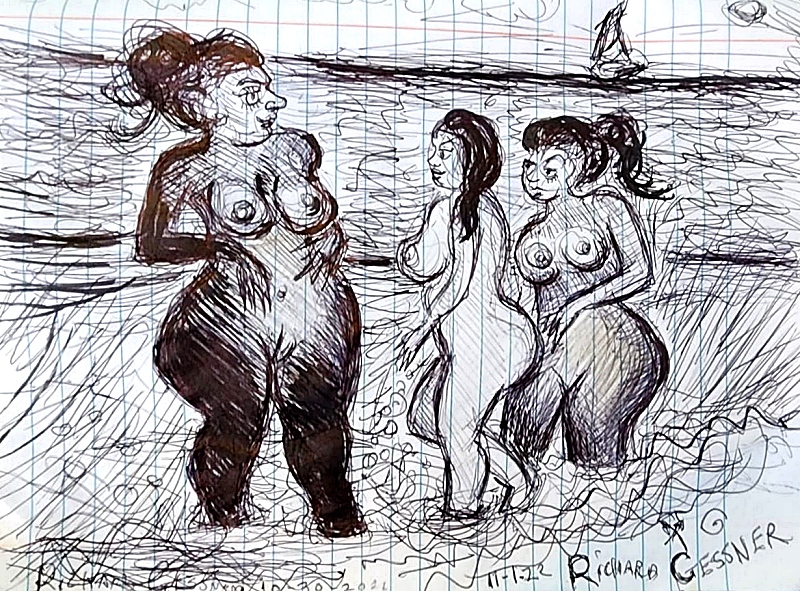
When I read Richard Gessner’s Voyeur Rising I imagined the story as an adult cartoon with liminal existential qualities. Voyeur Rising reminds me of Vladimir Nabokov’s use of an unreliable narrator who is found in most current social media video and reels. This collective trick usually deceives the viewer with a decoy. This is the place where Gessner’s work lurks, to induce the peripheral mind while feeding the predatory eye. Here we see the ultimate conflict and fantasy of the Freudian id haunting the masculine mind. A pleasure principle with an intrusive desire to poach voluptuous women without any commitment- but to squirt sperm, to clone more succulent women so they are everywhere. The fantasy has boundaries in Gessner’s character who is aware of his masculine delusion, that every women he find’s attractive isn’t a possession but an unfulfilled wish. All this takes place by the primordial ocean, a surface alive with waves.
-Mitchell Pluto
Strategically positioning his beach chair, pretending to be reading a daily newspaper, Joey Genauski, nonchalant, invisible, just by chance, settles in a tight rectangle of sand bordering the burgundy beach towels of two 19 year old college girls the age of his granddaughter.
The girls, an ash blonde, and a brunette with auburn highlights, have soft buttery skin, shapely, wide hipped—all curvaceous splendor—
Perfect brown bodies striped with pale tan lines sharply outlining pale pink asses and naturally large breasts jiggling slightly in the warm breeze of early summer.
The tan lines form a pale faded triangle V of panty line extending upwards. From butt crack to lower back, panty lines curving around thighs to below belly buttons—traces of cast of bikini no longer worn.
Gradations of pale pink skin merging to olive, cinnamon, golden brown, pale breasts encircled with D cup outlines of frilly brassieres. Burnt Sienna areoles and nipples a darker shade of brown than their overall tans.
Crisp yellow and gold designer bikinis, light summer dresses, brassieres. And panties are strewn across towels covered with tubes of sun screen, Purses, car keys, fruit, sandwiches cold drinks, a paperback of classic 19th century literature and a current glossy fashion magazine glistening in the sun.
Furtively, through dark sunglasses, Joey Genauski gazes longingly towards the girls’ spread open legs. Their Smoothly shaven vaginas, A reddish salmon pink, are soothed with cooling aloe vera. Blue and white beach umbrellas with a swordfish logo line the beach Landscape. Its a Saturday afternoon in early June, the weekend crowds work to Joey’s advantage, giving him an excuse to sit close to single women without being obvious about it. The crowds camouflaging his true intentions, allowing him to move frequently, unnoticed by the morally reproving beach patrol seeking to squelch his habit of constantly wandering the beach in quest of a perfect view.
Other voyeurs, Joey’s competition, watch the beach entrance from a distance, waiting for the arrival of young ladies, single or in groups. Approaching the ladies after they have gotten naked under their beach umbrellas.
Most women strip naked, but some keep their bikini bottoms on. Some wear Brazilian string bikinis, flesh toned thongs, almost nude, but not quite. Pale maidens wiggle out of floral print summer dresses, shorts, and candy striped one piece bathing suits.
Voluptuous brown girls peel off demure, white see-through-when-wet suits, revealing all to bulging male eyes, looking, gawking, looking away— Diaphanous mesh panties slide down svelte hips, falling to sand. Brightly colored, fancy brassieres pop off as delicate fingers reach behind unhooking clasps shining in the sun, catching the eye of a seagull flying in blue skies above.
Secret cameramen get up in the nooks and crannies of spread eagled women half asleep in the sun. Joey leaves the two girls, vanishing into thick masses of beach regulars, middle aged, tanned and leathery, marking their territory with windscreens, coolers and little plastic flags poked in the sand.
In Joey’s absence, competing beach voyeurs, some bold, well hung, smooth talkers, will succeed in engaging the ash blonde and brunette with auburn highlights in a lively conversation. Mastering bare body language a virile stud will advance to slow massage, rubbing baby oil of their perfect bodies glistening in the sun.
Slick voyeurs who remain at the top of the food chain will return to the beach, summer after summer, appearing like clockwork as in the legendary return of swallows to Mission San Juan Capistrano—
Their pick up routines with the ladies will remain similar and predictable year after year, decade after decade. Enticing the girls with superficial big talk of financial conquest, fancy cookies and little airplane bottles of alcohol.
In the tidal pools of voyeur nursery school, untested new generations of voyeurs emerge like baby sea turtle hatchlings making a mad dash seaward—
climbing the slippery slope of a succulent female ass just over the horizon,
Joey Genauski wanders into a gaggle of girls taking it all off for the first time-
In the distance, randy couples frolic in the surf, avoiding the June Jellyfish in the waves, out at sea, fishing boats come in close to shore, catching a panoramic eyeful of skin.
“Voyeur Rising” (C) 2022 Richard Gessner
Richard Gessner’s fiction has been published in Air Fish: an anthology of speculative work, Rampike, Ice River, Coe Review, Another Chicago Magazine, Happy, The Act, Sein und Werden, Skidrow Penthouse, The Pannus Index, Fiction International and many other magazines. A collection, Excerpts from the Diary of a Neanderthal Dilettante & The Man in the Couch was published by Bomb Shelter Props. Gessner’s drawings and paintings have appeared in Raw Vision, Courier News, Asbury Park Press, Rampike, Skidrow Penthouse, and exhibited at Pleiades Gallery, Hamilton Street Gallery, Cry Baby Gallery, The Court Gallery and the Donald B. Palmer Museum. Richard wrote The Conduit and Other Visionary Tales of Morphing Whimsy. He lives in Montclair, New Jersey.
The Conduit and Other Visionary Tales of Morphing WhimsyAudible
THIS WRITING IS AN AUTHORIZED DUPLICATION WITH PERMISSION AND EXPRESSED CONSENT
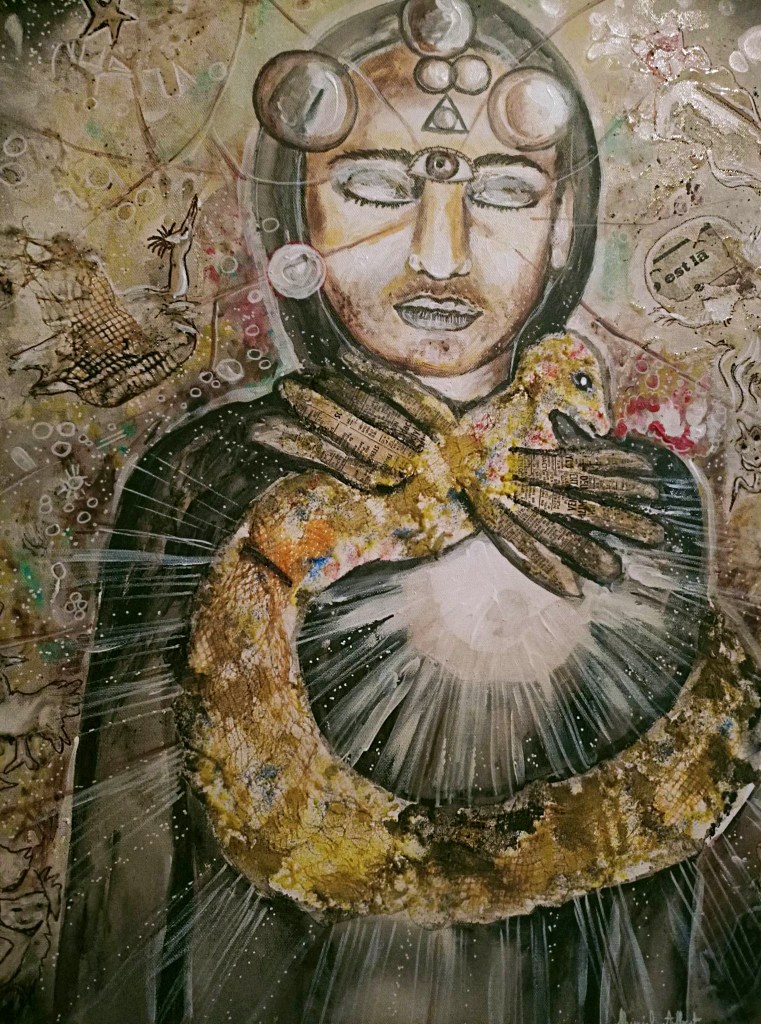
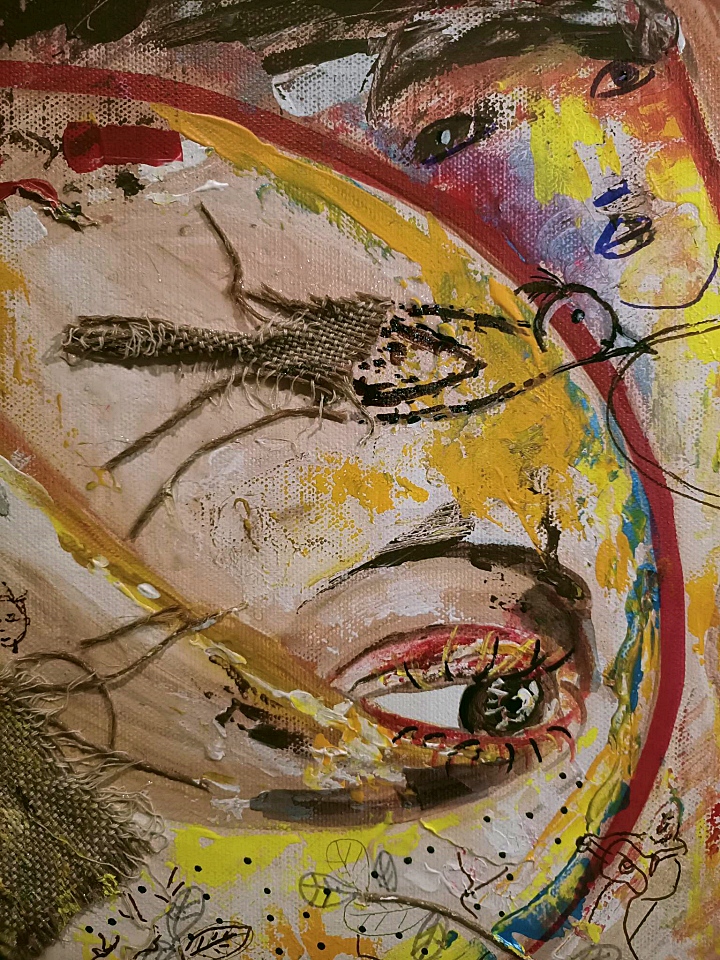
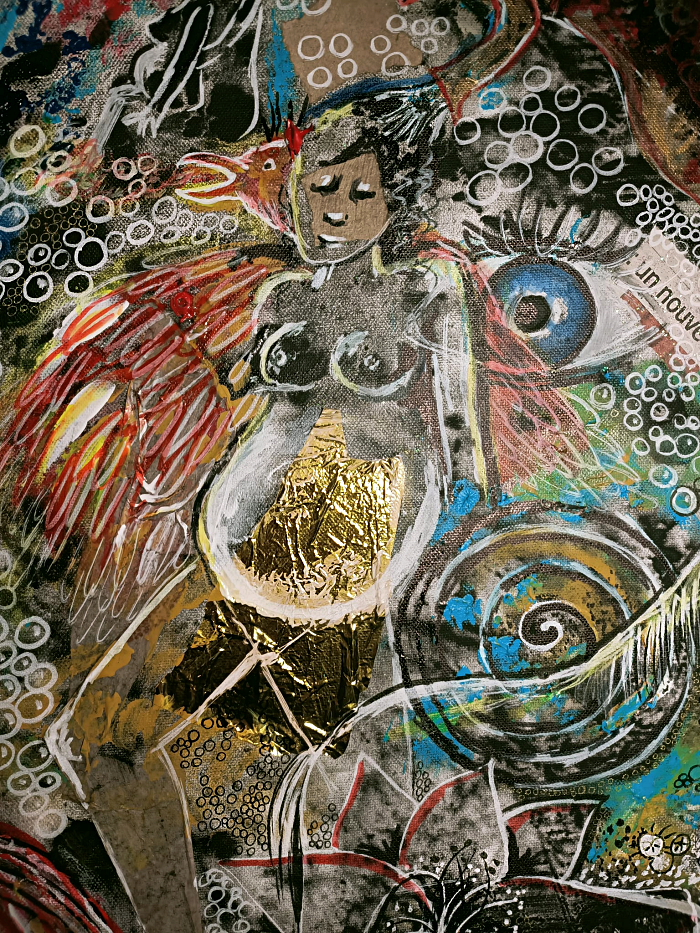
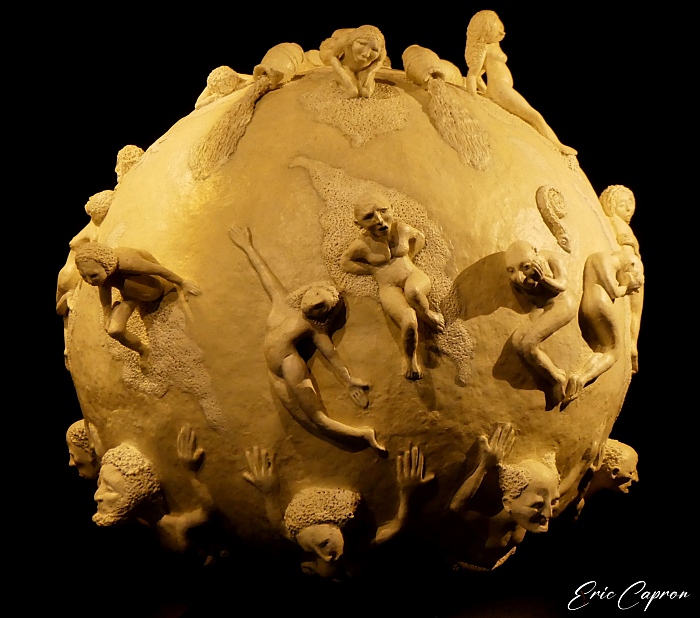
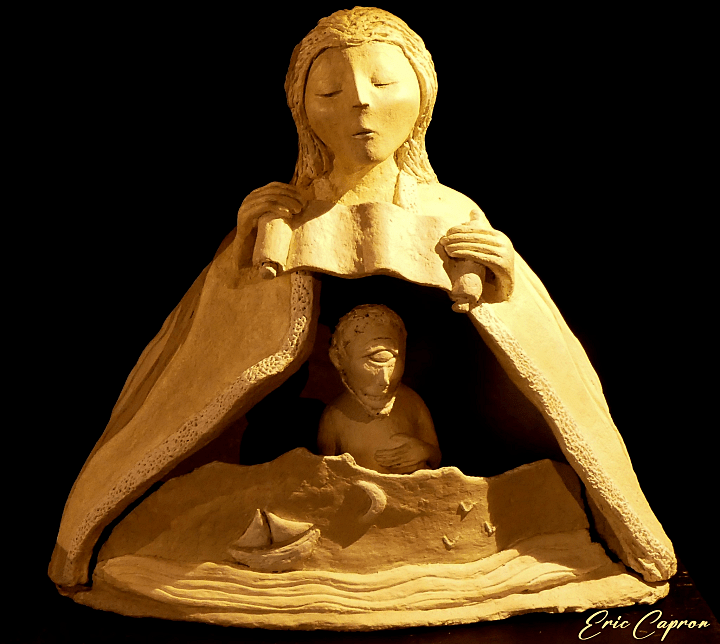
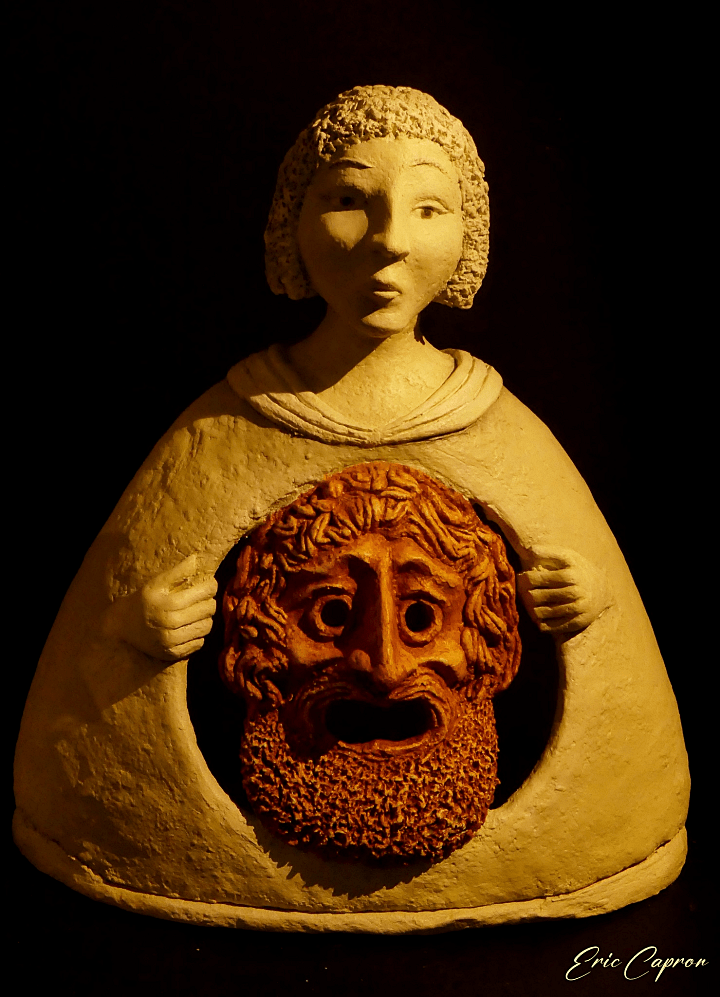
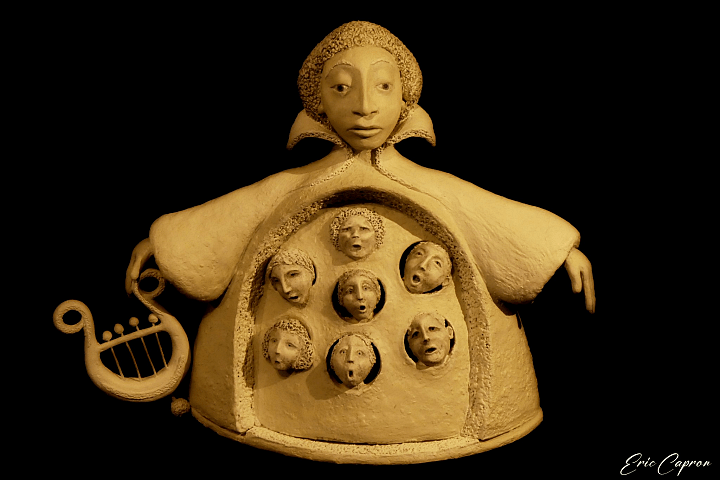
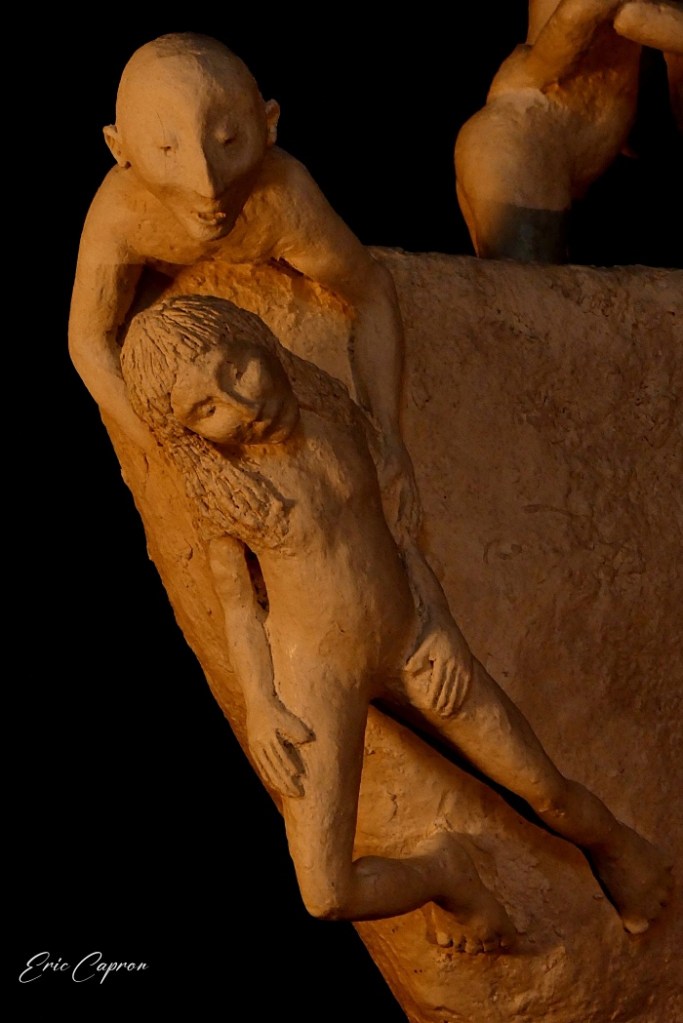
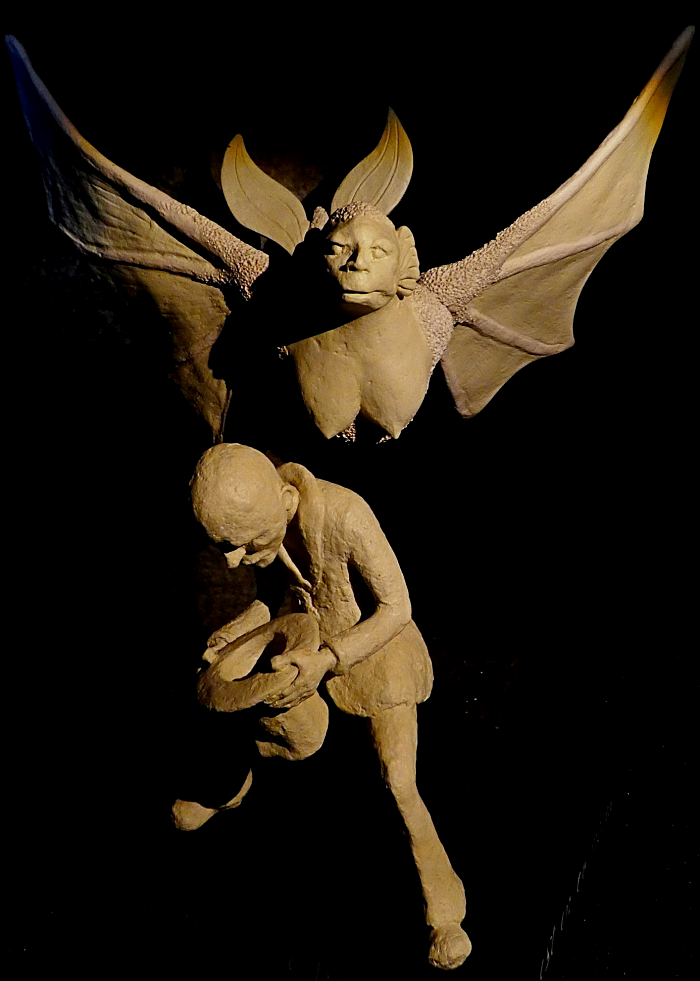
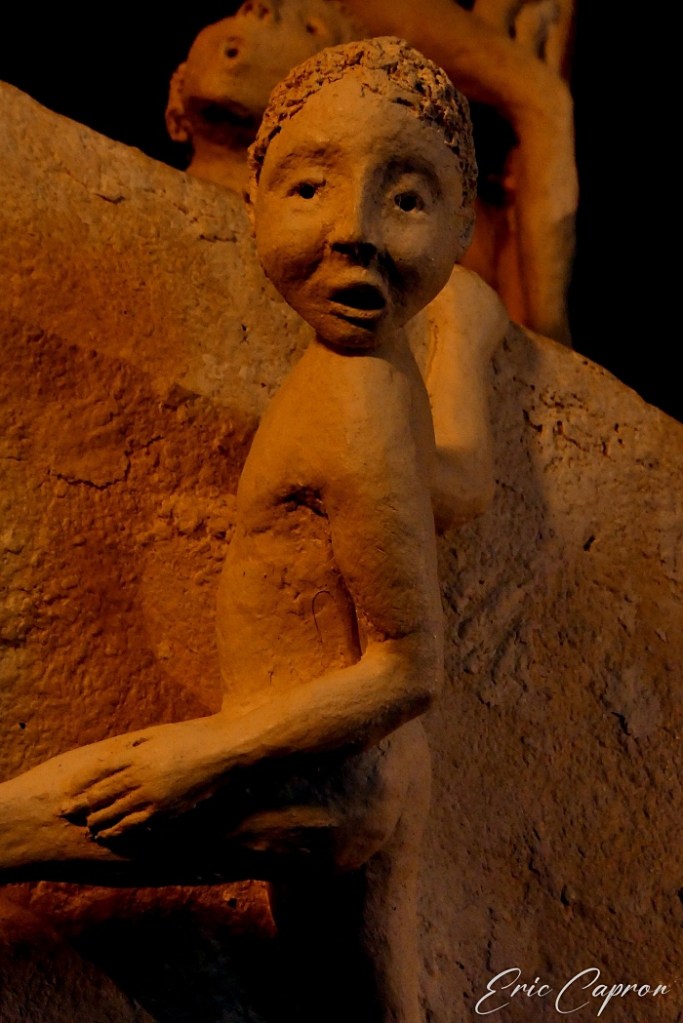
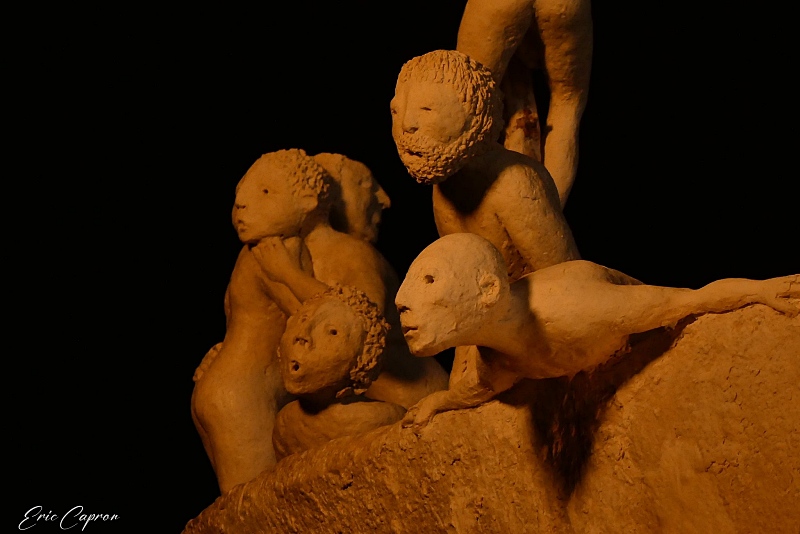
Eric Capron is a self-taught artist. He discovers the arts of the circus and the world of the puppet.
Eric Capron. Artiste autodidacte au parcours singulier. Dès son plus jeune âge, la dyslexie le marginalise. Enfant solitaire, il quitte très tôt les bancs de l’école et l’univers familial. Commence une vie de saltimbanque, découvre les arts du cirque, le monde de la marionnette.
Artiste en perpétuelle mutation. Dorénavant un travail quotidien permanent de production d’œuvres en papier mâché : des corps mis en scène. Des corps non genrés, incolores, sans modèles, mais étonnamment présents à nos regards amis. Ils existent pour eux-mêmes, d’abord.
Les sculptures sensibles d’Eric Capron racontent l’âme humaine, la fragilité de nos destins. L’artiste revisite les mythes fondateurs, puisant ses références dans la mythologie, l’art sacré et profane, l’univers onirique, les grands textes de la littérature.
« J’ai le sentiment d’être l’instrument de quelque chose qui me dépasse, une sorte de miracle, une boite de Pandore qui s’est ouverte…» nous confie-t-il.
			like

lunge clump      canopy canister		fraught ganglia, chop
butterudder						back
								forward
								this way
							that
twist turn				vertiginate
		swallow     swelter
claim cluster clank crank		rustle roundabout
                           c     l     a     m
	bustle break bother broke brother
	bother bustle break brother broke
                   			bristle
								breathe
								    bombin-
ate		fables of late		bludgeon bark   bake
		   sleight slumber swell
	B Flat		line periphery-burst		stride
intervallic surge			sully sulk  skulk
																				 atti-T!ude
feud fidelity
                    ferm             en
                   		  ta		tion

  	in-
 			  	stall

				un-
				install
FRIDAY THE 13TH
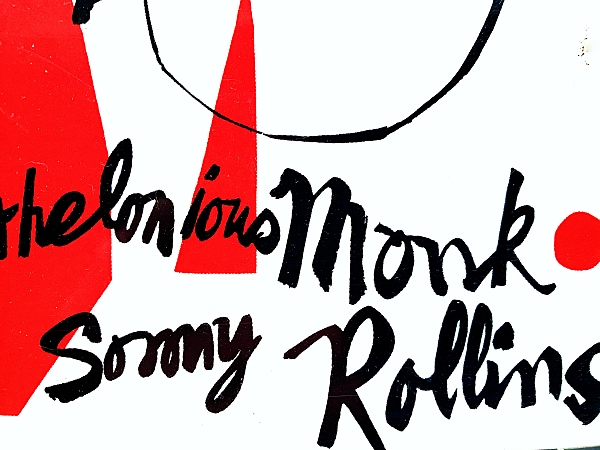
Mitchell Pluto inspired this Hinge to the Monk tune “Friday The 13th” Mitchell writes: One of my favorite tunes is Friday The 13th by Monk and Rollins, at first it takes the listener on a slant- a sort of drunk crab walk, and then the block chords, for me create a square spiral.
WOR studios 1953   thelonious Monk/Sonny Rollins
sloop-de-sloop whirl wind full intake reed fill throat splash slippery slant
peek-a-boo inebriate	peregrinate		in-
cubate 	square spiral boulder-roll stroll crab colossal 	 hi-hat crisp
chink snap crystalclarioncrystalline 	bosomy broth ivories wrought bath breadload beatitude	concuss allude	wedge hook link	sinkseepagelodge
								laurel sling
								carrion fletch
				b e t r o t h
	clump stump flummery block lump here
	come de Monk	scruff scamper liv-
ery lurch	paint a birch		fu-
rl fistful conflagrate agitate French horn ― fog-caster, frog-hopper ― conflate titillate aerate levitate brindle lop Bird-bop
							chordal congregation
							hymnal meditation
				scintilla aubergine
whisk brisk bask peculiar challenge the ruler
adumbrate gestate
spray a mandate
, man
EPISTROPHY FOR T. MONK
ganglion frieze chop
splash melodic purl surge/underflirt slash the line tease conflatethe outer reaches skim bordersperipheries riff the mad notes cyclonesflush curling cuniculi mucid caves jettison spillsof color mutation migration never beforeheard harmonic swoops triadsscribbled above bison head rage ofmemory snarled rhythms stored in stonecircling and twirling a gathering of data raptorial fingers toolboxof the soul aerial lift and poise& strafe the keysprey for salvation litanous chariotsa last chance passagebump into the finalfour bar essence is exhaustionof complexity buck to theride cymbal bow to the bass
Heller Levinson is the originator of Hinge Theory. His most recent books are Dialogics (Anvil Tongue Press, 2022),Lure, andjus’ sayn’ (Black Widow Press, 2022). His Query Caboodle and Shift Gristle are scheduled for a Spring 2023 release (also BWP). He lives in the Hudson Valley, NY.
BLENDED IN THE HOURS From the place where the abrupt sound of the loica ventures
(1) the evanescence of your future breath appears among the vegetation that hides your name and the blue and gray stones of the primal mystery there I will drink from the mist that shouts the perpendicular miracle the only reason at all that moistens the vegetal belly of the beloved and shines the incessant desire. How long does the star take to announce your coming? or there will be no signs in this already long life of chordates
(2) while the empty horn waits for its winds and the opaque flame of sleep leans into oblivion
(1) Signature and unpredictable bird before being (A) bird in the light areas that are shaken by the wind mythical and loving red that drew a smile on a child to open the celestial fields of my pupil that stirred my early neurotransmitters before the new cycle (B) (A) Before being Before discriminating the gray hours from the clear ones I inhabited the only and always proud clarity of my imaginary friend (B) New cycle My lymph is rocked by the wind in a theater of new opportunities those that favor the sweetness of the coots of sober stride mating in the repetition of miracles so that the aromas perpetuate my arcane name and the wandering clouds welcome their polar persistence. I had the option of ascending to lightning by the cosmic warp where perhaps the root of the word would have questioned in coming times of etheric colors where time would have curved for your eyes and I would raise your elusive silhouette that lies in the angle of a sunset irretrievably withers the thaumaturgical vowel (B1) as simple as a smile or the collapse of a galaxy since everything is corresponding and apparent with its prodigious lightness (B2) Like a breath from the forest.
TRAVEL I went down to the inside of your belly caressing the rafters of your cosmic cloud the one that received me with the aroma of the sacred bulbs. There you were the clear love of wood and the vegetal wisdom that embraces the ancient verb when the wind ceases its journey on the shoulders of the floral liturgy How many skies inhabit your seed that furrows the seer’s eye? Is there a niche of smoke that hides your salty voice? Or simply the root of everything has its home in that mystery.
Each step collects behind you, the daffodils that inevitably lose your mark the one that wanders in the deep sands that in the empire of shadows shelters you. The messenger has a singular noise I’ll feel it that dreadful day I will know then that the epitaphs for the sepulcher arrive, where nothing else needs to be done, the metal swallows are an illusory replacement, since the truths remained in the lock, and blind to certainties, I only rest for a few moments to give me strength in the pilgrim sea, the one who confuses the epistolary tides and enjoys seemingly innocuous sacrifices.
I will kiss your lips according to the prophecy
while the breeze will speak the unfinished language
And you will see me with your green eyes
that are not green
are brown
But when you laugh they turn green
and you can draw a different morning
with an approximate solstice
with snakes in the window,
so my useless life becomes useful
because I’m a hobo of solar systems
and I become a wanderer in your body,
as a geographer of your corpse altar
and intruder in your zodiac cenith.
At this moment the end of the thread
talk about the miracle of one day
unrepeatable and mild luck
How strange of an eclipse
under the brief abyssal tides
like ghostly cardamoms approaching
in the deserts of disease
appealing to the late corrections
as it did for millions of years
moss persistence with its epicness
selecting the right humidity
with your organic and fruity hug
in that I put my hope
in what you find in front of your eyes
because I am the one who reads in the borrascas
as I advance toward your directions
who fires violent canines
before those who offend you
to heal that sadness
that leaves the middle of the night when you slip
inevitably and persistently beneath
out the door.
Chandelier in the mornings
this useless armor
And the leaves are blank
soaking up her violently dance
they burn in front of the cabinets of dubious origin.
I hear the birds giving birth to the woods, in the upper angles of a nebula.
At this moment the end of the thread talk about the miracle of one day unrepeatable and mild luck How strange of an eclipse under the brief abyssal tides like ghostly cardamoms approaching in the deserts of disease appealing to the late corrections as it did for millions of years moss persistence with its epicness selecting the right humidity with your organic and fruity hug in that I put my hope in what you find in front of your eyes because I am the one who reads in the borrascas as I advance toward your directions who fires violent canines before those who offend you to heal that sadness that leaves the middle of the night when you slip inevitably and persistently beneath out the door.
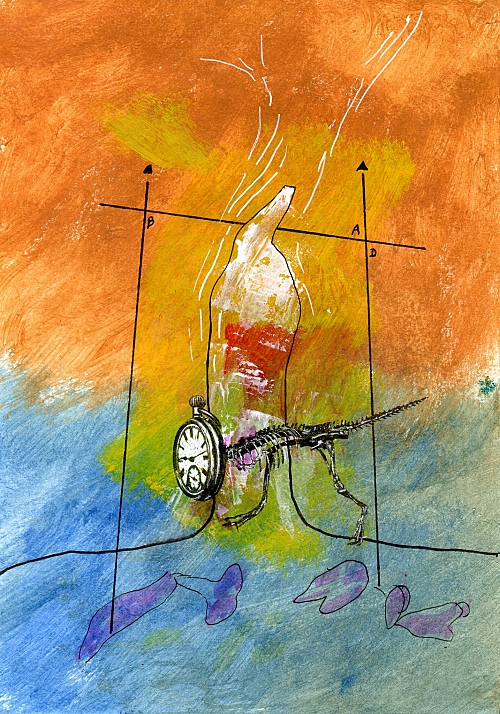
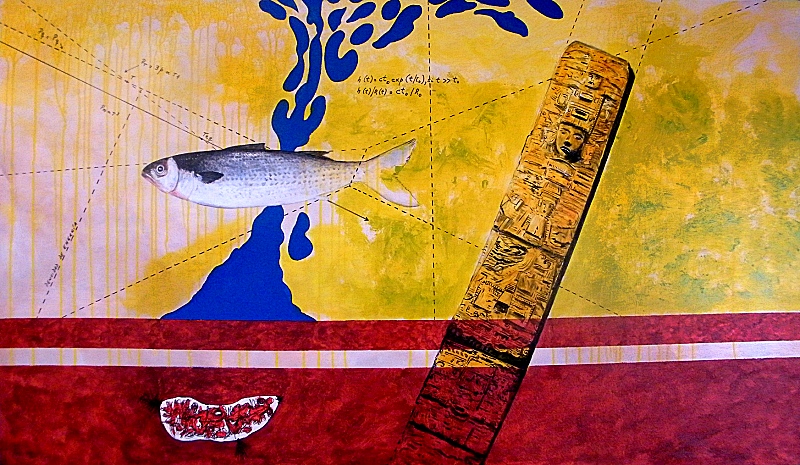
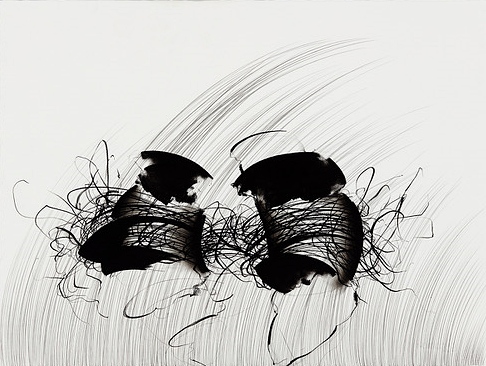
Featured Image: “Beyond the visible world is the non-Euclidean horizon for the dragonfly” acrylic and ink on 250 gm Fabriano paper by Enrique De Santiago
What does it mean to have secrets as the topography of one’s body?
It is true, not all secrets are created equal. Some add a sway to the hips while others…well…they are a poison that eat us from the inside out.
I’m Tellin’
All unsaids, All secrets are not created equal. Some secrets kin with our bodies because our bodies know that they need to be the safe, the harbor for such things. This is not about that. Some secrets turn a walk, a regular gait to a saunter because the body tastes its sweetness. This is not about that. Certain kinds of othas, secrets that is, well….they bloom somethin else, the poison that eats us from the inside out.
This be bout dat. Dat latter kind. Dat otha kind.
It’s not just in the toxic we trust. We grow. We throw seeds. We replicate it.
*
When I was a child , there was a statement that we would say that would check the perceived wrong doer. It would be something like, ’Oooooh, I’m tellin.’ What precedes the ‘tellin’ is the series of oooo’s mixed with the arrangement of vowels and consonants after that short phrase all together, in sum, in calculation, may make the 24 million miles long tail of Hailey’s comet green-eyed.
I’m tellin’ was a threat.
It was to check the doer who was already in deep doin wrong. It was a nod to the way one was willing to betray secrets, willing to betray the real monster who hid under covers.
The tellers of the toxic became the snitches, the snitches is who we said would get stitches In those streets
What does it mean to have secrets as the topography of one’s body?
Be damned, dare stitches, dare the can of whoops ass…I’m tellin.’
No threat…but invocation
Viens
Viens ici
Je ne te l’ai jamais dit mais
Oui je l’ai fait
*
Gwendolyn said it best, “…Even if you are not ready for the day,
It will not always be night.” By not ready, we mean whatever you are holding. Whatever is hiding within the folds and wrinkles and twists of unmade beds. Whatever is being passed across through invisible notes
All ink doesn’t vanish. Some just wears…refusin’ ignoring
By not ready, we mean through the hush of phone calls. The phone calls that contain whispers. The phone calls that have no phone lines that require that and only THAT one other person picks up the receiver
The thing that returns to the pit spiraled tight behind the spiral of the belly’s button. The thing that makes it feel like each look by another means they know it because of the way it reads on the body. Tethered and bound. Whatever it is that you are holding and hoping that the sun won’t beat you to it…It’s coming
Je le referais
Je le referais juste pour le chemin
*
What if we said that the keepers of that kinda…. are the sleepers who never awake. What if we said we will nail their coffins shut
And forbid them from wake. What if we flipped the script on the secret keepers, the pain dwellers, all gates and their guards,
The bottom feeders who feed on the toxic blooms, the corpse eaters who grow fat full and bloated off the bodies that become emaciated from thoooose kinda secrets
What if…We take their power back. We read the topography of the secret laden body and become fluent. Armed with the tongues that know how to untaste poison, daggers in hand.
We the kind who realllll good with the way the sun sneaks up, how it creeps from behind the curtains of dark. The heat, we feel it on our shoulders. We refuse to hide from the way it will come get us
Nous avons tous été pese
Nous sommes toujours trouve…voulant
Nous ne pouvons pas le nier
Something about the way a secret taste
Jevu hu fair sa—
Shanta Lee Gander is an artist and multi-faceted professional. As an artist, her endeavors include writing prose, poetry, investigative journalism, and photography. Her poetry, prose, and personal essays have been featured in The Crisis Magazine, Rebelle Society, and on the Ms. Magazine Blog.
The light of old things, of beautiful old things, awoke in me.-- Sherwood Anderson
swathes wash-lift, titillative
fibers twine through time,
tangle through grasses, air,
the storied
the beheld
these old pliers, bruised, complacent,
loose, slackened by the exigencies
of labor, the perfume of application
seasoned armchair yellowing from
the fade of multitude, stuffed
with the mnemonics of repose, the
armature of provision
spattering through the long cornfields sacred vessels
spring alive, drink the oil of the
corn, flutter to the western winds
things patinated,
foamingricketyhistorical,
flux-chugging
Abyssal Eros

techy		telltale		totem
	odiferous refract
 calligraphic concert

	a matter of teeth
upwards & out
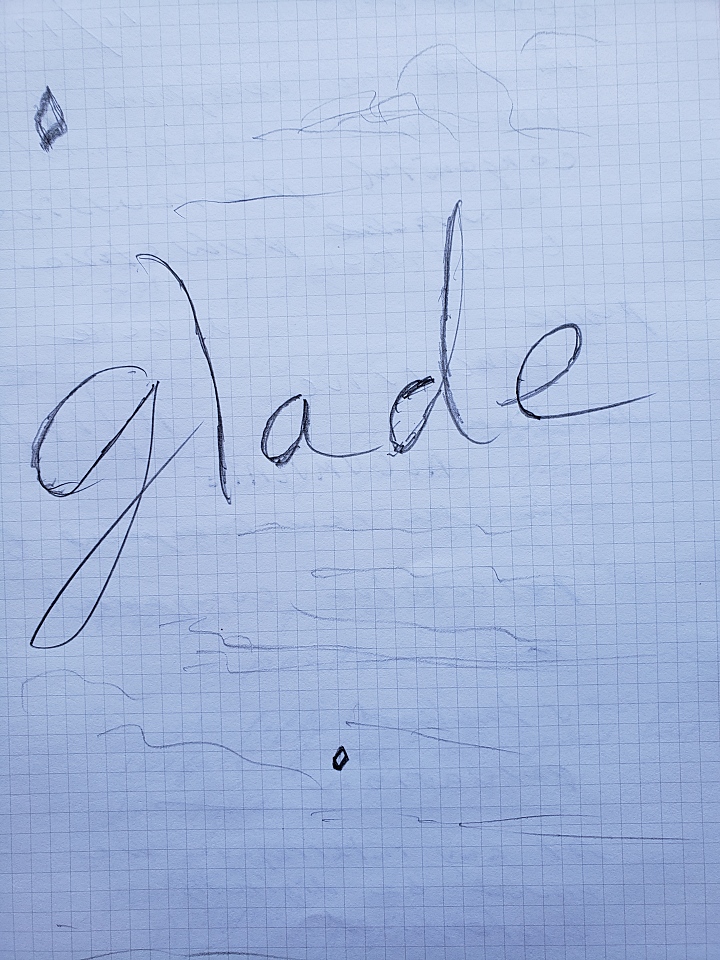
doesn’t anyone say g l a d e anymore?
gloss the glimmer reef really
	hammockSplay		over-
tures daub mineral-rinse gyre
				cumulous curdle
					drift
						harmonies
formulate in flour
	acculturate spray

					love is pertinent to confusion
					meticulous punctuation is an expensive luxury

the floorboards rose,
		       then swallowed
Heller Levinson is the originator of Hinge Theory. His most recent books are Dialogics (Anvil Tongue Press, 2022), Lure, and jus' sayn' (Black Widow Press, 2022). His Query Caboodle and Shift Gristle are scheduled for a Spring 2023 release (also BWP). He lives in the Hudson Valley, NY.
Featured Art Photo Grass Drawing for Sherwood Anderson by Linda Lynch



















 Mitchell Pluto