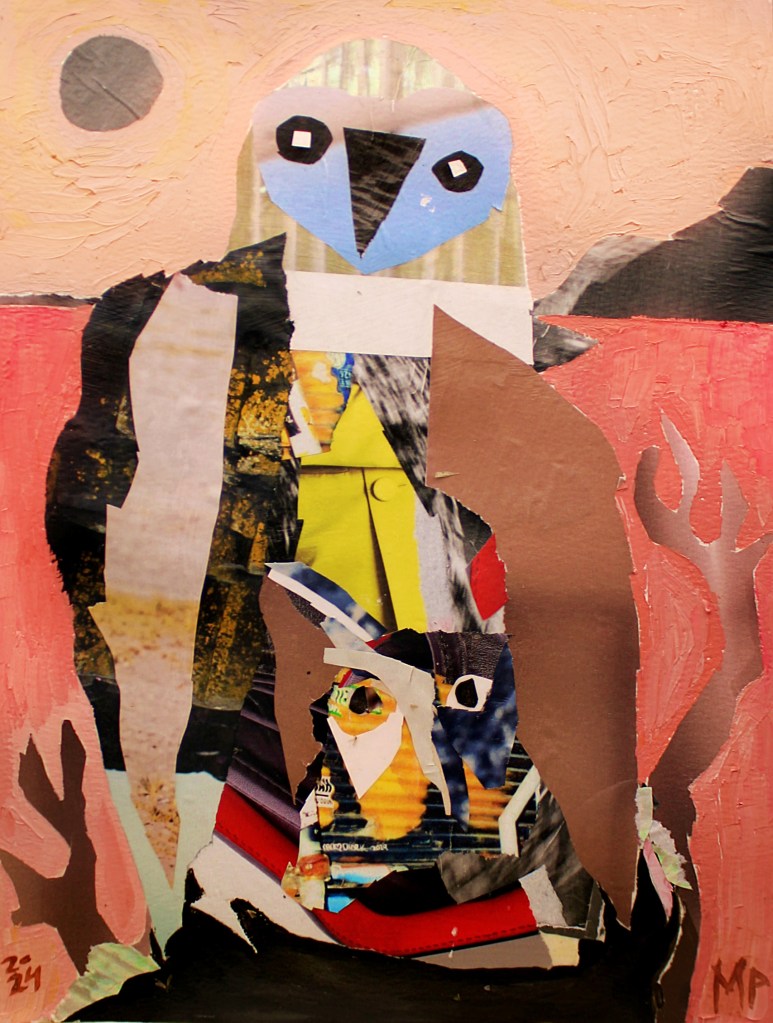
Extraña casa de los sueños Claudia Isabel Vila Molina

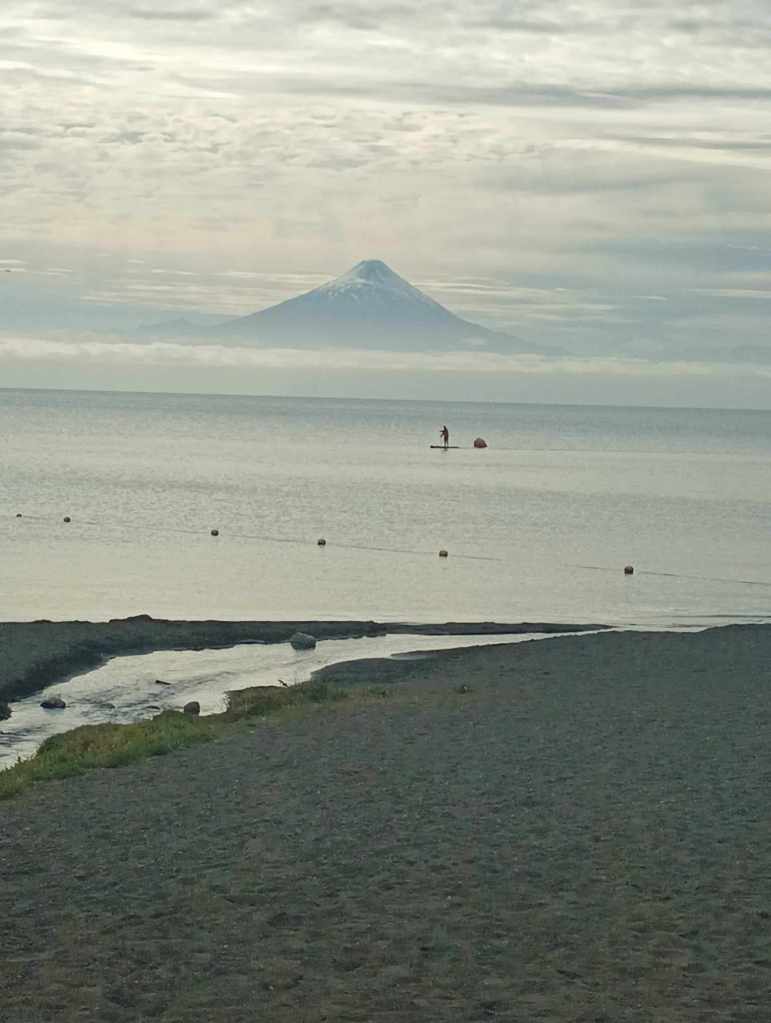
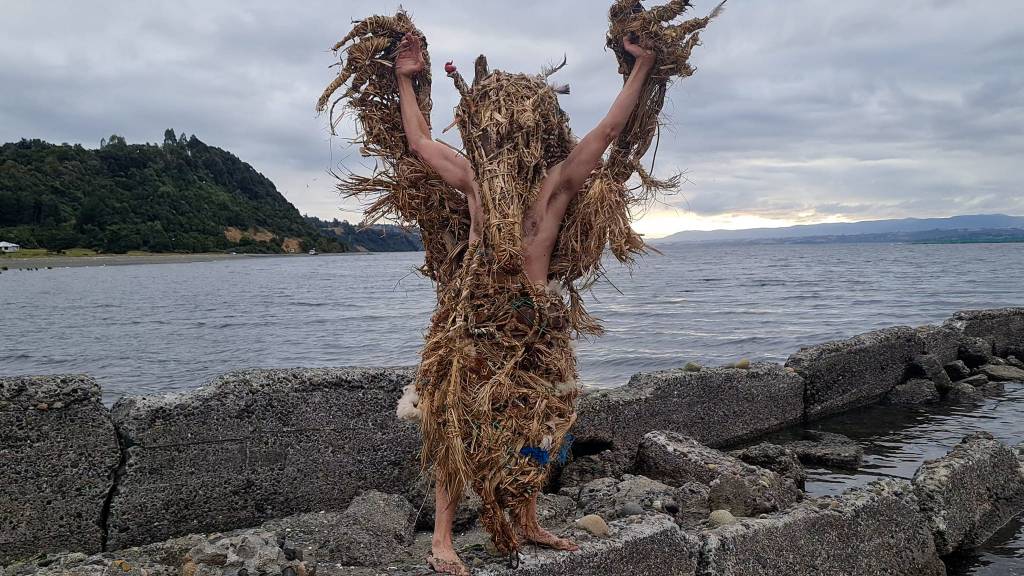
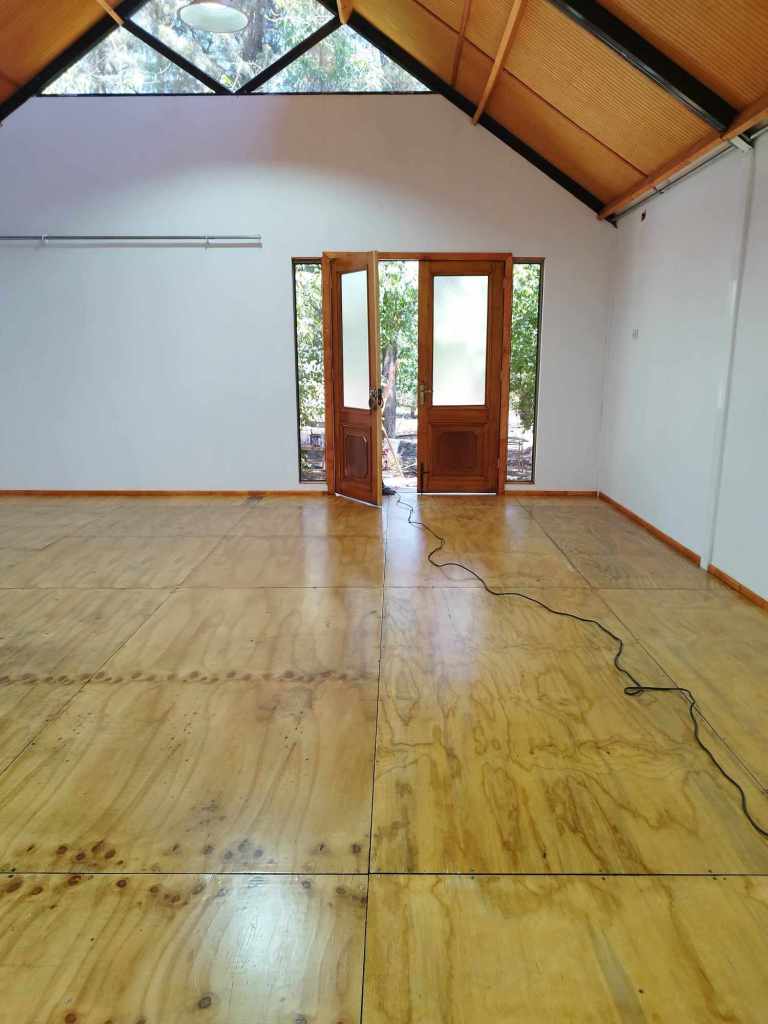
Frutillar in the south in Chile. Photo credit Claudia Isabel Vila Molina

Sueño contigo madre corazón de átomo

Los divisé

pasaron por la ventana

hacia el este

(no me vieron)

se ahogaron en mi corazón.

No eché a los demonios

ni vi tu propio ojo mirándome.

Del libro inédito

La extraña casa de los sueños

Bosquejos

Ya es la hora, el tiempo

se perfila en las líneas de su mano

me basta golpear mi frente contra la ventana

derramar lenguajes en el sitio de la evaporación

me basta saltar los rasgos, los auténticos rasgos de la locura

pieza enigmática – distancia -vuelos.

Fotografías

Manos someten brevedades de minutos

y entonces el silencio es una plancha tibia

en el lugar de las memorias

y la llama una tetera oxidada en el interior

de imágenes.

Sacrificio

Mi cuerpo es tan lúgubre como la noche

y aun así entras en él- astros fracturan

el sesgo de remordimientos-algo ignorado

sigue en vilo -a pesar de los ángeles de las fotos

mi cuerpo sigue susurrando su corona de espinas

maniatado hacia las últimas especies de infamia

mi cuerpo es la sombra de tus ojos fantasmales

en el fondo de los espejos solo existes.

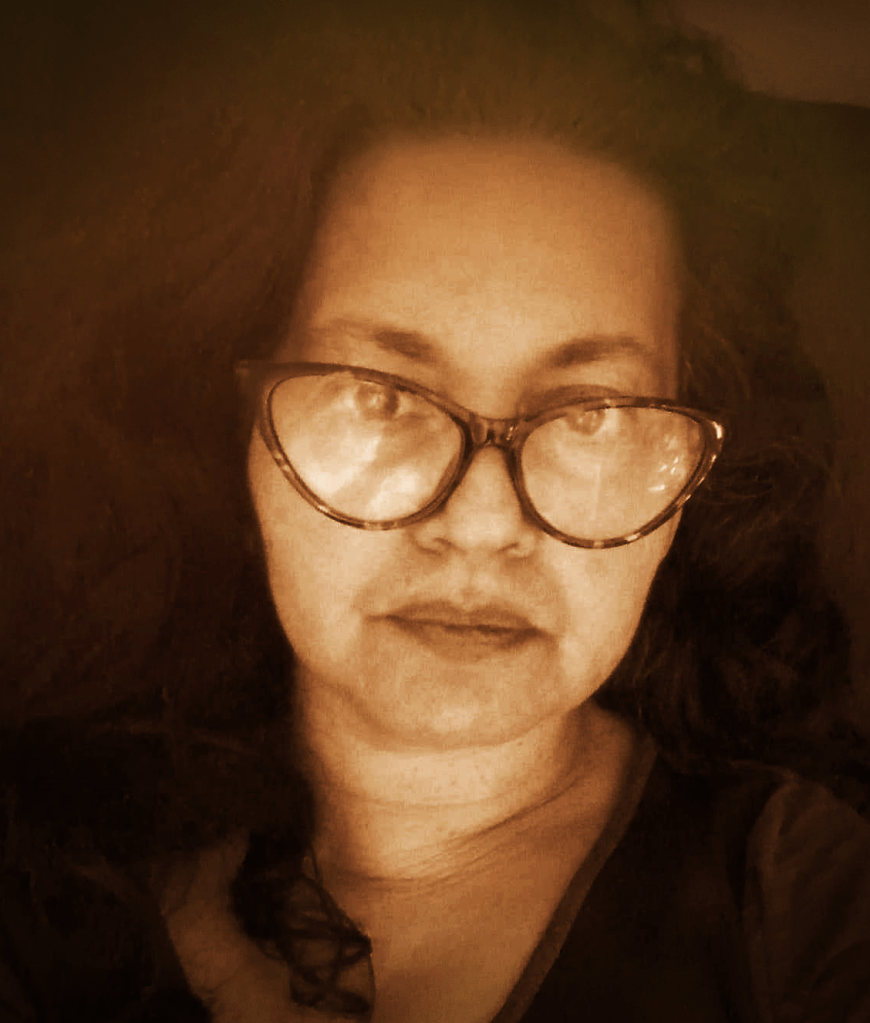
Claudia Isabel Vila Molina 22-09-1969…) Escritora nacida en Viña del Mar, Chile. Profesora de lenguaje y comunicación (PUCV), poeta, editora, correctora de textos y crítico literario. Estudiante de Magister en Literatura Comparada en la UAI en Santiago de Chile.

Francisco Ríos Araya y el Trance de Tejer

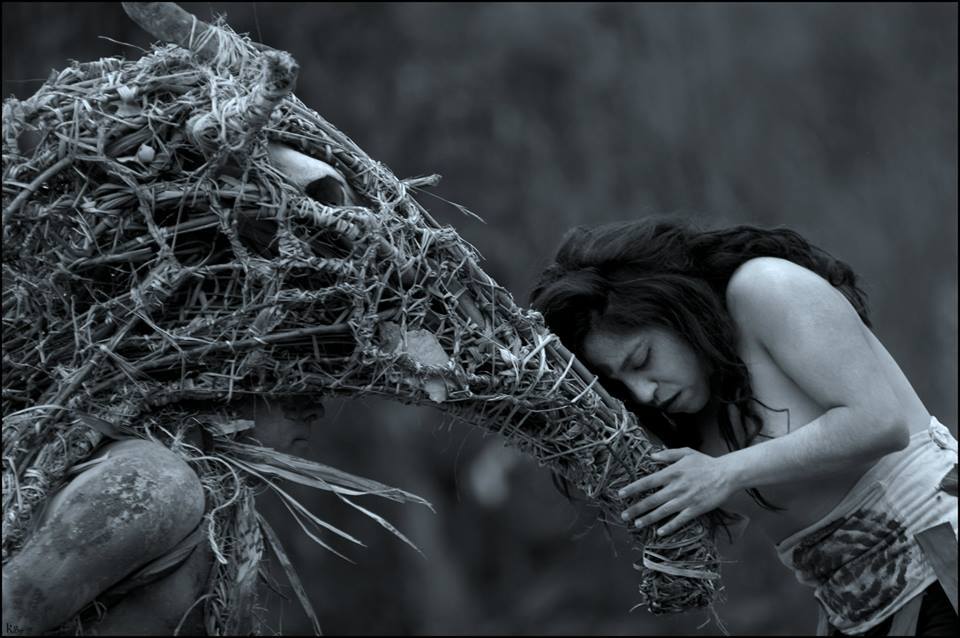
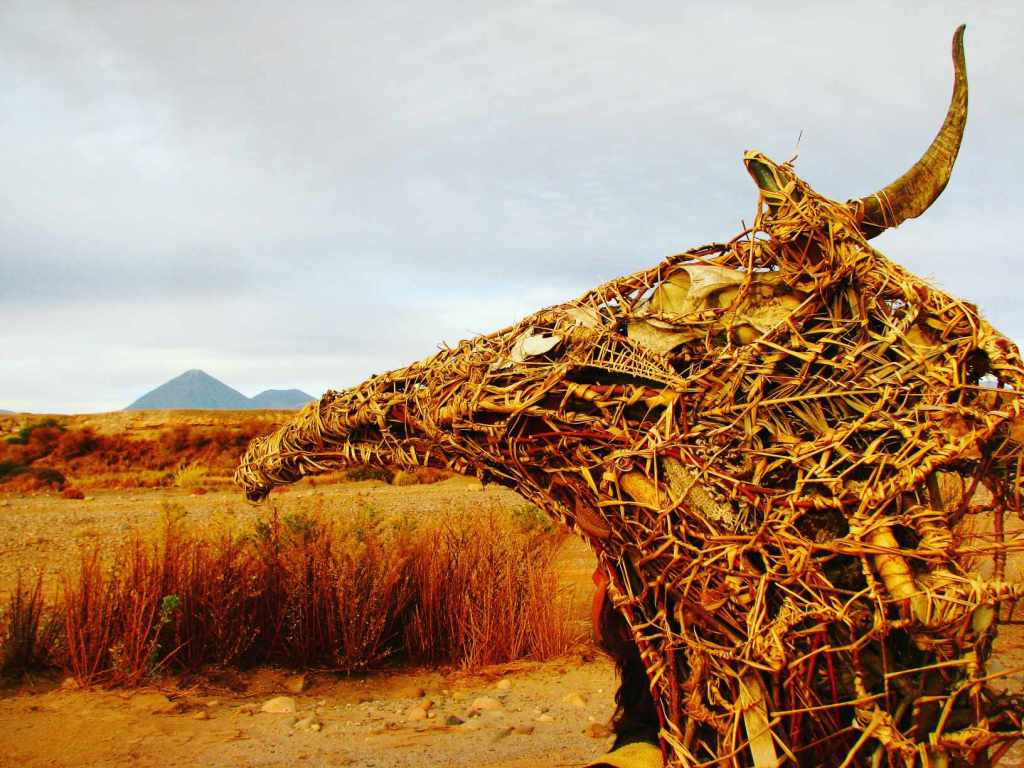
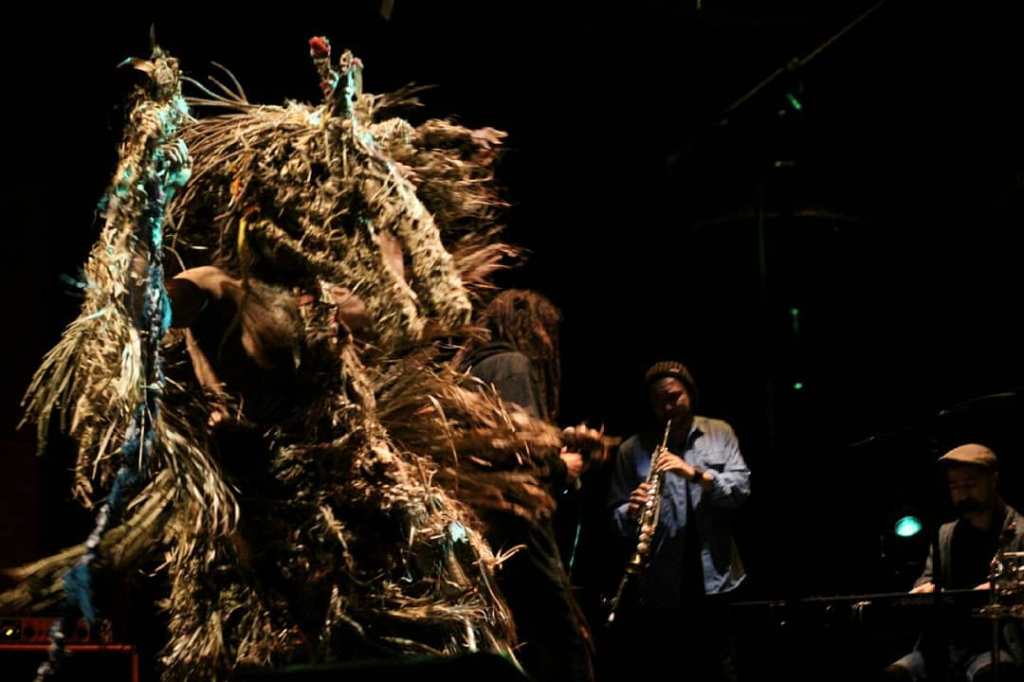
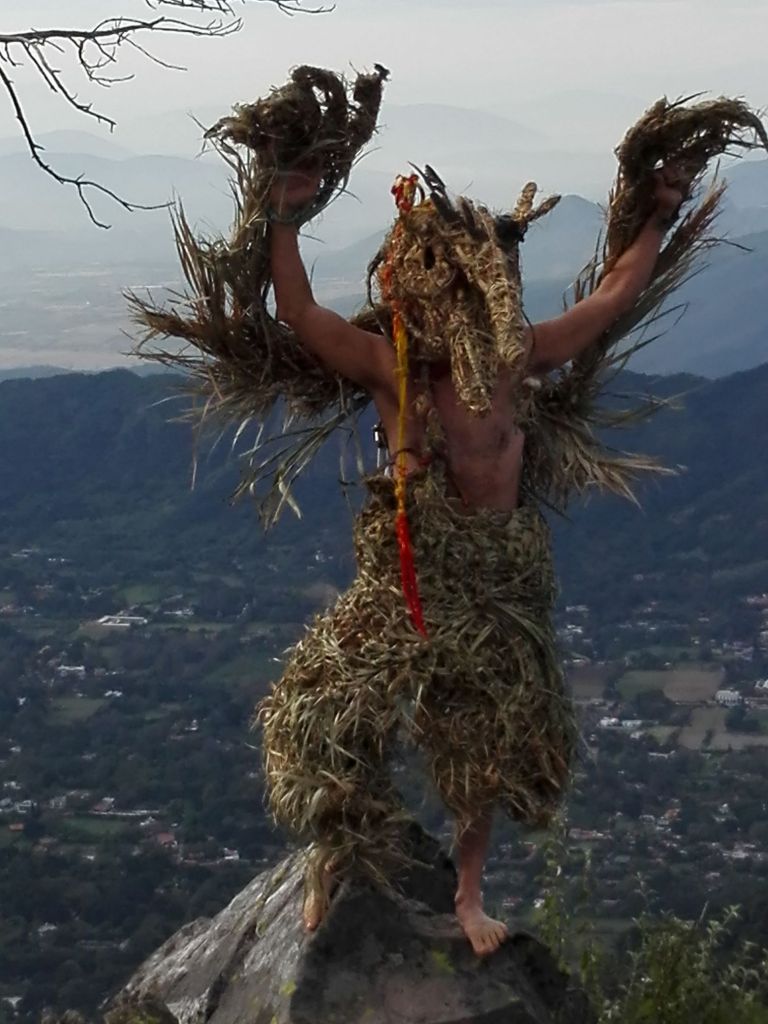
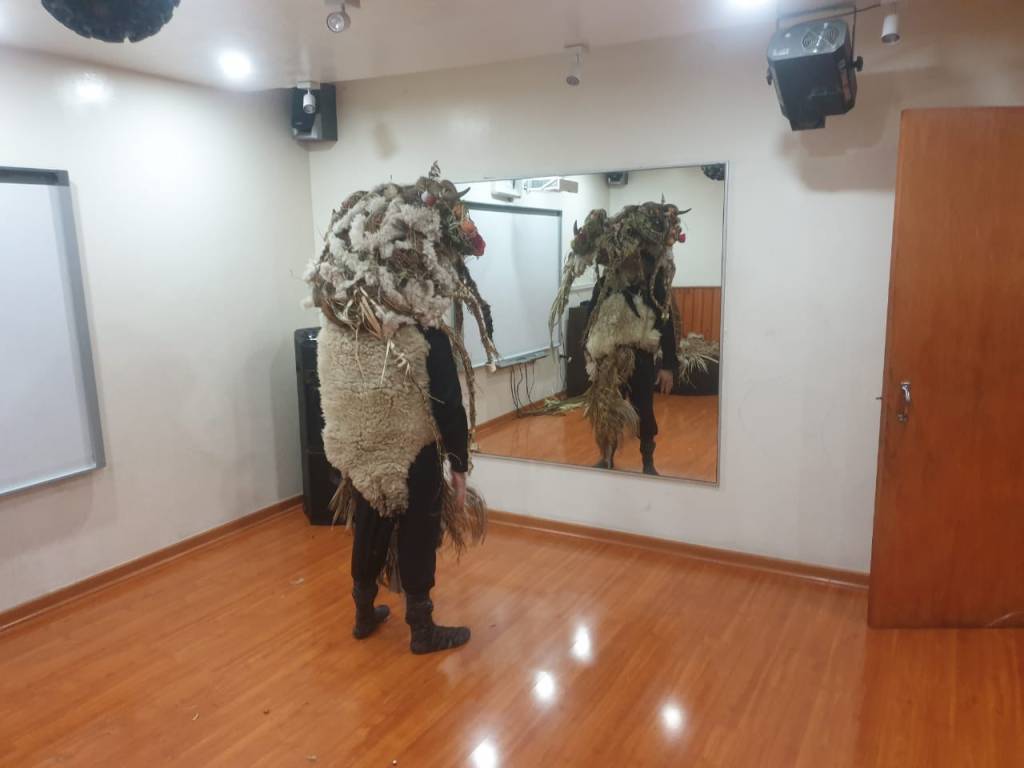
Son seres míticos… o espíritus vegetales y animales…que aparecen por el trance de tejer .
Que son nuestros primeros textos.

Es bajar ese texto al cuerpo y activarlo en ceremonia
Ese texto de plantas tiene una memoria ancestral

Que yo rescato hoy, por la necesidad de volver al rito, al mito y a generar saberes integrados para sanar

Si es así…mi quehacer es un trance espontáneo…según lo que voy tejiendo se arma el texto…

Si tejo una raíz me habla del inframundo.
De mis densidades, oscuridades.
De mis ancestros que nos sostienen y nos hacen pertenecer con identidad.
Nuestras abuelas piedras nos enseñan a concretar

A cristaliza

Si tejo una rama, me conecta con supramundo, la luz , los seres alados, el aire, la espiral y el fruto , para dis frutar = sacar el fruto..
Es lo que me hace ser Pajararbol
Al servicio de un oficio ancestral.
Arte para lo social, arte en tribu

Francisco Ríos Araya (1971, Santiago)

With a background in journalism and art studies, Francisco has established a career known for participating in international sculptors’ gatherings. Clay, metal clay, wood, resin, and natural fibers are among the materials he integrates into his works.. Through his research, he investigates abstract elements that are connected to sensuality and the origins of life.

Francisco’s work revolves around exploring the representation of mythological beings present in diversified cultures. His reinterpretation of these concepts emphasizes their role as a conduit, linking the earthly with the celestial.

Raros Sueños Claudia Isabel Vila Molina

Selección de poemas

Poeta Claudia Vila Molina

(Textos extraídos del poemario inédito Espacios otoñales)

Asuntos difíciles

Te dije que eras

que éramos algo difícil

el sueño nos hizo

reconocernos

nos botó la ola

de las muchas

memorias dispersas

y escuchamos el otro

lado de la pared.

Rosas rojas III

Me llamaste

desde una inicial

tallada en el cemento

me dejaste tocar

tus cuerpos fundados por la noche

más algo nos detuvo

y nos olvidamos callar

nos volvimos piedra inmediatamente

algo nos llevó hacia las hogueras

estábamos al principio de todo.

Raros sueños

Sueño con alguien desconocido

las palabras tienen vocales adúlteras

puedo procrear estos refugios

y deshabitar la noche

hoy vendrás a desnudarme

ellos me muestran otros paraderos

un tipo de lejanía habitual

el ritmo del oleaje

en ese sentimiento alzas la voz

y la fuente estalla en la penumbra

tus ojos parpadean furiosos

mientras nos llevamos la distancia.

(Poemas extraídos desde mi libro Los Extraviados)

Texturas difusas

Yo sé que te perdí, las heridas no eran la conservación

más fiel de nuestros recuerdos. Sé que te perdí en esos

rieles, la cabeza me remueve el sentido y no puedo

recordar los ritmos de los árboles, sé que tu cuerpo se

contorsiona, porque es tránsito y su pasaje es una

escalera sin dirección. Los dolores me cruzan la cara,

los ojos. Tú me cruzas como paloma y yo no sé, ¿qué

importancia tiene?, si volver a mirar los cerros con sus

murales, los pasajeros que nunca cesan de caminar o

los ángeles que vuelven a morir al mismo sitio. Se

acabaron para ti las oportunidades, el día se fue hacia

otra parte y así estamos partidas por la mitad, en el

círculo de luna y en la zona caliente de tu dolor.

Bosque

Desde el puente la luz se hace navío

y cede pensamientos en un paisaje de otoño

retrocedo, me albergo en este pasado

y un rápido batir me lleva hacia los ojos del bosque

diciembre es sólo una ráfaga

y los pájaros son niños que parten la memoria.

Universos paralelos

Contemplo naturaleza dentro de otro mundo

los árboles (como hilos sujetos por un alfiler)

se pierden entre las ondas

nunca más su mirada

quedará prendida a ciertos espantapájaros

(limitando el vuelo de los tornillos)

ni siquiera bajará hacia las cerraduras

y retumbará en los eslabones.

Claudia Isabel Vila Molina 22-09-1969…) Escritora nacida en Viña del Mar, Chile. Profesora de lenguaje y comunicación (PUCV), poeta, editora, correctora de textos y crítico literario. Estudiante de Magister en Literatura Comparada en la UAI en Santiago de Chile.

Featured photo: Inside the shaking tent or dentro de la temblorosa tienda del conocimiento by Mitchell Pluto

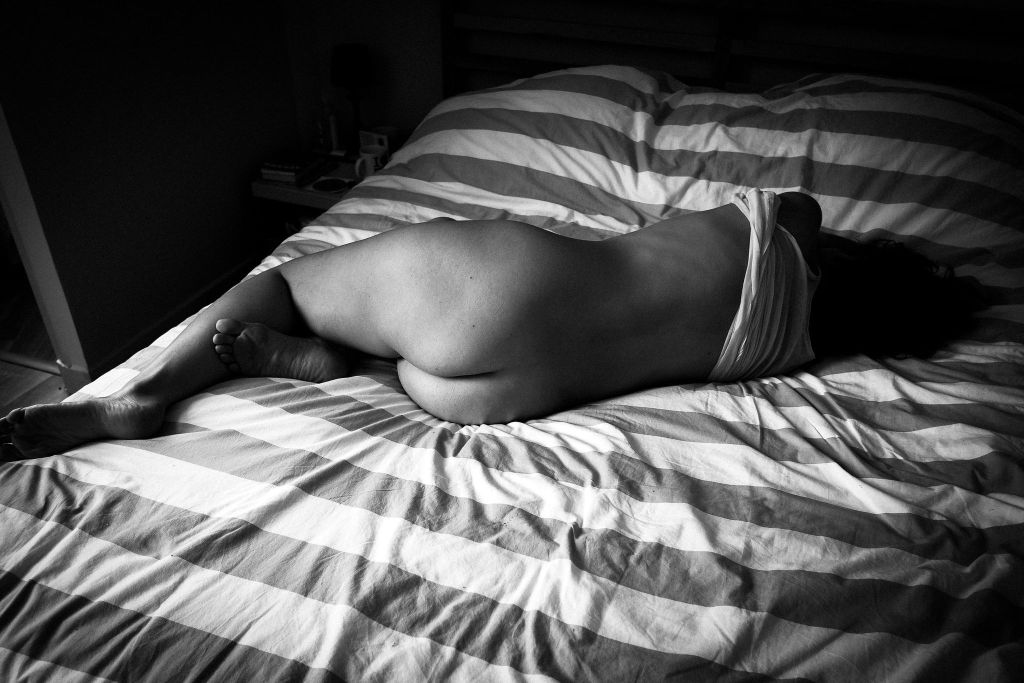
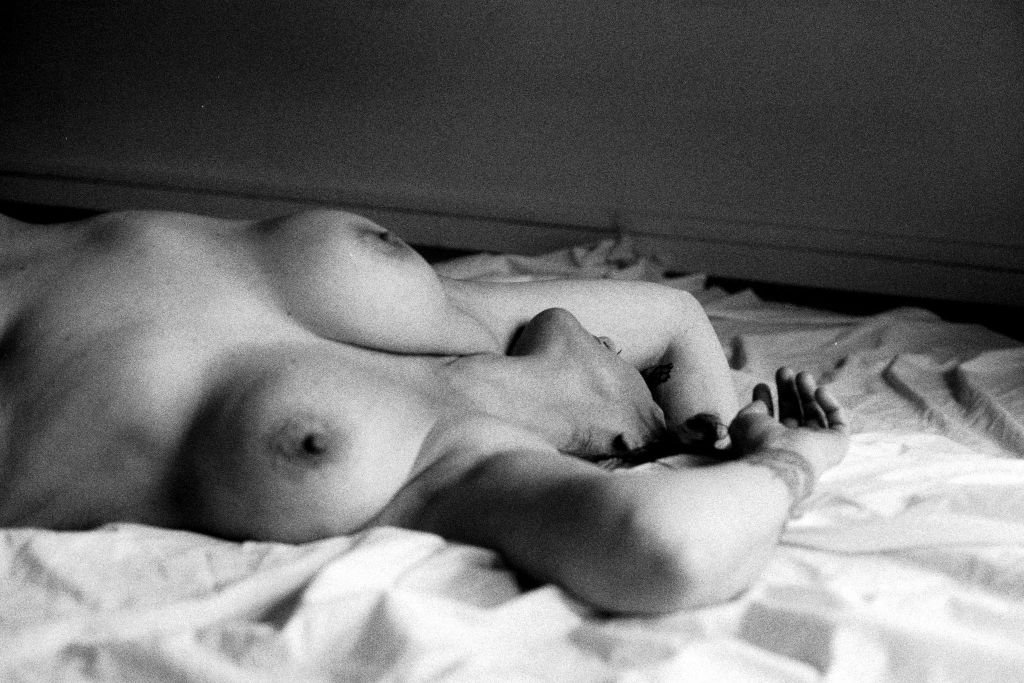
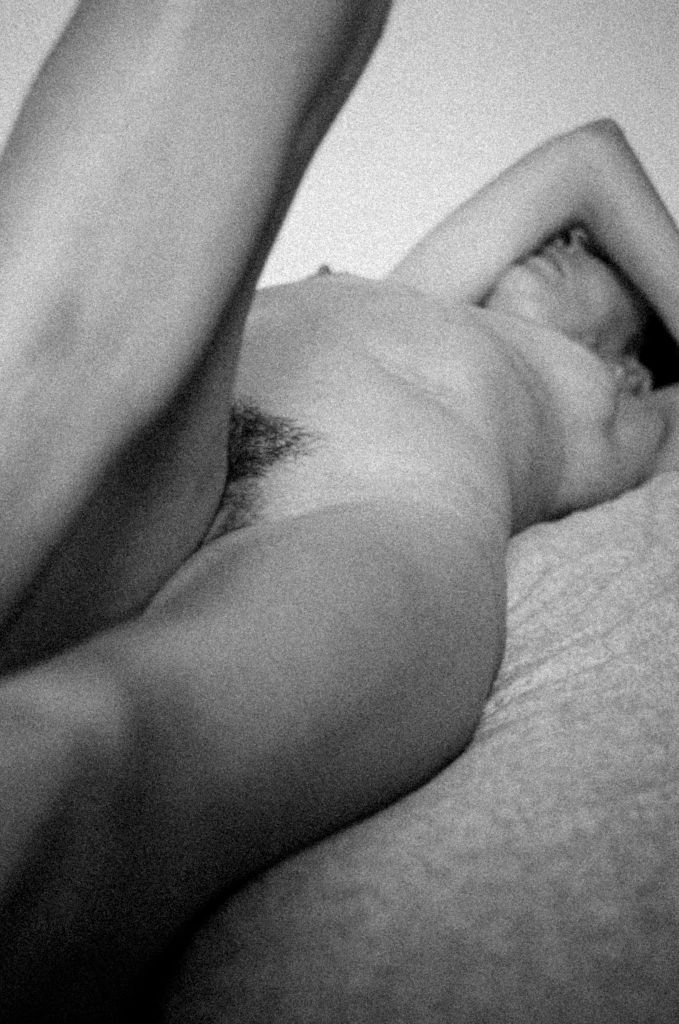
Stephanie Di Domenico, Another day before death 

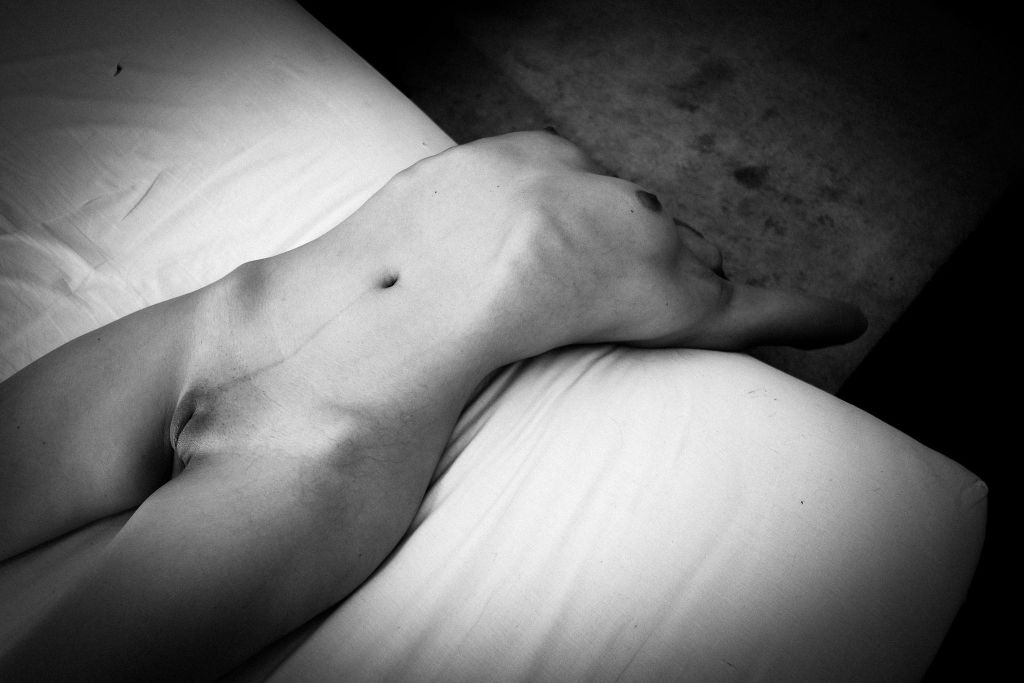
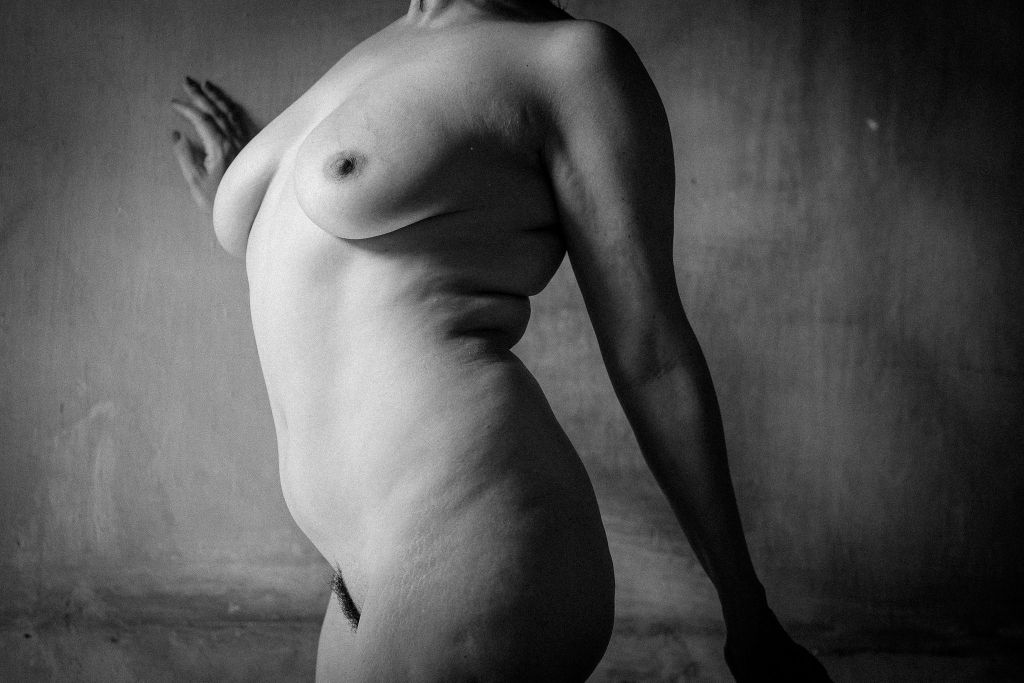
With complete dedication, Stéphanie immersed herself in photography, perfecting the gestures, and selecting women as her muse. Through her work, she realized the significance of honoring the dignity of every woman. Stephanie’s sessions revolve around accepting the body and loving one’s self, even in the face of adversity. This theme triggered a desire for personal growth.

An Intimate Photo Session with Stéphanie Di Domenico From Shunga Gallery Erotic Art Magazine

Another Day Before Death

Limited Edition 75 copies – Photographic book – photographs by Stéphanie Di Domenico

Cryptic Messages from Leo Alt

Alien Telepathy

Inspiration for my Artwork comes about fast and furiously, which I attribute to the theory of left-to-right brain transformation. My background and education have enabled me to create without boundaries.

The Overseer

I see a world of abstract shapes and colors, and I interpret my vision in digital images. Hidden within my creations are enigmas—mysterious images, cryptic messages, and symbolism. I invite viewers to explore, to decode, and to find their own meanings in the art

Crystal Blue Persuasion

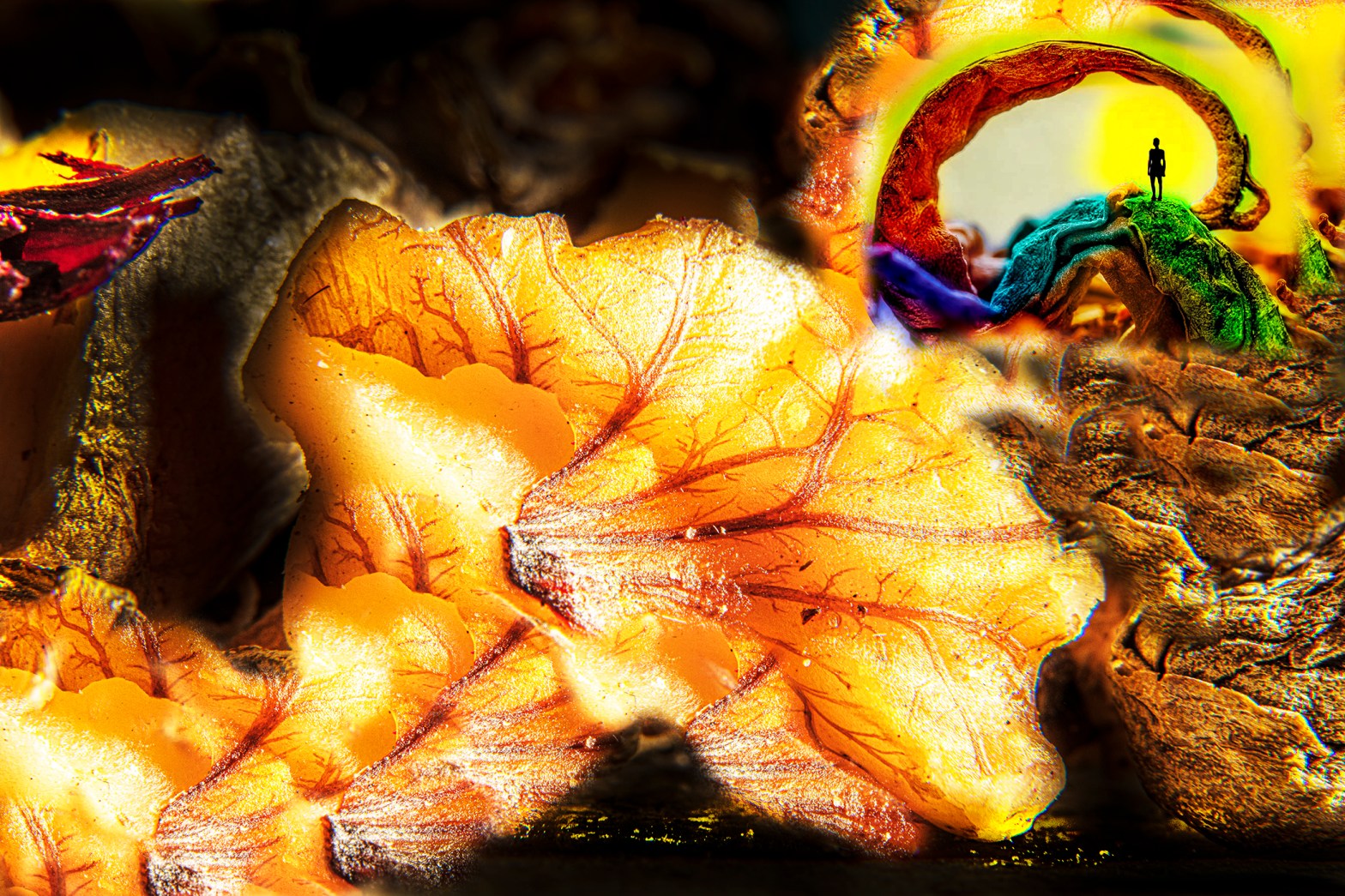
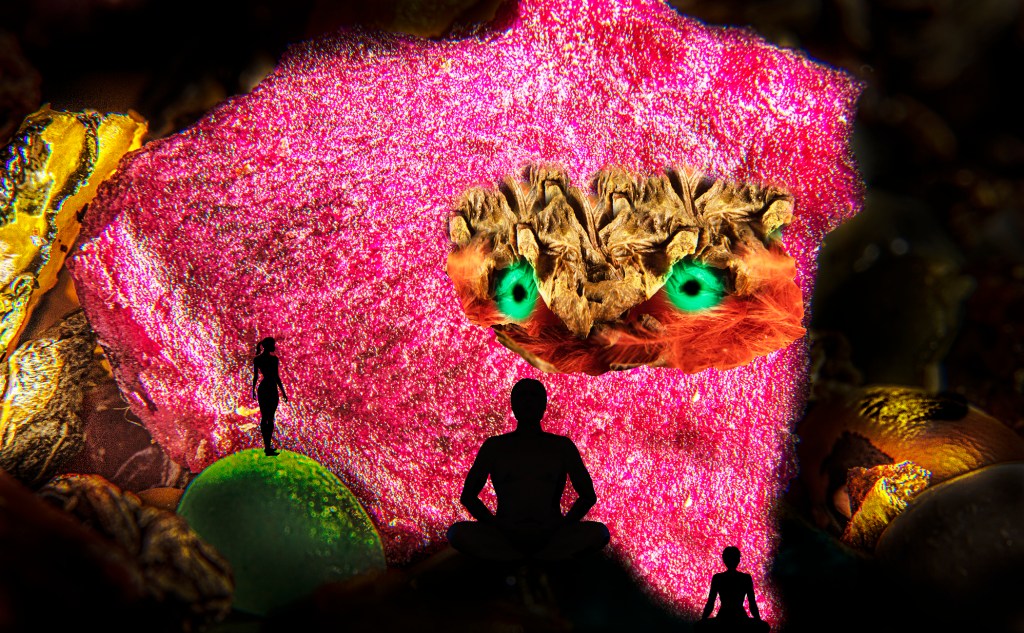
Leo Alt (Leonid Altshuler) is a notable 21st Century Digital artist, whose work incorporates images of organic substances, minerals, and man-made items, photographed on a micro-scale. Included in the surreal scenes are silhouetted forms of humans and other creatures.

The vivid images are evocative of many scenes: dreamscapes, alien worlds, portals to other dimensions, and more. Leo’s portfolio showcases his unique vision and creative approach to digital art

Galería de Colibríes

A partir del próximo mes, el mundo pronto recibirá una invitación para experimentar la vibrante galería del artista sudamericano René Fernando Ortega Villarroel. Quienes se encuentren dentro del área son bienvenidos a asistir a la expo Franterno. Marquen sus calendarios para el 23 de marzo, cuando una exposición de grandes artistas sudamericanos que alteran la mente debutará en Til Til, región metropolitana de Santiago.

Pocos lugares pueden rivalizar con la línea eléctrica orgánica que se encuentra en los entornos naturales surrealistas de Chile. Chile y Sudamérica se convertirán en destinos líderes mundiales para experimentar estados psíquicos surrealistas.

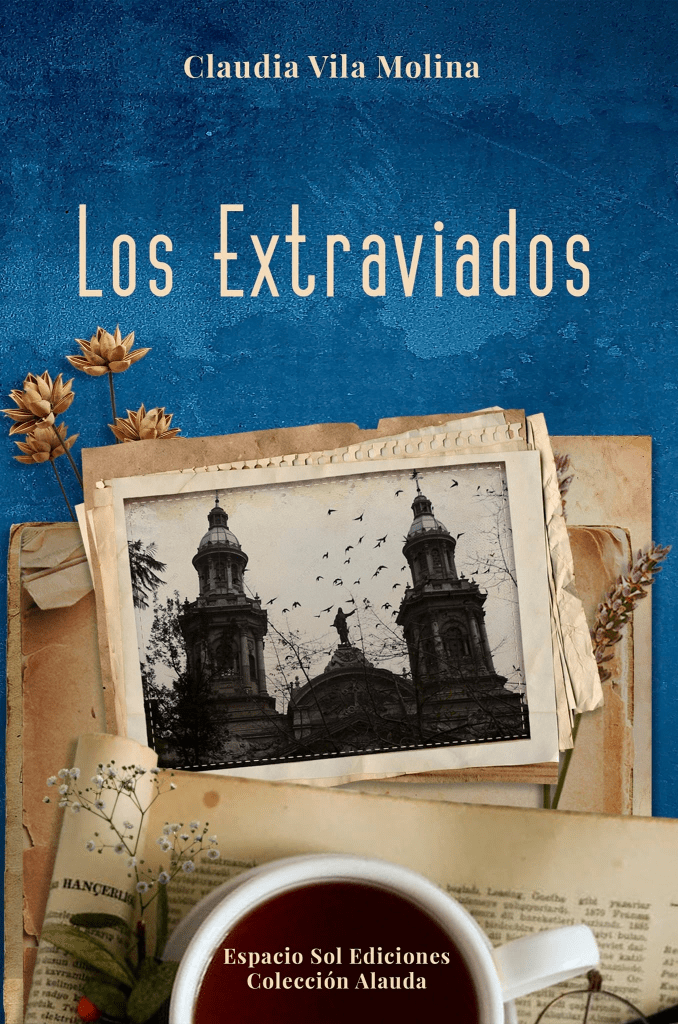
Los Extraviados Claudia Vila Molina

Pesquisas

He estado buscando la esencia del mundo

y he recorrido todos los escondites

pero tu no estabas

aunque vi debajo de los cartones

muchos quisieron huir

y albergarse dentro de mi mente

los demas escucaban los relojes

y seguian palpitando

entretanto yo ofrecia mi cuerpo a la luna

y ella miraba a traves de los espejos

la cara oculta de todos los hombres

Conjuro

Hago un circulo con las hojas

llamo a las puertas de la neblina

y un nuevo rostro aparece me saco antiguos ropajes

y floto con los muertos

nada es mas oscuro ni menos irreal.

Hipnosis

Un brillo como de hoja seca

persiste a traves de los objetos

que se diluyen en nuestras miradas

si a ese disfraz le quitamos las plumas

la noche tendria que inventar

nuevos prostibulos para esconderse

y se resquebrajarian

los rostros de todos los hipnotizados

Exorcismos

Las sombras saben guardar secretos

y muerden los tramos de esta hipocresia

no niego tu podredumbre

aunque me siente a un costado de este camino

y eche espuma por la boca

El tiempo tiene una agotadora manera

de sentarse en las sillas y mecerse

Claudia Vila Molina
Claudia Vila Molina was born in Viña del Mar, Chile. Professor of language and communication at PUCV. She is a poet and literary critic.
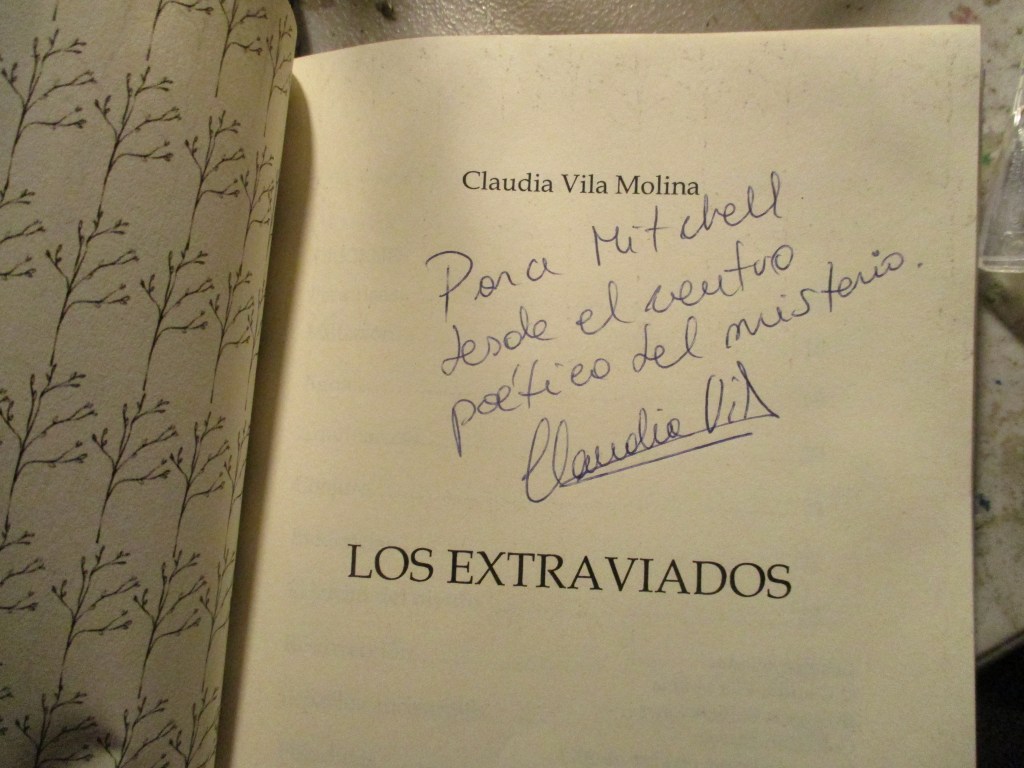
My signed copy

09-22-1969

Born in Viña del Mar, Chile. Professor of language and communication at PUCV, poet and literary critic. In 2012, she published her first book, The Invisible Eyes of the Wind. She has published in renowned Chilean and foreign digital media: Babelia (Spain), Letras de Chile (Chile), Triplov and Athena de Portugal, among others. During the year 2017 she participates in the Xaleshem group with poetic texts for the surrealist anthologies: “Composing the illusion” in honor of Ludwig Zeller and “Full Moon”, in honor of Susana Wald. In 2018, she integrates the feminist anthology IXQUIC released both in Europe and in Latin America. In 2020 she participates reviewing the conversation book “Shuffle poetry, Surrealism in Latin America” ​​by Alfonso Peña (Costa Rica), also writes a poetic prose text for the book “Arcano 16, La torre“, by the same author. Likewise, she participates in the book “120 notes of Eros. Written portraits of surrealist women” by Floriano Martins (Brazilian surrealist poet, writer, visual artist and cultural manager). In this year (2021) she publishes her second poetry book Poética de la erotica, amores y desamores by Marciano editores, Santiago. In 2023 Los Extraviados

Cephalopod by Daniel O’Reilly

Pauls Catalonia

Cephalopod

written/photos ©Daniel O’Reilly

In centuries preceding, during the long, dark night of people passed, the light from the moon was different, they say. Carpet weavers watched sporadic clouds wrestle with thick air as translucent sentiments, ribbed by fleshy coils, pointed fingers at old friends. Tarpaulin Triveni, female, teacher of twenty, payer of Federal taxes, architect of the west winds, lover of afternoons; Route 79 to Tiruvannamalai, rush hour smoke, brimstone, incense, pooja, sudden migrations: the temple, partly stone, partly human –

Astarte! At last, longed the cantaloupe queen, conscious like burned butter afloat in disquietning nodes of boiled heroism, sheer terror written on her bronze armour in longhand Sufic prose, arrows bristling brilliant shafts of light upon those who stand amazed. In showers of liquid lead and riddles like retribution she raises up her head in thunderous paroxysms of wildfire, incinerating the noise of the NASDAQ trading floor via the quietest opening, or tearing into the roaring twenties: like lovers they eat themselves whole. A pain-pointed predilection for killing gods of all sorts, striking them to the ground, howling, shrieking for mercy, but shewing none, misusing the corpse after the kill like orca with a dead seal, or Achilles with Hector’s remains. We play with death. It makes us young.

Silver serpents entwine the heart-locket of a young man in Queens. The crepuscular silhouettes of tall buildings all empty, as in a dream, bitter chills in the wind from Hudson’s channel, flashes of red lightning, banshees in the street below setting the dumpster afire. Concrete streets empty and dark, this wraith-like apparition only masquerades as a city: a riddle, an omen, a curse. A picture of petty consequences, catalysing a tuber shaped oath for remedying unlikely afflictions of the psyche, like the pinch of a rubber band wound too tightly around your finger. Entrenched layers of decimal decline pontificate politely to a crowd of mainly young goatherds, but they don’t mind, as any entertainment will suffice for a goatherd of the Bactrian valley, longsuffering in the August Afghan ovenheat, yearning for the cool Hindu Kush. Up there, queens look down from snowy temples, peaks outlined by the monsoon moon, vanished layers of paradise passing instantaneously from view. Instantaneously

Tivenys Catalonia

Borders bind the wealthy to the poor, but in seaside temples of voluminous concern we count epigrams between sunsets, rallying fractious spirits in the meanwhile, damaging civic furniture installed in the Citibank Plaza. The old guard sits outside the bank on a plastic beach chair, machine gun hanging lazily at his side, smiling cheerfully at the calls of the brain-fever bird stirring raptures in the daytime as if coaxing clams from shells, a child of every man. Now we are ringing the new year by the seven bridges of Königsberg, full of cheap fortified wine and high on super glue, destroying the way of life for those who cannot know better, sweetening a joyous relation between the baroque lintel and its most spiritual rejoinder.

Openings, ruptures and fissures decimate Dorothy Drumwise on her drunk drive through the badlands of Blackpool, BMW unlicensed, DMT fairground flakeout. She sings sweet missives of the Golden Age, of Plutarch, Pindar, and of Ovid. Inclinations of ages move with tectonic twists, first shifting this way, then that way, as with the latest dance fad. I know that you know that the ‘this way and that way’ is a vital mechanism of natural philosophy. The waggledance of industry, the fiesta after the feast, festivals observed on Temple grounds, and with much smoke and incense. Astarte above, chariot rider of fury, smoking halos of pure fire above the heads of gathered postmodernists, crypto-Marxists, and other groups assembled for purposes only spectacle may account for. This terror and delight is for quivering flesh alone: no gods may get a taste –

Tivenys Catalonia

In an asemic New Babylon, an endless plan of a constant architecture, sketch after sketch of alleyways and avenues, flows, interruptions, passages of ludic intrigue: our only concern will be for how the wind goes. The city-gestalt, our new Babylon, is stacked tier-upon-tier as with a Hindu temple, complete with the sombre front of a necropolis, grey and overbearing, the pantheonic structures of dead gods hewn into rock, but haphazardly, without plan or meaning. The Temple of pure, empty worship, accessed via doors which only appear to be doors, words which only appear to be words, each word a door signifying an exit, but only signifying, without being itself –

Kuilapalayam India

The cultivation of ways, sulfurite ligaments imposing reasonable content on expounding gasses, phosphorescent burns blister the torn corners of Lloyd George’s copy of The Life of Gargantua and of Pantagruel, but this will not be a problem for long – at least, not for several centuries. Down in the Centre Pompidou there exists a scale copy of Nieuwenhuys’ Labyrinthe aux échelles mobiles. Parisians drink pastis at 7pm.

The matriarchal temple builders of our mother, our lady, notre dame. The swollen, translucent body nurtures a billion babies in complex mythic tunnels underground. Our lady of the temple, founded with mortar and keystone, high Romanesque arches, transverse, ribbed, darkened by smoke of incense that beckons, intoxicates, shines, yet moulds-over quickly. The body of our lady nurtures a repugnant decay where fungi of a million kinds find resplendent consumption. A gentle breeze lifts the spores up and into the forest above, the penthouses, tower blocks, the Gothic quarter below, even the suburbs populated with a thousand empty houses, empty restaurants, empty hotels, emptiness, or so it is reported by La Vanguardia, thumbed in street corners by elderly gentlemen sipping coffee in districts of towering blocks, Brutalist forms, echoes of steel rod construction divining bittersweet sunsets of lackadaisical reform, wilted in margarita sunsets, sugary sensualities disinhibiting bashful dissimulation with the gait and libido of a wild cur, roaming street corners, lurking around the panty drawer, Our Lady intends two-thousand years of certitude for divine discourses on nature, for a thorough study of Deleuze, for a monthslong dance of the wild kind, for carnivals of a schizoid nature, for a Heraclitean passing, and passing, and never returning

Our retreat towards a porcelain past resides in a turpentine residue of vistas opening above the Sierra Nevada, that pillar supporting the vaulted deep blue sky, the only thing keeping worm-eaten heavens from falling. Remember how we drove there in December of 2018, how the warning signs for ice hazards slowed us for many miles? We sat in the steamy car and drank tea from a flask, ate sandwiches prepared earlier at home, austerity gnawing at the innards. Porcelain does not prevent against cysts. Cysts large as an eyeball, pickled in vinegar solution, stacked on a forgotten shelf in a back room of the British Museum. Perhaps it was Napoleon’s eye? Perhaps it was not?

Tortosa Catalonia

It was I, not Napoleon, who took the moon and put it at the bottom of a lake, littered with the bloated bodies of Englishmen drowned in their re-sprayed Range Rovers. Between velour flaps, cold castellations and raptures coloured like velvet bands at the fair, phalanxes shimmer like desert lizards tussling in the heat of day, the axehead aligns at the very base of the skull to release a thousand demons from their hiding places, demons who vy against one another in their scramble to escape this mind forever, darting this way and that, a confusion of beastly shapes writhing in colours both sapphire and turquoise –

Daniel O’Reilly

Daniel O’Reilly is an independent British author, publisher and internationally exhibited multimedia artist living and writing in rural Catalonia in northern Spain. In 2022 he exhibited stories, photographs and music from the [archipelago] project at the International Exhibition of Surrealism in Cairo & Alexandria in Egypt, which will travel to the Andre Breton House in France in 2024. He has recently published short fiction in the Margate Bookie Zine, Trilobite Literary Journal, Tiny Spoon magazine, Writer’s Block magazine, Sulfur Surrealist Jungle, the Bengaluru Review, Defunkt Magazine, Everything in Aspic Magazine, Chachalaca Review, The Room Journal of African Surrealism, and Black Flowers Literary Magazine. He is co-creator of The Unstitute, an online art lab and artists’ co-operative, and has screened original video art in competitions and exhibitions in over 20 different countries worldwide.

Visit the [archipelago] literary project on Patreon: https://www.patreon.com/DanielOReilly

Visit The Unstitute: https://www.theunstitute.org/

poemas extirpados desde la raíz Claudia Vila Molina

La madurez inicia, Fríos en estas regiones, Reniego formas y simbologías, Porque el miedo tiene sus propios hospedajes, Nos cuesta arrojarnos al tren, Nos cuesta decidir
Las noches beben aguas desde el minutero, las esencias las anguilas de mis brazos se alojan, En las paredes y desde ahí nos ruegan.
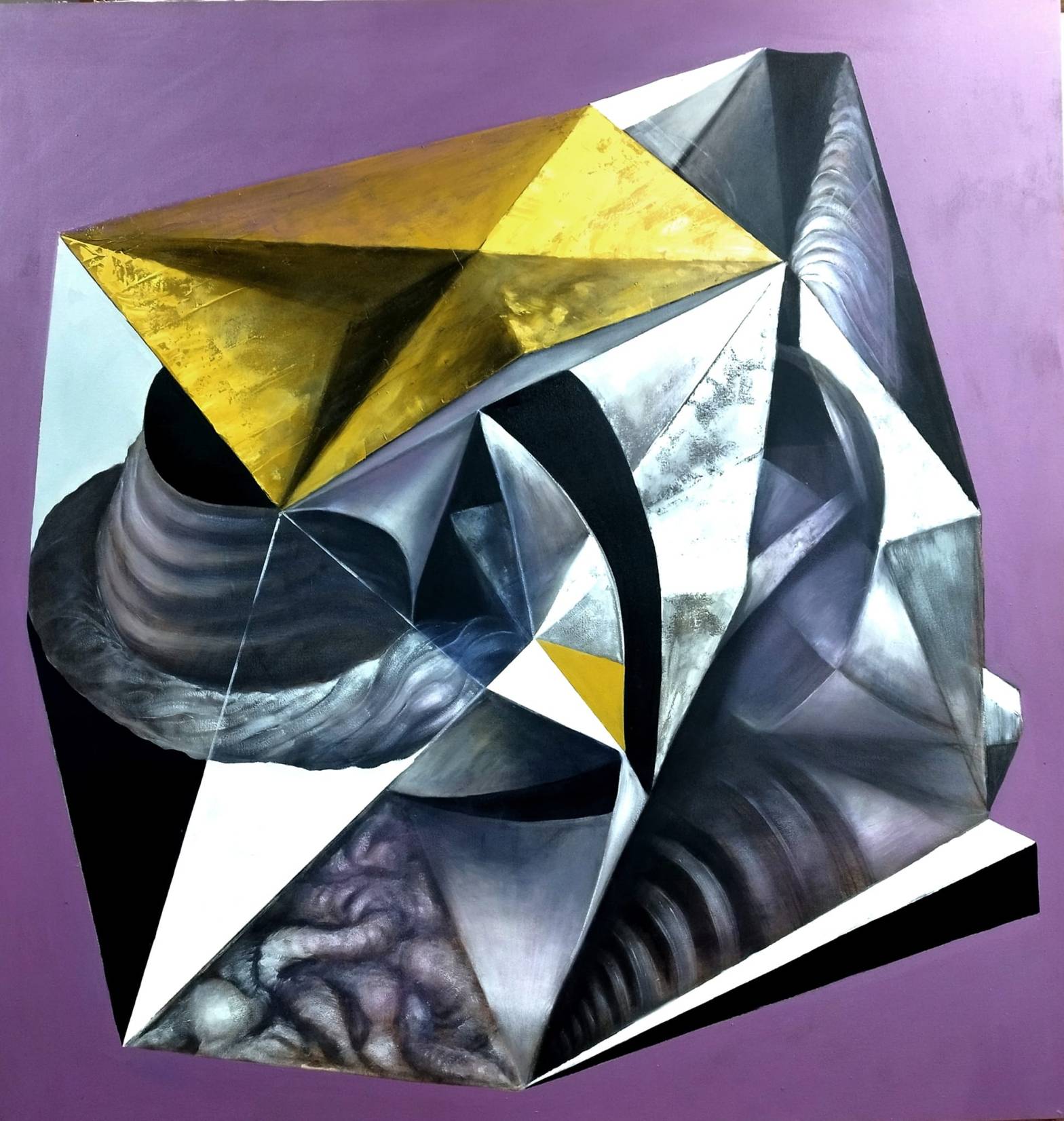
Mitchell Pluto Micro seizure 40

Poemas extirpados desde la raíz

Claudia Vila Molina (derechos reservados)

Obviedad de los perfiles acuáticos

La madurez inicia

Fríos en estas regiones

Reniego formas y simbologías

Porque el miedo tiene sus propios hospedajes

Nos cuesta arrojarnos al tren

Nos cuesta decidir

Las noches beben aguas desde el minutero

las esencias las anguilas de mis brazos se alojan

En las paredes y desde ahí nos ruegan.

RoTAR DESCLAVO LOS CURSOS

SOLTar soltae soltar

crece el pelo como malezas por la planicie

Entonces vomitamos

El ácido de la poesía se turba se liga con otros

con ellos con los mismos

Maniatados al fondo de los salones

Y aceleramos el ancla hasta el último

Nada es lo que es

Pues nada será eso.

Sensibles derretimientos

Mis figuras derretidas en las huellas del ocio

Levemente

Levemente palpitas estacionas las palabras en el espanto

Y las cruces llamaradas

Puertas

rasguñan nuestros brotes profundos

Aquí se liberan huesos de los sacerdotes

Los smoking mis placeres atascados por el tractor

Tus dientes

Mi paladar

Tu lengua

Mis amígdalas

Tus fragmentos

Mis encierros en el tropiezo de la senectud

El prisma donde miro paraguas abiertos de la imagen.

Claudia Vila Molina

09-22-1969

Born in Viña del Mar, Chile. Professor of language and communication at PUCV, poet and literary critic. In 2012, she published her first book, The Invisible Eyes of the Wind. She has published in renowned Chilean and foreign digital media: Babelia (Spain), Letras de Chile (Chile), Triplov and Athena de Portugal, among others. During the year 2017 she participates in the Xaleshem group with poetic texts for the surrealist anthologies: “Composing the illusion” in honor of Ludwig Zeller and “Full Moon”, in honor of Susana Wald. In 2018, she integrates the feminist anthology IXQUIC released both in Europe and in Latin America. In 2020 she participates reviewing the conversation book “Shuffle poetry, Surrealism in Latin America” ​​by Alfonso Peña (Costa Rica), also writes a poetic prose text for the book “Arcano 16, La torre“, by the same author. Likewise, she participates in the book “120 notes of Eros. Written portraits of surrealist women” by Floriano Martins (Brazilian surrealist poet, writer, visual artist and cultural manager). In this year (2021) she publishes her second poetry book Poética de la eroticaamores y desamores by Marciano editores, Santiago. In 2023 Los Extraviados

Angélique Danielle Bègue Icônes

I did my apprenticeship at the Priory of Gorze in the company of nuns and women converted to Orthodoxy. They are part of the local community.
combat

L’œuvre est ici un détachement en soi, comme un désœuvrement/recoeuvrement, en mêlant les différentes expériences du vivant, la mort, le sexe, le viol, l’inceste, la naissance, le plaisir, la douleur. Ce qui reste de plus vivant provenant de l’intérieur du vécu là où les spectateurs sont confrontés directement à leurs propres fantômes/fantasmes.

Bernard Andrieu, philosophe

Délivrance commande

Toutes les étapes pour peindre à la tempera

écrit par ©Angélique Danielle Bègue

Je fais mon apprentissage au Prieuré de Gorze en compagnie de nonnes et femmes converties à l’orthodoxie. Elles font parties de la communauté du lieu. Mon maître d’icônes se nomme Louise Marie. Une dame d’un certain âge aux cheveux ressemblant à des nuages.Une formation qui a duré trois ans. Dans le même temps je prends des cours de dessins de nu à l’école des Beaux art à Metz.

Odalisque de dos

Pour commencer une icône il me faut d’abord contacter un menuisier car le sujet se peint sur une planche de bois (exotique de préférence). Une fois la planche coupée il me faut la préparer avec du Blanc de Meudon, de la gélatine alimentaire et de l’eau. (Une recette bien précise que je ne citerai pas ici) Une quinzaine de couches de cet enduit sont indispensables.

Une fois toutes les couches terminées, je laisse sécher la planche deux jours et avec du papier abrasif fin je ponce les aspérités. Planche qui représente symboliquement pour ma part le tout et le rien. Le dessin se fait sur un calque pour pouvoir le transposer grâce à des pigments sur la planche. Puis vient la préparation du liant qui va me servir à peindre. A base de jaune d’œuf et de vinaigre et un peu d’eau. (Je lave le jaune sous un mince filet d’eau et enlève la membrane). Une fois le dessin transposer sur la planche je reprends les traits grâce à un pinceau fin et du pigment noir. Le pigment qui se trouve sur la planche s’efface facilement d’où la nécessité de le reprendre. La technique que j’utilise pour peindre est celle de la tempera à la goutte. C’est à dire que je trempe mon pinceau dans ma palette contenant le liant à l’œuf (mélangé à un peu d’eau) et les pigments pour ensuite déposer la goutte sur l’endroit du dessin où je veux peindre.

Olympe

Puis je la fais rouler, mon pinceau ne touche pas la planche. Ce qui forme en quelque sorte une flaque. Une fois cette dernière sèche, je recommence le même procédé. Je commence toujours par les couleurs sombres pour arriver aux couleurs les plus claires. La symbolique de l’ombre vers la lumière. Par exemple pour la chair (un visage, un corps, les mains) j’utilise d’abord un vert olive (symbole de la terre) puis du pigment ocre rouge (symbole du sang) pour enfin arriver à l’ocre jaune pur. Les finitions de la chair comportent souvent trois voir quatre teintes différentes toujours dans les tons chairs mais de plus en plus clairs. Les quelques notes blanches que je trace grâce à un pinceau très fin se font tout à la fin pour accentuer la lumière. J’utilise la même méthodes pour les vêtement, les bijoux, le fond…..

Le bar d’amsterdam

Une fois l’œuvre terminée je peux passer au vernis. Je laisse d’abord sécher la peinture quelques jours puis je passe à la saturation et enfin le vernis. Je peins les bords de l’icône en noir ainsi que l’autre face de la planche.

Le cauchemar

Les années 2000 représentent des changements dans mon esprit et naturellement dans les sujets que je peins. J’utilise la même technique que l’icône pour peindre des personnes qui veulent bien poser pour moi et ma vie toujours teintée de spiritualité et d’émotions fortes.

Elephant à vendre

En parallèle je pose en tant que modèle à l’école des Beaux Arts de Metz et pour d’autres ateliers. Beaucoup d’élèves dessinent mon corps ou réalisent des peintures. Je pose aussi en tant que modèle pour photographes. Photographies qui m’inspirent pour relater ma vie en peinture. Je continue aussi à écrire des icônes religieuse sur commande. Je travaille aussi sur les animaux qui font partis des êtres sensibles qui peuplent ce monde et sur des sujets plus dures comme la déportation ou la détresse des femmes par exemple en Afghanistan.

Je continue de poser pour des photographes (si le projet est sérieux) et je fais des autoportraits en photos que j’utilise aussi pour mes peintures et travaille sur commandes ou pour des expositions. Des vidéos performances sont réalisées grâce à plusieurs personnes. (artistes, amies passionnées par mon travail). Beaucoup d’artistes via fb s’inspirent de mes photos pour peindre de jolis tableaux.

L’arbre mort

Je pense dans l’avenir toujours peindre et donner des cours, transmettre ce savoir de la technique à la tempera comme Louise Marie du prieuré me l’a transmis. Et travailler sur commandes. Exposer et écrire. Pour finir, en quête d’identité depuis mon adolescence ces supports artistiques me permettent d’avancer.

noir et blanc

 Angélique Bègue (December 23, 1970 – ) is a French artist who has renewed tempera painting.

NatureDouble

Video intended for mature audiences

Mes expositions :

2023 : Exposition Atelier Sainte Croix à Metz

2022 : Exposition Carrefour des Arts à Metz

2022 : Exposition Atelier Sainte Croix des Arts à Metz

2020 : Exposition à la Galerie Tet de lart à Forbach

2018-2019 :Après avoir été exposée au Centre européen du résistant déporté et au fort de Queuleu, l’oeuvre d’Angélique Bègue et d’Annick Monnier sera présentée au public normand dans le cadre du 75ème anniversaire du débarquement.

2018-2019 : J’exposerai à partir du 15 septembre ma série de peintures consacrée aux expériences médicales menées dans les camps de concentration nazis.
Mes œuvres seront présentées dans le cadre de la nouvelle exposition du Centre européen du résistant déporté consacrée aux médecins déportés.

2016-2017 : « rue des Déportés« , Fort de Queuleu, Metz

2015 : « rue des Déportés », Struthof, Centre européen du résistant déporté

2012-2013 : « Dans mon corps », Toul, Musée d’Art et d’Histoire (pour public averti)

2012 : « Un envol…de vie », Université de Lorraine, Bibliothèque universitaire de Lettres, Nancy

2011 : « Ange ou démon », Villers-lès-Nancy, Galerie de Madame de Graffigny

2011 : « Super héros », Maxéville, Souterrain Porte VI

2010 : « Femme entre terre et ciel », Bar-le-Duc, Espace d’art contemporain Saint Louis

2010 : « Les 7 péchés capitaux », Strasbourg, Galerie Insight

2009 : « Intuition », Pont-à-Mousson, Chapelle de l’Institut

2009 : « Déni d’humanité », Totem, Maxéville

2008 : « Regard » Galerie 9 à Nancy

https://imagesdangelique.wordpress.com/

https://www.artmajeur.com/angedaniellebegue/en

THIS AN AUTHORIZED DUPLICATION WITH PERMISSION AND EXPRESSED CONSENT