
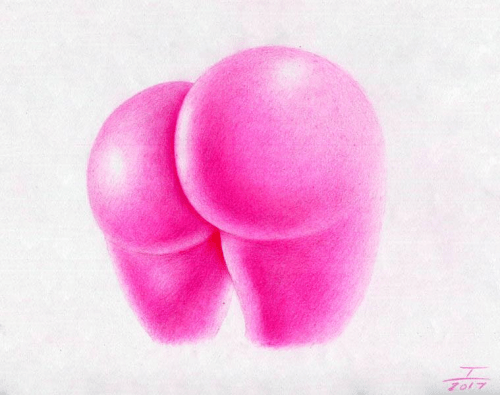
Neon Bubble Butt. JC Bravo 2017, Mitchell Pluto Collection
JC Bravo
My favorite Bravo pink pen drawing is the 2017 Neon Bubble Butt. I find it enjoyable because the curvy female buttocks are a universal icon of beauty and perfection. It’s a fixed shape drifting in space. Just as helium makes things float and feel light, the drawing has a whimsical, festive quality to it. This drawing makes me think of how ideas can lift your spirits.
Juan Carlos Bravo, a Miami artist, is all about sensuality in his art. Miami is a melting pot of cultures, fashion, and the adult film industry. The sensuality in Bravo’s art makes it a favorite among collectors. He paints voluptuous women who embody an ageless ideal of sex appeal.
Surrealism, body horror, and pop culture blend to create the world of Bravo’s women. His art inspires viewers to examine their own primal instincts and their significance.
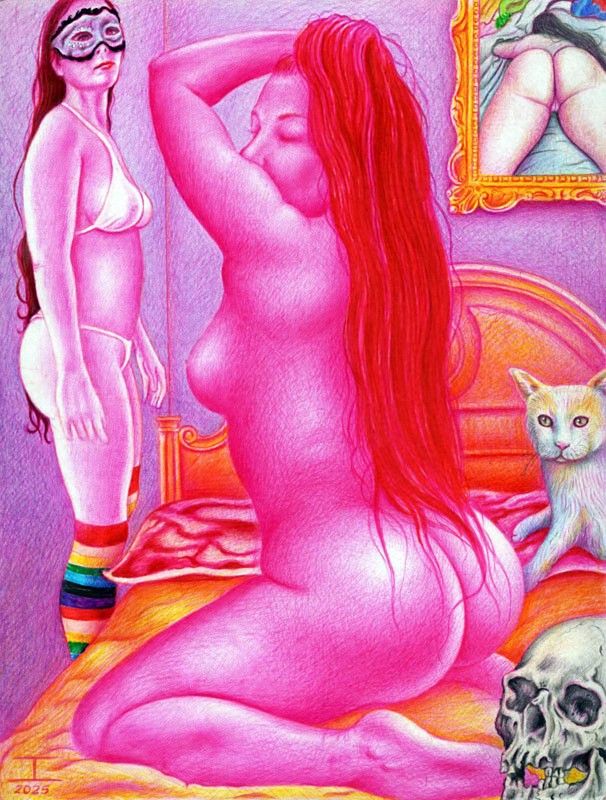
In this intimate scaled ballpoint pen drawing, I return once more to the private theater of the bedroom, a liminal space where desire, memory, and mortality quietly collide.
At the center kneels a voluptuous woman, her impossibly long red hair spilling like wine across her body, an oneiric cascade that measures both time and temptation. She raises her arms in a gesture of languid surrender, unaware, or perhaps deliberately unseeing, the woman wearing a jeweled Mardi Gras mask that transforms her into a carnival Venus. Thigh-high stockings, striped in defiant rainbow colors, root her to the earthly even as the rest of her body dissolves into roseate light. On the bed beside her, a cat and perennial guardian spirit, sits in calm, wide-eyed judgment, the only creature in the room who truly sees everything.
Above them hangs a gold framed erotic painting, its subject bent in mirror-image submission, a quiet reminder that every act of looking is also an act of being looked at. And in the lower right corner, half-hidden beneath the sheets, grins a human skull, my memento mori. It is not a threat but an invitation: remember that you will die, so love fiercely, look shamelessly, touch without apology while flesh is still warm and hair still grows.
The entire scene is drenched in an artificial pink and magenta glow, the color of stage lights, fever dreams, and cheap motel neon, a hue that makes the skin feel simultaneously hyperreal and hallucinatory. Through this saturated lens, the everyday becomes ritual, the intimate becomes mythic, and a simple moment of morning undress is revealed as a dance on the edge of oblivion.
-JC Bravo

Bravo paints the human body with anatomical precision. He features both realistic bodies and integrates stylistic elements reflecting augmentation. Technical detail is a priority in his work. He’s passionate about oil painting and uses a pink pen for his drawings.
Philip Henderson

Among Henderson’s many drawings, I like Tyra the best. The figure’s eyes hold my attention. I think she saw me looking at her hand. I can tell she’s aware of my attraction through her gaze. The outline of her body forms a simple path, gently sloping from breast to thigh. Her hair almost blends with her pubic hair, but a delicate crescent shape separates them above the mons pubis. Tyra’s arm movement guide your eyes across her body. In Henderson’s artwork, eye contact and pose combine to create a feeling of empathetic sex appeal.
Curvy fetishes play a significant role in the themes of Philip Henderson. His plush illustrations create an arresting experience for the viewer. Henderson celebrates the value of curvy women. Henderson’s book, “Extreme Curves and Phat Girls”, achieved international success.
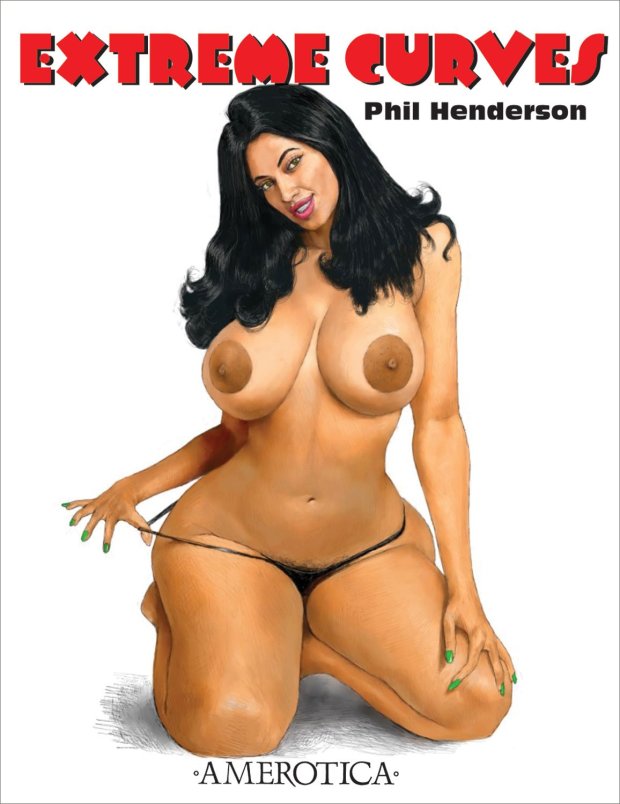
Besides his erotic illustrations, Henderson is a gifted writer of essays, novels, and poetry. He achieves elegance through his scholarly, artistic style. Henderson avoids abstraction in his anatomical figures while blending idealism and realism, creating a believable fantasy. He portrays natural grace and confidence in his figures, excluding any cosmetic enhancements.
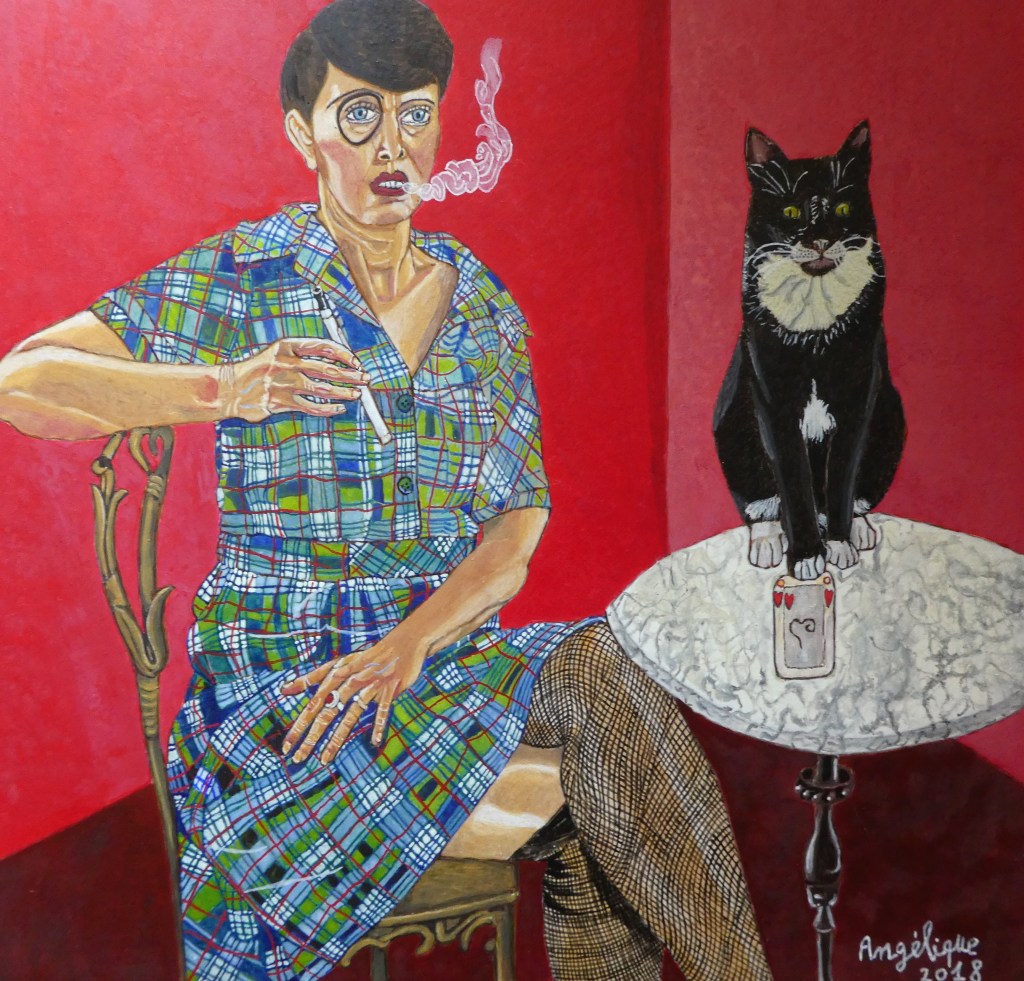
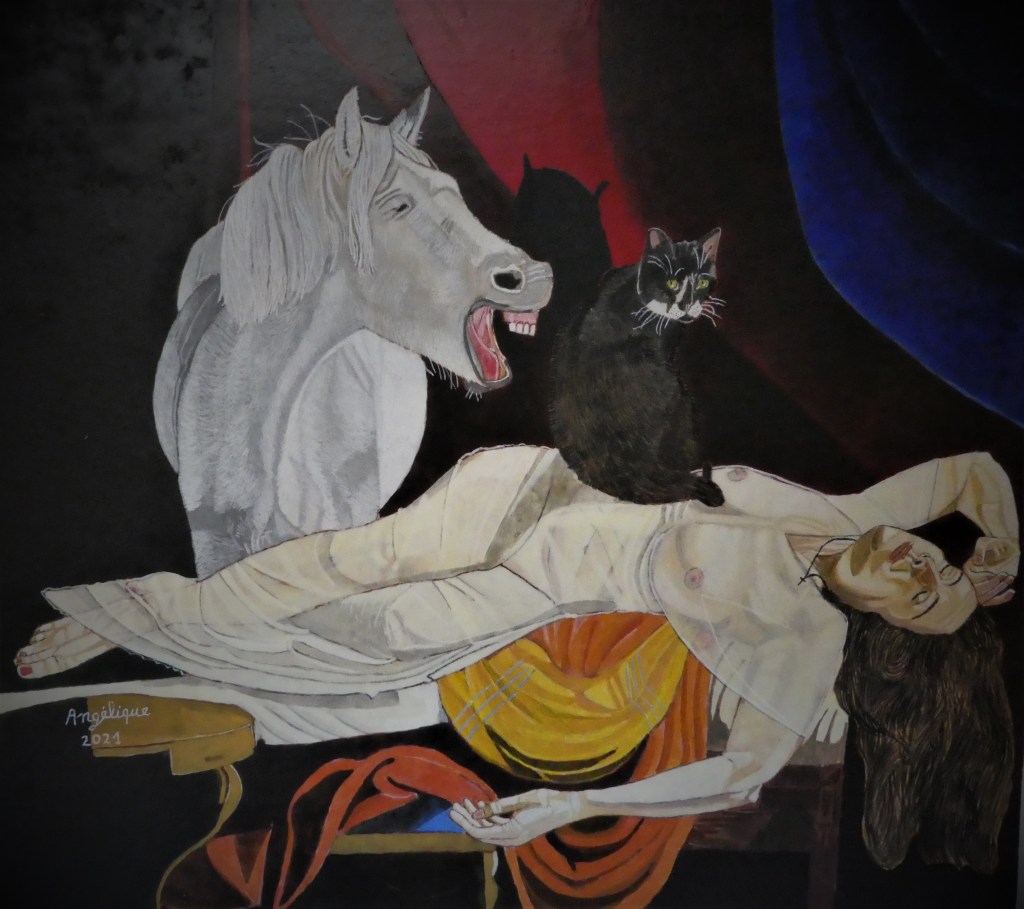
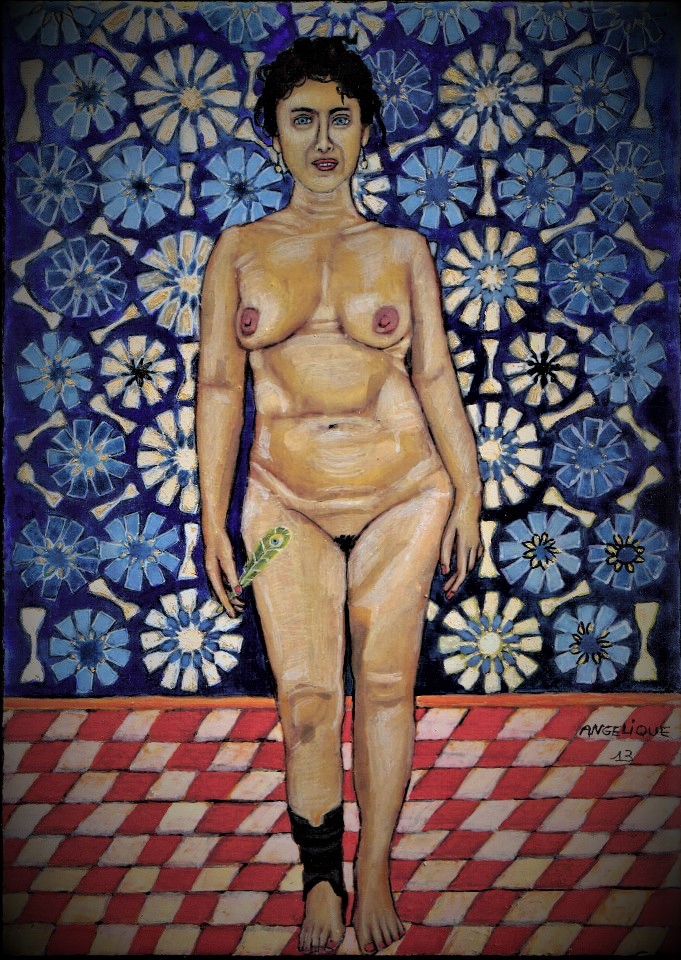
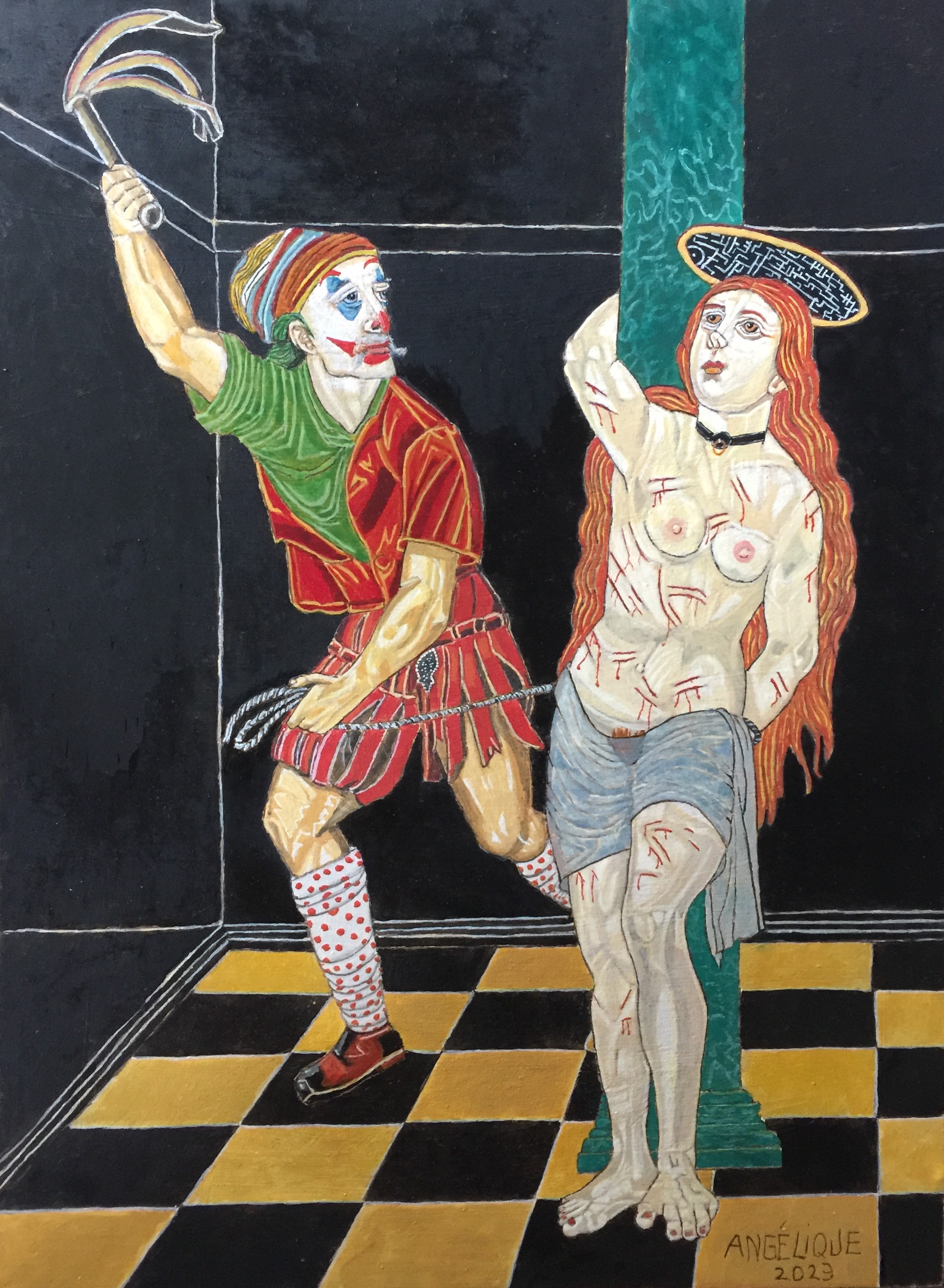
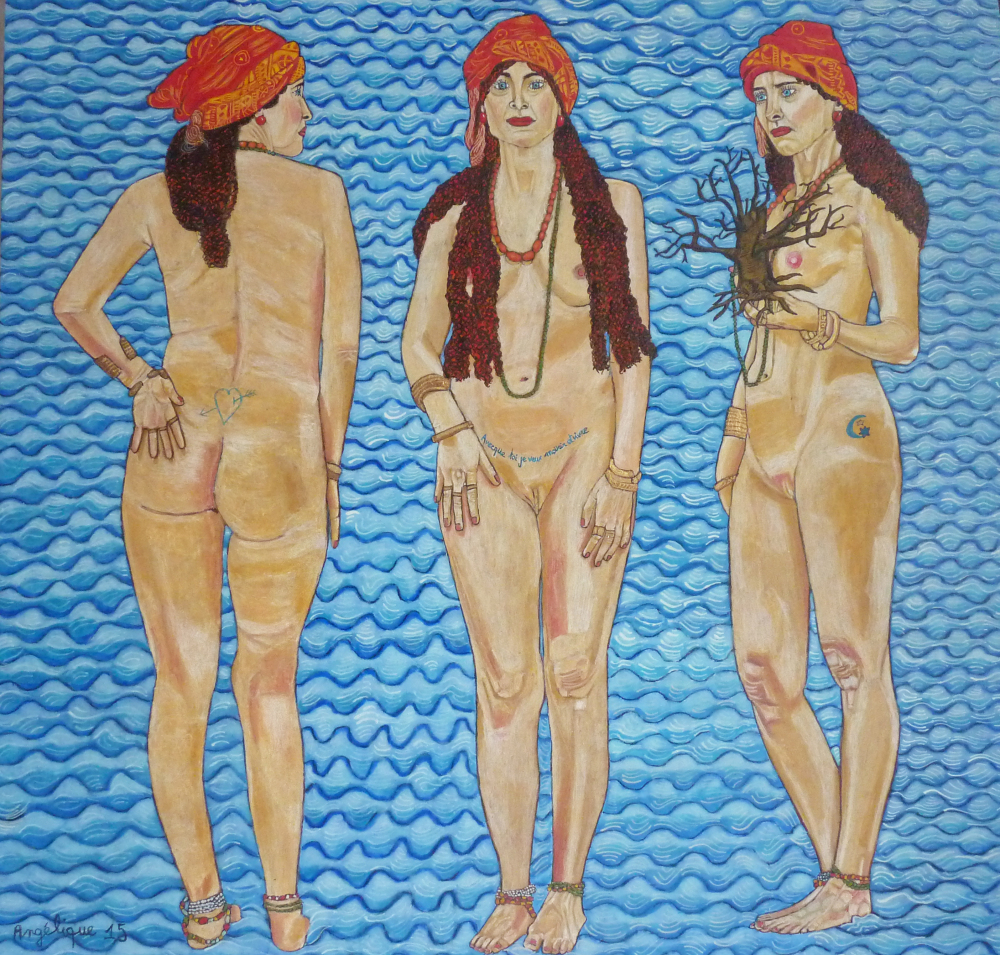
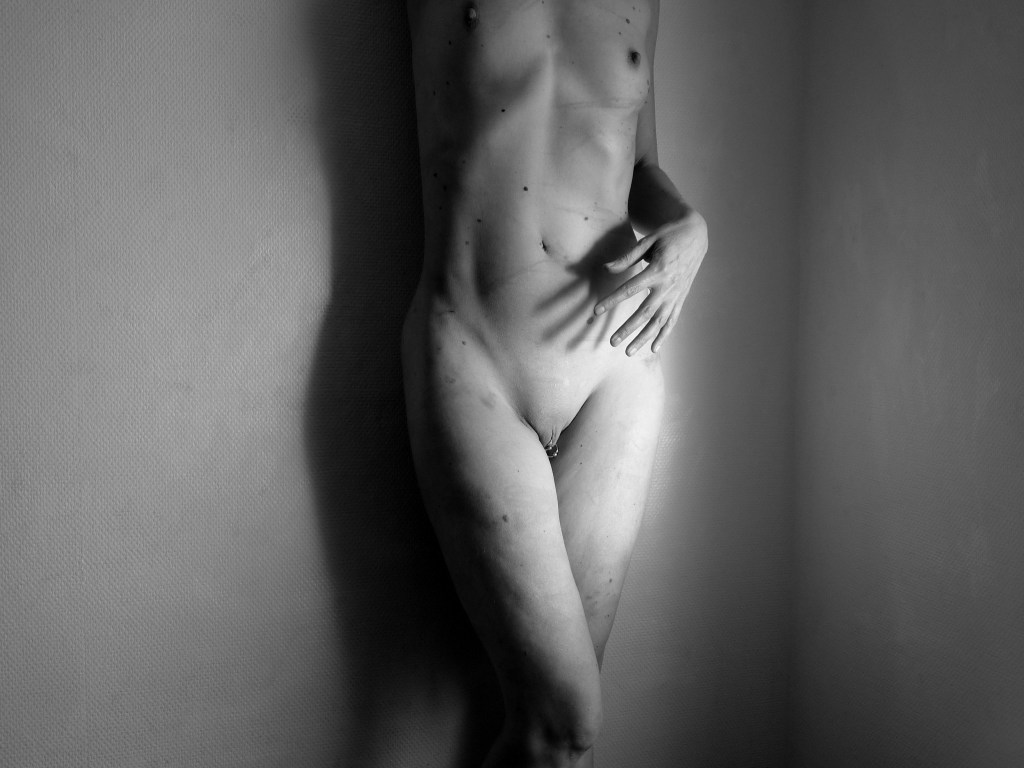
Angélique Danielle Bègue
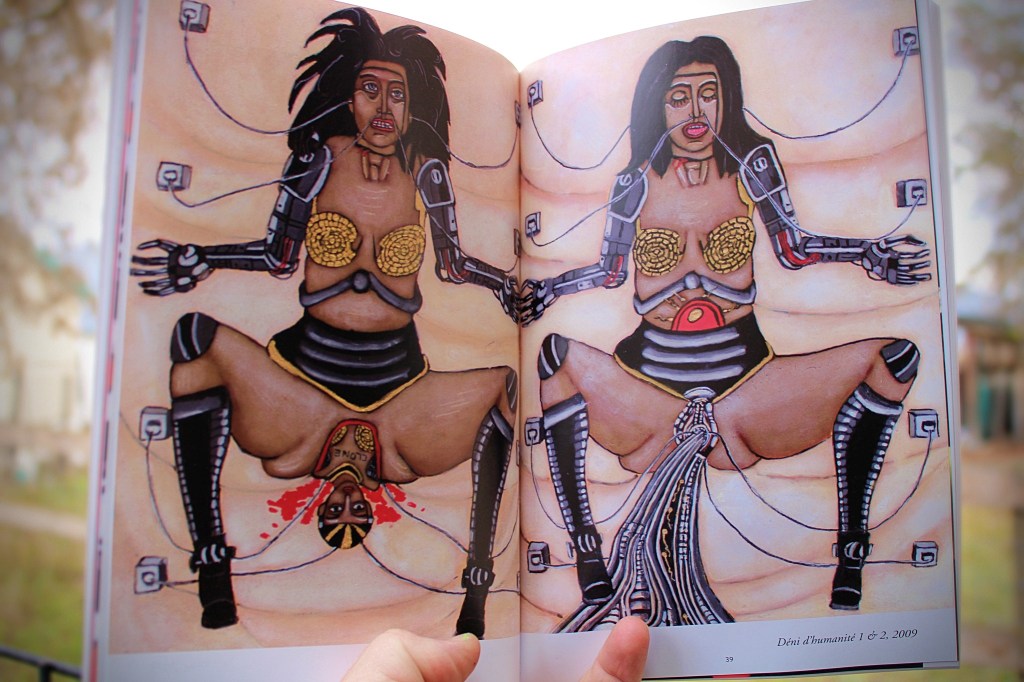
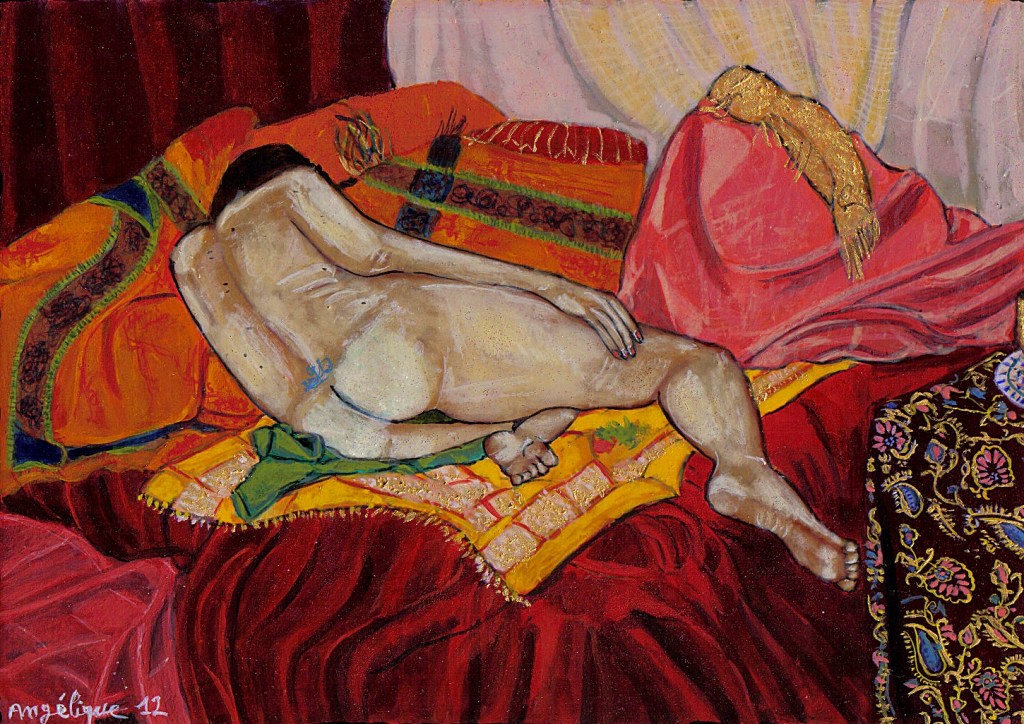
Bègue’s 2009 work, Dans Mon Corps, includes “Deni d’humanité,” a piece with a prophetic theme. In the image, AI’s exploitation disrupts the natural flow with sexual intrusion. This image illustrates AI replicating itself using humans. Her art shows how the excitement around AI is really just more of the same old ways of controlling us. Bègue’s work examines the way narrative influences our understanding of what’s real and imagined. I appreciate looking at this image because it makes me question the idea of human originality and imitation.
French painter Angélique Danielle Bègue’s artistic career started with tempera, apprenticed at Gorze Priory by an Orthodox nun. A classic style is the vehicle for Bègue’s modern concepts. France acknowledges her contribution to the revival of tempera painting. Bègue’s professional experience includes erotic modeling.
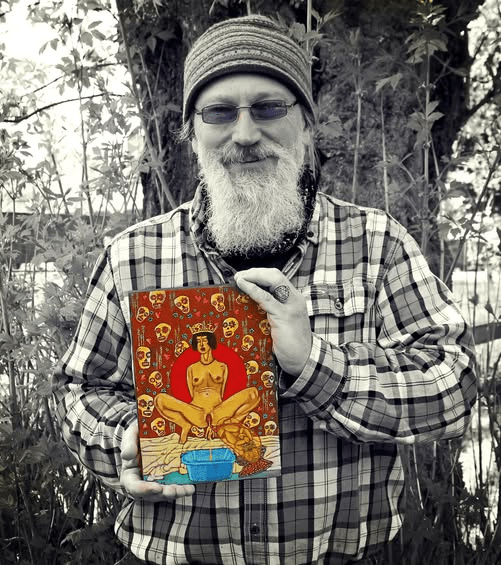
In her figurative art, Bègue merges a traditional religious style with contemporary themes. Her artwork uses vibrant tones, layers, and bold lines. Bègue’s iconic graphic design employs strategic contrasts to
create visual balance and proportion. She uses painting to express her internal fantasies. Bègue dedicates herself to understanding sexual fantasies and how to approach topics society deems taboo.
Miriam Cahn
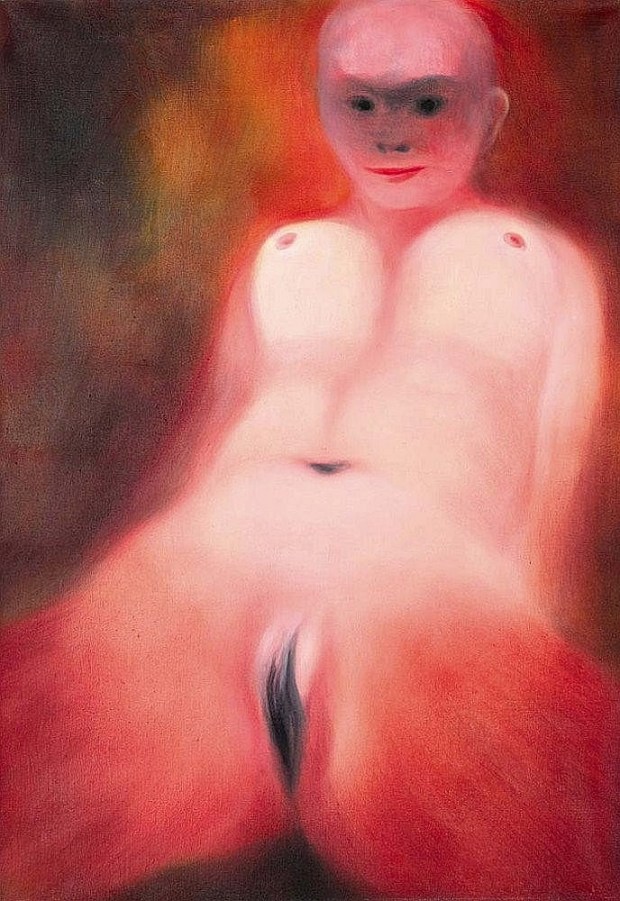
Äffin’s unsettling nature is thought-provoking to me. Simian aspects of the image contribute to its dreamlike quality while exposing a liminal personality. The skin is smooth around the breasts but gets hairier and tactile near the pelvis. The vulva is a fiery bush, sparking primal metaphors. This work compels me to explore the roots of human consciousness and how language shapes our understanding, including our desires. It suggests to me that the ideas of elegance and ugliness are mental constructs.
The intense emotion evoked by this painting stems from Cahn’s ability to communicate deep thought through candid visual images.
Swiss artist Miriam Cahn paints in a Neo-post-expressionist style. Her art reflects the movement’s style through her figures, colors, and emotional expression. Cahn’s work often features spectral figures with
watchful eyes. Viewers become the subjects of the gaze of the eyes in her paintings.
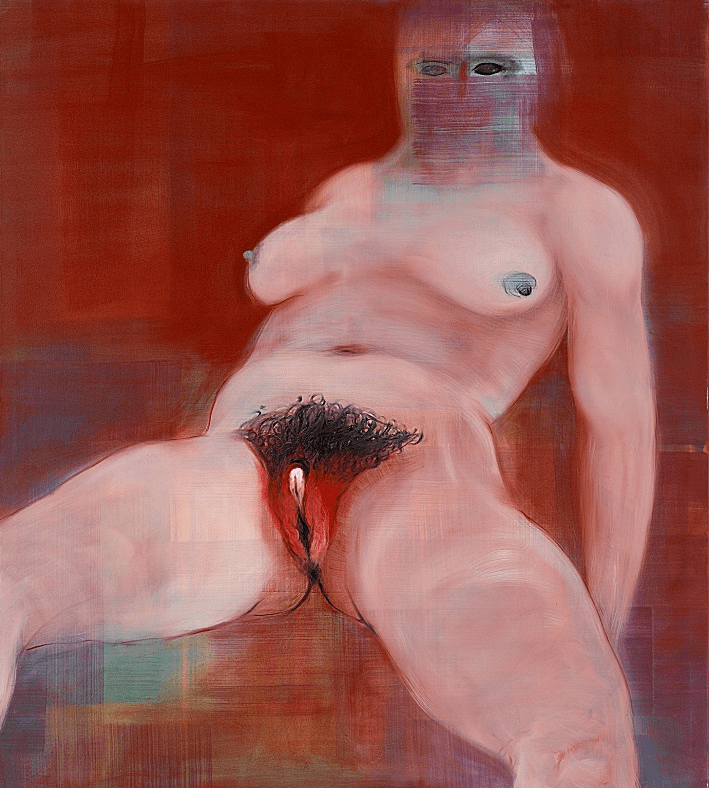
Cahn’s paintings are vibrant and full of bright pastel colors. She discovers new things about herself through painting. With raw concepts, she develops a visual vocabulary for emotions. Her paintings are unpolished and invite the viewer into a world that’s flawed.
Viktor Alexandrovich Lyapkalo
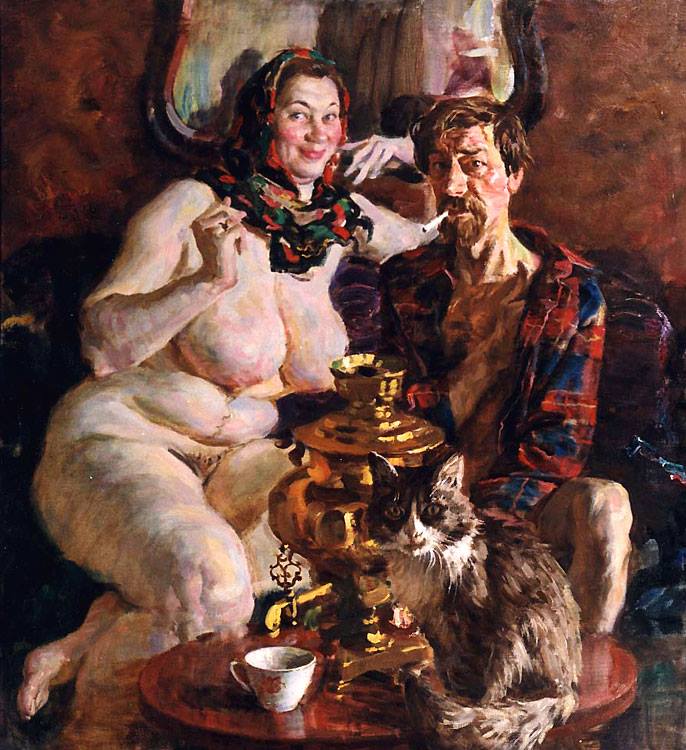
The reason I like Lyapkalo’s paintings is his choice of female subjects. It’s that simple. I’m attracted to curvy women, and his artwork features them. This painting captivates me in every way. The man, cat, and samovar create a muted, somber atmosphere, in contrast to the woman. Her lively body seems to glow with light and color. She’s appealing because of her open and generous nature, which brightens the room. Lyapkalo’s representation of the smile has a seductive effect on the viewer. The piece illustrates the duality of affection, showing both its open and concealed aspects.
https://shungagallery.com/viktor-lyapkalo-nudes/
Russian artist Viktor Lyapkalo paints in a strong social realist style. His paintings of women are sensual and playful. Lyapkalo’s skill with figures and academic paintings is the key to his success. His artwork portrays the emotion and character of the people he paints.
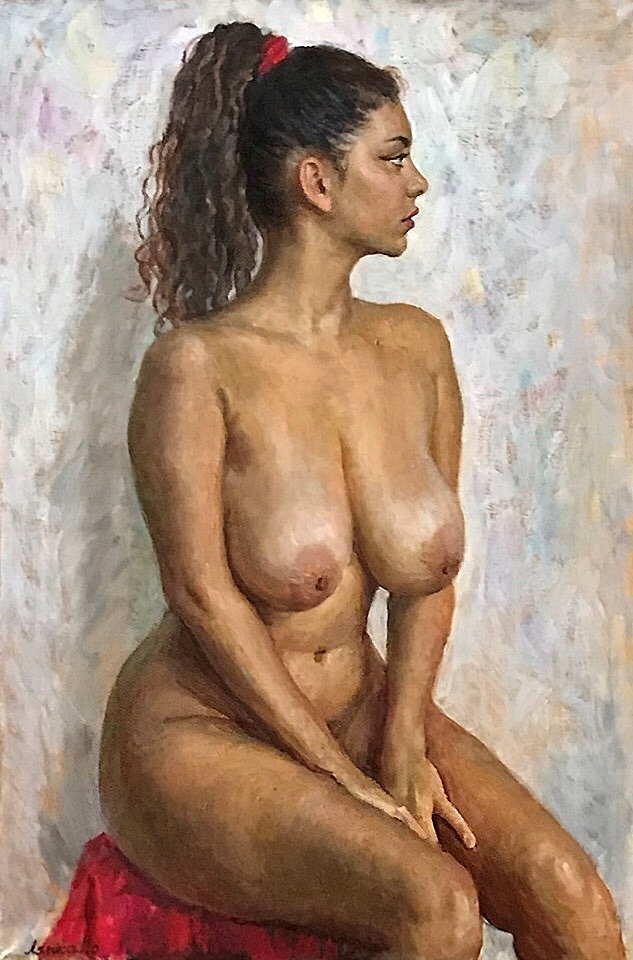
During my interview with Lyapkalo, he compared painting skin to an onion flower, highlighting its multi-hued nature. This is evident upon closer examination of the colors used in the artist’s depictions of nude women.
Pablo Picasso
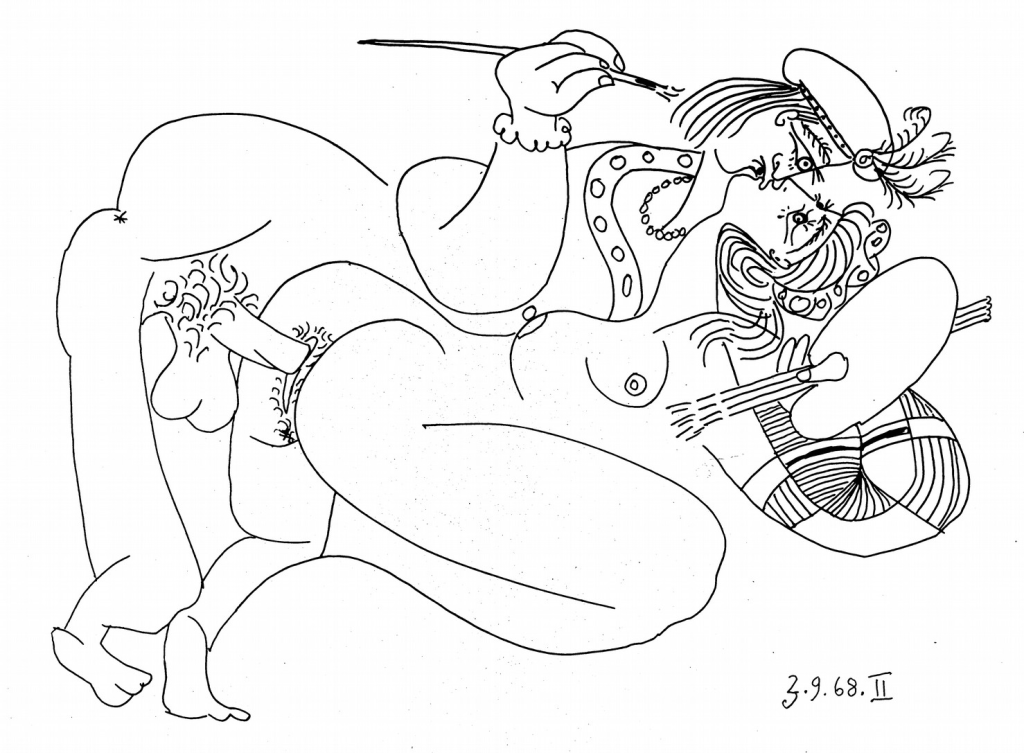
This image remains my most memorable. In sex, artist and model become unified. I am drawn to this picture because it features both intercourse and a suggestive representation of the sexual act through the artist’s palette. As a flawless masterpiece of line, this image is everlasting.
I found Avant-Garde Magazine, No. 8. Picasso’s Erotic Gravures on my parent’s bookshelf. It was between Anaïs Nin’s “Delta of Venus” and Louise Huebner’s “Power Through Witchcraft”. For a kid stuck reading boring schoolbooks, I finally stumbled on something cool.
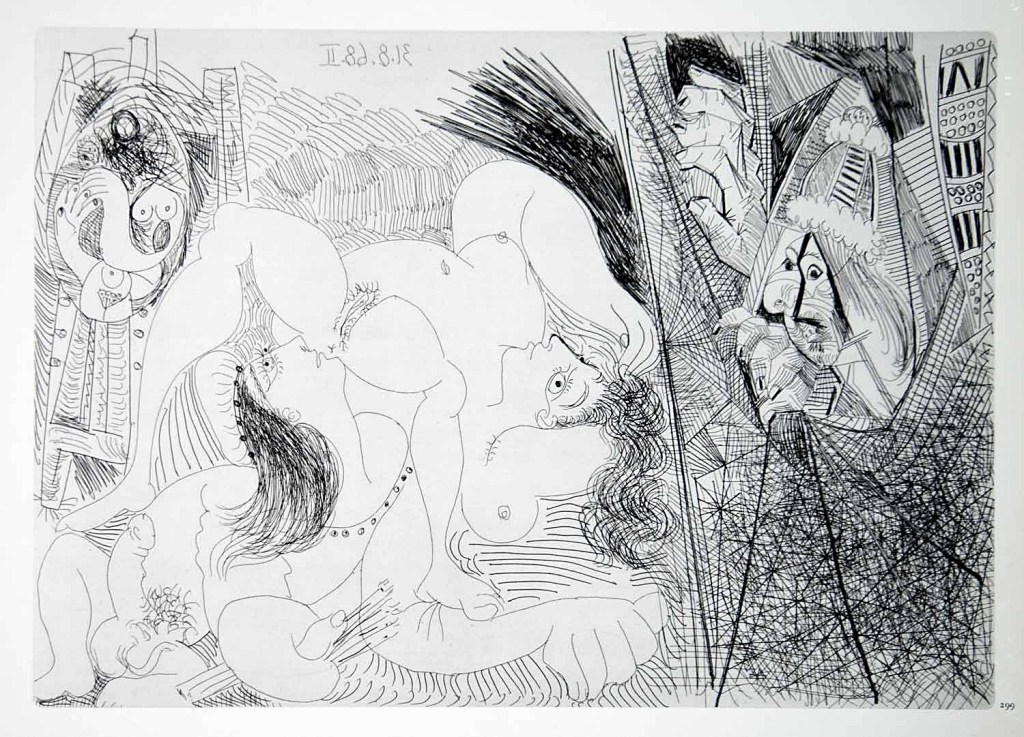
The thin book, Picasso’s Gravures, contained his sexually suggestive sketches. Picasso’s drawings are gestural. His lines make his art look like it’s being fondled. Many illustrations displayed surfaces marred by hairiness, crinkling and stretch marks.
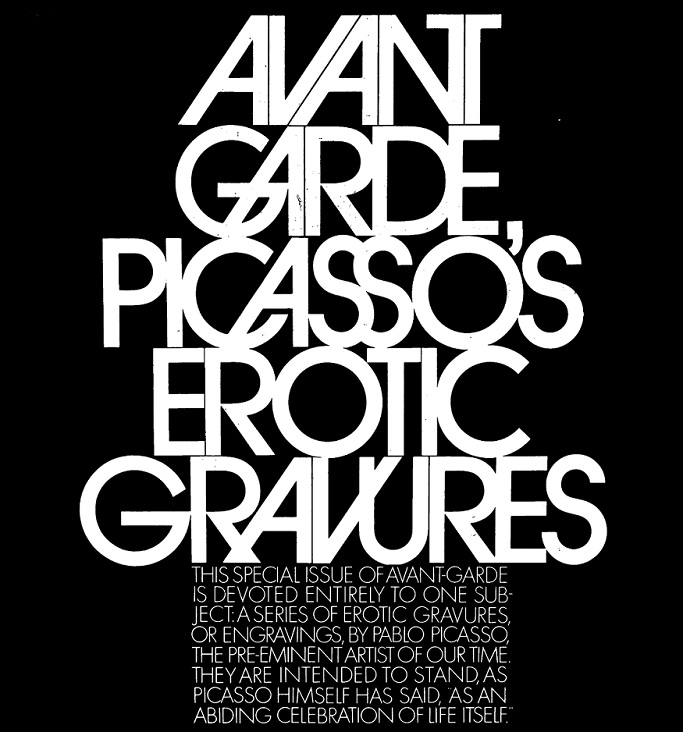
The lines create a curious interplay of dryness and wetness. Picasso’s suggestive drawings in the 1970s opened the door for other artists to explore explicit themes. He owned a collection of sixty-one Shunga prints. Picasso’s interest in Shunga is a key theme in the chapter “Artist and his Model”.
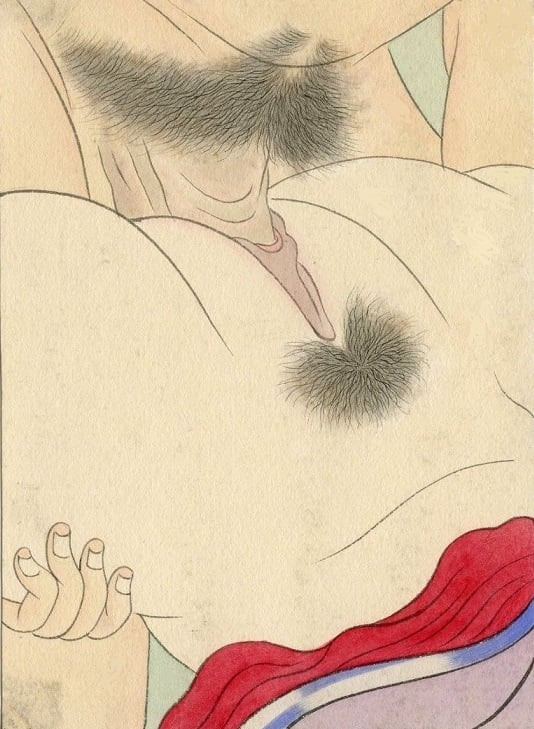
“A lot of the eighteenth- and nineteenth-century shunga books contain enlarged images of male and female genitals, occasionally while engaged in the sexual act. These kind of ‘close-up’ designs were intended to provide instruction about anatomy and how to give pleasure. These educational images are mostly found immediately following the other illustrations in shunga books. Such prints are modeled after older versions that were used to teach human anatomy, which showed different shapes of male and female organs.” -Marijn Kruijff, Editor of Shunga gallery Erotic Art Magazine and is the foremost authority on shunga art.
written by Mitchell Pluto 2025









 Mitchell Pluto