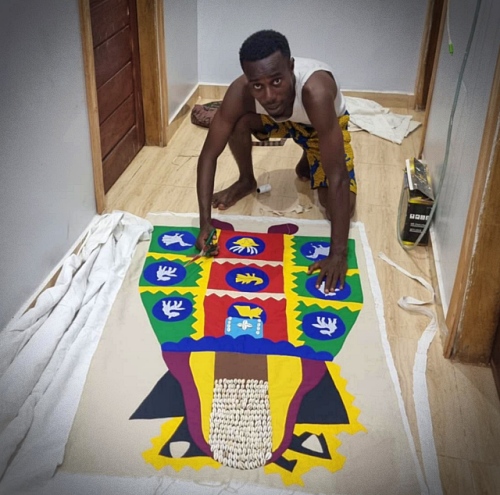
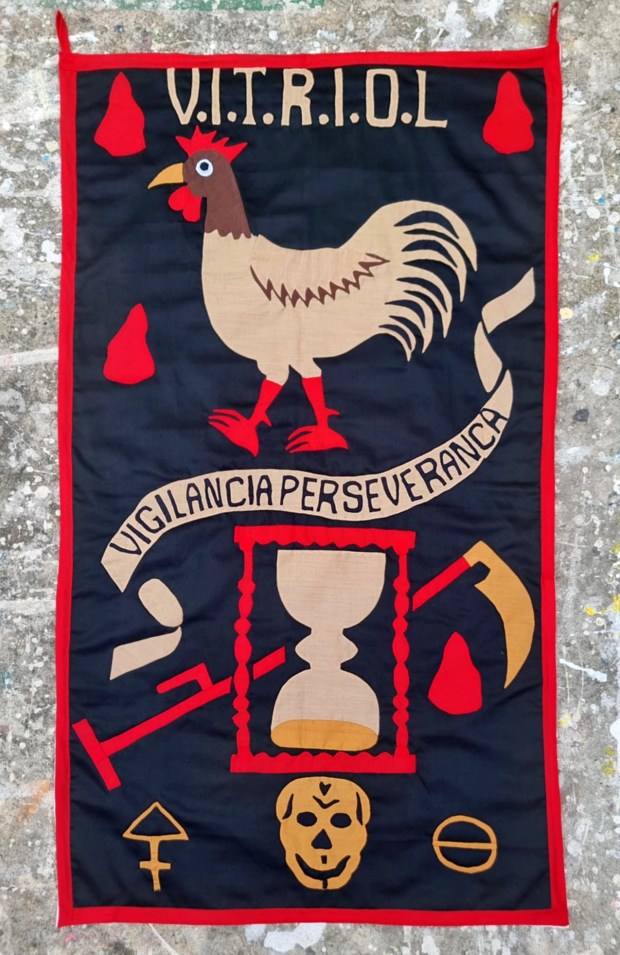
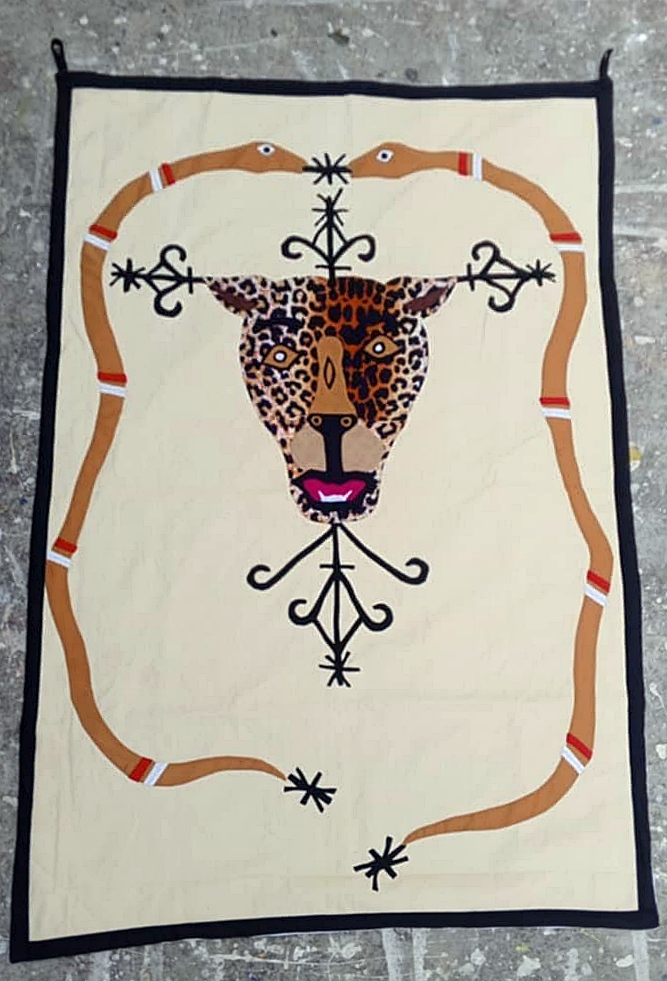
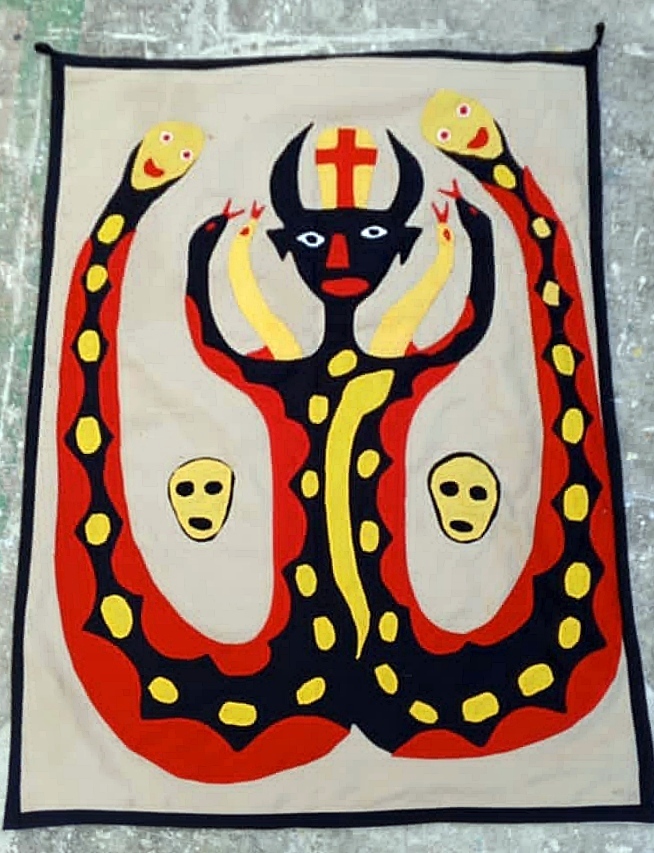
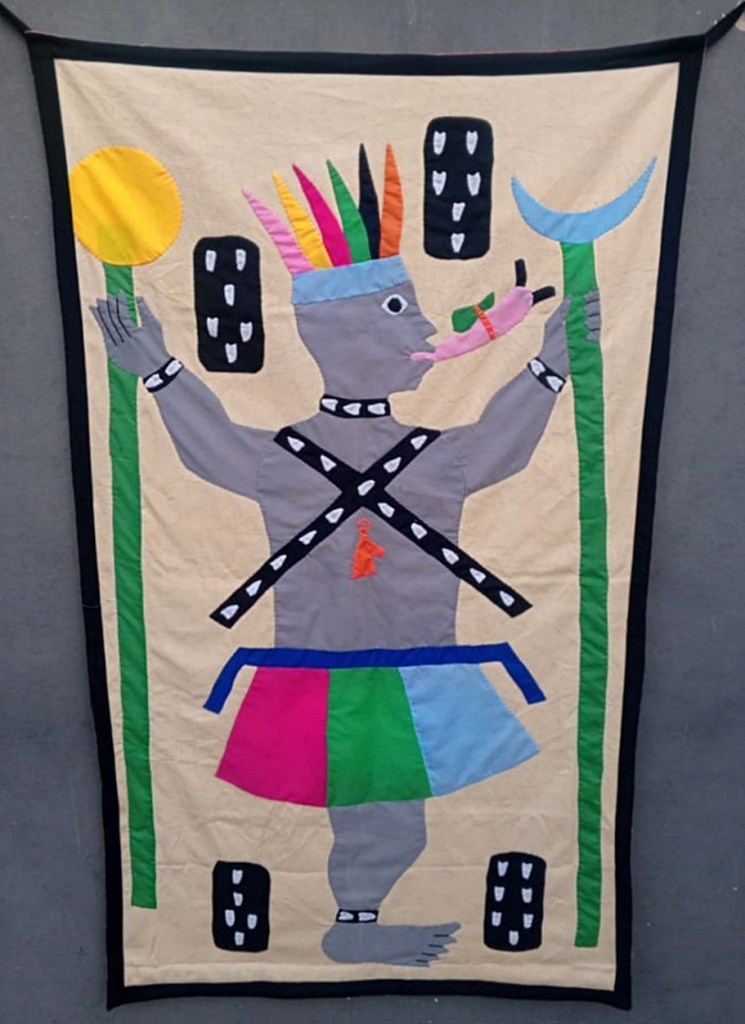
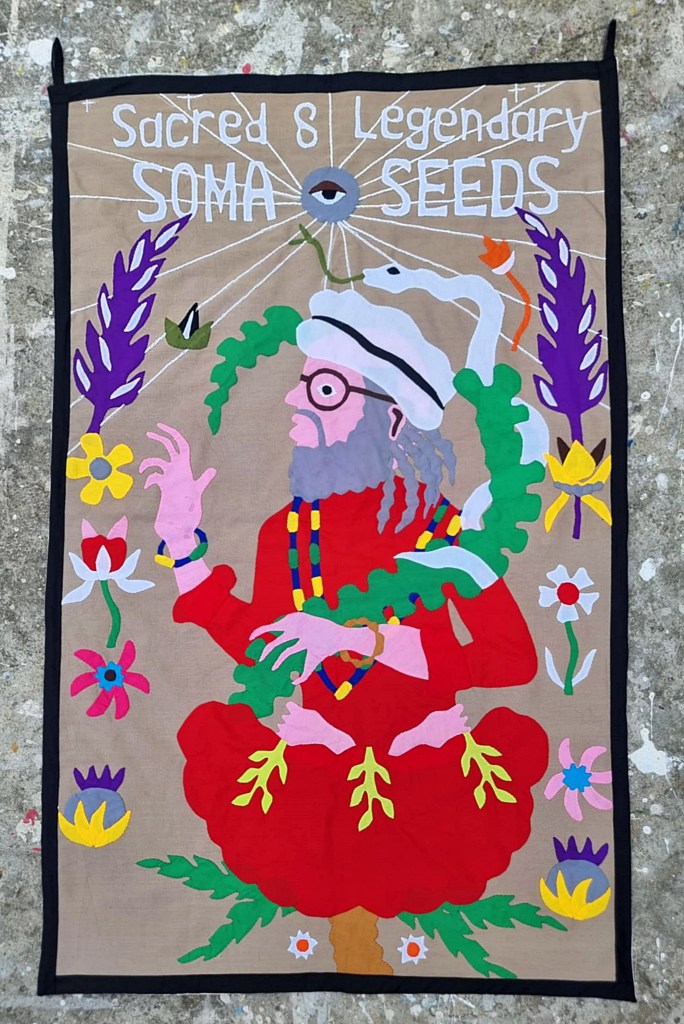
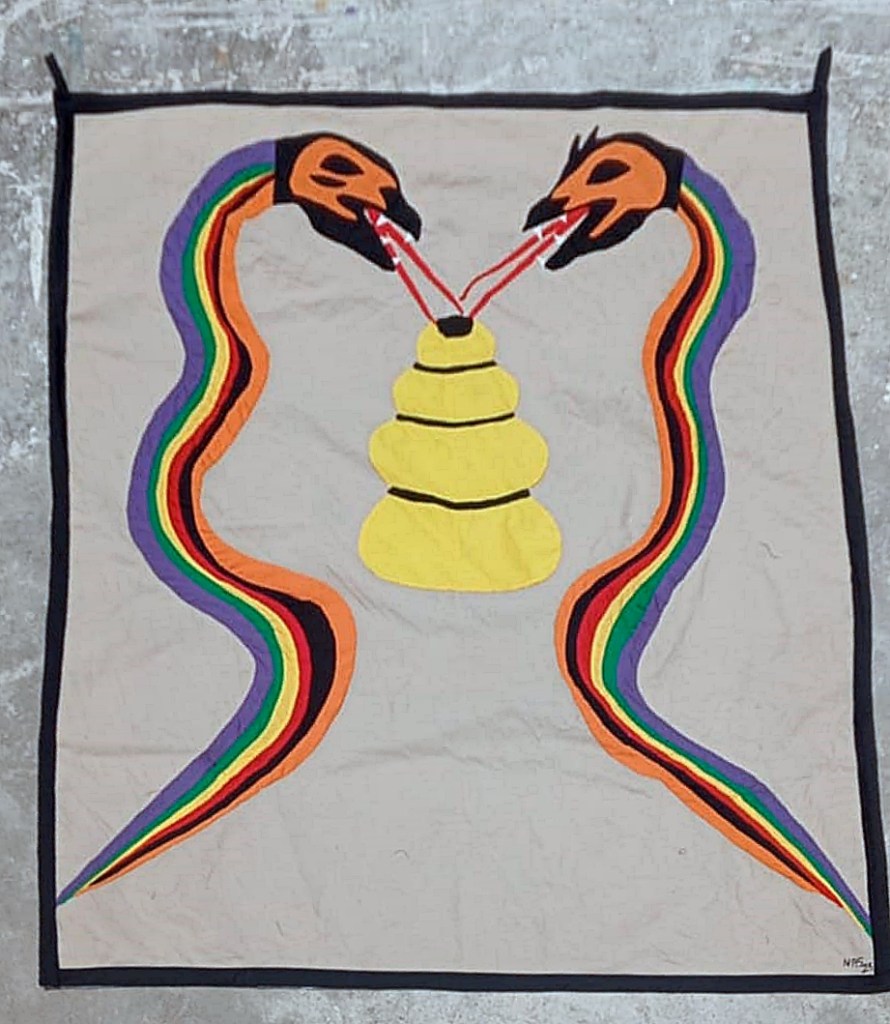
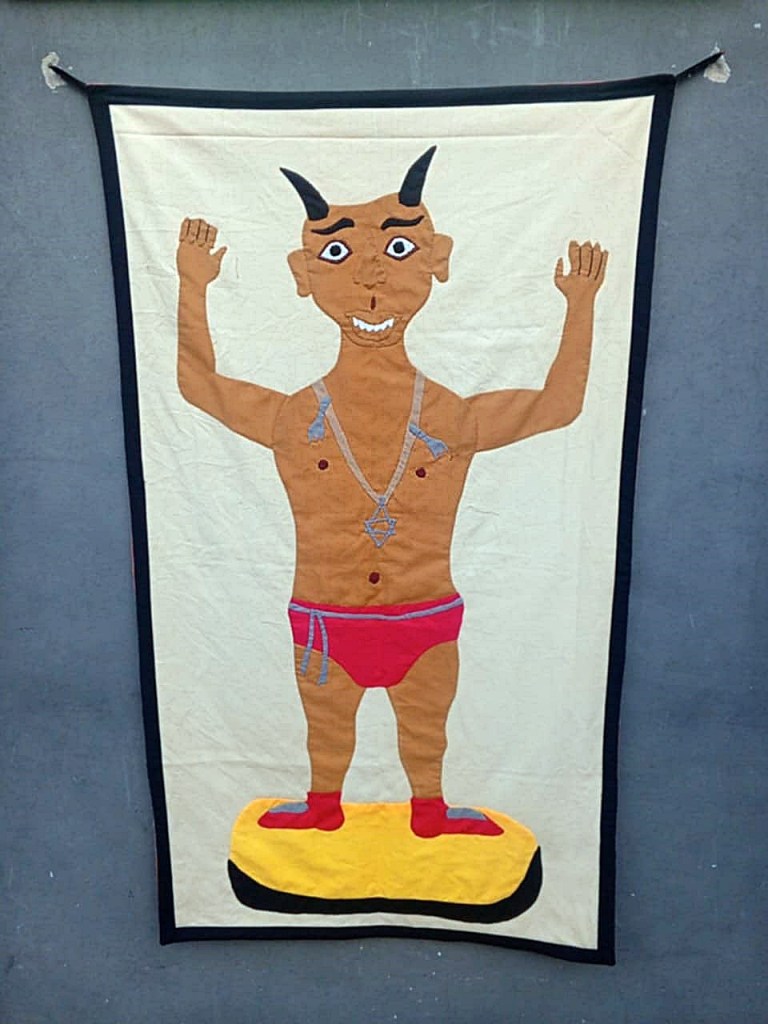
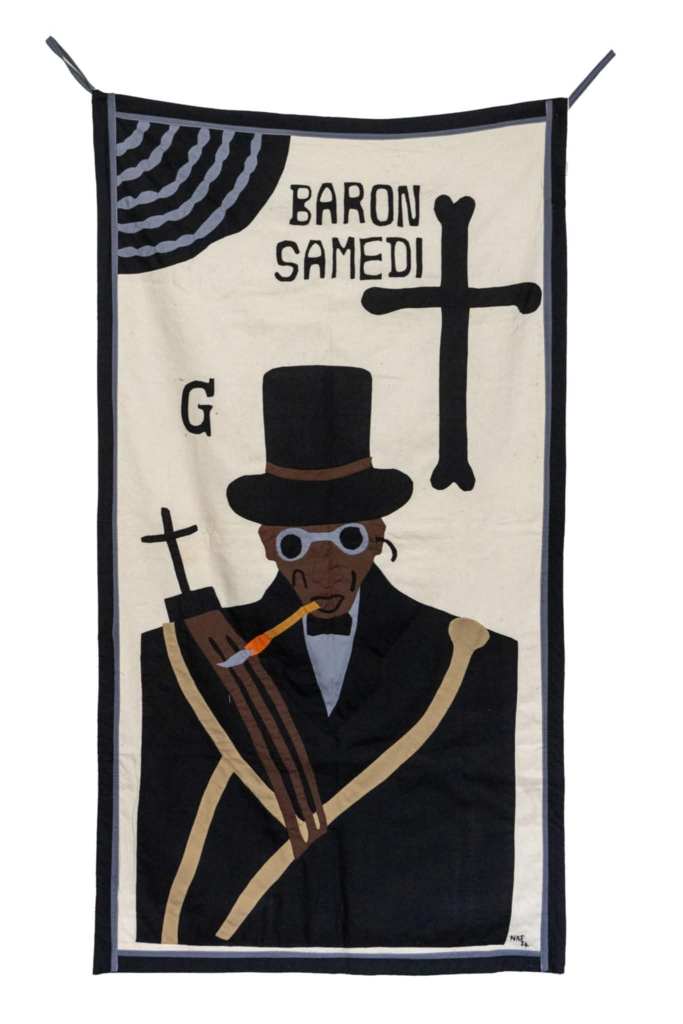
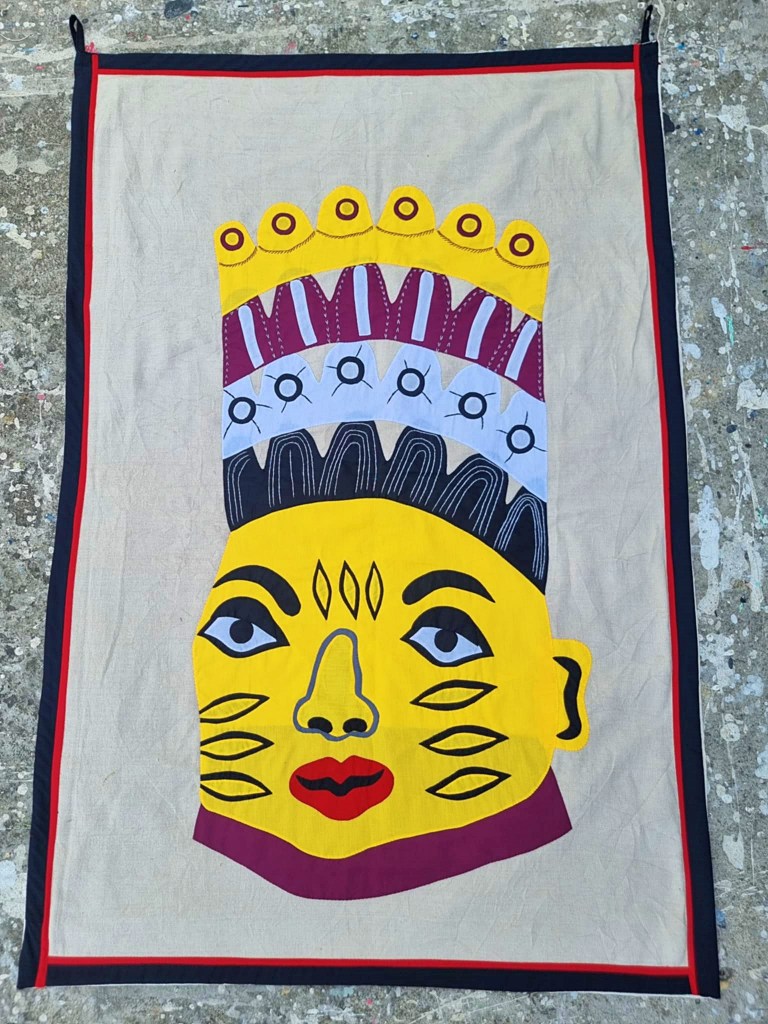
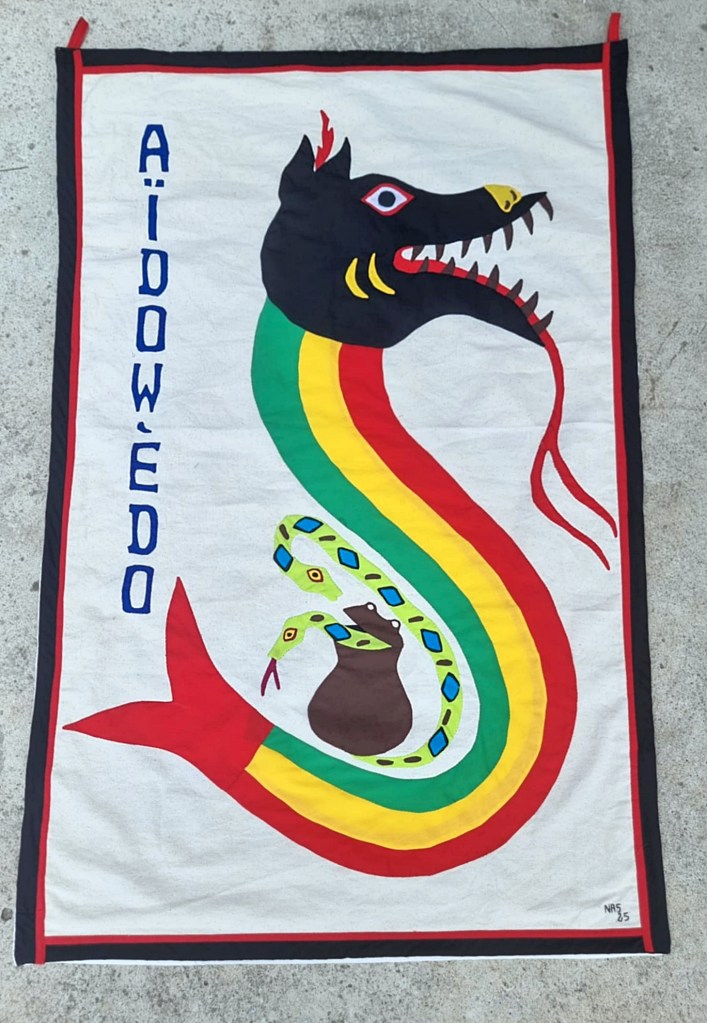
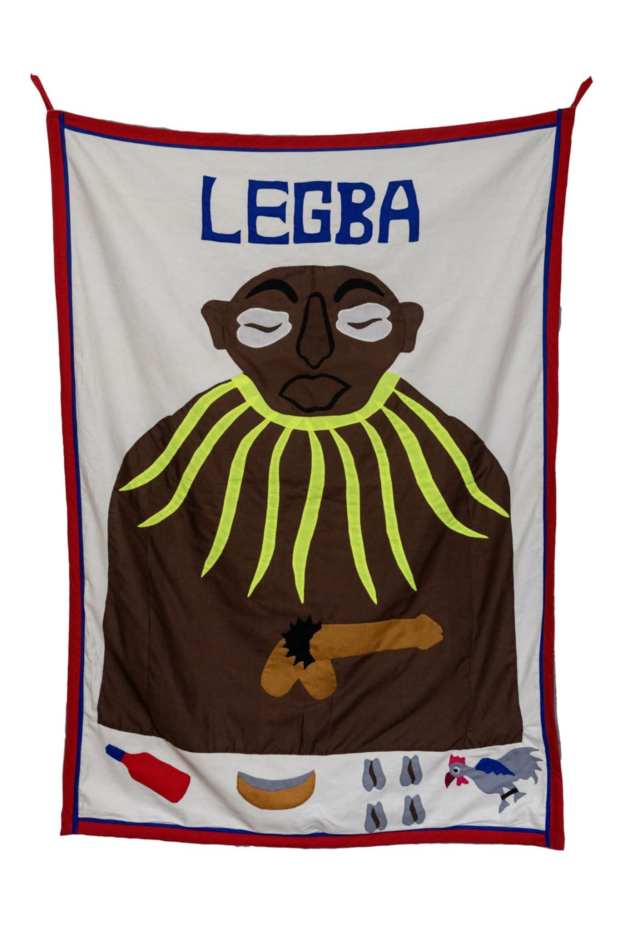
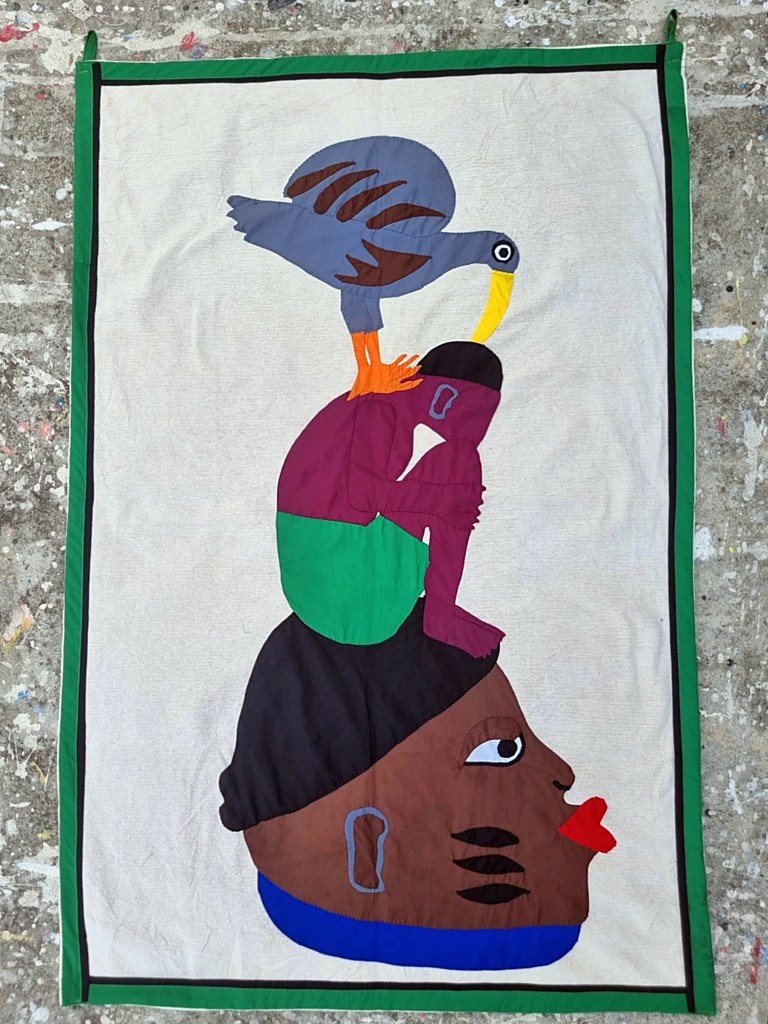
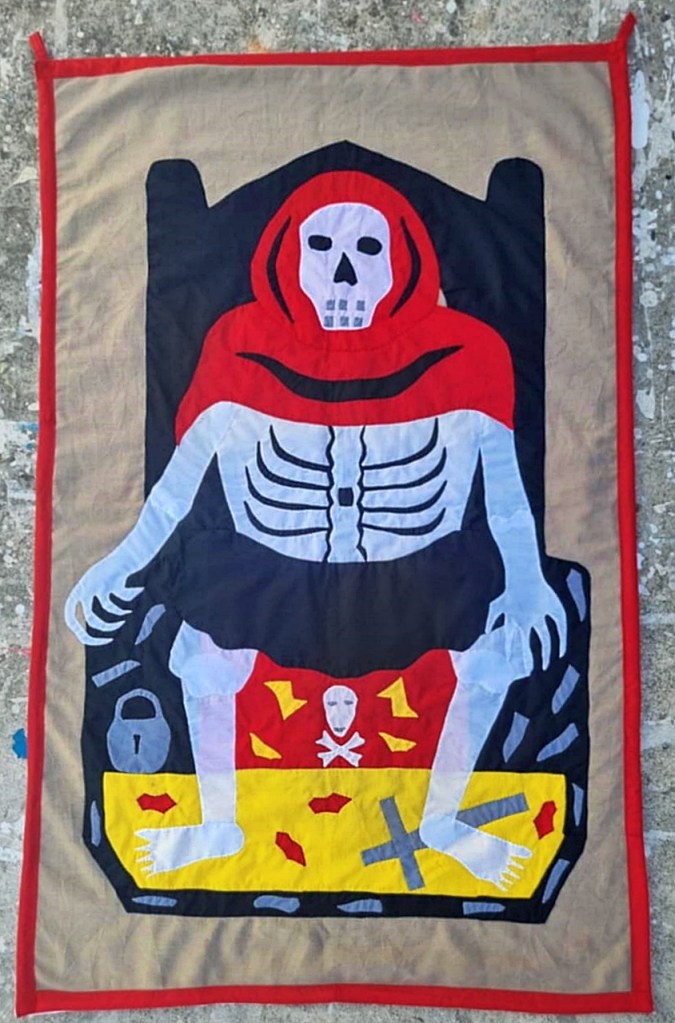
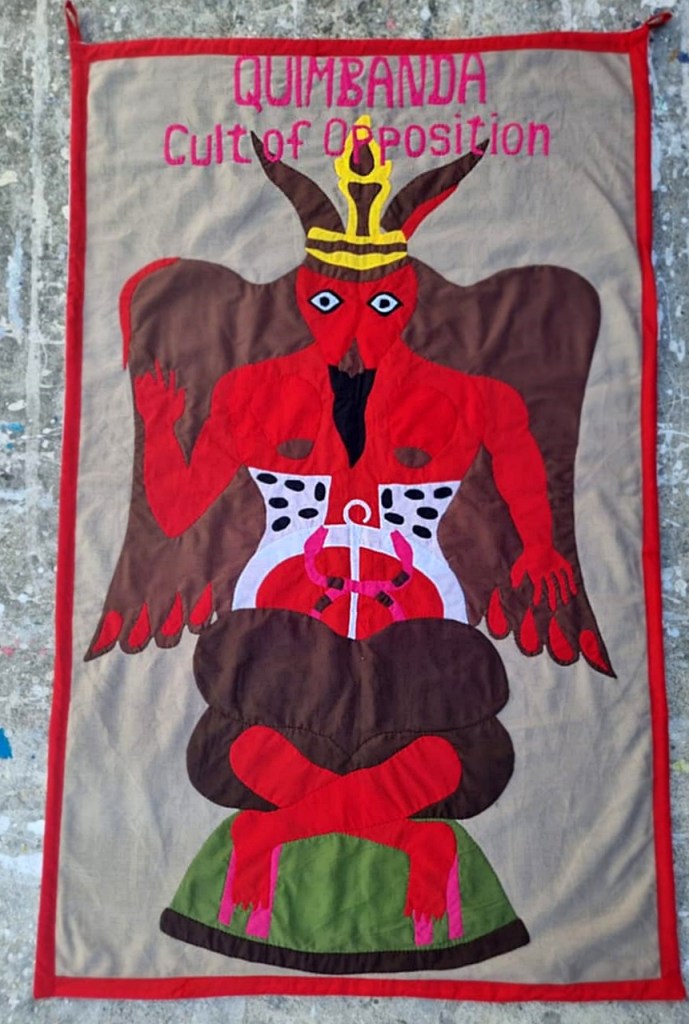
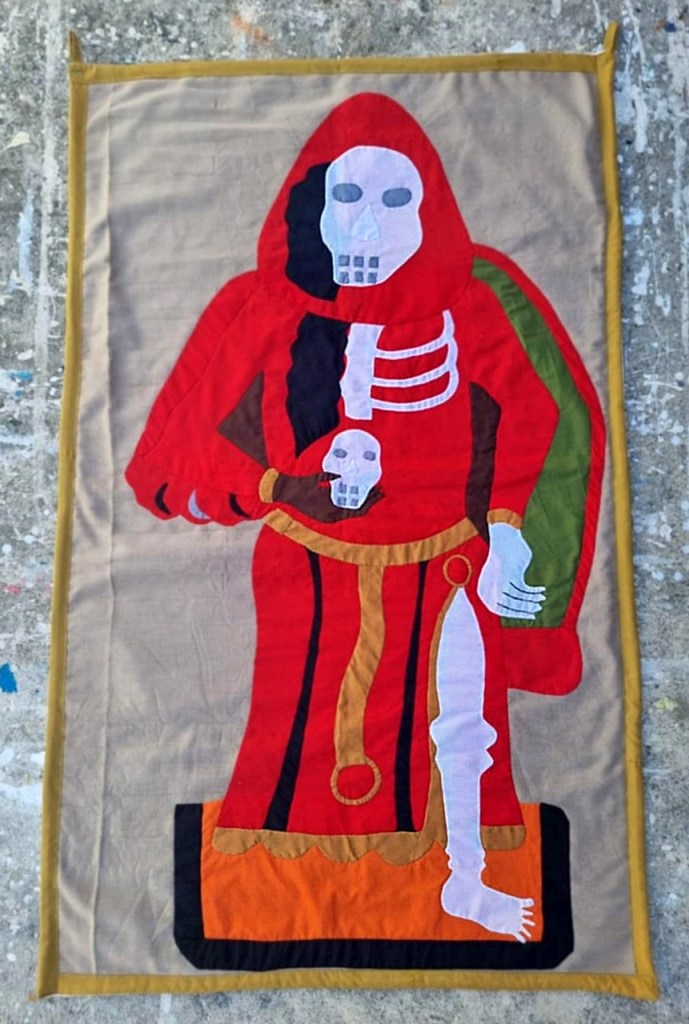
Narcisse Daphnée Dotou crafts symbolic appliqués representing Vodun gods and African diaspora spirits. Dotou’s images encourage introspection, offering a visual journey into one’s inner self. The viewer is asked to concentrate on the visuals and consider them thoughtfully, just as one would with a tarot card. Only then can the object’s grandeur gain a mystical and meaningful quality.
To make an appliqué like this, you need at least three weeks before doing it. We make the drawings on paper and then we start by cutting things out. Materials include sewing needles scissors cotton fabric of different colors fabric. Everything is done by hand except the border which was done by machine. My teacher was François Codjo Yemadje who is from Abomey, Benin.
Narcisse Daphnée Dotou
Narcisse Daphnée Dotou was born on October 31, 1991 in Benin and has lived in the Mono department for a long time. He is an artist trained in the traditional art of tapestry sewing. The motifs of his refined works cover a wide spectrum. These include the varied symbolism of the ancient kings of Benin, which is the former Danhomey, representations of the traditional gods of Benin voodoo, Haitian voodoo, Cuba, but also modern themes and works made especially at the request of customers. In addition, Narcisse is an excellent connoisseur of the Cotonou art scene. He is happy to advise you and act as an intermediary if you have any wishes or requests.
African art has been a part of my childhood. My mother, Nadya Levi, was a sculptor who collected African art, and my father, Herman Norden, was an antique dealer who had a room in his house filled with African art, books, and stuffed birds. As a child, I went to London many times with my mother for auctions, where we met interesting people like Patricia Withofs and Gaston de Havenon. I also remember Mrs. Huguette van Geluwe in Brussels, where we went to seek her opinion on Congolese pieces, or Willy Mestach. And there were Simpson, Charles Raton, and Baron Rollin, who would visit us in Antwerp, and as a little boy, I had to serve coffee and help clean the display cases.
The Salampasu mask is steeped in cultural significance and is traditionally used in tribal ceremonies and rituals. It is believed to represent ancestral spirits and is used for various purposes, such as warding off evil spirits, promoting fertility, and celebrating harvest festivals.
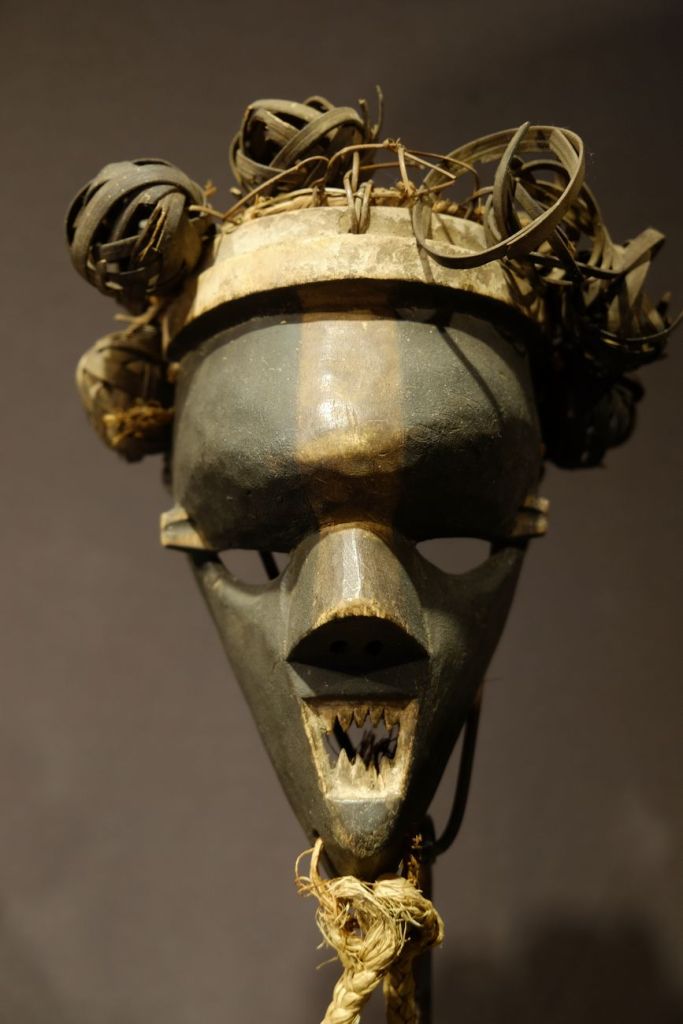
My mother’s collection of Bassa and Dan masks, all hung side by side, many of which were acquired from Paolo Morigi. My first purchase was a small miniature Etruscan stone tablet depicting a lion.
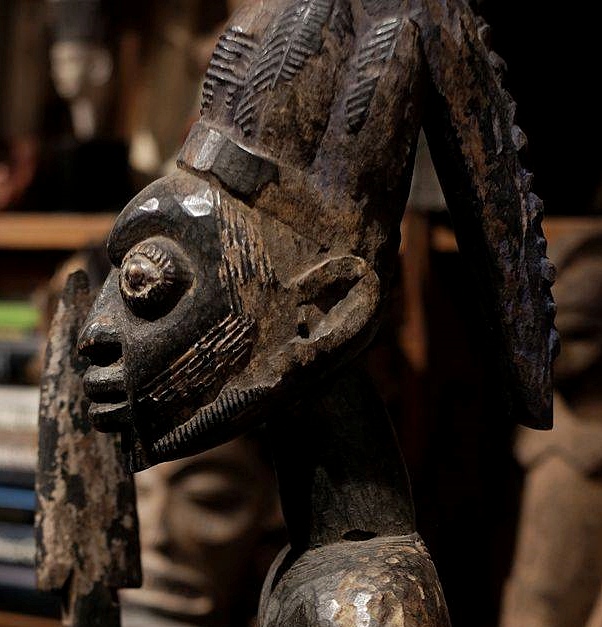
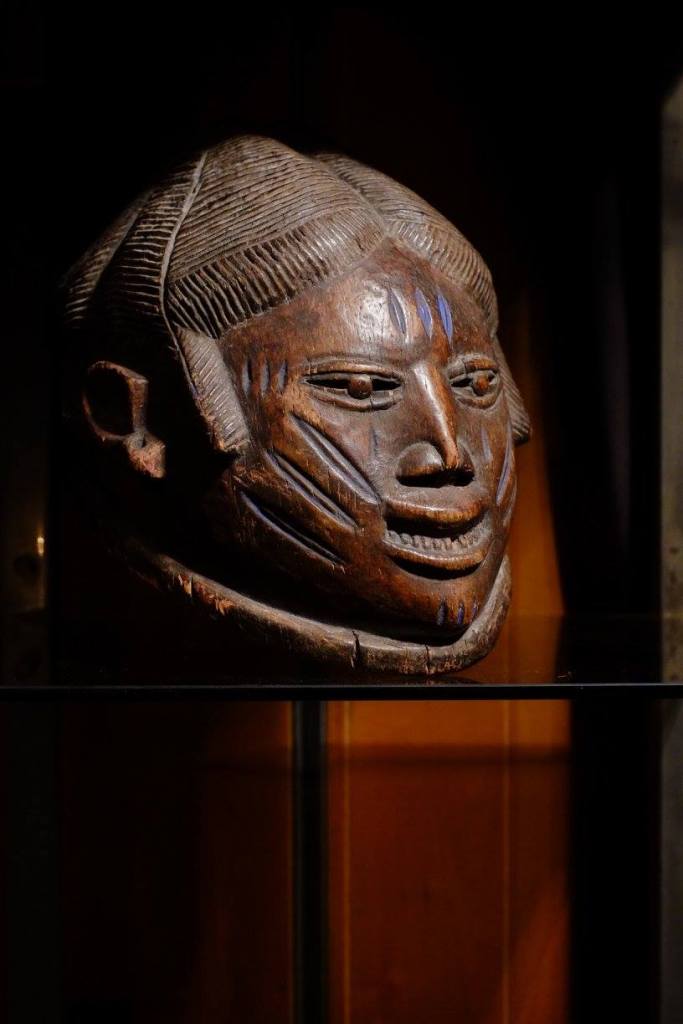
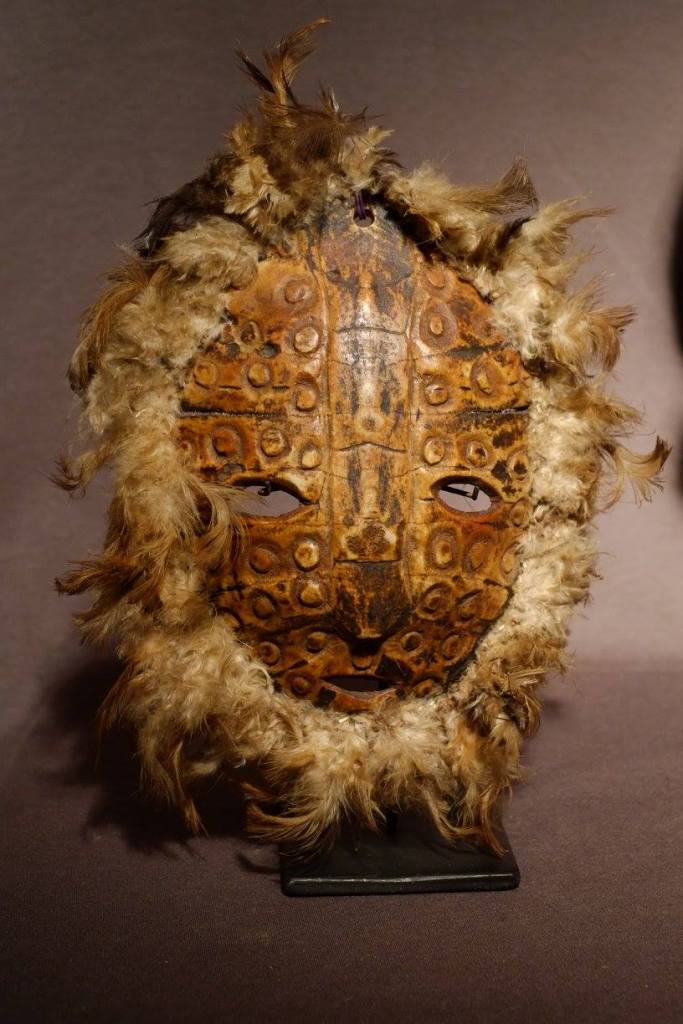
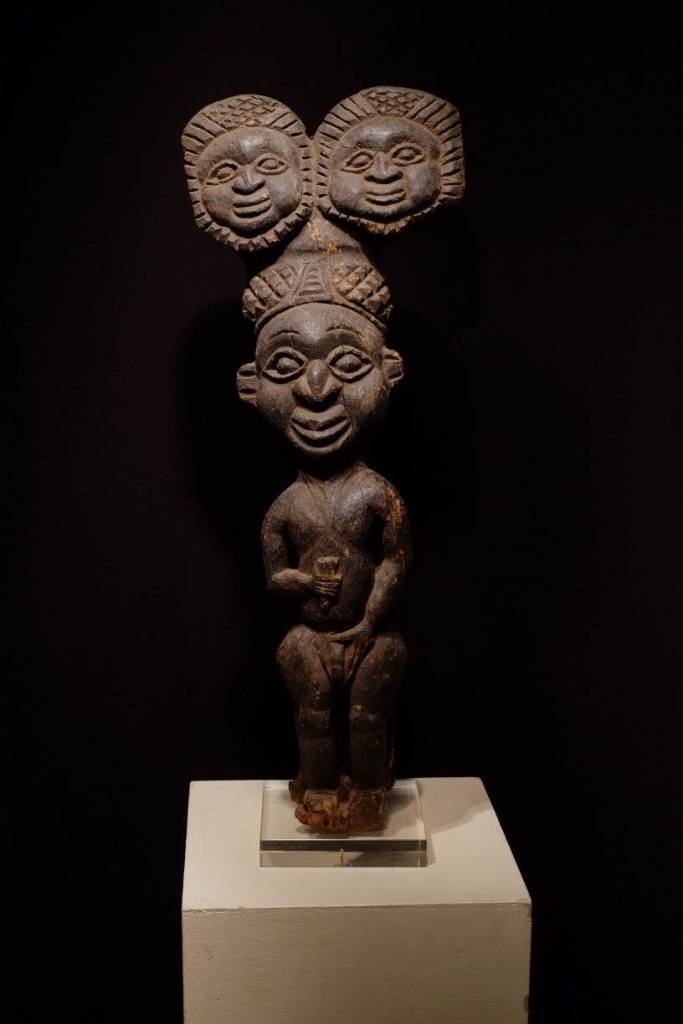
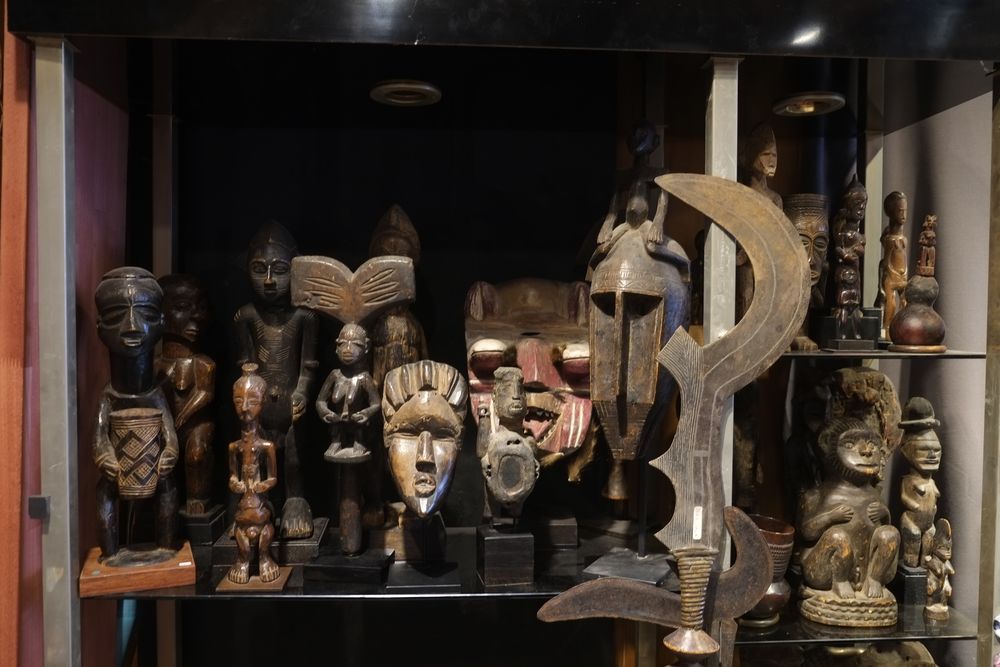
Gelede Mask Yoruba Nigeria. This sect is devoted to the mother of all orisha, the matriarchal head of the universe. Lega Turtle Mask. Mask symbolizes the wisdom of the elder members of the Bwami. Bamileke figure with three heads -Cameroun
I am always looking for an object that evokes emotions in me. I would love to acquire a beautiful object that belonged to Henry Pareyn, the first collector dealer in Antwerp around 1910. I have always derived more pleasure from acquiring objects than from selling them, but I am not a fetishist who cannot part with them.
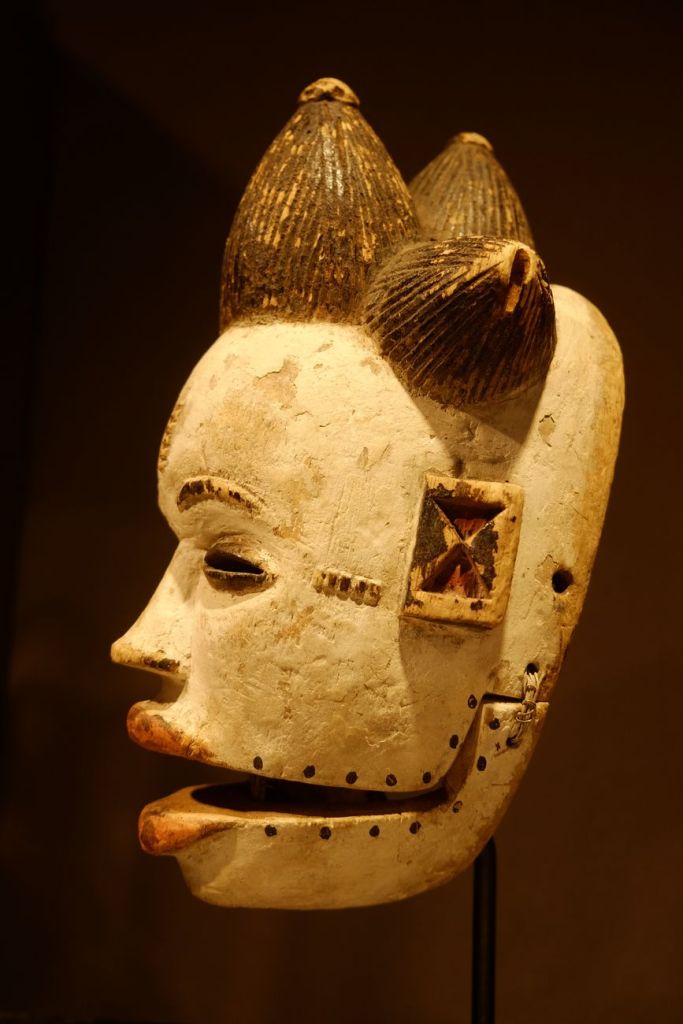
Ogoni ‘Elu’ mask with articulated jaw, Nigeria.The Ogboni ( also spelled Ogoni) people are an ancient and secretive society that has existed in Nigeria for centuries. Their religion is centered around the worship of various deities and the use of masks in religious rituals and ceremonies. The Ogboni mask being described is a prime example of this tradition.
What determines the value of the works? The value of an object often depends on the buyer. I could say that it is the beauty and antiquity associated with the provenance, but in reality, it is the emotion that an object evokes in you that is important, and sometimes the place your imagination gives it.
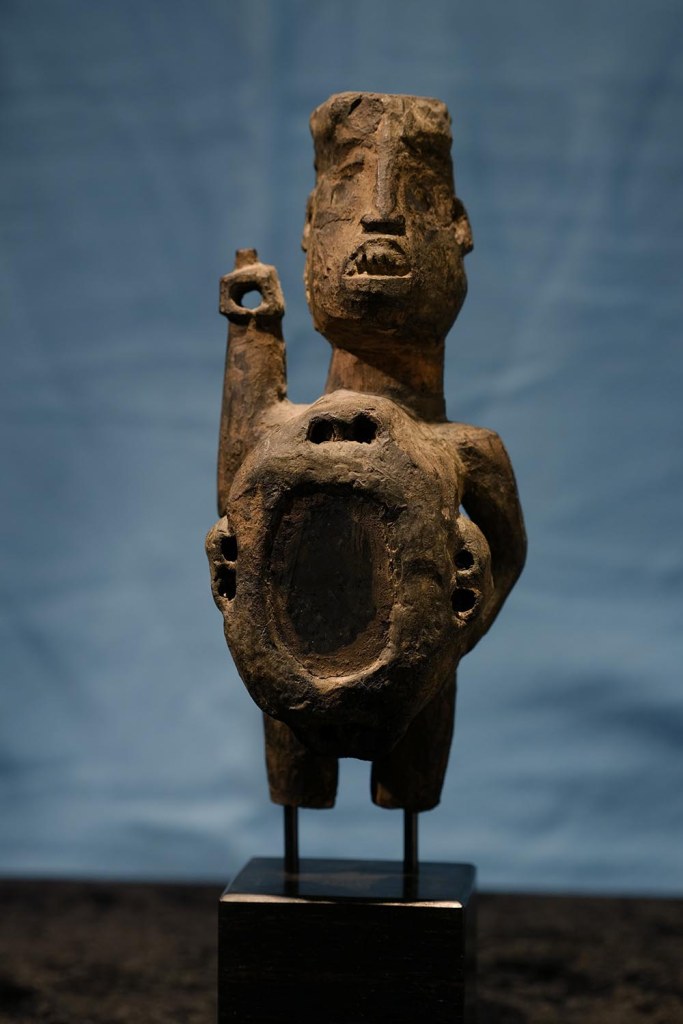
A 19th century Bakongo Nkisi Figure. The figure is known as a nkondi, which means “hunter” or “hunter of wrongs,” and it is believed to have the power to track down and punish wrongdoers. The mirror in its belly is said to allow it to see into the hearts of people and to reveal any evil or malicious intentions they may have. The eyes of the figure are made of mirror, and they are thought to help the nkondi to see clearly in the spiritual realm.
There are so many personalities in this field who have inspired me that I can’t name them all, but first and foremost, it is people with a deep passion and those who recognize the beauty and importance of African art for humanity that inspire me the most. African art has had a tremendous impact and great influence on Western art after World War I, and it is only natural to recognize the importance of this art and its artists.
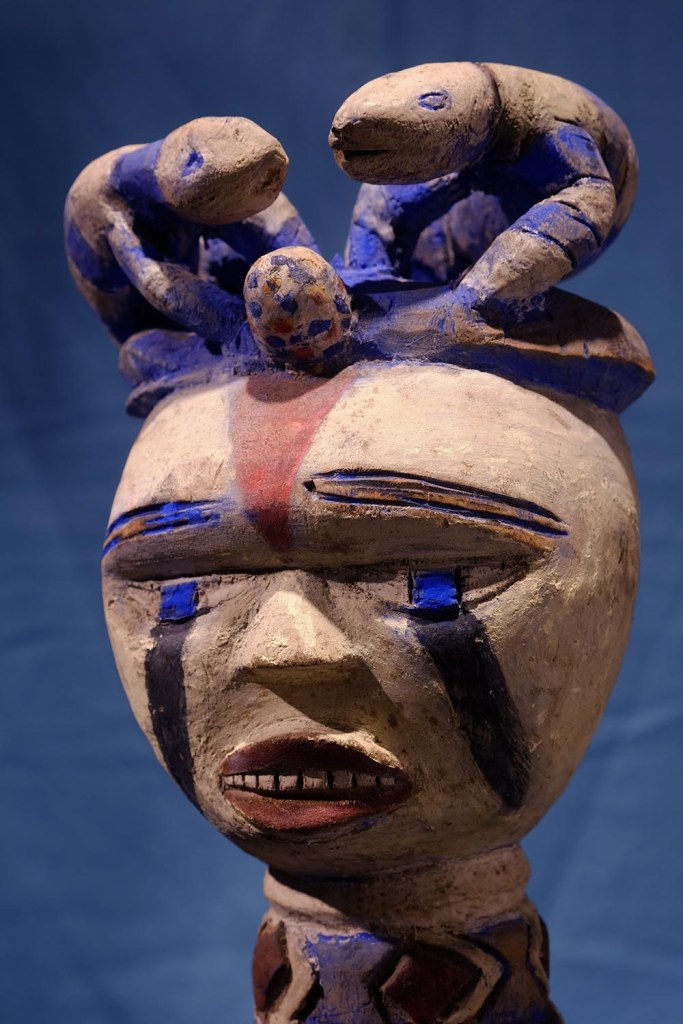
Kuyu Crest Head. The two lizards on the head of the Kuyu sculpture could represent spiritual guardians or protective spirits, as lizards are frequently associated with protective powers in many African cultures
The African art market represents only 0.8% of the overall antique market. It is flooded with fakes, and verifying authenticity is reserved for a very small experienced elite with a network of knowledgeable friends. Determining the value is equally unpredictable due to the market’s volatility, as it is too small. However, this provides many opportunities for knowledgeable buyers to make good purchases. The price of African art has declined in recent years for mid-range pieces due to the disappearance of wealthy collectors and the abundance of supply in the market. Only exceptional objects still command high prices.
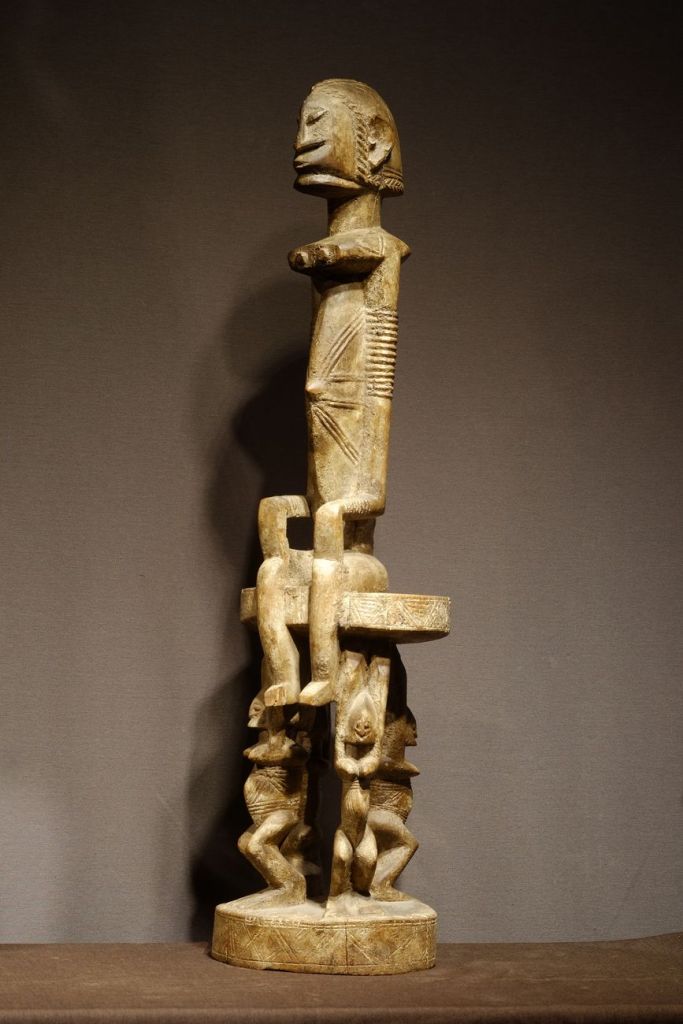
A 1967 published and museum exhibited Dogon Figure Hermaphroditic figure on a seat, which is supported by four female figures with raised arms. Yellow-brown patinated, heavy, hard wood. The published Meulendijk Dogon Figure was also exhibited in the ” Museum voor Land- en Volkenkunde” in Rotterdam, Nederland in december 1967
I do see many small collectors entering the market, but they rarely “invest” more than a few thousand euros. The recognition of contemporary African art over the past decade is very encouraging, as it could attract new audiences to African primitive art as well. The role of museums and cultural institutions is crucial in recognizing these cultures. In this regard, the Musée du quai Branly is doing excellent work by offering beautiful exhibitions that attract new audiences. However, the recent demands for repatriation create some discomfort in the market in the short term. But with the recognition of the importance of their own art, in the long term, it should allow an African market to develop in Africa. I also look forward to the creation of museums on the African continent, especially with the opening of the Museum of Black Civilizations in Dakar.
Throughout his journey, Norden has found inspiration in numerous figures within the primitive art field. He admires those who possess a deep passion for African art and recognize its significance in the broader context of humanity. The profound impact of African art on Western artistic movements following World War I further fuels his admiration for the art form and its artists. Looking ahead, Norden’s enthusiasm for primitive art shows no signs of waning. With an ongoing book project awaiting completion, he is dedicated to sharing his extensive knowledge and experiences with a wider audience.
Norden places great importance on the role of museums and cultural institutions in recognizing and promoting the significance of African art and its associated cultures. He commends the Musée du quai Branly for its remarkable exhibitions, which attract new audiences and foster appreciation for African primitive art. Norden also expresses anticipation for the emergence of museums on the African continent, with the Museum of Black Civilizations in Dakar serving as a beacon of hope.
David Norden’s lifelong dedication to primitive art has solidified his position as a respected figure in the field. His unwavering passion, discerning eye, and commitment to preserving the legacy of African art continue to shape his remarkable journey. As he eagerly shares his knowledge and explores new horizons, Norden’s contributions play an invaluable role in promoting the beauty and significance of primitive art to a global audience.
Sint Katelijnevest 27/B2000 Antwerpen/Belgium+32 3 227.35.40/david.norden@telenet.be
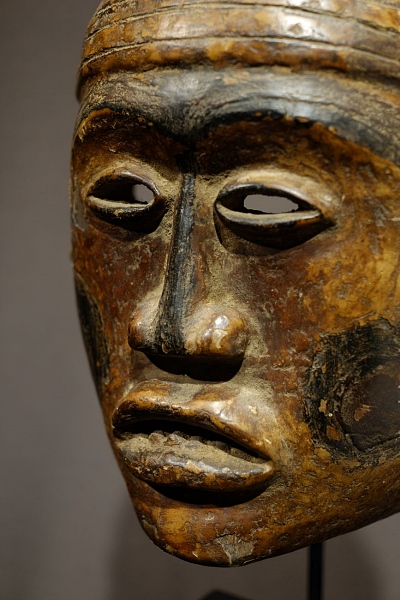
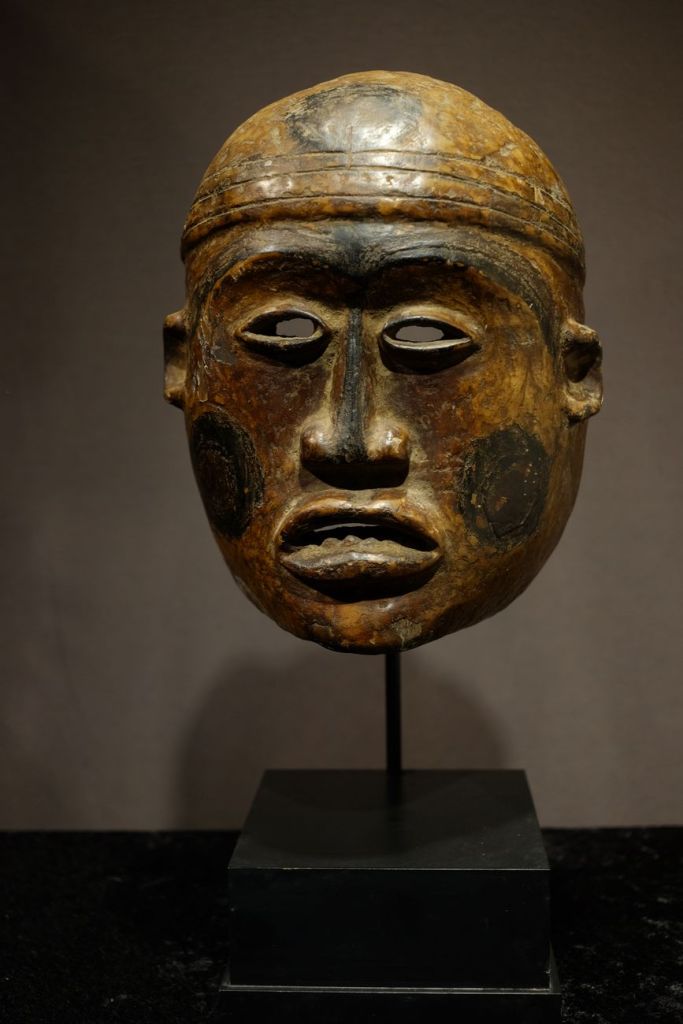
The customs of the Congo are quite different from those of Nigeria there is no direct relation between the Yoruba and Yombe. Ngobudi is the name of the diviner’s Mask . Once he wears the mask the powers of the diviner are active. A nganga is a soothsayer or traditional healer. The diviner can explain the past and give advice about the future. Nganga masks are owned by the healer or diviner.
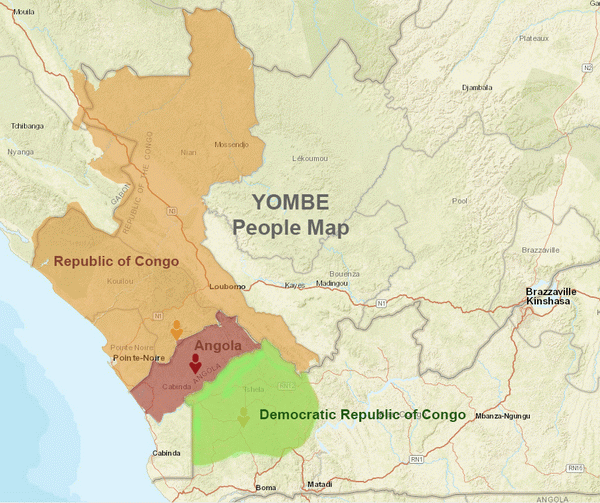
The Yombe don’t have the traditions, like the Yoruba that are more related to the Voodoo…and Congo is difficult to explain there are so many different tribes. But the main activities are about the passage to adulthood, honoring ancestors and telling the old stories when they are royal kingdoms. In Nigeria like Benin brass pieces are more to tell and illustrate the conquest of the kingdom and decorate their palace.
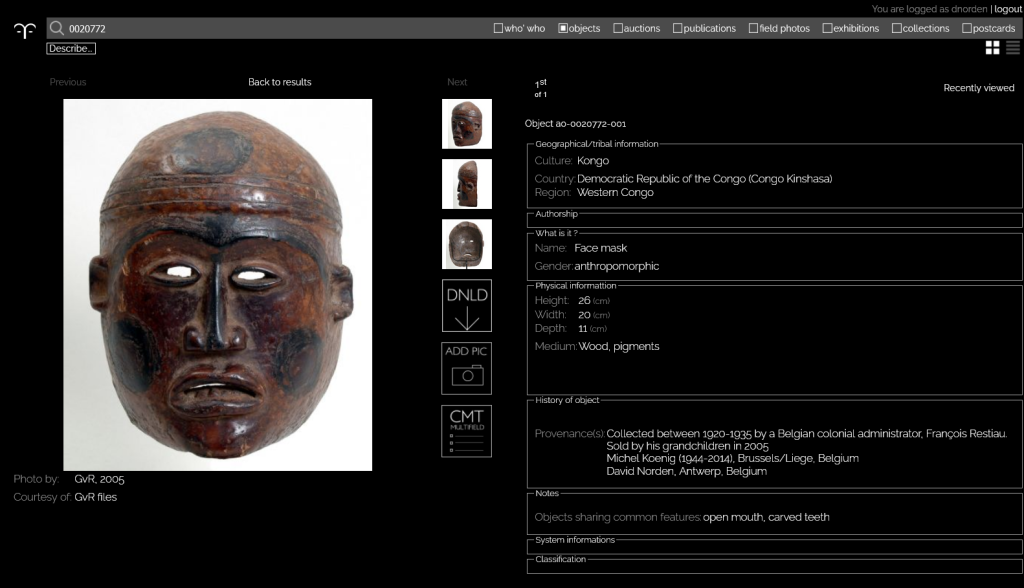
In the past a lot of colonials where going to Congo, since it was a Belgian colony. That specific Yombe mask was brought back between 1920-1935 by a Belgian colonial administrator, François Restiau, Mons. He was working for the railroad company in Congo. He found that mask in Congo when the “Ocean Railway” was built between 1921 and 1934. It is a bit of a sad story when you know that to build the railway from Pointe-Noire to Brazzaville between 15,000 and 20,000 Africans died. Today the Yombe people has a small population of 15,000 and the culture is still active, but it’s not exactly the same as 100 years ago.
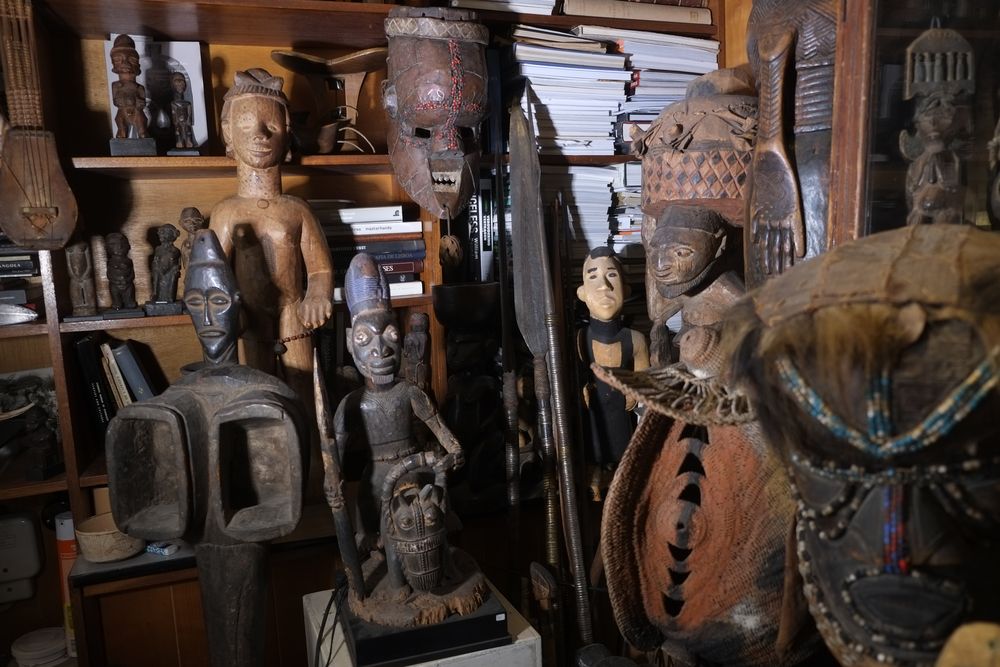
I have been dealing African art since 1993, before I was a professional photographer. I am specialized in African art coming from old collections mainly, so I do not import my pieces directly from Africa. My mother Nadya Levi was a sculptor and she collected African Art. My father Herman Norden was an antique dealer, and he had a room with African Art in his house. The African Art world is quite small I guess there are less than 200 serious specialized dealers in this field in the world. It is not so easy, because there are a lot of fakes that have been produced, some of them very well done, and you need to have seen a lot of pieces to be able to tell the differences.
written by David Norden
Sint Katelijnevest 27/B2000 Antwerpen/Belgium+32 3 227.35.40/david.norden@telenet.be
“Ifá tells us that when he is enraged, Obaluaiye [Babalú Ayé] takes [his] special broom and spreads sesame seeds (yamoti) on the earth before him, then sweeps the seeds before him, in ever-widening circles. As the broom begins to touch the dust and the dust begins to rise, the seeds, like miniature pockmarks, ride the wind with their annihilating powers: the force of a smallpox epidemic is thereby unleashed.”
—Robert Farris Thompson, Flash of the Spirit: African and Afro-American Art and Philosophy, p. 63 (Vintage Books. New York, NY. 1984.)
Babalú gettin’ me up in the mornin’ I believe I’ll dust my broom Babalú gettin’ me up in the mornin’ I believe I’ll dust my broom I get to sweepin’ this sesame, baby Babalú pox gon’ be ya doom
And you won’t get better—ya whole body covered in sores No, you won’t get better—ya whole body be covered in sores Be nothin’ but dogs a-lickin’ you, baby Once these bristles start sweepin’ the floors
Lazy Pushin’ Daisy
I know that there’s a man Who in Bethany stays Erbody like to call him Lazy Cause he lay still four days
Talkin’ bout that Lazy I’d swear he pushin’ up daisy
I know that there’s a man Who sleep like the dead Only the power of the good lord Rouse him out of his bed
Talkin’ bout that Lazy I’d swear he pushin’ up daisy
I know a man name Lazy Always got that bed breath Got a twisted mouth so sour Breathe out the smell of death
Talkin’ bout that Lazy I’d swear he pushin’ up daisy
I know a man name Lazy Who stink to his core Body raw as his mouth And dogs licking’ his sores
Talkin’ bout that Lazy I’d swear he pushin’ up daisy
written by P.D. Newman
P.D. Newman is an independent researcher located in the southern US, specializing in the history of the use of entheogenic substances in religious rituals and initiatory rites. He is the author of the books, Alchemically Stoned: The Psychedelic Secret of Freemasonry, Angels in Vermilion: The Philosophers’ Stone from Dee to DMT, and the forthcoming title, Day Trips and Night Flights: Anabasis, Katabasis, and Entheogenic Ekstasis in Myth and Rite. The Secret Teachings of All Ages (TV Series documentary) 2023.










 Mitchell Pluto